The best cycling routes around Siétamo
4.8
(28)
752
riders
98
rides
Touring cycling routes around Siétamo traverse a diverse landscape within the Hoya de Huesca region, transitioning from the pre-Pyrenean mountains to the Ebro valley. This area features varied terrain, including flatlands, cultivated fields, and mountainous sections with notable elevation changes. Key natural features include the Sierra de Guara, with its impressive rock formations and reservoirs like Vadiello Dam, and the iconic Mallos de Riglos.
Best touring cycling routes around Siétamo
- The most popular touring cycling route is Montearagón Castle and…
Last updated: June 28, 2026
4.8
(6)
27
riders
25.5km
01:48
290m
290m
Moderate bike ride. Good fitness required. Mostly paved surfaces. Suitable for all skill levels.
60
riders
50.7km
03:15
460m
460m
Hard bike ride. Very good fitness required. Mostly paved surfaces. Suitable for all skill levels.

Sign up for free
3.0
(1)
44
riders
67.2km
05:48
760m
760m
Hard bike ride. Very good fitness required. You may need to push your bike for some segments of this route.
5.0
(1)
37
riders
37.1km
03:07
400m
400m
Moderate bike ride. Good fitness required. Mostly paved surfaces. Suitable for all skill levels.
40
riders
53.1km
03:43
850m
850m
Hard bike ride. Very good fitness required. Mostly paved surfaces. Suitable for all skill levels.
Get access to more routes and recommendations from other explorers.
Sign up for free
Already have an account?
Our route recommendations are based on thousands of hikes, rides, and runs completed by other people on komoot.
Start today with a free account
Your next adventure awaits.
Login or Signup

Tips from the Community

The fragment isn't exactly eye-catching. Nor is there any indication that it's a genuine Roman artifact. It's shady and perhaps worth a break.
0
0


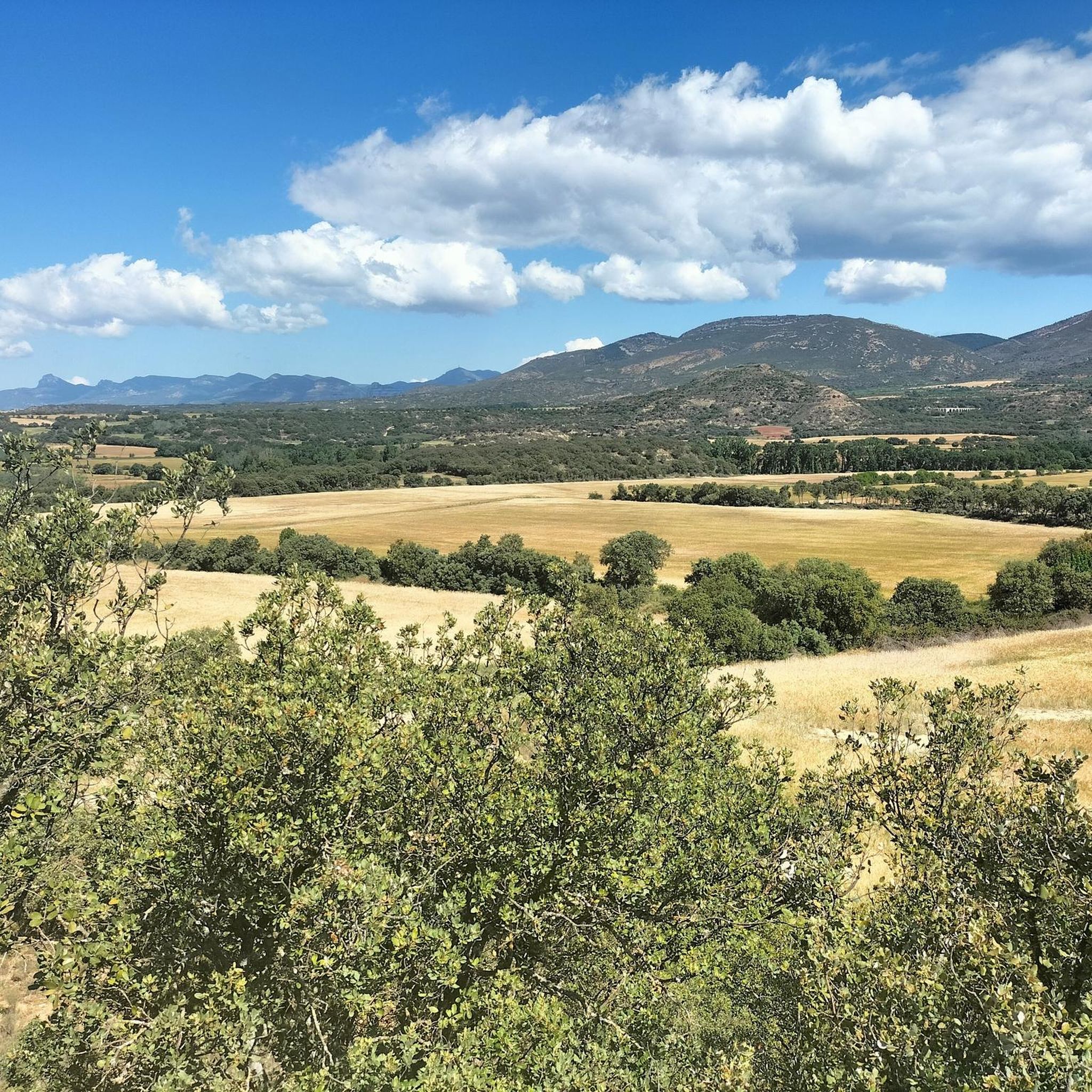
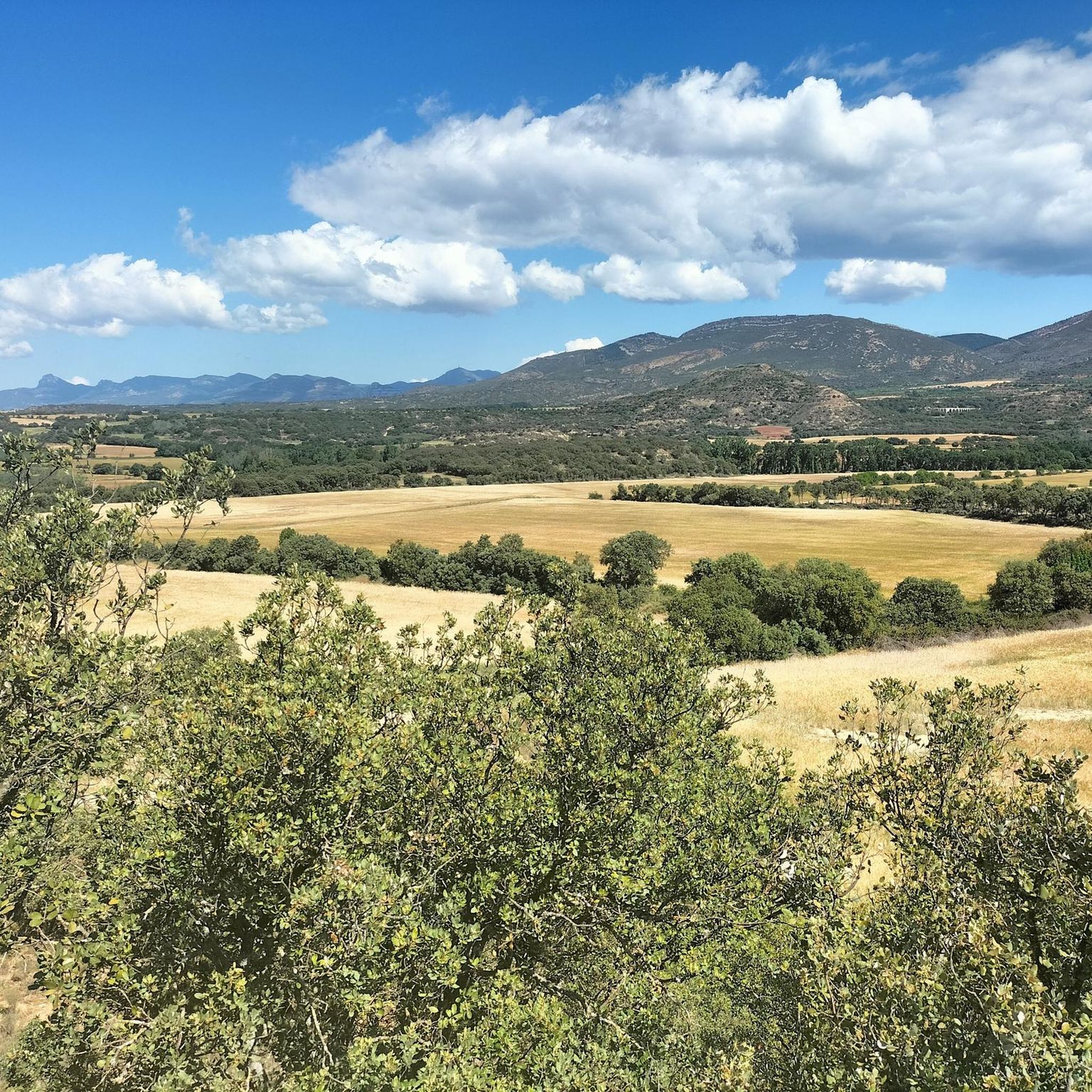
Really beautiful castle in the middle of a semi arid landscape with perfect gravel roads. Surprisingly empty!
1
0

This town in the region of Hoya de Huesca in the community of Aragón appears mentioned for the first time in 1104, in a concord between the bishop of Huesca and the abbot of Montearagón. Its origin is Roman, a link that still survives in the tradition of the "vote", which unites Alerre with six other towns that surround Huesca and form the "Seven Places". This historical community was united by the promise of a vote destined to ask for the holy protection of a saint, Lorenzo, son of two Roman subjects who lived in a Roman settlement near present-day Huesca, and who was martyred in Rome. Alerre has an interesting costume and footwear museum, located in the keep, next to the town hall, and which collects more than 3,000 pieces from all over the world, donated by the Scottish diplomat of Spanish origin Tomás Moyano.
1
0
Founded and built by Sancho Ramírez of Aragón in Romanesque style in the 11th and 12th centuries, Montearagón Castle was a fortified complex that included military housing, a church and a royal monastery. It is located on a strategic promontory in the Huesca town of Quicena, in the Hoya de Huesca region, Aragon. Although its military function ended with the taking of Huesca and the end of the Spanish-Arab wars, it continued to house the canonical abbey under the name of the Abbey of Jesús de Nazaret de Montearagón. Several Aragonese kings were buried in the castle in addition to its founder, Sancho Ramírez of Aragón.
2
0
And you can't enter with your dog
0
1

Montearagón Castle is an abandoned castle-abbey located in the municipality of Quicena, in the province of Huesca. It was strategically built in 1085 by Sanç I of Aragon and Pamplona to help in the conquest of Washka (Husca) in the Taifa of Zaragoza.
1
0
The Montearagón reservoir is a rush that collects the waters of the Flumen river and the waters of the Lijano ravine. The waters of this reservoir are mainly collected from the Gabardiella and Águila mountain ranges.
0
0
Frequently Asked Questions
How many touring cycling routes are available around Siétamo?
There are over 100 touring cycling routes around Siétamo, offering a wide range of options for different skill levels and preferences. You'll find everything from easy, flat rides to challenging mountainous terrain.
What kind of terrain can I expect on touring cycling routes near Siétamo?
The routes around Siétamo traverse a diverse landscape within the Hoya de Huesca region. You can expect varied terrain, transitioning from flatlands and cultivated fields to pre-Pyrenean mountains with significant elevation changes. Features include river valleys, impressive rock formations like the Mallos de Riglos, and areas around reservoirs.
Are there any easy touring cycling routes suitable for beginners or families?
Yes, Siétamo offers a good selection of easier routes. Approximately 24 routes are classified as easy, providing gentle gradients and suitable distances for beginners or family outings. These often explore the flatter cultivated areas or follow river paths.
What are some notable landmarks or attractions I can see while cycling near Siétamo?
Many routes incorporate historical sites and natural wonders. You can cycle past the historic Montearagón Castle, a Romanesque fortress. Natural attractions include the stunning Vadiello Dam and Vadiello Reservoir, known for their turquoise waters and imposing rock formations. The Salto de Bierge waterfall is another beautiful spot.
Are there any circular touring cycling routes around Siétamo?
Yes, many of the touring cycling routes in the Siétamo area are designed as loops, allowing you to start and finish in the same location. For example, the popular Montearagón Castle and Saso de Montearagón Loop is a moderate 25.5 km circular route offering views of the historic castle.
What is the best time of year to go touring cycling in Siétamo?
The Hoya de Huesca region, including Siétamo, is generally pleasant for cycling in spring (April-May) and autumn (September-October) when temperatures are mild and the landscapes are vibrant. Summer can be hot, especially in July and August, making early morning or late afternoon rides preferable. Winters are cooler but often still suitable for cycling on clear days.
Are there any challenging touring cycling routes for experienced riders?
Absolutely. For experienced touring cyclists seeking a challenge, there are 22 difficult routes available. These often feature significant elevation gains and longer distances, venturing into the pre-Pyrenean mountains or areas like the Sierra de Guara. An example is the Huesca – Vadiello Dam loop from Huesca, a demanding 53.5 km route with substantial climbing.
What do other touring cyclists say about the routes in Siétamo?
The touring cycling routes around Siétamo are highly regarded by the komoot community, with an average rating of 4.8 out of 5 stars from over 20 reviews. Cyclists often praise the varied terrain, the scenic beauty, and the opportunities to explore both natural landscapes and historical sites.
Are there options for parking near the touring cycling routes in Siétamo?
While specific parking areas for each route are not detailed, Siétamo and nearby towns like Huesca offer various parking facilities. Many routes start from or pass through villages where street parking or small public car parks are typically available, especially near trailheads or points of interest.
Can I find cafes or places to stop for refreshments along the touring cycling routes?
Yes, many touring cycling routes in the Siétamo area pass through or near picturesque villages. These villages often have local cafes, bars, or small shops where you can stop for refreshments, snacks, or a meal. Planning your route with komoot allows you to identify such points of interest along your chosen path.
Is public transport available to access the touring cycling routes around Siétamo?
Siétamo is located near Huesca, which serves as a regional transport hub. While direct public transport to every trailhead might be limited, you can often reach larger towns or starting points by bus or train from Huesca. From there, you might need to cycle a short distance to join your chosen route.
Are there any routes that offer views of the famous Mallos de Riglos?
While Siétamo itself is not directly adjacent to the Mallos de Riglos, the broader Hoya de Huesca region, where Siétamo is situated, is home to these spectacular rock formations. The Alerre – Huesca loop from Huesca, for instance, offers a challenging ride through the diverse terrain of the region, bringing you closer to the dramatic landscapes that characterize the area around the Mallos.
Most popular attractions around Siétamo

Get inspired with the komoot mobile app


Explore more
Browse the best Cycling routes in other regions.
