Attractions and Places To See around Igriés - Top 20
Best attractions and places to see around Igriés include a blend of historical sites and natural beauty. This municipality, nestled in the Hoya de Huesca region of Aragón, offers diverse landscapes and significant historical landmarks. Its strategic location serves as a base for exploring the Aragonese Pyrenees foothills and the wider Huesca province. The area features ancient structures and natural formations, providing varied points of interest.
Best attractions and places to see around Igriés
- The most popular attractions is Montearagón…
Last updated: June 22, 2026
Salto Roldán Viewpoint
Highlight • Viewpoint
Translated by Google •
Tip by

Montearagón Castle
Highlight • Castle
Translated by Google •
Tip by

Sign up now to discover places like this
Get recommendations on the best single tracks, peaks, & plenty of other exciting outdoor places.
Sign up for free
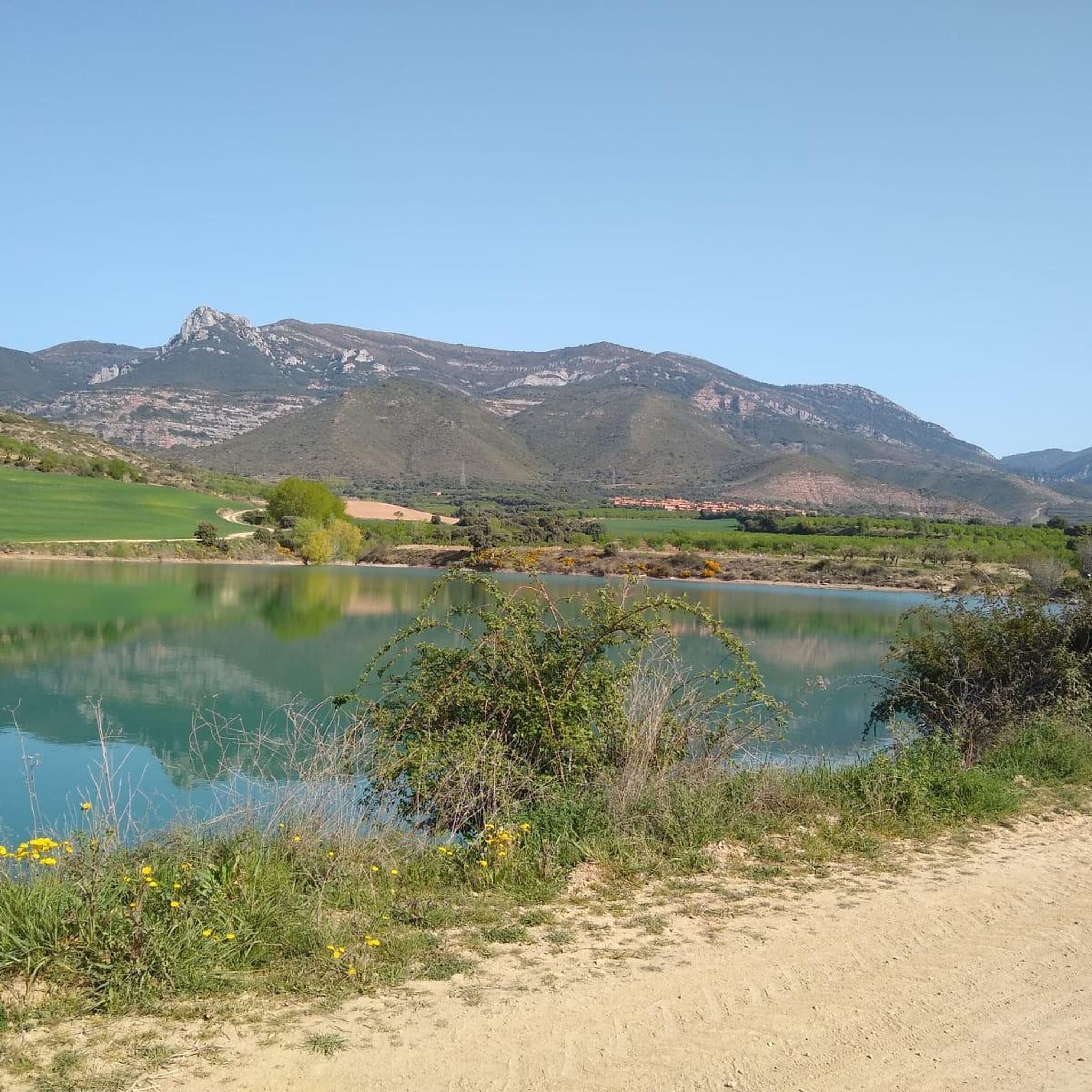
Arguis Reservoir
Highlight • Lake
Translated by Google •
Tip by

Gorgas de San Julián
Highlight • Gorge
Translated by Google •
Tip by

Tozal de Gratal
Highlight • Summit
Translated by Google •
Tip by

Sign up for free to discover even more attractions around Igriés.
Sign up for free
Already have an account?
Start today with a free account
Your next adventure awaits.
Login or Signup
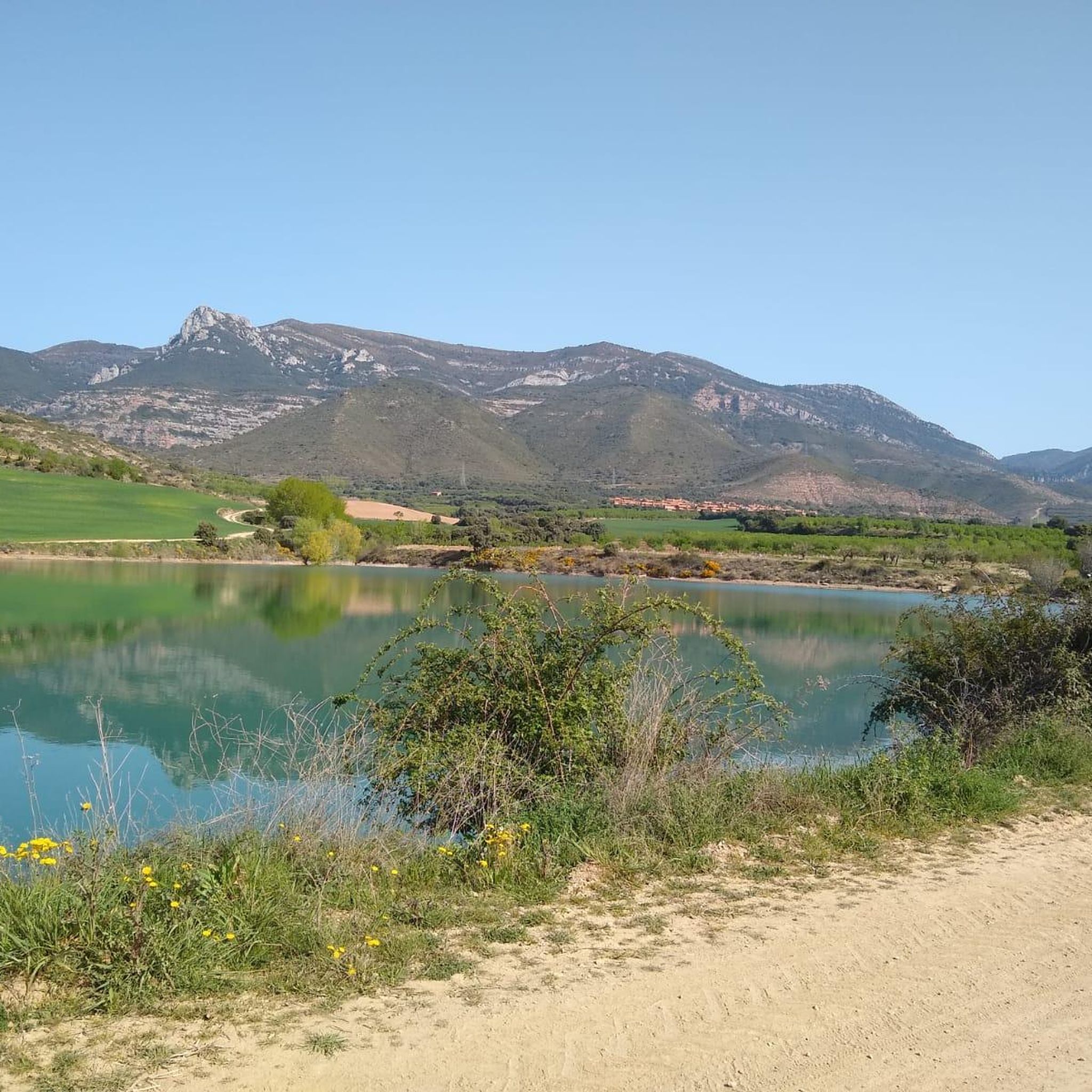
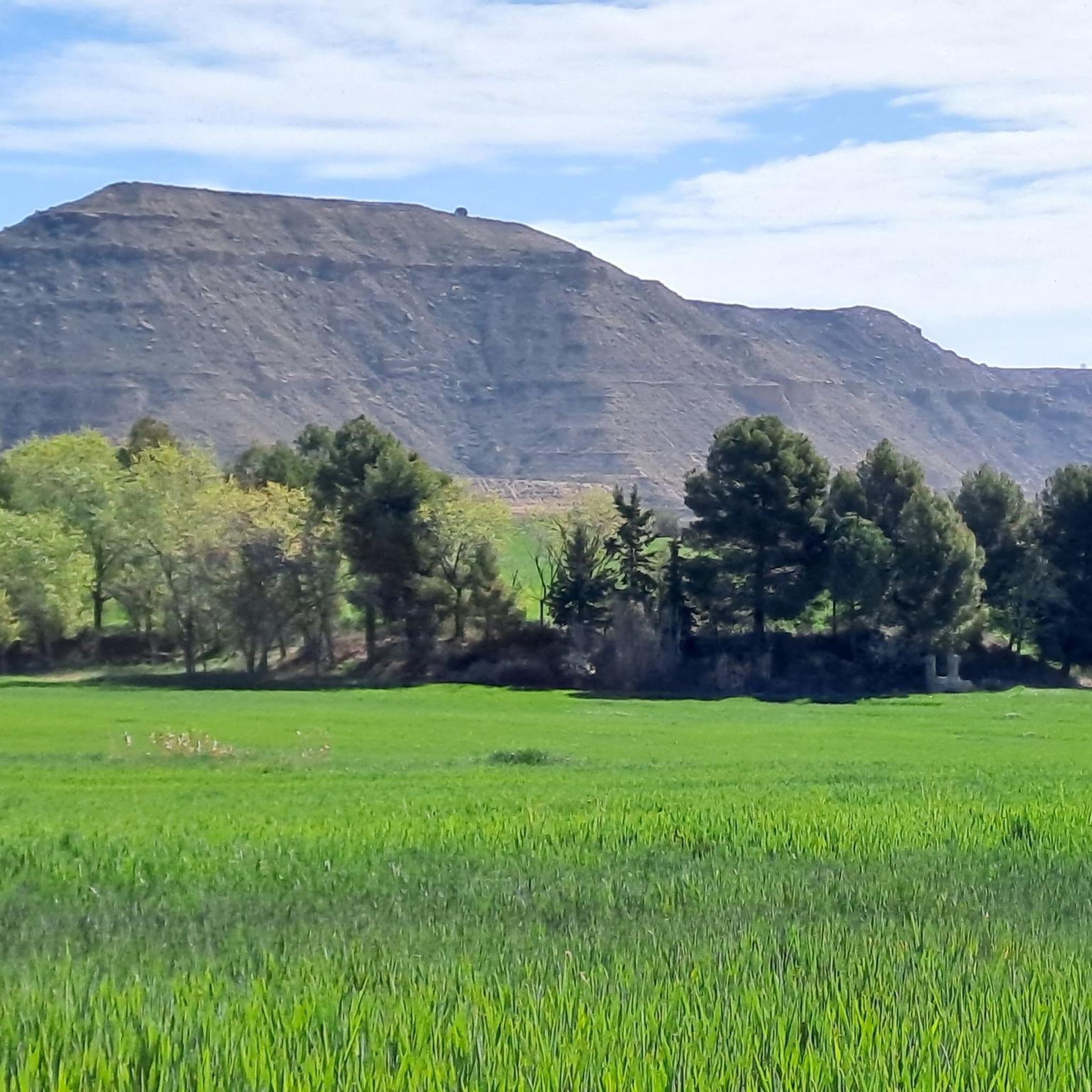
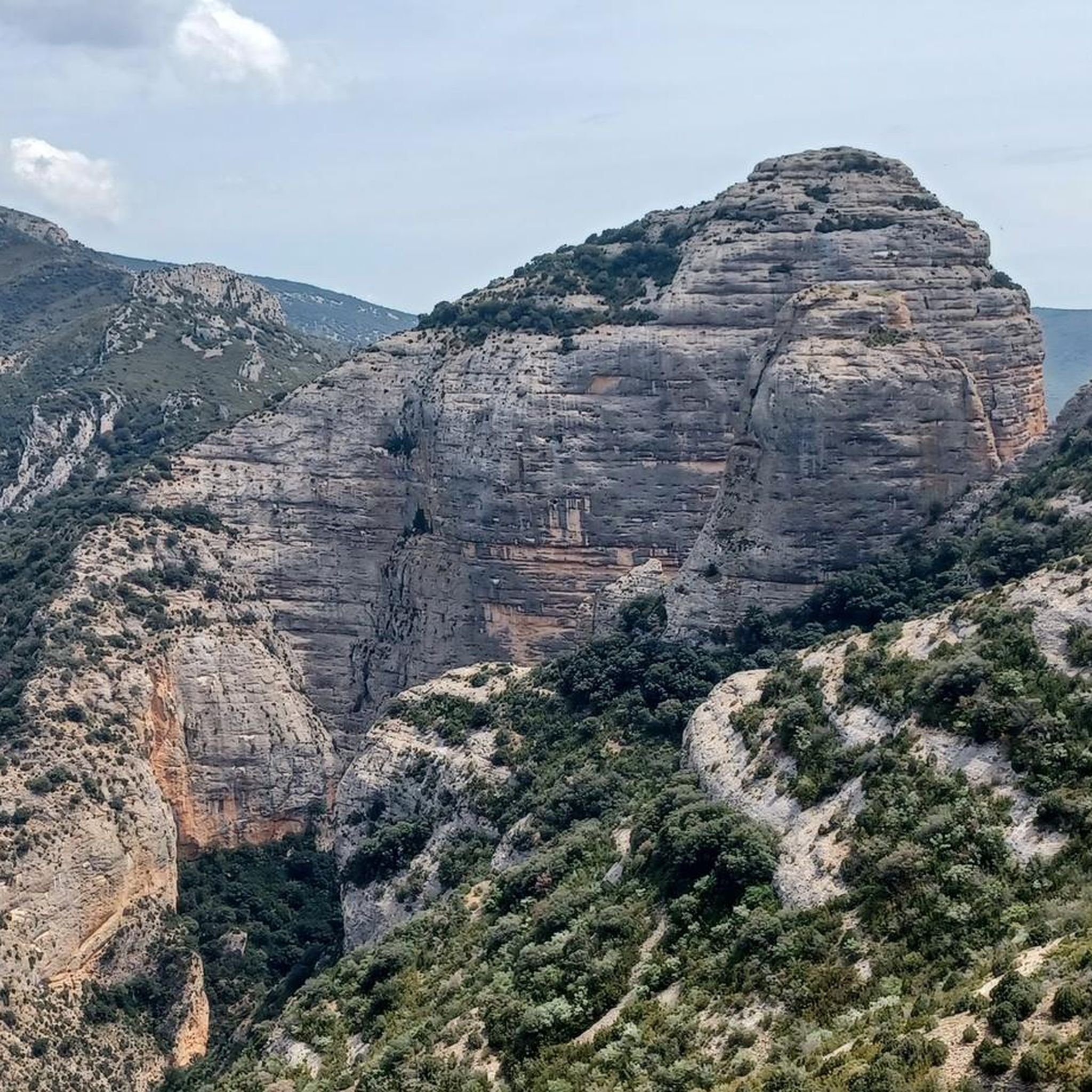
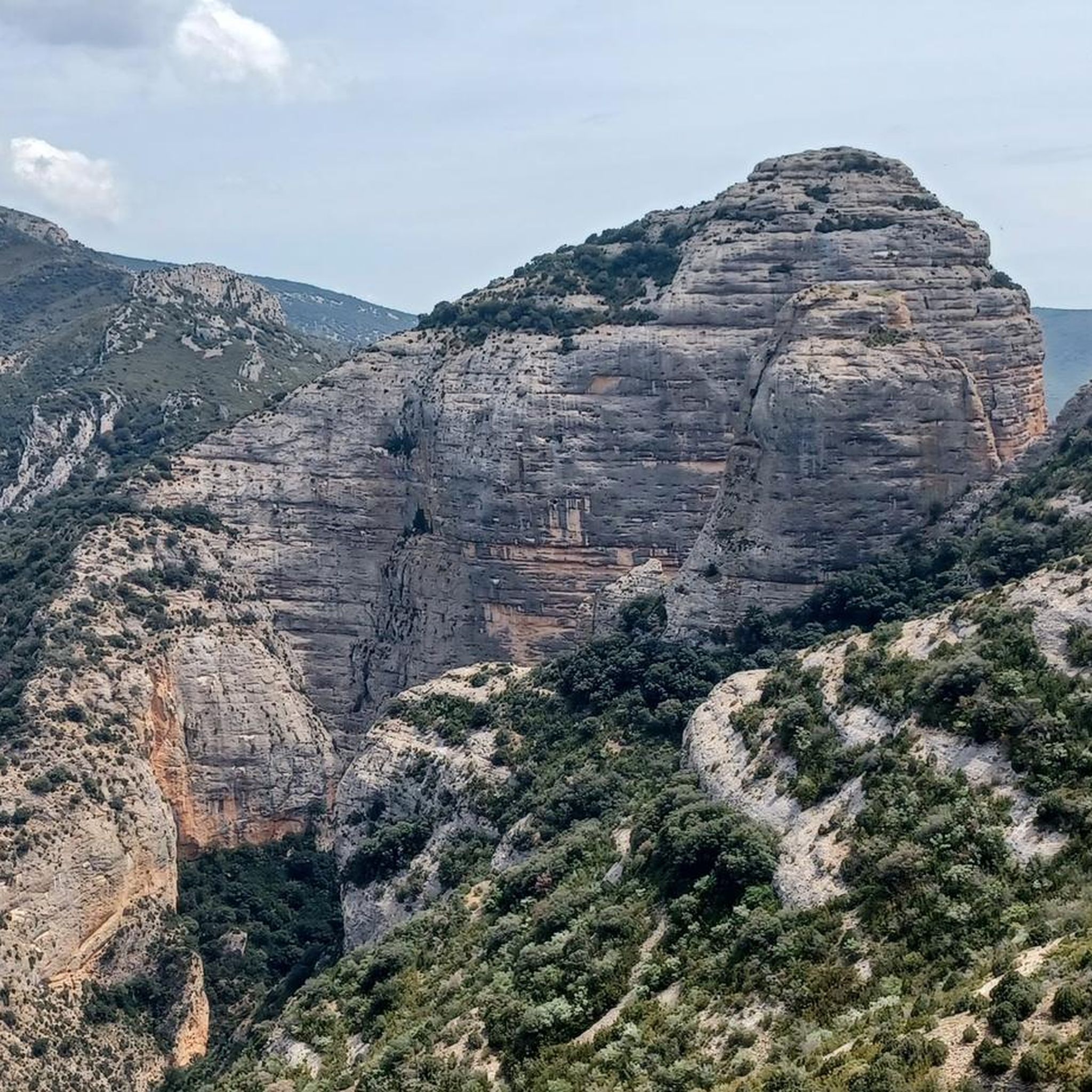

Tips from the Community

Gorgeous, and the trails in the area are spectacular.
0
0

Really beautiful castle in the middle of a semi arid landscape with perfect gravel roads. Surprisingly empty!
1
0

The hermitage is in a very cool place, with water falling from the top of the mountain. Inside, the two limestone formations from the flow of water make it very interesting. The walk from there to the gorgas is short and the gorgas area is spectacular. There is a nativity scene and the first thing you ask about is how they got it there. Going to the end of the gorge, where the water comes out, is beautiful. The light contrasts allow for spectacular photos.
0
0
It is worth going to the end of the gorges. It is spectacular. There is even a huge nativity scene.
0
0

Founded and built by Sancho Ramírez of Aragón in Romanesque style in the 11th and 12th centuries, Montearagón Castle was a fortified complex that included military housing, a church and a royal monastery. It is located on a strategic promontory in the Huesca town of Quicena, in the Hoya de Huesca region, Aragon. Although its military function ended with the taking of Huesca and the end of the Spanish-Arab wars, it continued to house the canonical abbey under the name of the Abbey of Jesús de Nazaret de Montearagón. Several Aragonese kings were buried in the castle in addition to its founder, Sancho Ramírez of Aragón.
2
0

Montearagón Castle is an abandoned castle-abbey located in the municipality of Quicena, in the province of Huesca. It was strategically built in 1085 by Sanç I of Aragon and Pamplona to help in the conquest of Washka (Husca) in the Taifa of Zaragoza.
1
0

It is dangerous to drink the water from the ravine or from the gorgas since it passes through a modification zone, the one from the hermitage is good.
0
0
Next to the reservoir, in the old forest house, the Arguis Interpretation Center opens its doors to you so that you can get to know in depth, and in a dynamic and interactive way, the peculiarities of the Sierra y Cañones de Guara Natural Park.
0
0
Frequently Asked Questions
What historical and cultural sites are there to explore around Igriés?
The region boasts several significant historical sites. You can visit Montearagón Castle, an 11th-century Romanesque castle-abbey founded by Sancho Ramírez of Aragón. Other notable sites include the 12th-century Romanesque Hermitage of San Juan in Igriés, the Parish Church of San Martín in Yéqueda with its Romanesque origins, and the Arab Wall of Huesca, a remnant of the city's ancient defenses.
Are there any natural attractions or viewpoints near Igriés?
Yes, the area offers stunning natural beauty. The Gorgas de San Julián is a spectacular gorge known for its unique limestone formations and photographic opportunities. For panoramic views, hike to Tozal de Gratal, which offers expansive vistas of the Sierra de Guara, the Huesca plain, and the Pyrenees. The Arguis Reservoir is also a picturesque spot surrounded by beautiful landscapes.
What outdoor activities can I do near Igriés?
Igriés is an excellent base for outdoor enthusiasts. You can enjoy hiking, mountain biking, and running. For hiking, consider routes like the 'Gorges of San Julián Trail' or 'Pico de la Cima loop from Nueno'. Mountain bikers can explore trails such as 'Santa Eulalia de la Peña – Apiés loop from Igriés'. Runners might enjoy the 'Pico de la Calma Alta loop from Nueno'. You can find more details on these activities in the respective guides: Hiking around Igriés, MTB Trails around Igriés, and Running Trails around Igriés.
Are there family-friendly attractions around Igriés?
The Arguis Reservoir is a great family-friendly option, popular for fishing and hiking in a scenic setting. The nearby town of Arguis also features a 12th-century Romanesque church and an Interpretation Center for the Sierra y Cañones de Guara Natural Park, offering interactive exhibits suitable for all ages.
What is the best time to visit the mountains and natural areas around Igriés?
The stable weather in northern Spain allows for fantastic views and outdoor activities year-round. However, for hiking and exploring the natural parks, spring and autumn generally offer milder temperatures and vibrant landscapes. Summer is also popular, especially for higher elevations, but be prepared for warmer weather.
What is the Sierra y Cañones de Guara Natural Park, and how can I access it from Igriés?
The Sierra y Cañones de Guara Natural Park is an extensive natural park known for its dramatic canyons, diverse ecosystems, and opportunities for adventure sports. While not directly in Igriés, its proximity makes it easily accessible for day trips. The Arguis Reservoir, with its Interpretation Center, serves as a gateway to understanding the park's peculiarities.
Are there any easy hiking trails suitable for beginners near Igriés?
While many trails in the region are moderate to difficult, some sections around the Arguis Reservoir offer easier walking paths. The walk to the Gorgas de San Julián is also relatively short and accessible, leading to a spectacular natural monument.
What do visitors enjoy most about the attractions around Igriés?
Visitors frequently appreciate the blend of historical significance and natural beauty. The panoramic views from Tozal de Gratal are highly praised, as are the unique geological formations at Gorgas de San Julián. The historical depth of sites like Montearagón Castle also leaves a lasting impression.
Can I find any Romanesque architecture in the Igriés area?
Yes, the region is rich in Romanesque heritage. The Montearagón Castle is a prime example of Romanesque military and religious architecture. Additionally, the Hermitage of San Juan in Igriés and the Parish Church of San Martín in Yéqueda both have Romanesque origins, with the latter featuring a beautiful 12th-century Romanesque church in the town of Arguis near the reservoir.
Are there any specific viewpoints or scenic spots recommended for photography?
For photography, the end of the Gorgas de San Julián is highly recommended due to its dramatic water features and light contrasts. The summit of Tozal de Gratal provides expansive, year-round panoramic views perfect for landscape photography. The picturesque setting of the Arguis Reservoir also offers beautiful photo opportunities.
What is the significance of Montearagón Castle?
Montearagón Castle is a historically significant Romanesque castle-abbey founded by Sancho Ramírez of Aragón in the 11th and 12th centuries. It served as a fortified complex, military housing, a church, and a royal monastery. Strategically located, it played a crucial role in the region's history, and several Aragonese kings, including its founder, were buried there.

Get inspired with the komoot mobile app


Explore more
Still not found the Highlight you’re looking for? See guides of the top attractions in other regions:
