The best cycling routes around Lupiñén-Ortilla
4.7
(38)
337
riders
34
rides
Touring cycling routes around Lupiñén-Ortilla traverse a landscape characterized by open plains and agricultural areas, often featuring views of the surrounding low hills. The region's terrain generally presents gentle gradients, making it suitable for various cycling abilities. Routes frequently follow quiet country roads and paths, connecting small villages and offering glimpses of local rural life. The area is defined by its expansive, unwooded vistas and the presence of the Sotonera Reservoir, a prominent geographical feature.
Best touring cycling routes around…
Last updated: July 4, 2026
22.3km
01:50
150m
150m
Enjoy an easy 13.8-mile gravel cycling tour around Embalse de la Sotonera from Alcalá de Gurrea, featuring reservoir views and birdwatching.
16
riders
Moderate bike ride. Good fitness required. Mostly paved surfaces. Suitable for all skill levels.

Sign up for free
18
riders
47.7km
03:33
370m
370m
Moderate bike ride. Good fitness required. Mostly paved surfaces. Suitable for all skill levels.
5.0
(3)
18
riders
39.2km
02:45
190m
190m
Moderate bike ride. Good fitness required. Mostly paved surfaces. Suitable for all skill levels.
5.0
(1)
11
riders
18.5km
01:23
90m
90m
Easy bike ride. Great for any fitness level. Mostly paved surfaces. Suitable for all skill levels.
Get access to more routes and recommendations from other explorers.
Sign up for free
Already have an account?
Our route recommendations are based on thousands of hikes, rides, and runs completed by other people on komoot.
Start today with a free account
Your next adventure awaits.
Login or Signup

Tips from the Community

At this point, the Gállego channel flows into the reservoir. The confluence often attracts herons, cormorants, and other birds that take advantage of the abundance of fish. From the shore, you have a sweeping view of the reservoir, with the Pyrenees in the background on clear days.
0
0

The church of San José is the parish church of the Tormos neighborhood, a town belonging to the municipality of Alcalá de Gurrea, built to house the workers of the Sotonera dam and reservoir. The church, inaugurated in 1926, has a rectangular plan and a polygonal head facing southwest. The free-standing bell tower is separate from the main building and is built of brick. Its construction does not correspond to a defined style, and mixes different styles, with the Romanesque predominating.
1
0
This town in the region of Hoya de Huesca in the community of Aragón appears mentioned for the first time in 1104, in a concord between the bishop of Huesca and the abbot of Montearagón. Its origin is Roman, a link that still survives in the tradition of the "vote", which unites Alerre with six other towns that surround Huesca and form the "Seven Places". This historical community was united by the promise of a vote destined to ask for the holy protection of a saint, Lorenzo, son of two Roman subjects who lived in a Roman settlement near present-day Huesca, and who was martyred in Rome. Alerre has an interesting costume and footwear museum, located in the keep, next to the town hall, and which collects more than 3,000 pieces from all over the world, donated by the Scottish diplomat of Spanish origin Tomás Moyano.
1
0
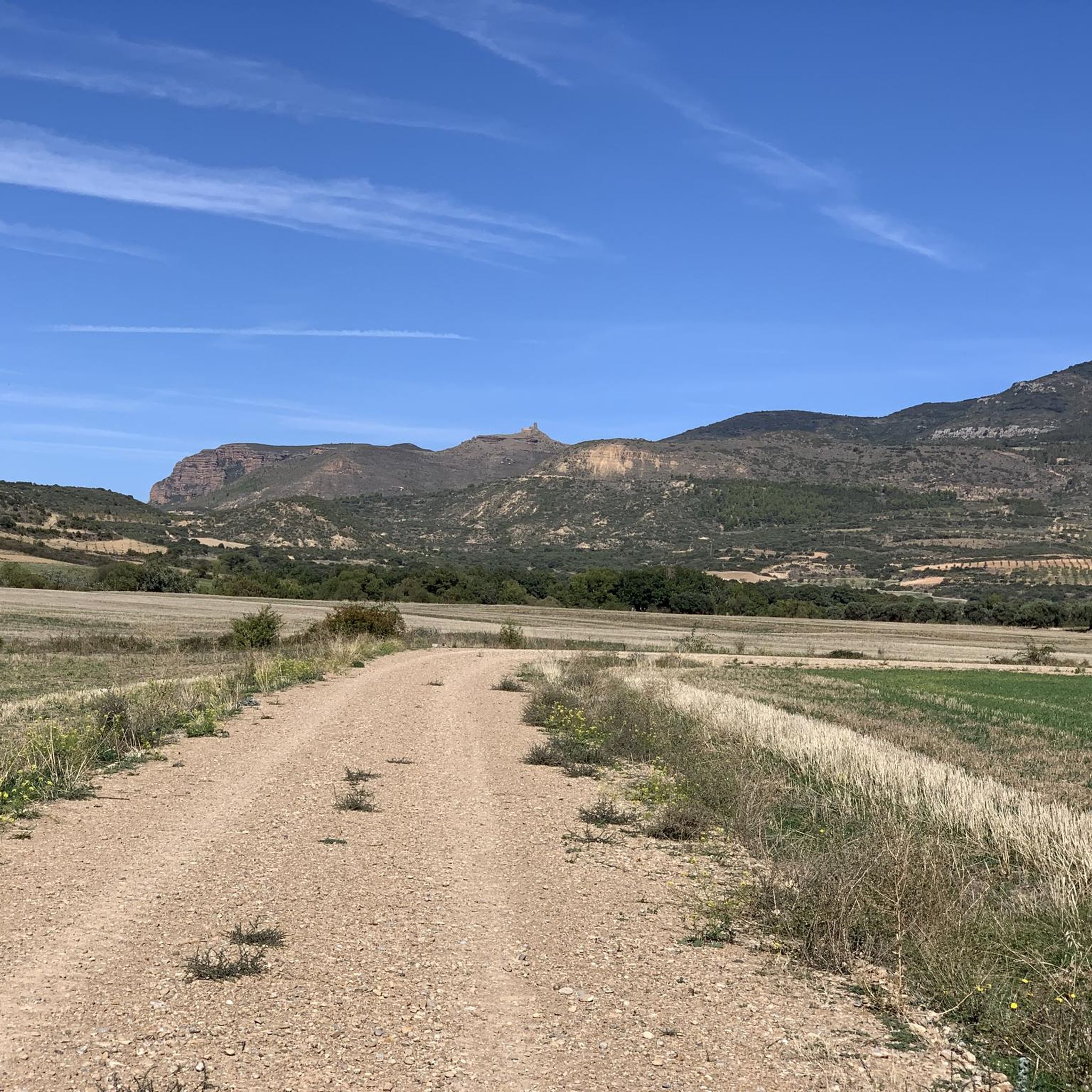
The ruins of the Watchtower tower, probably built between the 9th and 10th centuries, are of Islamic origin. The tower, with a square plan, preserves only three walls, since the south wall collapsed. It is also known as the Four Corners Tower. It is located in a privileged place, on a hill that overlooks the Sotonera reservoir. Its elevated position allowed visual communication with the Tower of San Mitiel or the Bolea castle.
1
0
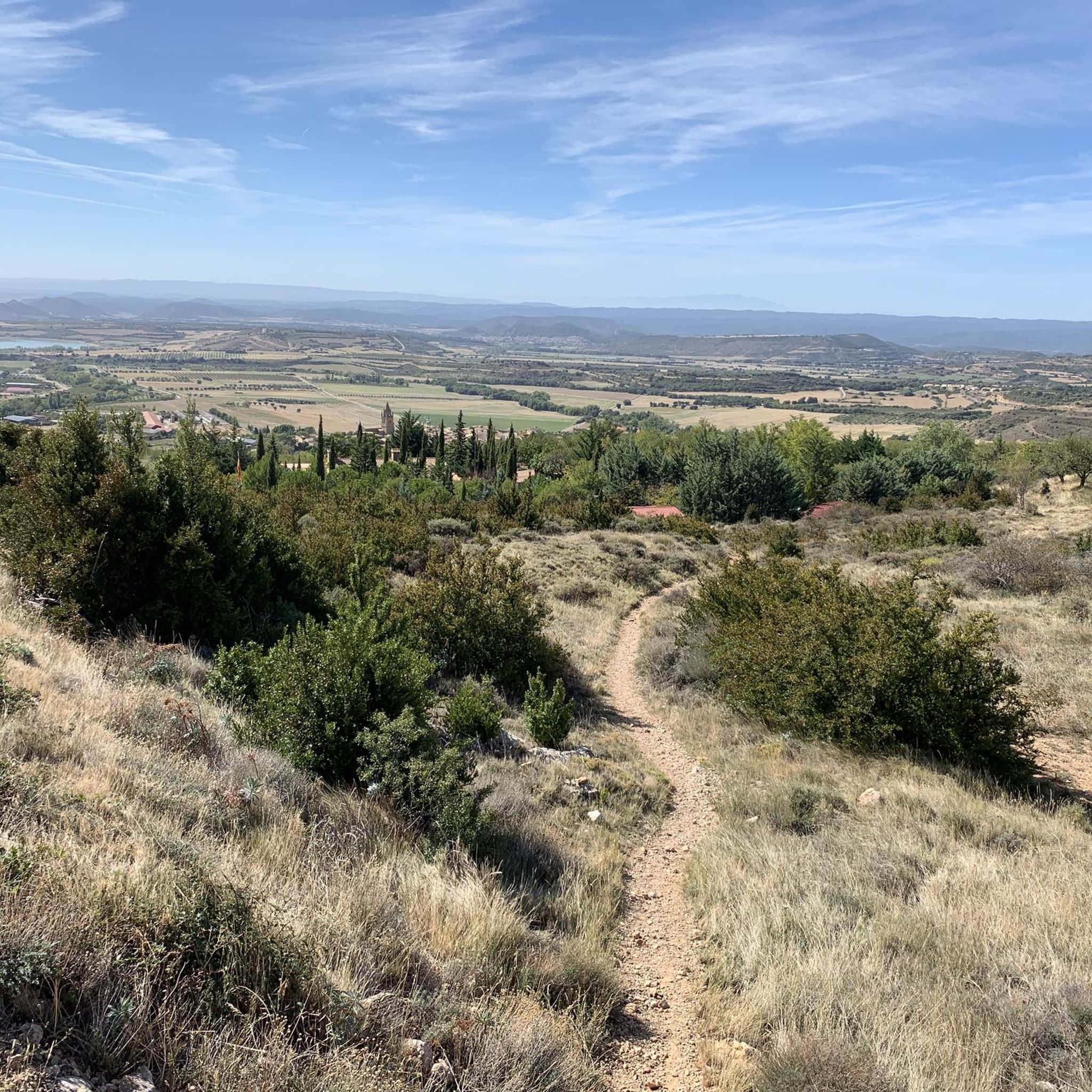
Montmesa is a municipality in Huesca in the Hoya de Huesca region, in the community of Aragón. Since 1845 it belongs to the municipality of Lupiñén-Ortilla. Located between the Sotón and Astón rivers and close to the Sotonera reservoir, Montmesa is characterized by its traditional stone and rammed earth buildings, some dating back to the 18th century. The church of San Miguel Arcángel that crowns the town is a Romanesque temple from the 12th century modified centuries later (16th-18th century), whose Mudejar tower is unique in the area.
0
0

Located on the Gállego River, the Ardisa reservoir is shared by the municipalities of Ardisa and Biscarrués. However, both most of the layout of the dam and all the buildings reviewed are located in the municipality of Biscarrués, which is why they have been included in the catalog of this municipality. The reservoir has an area of 2100 km2, with a total capacity of 5 Hm3 and a useful capacity of 3 Hm3. The dam is made of cyclopean concrete. It presents the type of gravity dam, with a height of 31.14 m and a crest length of 450 m. It has a curved layout and a front arranged in a stepped slope. On the right bank there is a large trapezoidal tank delimited by concrete walls (called a "surface spillway" in the reservoir project) which, through a four-span spillway, connects to a long drainage channel arranged in slope that flows into the river Gállego. The set also consists of several buildings, all of them located on the left bank of the river: the gate house, through which the discharge to the canal that leads water to the Sotonera reservoir is regulated, the dam guard's house , a warehouse and a water tank.
1
0
The Parish Church of San José was inaugurated in 1926, in the so-called Church neighborhood. Its dedication to San José Obrero Obrero is defined because Tormos was destined to house the workers of the La Sotonera dam and their families. It is mainly characterized by the separation between the temple and the bell tower, reminiscent of the Italian custom in the construction of this type of buildings. It consists of a single nave with three sections and a polygonal main chapel and its façade, completely whitewashed, is decorated with a gable. It still stands today, presiding over with its beauty the remains of what was Tormos in its greatest moment of splendor.
1
0

Atalaia which represents an old watchtower just above the Sotonera reservoir, from where you can see the dam as a whole and also the first pre-Pyrenean mountain ranges such as the Sierra de Guara.
0
0
Frequently Asked Questions
What kind of terrain can I expect on touring cycling routes around Lupiñén-Ortilla?
The touring cycling routes around Lupiñén-Ortilla primarily traverse open plains and agricultural areas. You'll encounter gentle gradients and quiet country roads, often with views of low hills and the expansive Sotonera Reservoir. The landscape is generally unwooded, offering broad vistas.
How many touring cycling routes are available in Lupiñén-Ortilla?
There are over 30 touring cycling routes available around Lupiñén-Ortilla, catering to various skill levels. This includes 10 easy routes, 12 moderate routes, and 11 more challenging options.
Are there touring cycling routes suitable for beginners in Lupiñén-Ortilla?
Yes, Lupiñén-Ortilla offers several easy touring cycling routes perfect for beginners. These routes feature gentle gradients and generally follow quiet country roads. An excellent option is the Sotonera Reservoir Loop, which is 22.3 km long and offers scenic views.
Are there challenging touring cycling routes in Lupiñén-Ortilla?
While the region is known for its gentle terrain, there are 11 routes classified as difficult for touring cyclists, offering longer distances and more elevation gain. These routes provide a greater challenge for experienced riders looking to explore the broader area.
What is the best time of year for touring cycling in Lupiñén-Ortilla?
The best time for touring cycling in Lupiñén-Ortilla is typically during spring (April-May) and autumn (September-October). During these seasons, the weather is generally mild and pleasant, avoiding the intense heat of summer and the cooler, potentially wetter conditions of winter. The agricultural landscapes are also particularly scenic during these times.
Are there any circular touring cycling routes in Lupiñén-Ortilla?
Yes, many of the touring cycling routes in Lupiñén-Ortilla are circular, allowing you to start and end at the same point. For example, the Sotonera Reservoir – La Sotonera Reservoir loop from Club Náutico La Sotonera is a popular moderate circular route exploring the reservoir's perimeter.
What are some scenic viewpoints or attractions along the touring cycling routes?
The most prominent natural feature and a key attraction is the Sotonera Reservoir, which offers expansive water views. Many routes, such as the Sotonera Reservoir – La Sotonera Reservoir loop from Puendeluna, follow its shores. The open plains and agricultural fields also provide broad, unobstructed vistas of the rural landscape and distant low hills.
What do other touring cyclists enjoy the most about touring cycling in Lupiñén-Ortilla?
The touring cycling routes in Lupiñén-Ortilla are highly rated by the komoot community, with an average score of 4.8 stars from over 30 reviews. Cyclists often praise the quiet country roads, the gentle gradients suitable for various abilities, and the scenic views around the Sotonera Reservoir and across the agricultural landscapes.
Are there family-friendly touring cycling routes in Lupiñén-Ortilla?
Given the region's gentle gradients and quiet country roads, many of the easy routes are suitable for families. The Camino de Loreto – Alerre loop from Banastás, at 18.5 km, is a good option that passes through agricultural landscapes and is generally completed in under 1.5 hours, making it manageable for families.
Are there options for parking at the trailheads for touring cyclists?
While specific parking information for every trailhead isn't detailed, routes often start from small villages or points of interest like Club Náutico La Sotonera, where parking facilities are typically available. It's advisable to check the starting point of your chosen route for local parking options.
Can I find cafes or pubs along the touring cycling routes in Lupiñén-Ortilla?
The routes often connect small villages, which may offer local cafes or bars for refreshments. Given the rural nature of the area, it's recommended to carry sufficient water and snacks, especially on longer stretches, and to plan stops in advance by checking village amenities along your chosen route.
Most popular routes around Lupiñén-Ortilla
Most popular attractions around Lupiñén-Ortilla

Get inspired with the komoot mobile app


Explore more
Browse the best Cycling routes in other regions.
