Attractions and Places To See around Santa Eulalia De Gállego - Top 20
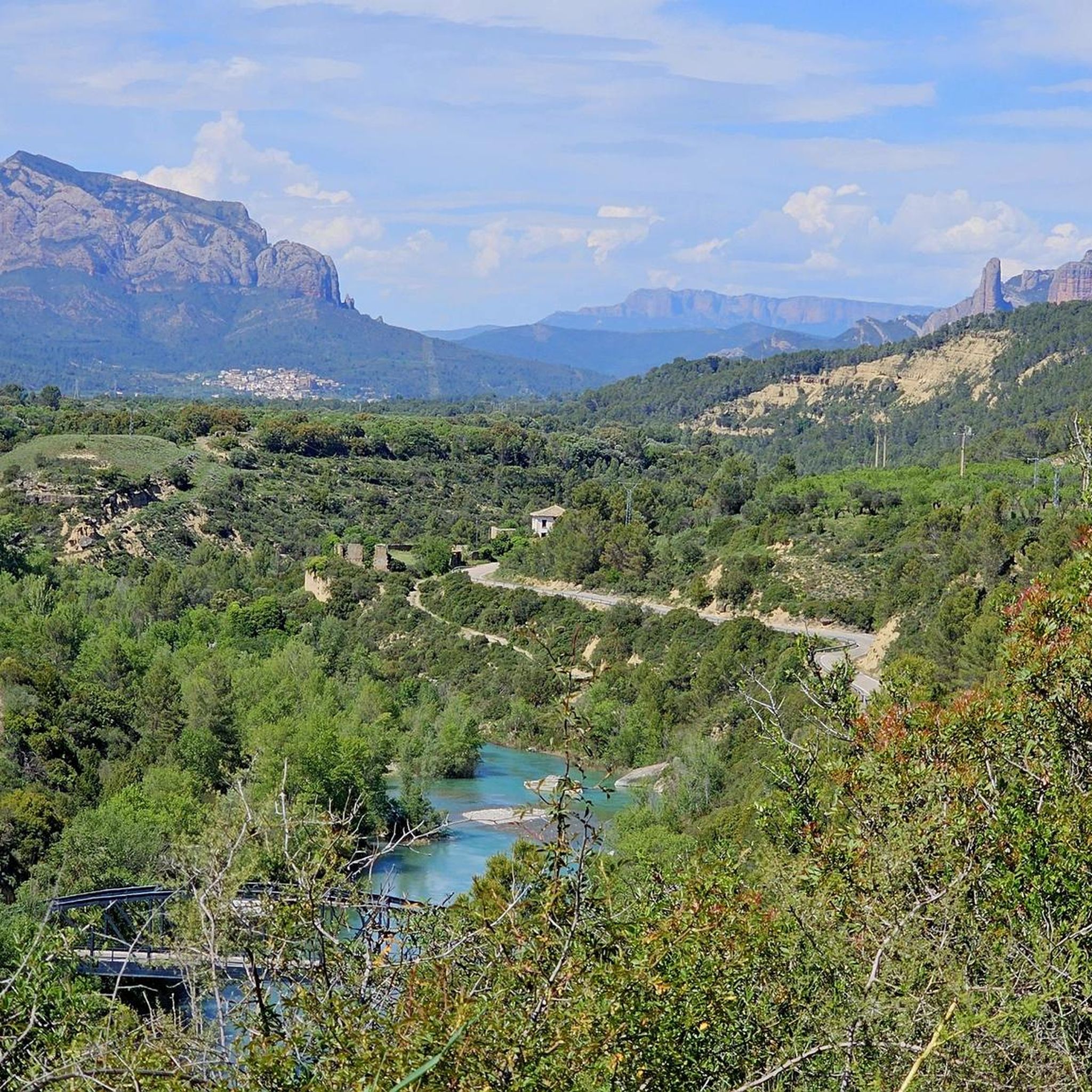
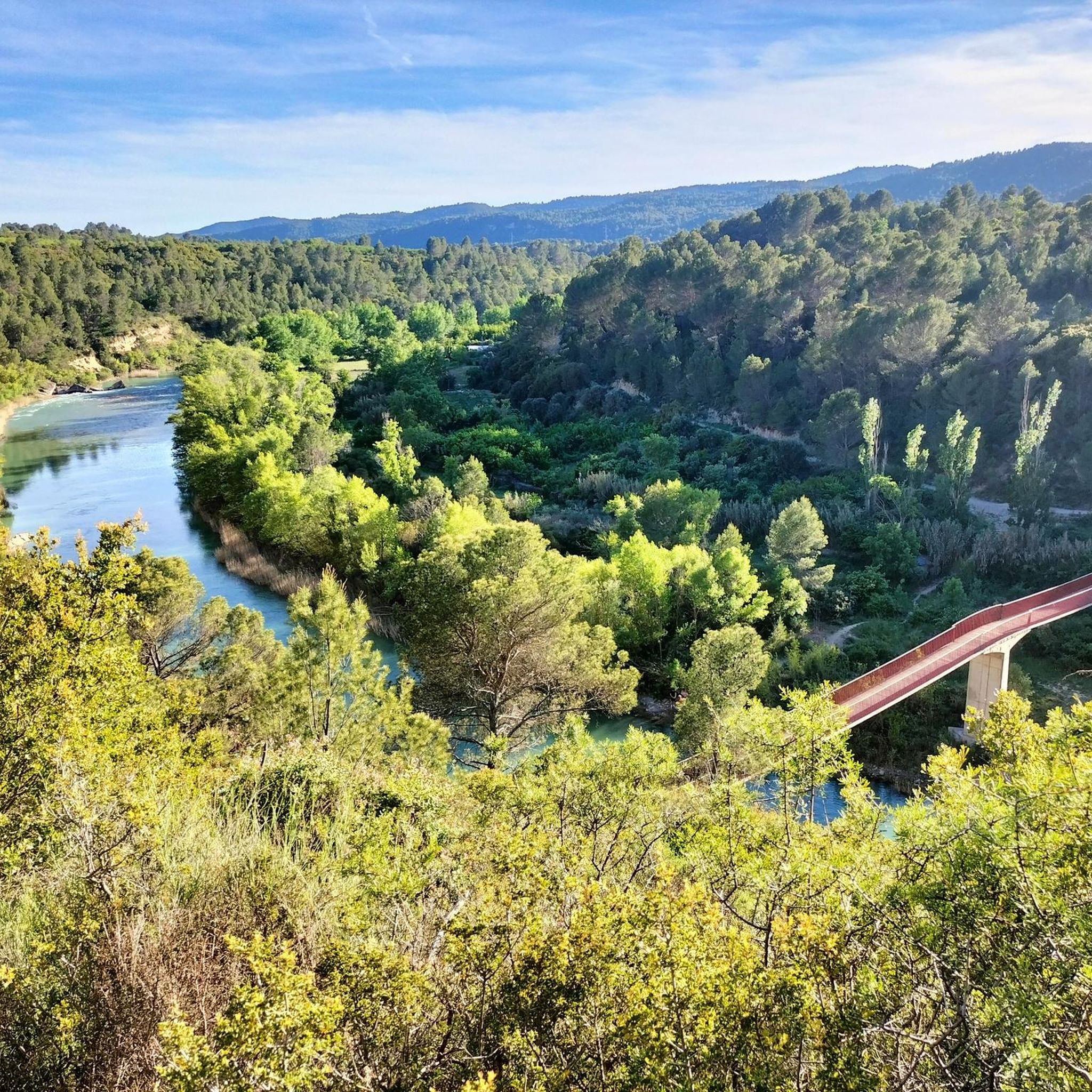
Best attractions and places to see around Santa Eulalia De Gállego include a blend of historical sites and natural features. The village is situated on the right bank of the Gállego River in Aragón, offering visitors access to diverse landscapes. Notable natural landmarks include the spectacular Mallos de Riglos and the Mallos de Agüero, characterized by their reddish rock formations. The area also features historical structures and viewpoints that provide expansive vistas of the surrounding valleys and mountains.
Best attractions…
Last updated: October 9, 2026
Peñas de Riglos
Highlight • Natural Monument
Translated by Google •
Tip by

Marcuello Castle
Highlight • Castle
Translated by Google •
Tip by

Sign up now to discover places like this
Get recommendations on the best single tracks, peaks, & plenty of other exciting outdoor places.
Mallos de Agüero
Highlight • Natural Monument
Translated by Google •
Tip by

Camino del Cielo - Panoramic View
Highlight • Viewpoint
Translated by Google •
Tip by
Aguarales de Valdemilaz
Highlight • Natural Monument
Translated by Google •
Tip by

Sign up for free to discover even more attractions around Santa Eulalia De Gállego.
Already have an account?
Start today with a free account
Your next adventure awaits.
Popular around Santa Eulalia De Gállego

Tips from the Community

Spectacular reddish colored rock formations.
2
0
The castle contains elements of Romanesque architecture and has Bien de Interés Cultural status, which indicates its importance to the Spanish architectural heritage.
2
0
The Mallos of the Aragonese Pre-Pyrenees were formed 65 million years ago after eroded material from the Pyrenees washed away.
1
0

It is a natural geological formation formed by the erosion of water on different types of strata and calcifications.
0
0

The Aguarales de Valdemilaz, also known as Aguarales de Valpalmas, are a stunning geological landscape located near the town of Valpalmas, in the Cinco Villas region, province of Zaragoza. This site is famous for its unique rock formations, created by water and wind erosion over millions of years. These formations, known as fairy chimneys, are similar to those seen in the Göreme Valley in Cappadocia, Türkiye.
8
0

the pleasure of seeing the vultures resting on the ruin of this castle
0
0

Agüero's mallos are a little less tall than those of Riglos, but even so, they are charming whims of erosion. Its contrast with the blue sky on a sunny day is simply spectacular.
1
0

Remains of one of the castles that were within the area of the central pre-Pyrenees. The place can be seen from the track that connects with Sarsamacuello and the panoramic view is especially beautiful. Place that in the s. XII was governed by queen widow Berta. There is no established reasoning about its origin, believing that since the time of Sancho I the work could have begun around 1074. It is known that it was uninhabited around 1610, like Loarre. The place with a privileged position, on a plane the location was with the river Gállego at its feet, and the Mallos behind, allowing a defense from all fronts. To this day, there are remains of what was the fortification tower, as well as two religious spaces from the Romanesque period.
0
0
Frequently Asked Questions
What types of natural attractions can I explore around Santa Eulalia De Gállego?
The region is renowned for its spectacular geological formations. You can visit the towering rock formations of Peñas de Riglos, a popular spot for climbers and birdwatchers. Another impressive site is Mallos de Agüero, known for its reddish-colored rock formations that contrast beautifully with the sky. The Gállego River itself is a central natural feature, offering routes like the Water Route or the Senses Route.
Are there any historical or cultural sites to visit in the area?
Yes, Santa Eulalia De Gállego and its surroundings offer several historical and cultural points of interest. You can explore the ruins of Marcuello Castle, which provides spectacular views over La Galliguera. In the village, the Parish Church of Santa Eulalia has Romanesque origins, and the traditional 'Descenso de las Nabatas por el Río Gállego' is a significant cultural event celebrated annually on April 23rd.
Where can I find the best panoramic views around Santa Eulalia De Gállego?
For breathtaking vistas, head to Camino del Cielo - Panoramic View, which offers impressive views over the spreading plain and the Gállego river. The San Pedro Viewpoint, located on a hill above the village, also provides awe-inspiring views of the Mallos de Riglos and the Gállego valley.
What outdoor activities are available near Santa Eulalia De Gállego?
The area is excellent for various outdoor activities. You can find numerous routes for cycling, running, and gravel biking. For instance, there are cycling routes like the 'La Peña Reservoir Loop' and challenging gravel biking trails such as the 'Loarre Castle – Peñas de Riglos loop'. You can explore more options on the Cycling around Santa Eulalia De Gállego guide, the Running Trails around Santa Eulalia De Gállego guide, and the Gravel biking around Santa Eulalia De Gállego guide.
Are there family-friendly activities or attractions in the area?
While specific 'family-friendly' categories aren't highlighted for all attractions, the natural monuments like Peñas de Riglos and Mallos de Agüero offer impressive sights that can be enjoyed by families. Exploring the charming, narrow streets of Santa Eulalia De Gállego village itself can also be a pleasant experience for all ages. The Water Route or Senses Route along the Gállego River could also be suitable for families looking for gentle outdoor exploration.
Can I find easy hiking trails around Santa Eulalia De Gállego?
Many of the trails in the region, particularly those around the Mallos, are rated as intermediate or difficult due to elevation changes. However, the Senses Route starting from the iron bridge in Santa Eulalia de Gállego towards Erés offers a more accessible option for a leisurely walk. For specific easy hiking routes, it's best to check detailed route descriptions on komoot to match your family's fitness level.
What do visitors enjoy most about the attractions in this region?
Visitors frequently praise the spectacular natural beauty, especially the towering rock formations of Riglos and Agüero. They appreciate the dramatic landscapes, the opportunities for climbing, and the chance to observe birds of prey like vultures. The impressive panoramic views from various viewpoints, such as Camino del Cielo, are also highly valued.
Is public transport available to reach attractions around Santa Eulalia De Gállego?
Information on direct public transport to specific attractions is limited. Santa Eulalia De Gállego is a small village, and while there might be local bus services connecting it to larger towns, reaching many of the natural and historical sites often requires personal transportation. It's advisable to check local bus schedules if you plan to rely on public transport.
Are there parking facilities available near the main attractions?
For popular natural monuments like Peñas de Riglos and Mallos de Agüero, there are typically designated parking areas in the nearby villages (Riglos, Agüero) from which you can access the sites. For attractions within Santa Eulalia De Gállego village, street parking might be available, but it's best to check local signage upon arrival.
What is the best time of year to visit Santa Eulalia De Gállego?
The region can be enjoyed throughout the year, but spring (April-May) and autumn (September-October) generally offer pleasant weather for outdoor activities like hiking and cycling, with comfortable temperatures and beautiful natural colors. Summer can be hot, especially for strenuous activities, but is ideal for river-based activities. The traditional raft descent, 'Descenso de las Nabatas', takes place on April 23rd, making spring a culturally vibrant time to visit.
Are there any dog-friendly walks or attractions in the Santa Eulalia De Gállego area?
Many of the natural trails and outdoor areas around Santa Eulalia De Gállego are generally dog-friendly, allowing you to enjoy walks with your pet. However, it's always recommended to keep dogs on a leash, especially in areas with wildlife or near climbing routes, and to follow local regulations regarding pet access. Specific indoor attractions or historical sites might have restrictions, so it's best to check beforehand.
Where can I find places to eat or stay in Santa Eulalia De Gállego?
Santa Eulalia De Gállego is a charming village, and while it may not have a vast array of options, you can typically find local restaurants or bars (cafes/pubs) offering traditional Aragonese cuisine. For accommodation, there are usually rural guesthouses or small hotels available. It's advisable to book in advance, especially during peak season, as options can be limited.
Most popular routes around Santa Eulalia De Gállego
Most popular attractions around Santa Eulalia De Gállego

Get inspired with the komoot mobile app


Explore more
Still not found the Highlight you’re looking for? See guides of the top attractions in other regions:
