Top 5 Castles around Nérac
Best castles around Nérac are concentrated in a historic town in Lot-et-Garonne, known for the Château Henri IV. This region offers a blend of historical heritage and natural surroundings, situated overlooking the Baïse river. The area's history is deeply intertwined with the d'Albret family and King Henri IV, reflecting centuries of French history within a preserved natural setting. Nérac is a royal city, historically significant as the fief of the lords of Albret and an epicentre of Protestantism.
Best castles…
Last updated: June 29, 2026
Nérac Old Town and Château d'Henri IV
Highlight • Historical Site
Translated by Google •
Tip by

Henry IV's Mill
Highlight • Castle
Translated by Google •
Tip by

Sign up now to discover places like this
Get recommendations on the best single tracks, peaks, & plenty of other exciting outdoor places.
Sign up for free
Château de Montgaillard-en-Albret
Highlight • Castle
Translated by Google •
Tip by

Buzet Castle
Highlight • Castle
Translated by Google •
Tip by

Start today with a free account
Your next adventure awaits.
Login or Signup

Other adventures around Nérac

Tips from the Community

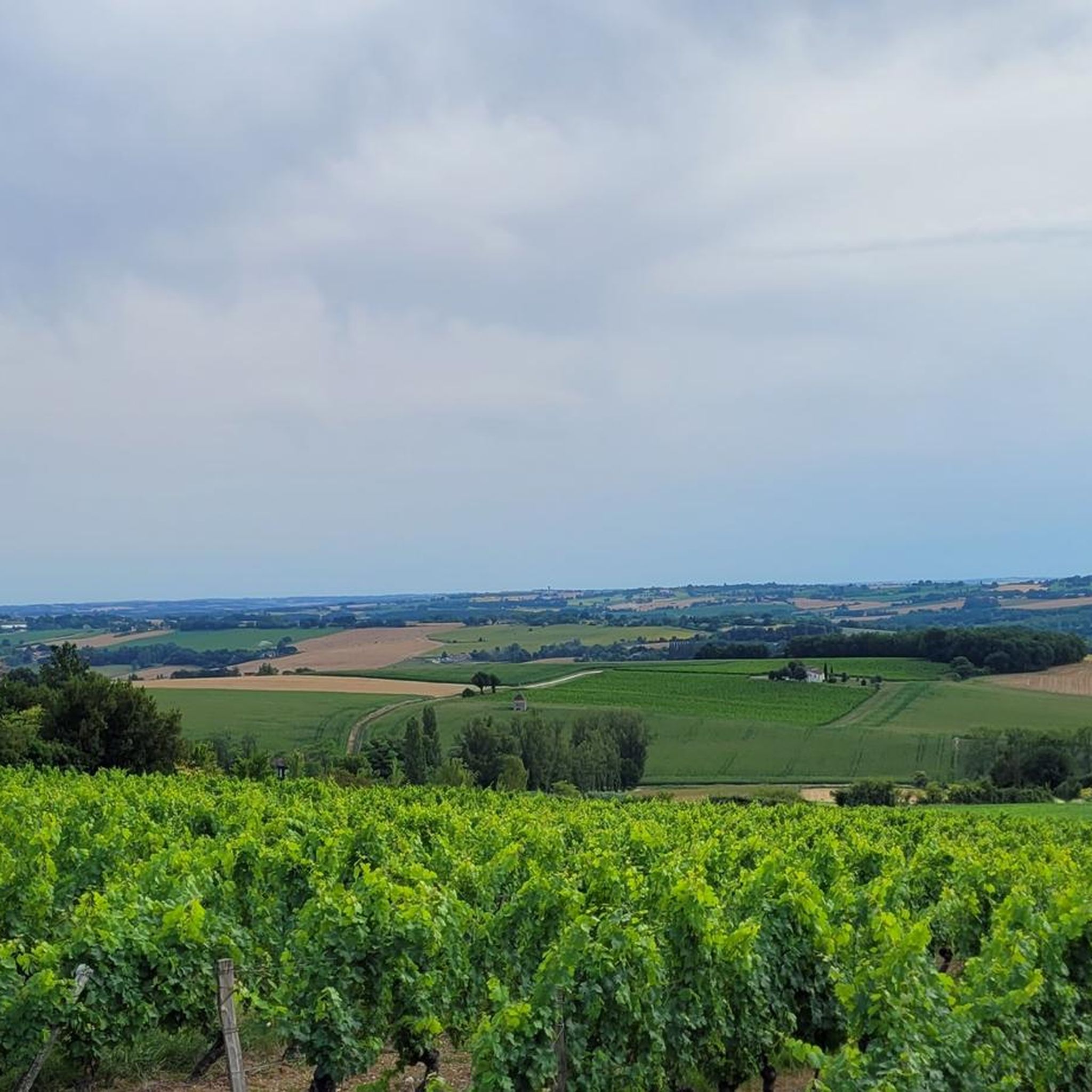
Montgaillard-en-Albret, perched on the hills of Lot-et-Garonne, is a small village that exudes authenticity. Its quiet streets and medieval heritage make it a pleasant stopover for cyclists seeking rural charm.
0
0

Nérac is, like Amboise, a royal city insofar as the commune is the fief of the lords of Albret who became king of Navarre in the 15th century. It is also the epicentre of Protestantism. After the massacre of Saint Bartholomew, a treaty between the two religions was born in this city. This is the Edict of Nérac which restored rights for Protestants. It was signed on 28 February 1579 between King Henry III and the religionists. After the death of Henry III in 1589, the city lost its influence, because having no descendants, it was Henri de Navarre-Bourbon-Albret who became king of France under the name of Henri IV. It is then said that when the doors of Paris opened to Henry, those of fame closed for Nérac.
3
0

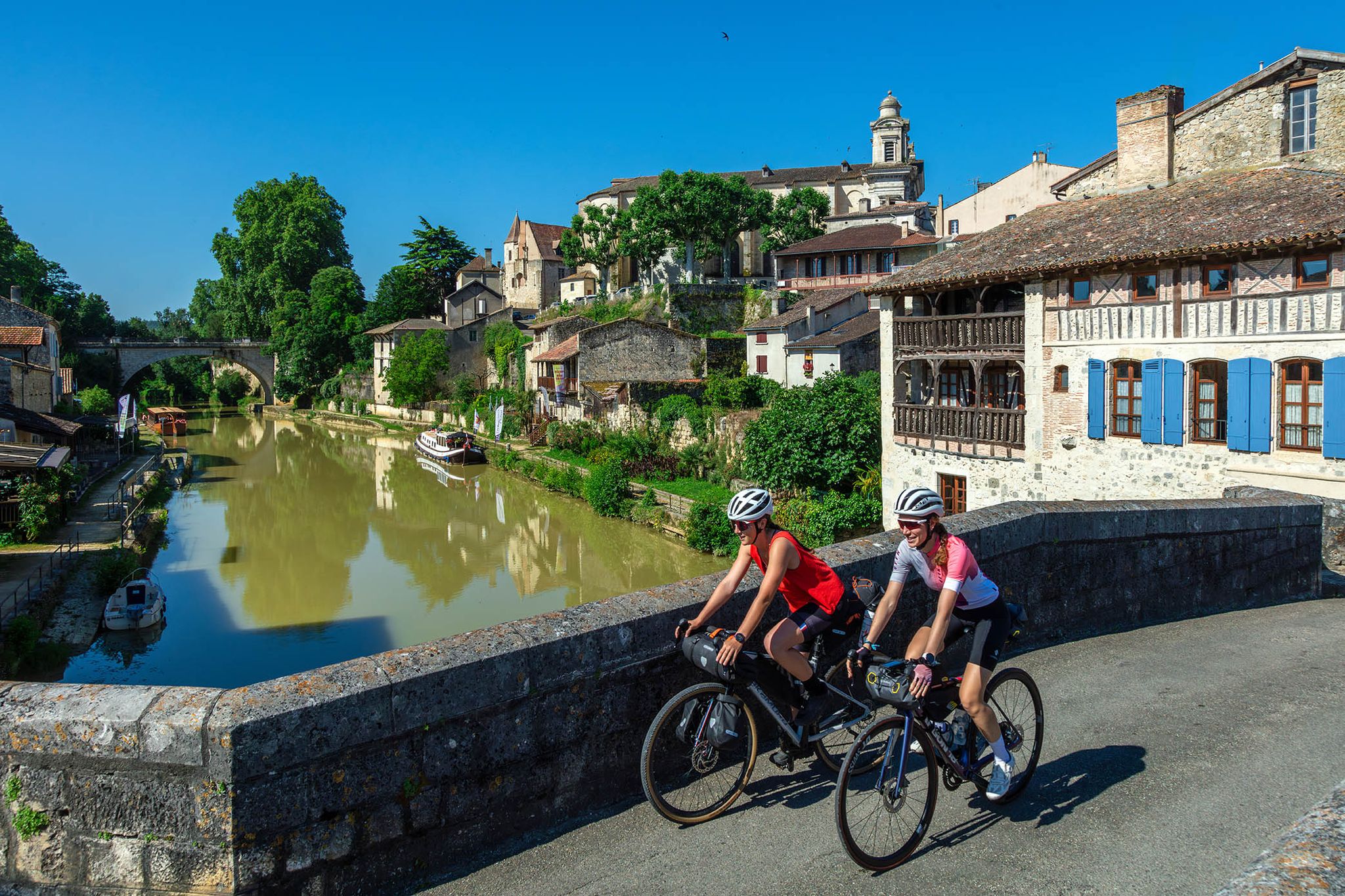
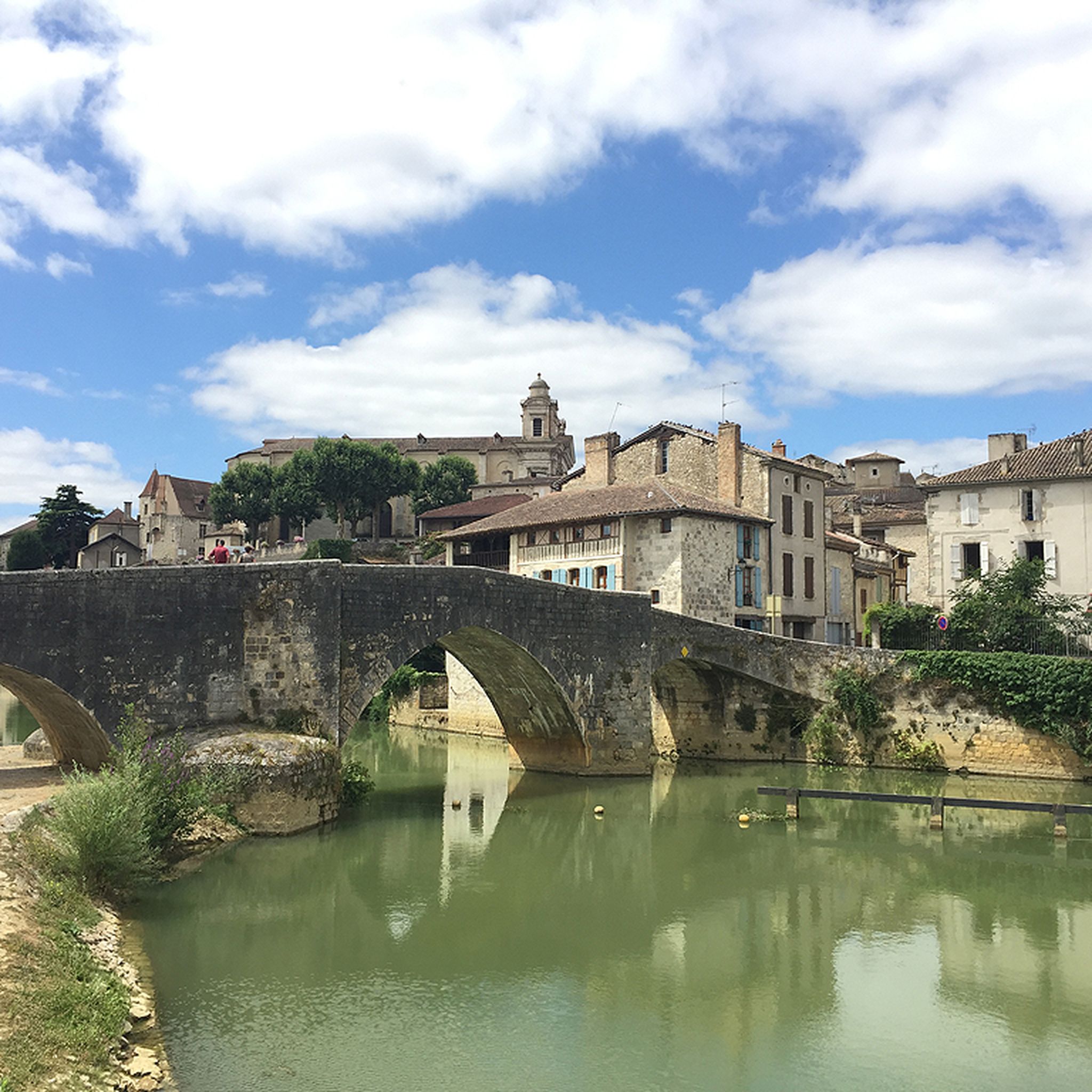
The visit to Nérac revolves around its navigable river, the Baïse. From the Saint-Nicolas church or the Petit Nérac viewpoint, you can see the port, the Old Bridge and the tanneries which today house an art gallery and restaurants. The walk takes place along the streets (Maison des Conferences, Château d'Henri IV and its museum) and in the Royal Park of La Garenne redesigned by Queen Margot, wife of Henri IV.
1
0

The Barbaste mill is located on the right bank of the Gélise, a thousand meters from its confluence with the Baïse, on the territory of the commune of Nérac, in Lot-et-Garonne, in New Aquitaine. Part of the dam facilities are located in the municipality of Barbaste.
1
0

Built at the end of the 13th century and functioning as a mill, the structure also served as a fortified castle during the Wars of Religion. A function to which it seems more suited when we observe its towers and its imposing presence on the Gélise.
3
0
Built around the year 1000, it has had a long and varied history with many owners over the centuries. It now belongs to the Buzet winegrowers' cooperative, which presents its vineyards and the history of the region there.
3
0

Charming little village with its castle ruin dating from the end of the 12th century.
0
0

The mill is located on the northwest side of the municipality of Nérac, in contact with the municipalities of Lavardac and Barbaste . It made it possible to control the passages on the bridge of Barbaste, which is 20 m downstream from the highest tower of the mill. This bridge already existed in 1259 because it is mentioned in the homage Ysarn de Sainte-Marise to the Count of Toulouse for all the land he owned in Agenais. The mill has a sturdy appearance. The central body has a square plan. It is bordered by four towers also of square plan. The mill consists of six floors above the floor of the mill wheels. Height of the towers: 29 m. (for the highest), 26 m. and 27 m. for the others.
4
0
Frequently Asked Questions
What is the historical significance of the castles around Nérac?
The castles around Nérac are deeply rooted in French history, particularly associated with the d'Albret family and King Henri IV. The region was a significant center during the Renaissance and the Wars of Religion. For example, the Château de Nérac served as a royal residence for Henri IV and Queen Margot, and Nérac itself was the capital of Henri IV's government for six years.
What is the main castle in Nérac and what makes it special?
The main castle in Nérac is the Château de Nérac, also known as Château Henri IV. It's a splendid example of French Renaissance architecture, built in the 15th century. Although largely dismantled during the French Revolution, its surviving north wing features an elegant gallery with twisted columns and sculpted capitals. Today, it houses the Nérac Museum, dedicated to the Albret family and the Renaissance.
Are there family-friendly castles around Nérac?
Yes, the Château de Nérac is considered family-friendly. The museum offers engaging exhibitions and dedicated tours, including activity booklets for younger visitors, making the historical experience enjoyable for all ages. The nearby Parc Royal de la Garenne also provides a beautiful outdoor space for families.
What are the opening hours and prices for the Château de Nérac?
The Château de Nérac is generally open to the public every day from 10 am to 6 pm. During July and August, guided tours are available. Admission is typically around 4€ for adults, 3€ for reduced rates, and free for children under 12 years.
What outdoor activities can I do near the castles around Nérac?
The Nérac area offers various outdoor activities. You can enjoy easy hikes like the 'Pont de Nérac – Foulon Garden loop' or the 'Port of Nérac – The Baïse loop'. For more challenging options, there are moderate hikes such as the 'Barbaste, Béas, and Lausseignan Hike'. Mountain biking trails are also available, including a 'Château de Nérac – Nérac loop'. You can find more details on these routes in the Hiking around Nérac and MTB Trails around Nérac guides.
What natural features can I explore near the castles?
Near the castles, you can explore the beautiful natural surroundings of Nérac. The Nérac Old Town and Château d'Henri IV overlook the Baïse river, which is navigable and central to the town's charm. The Parc Royal de la Garenne, originally the 'Jardins du Roy' laid out for Queen Margot, offers a lovely green space for walks and relaxation.
Are there other notable castles or historical structures to visit near Nérac?
Beyond the main Château de Nérac, you can visit Henry IV's Mill in Barbaste, a fortified mill from the late 13th century that also served as a castle during the Wars of Religion. Another interesting site is the Château de Montgaillard-en-Albret, a charming village with castle ruins dating from the end of the 12th century, offering rural charm and beautiful landscapes.
What makes Henry IV's Mill unique?
Henry IV's Mill, also known as the Barbaste Mill, is unique because it served a dual purpose: a functioning mill and a fortified castle. Built at the end of the 13th century, its sturdy appearance with a central body and four square towers allowed it to control passages on the Barbaste bridge, especially during the Wars of Religion. It's a fascinating example of medieval engineering and defense.
What is the best time of year to visit the castles around Nérac?
While specific data for the best time to visit is not provided, the region's pleasant climate generally makes spring and autumn ideal for exploring. These seasons offer comfortable temperatures for walking and enjoying the outdoor surroundings, such as the Parc Royal de la Garenne, without the peak summer crowds.
Is there parking available at the Château de Nérac?
Yes, parking is generally available in the vicinity of the Château de Nérac, which is located not far from the town hall. Nérac is a town that accommodates visitors, so you should find suitable parking options nearby.
Are the castles around Nérac dog-friendly?
While the interior of museums and historical buildings like the Château de Nérac typically do not allow dogs, the surrounding outdoor areas, such as the Parc Royal de la Garenne and the banks of the Baïse river, are generally suitable for dog walks. It's always best to check specific site regulations for any outdoor areas or ruins you plan to visit.
What do visitors enjoy most about Nérac Old Town and its castle?
Visitors particularly enjoy the immersive historical experience offered by Nérac Old Town and Château d'Henri IV. The town's royal history as the fief of the lords of Albret and its connection to Henri IV are major draws. People appreciate the charming village atmosphere along the navigable Baïse river, the beautiful architecture, and the opportunity to walk through the Royal Park of La Garenne, redesigned by Queen Margot.
Most popular routes around Nérac
Most popular attractions around Nérac

Get inspired with the komoot mobile app


Didn’t find what you were looking for?
Explore Nérac’s best castles region by region:
Explore more
Looking for the best castles somewhere else? Discover other guides around Nérac:
