Attractions and Places To See around Reims - Top 20
Best attractions and places to see around Reims include a mix of historical landmarks, cultural sites, and natural features. The city, known as the unofficial capital of the Champagne region, is characterized by its Gothic architecture and significant historical role. Surrounding Reims, the landscape features extensive Champagne vineyards and the Montagne de Reims Regional Nature Park. This area offers diverse opportunities for exploring both urban heritage and natural environments.
Best attractions and places to see around Reims
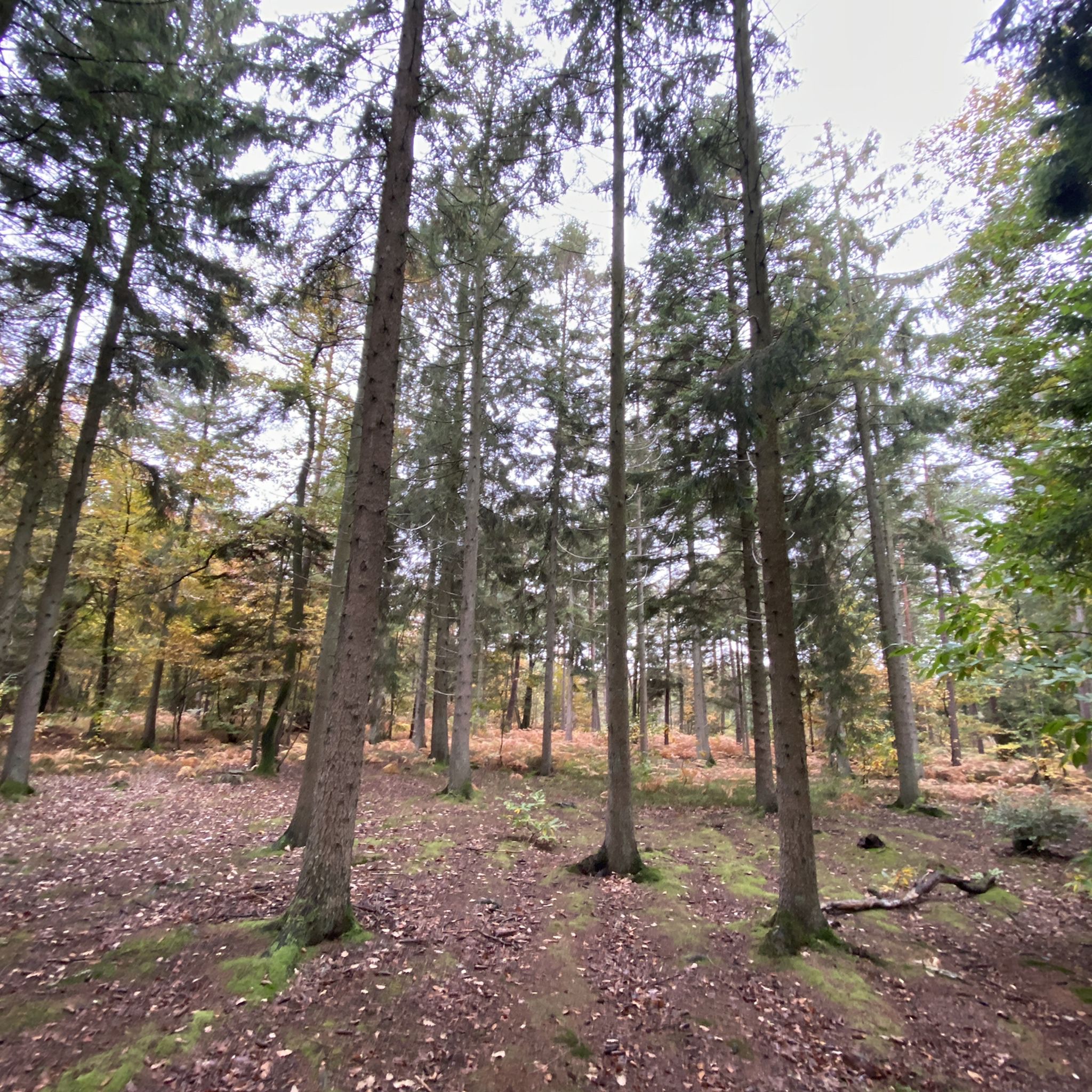
- The most popular attractions is Faux de Verzy Biological Reserve, a forest and nature reserve that contains the world's largest concentration of twisted beech trees. This unique natural site is popular for walks and picnics.
- Another must-see spot is Place Royale (Reims), a man-made monument and historical site. This spacious square features a bronze statue of Louis XV and its origins are said to trace back to the former Roman forum.
- Visitors also love Saint-Remi Basilica, Reims, a religious building and historical site. This medieval church, part of a UNESCO World Heritage Site, houses the tomb of Saint Remigius.
- Reims is known for its historical sites, religious buildings, and natural reserves. The region offers a variety of attractions to see and explore, from ancient Roman structures to unique forests and urban squares.
- The attractions around Reims are appreciated by the komoot community, with more than 160 highlights and over 210 upvotes.
Last updated: October 9, 2026
Coulée Verte de Reims
Highlight • Trail
Translated by Google •
Tip by

Place Royale (Reims)
Highlight • Monument
Translated by Google •
Tip by

Sign up now to discover places like this
Get recommendations on the best single tracks, peaks, & plenty of other exciting outdoor places.
Subé fountain
Highlight • Monument
Translated by Google •
Tip by
Faux de Verzy Biological Reserve
Highlight • Forest
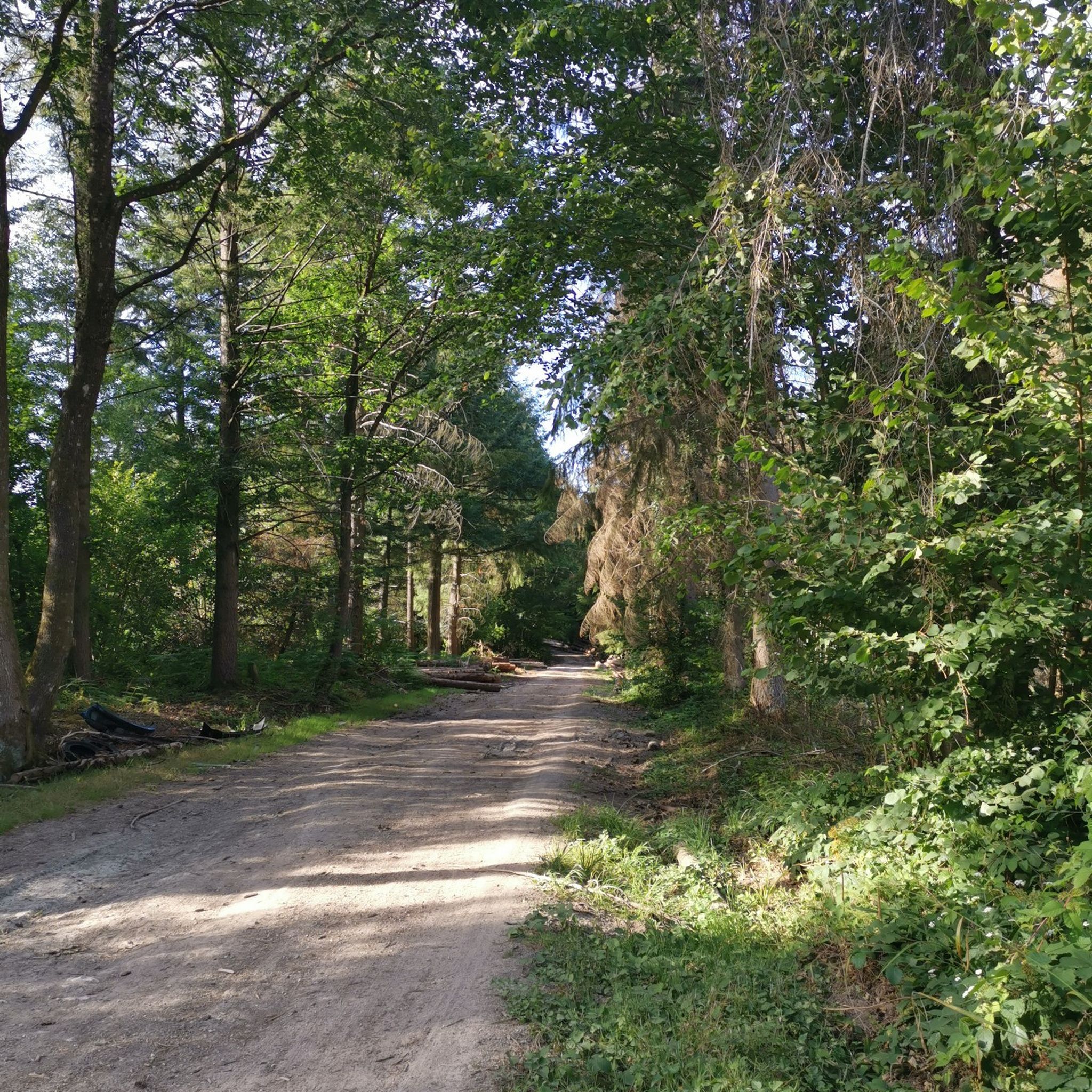
Benches for a nice picnic in the woods.
Translated by Google •
Tip by

Mars Gate
Highlight • Historical Site
Translated by Google •
Tip by
Solidarity Fountain
Highlight • Other
Translated by Google •
Tip by

Equestrian Statue of Joan of Arc
Highlight • Monument
Translated by Google •
Tip by

Saint-Remi Basilica, Reims
Highlight • Religious Site
de.wikipedia.org/wiki/Remigius_von_Reims
Translated by Google •
Tip by

Rue de Vesle
Highlight • Other
Translated by Google •
Tip by

Pommery
Highlight • Other
Translated by Google •
Tip by

Sign up for free to discover even more attractions around Reims.
Already have an account?
Start today with a free account
Your next adventure awaits.



Tips from the Community


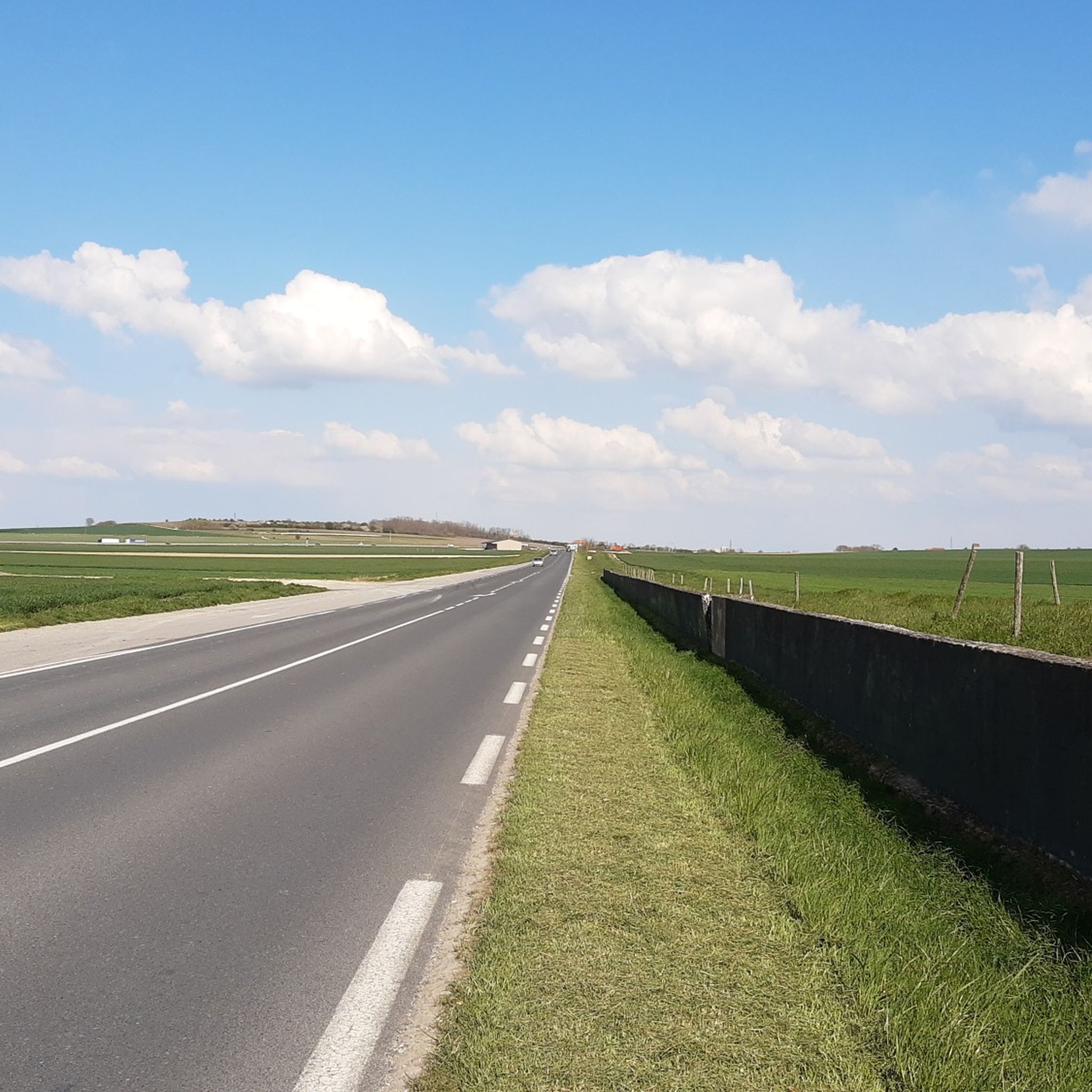
The cycle path offers the possibility to park outside and cycle into the city in a relaxed manner.
0
0

Under the central arch is a calendar depicting the activities and tasks of agriculture and viticulture: grape pressing, harvesting, etc. A calendar can be seen here through the carved reliefs. Under the eastern arch, we can see a she-wolf suckling Romulus and Remus. According to legend, it was Remus who founded Reims. Finally, under the western arch, we can see Leda being seduced by Jupiter.
1
0
This ancient monument is one of the longest in the Roman world: it is approximately 32 meters long and 12 meters high! The Mars Gate was built towards the end of the 2nd century and is the only one of the four monumental arches providing access to the city of Durocortorum that has survived. It consists of three arcades. The central arch carried the city's major north-south axis, intended for the passage of carriages. The two side arcades were used by pedestrians.
1
0

Place Drouet d'Erlon, with its two fountains, is a vibrant and integral part of the city's social and cultural fabric. It serves as a central meeting place for residents and visitors and offers a lively mix of shops, cafés, and restaurants.
2
0

The monument survived destruction because it was walled up inside the Archbishop's castle in the 13th century, which inadvertently preserved it for future generations.
3
1
The Porte de Mars is a 3rd-century Roman monument in Reims, France, representing the widest arch in the entire Roman world at 33 meters long and 13 meters high. Originally built as one of four monumental arches at the cardinal entrances to ancient Durocortorum, it's the only surviving example of these grand structures. The arch features three decorated archways with intricate relief carvings, including scenes of Romulus and Remus with the she-wolf, agricultural calendars showing Gallic harvesters, and mythological figures like Leda and Zeus.
3
1
The square sits on the site of the ancient Roman forum of Durocorturum and follows the original Roman street layout with the main axes (Cardo and Decumanus). The architect Jean-Gabriel Legendre was married to the sister of Sophie Volland, who was the famous correspondent of philosopher Denis Diderot.
4
1
Frequently Asked Questions
What are the most significant historical and cultural sites in Reims?
Reims is rich in history. You can explore the magnificent Notre-Dame Cathedral, a UNESCO World Heritage site and traditional coronation place for French kings. Adjacent to it is the Basilica of Saint-Remi, another UNESCO site housing the relics of Saint Remi. Don't miss the ancient Roman Mars Gate, one of the widest Roman arches still standing, and the Place Royale, a historical square featuring a bronze statue of Louis XV.
Where can I experience the Champagne heritage in Reims?
Reims is the heart of the Champagne region. Many prestigious Champagne Houses, such as Ruinart, Taittinger, Veuve Clicquot, and G.H. Mumm, offer tours and tastings. Their cellars, known as *crayères*, are often ancient chalk tunnels and are also UNESCO World Heritage sites, providing a unique glimpse into the production process.
What natural attractions can I find around Reims?
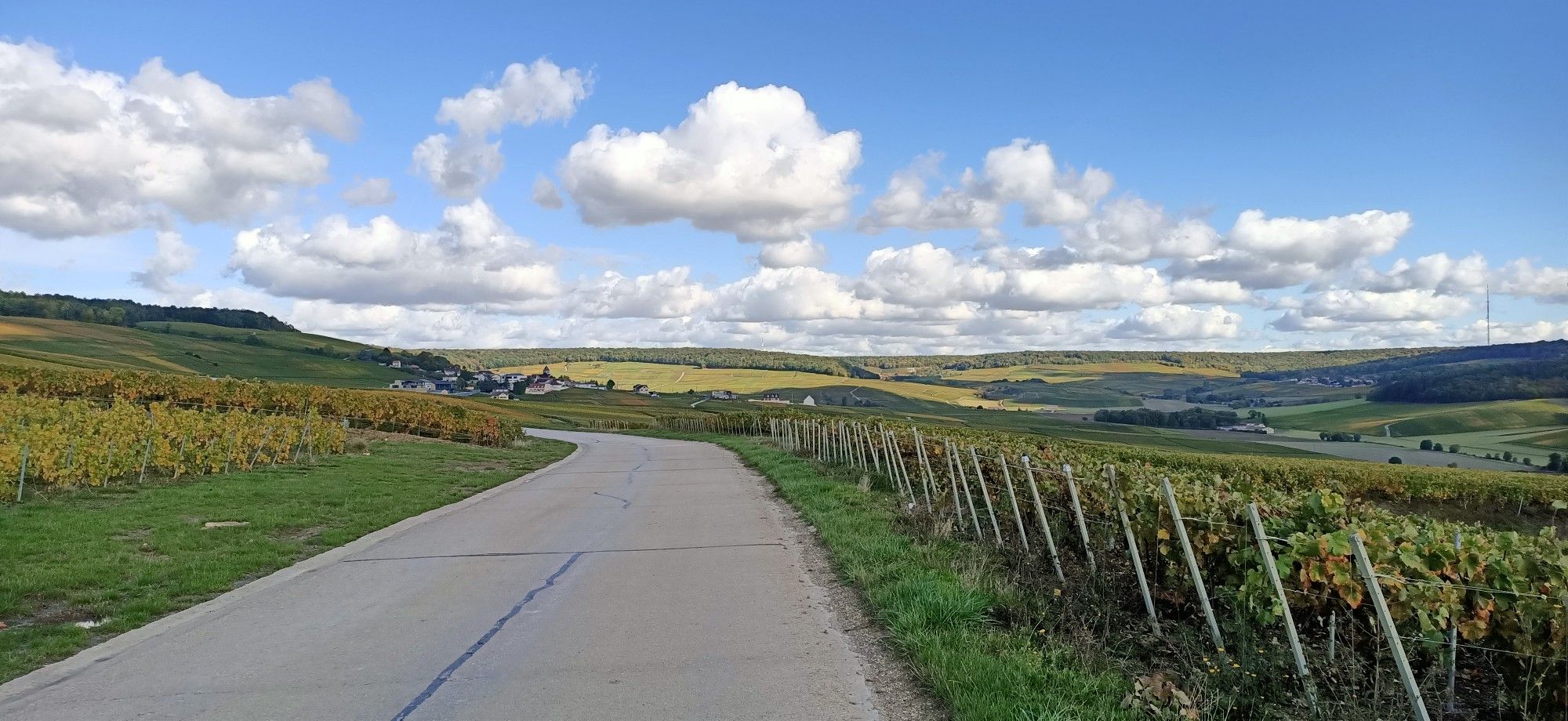
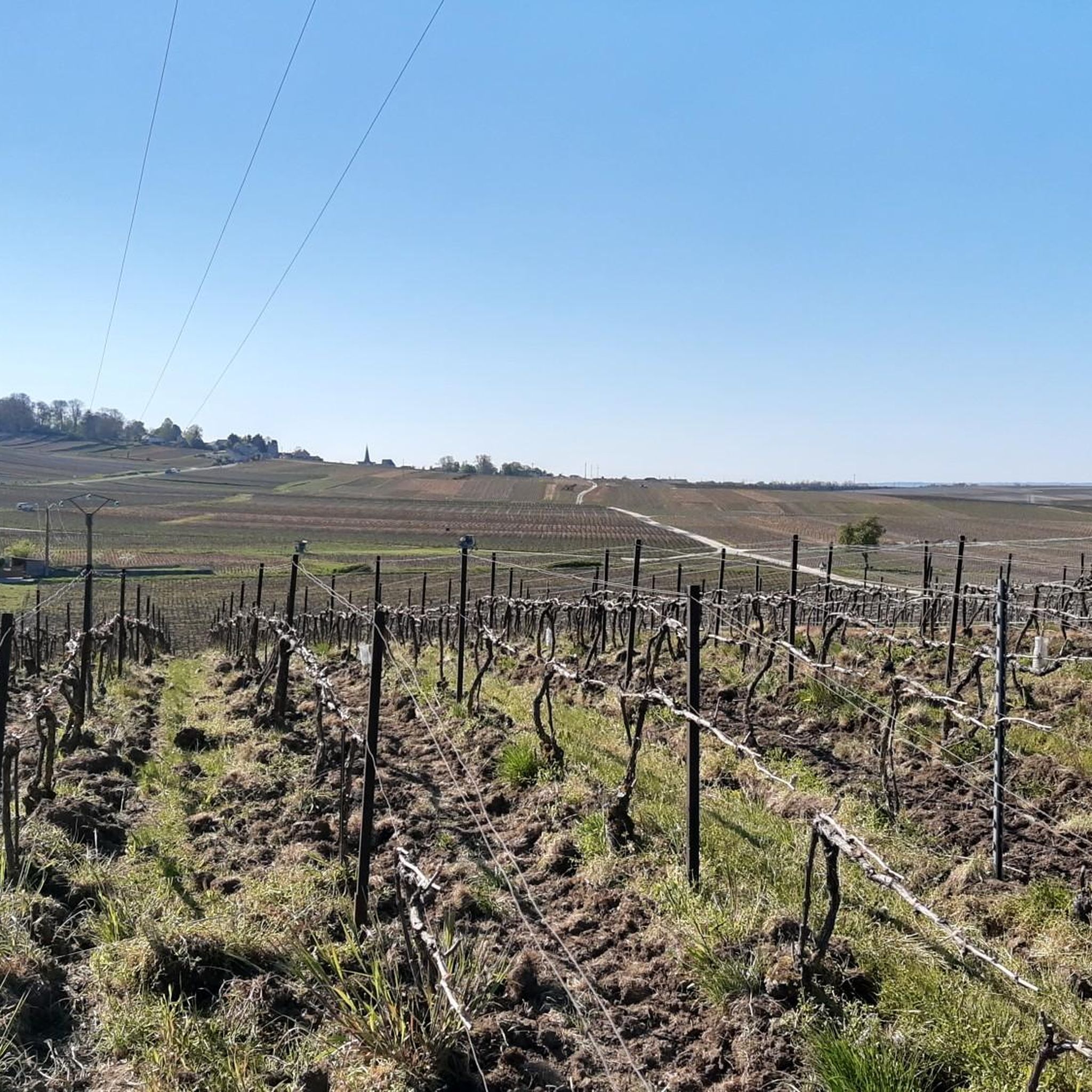
Beyond the city, the region offers beautiful natural landscapes. The Faux de Verzy Biological Reserve in the Montagne de Reims Regional Nature Park is a unique forest known for its concentration of twisted beech trees. You can also explore the vast Champagne vineyards, which are a UNESCO World Heritage site, or enjoy a stroll along the Coulée Verte de Reims, a green strip following the Vesle river.
Are there family-friendly attractions in Reims?
Yes, several attractions are suitable for families. The Faux de Verzy Biological Reserve offers unique nature walks that children often enjoy. The Coulée Verte de Reims is perfect for family walks or bike rides. Additionally, the Saint-Remi Basilica and its surrounding park can be an interesting historical visit for older children.
What outdoor activities are available near Reims?
The Montagne de Reims Regional Nature Park is ideal for outdoor enthusiasts, offering numerous opportunities for hiking and cycling through forests and vineyards. You can find various routes for gravel biking, mountain biking, and running. For example, explore routes like 'Among the vines – The Faux de Verzy' or 'Reims green corridor – View of the canal loop'. For more details on specific trails, check out the Gravel biking around Reims, MTB Trails around Reims, and Running Trails around Reims guides.
Are there hiking trails near the attractions in Reims?
Absolutely. The Montagne de Reims Regional Nature Park, home to the Faux de Verzy Biological Reserve, offers a network of hiking trails suitable for various skill levels. The Coulée Verte de Reims also provides an accessible path for walking and jogging within the city. For detailed hiking routes, refer to the komoot guides for the region.
What is the best time of year to visit Reims for outdoor activities?
Spring and autumn are generally the best times for outdoor activities in Reims. In spring, the vineyards begin to green, and temperatures are pleasant for hiking and cycling. Autumn offers stunning foliage in the Montagne de Reims and harvest season in the vineyards, making it a picturesque time to visit.
Are there any unique or lesser-known attractions in Reims?
Beyond the major landmarks, consider visiting the Musée de la Reddition, housed in the room where Germany officially surrendered in WWII, offering a poignant historical experience. The Gallo-Roman Cryptoporticus provides a fascinating underground glimpse into Reims' Roman past. The Carnegie Library is also an architectural gem, showcasing Art Deco style.
What do visitors enjoy most about the attractions around Reims?
Visitors frequently appreciate the blend of rich history and beautiful natural landscapes. The unique twisted beech trees at Faux de Verzy Biological Reserve are a particular highlight for nature lovers. The historical significance of sites like the Saint-Remi Basilica and the grandeur of the Champagne Houses also receive high praise.
Are there any wheelchair-accessible attractions in Reims?
Yes, some attractions in Reims offer wheelchair accessibility. Place Royale and the Mars Gate are generally accessible. While the interiors of some historical buildings may have limitations, their exteriors and surrounding areas are often navigable. It's always advisable to check specific venue accessibility directly before your visit.
Can I bring my dog to attractions or outdoor areas in Reims?
Many outdoor areas in Reims are dog-friendly. The Coulée Verte de Reims is a great place for walks with your dog. The Subé fountain area is also noted as dog-friendly. For trails in the Montagne de Reims Regional Nature Park, dogs are generally permitted but should be kept on a leash, especially in protected areas or near wildlife.
What is the significance of the Montagne de Reims Regional Nature Park?
The Montagne de Reims Regional Nature Park is a protected area known for its diverse landscapes, including dense forests, vineyards, and unique flora and fauna. It's home to the famous Faux de Verzy, a forest with an unusual concentration of twisted beech trees. The park offers extensive opportunities for hiking, cycling, and enjoying nature, making it a key natural highlight of the region.
Most popular routes around Reims
Most popular attractions around Reims

Get inspired with the komoot mobile app


Didn’t find what you were looking for?
Are you keen on exploring more awesome places nearby? Browse our guides:
Explore more
Still not found the Highlight you’re looking for? See guides of the top attractions in other regions:
