The best road cycling routes around Dreux
4.2
(154)
2,240
riders
570
rides
Road cycling routes around Dreux traverse a landscape characterized by forests, lakes, and gentle hills, situated at the edge of the Île-de-France and Normandy regions. The area features well-paved roads that wind through the Forêt Domaniale de Dreux and alongside natural features like the Mézières-Écluzelles Lake. Cyclists encounter a mix of open countryside and wooded sections, with modest elevation changes suitable for various skill levels.
Best road cycling routes around Dreux
- The most popular road cycling route is Dreux Forest and Mézières-Écluzelles Lake Loop, an easy 26.8 miles (43.1 km) trail that takes 1 hour 49 minutes to complete. This route guides cyclists through the verdant Forêt Domaniale de Dreux and past the bird-rich Mézières-Écluzelles Lake.
- Another top favourite among local road cyclists is La Ferté-Vidame - Senonches Loop, a moderate 33.1 miles (53.3 km) path. This route winds through the quiet roads and scenic views of the Perche Regional Natural Park.
- Local road cyclists also love the Cocherelle Dolmen – Anet Castle loop from Chapelle royale de Dreux, a 26.9 miles (43.2 km) trail leading through historical landmarks like Anet Castle, often completed in about 1 hour 46 minutes.
- Road cycling around Dreux is defined by extensive forests, serene lakes, and historical châteaux. The network offers options for both easy rides and more challenging routes with moderate elevation.
- The routes in Dreux are highly rated by the komoot community with an average score of 4.3 stars from over 140 reviews. More than 2,400 road cyclists have used komoot to explore Dreux's varied terrain.
Last updated: July 7, 2026
4.0
(1)
4
riders
44.5km
01:50
200m
200m
Easy road ride. Great for any fitness level. Mostly well-paved surfaces and easy to ride.
2
riders
Easy road ride. Great for any fitness level. Mostly well-paved surfaces and easy to ride.

Sign up for free
2
riders
43.1km
01:49
240m
240m
Easy road ride. Great for any fitness level. Mostly well-paved surfaces and easy to ride.
53.3km
02:08
290m
290m
Moderate road ride. Good fitness required. Mostly well-paved surfaces and easy to ride.
5.0
(1)
24
riders
46.0km
01:52
230m
230m
Easy road ride. Great for any fitness level. Mostly well-paved surfaces and easy to ride.
5.0
(1)
50
riders
101km
04:01
500m
500m
Moderate road ride. Good fitness required. Mostly well-paved surfaces and easy to ride.
5.0
(1)
26
riders
48.8km
01:52
110m
110m
Easy road ride. Great for any fitness level. Mostly well-paved surfaces and easy to ride.
5.0
(1)
22
riders
126km
06:07
1,240m
1,240m
Hard road ride. Very good fitness required. Some segments of this route may be unpaved and difficult to ride.
40
riders
87.1km
03:25
350m
350m
Moderate road ride. Good fitness required. Mostly well-paved surfaces and easy to ride.
18
riders
67.0km
02:47
260m
260m
Moderate road ride. Good fitness required. Mostly well-paved surfaces and easy to ride.
Get access to more routes and recommendations from other explorers.
Sign up for free
Already have an account?
Our route recommendations are based on thousands of hikes, rides, and runs completed by other people on komoot.
Start today with a free account
Your next adventure awaits.
Login or Signup
Popular around Dreux
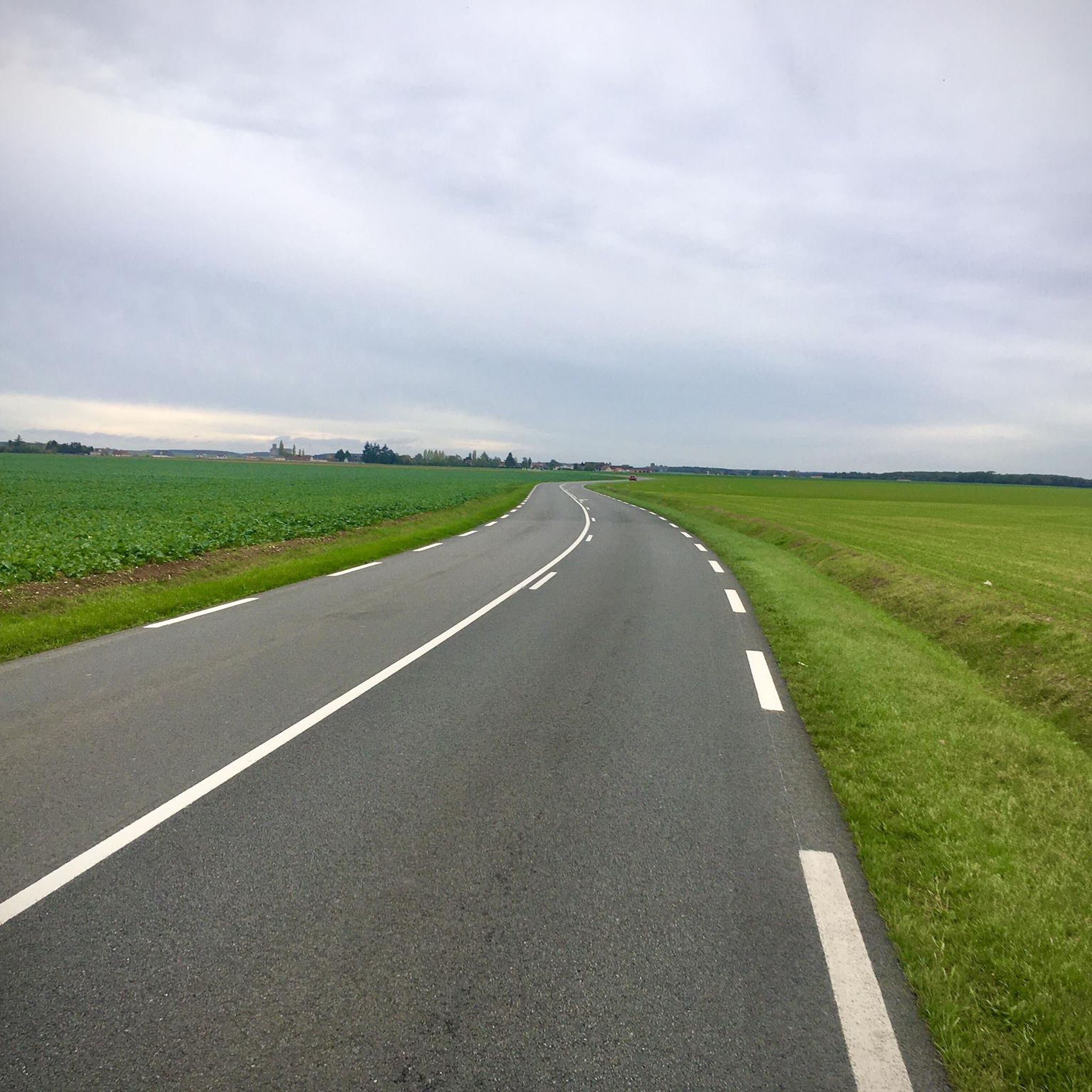
Road Cycling Routes around Garancières-En-Drouais
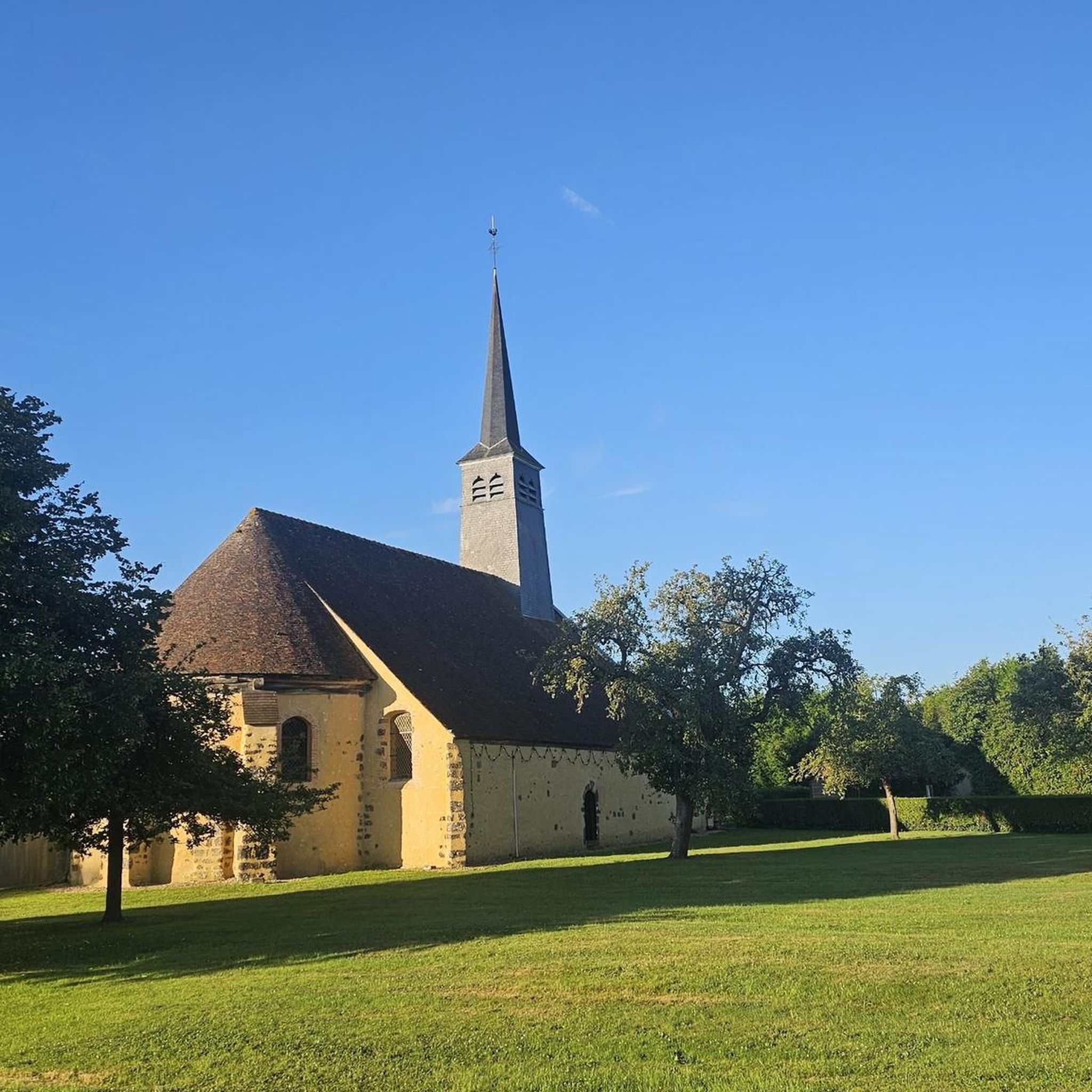
Road Cycling Routes around La Saucelle
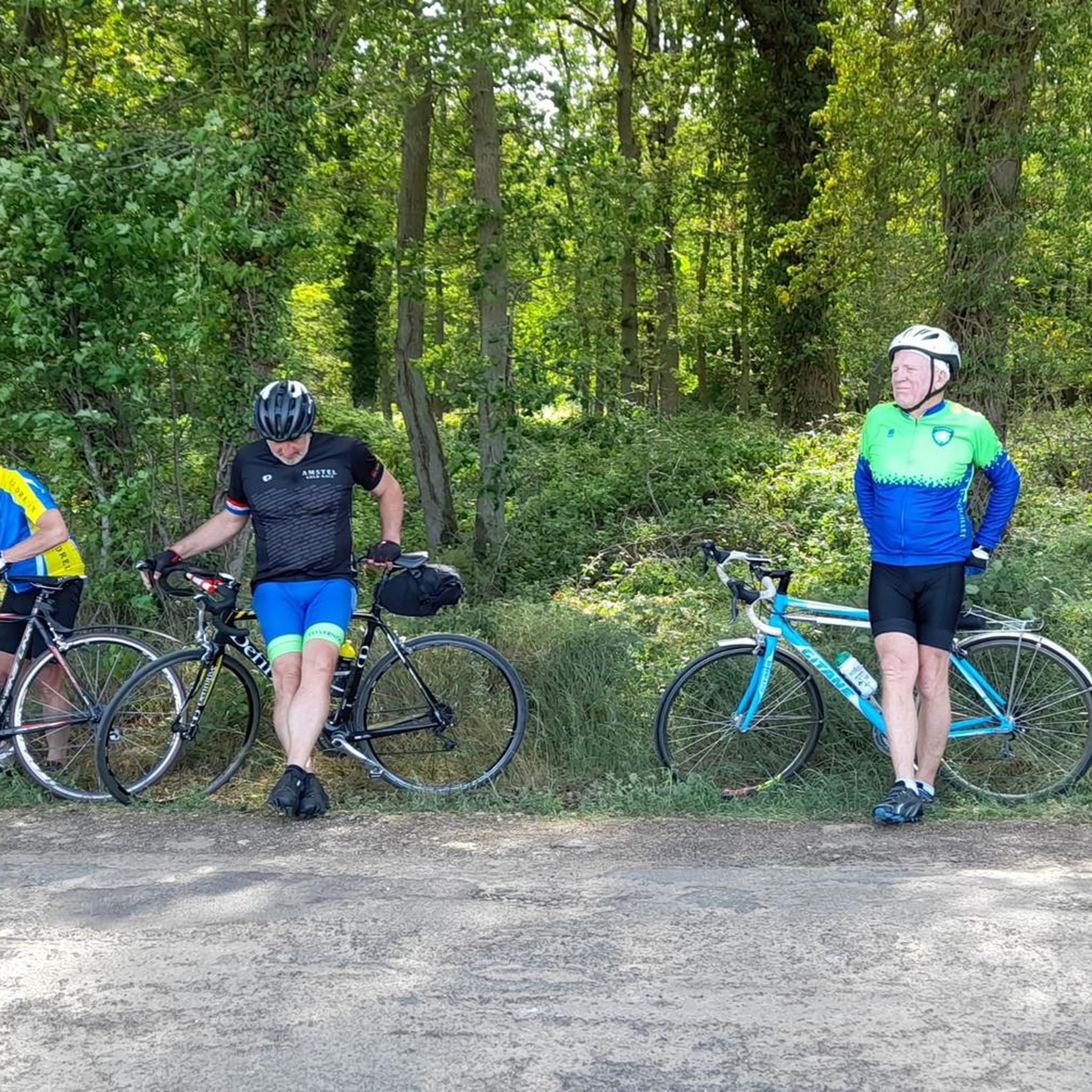
Road Cycling Routes around Garnay
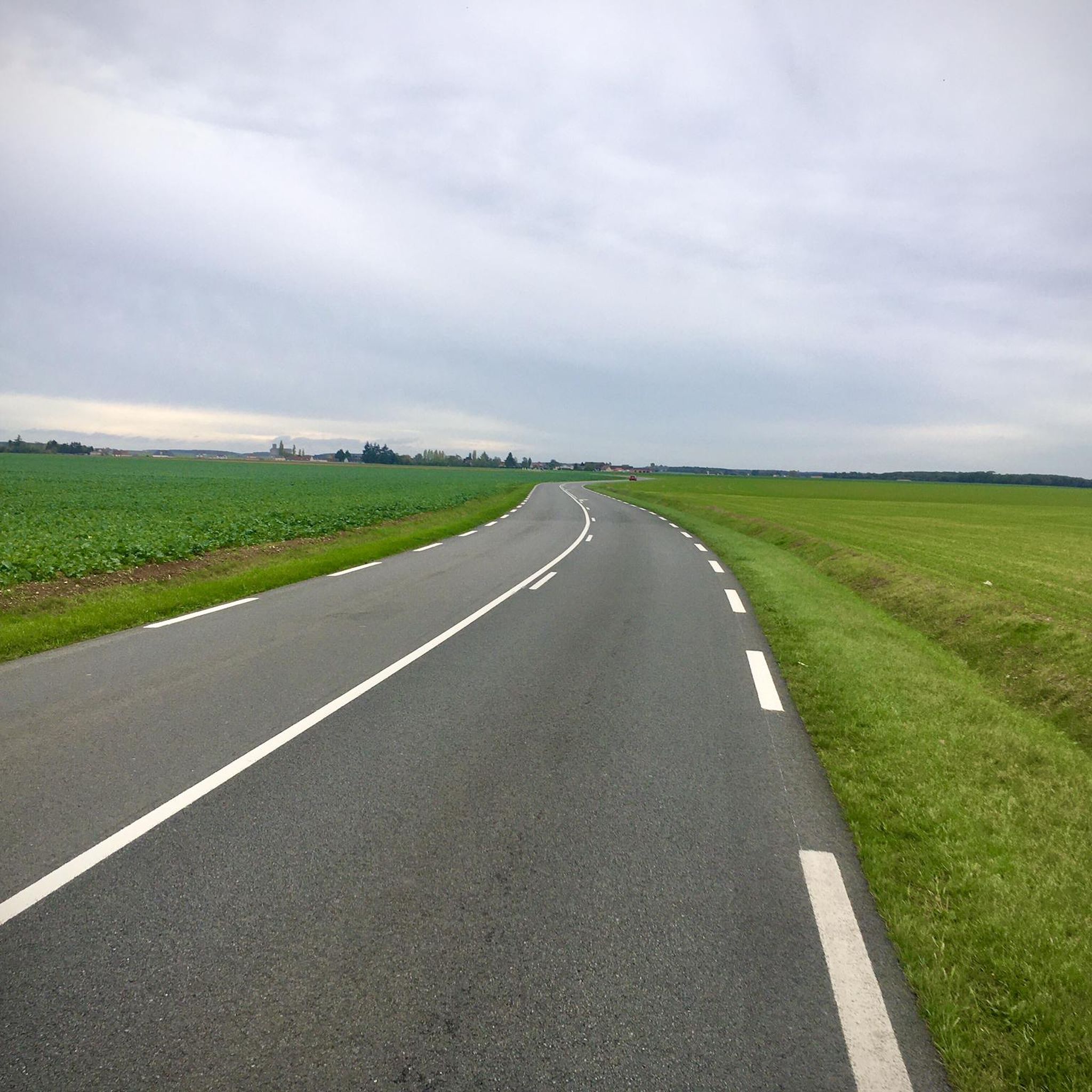
Road Cycling Routes around Vernouillet
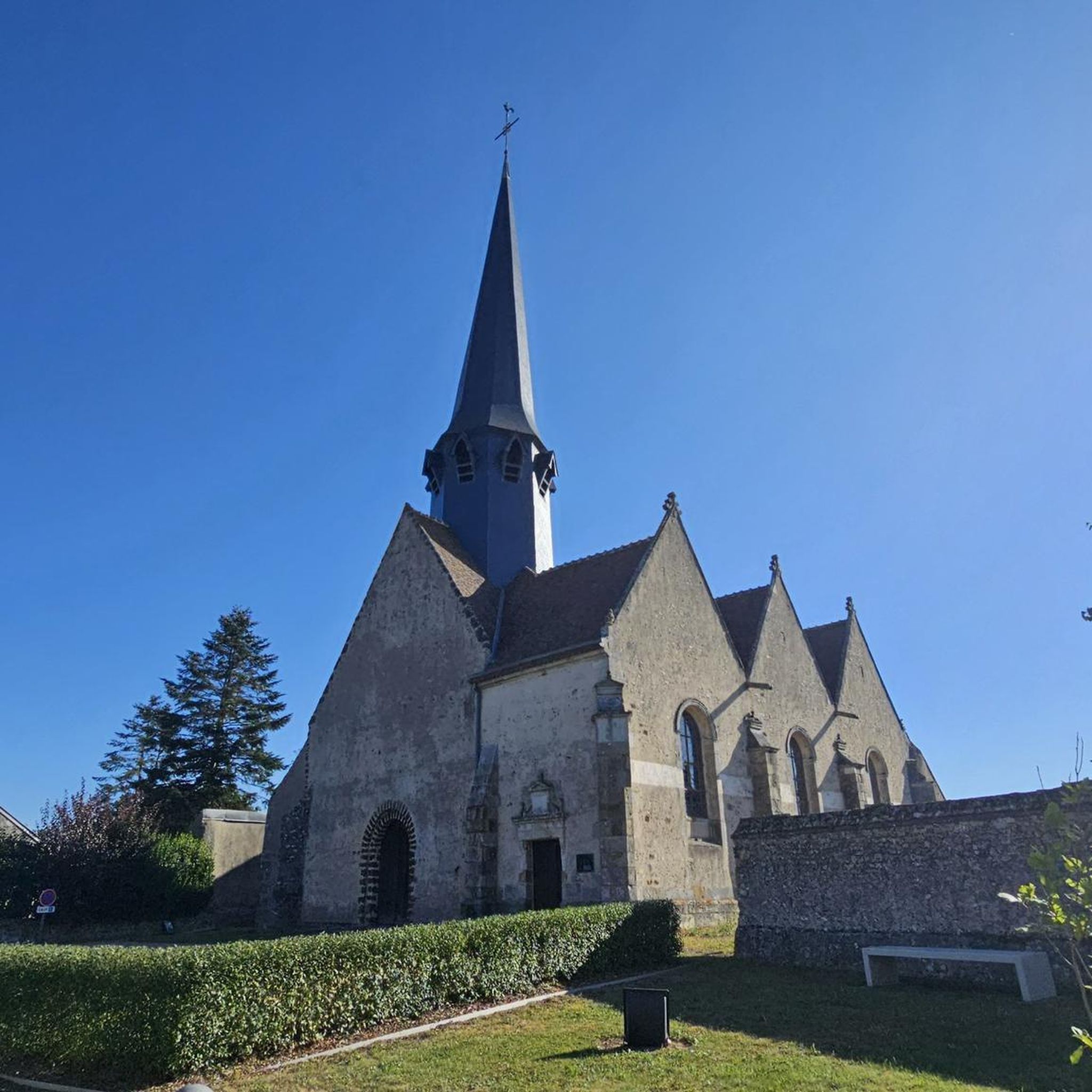
Road Cycling Routes around Beauche
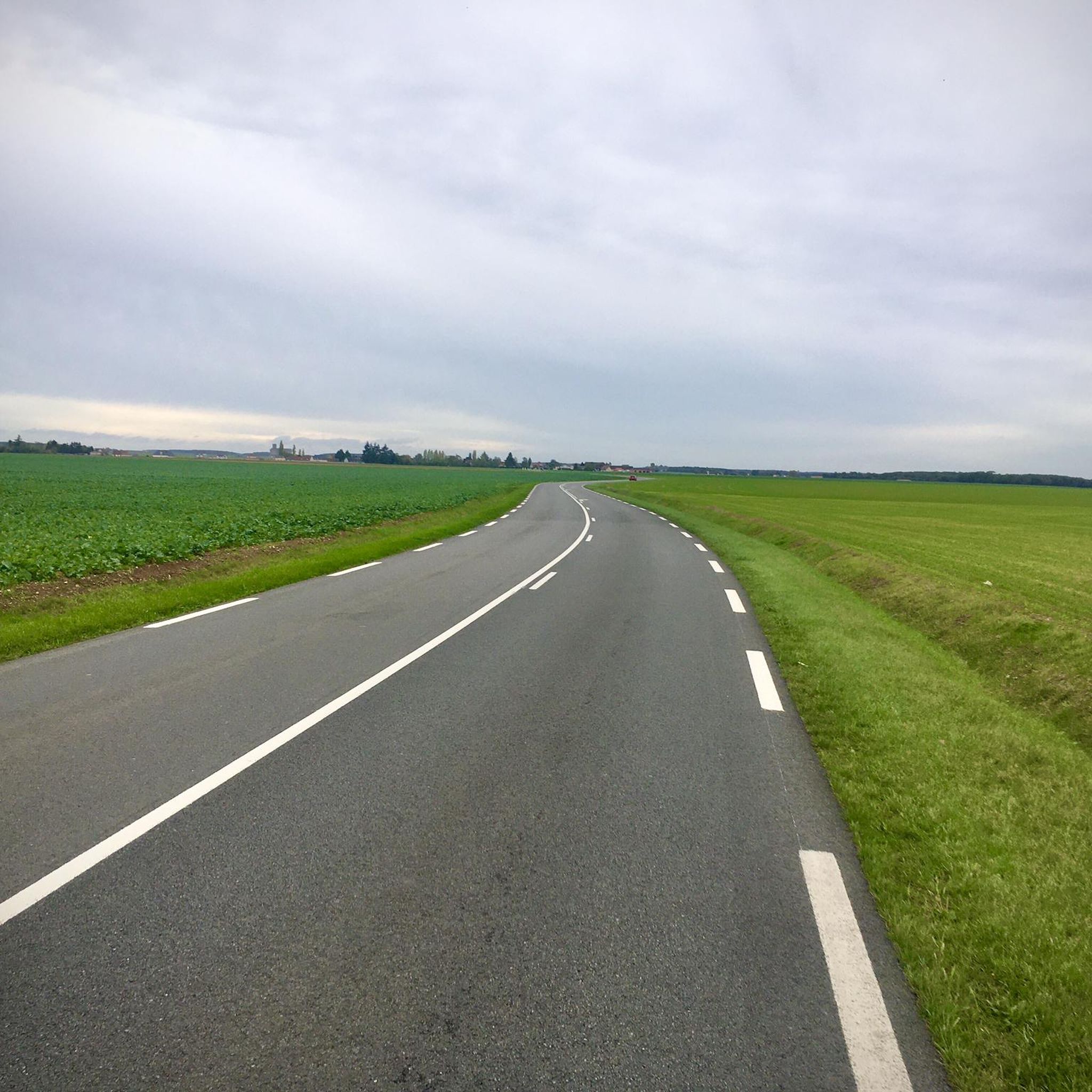
Road Cycling Routes around Brezolles
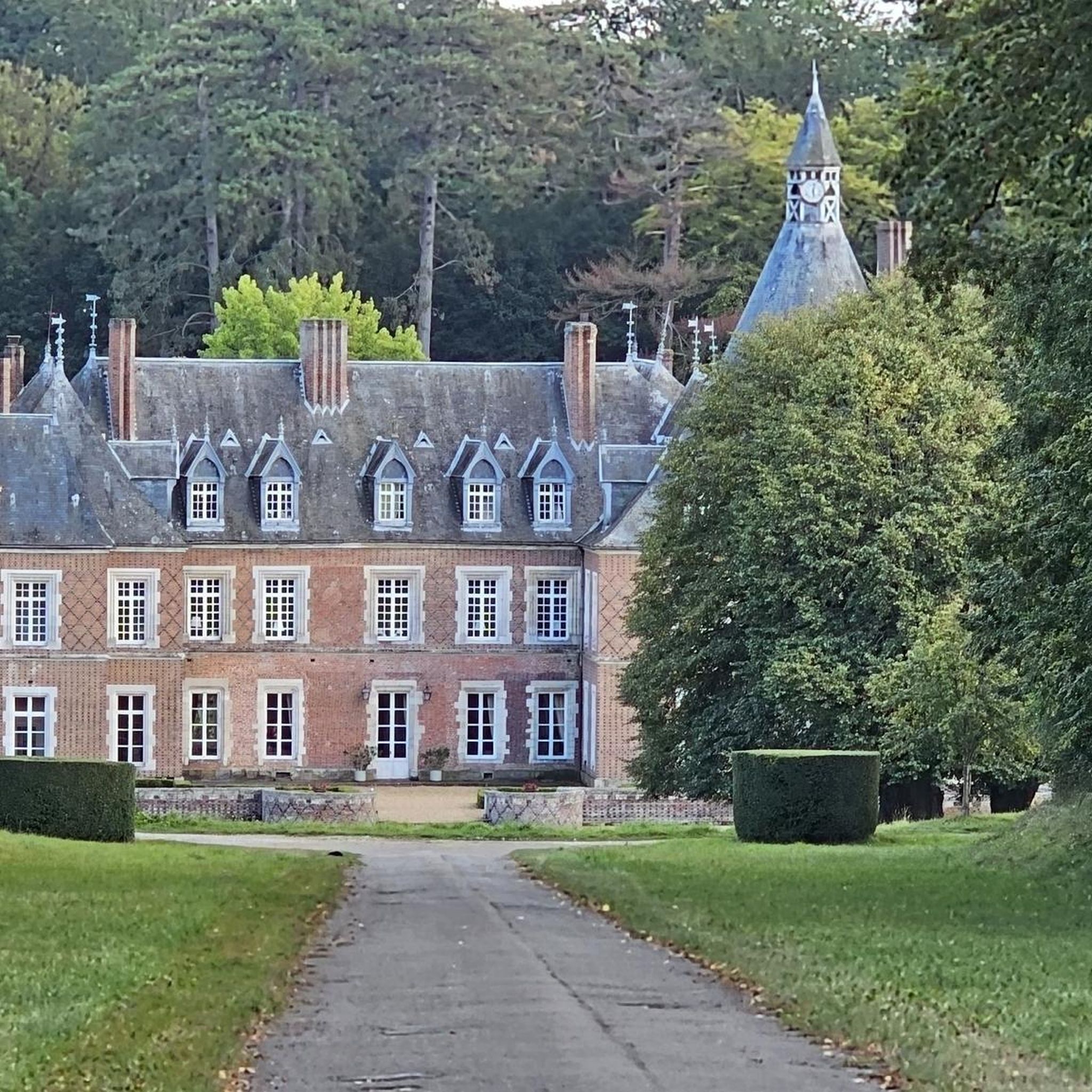
Road Cycling Routes around Maillebois
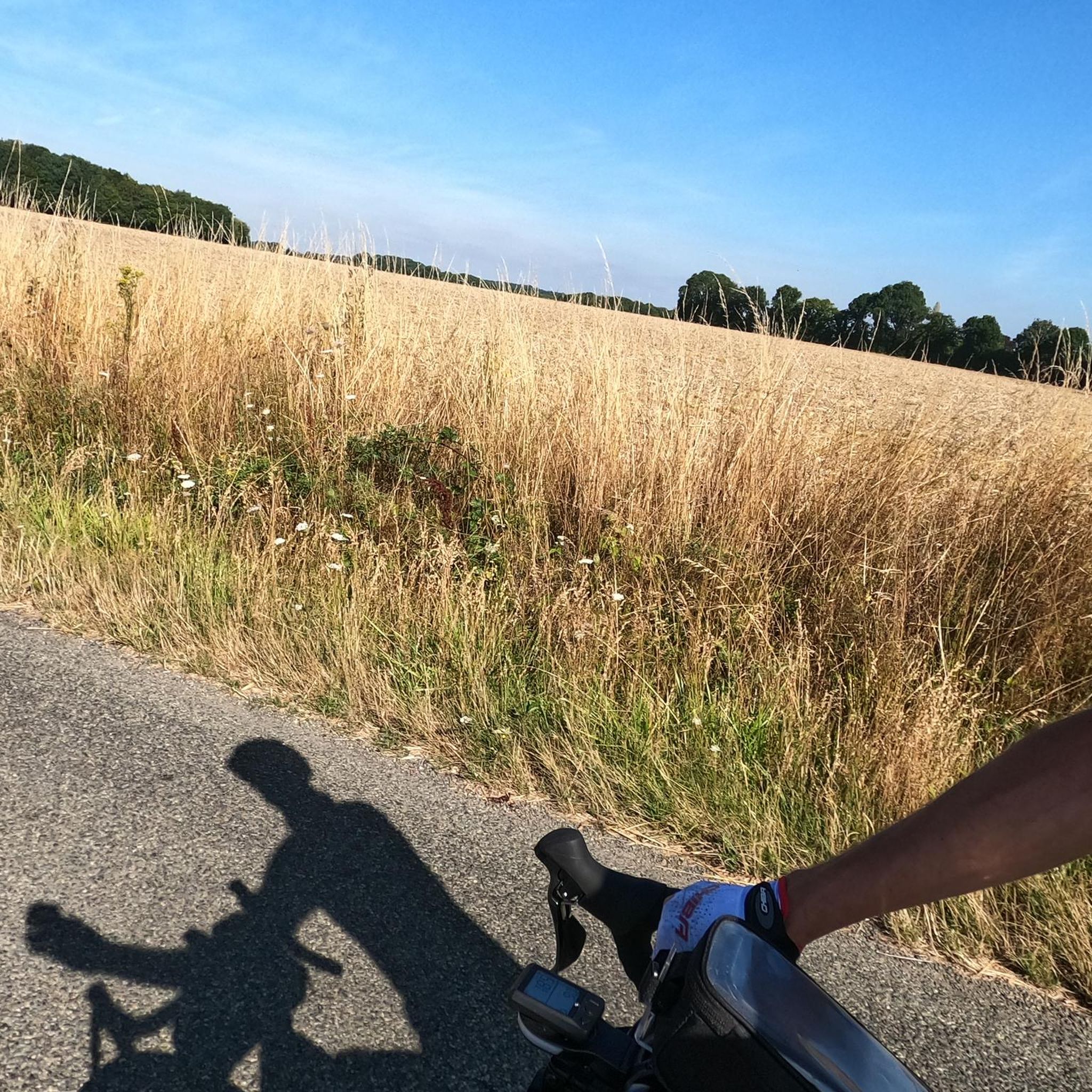
Road Cycling Routes around Crucey-Villages
Road Cycling Routes around Les Châtelets
Road Cycling Routes around Villiers-Le-Morhier
Other adventures around Dreux


Tips from the Community


The Moulin de Mormoulins is a watermill located on the Eure River in the hamlet of Mormoulins. This mill dates back to the 18th and 19th centuries and is a listed historical monument. You can admire the old stone building, the wooden wheel, and the canal that diverts water from the river as you pass in front of the mill. The mill is surrounded by green fields and trees, creating a peaceful and relaxing atmosphere.
0
0


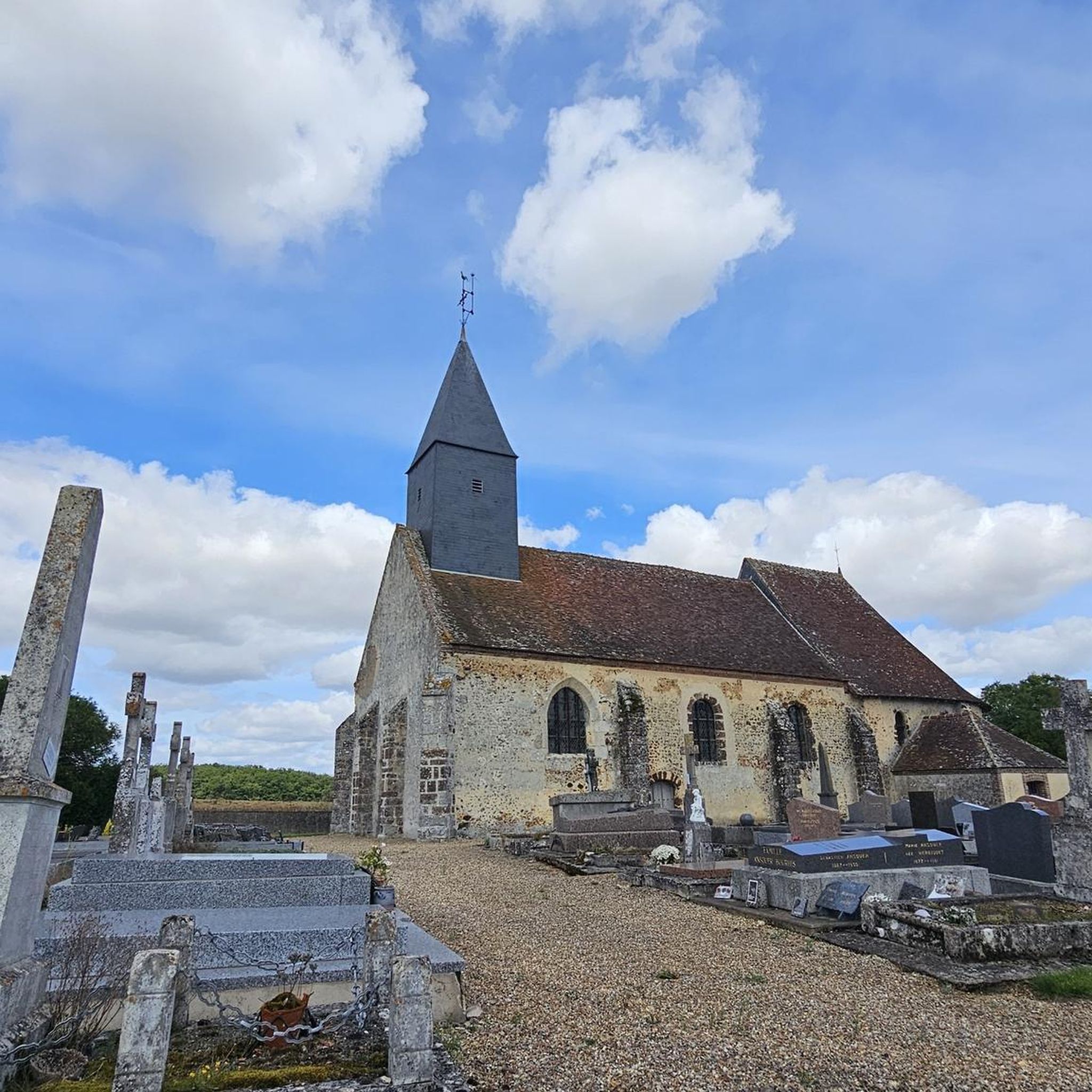
Built in the 16th century and constructed from white stone from the Boncourt quarry, the church has a brown tile roof, accompanied by a bell tower and a belfry covered in slate. A small canopy, a vestibule, protects the sanctuary door, rebuilt in 1789. The bell was cast in the 17th century.
0
0
The construction of the original church of Sorel dates back to the 10th century. In 1113, this church was destroyed during the siege of the fortress of Sorel by the troops of Henry VIII of England coming from Normandy. Its identical reconstruction was unfortunately halted by a fire in 1134. The current church was rebuilt starting in the 13th century, with the chevet completed in the 15th century, and the first two bays of the nave and the northern seigneurial chapel in the 16th century. The bell tower was built in the 17th century by blinding a window. The building is constructed of flint, lime, and white stone on a sandstone base. The upper part is made of Vernon stone. The tiled roof is supported by a beautiful rafter frame whose tie beams are decorated with chimera heads, also called "howling devils." In the choir, the 19th-century altar recalls medieval sculptures. An interesting collection of stained-glass windows dating from 1850. After extensive renovations, masses have been celebrated again since 2007.
0
0
According to tradition, the church choir covers the remains of an older building, possibly dating back to the 6th century, which was built to house the saint's body. According to current knowledge, the commune of Saint-Piat (Sanctus Piatus in Latin) officially appeared in 1087, mentioned in a charter of the Nottonville Priory (Eure-et-Loir), on which it depended. The current building was rebuilt during the time of Francis I, as suggested by the date 1535 engraved on two buttresses of the apse and the date 1542 engraved on a piece of wood from the vault. This is according to a study by the SAEL (Eure-et-Loir Archaeological Society). The three-sided apses, the dripstone towers (horizontal members projecting from a wall), and the sculpted roof structures are a testament to the importance of the reconstructions carried out in the department during the 16th century. The church of Saint-Piat is one of them. While the church has not been officially recognized, it nevertheless contains objects that have attracted attention both for their antiquity and quality, but not always for good reason. Their artistic value, far from attracting only religious or aesthetic interest, has also aroused a covetousness that, unfortunately, remains for some of them. Fortunately, those still in place are carefully cared for and offer the curious a story to discover, a beauty to slowly ponder as they progress toward the choir.
0
0

Many centuries ago, our ancestors discovered the possibility of harnessing the power of the elements—which, while helpful and useful on the one hand, could also be a threat as untamed forces of nature—for various purposes, thus eliminating the need for human or animal muscle power. Mills like these are a good example of the human engineering skills of earlier generations: The heavy millstones used to grind grain or press oil, for example, could be powered by wind or—as in this case—water.
0
0
Frequently Asked Questions
What is the typical terrain and elevation like for road cycling around Dreux?
Road cycling routes around Dreux generally feature well-paved roads with modest elevation changes, making them suitable for various skill levels. The landscape includes extensive forests, serene lakes, and gentle hills, particularly within the Forêt Domaniale de Dreux and the Perche Regional Natural Park. Routes like the Dreux Forest and Mézières-Écluzelles Lake Loop offer a mix of open countryside and wooded sections.
Are there road cycling routes suitable for beginners in Dreux?
Yes, Dreux offers several easy road cycling routes perfect for beginners. For example, the Dreux Forest and Mézières-Écluzelles Lake Loop is an easy 26.8-mile (43.1 km) trail. Another accessible option is the Cocherelle Dolmen – Anet Castle loop from Chapelle royale de Dreux, which is also rated as easy.
What natural features can I expect to see on road cycling routes in Dreux?
Cyclists in Dreux can enjoy a variety of natural features. Many routes traverse the extensive Forêt Domaniale de Dreux, known for its diverse ecosystem and ancient trees. You'll also encounter serene bodies of water like the bird-rich Mézières-Écluzelles Lake, which is a highlight of the Dreux Forest and Mézières-Écluzelles Lake Loop. The region also features the picturesque Eure Valley.
Are there historical landmarks or attractions along the road cycling routes?
Absolutely. Many routes incorporate historical landmarks. For instance, the Cocherelle Dolmen – Anet Castle loop from Chapelle royale de Dreux leads you past the historic Anet Castle. Other routes may pass by the Château de Mormoulins or the Château de Senonches, offering cultural stops during your ride.
Where can I find scenic viewpoints while cycling in Dreux?
For panoramic views, the Beffroi (Belfry) in Dreux's historic center offers expansive vistas of the Blaise Valley and the city's rooftops. While cycling, routes through the Perche Regional Natural Park, such as the La Ferté-Vidame - Senonches Loop, provide scenic countryside views. The edges of the Forêt Domaniale de Dreux also offer picturesque outlooks over the surrounding plateaus and valleys.
Is there convenient parking available for cyclists in Dreux?
Yes, Dreux and its surrounding areas offer various parking options. Many routes start from or pass through towns with public parking facilities. For routes venturing into natural areas like the Forêt Domaniale de Dreux, designated parking spots are often available near trailheads or popular access points.
Can I use public transport with my bike in the Dreux region?
The Eure-et-Loir department, where Dreux is located, is actively developing its cycling network. While specific rules for bikes on all public transport may vary, train services in France generally allow bikes, sometimes with a reservation or in designated areas. It's advisable to check with local transport providers for the most current information regarding buses and regional trains.
What is the best time of year for road cycling in Dreux?
The best time for road cycling in Dreux is typically from spring to early autumn (April to October). During these months, the weather is generally mild and pleasant, with less rainfall and comfortable temperatures for longer rides. The natural landscapes, especially the forests, are particularly vibrant in spring and autumn.
Are there family-friendly road cycling routes in Dreux?
Yes, Dreux offers several easy routes that are suitable for families. The gentle terrain and well-paved surfaces make cycling enjoyable for all ages. Routes that incorporate the Eure Valley Greenway or loops around the Mézières-Écluzelles Lake are often good choices for a family outing, providing scenic and relatively flat sections.
What do other road cyclists enjoy the most about road cycling in Dreux?
The road cycling experience around Dreux is highly rated by the komoot community, with an average score of 4.3 stars from over 140 reviews. Cyclists frequently praise the region's blend of extensive forests, serene lakes, and historical châteaux. The well-maintained roads and the variety of routes, from easy loops to more challenging options, are also highly appreciated.
Are there any long-distance road cycling routes near Dreux?
Yes, Dreux is situated near national cycle routes that offer long-distance options. For example, 'La Véloscénie,' connecting Paris to Mont-Saint-Michel, and the 'Saint-Jacques à Vélo' route both cross the department. These routes provide opportunities for extended rides beyond the local loops.
Are there circular road bike routes available in Dreux?
Many of the road cycling routes around Dreux are designed as circular loops, allowing you to start and end your ride in the same location. Popular examples include the Écluzelles, Chaudon, Ormoy — loop from Dreux and the From Brezolles to Saulnières — loop via the Châteaux d'Escorpin and Maillebois, which offer convenient round trips.
Can I find cafes or pubs near the road cycling routes in Dreux?
Yes, many road cycling routes around Dreux pass through or near charming villages and towns where you can find cafes and pubs. These establishments offer convenient stops for refreshments and a break during your ride. Exploring the historic centers of towns like Dreux itself will provide various options.
Most popular routes around Dreux
Most popular attractions around Dreux

Get inspired with the komoot mobile app


Didn’t find what you were looking for?
Check out more Road cycling routes throughout Dreux below and find the perfect route in your destination.
Explore more
Browse the best Road cycling routes in other regions.
