Top 5 Castles around Jonzac
Best castles around Jonzac offer a glimpse into centuries of history in the Charente-Maritime region of France. The area features a diverse landscape, from historical fortifications to stately homes set within expansive parks. Visitors can explore sites dating back to the Gallo-Roman era, providing a rich cultural experience.
Best castles around Jonzac
- The most popular castles is Jonzac Castle, a castle that dates back to 1073. This château de Jonzac was reconstructed following the Hundred Years War, with parts of the structure dating from the 12th to 17th centuries.
- Another must-see spot is Blue Ponds and Château de Beaulon, a castle set within a 13-hectare French-style garden and English park. Visitors can explore the grounds, which feature a three-hundred-year-old oak and several ponds with blue artesian springs.
- Visitors also love Château de Meux, a small castle that has changed hands many times since its 12th-century construction. It is located adjacent to a Romanesque church.
- Jonzac is known for its historical castles, fortified structures, and family friendly castles. The region offers a variety of castles to see and explore, from ancient ruins to well-preserved stately homes.
- The castles around Jonzac are appreciated by the komoot community, with more than 20 photos and over 25 upvotes from visitors.
Last updated: October 16, 2026
Jonzac Castle
Highlight • Castle
Currently the north wing of the castle houses the buildings of the Town Hall (restored in the 19th century), and the south wing, those of the sub-prefecture. The cloister was restored between 1976 and 1978, and now houses a cultural center, with exhibition halls and an archaeological museum.
The towers, postern and fountain in the basement date from the 12th century. Of the old feudal castle, only the postern and an isolated tower remain, connected to the main body by a large hall.
The moat in front of the drawbridge was filled was filled in the 19th century. It was reopened at the beginning of the 21st century.
The imposing gatehouse is marked 1549 and therefore dates from the 16th century, a period of work including the north-west tower, while the south-west tower, of a smaller diameter, is from the 17th century. The towers flanking the postern have retained their defenses. At each, the loopholes have been retained or enlarged. Stone stairs serve each floor and access the walkway. This passage seems to have been discovered, as evidenced by the gargoyles. The crenellation includes machicolations with archers in the middle of the merlons. The slate roofs are high pepperboxes on the towers, and a curious set with two sides connecting two pepperboxes for the gatehouse
The fountain located in the basement of the sub-prefecture, has a niche and a niche frame decorated with sculptures imitating stalactites. Carved mask. The fountain was probably built by Léon de Sainte-Maure, Count of Jonzac, who enlarged and embellished the castle in the middle of the 12th century.
In a former courtyard of the castle, a theater was built in the 19th century. It is a round building with approximately 300 seats.
Translated by Google •
Tip by

Blue Ponds and Château de Beaulon
Highlight • Castle
Translated by Google •
Tip by
Sign up now to discover places like this
Get recommendations on the best single tracks, peaks, & plenty of other exciting outdoor places.
Château de Montendre
Highlight • Castle
The castle retains elements from various periods, including part of the enclosures, a round tower, a square tower, a guard room and underground passages. Since the beginning of the 2000s, each summer, international projects (Solidarités Jeunesses) have made it possible to gradually renovate the castle grounds and preserve this site, converted into a promenade.
The castle is open for visits from 9 a.m. to 12:30 p.m. and from 2 p.m. to 5:30 p.m. Close on Sunday.
Translated by Google •
Tip by

Château de Meux
Highlight • Castle
Translated by Google •
Tip by

Château de Mirambeau
Highlight • Castle
Translated by Google •
Tip by

Start today with a free account
Your next adventure awaits.

Other adventures around Jonzac

Tips from the Community

Montendre Castle rises on an eminence 114 meters high and dominates a vast panorama of moors, woods and meadows as well as the tight houses of the old town below. Its origin dates back to the Gallo-Roman era with the construction of a first oppidum in 52 BC. J-C. The castle retains elements from various periods, including part of the enclosures, a round tower, a square tower, a guard room and underground passages. Since the beginning of the 2000s, each summer, international projects (Solidarités Jeunesses) have made it possible to gradually renovate the castle grounds and preserve this site, converted into a promenade. The castle is open for visits from 9 a.m. to 12:30 p.m. and from 2 p.m. to 5:30 p.m. Close on Sunday.
1
0

The Château de Meux is located in the Charente-Maritime in the municipality of Meux . It is adjacent to the Romanesque church.
2
0
The Castle of Meux (French: Château de Meux) is a castle in the French commune of Meux.
2
0

Since its construction in the 12th century, this small castle has changed hands many times. It is now the home of Monique Guilbaud, who saved it from ruin and created a farm there.
3
1

In 1073, the castle already exists; the first known lord was Guillaume de la Rochandry at the beginning of the 12th century. The 1449 inscription on the castle attests to its reconstruction following the destruction caused by the Hundred Years War. In 1505, Jean de Sainte-Maure, lord of Jonzac, founded the Carmelite monastery on the remains of an old chapel dedicated to Saint Nicolas. The cloister was built in 1657. The young Louis XIV, the Queen Mother and Mazarin stayed at the castle in 1659. The castle remained at Sainte-Maure until the end of the 17th century, then passed through marriage to Espardes de Lussan, which transformed the fortress in beautiful stately home with neat ornamentation and guard until the Revolution. Currently the north wing of the castle houses the buildings of the Town Hall (restored in the 19th century), and the south wing, those of the sub-prefecture. The cloister was restored between 1976 and 1978, and now houses a cultural center, with exhibition halls and an archaeological museum. The towers, postern and fountain in the basement date from the 12th century. Of the old feudal castle, only the postern and an isolated tower remain, connected to the main body by a large hall. The moat in front of the drawbridge was filled was filled in the 19th century. It was reopened at the beginning of the 21st century. The imposing gatehouse is marked 1549 and therefore dates from the 16th century, a period of work including the north-west tower, while the south-west tower, of a smaller diameter, is from the 17th century. The towers flanking the postern have retained their defenses. At each, the loopholes have been retained or enlarged. Stone stairs serve each floor and access the walkway. This passage seems to have been discovered, as evidenced by the gargoyles. The crenellation includes machicolations with archers in the middle of the merlons. The slate roofs are high pepperboxes on the towers, and a curious set with two sides connecting two pepperboxes for the gatehouse The fountain located in the basement of the sub-prefecture, has a niche and a niche frame decorated with sculptures imitating stalactites. Carved mask. The fountain was probably built by Léon de Sainte-Maure, Count of Jonzac, who enlarged and embellished the castle in the middle of the 12th century. In a former courtyard of the castle, a theater was built in the 19th century. It is a round building with approximately 300 seats.
0
0
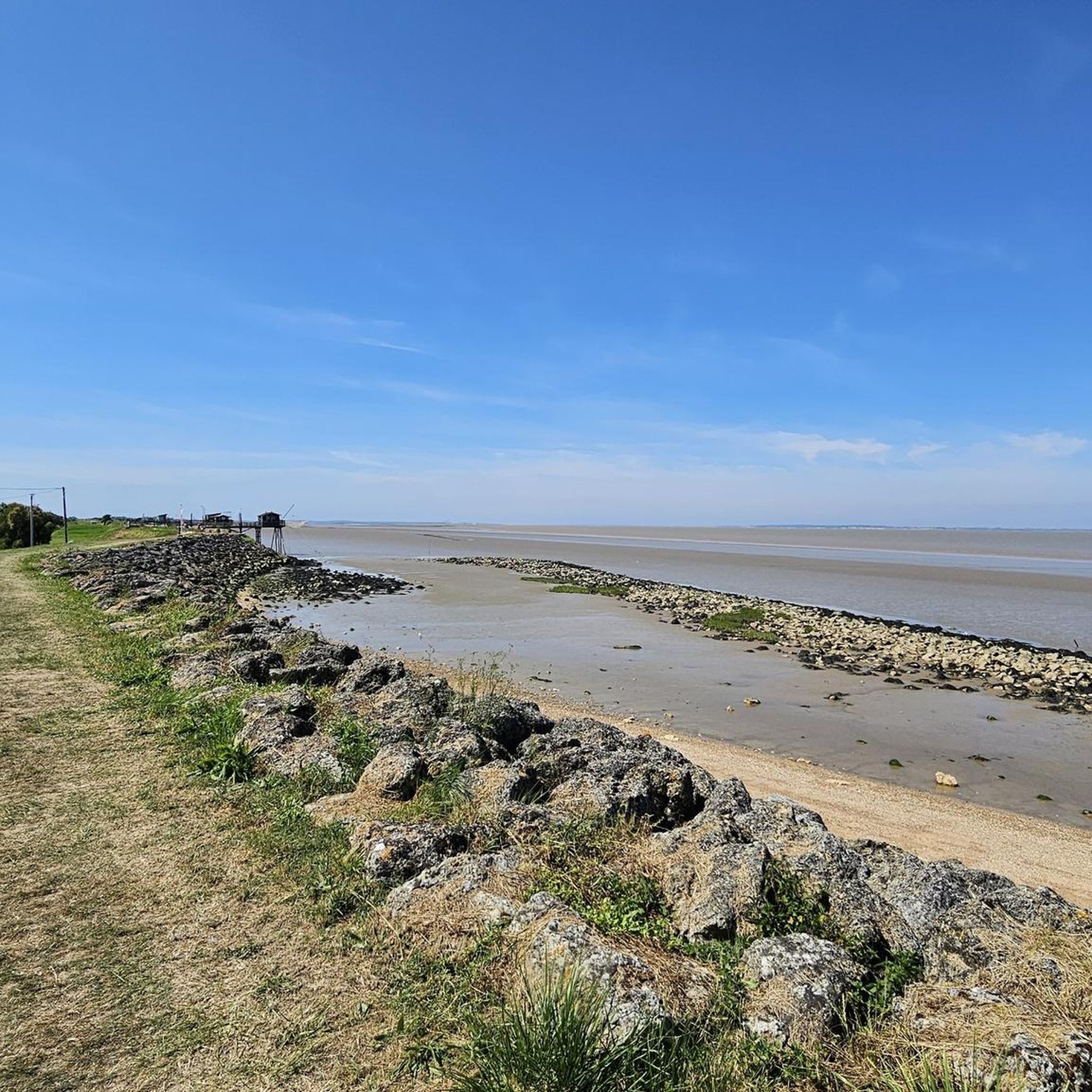
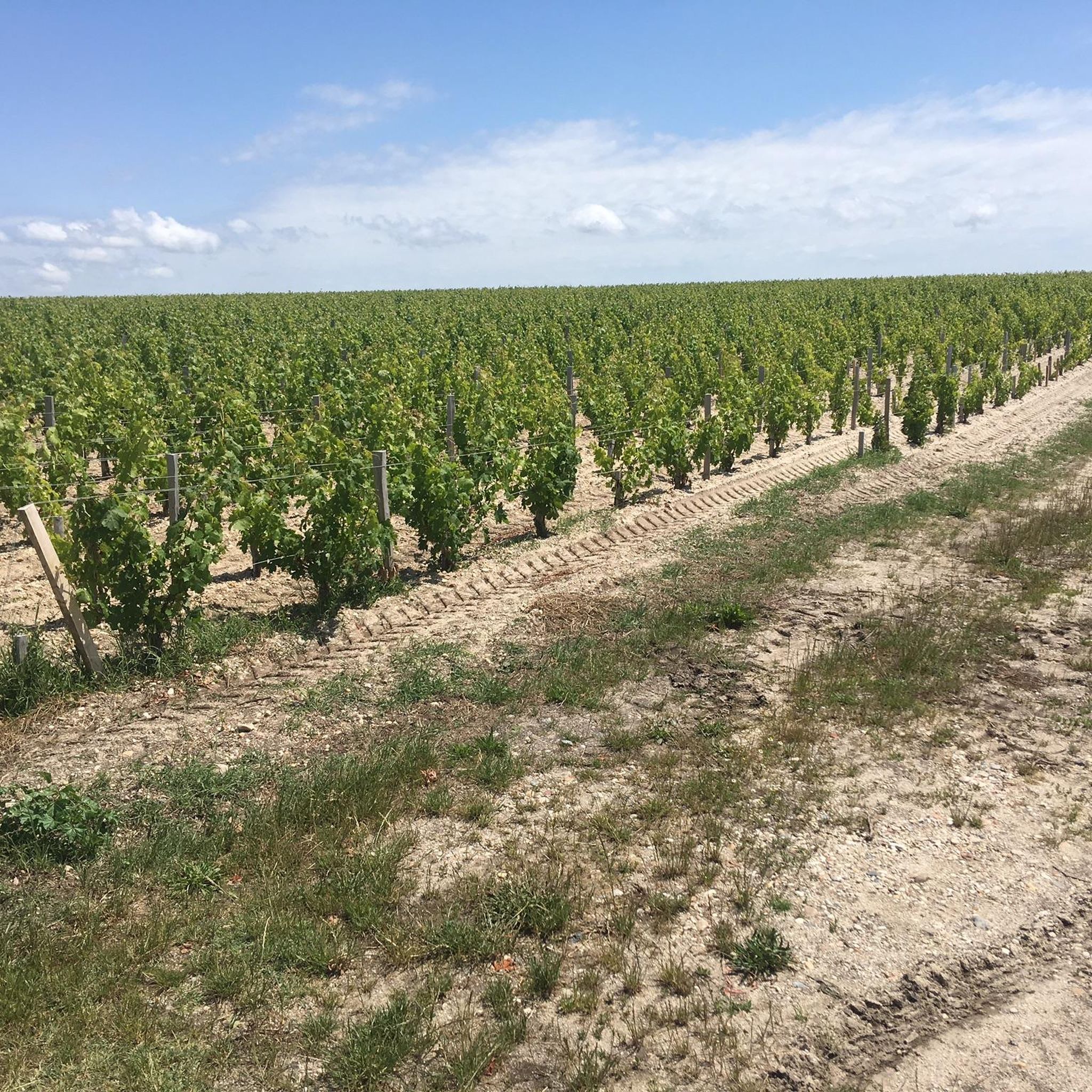
Walk for VTC or VTT because more than 25 kms on dirt roads (in the 28th km it is even necessary to dismount for 200 m) .... to do in sunny weather and dry ground !!!!. On the other hand an enchantment as for the calm and the little traffic. Bucolic seaside landscape on the first half, then more vineyards and countryside on the second half. Note midway in the small village of St. Dizan du Gua a marvel of wooded garden with its Castle (former residence of the bishops of Bordeaux) and its dovecote where you can comfort yourself with a small tasting of pinault and cognac !! !
0
0
A French-style garden and an English park on 13 hectares, the ensemble labeled "remarkable garden" (433 in France) where a thousand trees of different species grow, including a three hundred year old oak. Several ponds with mysterious "Blue fountains", these are artesian exsurgences whose turquoise blue color is due to the presence of microscopic algae. Green lawns, shaded areas, paths to relax and appreciate the admirable work of gardeners and nature. And finally, the beautiful castle of Beaulon whose north facade was built in 1480 (former residence of the bishops of Bordeaux), a dovecote from 1740 (with 1500 nests called cells or boulins) and to finish the visit a tasting of Pinault and Homemade cognac in the rules of the art ...... with a sublime taste and most of the production of which is sold for export !!!
0
0

The 8-hectare park is open to the public. The large 5-star hotel is part of Relais & Châteaux, which owns 500 houses worldwide.
0
0
Frequently Asked Questions
Are there family-friendly castles to visit near Jonzac?
Yes, several castles around Jonzac are suitable for families. Château de Montendre is noted as family-friendly and offers a promenade area. Château de Mirambeau also welcomes families, with its 8-hectare park open to the public.
Which castles near Jonzac offer historical insights into the region?
Jonzac Castle is a prime example, with parts dating from the 12th to 17th centuries and a history of reconstruction after the Hundred Years War. It houses a cultural center and archaeological museum. Château de Montendre has origins tracing back to a Gallo-Roman oppidum in 52 BC, retaining elements from various periods including a round tower and underground passages.
Can I find castles with beautiful gardens or natural features?
Absolutely. Blue Ponds and Château de Beaulon features a 13-hectare French-style garden and English park, labeled a 'remarkable garden'. It boasts a three-hundred-year-old oak and several ponds with mysterious blue artesian springs.
What outdoor activities can I do near these castles?
The region around Jonzac offers various outdoor activities. You can find numerous cycling routes, including road cycling, touring, and mountain biking. For example, there are routes like the 'Loop of Montendre, Saint-Palais, and Mirambeau' for road cycling, or the 'Jonzac and Archiac Loop' for touring. Mountain biking trails include the 'Château de Montendre – View of the Lac de la Blanche loop'. You can explore these and more on the Road Cycling Routes around Jonzac, Cycling around Jonzac, and MTB Trails around Jonzac guide pages.
Are there any castles near Jonzac that are less known or considered 'hidden gems'?
Château de Meux is a smaller castle with a rich history, having changed hands many times since its 12th-century construction. It's located adjacent to a Romanesque church, offering a glimpse into local heritage away from the more prominent sites.
What is the best time of year to visit castles around Jonzac?
The Charente-Maritime region generally enjoys pleasant weather from spring through early autumn (April to October), making these months ideal for exploring castles and their grounds. Summer offers longer daylight hours, while spring and autumn provide milder temperatures and fewer crowds. Some castles, like Château de Montendre, are open for visits during specific hours, so checking individual opening times is recommended.
Are there any castles near Jonzac that are dog-friendly?
While specific dog policies vary by site, many castle grounds and parks in France allow dogs on a leash. For example, the extensive park at Château de Mirambeau and the gardens of Blue Ponds and Château de Beaulon might be suitable for a walk with your dog, provided they are kept under control. It's always best to check directly with each castle before your visit.
What kind of facilities or amenities can I expect near these castles?
Many castles, especially those integrated into towns like Jonzac Castle (which houses the Town Hall), are close to local amenities such as cafes, restaurants, and shops. Larger sites like Château de Mirambeau, which operates as a 5-star hotel, often have their own dining options. For other castles, nearby villages will typically offer basic services.
Are there any castles near Jonzac with circular walks or hiking opportunities?
Yes, the grounds of castles like Château de Montendre have been converted into promenade areas, offering opportunities for walks. Additionally, the region is rich in cycling and walking routes that often pass by or near these historical sites. You can find detailed routes on the komoot guide pages for Cycling around Jonzac and MTB Trails around Jonzac, which include paths suitable for walking.
What do visitors enjoy most about the castles around Jonzac?
Visitors appreciate the diverse historical experiences, from ancient fortifications to stately homes. The blend of history with natural beauty, such as the gardens at Blue Ponds and Château de Beaulon, is a major draw. The komoot community has shared over 20 photos and given more than 25 upvotes, highlighting the visual appeal and engaging nature of these sites.
Is public transport available to reach castles near Jonzac?
While Jonzac itself has some local transport options, reaching individual castles in the surrounding rural areas often requires a car. Public transport links between smaller towns and villages can be limited. It's advisable to check local bus schedules or consider car rental for more flexibility when visiting multiple sites.
Most popular routes around Jonzac
Most popular attractions around Jonzac

Get inspired with the komoot mobile app


Explore more
Looking for the best castles somewhere else? Discover other guides around Jonzac:
