Top 5 Castles around Fontainebleau
Best castles around Fontainebleau are situated in an area rich in French history and architectural grandeur, located southeast of Paris. This region is known for its diverse natural landscapes, including the Fontainebleau forest, which complements the historical sites. The area offers unique insights into the country's royal and aristocratic past. It is a significant cultural landscape with a blend of historical importance and natural beauty.
Best castles around Fontainebleau
- The most popular castles is Fontainebleau Castle, a castle and UNESCO World Heritage Site. It served as a royal residence for eight centuries, housing 34 kings and two emperors. This historical site showcases architectural styles from the 12th to the 19th centuries.
- Another must-see spot is Nemours Castle, a man-made monument and historical site built starting in the 12th century. Located on the left bank of the Loing River, it served as a defense for the town and a watchtower for the bridge. The fortress-like castle was rebuilt in the 15th and 17th centuries and now functions as a museum.
- Visitors also love View of Château-Landon, a viewpoint overlooking a medieval city classified among the villages of character of Seine et Marne. This historical site offers views of many buildings and monuments from its past.
- Fontainebleau is known for royal residences, fortified buildings, and historical settlements. Visitors can explore a variety of castles, from grand palaces to medieval fortresses.
- The castles around Fontainebleau are appreciated by the komoot community, with 5 highlights receiving 251 upvotes and featuring 82 photos.
Last updated: October 11, 2026
Fontainebleau Castle
Highlight • Castle
Translated by Google •
Tip by

Fontainebleau Castle
Highlight • Historical Site
The castle's extensive gardens and parks provide an ideal setting for joggers, with shaded paths and stunning natural scenery.
Translated by Google •
Tip by
Sign up now to discover places like this
Get recommendations on the best single tracks, peaks, & plenty of other exciting outdoor places.
Challeau Fort
Highlight • Castle
Translated by Google •
Tip by

Nemours Castle
Highlight • Monument
It is located on the left bank of the Loing River and near the old bridge, allowing it to serve as a defense for the town and a watchtower for the bridge. The fortress-like castle was rebuilt in the 15th and 17th centuries.
Translated by Google •
Tip by

View of Château-Landon
Highlight • Viewpoint
Translated by Google •
Tip by

Château de Chevry
Highlight • Castle
Private property, but you can admire it from the road behind the gates.
Translated by Google •
Tip by

Start today with a free account
Your next adventure awaits.
Popular around Fontainebleau
GR 13 from Gâtinais to Morvan — By Fontainebleau and Burgundy
EuroVelo 3 – A cycling pilgrimage from Norway to France
Nature and heritage around Paris – hiking the GR 11
Cycle from Paris to Orléans – Scandibérique along the water
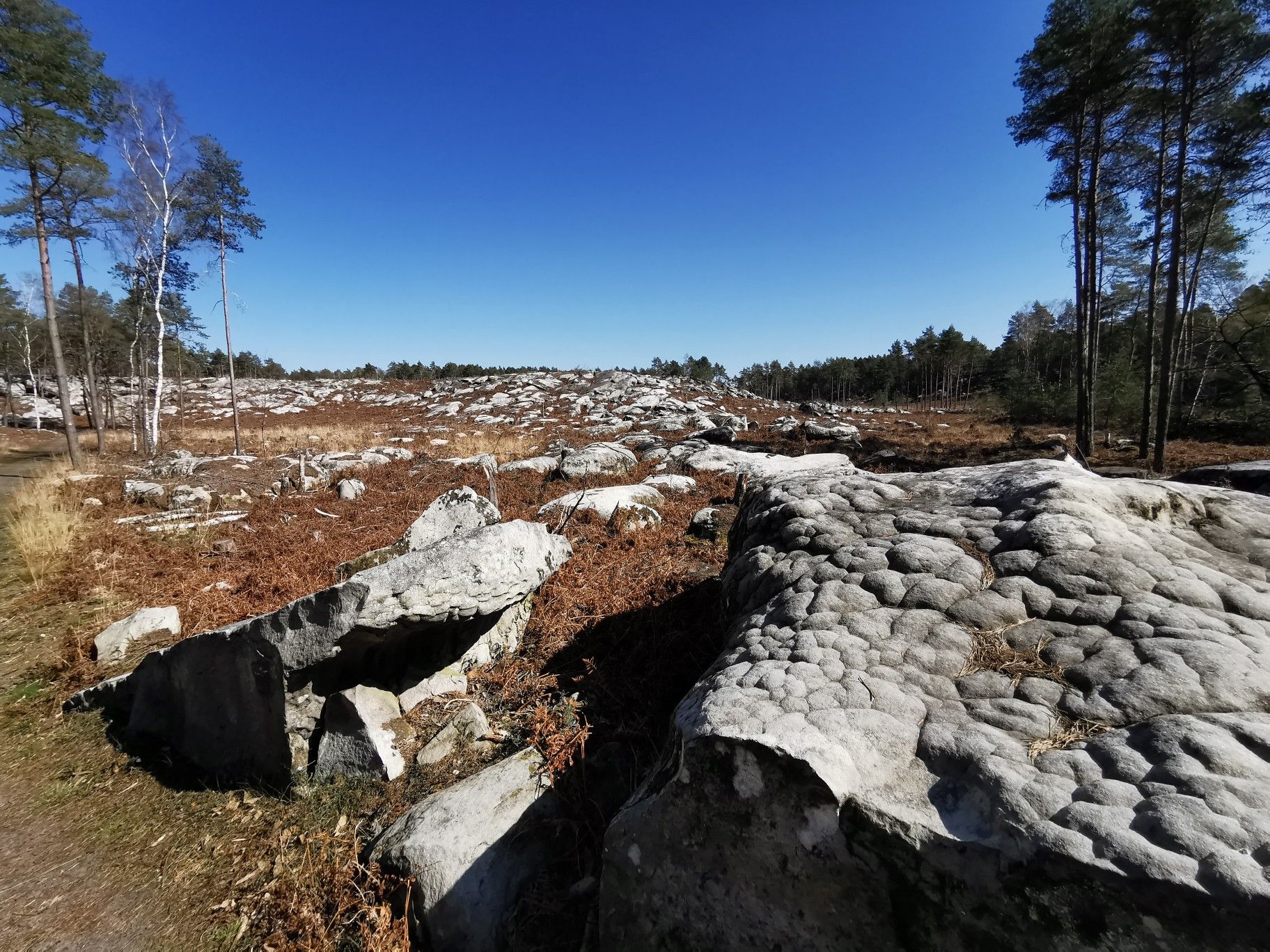
Discover the Fontainebleau Forest – two must-do trail runs
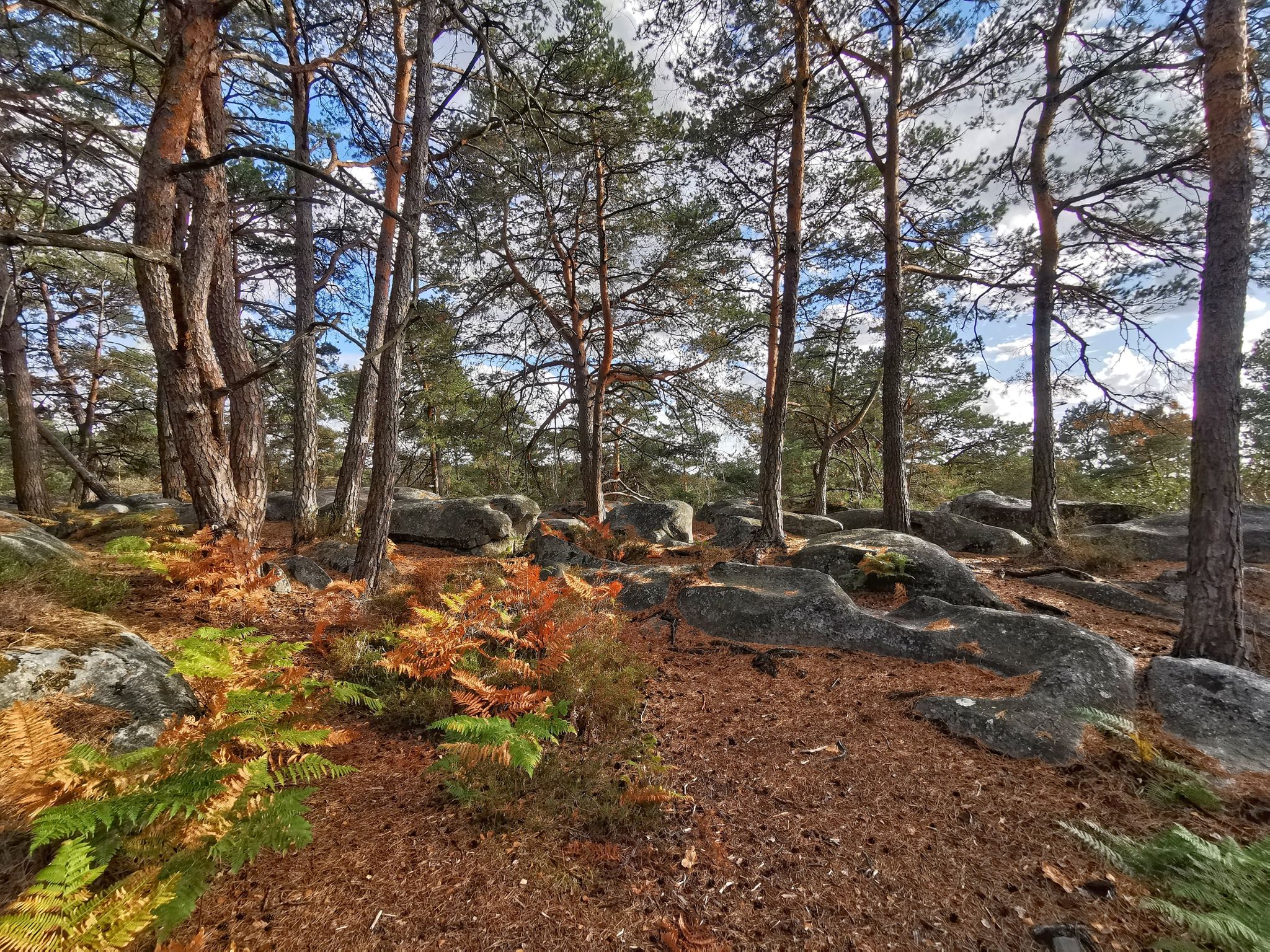
Natural beauty on Île-de-France – mountain biking around Paris
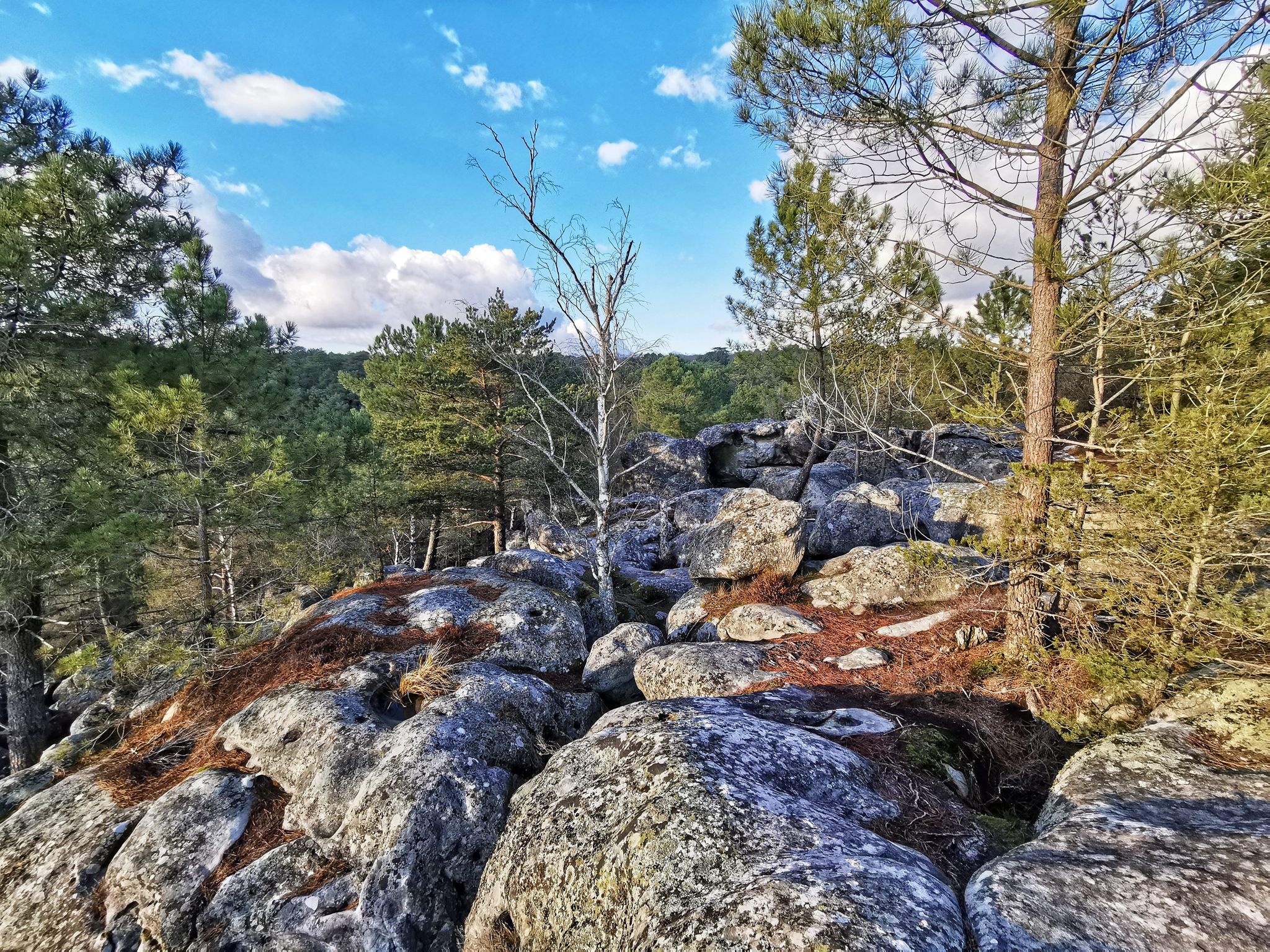
In the heart of the Île-de-France countryside — 7 trails south of Paris
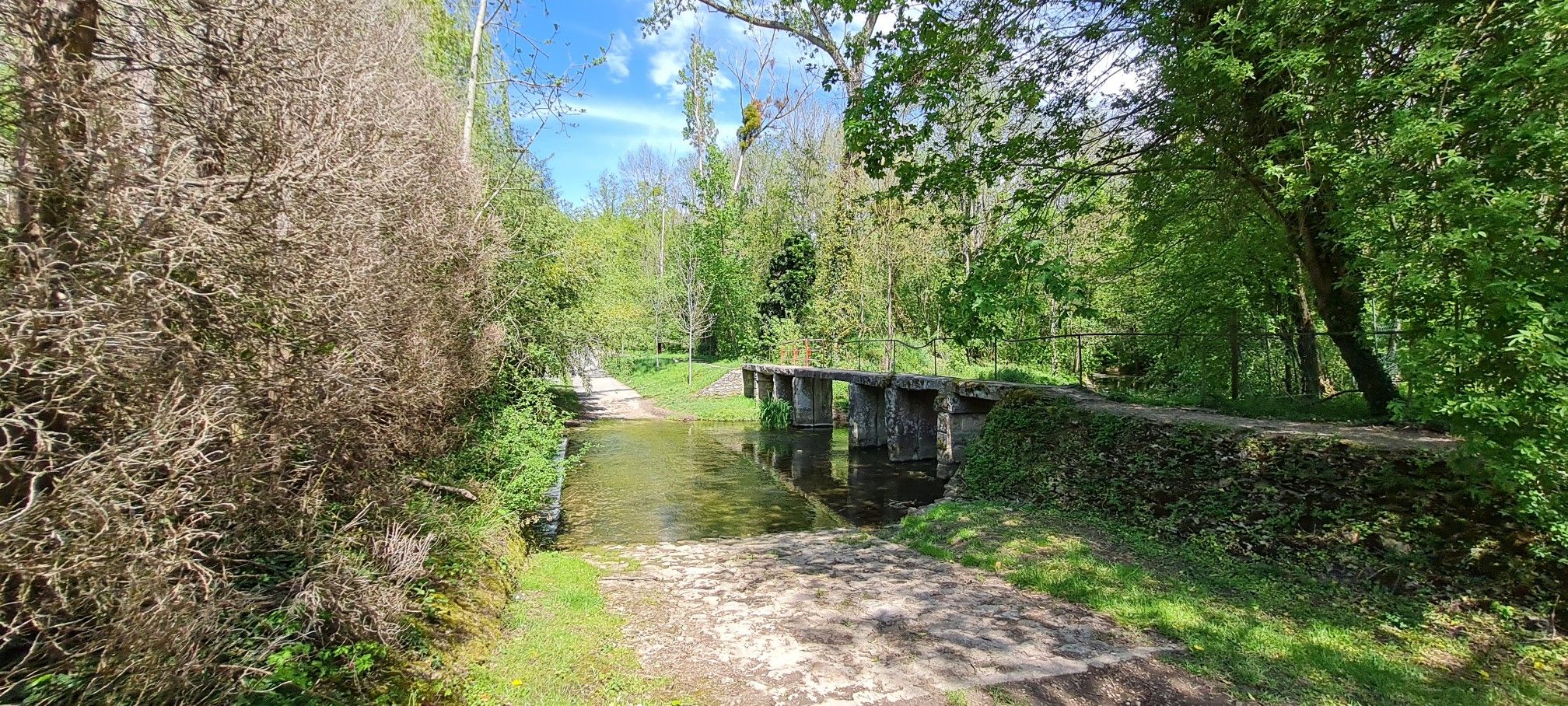
Walking around Ile-de-France in Paris – GR 1
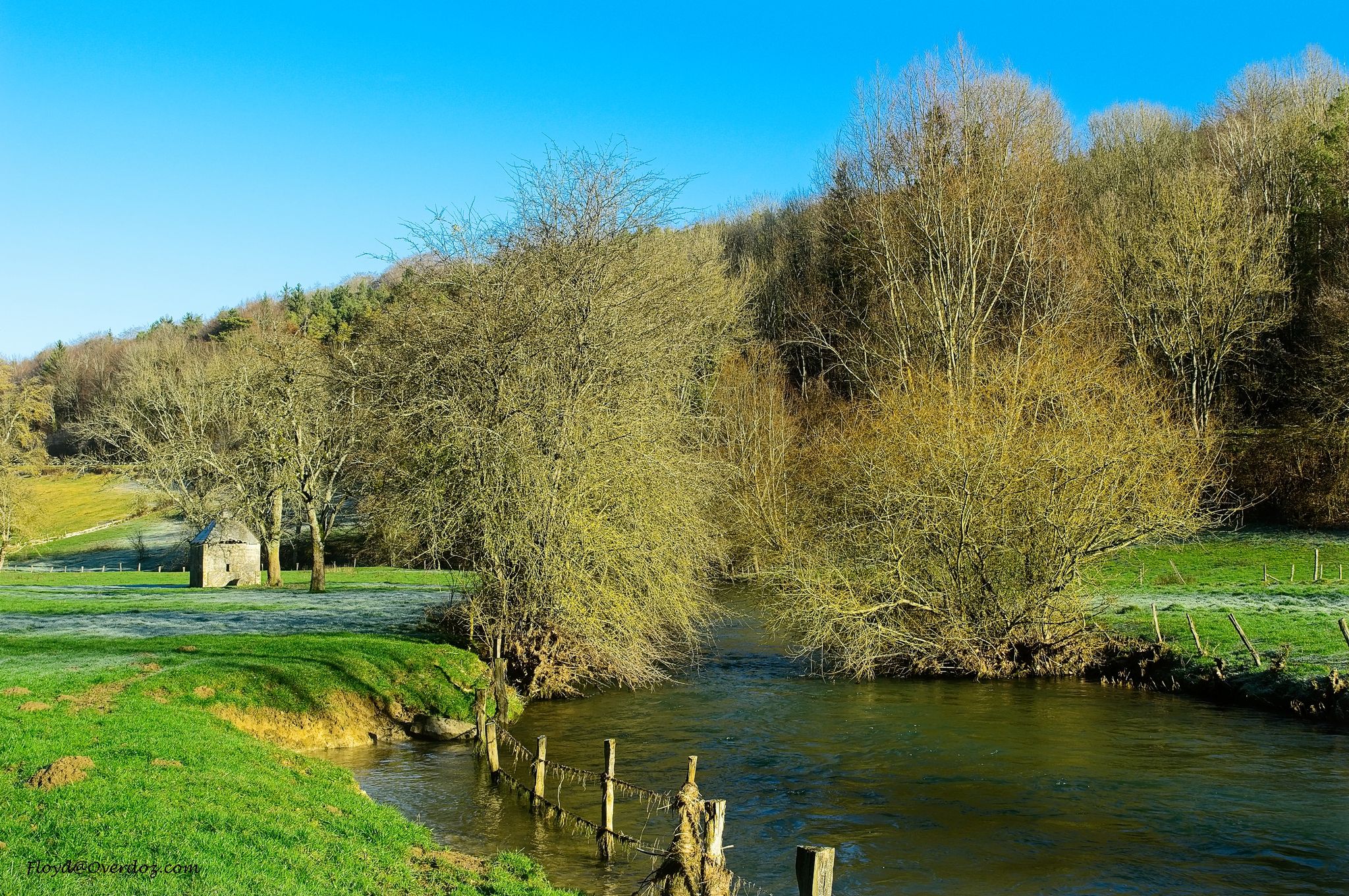
Exploring the Seine on the Île-de-France – hike the GR 2
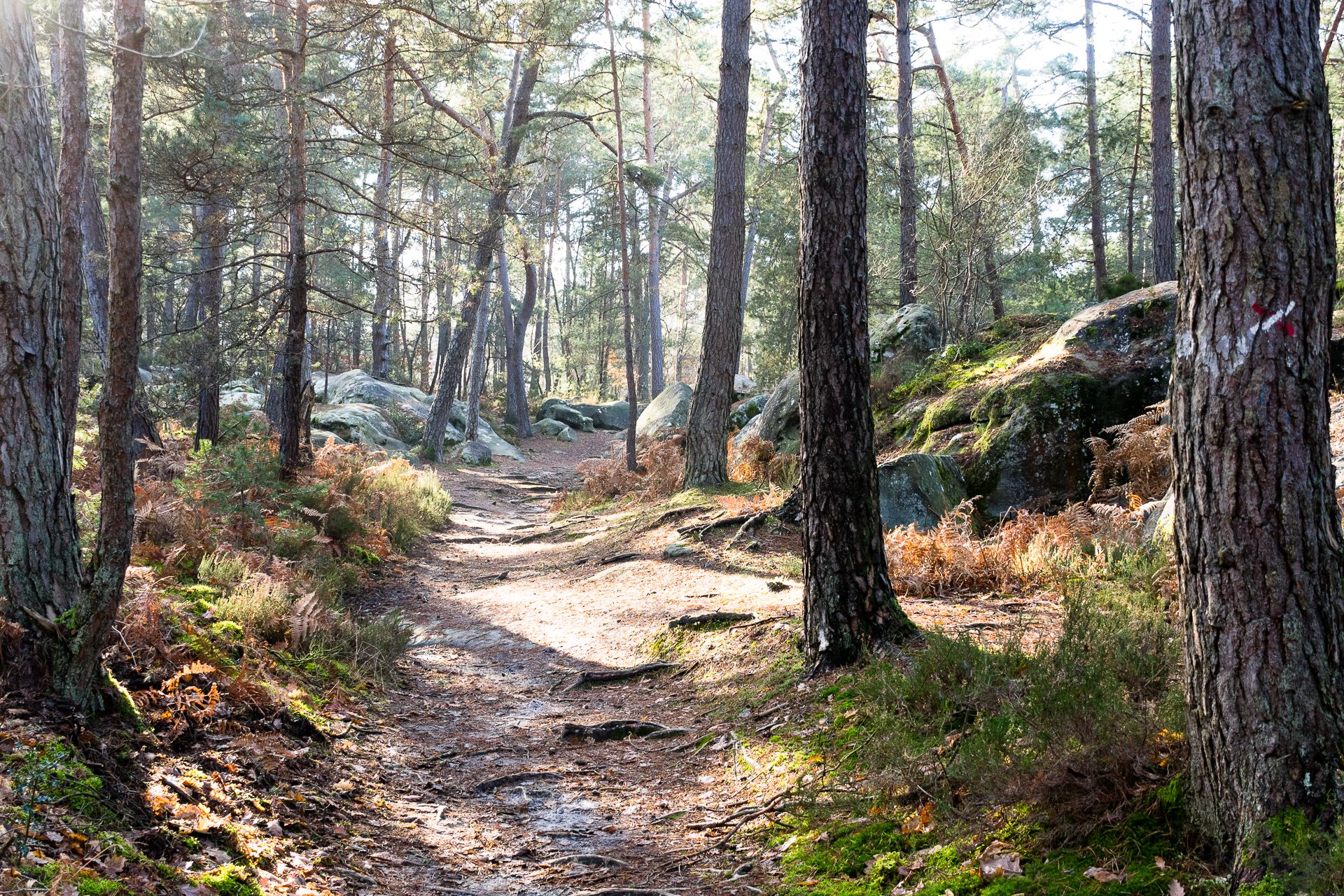
Between the rocks and the ages — les sentiers Denecourt-Colinet
Other adventures around Fontainebleau


Tips from the Community

No cycling in the castle grounds... on foot only
0
0

"Built by King Louis IX in 998 as a simple hunting lodge in the heart of the "Ile de France," Fontainebleau soon fell into obscurity. It wasn't until Francis I discovered his love for Fontainebleau and elevated it to a royal residence that the palace's true history began, as the ancestral home of the French kings. Henry IV had the complex expanded, and under Napoleon I, the building was extensively restored as the first imperial residence." With these words, a text on the media library's website introduces a 15-minute film (in German) about the UNESCO World Heritage Site. If you're interested, see => https://www.ardmediathek.de/video/schaetze-der-welt/fontainebleau-frankreich-folge-19/swr/Y3JpZDovL3N3ci5kZS83MjQ1NTMy
0
0

Nemours Castle was built starting in the 12th century. In 1926, the castle was listed as a historic monument in France. It is located on the left bank of the Loing River and near the old bridge, allowing it to serve as a defense for the town and a watchtower for the bridge. The fortress-like castle was rebuilt in the 15th and 17th centuries.
2
0

passage through the park possible by bicycle
0
0

Lookout post first built in the 12th century to defend the entrance to Gâtinais.
0
0
"Fontainebleau was built by King Louis IX in 998 as a simple hunting lodge in the heart of the "Ile de France", but it soon fell into oblivion. It was only when Francis I discovered his love for Fontainebleau and elevated it to a residence that the castle's real history began as the ancestral home of the French kings. Henry IV had the complex expanded and under Napoleon I the building was extensively restored as the first imperial residence." With these words, a text on the media library's website introduces a 15-minute film (in German) about the UNESCO World Heritage Site. If you are interested, see => https://www.ardmediathek.de/video/schaetze-der-welt/fontainebleau-frankreich-folge-19/swr/Y3JpZDovL3N3ci5kZS83MjQ1NTMy
0
0

At the Château de Fontainebleau, the Cascades basin serves as a visual transition between the different levels of the French garden. An essential element during your stroll in the park.
0
0
Frequently Asked Questions
What are the most historically significant castles in the Fontainebleau area?
The region is rich in history, with the Château de Fontainebleau standing out as a UNESCO World Heritage Site that served as a royal residence for eight centuries. It showcases architectural styles from the 12th to the 19th centuries. Another masterpiece is the Château de Vaux-le-Vicomte, a 17th-century Baroque château that inspired Versailles, known for its harmonious design and formal French gardens.
Are there family-friendly castles to visit near Fontainebleau?
Yes, several castles in the area are suitable for families. The Château de Fontainebleau is listed as family-friendly, offering extensive grounds and historical exploration. Nemours Castle, a medieval fortress now a museum, is also family-friendly and offers a park for breaks. The Château de Vaux-le-Vicomte provides special experiences like electric golf cart rentals for exploring its vast gardens, making it enjoyable for all ages.
What outdoor activities can I do near these castles?
The Fontainebleau area, particularly the forest, offers numerous outdoor activities. You can find easy hikes, road cycling routes, and mountain biking trails. For hiking, explore options like the 'Sentier des Carriers' or the 'Walk of the Gorge aux Archers'. Cyclists can enjoy routes such as the 'Tour from Fontainebleau' or the 'Small circuit of the painters near Barbizon'. Mountain bikers have trails like the 'Croix de Calvaire Viewpoint – Denecourt Tower loop'. You can find more details on these activities in the easy hikes, road cycling, and MTB trails guides around Fontainebleau.
What is the best time of year to visit the castles around Fontainebleau?
The castles are generally enjoyable year-round. Spring and autumn offer pleasant weather for exploring both the interiors and the extensive gardens. Summer can be busy but allows for full enjoyment of outdoor spaces. Winter visits can be less crowded, providing a different, often serene, atmosphere, especially for indoor tours. Check specific castle websites for seasonal opening hours and events.
Are there any medieval fortresses or older castles in the region?
Yes, the region features older fortifications. Nemours Castle, built starting in the 12th century, served as a defense for the town and a watchtower. Challeau Fort, an 11th to 12th-century fortified building, protected the entrance to the Gâtinais and is one of the rare fortifications from Philippe I's era still in good condition.
Can I find viewpoints to admire the castles or surrounding landscapes?
Absolutely. The Château de Fontainebleau offers breathtaking views of its grounds and gardens, especially from areas near the D137 road. Additionally, the View of Château-Landon provides a scenic overlook of a medieval city, classified among the villages of character of Seine-et-Marne, with many historical buildings visible.
How long should I allocate for visiting the Château de Fontainebleau?
To fully appreciate the Château de Fontainebleau, which boasts over 1,500 rooms with 121 accessible to the public, you should allocate at least half a day, if not a full day. This allows time to explore the state rooms, royal apartments, Napoleon I Museum, and the extensive gardens, including the Grand Parterre and Diana's Garden.
Are there any 'hidden gem' castles or lesser-known historical sites worth visiting?
While not as grand as Fontainebleau or Vaux-le-Vicomte, Château de Chevry is a beautiful 17th-century castle with brick masonry and cut sandstone, surrounded by dry ditches and a park attributed to Le Nôtre. Although private, it can be admired from the road. Challeau Fort is another less-known but historically significant site, offering a glimpse into 11th-century fortifications.
What are the garden features like at the castles in the Fontainebleau region?
The gardens are a significant highlight. The Château de Fontainebleau features various gardens, including the Diana's Garden, the English Garden, and the Grand Parterre, which is the largest in Europe. The Château de Vaux-le-Vicomte is renowned for its formal French gardens designed by André Le Nôtre, characterized by geometric layouts, intricate parterres, fountains, and a grand canal.
Is public transport available to reach the castles?
Yes, public transport options are available. The Château de Fontainebleau is accessible by train from Paris, followed by a local bus. For specific details on routes and schedules, it's best to consult local transport websites or the official tourism site for Fontainebleau: fontainebleau-tourisme.com.
What architectural styles can be observed in the castles of this region?
The castles showcase a wide range of architectural styles reflecting centuries of French history. The Château de Fontainebleau is a blend of medieval, Renaissance, and classical styles due to its continuous expansion by various monarchs. The Château de Vaux-le-Vicomte is a prime example of 17th-century French Baroque architecture, known for its harmonious and innovative design.
Most popular routes around Fontainebleau
Most popular attractions around Fontainebleau

Get inspired with the komoot mobile app


Didn’t find what you were looking for?
Explore Fontainebleau’s best castles region by region:
Explore more
Looking for the best castles somewhere else? Discover other guides around Fontainebleau:
