Attractions and Places To See around Sartène - Top 20
Attractions and places to see around Sartène, often referred to as "the most Corsican of Corsican towns," is a destination rich in history, culture, and natural beauty. Perched on a granite outcrop, the town offers a blend of medieval architecture and ancient traditions. The surrounding region features diverse landscapes, from coastal areas to mountainous terrain, providing a variety of outdoor experiences. This area is characterized by its strategic location, offering panoramic views and access to significant natural and historical sites.
…Last updated: October 9, 2026
Bavella Pass
Highlight • Mountain Pass
Translated by Google •
Tip by

Trou de la Bombe Rock Arch
Highlight • Natural Monument
Translated by Google •
Tip by

Sign up now to discover places like this
Get recommendations on the best single tracks, peaks, & plenty of other exciting outdoor places.
Point of the Dead Cow
Highlight • Summit
Translated by Google •
Tip by

Chemin de Pertusato
Highlight • Other
Translated by Google •
Tip by

Plage Saint Antoine
Highlight • Beach
Translated by Google •
Tip by

Cliffside Path to Bonifacio
Highlight (Segment) • Trail
Translated by Google •
Tip by

Historic rain gutters at the Citadel, Bonifacio
Highlight • Monument
Translated by Google •
Tip by

Piscia di Gallo Waterfall
Highlight • Waterfall
Translated by Google •
Tip by
King of Aragon's Staircase
Highlight • Monument
Translated by Google •
Tip by

Natural Pools in Parc Naturel Régional de Corse
Highlight • Natural Monument
Translated by Google •
Tip by

Sign up for free to discover even more attractions around Sartène.
Already have an account?
Start today with a free account
Your next adventure awaits.
Popular around Sartène
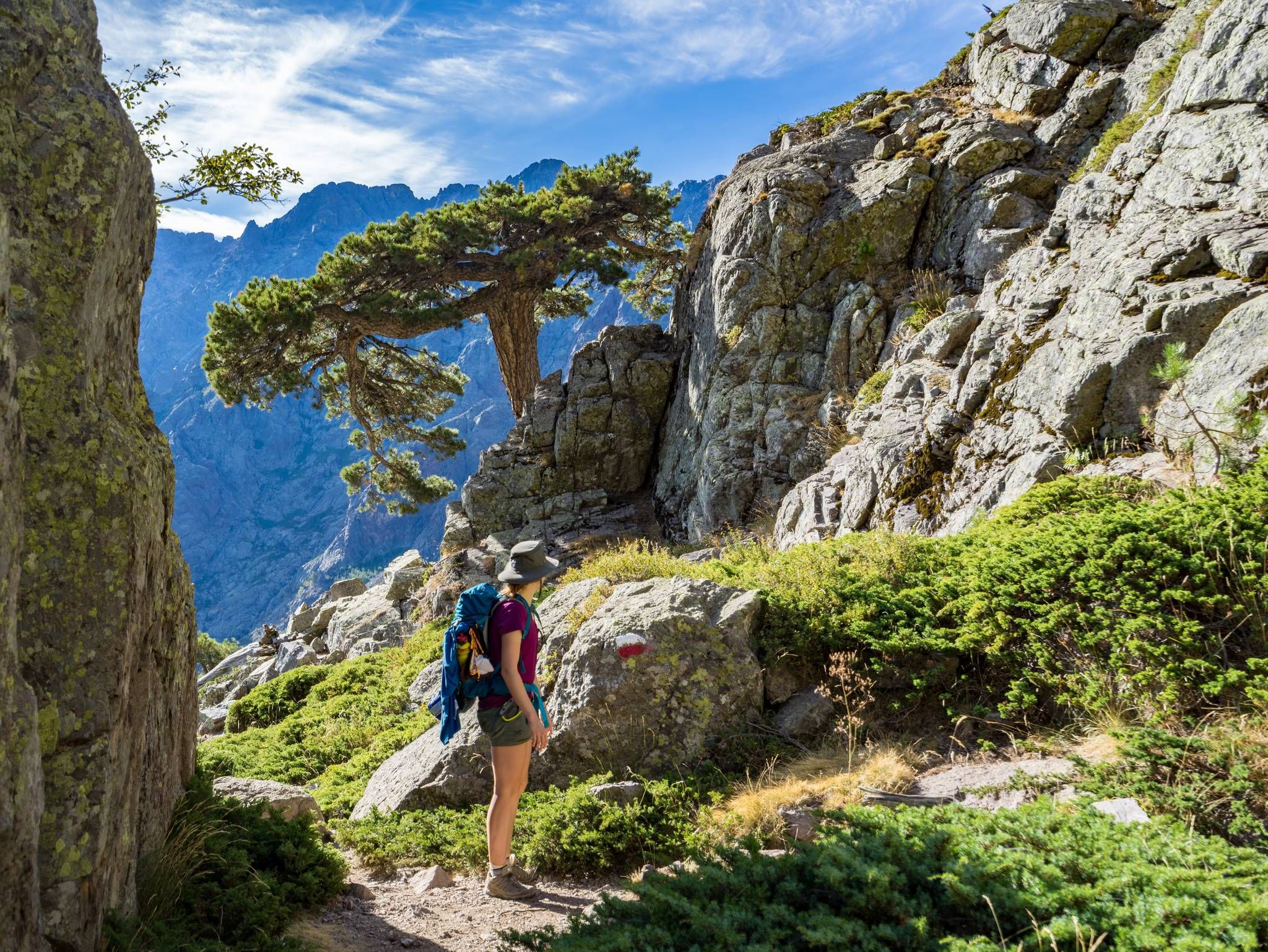
GR20 – Europe's toughest long-distance hiking trail through Corsica
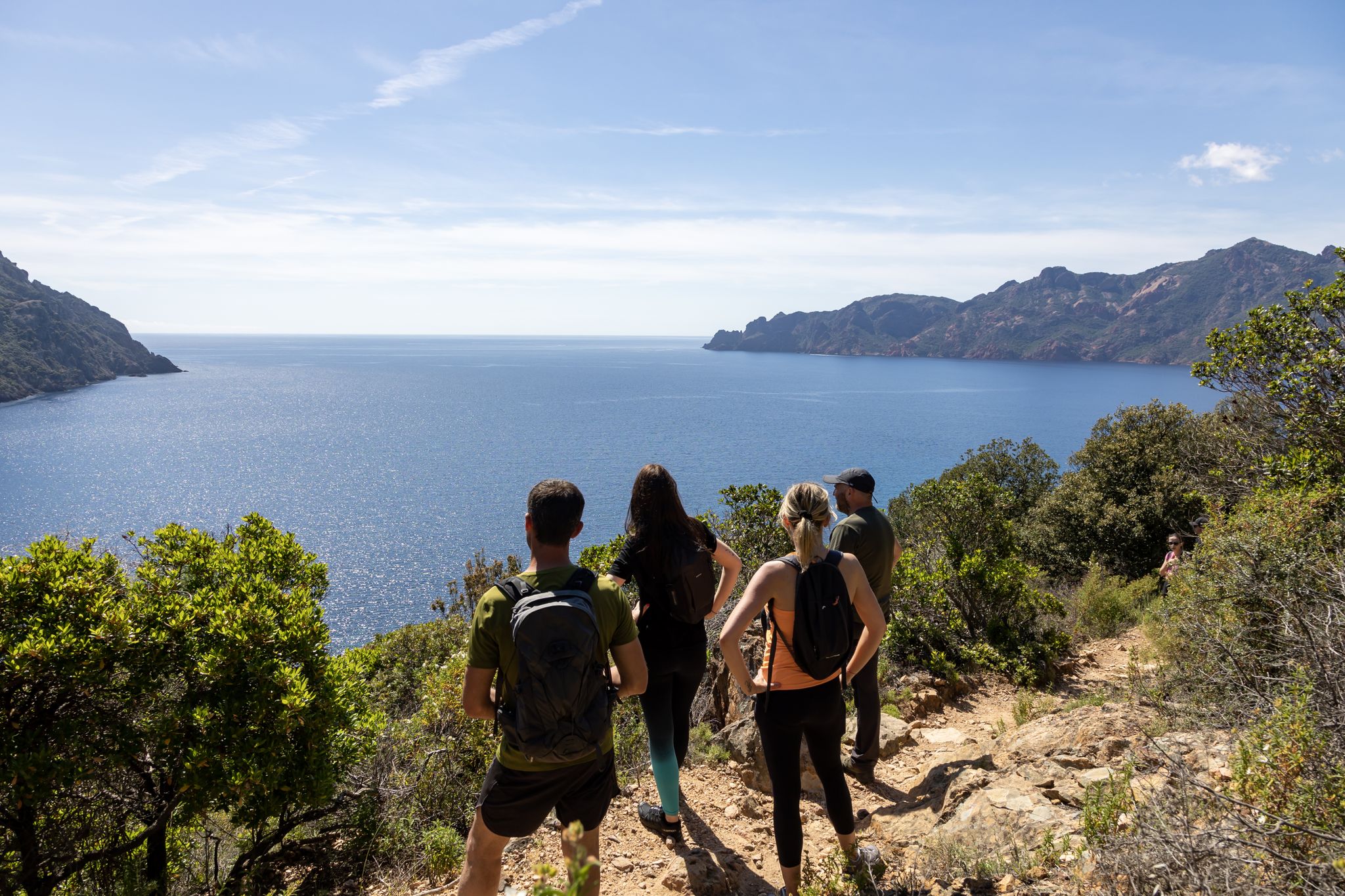
Corsica's discovery hikes — between sea and mountains
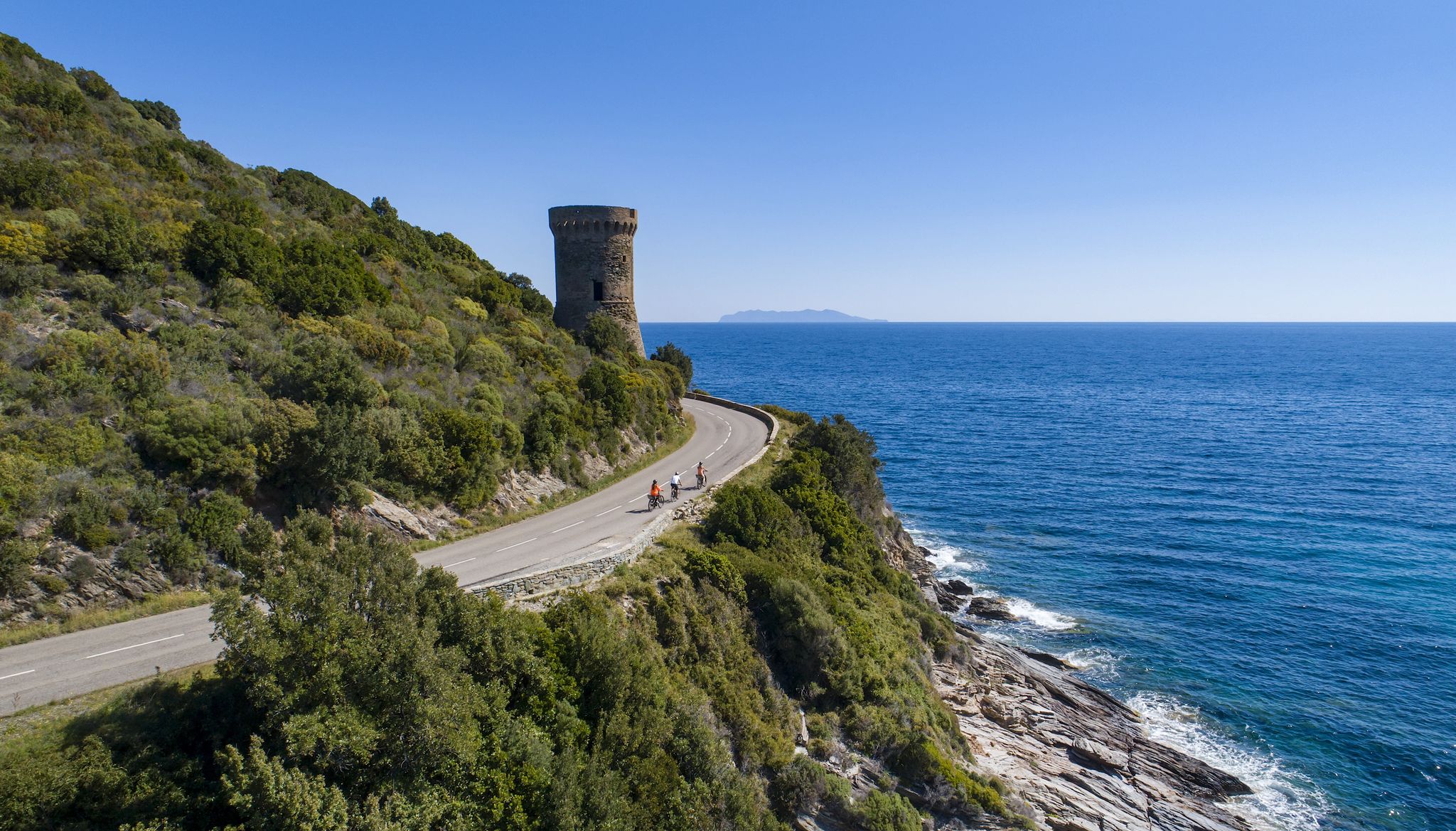
The Great Crossing of Corsica by bike – GT 20
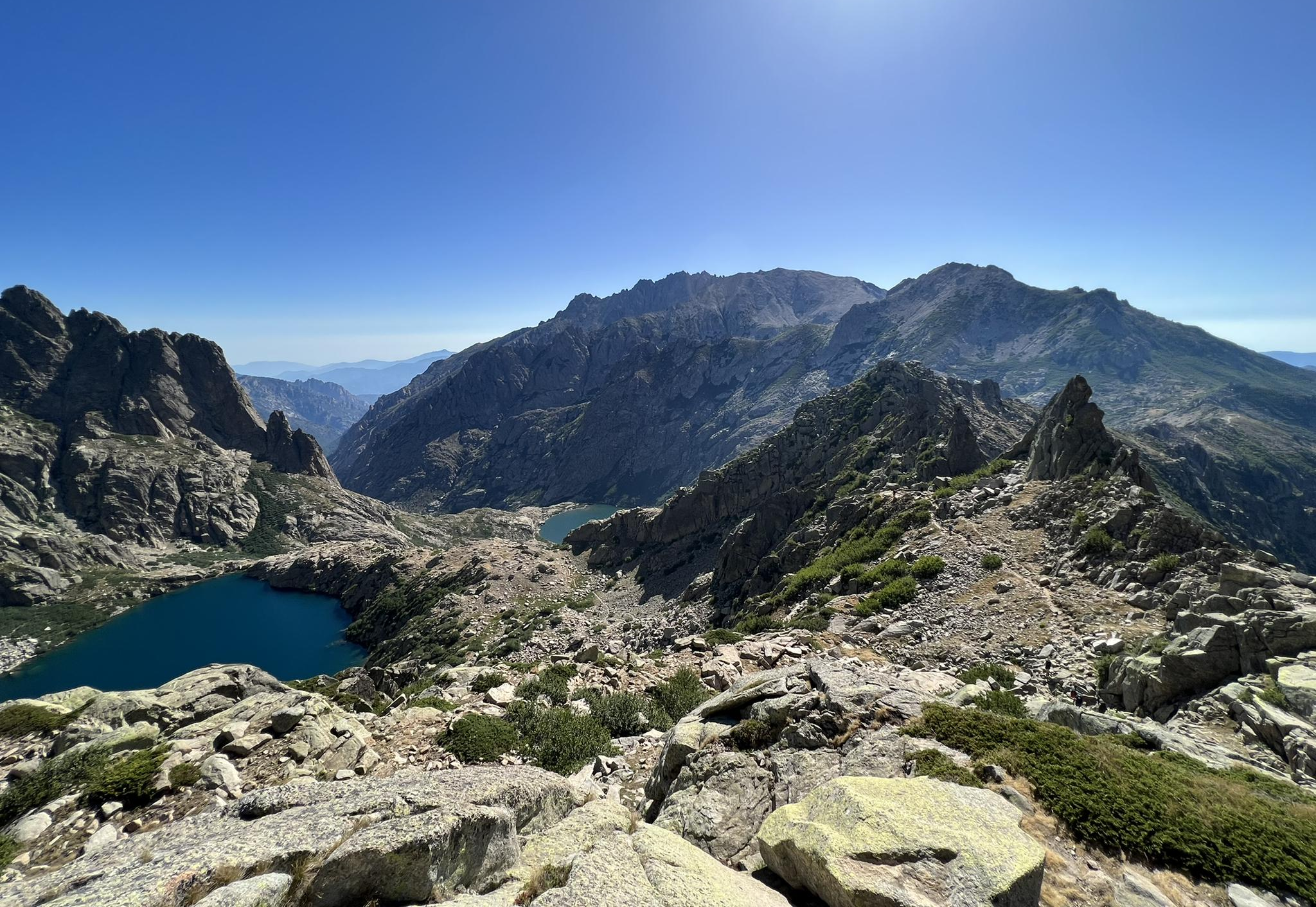
Great hikes of Corsica – Terre de nature
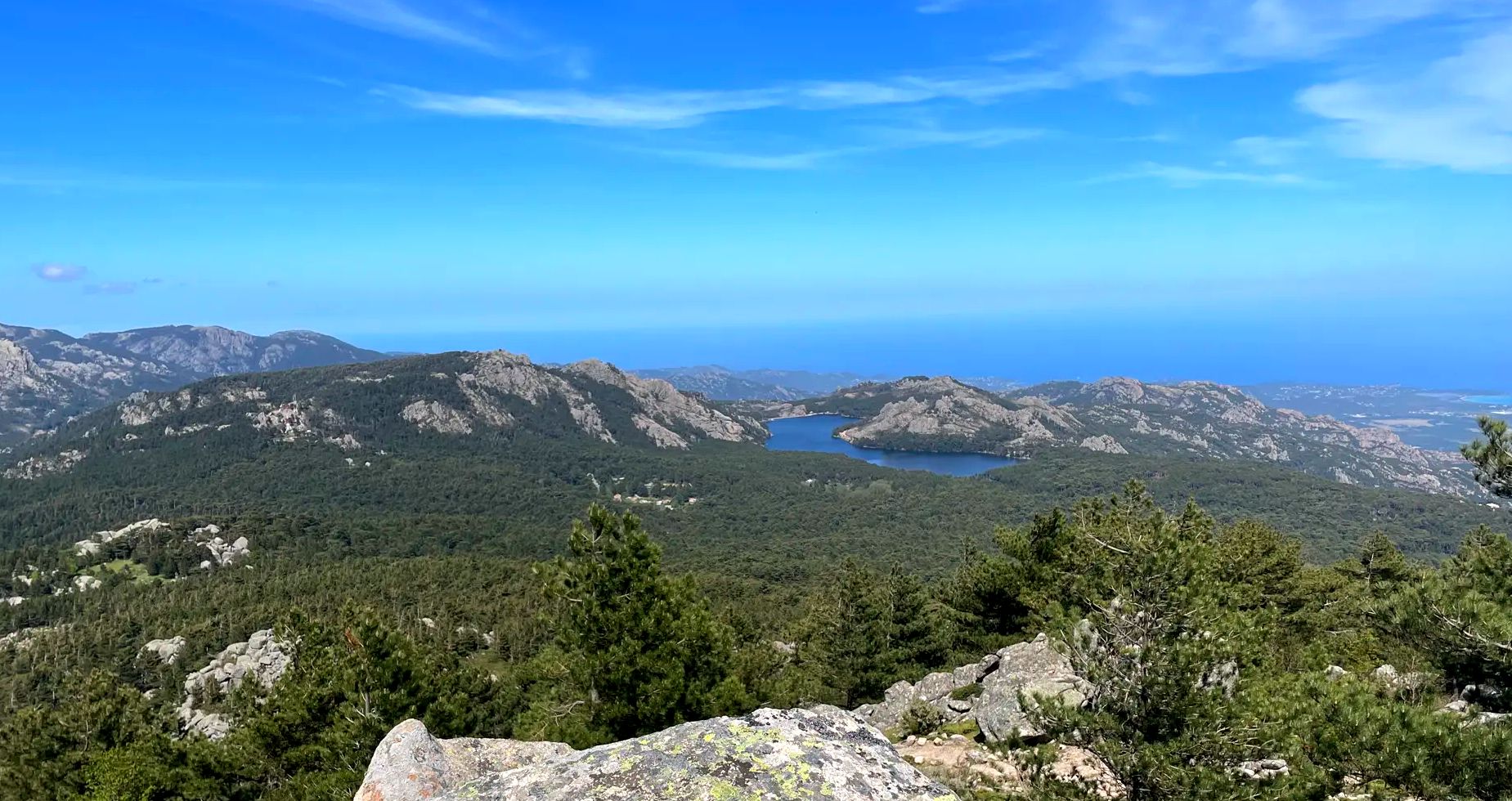
In the heart of the Alta Rocca – Mare a Mare Sud (Corsica)
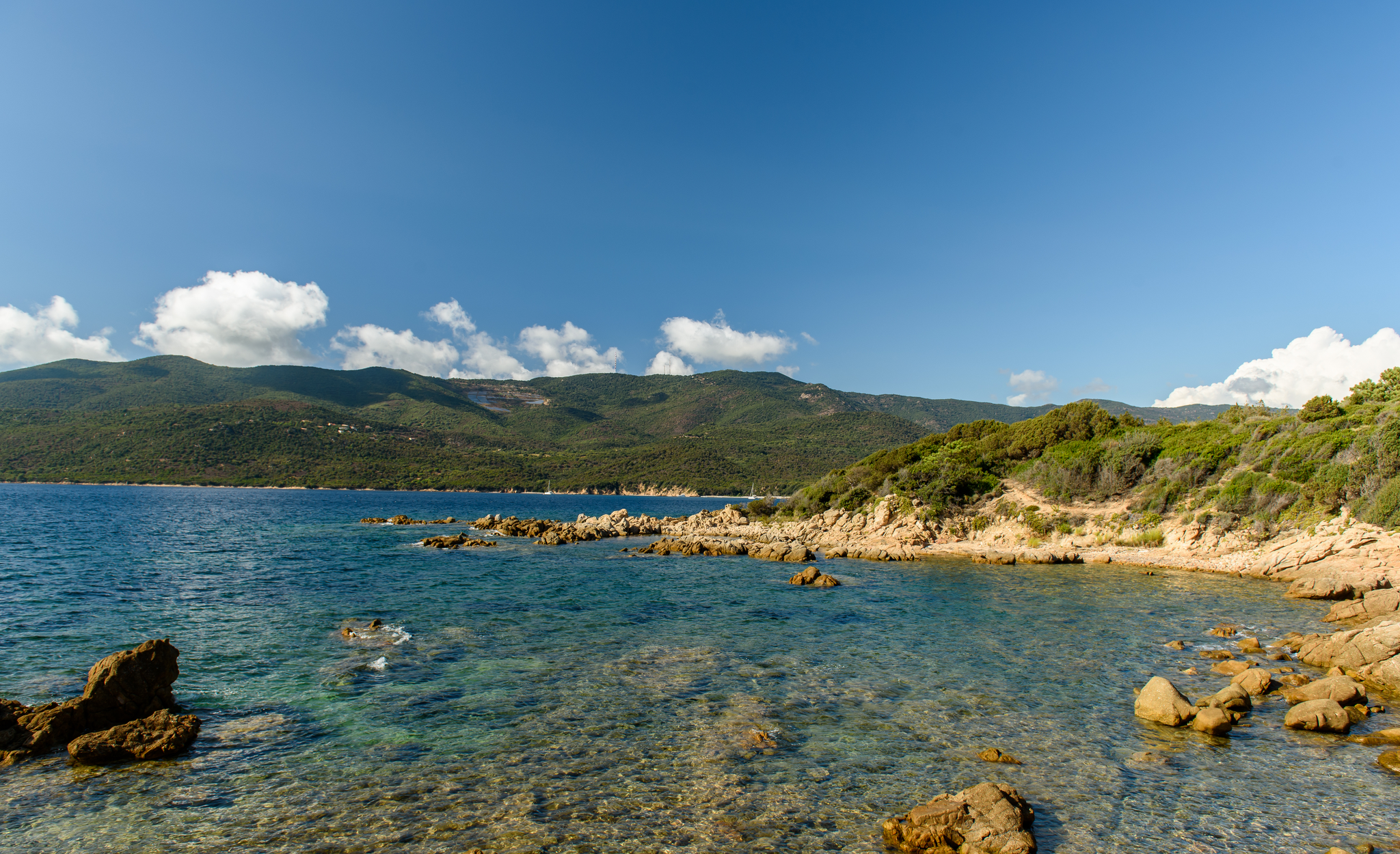
Beaches and ridges on Corsica – Mare è Monti sud
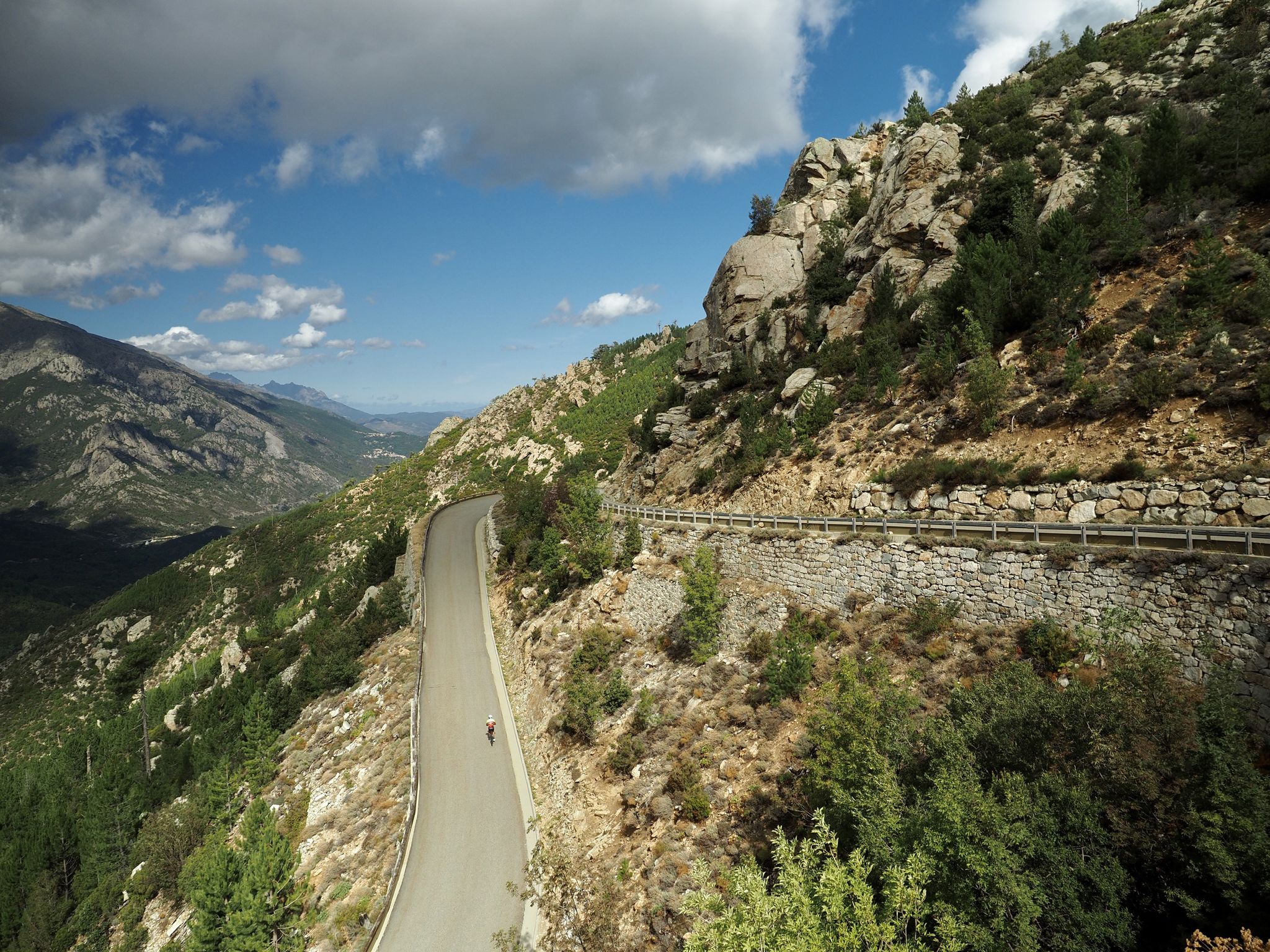
High up in the Mediterranean - Passes in the south of Corsica
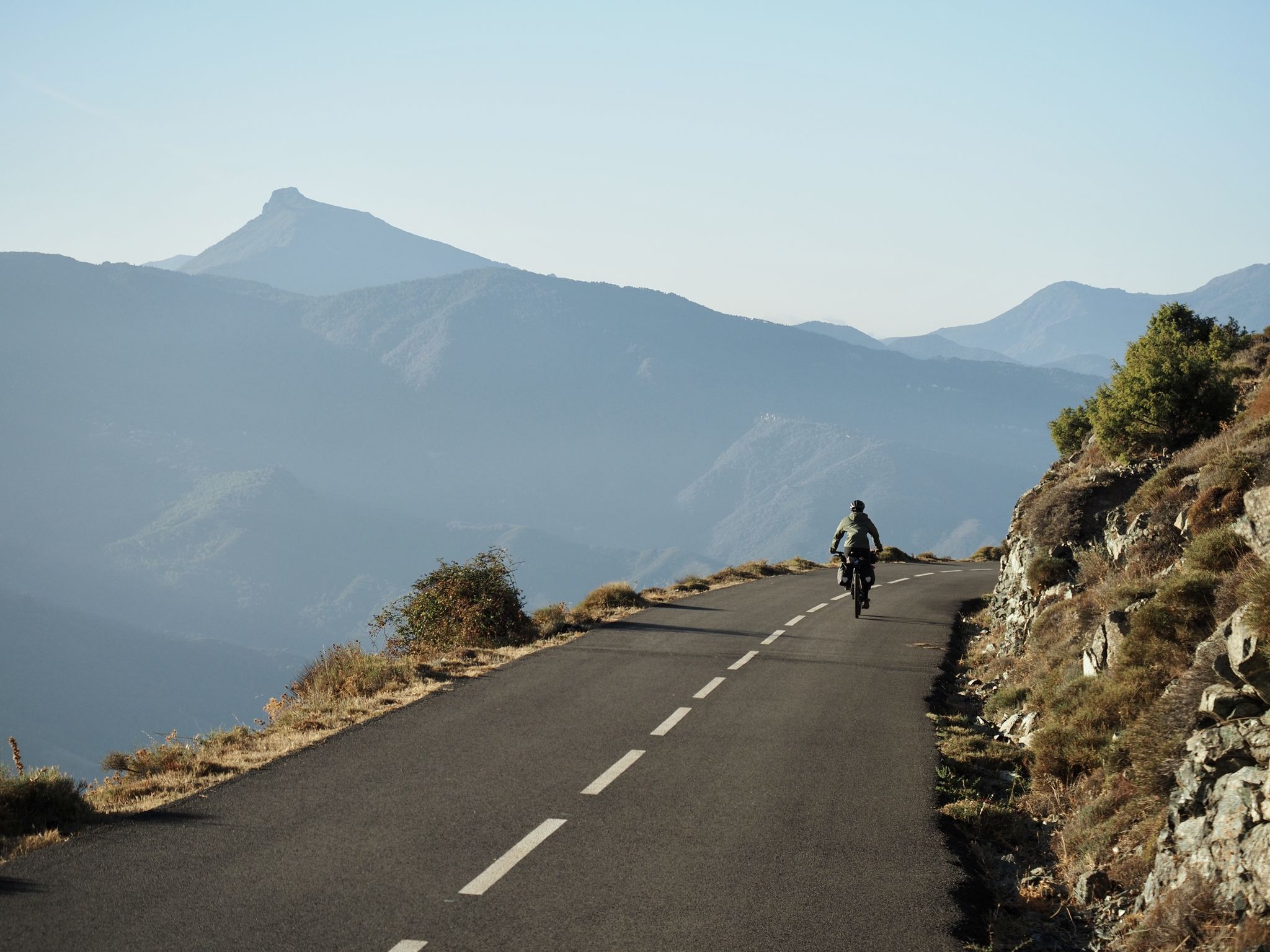
Crossing Corsica's GT20 – the greenest island in the Mediterranean
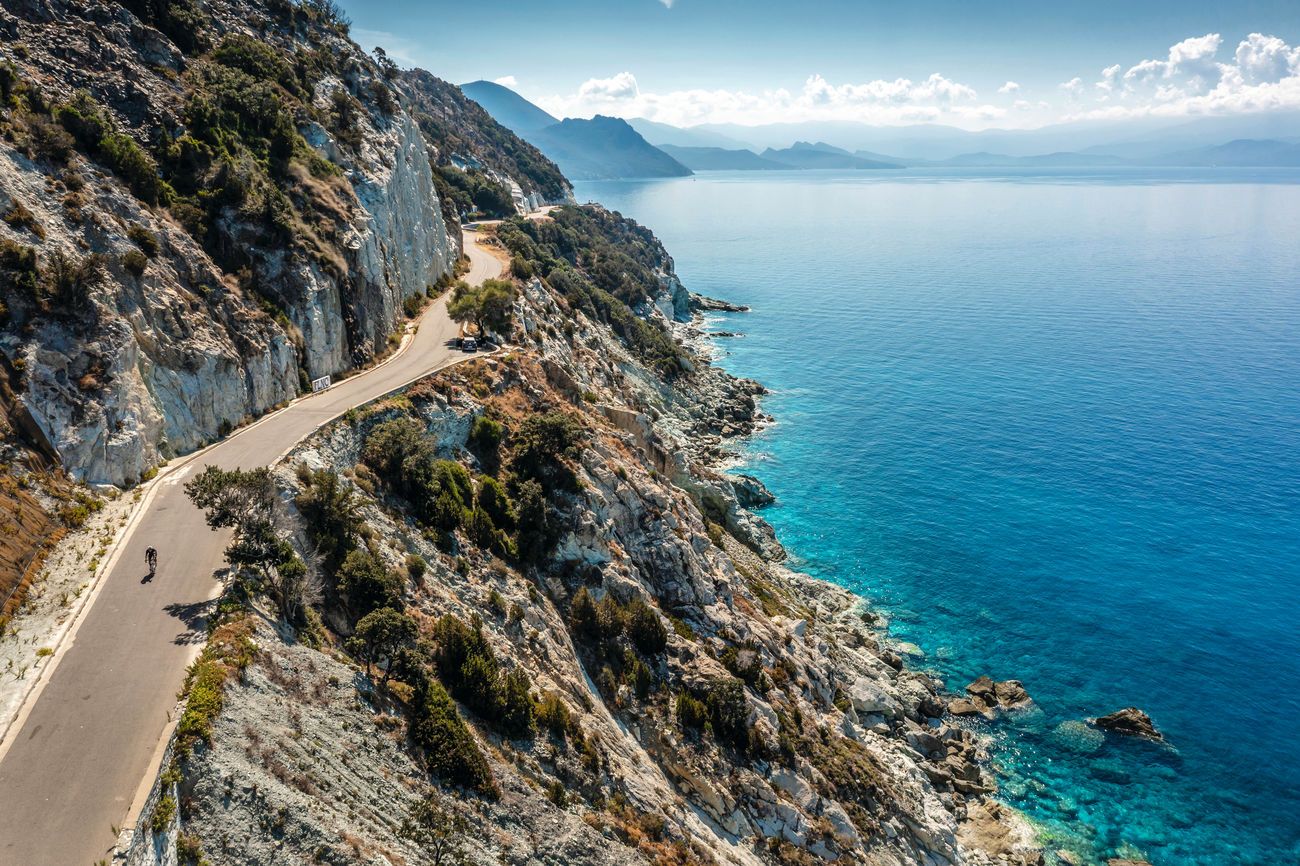
Corsica: Dream tours on France's mountainous Mediterranean island
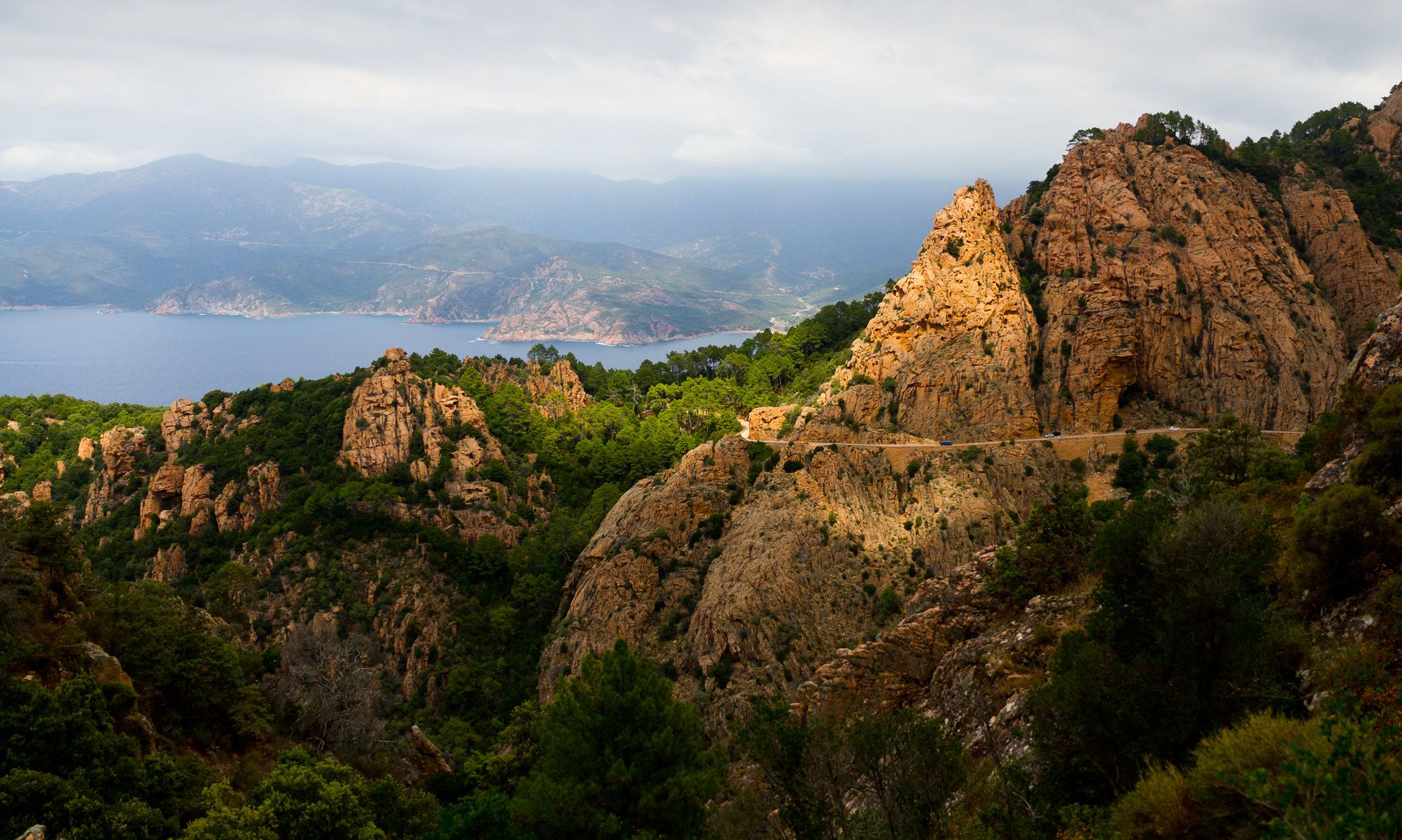
From Cape Corsica to Syracuse — three Mediterranean islands
Other adventures around Sartène


Tips from the Community

The Escalier du Roy d'Aragon in Bonifacio is an impressive landmark of both historical and scenic importance. Here are some interesting facts about this fascinating staircase: 1. Location: The Escalier du Roy d'Aragon is located on the steep cliffs of Bonifacio, offering spectacular views of the sea and the surrounding landscape. 2. History: According to legend, the staircase was carved into the rock in the 17th century by the troops of the King of Aragon, Alfonso V. It served as a strategic access point to the city. 3. Construction: The staircase consists of 189 irregular steps carved directly into the limestone cliffs. This construction makes it a unique architectural masterpiece. 4. **Access**: - Descending the stairs is challenging, as the steps are high and steep. However, it is a worthwhile experience rewarded with breathtaking views. 5. **Activities**: - Visitors can descend the stairs to reach the **natural water springs** located at the bottom of the stairs. This spring was once an important source of water for the city. 6. **Reviews**: - The Escalier du Roy d'Aragon is often considered one of the **top attractions** in Bonifacio, attracting many tourists who want to experience the combination of history and nature. The **Escalier du Roy d'Aragon** is therefore a must-see for any visitor to Bonifacio who wants to experience the impressive history and stunning landscapes of Corsica.
2
1

Capo Pertusato - A pirate beach like something out of a picture book! In the very south of Corsica, with a view of Sardinia, lies a scenic highlight of the island that is not only adventurous for children. A trip to Capo Pertusato is really extremely worthwhile. This can be done either on foot or partly by car. From Bonifacio (Chapelle Saint-Roch) a wide footpath leads along the cliffs to the cape and offers magnificent views of the city and the Strait of Bonifacio with Sardinia on the other side. The path is shadeless and should therefore be walked in the morning or evening in summer. It takes 3 hours there and back.
2
0

According to legend, the stairs were carved into the rock in a single night in 1420 by the troops of the King of Aragon, who was besieging the city. However, it is much more likely that a natural fault was developed over the years by the residents and monks of the monastery to create a staircase in order to gain access to a freshwater spring that would supply the residents with water in emergencies. The stairs have 189 steps and an incline of 45 degrees.
0
1
Capo Pertusato is the southernmost point of Corsica. It is located 5 km southeast of Bonifacio, in southern Corsica and is accessible by a pedestrian access from Bonifacio. The path runs along the cliffs. A very easy route of less than 6 km
1
0
Capo Pertusato is the southernmost point of Corsica. It is located 5 km southeast of Bonifacio, in southern Corsica and is accessible by a pedestrian access from Bonifacio. The path runs along the cliffs. A very easy route of less than 6 km
1
0
This hike is located in the extreme south of Corsica, in the Bouches de Bonifacio. It allows you to see the Lavezzi Islands and Sardinia, and you'll enjoy breathtaking views of Bonifacio. It allows you to reach two white sandy beaches, the deserted beach of Cala Sciumara and the beautiful beach of Saint-Antoine. You'll cross the maquis and walk along the limestone cliffs, offering breathtaking views of the coast and cliffs.
1
0
This hike is located in the extreme south of Corsica, in the Bouches de Bonifacio. It allows you to see the Lavezzi Islands and Sardinia and you will have a breathtaking view of Bonifacio. It allows you to reach two white sand beaches, the deserted beach of Cala Sciumara and the beautiful beach of Saint-Antoine.You will cross the maquis and walk along the limestone cliffs with breathtaking views of the coast and the cliffs.
1
2

Highly recommended, lots of tourists all year round!
0
0
Frequently Asked Questions
What kind of outdoor activities can I enjoy around Sartène?
The region around Sartène offers a wide range of outdoor activities. You can explore challenging mountain passes like Bavella Pass, known for its stunning views and hiking opportunities. Coastal paths, such as Chemin de Pertusato near Bonifacio, provide breathtaking sea vistas. For those seeking adventure, canyoning is available in Baracci Canyon, and the Piscia di Gallo Waterfall offers a rewarding hike to a spectacular 60-meter cascade. You can find various routes for hiking, running, and waterfall hikes in the area. For more detailed routes, check out the hiking guide or running trails around Sartène.
Are there any historical or cultural sites to visit in Sartène?
Sartène is rich in history and culture. The town itself, often called "the most Corsican of Corsican towns," features a captivating old town with narrow cobblestone streets and ancient granite buildings. Key landmarks include the 18th-century Sainte-Marie Church, which houses the cross used in the traditional "U Catenacciu" procession, and the 16th-century Watchtower (L'échauguette), a symbol of the town's defensive past. The Museum of Prehistoric Corsica and Archaeology offers an extensive collection of artifacts from Corsica's ancient past.
Where can I find the best views around Sartène?
For panoramic views, head to Point of the Dead Cow, a summit offering a 360-degree vista that includes the Bavella group, Monte Incudine, and both the east and west coasts of Corsica. The Bavella Pass also provides exceptional viewpoints, especially on the road leading up to it. Within Sartène, the town's elevated position offers sweeping views over the Rizzanese Valley and the surrounding countryside.
What are the best beaches near Sartène?
The region boasts several beautiful beaches. Roccapina Beach is renowned for its pristine white sand, turquoise waters, and the iconic "Lion of Roccapina" rock formation. Other notable options include Silver Beach (Mare e Sol), Campomoro Beach (near a Genoese tower), Tralicetu beach, and Cala di Conca beach, which is located within a protected natural area. These offer excellent spots for relaxation and swimming.
Are there any natural pools or wild swimming spots in the area?
Yes, the region around Sartène is home to refreshing natural pools and waterfalls. You can find natural pools in the Parc Naturel Régional de Corse, which are popular for cooling off. The Rizzanese river also features natural pools and waterfalls, such as those in Purcaraccia, providing idyllic spots for wild swimming.
What are some unique natural rock formations or geological features to see?
Beyond the famous "Lion of Roccapina," you can visit the spectacular Trou de la Bombe Rock Arch, a striking natural monument. The Aiguilles de Bavella (Bavella Needles) are also a must-see, with their dramatic rocky peaks and pine forests. The coastal areas, particularly near Bonifacio, feature impressive cliffs and sea caves, such as those near Plage Saint Antoine.
Can I explore ancient megalithic sites near Sartène?
Absolutely. The Archaeological Sites of Cauria, located near Sartène, are significant megalithic sites. Here you can explore Stantari and Rinaju, known for their aligned statue-menhirs, and the Dolmen de Fontanaccia, one of Corsica's best-preserved burial chambers. The nearby Paddaghiu alignment, with 258 menhirs, is the largest alignment in the Mediterranean.
What is the best time of year to visit Sartène for outdoor activities?
The best time to visit Sartène for outdoor activities generally depends on the specific activity. Spring and autumn offer pleasant temperatures ideal for hiking and exploring historical sites without the intense summer heat. Summer is perfect for enjoying the beaches and natural pools, though popular spots can be crowded. The region's diverse landscapes mean there's something to enjoy across different seasons.
Are there any family-friendly attractions or activities around Sartène?
Many of the natural attractions around Sartène can be enjoyed by families. Gentle coastal walks, exploring the charming old town of Sartène, and relaxing on the area's beautiful beaches like Roccapina are great options. Boat tours in the Valinco Gulf offer a fun way to experience the marine life and coastal landscapes. For older children, some of the easier hiking trails and natural pools provide an adventurous outing.
What do visitors enjoy most about the attractions around Sartène?
Visitors consistently praise the stunning natural beauty and diverse landscapes, from pristine beaches to dramatic mountain peaks. The historical richness of Sartène itself, with its unique architecture and traditions, is also a major draw. Many appreciate the extensive hiking opportunities and the breathtaking panoramic views offered from various viewpoints. The komoot community has shown strong appreciation, with over 860 upvotes and more than 230 photos shared for the attractions in the area.
Are there opportunities for wine tasting or exploring local produce?
Yes, the Rizzanese Valley, which Sartène overlooks, is known for its fertile lands and world-class wines. The region is home to 2,500 hectares of vineyards, offering opportunities to taste local Corsican wines. You can also experience the local atmosphere and produce at the Saturday morning market in Place de la Libération in Sartène.
Can I find challenging hikes or climbs near Sartène?
For those seeking more challenging adventures, the Aiguilles de Bavella (Bavella Needles) offer spectacular rocky peaks and pine forests, with demanding hikes and climbs, including routes to the "Trou de la Bombe." The Bavella Pass is also an emblematic passage of the GR 20, one of Europe's most famous long-distance hiking trails. Several difficult routes are available, such as "Aiguilles de Bavella et la Bocca Pargulu" and "The Bavella Pass and the Hole of the Bomb," which you can find in the hiking guide around Sartène.
Most popular routes around Sartène
Most popular attractions around Sartène

Get inspired with the komoot mobile app


Didn’t find what you were looking for?
Are you keen on exploring more awesome places nearby? Browse our guides:
Explore more
Still not found the Highlight you’re looking for? See guides of the top attractions in other regions:
