Top 20 Natural Monuments around Grenoble
Natural monuments around Grenoble are characterized by their location amidst mountain ranges, offering diverse geological features and ecosystems. The city is bordered by the Vercors Massif, the Chartreuse Massif, and is a gateway to other significant natural areas. These regions feature rugged plateaus, towering cliffs, deep gorges, and extensive cave systems. The natural landscape provides a setting for various outdoor activities and is home to a wide array of flora and fauna.
Best natural monuments around Grenoble
- The most popular…
Last updated: June 26, 2026
Lake Achard
Highlight • Lake
Tip by

Lake Lauvitel
Highlight • Lake
Translated by Google •
Tip by

Sign up now to discover places like this
Get recommendations on the best single tracks, peaks, & plenty of other exciting outdoor places.
Sign up for free
The Moucherotte Summit
Highlight • Summit
Translated by Google •
Tip by

Arc Pass
Highlight • Mountain Pass
Translated by Google •
Tip by

Saint-Michel Peak
Highlight • Trail
Translated by Google •
Tip by

Saint-Même Cirque Waterfalls
Highlight • Waterfall
Translated by Google •
Tip by

Sarenne Pass
Highlight • Mountain Pass
Translated by Google •
Tip by
Grand Veymont
Highlight • Summit
Translated by Google •
Tip by

White Waterfall
Highlight • Waterfall
Translated by Google •
Tip by

Dent de Crolles
Highlight • Summit
Translated by Google •
Tip by
Sign up for free to discover even more natural monuments around Grenoble.
Sign up for free
Already have an account?
Start today with a free account
Your next adventure awaits.
Login or Signup
Popular around Grenoble

Triathlon 360 – my journey around the world
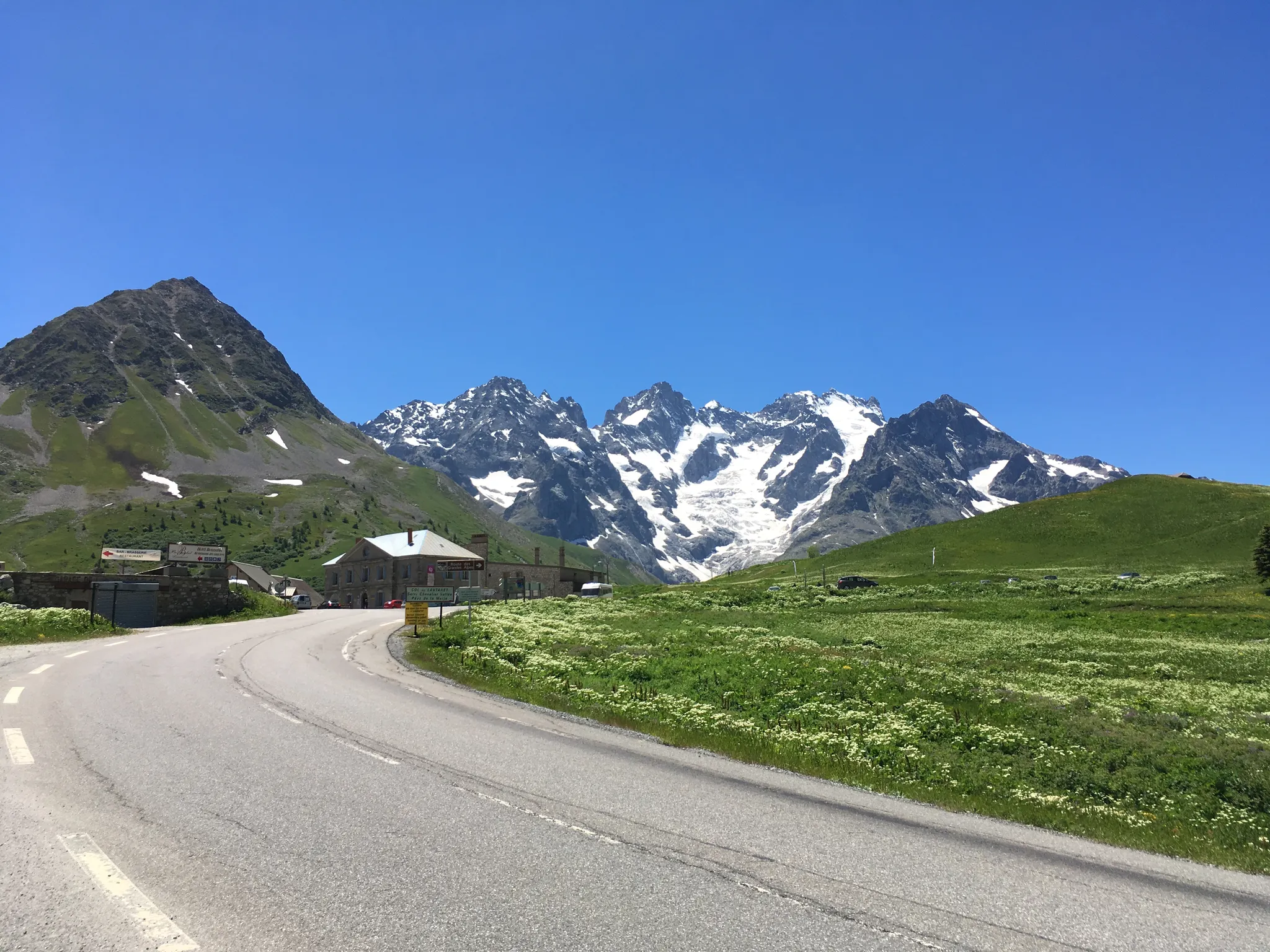
La Marmotte — Panoramas and Mythical Passes
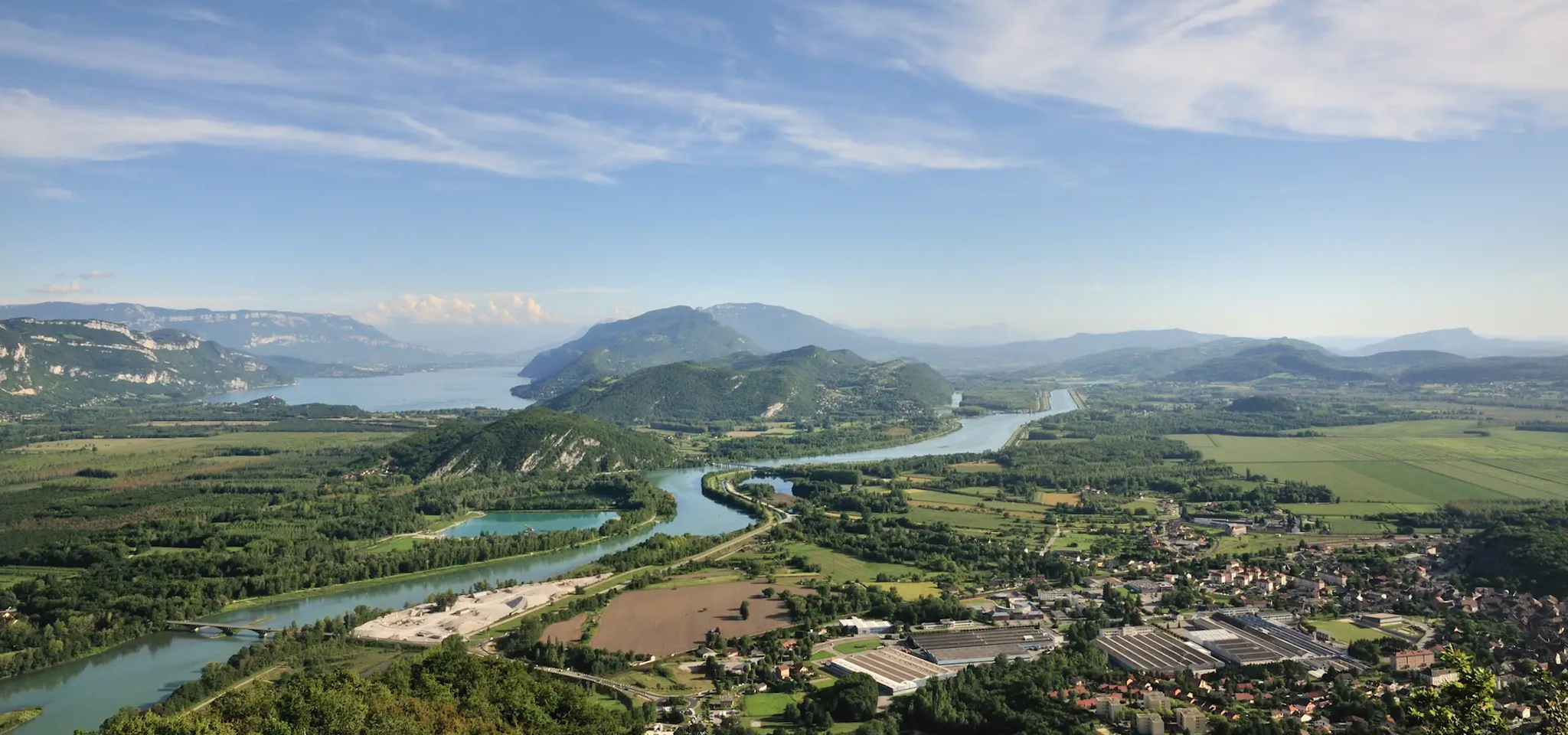
GR 9 from the Jura to the Mediterranean – Crossing contrasts
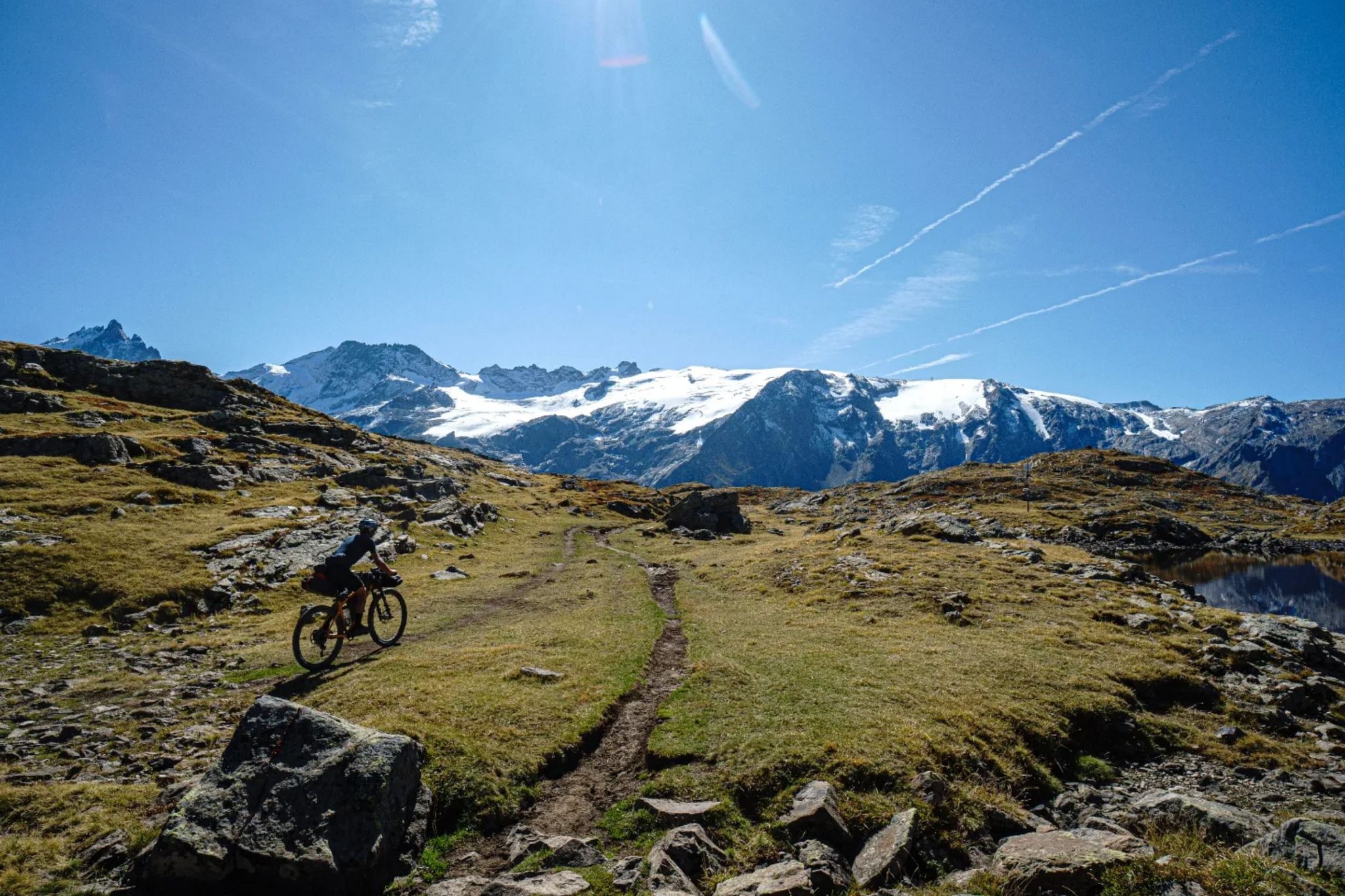
Transalps MTB – Chamonix to the Mediterranean Sea
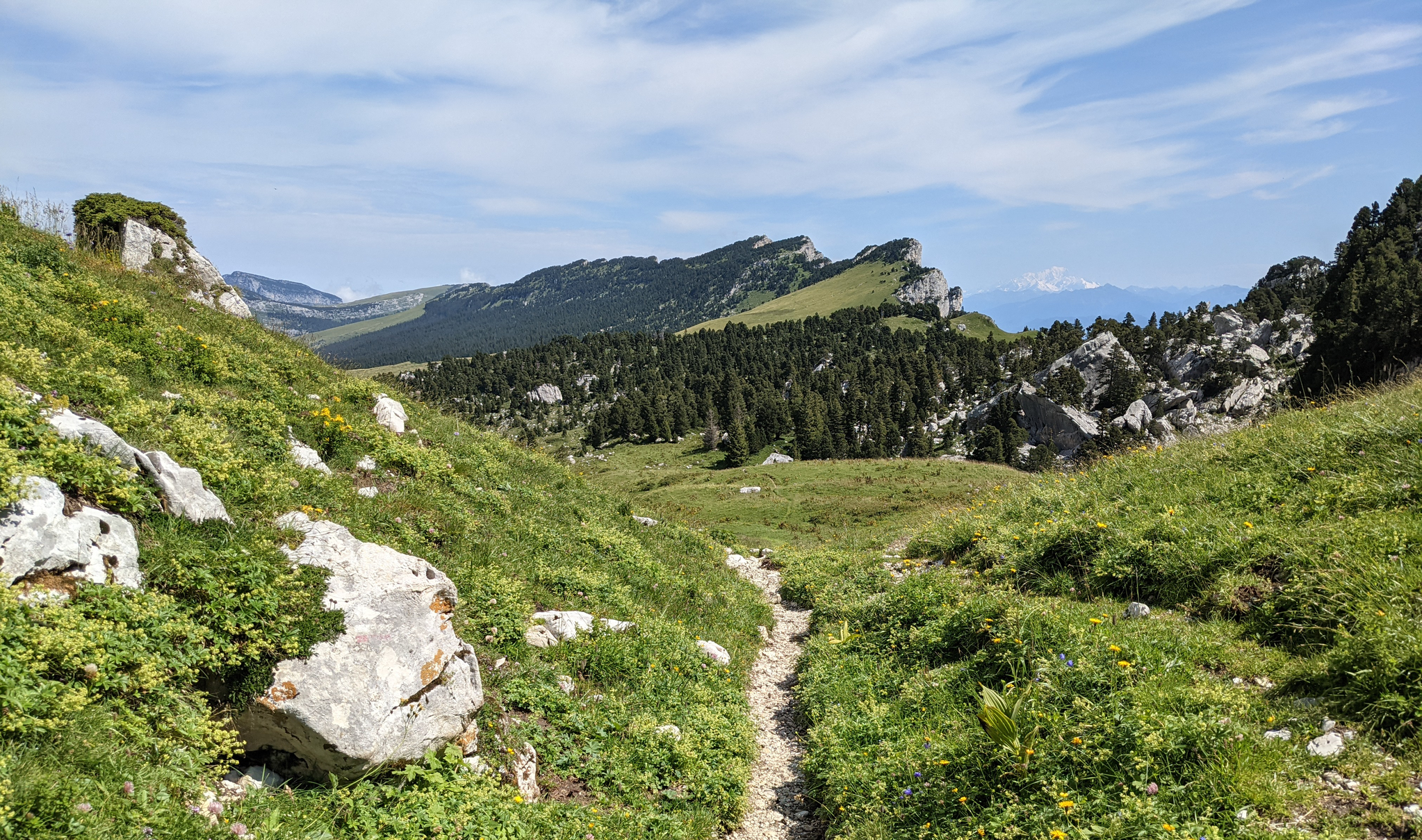
Crossing the Chartreuse – History in the making
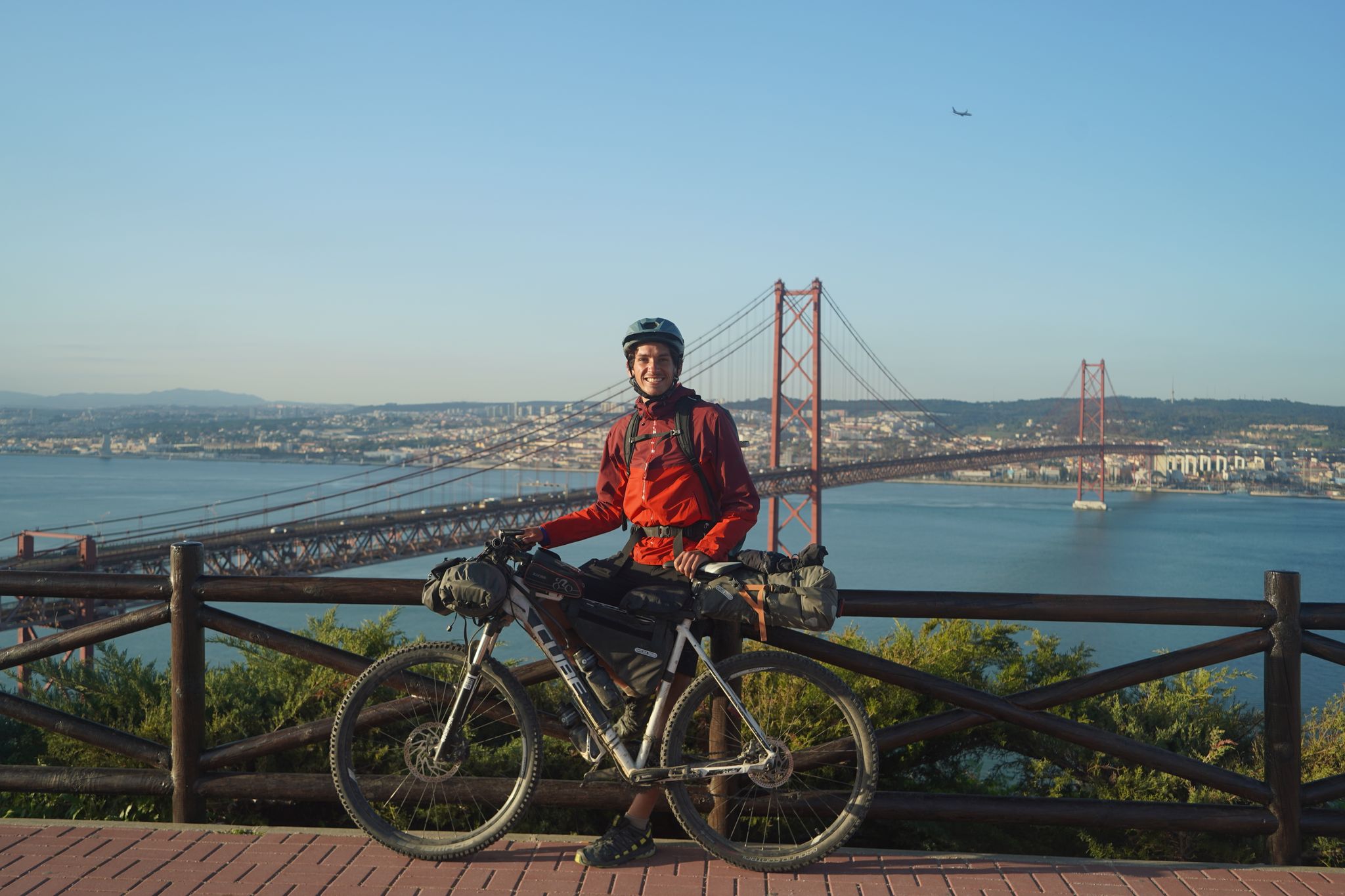
Road to Lisbon – bikepacking the Alps, Pyrenees and Picos de Europa
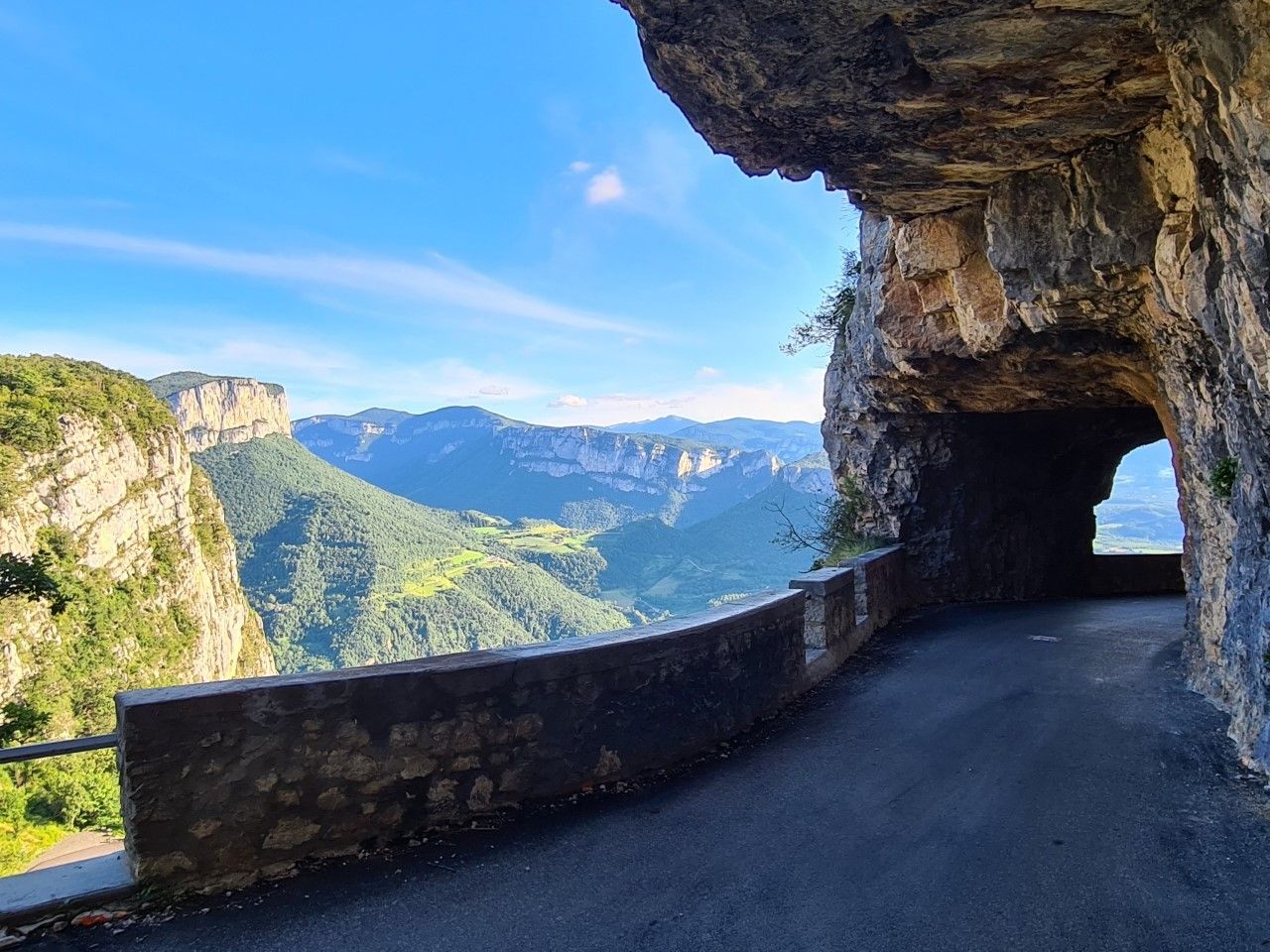
La Grande Traversée du Vercors — In the West of the Alps
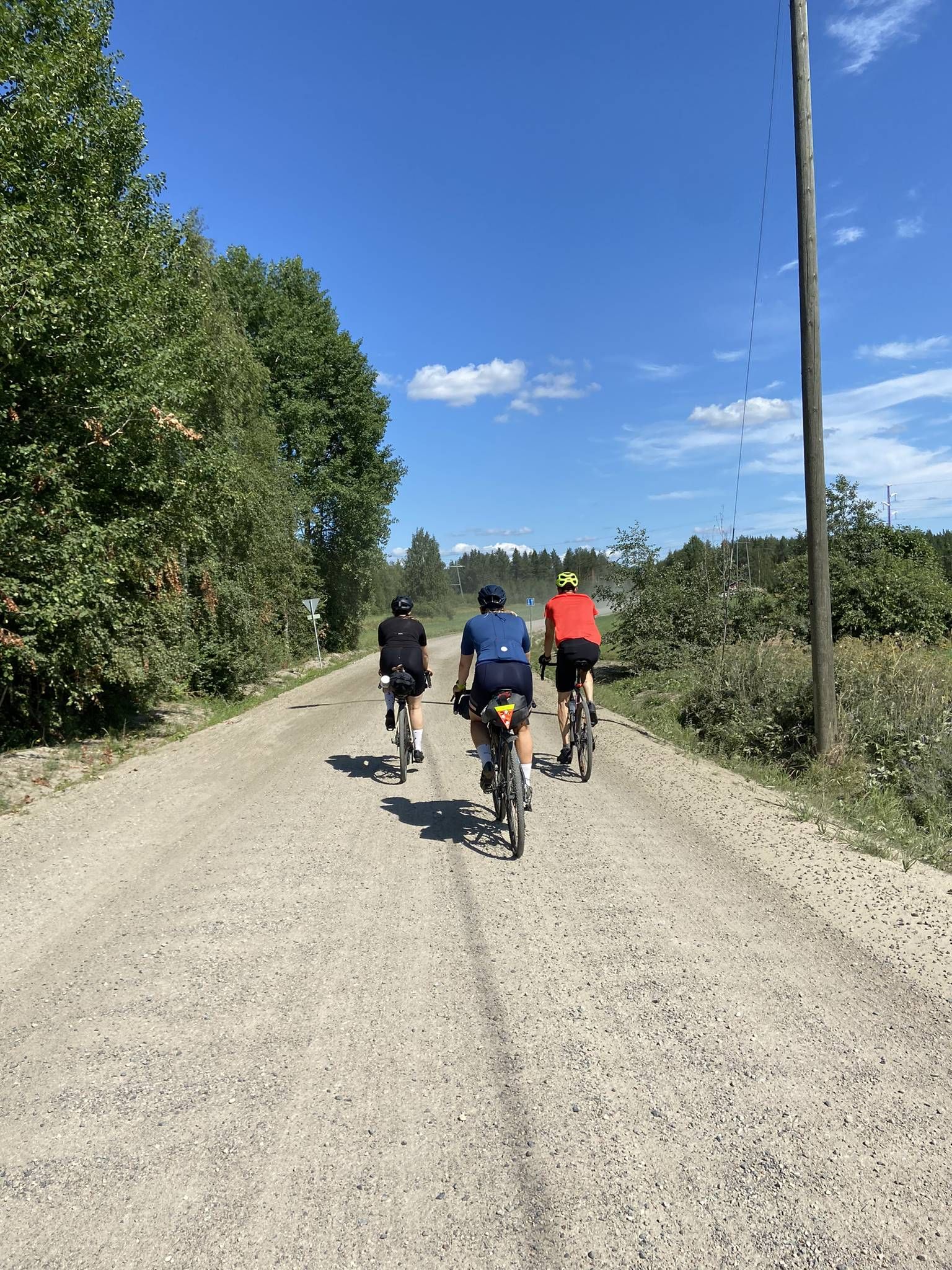
Naples to North Cape — Two friends, one purpose and many scoops of ice-cream
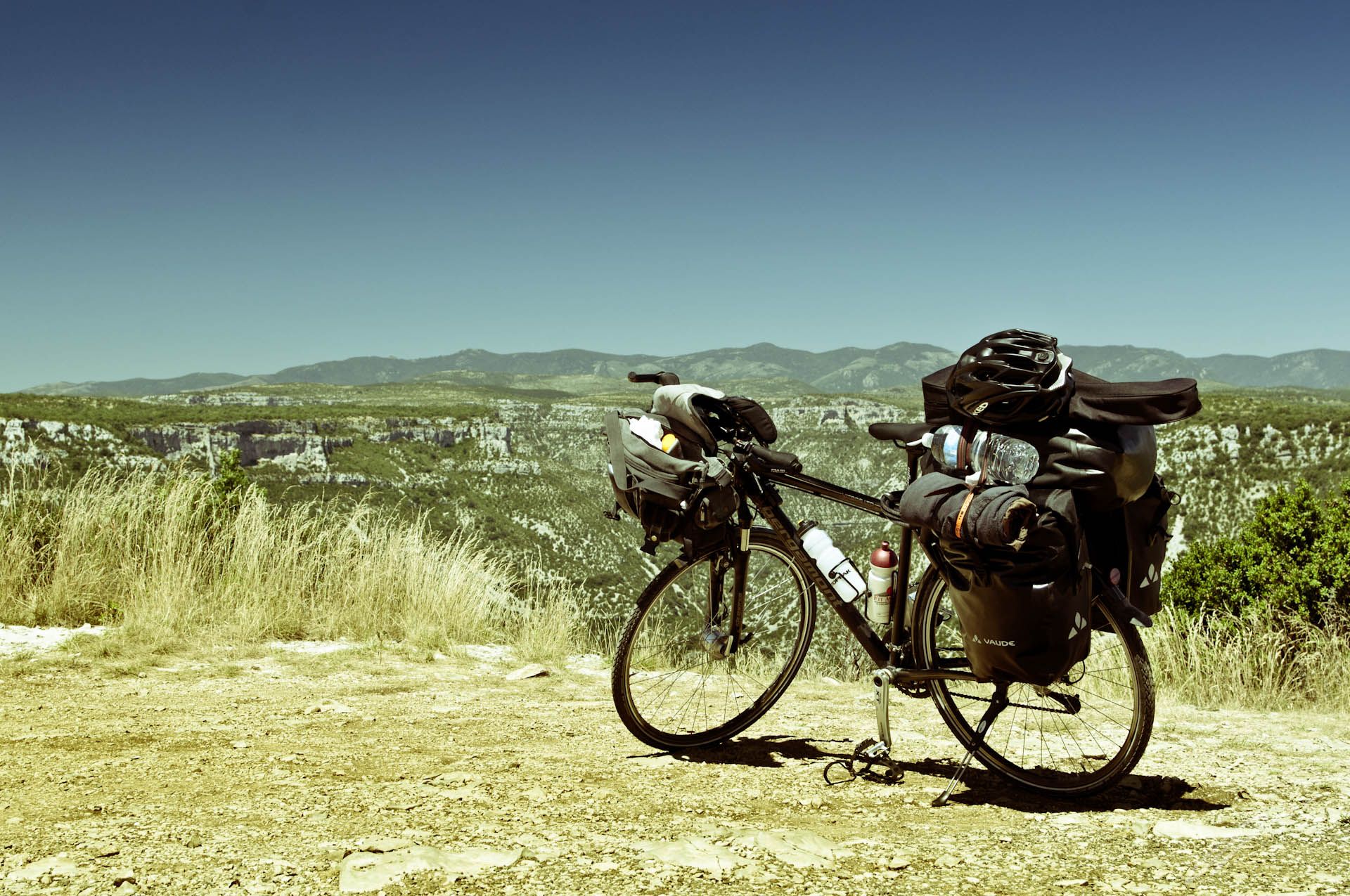
Follow the sun – riding from Germany to the south of France
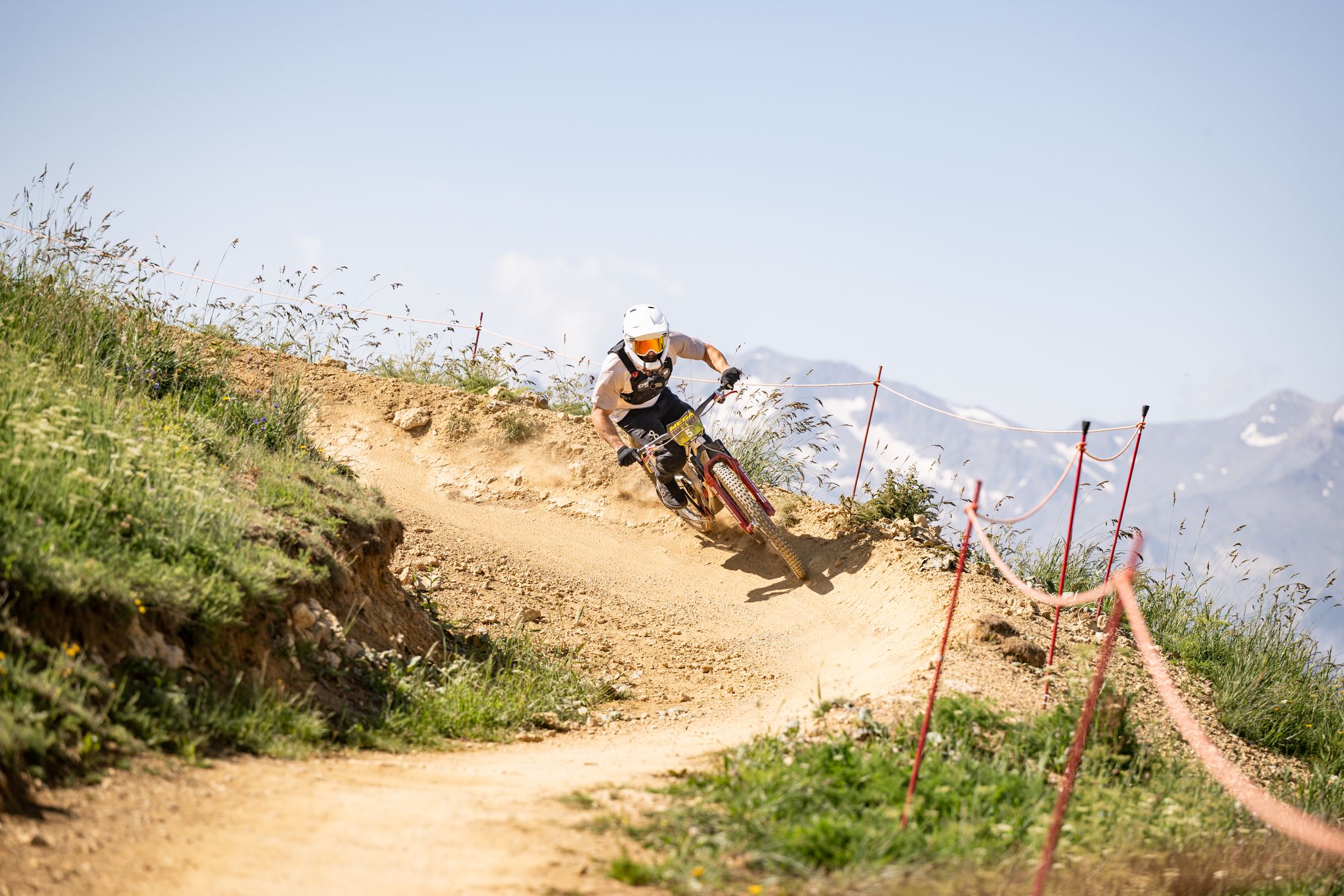
Unmissable MTB loops in the Alpe d'Huez region
Other adventures around Grenoble


Tips from the Community

First hike with my companion who knows his stuff. The dives into the lake finally convinced me that it was an incredible experience. I took some photos, there was so much to see.
1
0

The access is very well signposted, and you can do a lovely loop hike, starting from Saint-Même-le-Haut, or from Saint-Pierre-d'Entremont for the more adventurous. At the end of winter, the water level can be very high.
0
0

The most beautiful hill to climb in these areas.
12
0

There are no crowds here, just you, the mountain, the wind, and the sensation of pedaling on one of the remote peaks of the French Alps. The summit, at almost 2,000 meters, offers a 360° panorama that erases fatigue and ignites the cycling spirit.
4
0
As pretty at the top as at the bottom, lots of ways to get to the top, accessible for all levels (not technical but lots of elevation gain depending on your starting point) but it's worth it!
1
0

Magnificent mountain lake!! However, bring good shoes because there is a lot of elevation gain and a repellent for flying insects because during our breaks, it was impossible to be left in peace.
0
0

Magnificent mountain lake where it is pleasant to swim despite a slight influx of hikers. Prepare yourself with courage, good shoes, and a good hour's walk before you can dip your feet in.
0
0
Frequently Asked Questions
What types of natural features can I explore around Grenoble?
The region around Grenoble is rich in diverse natural features, primarily shaped by the surrounding mountain ranges like the Vercors and Chartreuse Massifs. You can discover rugged plateaus, towering limestone cliffs, deep gorges, extensive cave systems, and lush forests. Specific natural monuments include high-altitude lakes such as Lake Achard and Lake Lauvitel, impressive waterfalls like the Saint-Même Cirque Waterfalls, and various summits offering panoramic views.
Are there family-friendly natural attractions near Grenoble?
Yes, several natural monuments around Grenoble are suitable for families. For instance, the Saint-Même Cirque Waterfalls are categorized as family-friendly and offer a beautiful natural setting. Additionally, the initial sections of Les Cuves de Sassenage provide an accessible introduction to speleology with guided tours that don't require technical equipment, making it a fascinating experience for all ages.
What are some popular hiking trails in the natural parks near Grenoble?
The natural parks around Grenoble offer numerous hiking opportunities. For challenging mountain hikes, you can explore routes like the 'Le pas de l'œil – Dent de Crolles loop from Saint-Pancrasse' or the 'Chamechaude Summit loop from Sarcenas' in the Chartreuse Massif. For easier options, consider trails like the 'Aiguille de Chalais and Rocher de Bellevue Loop' or the 'Sculptures aux 4 vents Trail'. You can find more details on these and other trails in the Mountain Hikes around Grenoble and Easy hikes around Grenoble guides.
Can I bring my dog to the natural monuments and parks?
Many natural areas around Grenoble are dog-friendly, allowing you to enjoy the outdoors with your canine companion. For example, the White Waterfall is specifically noted as dog-friendly. Always check local regulations for specific trails or protected reserves within the Vercors or Chartreuse Regional Natural Parks, as some areas might have restrictions to protect wildlife.
What is the best time of year to visit the natural monuments around Grenoble?
The best time to visit largely depends on the activities you plan. Spring and autumn offer pleasant temperatures for hiking and exploring, with vibrant foliage or blooming wildflowers. Summer is ideal for high-altitude treks and enjoying lakes, though popular spots can be busy. Winter transforms the landscape into a snowy wonderland, suitable for snowshoeing or cross-country skiing, particularly in the Vercors and Chartreuse Massifs, but some higher passes like Arc Pass or Sarenne Pass may be inaccessible.
What kind of wildlife can I spot in the natural parks?
The Vercors and Chartreuse Regional Natural Parks are sanctuaries of biodiversity. In the Vercors, you might spot chamois, deer, and ibex, along with numerous bird species. The Chartreuse Massif is home to over 800 species of fauna, including rare orchids, butterflies, and various birds. Keep an eye out for marmots and ibex near summits like Grand Veymont, where they are frequently observed by visitors.
Are there opportunities for mountain biking near Grenoble's natural monuments?
Yes, the region offers excellent mountain biking opportunities. You can find challenging trails like the 'Via du Tram' or 'The Megavalanche — Allemond depuis Pic Blanc'. For a moderate ride, consider the 'Boucle de Grand Rocher et Crêt du poulet'. More details on these and other routes are available in the MTB Trails around Grenoble guide.
What makes Mont Aiguille a unique natural monument?
Mont Aiguille, located within the Vercors Regional Natural Park, is renowned for its distinctive 'tooth' or 'pyramid' shape, rising dramatically from the plateau. This limestone peak, at 2,087 meters, is considered one of the 'Seven Wonders of Dauphiné' and holds historical significance as the site of one of the earliest recorded mountaineering ascents in 1492. Its isolated summit meadows are also of botanical interest.
What are Les Cuves de Sassenage and what can I expect to see there?
Les Cuves de Sassenage are a fascinating cave system located very close to Grenoble, at the foot of the Vercors mountains. Inside, you can expect to see impressive geological formations such as stalactites, stalagmites, and belemnite fossils. The caves are also known for their 'giant pots' (marmites de géant) at the entrance and are formed by an underground river, the Germe, connected to the larger Vercors karst system.
What do visitors enjoy most about the natural monuments around Grenoble?
Visitors frequently highlight the breathtaking panoramic views from summits like Saint-Michel Peak and The Moucherotte Summit, which offer extensive vistas of the Vercors, Chartreuse, Belledonne, and even Mont Blanc. The presence of diverse wildlife, such as ibex and marmots, and the feeling of 'absolute fullness' and serenity found in these natural settings are also highly appreciated.
How accessible are the natural monuments by public transport from Grenoble?
While some areas are more easily reached by car, certain natural monuments and trailheads in the Vercors and Chartreuse Regional Natural Parks can be accessed via public transport from Grenoble, particularly during peak seasons. It's advisable to check local bus schedules and routes for specific destinations within these parks, as services can vary.
Most popular routes around Grenoble
Most popular attractions around Grenoble

Get inspired with the komoot mobile app


Didn’t find what you were looking for?
Find even more amazing natural monuments around Grenoble by checking out the top Highlights region by region:
Explore more
Extend your search for the best caves by checking out these guides of the top ones around Grenoble:
