Top 7 Castles around Châteaubriant-Ancenis
Best castles around Châteaubriant-Ancenis are situated in the Loire-Atlantique department of France, a region known for its historical significance and diverse architectural heritage. The area features a collection of castles that illustrate centuries of development, from medieval fortresses to Renaissance palaces. These structures often played strategic roles, particularly in defending Brittany. The landscape includes riverbanks and wooded areas, providing varied settings for these historical sites.
Best castles around Châteaubriant-Ancenis
- The most popular castles is Château de la Groulais, a…
Last updated: July 8, 2026
Château de la Groulais
Highlight • Castle
Translated by Google •
Tip by

Châteaubriant Castle
Highlight • Castle
The …
Translated by Google •
Tip by

Sign up now to discover places like this
Get recommendations on the best single tracks, peaks, & plenty of other exciting outdoor places.
Sign up for free
Port Mulon Park and Castle
Highlight • Castle
Translated by Google •
Tip by

Rieux Castle
Highlight • Castle
Translated by Google •
Tip by

Château du Plessis de Casson
Highlight • Castle
In 1753, the medieval castle, having become too uncomfortable, was rebuilt and replaced with the one we see …
Translated by Google •
Tip by

The Golden Room
Highlight • Castle
Translated by Google •
Tip by
Château de la Motte-Glain
Highlight • Castle
Translated by Google •
Tip by

Start today with a free account
Your next adventure awaits.
Login or Signup
Popular around Châteaubriant-Ancenis
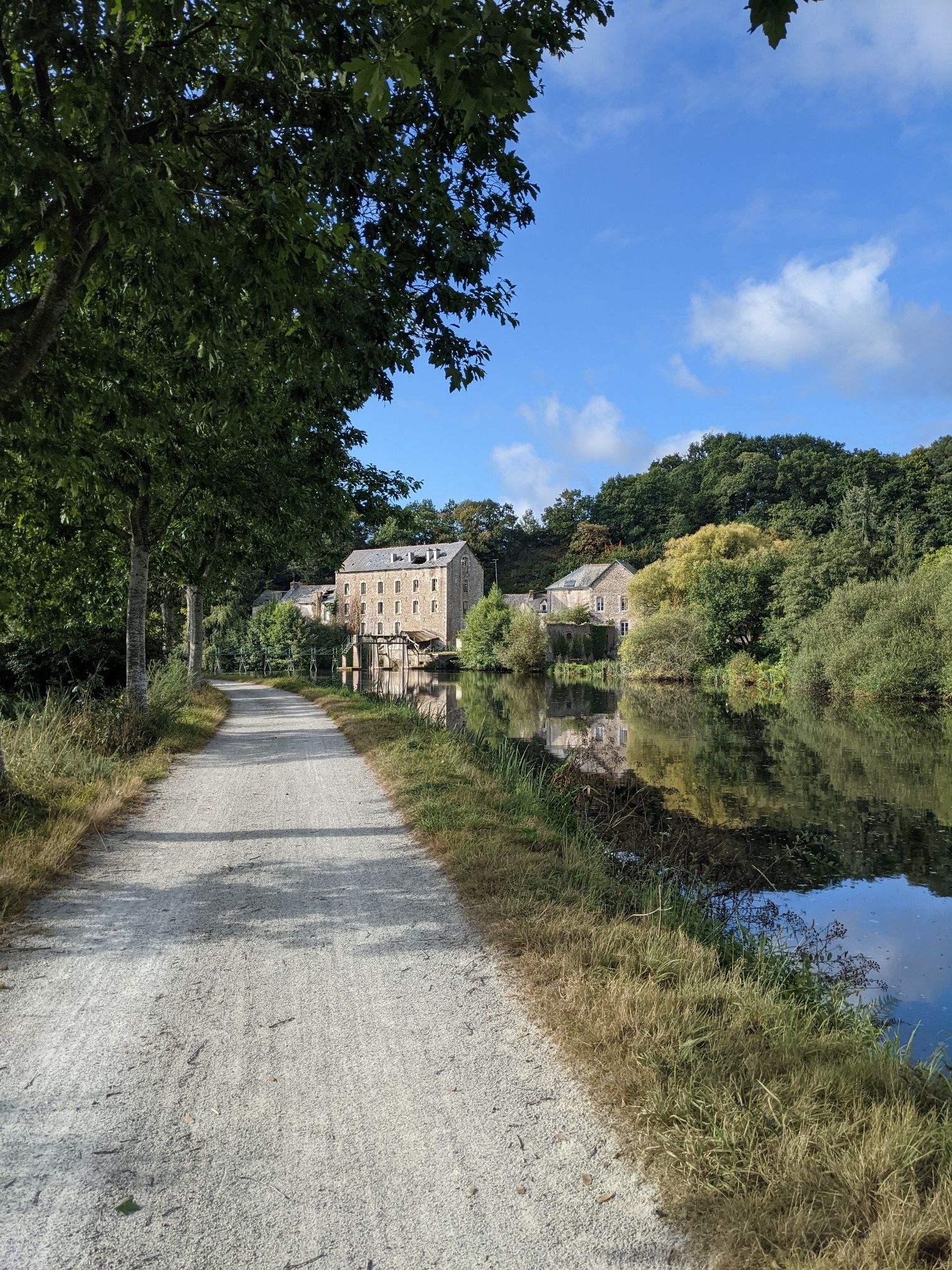
Nantes-Brest Canal – Cycling along Brittany's towpaths
La Vélodyssée — From north to south via the ocean
History and gastronomy - La Régalante
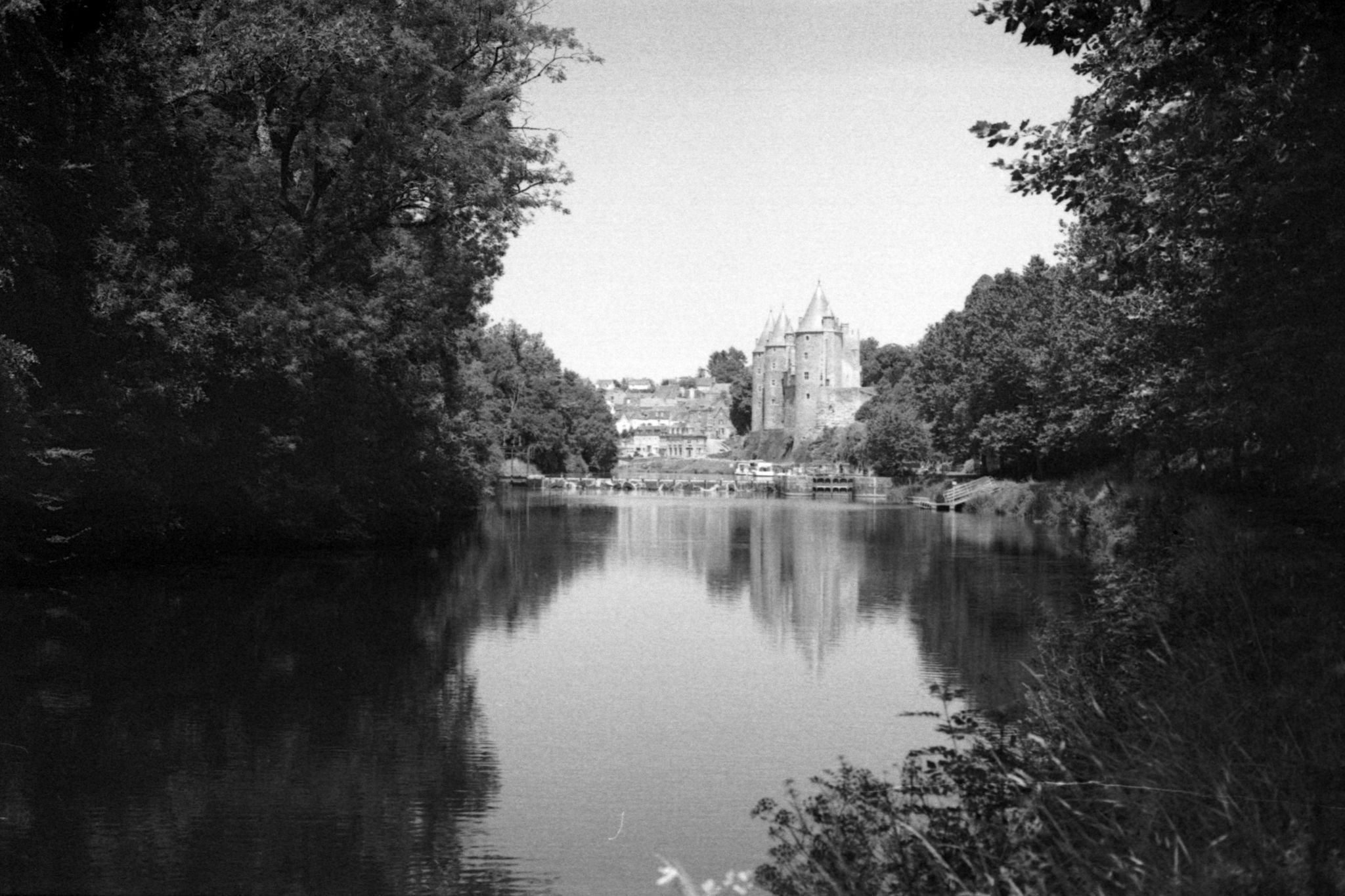
Cycling to the end of Brittany – Nantes to Brest canal
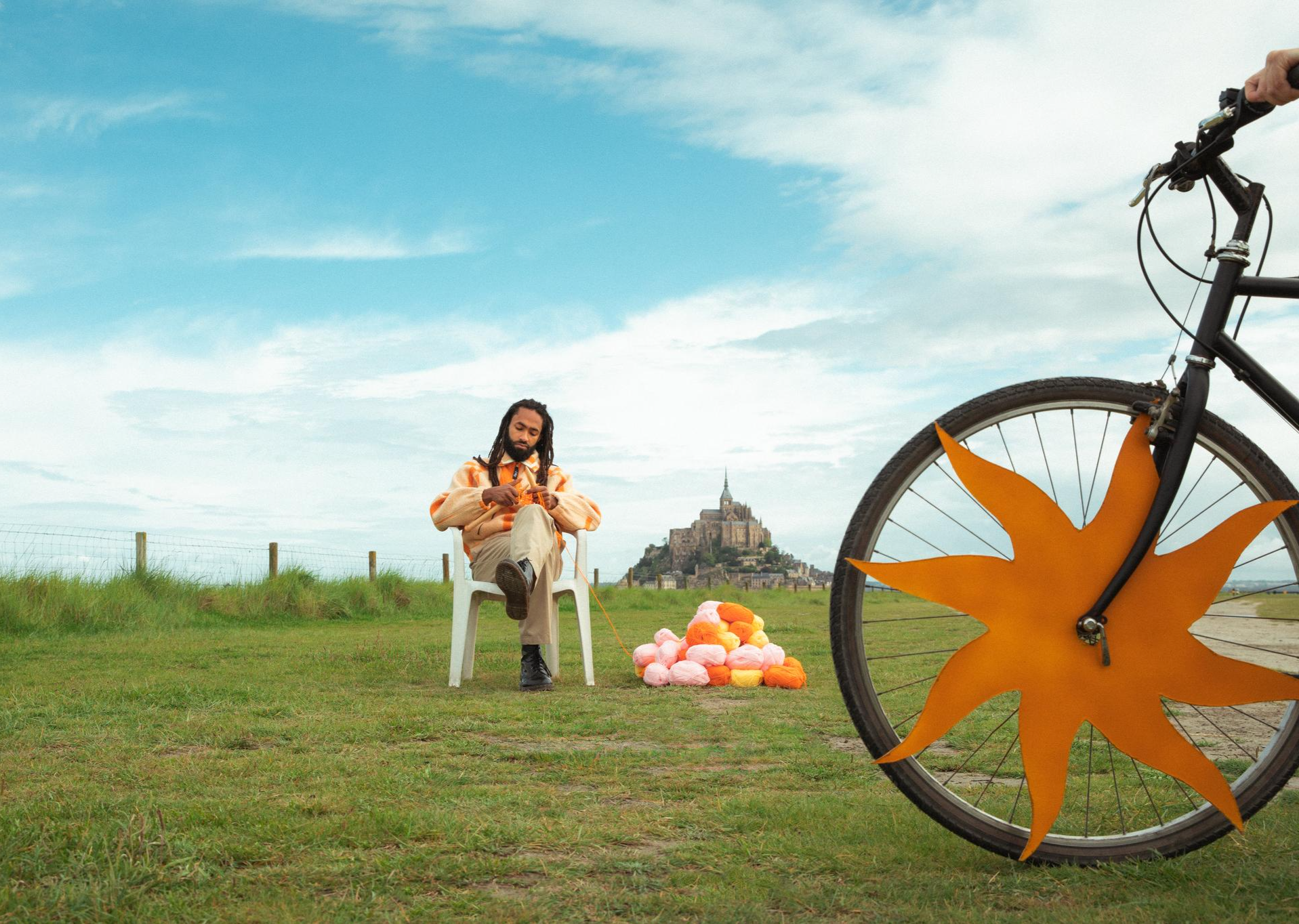
Brittany by bike – cycling from Nantes to Mont-Saint-Michel
Hiking around Châteaubriant-Ancenis
Cycling around Châteaubriant-Ancenis
MTB Trails around Châteaubriant-Ancenis
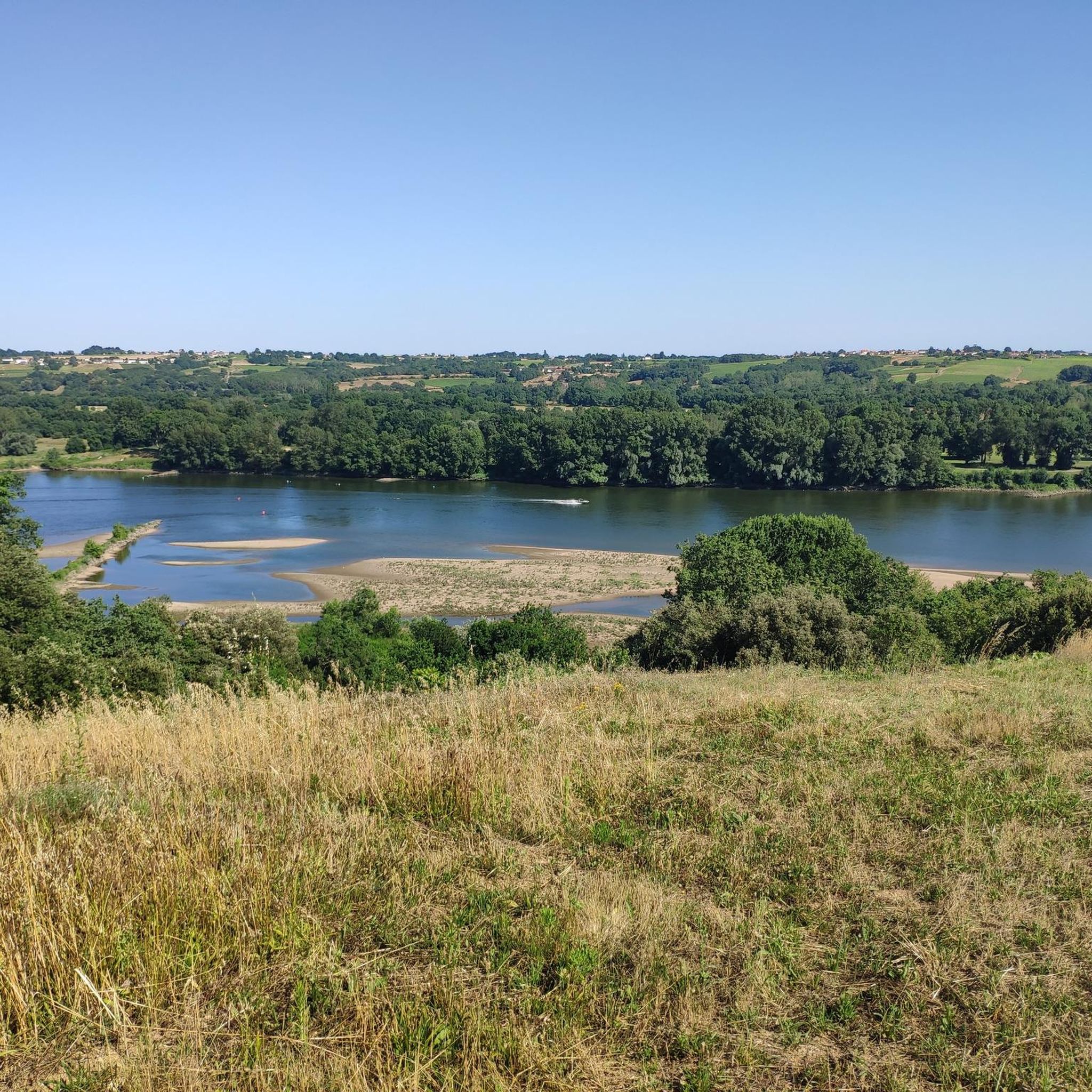
Running Trails around Châteaubriant-Ancenis
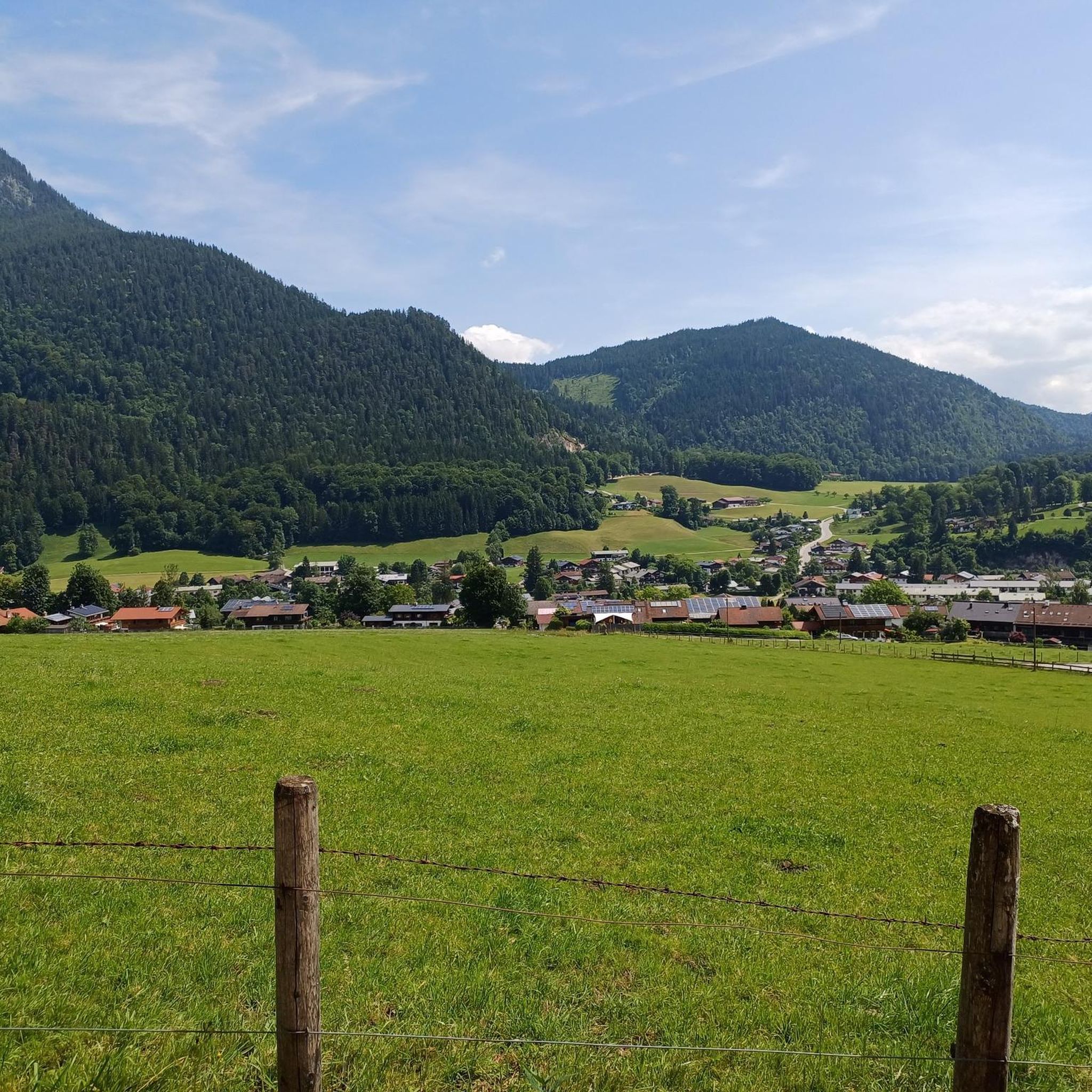
Gravel biking around Châteaubriant-Ancenis
Other adventures around Châteaubriant-Ancenis


Tips from the Community

The Golden Room is located on the first floor of the Logis Jean de Laval. It is the only room in the château that has retained its original decor. Before serving as a residence for the court official, and then as a municipal museum in the late 19th century, upon the arrival of the Germans, the Golden Room was reportedly the site of the assassination of Françoise de Foix. Legend has it that Françoise de Foix, married to Jean de Laval, Baron of Châteaubriant and Governor of Brittany, had an extramarital affair with François I between 1516 and 1526. Jealous, Jean de Laval then locked his wife in this room, which was blocked by black curtains and closed shutters, before ordering two barbers to enter her room on the night of October 16-17, 1537, to bleed her wrists and ankles. Legend also tells that every year on this date, the ghost of the Countess reappears in a pool of blood at the stroke of midnight, then her husband arrives from hell to relieve her feet, until the couple climbs onto the balcony and disappears, only to return the following year.
0
0
The construction of Port Mulon Castle dates back to the 19th century. Of its various owners, it primarily preserves the memory of Prosper Coinquet. Born in 1825 in Nantes, Prosper Coinquet was mayor of Nort-sur-Erdre twice, from 1859 to 1874, and again from 1877 to 1892. He was also a general councilor for the Loire-Inférieure department from 1883 to 1887. This lawyer by training was also a great lover of the arts. He was himself a musician and poet. He composed numerous songs and waltzes that enjoyed considerable regional success. He dedicated one of his waltzes, simply titled "Le port Mulon," to his castle. Prosper Coinquet chaired or was a member of several musical and literary societies. It was therefore only natural that he decided to make the château the setting for evenings dedicated to the arts. Readings and concerts were held in the park or in the reception hall. Nantes artists invited to perform came by way of the Erdre River. The setting, its tranquil riverbank, and its magnificent park wooded with rare species, thus retain the imprint of the music that was performed there until 1892. That year, Prosper Coinquet died at home. Since 2006, music has once again resonated in the park's foliage. Indeed, at the end of June, the venue hosts the La Nuit de L'Erdre festival. Today, the Château de Port Mulon and its park are managed by the municipality of Nort-sur-Erdre. A reception hall can be rented from the town hall, whether for private or professional events. You can also take yoga classes at the château. As for the Nantes Atlantique improvisation league, it has made it its headquarters. Finally, since 2017, the place has become a coworking space whose success continues unabated. As for the park, it's a place where, in addition to enjoying its vast spaces and magnificent trees, you can indulge in an orienteering course. Twenty markers are scattered throughout, and by exploring them, you'll learn much more about the treasures it contains. During your stroll, you'll undoubtedly encounter riders who enjoy riding their horses there. And if, at nightfall, you spot the fluttering shadows of numerous bats, don't be surprised. For several years, the castle and grounds have been havens for these nocturnal animals.
1
0
The current château is the work of Jean-Baptiste Ceineray, a renowned Nantes architect, who built it for Martin Boux de Casson, a councilor in the Parliament of Brittany. Construction began in 1753 with the central section and the left pavilion. The château was completed after the Revolution with the construction of the right pavilion in 1805. The park is home to a charming monument erected in the 19th century. It features a pond, overlooked by a grotto and a pink sandstone obelisk (a tribute from Jacques-Olivier Urvoy de Saint-Bedan to his wife, Marie-Pélagie). The building was listed as a historic monument in 1989. Its protected elements include the château's facades and roofs; the stairwell with its wrought iron railing; the Empire salon with its ornate decorations; the steps with its grand staircase; and the ornate garden with two stone lions at the entrance to the verdant hemicycle. In July 2021, a 250m² outbuilding caught fire and was completely destroyed. (The property is private and closed to the public; unauthorized access is prohibited.)
0
0
The Plessis estate is mentioned as a seigneury as early as 1260. In 1753, the medieval castle, having become too uncomfortable, was rebuilt and replaced with the one we see today, in the classical style. In 1760, the blessing of the castle chapel took place; it was destroyed during the Revolution. Among the most illustrious occupants of the estate, we can mention: François Dollier de Casson (1636-1701), a cavalry captain and later a priest, who was sent on a mission to Quebec. He drew up part of the plans for the city of Montreal (the city owes its characteristic checkerboard structure to him, long before Philadelphia). In Montreal, a street, several buildings, and a retirement home now bear the name Casson. Jacques-Olivier Urvoy de Saint-Bedan (1780-1858) was mayor of Casson, general councilor, member of parliament for Loire-Inférieure, and city councilor of Nantes. He was an important patron of the arts, notably responsible for the construction of the Sainte-Anne asylum (Hospices of the Little Sisters of the Poor), the church of Casson, the bell tower of the church of Sucé, the Sainte-Anne de Casson chapel, and more. His art collection is now largely on display at the Nantes Art Museum thanks to his generous donation. The estate became the property of the Boux de Casson family. It then passed by inheritance to the Urvoy de Saint-Bedan family and then, through marriage, to the de Bouillé family, who still reside there.
0
0

Beautiful medieval castle. The main building is more recent. As a side note, the Isac River fed the castle's imposing moats, now dry, before being channeled to the current marina.
1
0
19th century castle overlooking a large 15 hectare park, known for its rare species and for its music festival "La Nuit de l'Erdre". The path along the Erdre can be very muddy in winter. Beyond the place called Les Mares Noires you can continue on a single track that crosses a fairly densely wooded area and/or the more rolling Noe-Guy path.
3
0

Between the Middle Ages and the Renaissance, the Château de la Motte-Glain illustrates the end of one period, and the beginning of another. Neither a defensive fortress nor a pleasure residence, the castle moves with great beauty between the two functions. A schist and tuffeau castle Possibly dating back to the 12th century, the Château de la Motte-Glain was gradually rebuilt during the 15th century. A magnificent residence, the castle forms a Breton home to the north, and a French one to the west, recalling its very border nature. Between the local schist and the Angevin tuffeau, the castle is located between Brittany and Anjou, recalling its complex history and the result of prestigious sponsors. From the Middle Ages to the Renaissance. The Château de la Motte-Glain is one of the first Renaissance castles in Loire-Atlantique, before the reconstructions of Châteaubriant and Ancenis. Still very Gothic in its decoration, the castle shows new research by its sponsor, in its staircase towers, and in the use of decoration linked to Santiago de Compostela, the great pilgrimage.
0
0
Located at the exit of the town of Blain, just next to the Nantes-Brest canal, this old medieval fortress invites you to walk in the footsteps of its prestigious guests such as the King of France Henry II, Queen Catherine de Medici or Duchess Anne of Brittany.
0
0
Frequently Asked Questions
Which castles are considered the most popular in the Châteaubriant-Ancenis region?
Among the most popular castles in the region, visitors frequently highlight the Château de la Groulais, known as the largest fortress in the area, and Châteaubriant Castle, which showcases a fascinating blend of medieval and Renaissance architecture. Port Mulon Park and Castle is also appreciated for its 19th-century charm and extensive park.
Are there family-friendly castles to visit in Châteaubriant-Ancenis?
Yes, several castles in the region are great for families. Château de la Groulais offers cultural events and even an escape game. Châteaubriant Castle hosts workshops and activities for children, especially during summer. Port Mulon Park and Castle provides vast spaces for exploration and an orienteering course within its park.
What historical periods and architectural styles can I expect to see in the castles of this region?
The castles around Châteaubriant-Ancenis offer a rich journey through history, primarily showcasing medieval fortress architecture transitioning into Renaissance elegance. For example, Châteaubriant Castle is a prime example of this evolution, blending its medieval keep with a splendid Renaissance palace. The Château d'Ancenis also features both medieval and Renaissance elements, while the Château de la Motte-Glain is noted for its unique blend of late medieval and early Renaissance styles.
Can I explore the natural surroundings or engage in outdoor activities near these castles?
Absolutely. The region offers a variety of outdoor activities. Near the castles, you can find numerous trails for cycling, running, and hiking. For instance, there are several running routes around Châteaubriant Castle, and the Château d'Ancenis is conveniently located on the Loire à Vélo route, perfect for cycling. You can explore more options for MTB trails, running trails, and easy hikes in the area.
What makes Château de Châteaubriant unique compared to other castles in the area?
The Château de Châteaubriant is particularly unique for its seamless blend of a medieval fortress and a Renaissance palace, illustrating ten centuries of architectural evolution. It features a medieval high court with a dungeon and reinforced towers, alongside a 16th-century Renaissance palace with a ceremonial staircase and the distinctive 'Salle verte'. This allows visitors to observe the transition from defensive architecture to Renaissance elegance within a single site.
Is the Château d'Ancenis accessible to the public, and what can I see there?
The Château d'Ancenis offers free daily access to its castle park, allowing visitors to enjoy panoramic views of the Loire River from its ramparts. While the castle itself is a historic monument with a rich past, including a sophisticated gatehouse and a significant Renaissance dwelling, the restored dwelling now hosts temporary exhibitions throughout the year. It's also a great spot for those exploring the Loire à Vélo route.
Are there any castles that offer a glimpse into the transition from medieval to Renaissance architecture?
Yes, the Château de la Motte-Glain is an excellent example, built in 1495, it uniquely blends medieval and early Renaissance architectural styles. It's considered one of the first Renaissance castles in Loire-Atlantique, featuring sculpted tufa stone, antique furniture, and a 16th-century fresco. It offers a rare opportunity to witness this architectural transition firsthand.
What is the best time of year to visit the castles in the Châteaubriant-Ancenis region?
Many castles, such as Châteaubriant Castle and Château de la Groulais, host cultural events and workshops from April to October, making spring and summer ideal for a visit. During these months, the weather is generally pleasant for exploring the grounds and attending outdoor shows. Some privately owned castles, like Château de la Motte-Glain, are also open to the public during summer months.
What kind of historical figures are associated with the castles in this region?
The castles are rich with the history of influential figures. Château de la Groulais was home to Olivier V de Clisson and Marie Bonaparte. The Château de la Motte-Glain hosted notable figures like Charles VIII, Anne of Brittany, Charles IX, and Catherine de Médicis. Châteaubriant Castle is associated with Françoise de Foix and Jean de Laval, who completed its Renaissance transformation.
Are there any castles that are less intact but still historically significant?
Yes, the Château de Carheil in Plessé, though largely destroyed by fire in 1945, still holds historical significance. Today, only its 19th-century chapel remains, which was restored in 2020 and is occasionally open to the public, particularly during Heritage Days. It offers a glimpse into the aristocratic and architectural past of the site, even without the main castle structure.
What do visitors particularly enjoy about the castles in Châteaubriant-Ancenis?
Visitors frequently praise the architectural evolution visible in castles like Châteaubriant Castle, where medieval and Renaissance elements coexist. The historical depth and the stories of influential figures associated with sites like Château de la Groulais are also highly appreciated. Many enjoy the blend of history with natural beauty, such as the river views from Château d'Ancenis or the wooded park of Port Mulon Park and Castle.
Most popular routes around Châteaubriant-Ancenis
Most popular attractions around Châteaubriant-Ancenis

Get inspired with the komoot mobile app


Didn’t find what you were looking for?
Explore Châteaubriant-Ancenis’s best castles region by region:
Explore more
Looking for the best castles somewhere else? Discover other guides around Châteaubriant-Ancenis:
