Top 11 Caves around Millau
Best caves around Millau are found within the Aveyron department, a region known for its subterranean wonders in the Grands Causses area. This area features over 2000 historic caves, offering diverse experiences from accessible show caves to challenging caving expeditions. The landscape is characterized by geological formations and a rich history of human adaptation to natural environments. Millau provides opportunities to explore significant natural landmarks and historical sites.
Best caves around Millau
- The most popular caves is Saint-Marcellin, a historical site built on the side of a cliff in a natural cirque. This troglodyte village preserves remains of rock fortifications and caves converted into sheepfolds.
- Another must-see spot is Usclades Shelter No. 2 (Witch's Cave), a cave occupied since the Mesolithic period. Archaeologists found a limestone plaque here, suggesting religious significance.
- Visitors also love Abri des Usclades, a cave occupied for more than 10,000 years. Traces of occupation dating back to -9500 years BC have been found, along with remains of an old sheepfold.
- Millau is known for its show caves, historical troglodyte dwellings, and natural cave shelters. The region offers a variety of caves to see and explore, catering to different interests.
- The caves around Millau are appreciated by the komoot community, with 61 upvotes and 84 photos shared by visitors.
Last updated: June 29, 2026
Saint-Marcellin
Highlight • Historical Site
This troglodyte village thus preserves the remains of a rock fortification but also of jasses (caves converted into sheepfolds), a Caussenard house, a chapel, a bread oven...
Translated by Google •
Tip by

Usclades Shelter No. 2 (Witch's Cave)
Highlight • Cave
Translated by Google •
Tip by
Sign up now to discover places like this
Get recommendations on the best single tracks, peaks, & plenty of other exciting outdoor places.
Sign up for free
Abri des Usclades
Highlight • Cave
Translated by Google •
Tip by
Peyre Troglodyte Village
Highlight • Settlement
Translated by Google •
Tip by

Paillasses Cave
Highlight • Cave
Translated by Google •
Tip by
Baume du Figuier
Highlight • Cave
Translated by Google •
Tip by
Grotte des Résistants
Highlight • Cave
Translated by Google •
Tip by
Troglodyte dwelling
Highlight • Cave
Translated by Google •
Tip by

Aven de Puech Nègre
Highlight • Cave
Translated by Google •
Tip by

Roquesquatre viewpoint
Highlight • Viewpoint
Translated by Google •
Tip by

Start today with a free account
Your next adventure awaits.
Login or Signup
Popular around Millau
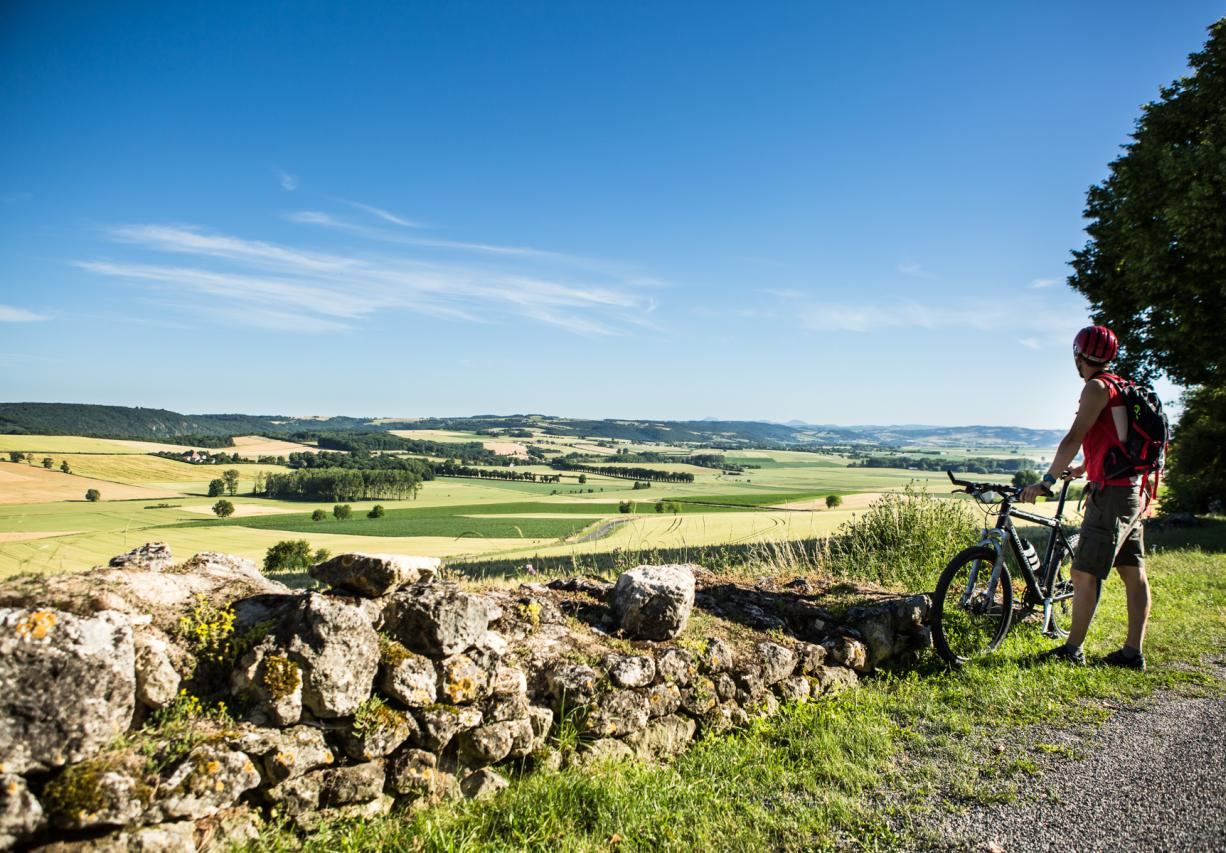
The Grande traversée du Massif Central by gravel bike
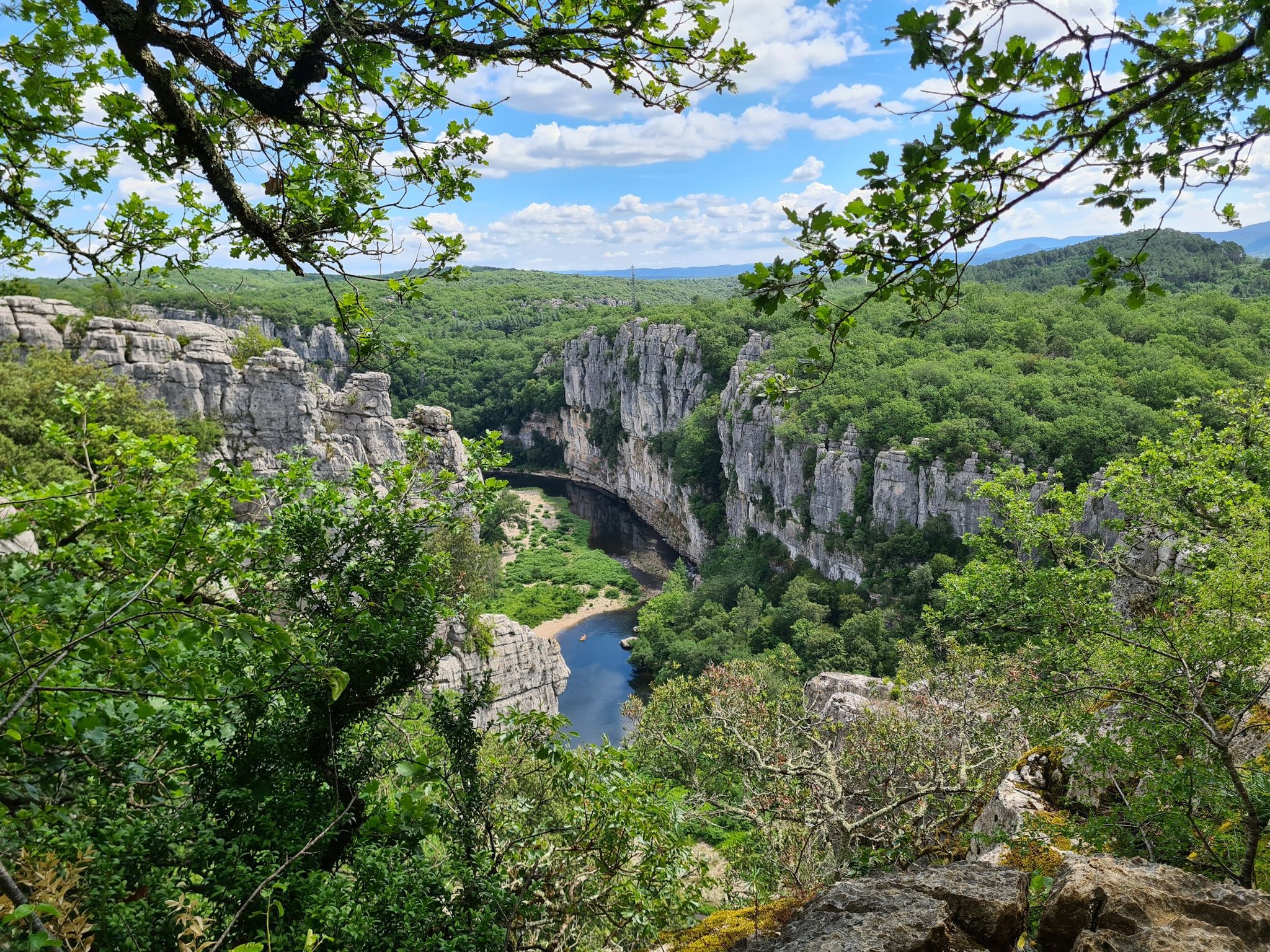
Hexatrek – The Cévennes to the Pyrenees between gorges and limestone plateau
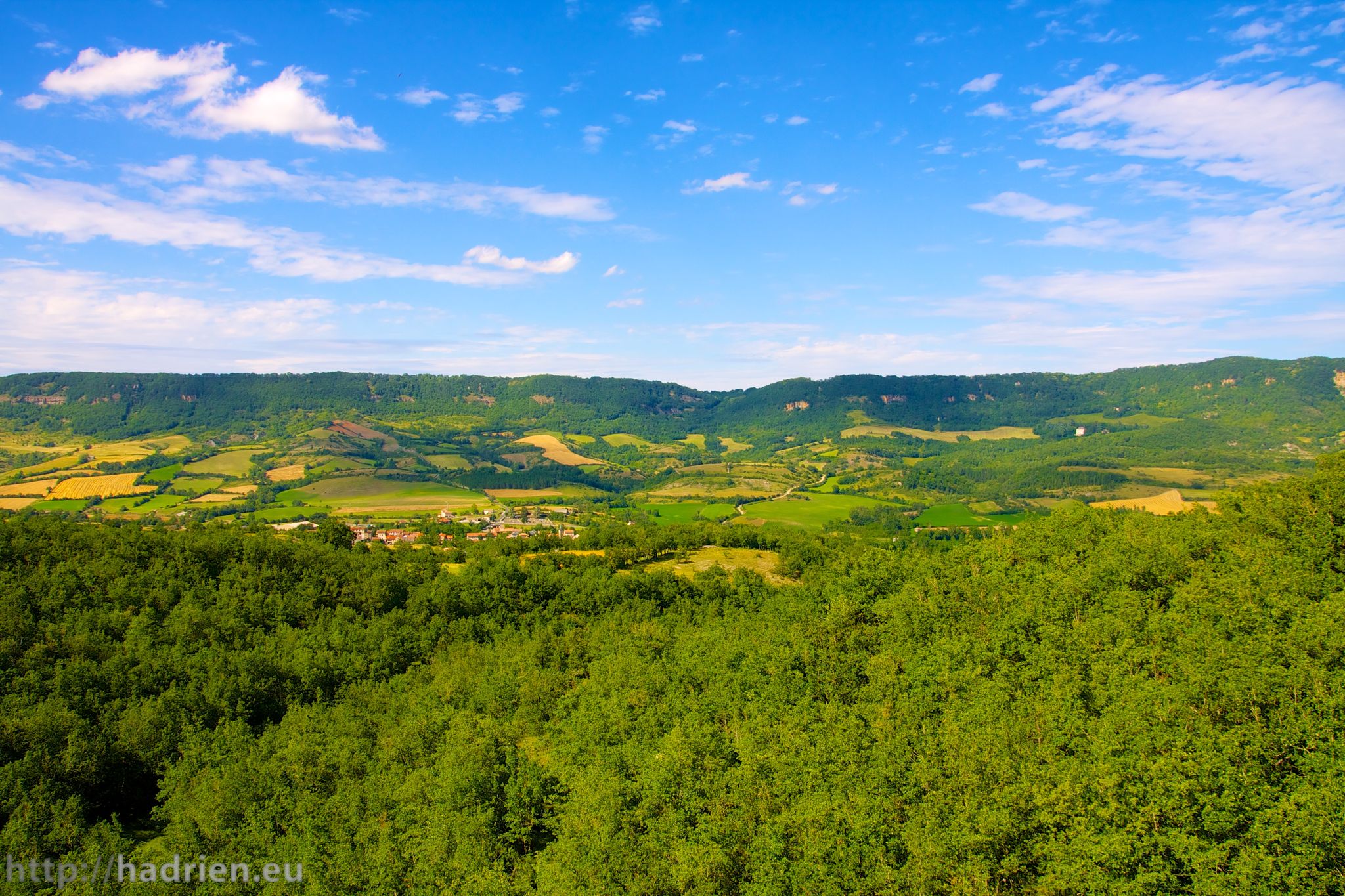
Tour of Aveyron — The mountains and valleys of Roquefort and Aligot
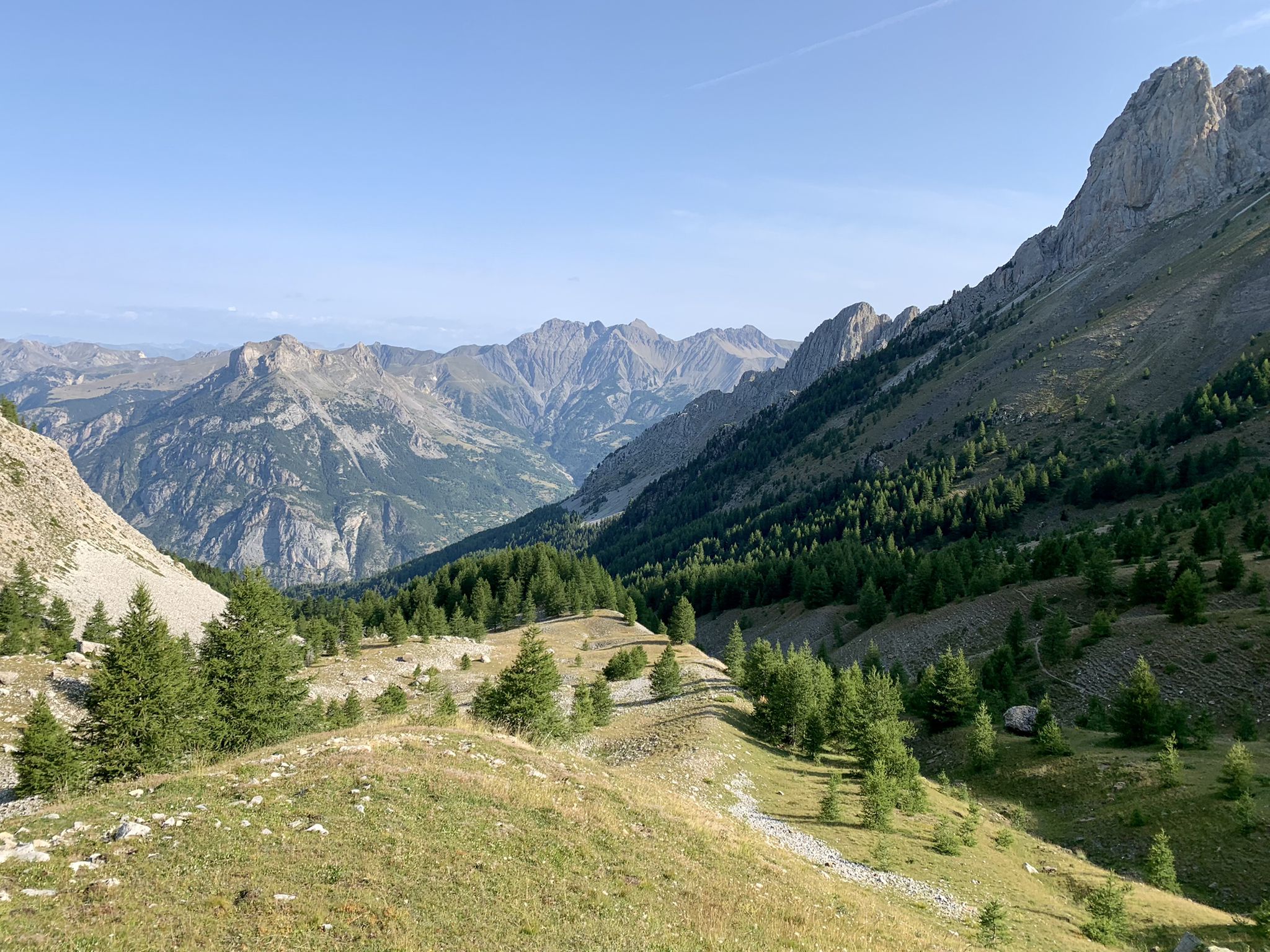
From the Alps to the Atlantic — GR 6
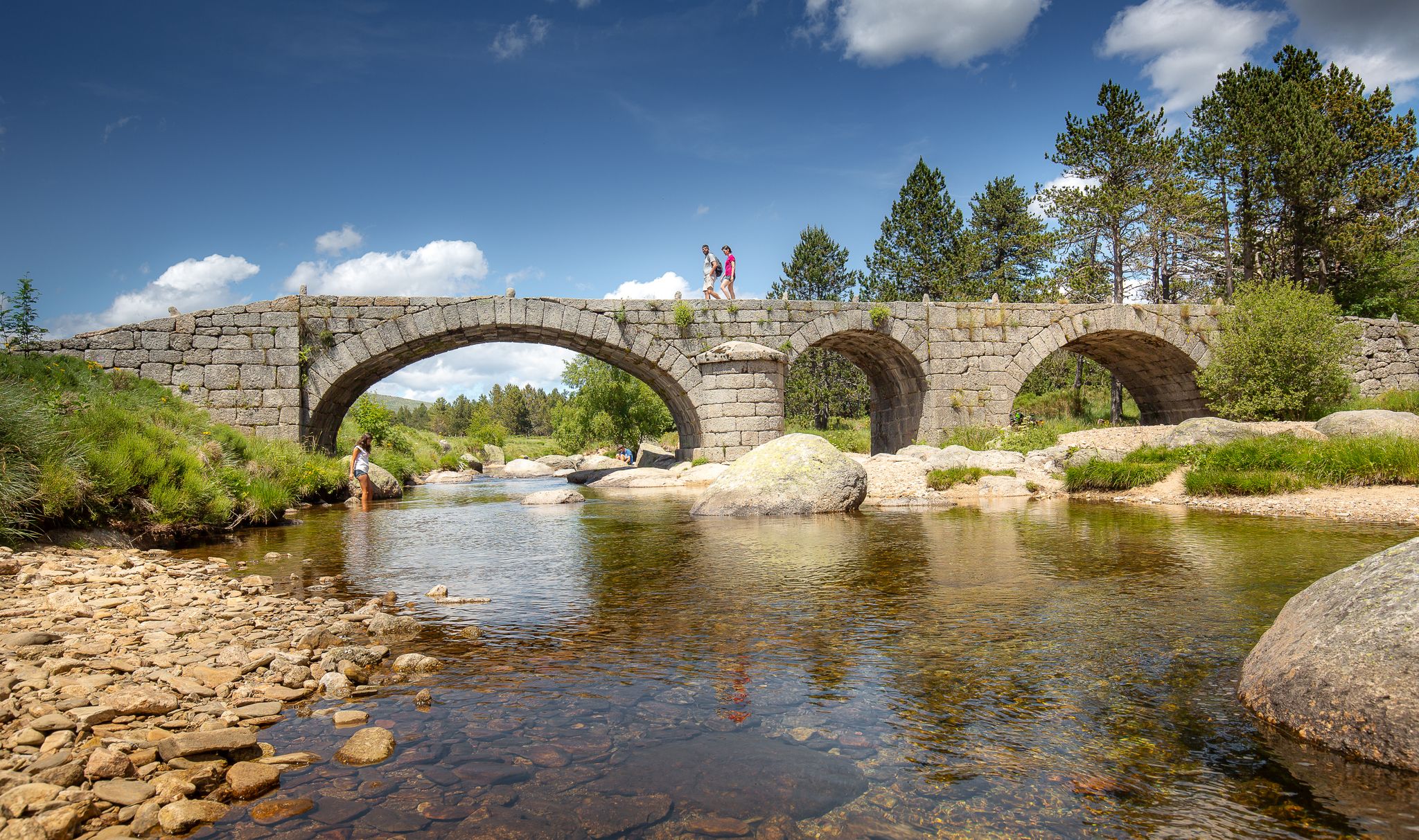
The most beautiful walks in Lozère
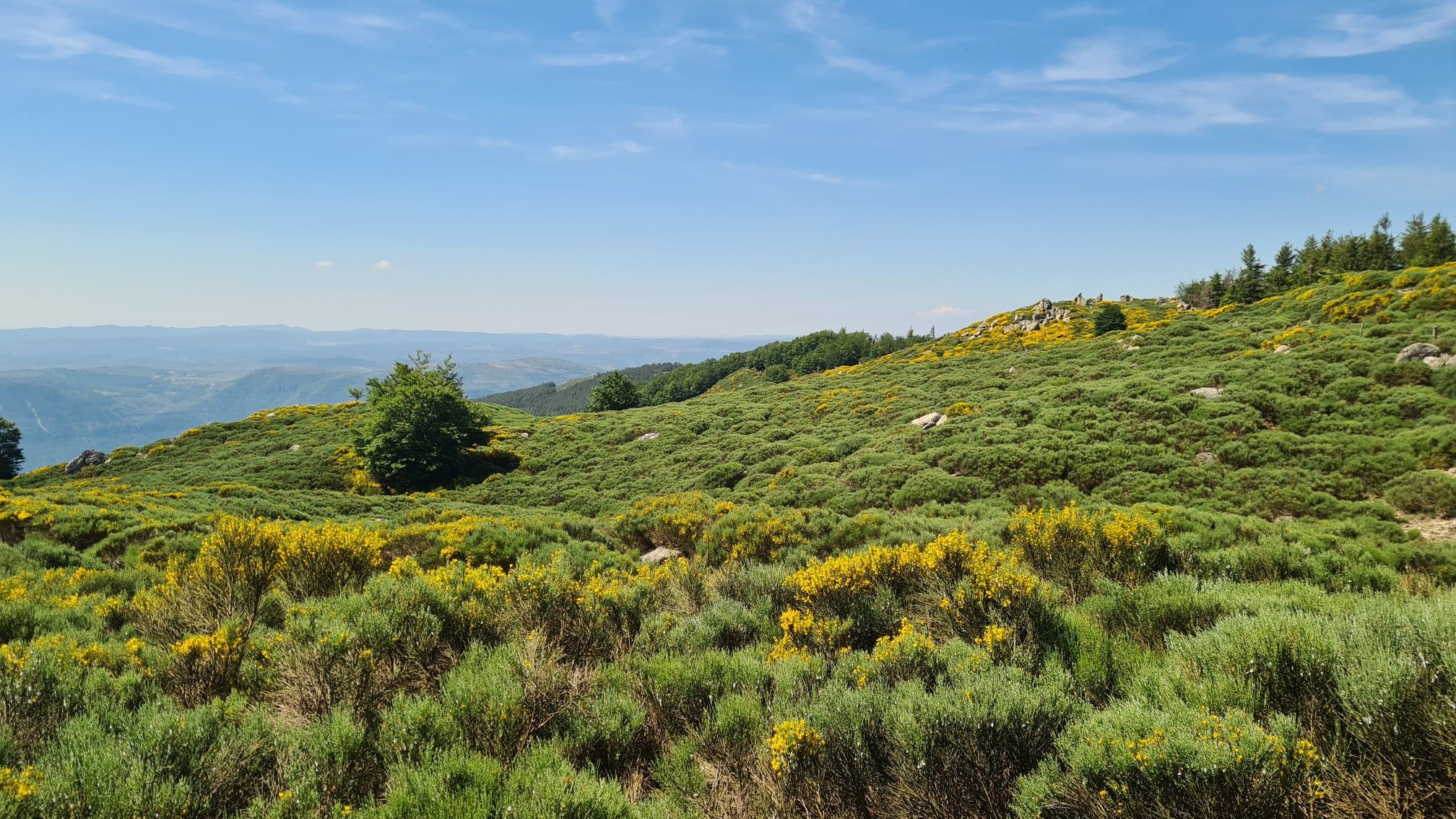
From L'Espérou to Lodève - Explore the Cevennes on the GR 71
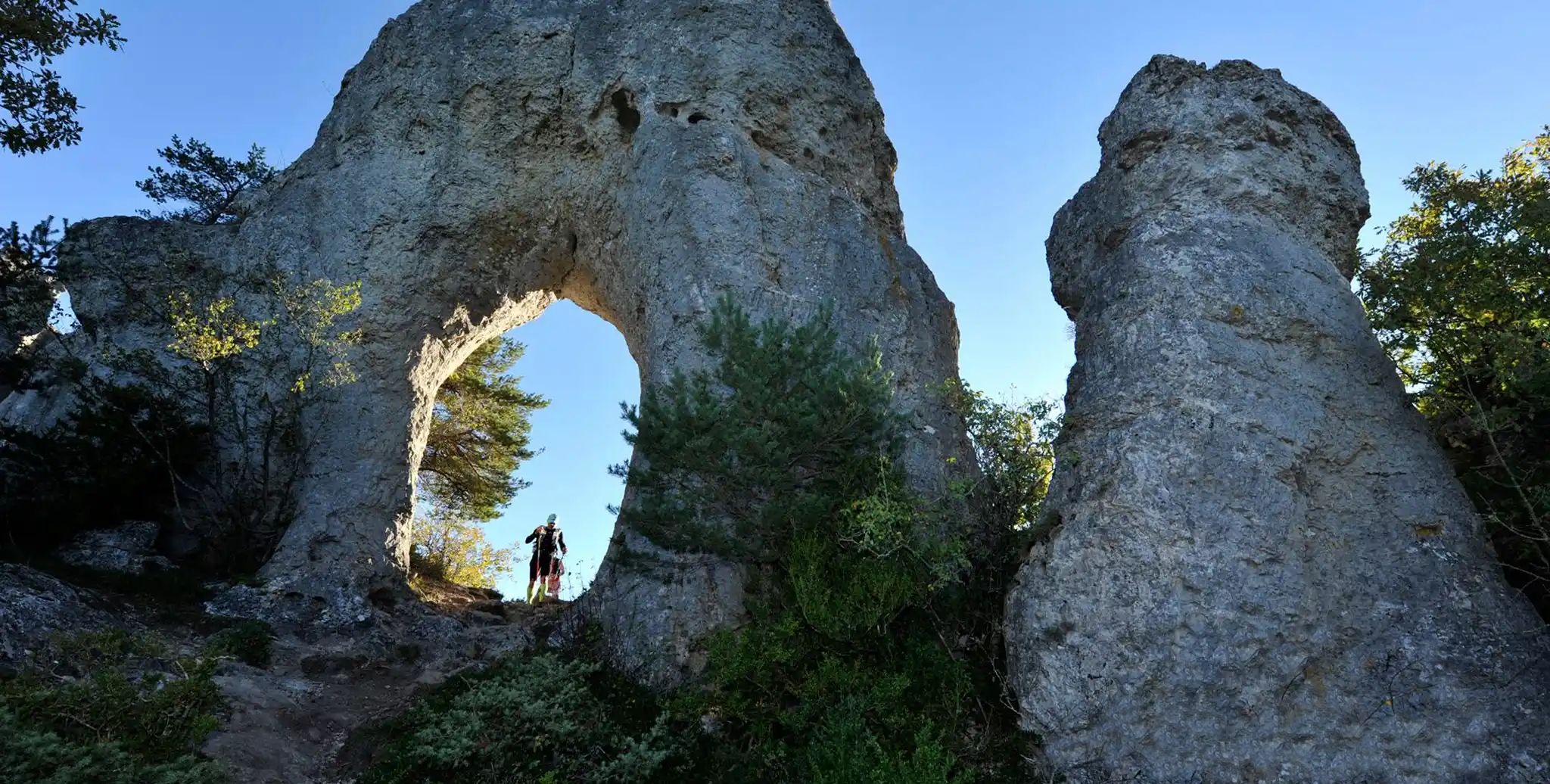
Meyrueis to La Roque-Sainte-Marguerite – GR 62A in France
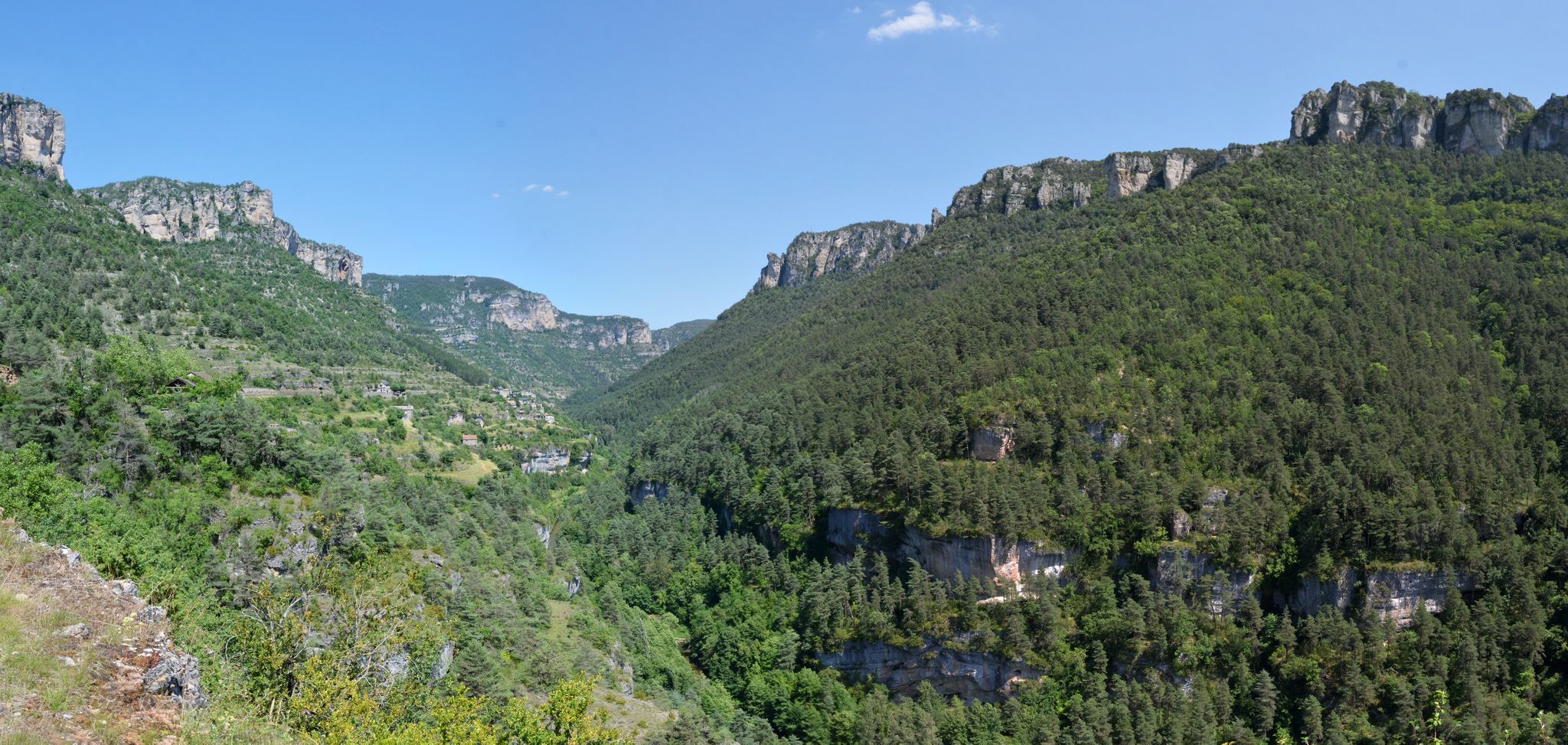
Trails de Légende in France – Festival des Templiers races
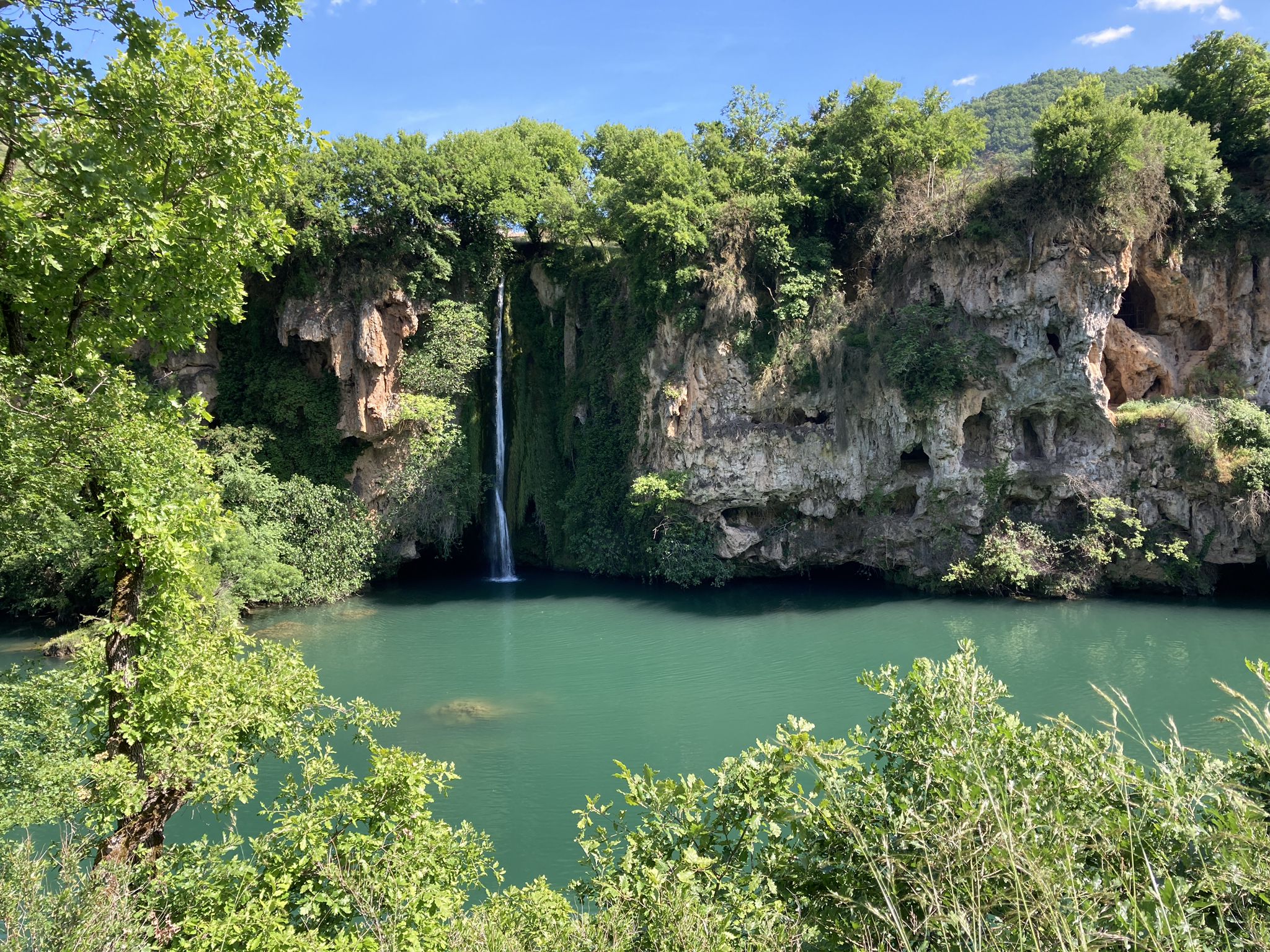
The sound of water – gravel and waterfalls in Aveyron
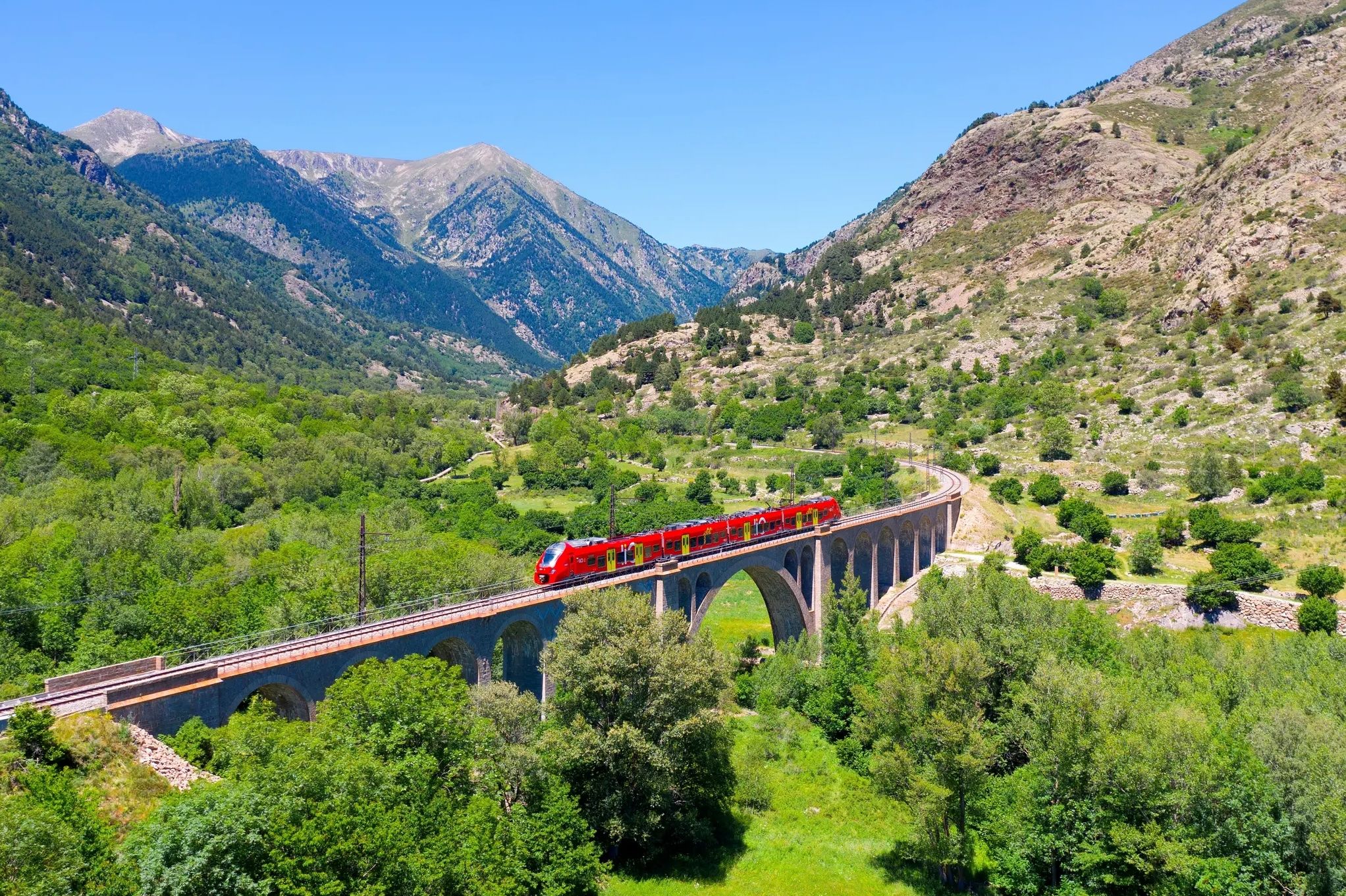
Occitanie Rail Tour – by train and on foot through Occitania
Other adventures around Millau


Tips from the Community

very nice hike but some difficult sections.
0
0

Balsams are natural cavities that open among the rock. Located in the cliffs, they first served as shelter for wild animals, prehistoric men and then shepherds. That of Figuier offers a majestic view of the valley it overlooks.
0
0
Impressive cave which extends over three floors. Populated since the Neolithic period, tools, pottery and bones dating from the Bronze Age have also been found there.
0
0

Built on the side of a cliff in a natural cirque, Saint-Marcellin, like Églazines, is a magnificent and emblematic site where humans have always adapted to nature to build their habitat. This troglodyte village thus preserves the remains of a rock fortification but also of jasses (caves converted into sheepfolds), a Caussenard house, a chapel, a bread oven...
1
0
Unlike caves or balms, a cave is only accessible to speleologists via a well opening in the ground. So be careful.
0
0
Balms are cavities open to the outside and more or less deep. They have been frequented since the dawn of time, first by wild animals then prehistoric men, followed by shepherds... and now by tourists. That of the Fig tree is particularly photogenic.
0
0
The cave of the Resistance fighters, or cave of the Maquisards, was formerly called the Baoumasse and served as a summer sheepfold.
0
0
Like its sister, this cave was occupied from the Mesolithic. A limestone plaque was found there by archaeologists, suggesting a religious significance.
0
0
Frequently Asked Questions
What types of caves can I explore in the Millau region?
The Millau region offers a diverse range of subterranean experiences. You can find easily accessible show caves, historical troglodyte dwellings, natural cave shelters, and opportunities for more challenging caving expeditions. The area is rich with over 2000 historic caves.
Are there any historical cave sites to visit near Millau?
Yes, the region is home to several significant historical cave sites. You can visit Saint-Marcellin, a troglodyte village built into a cliff, or explore Usclades Shelter No. 2 (Witch's Cave) and Abri des Usclades, both of which show evidence of human occupation dating back over 10,000 years.
Which caves are known for their unique natural formations or colors?
The Dargilan Cave, often called the 'Pink Cave,' is renowned for its vibrant hues of yellow, ochre, saffron, and pink, caused by iron oxide. It features impressive formations like fistulas, draperies, and a 'petrified forest.' Aven Armand is another spectacular site, famous for its 'forest' of over 400 stalagmites, some reaching up to 30 meters high.
Are there family-friendly caves around Millau?
Yes, Aven Armand is particularly suitable for families, offering a captivating journey into a colorful underground world. The visit includes a funicular ride, adding to the experience for all ages. Many show caves in the region are designed for easy access and enjoyment by families.
What is the best time to visit the caves in the Millau area?
Caves generally maintain a consistent cool temperature year-round, making them a good option in any season. However, for comfortable travel to and from the caves and to enjoy the surrounding outdoor activities, spring and autumn offer pleasant weather. Summer can also be a good time to escape the heat underground.
Can I go caving or speleology in the Millau region?
Absolutely. Beyond the accessible show caves, the Millau area caters to caving enthusiasts of all levels. Guided caving trips are available, ranging from beginner-friendly horizontal caves to more challenging vertical explorations that may require ropes and harnesses. These excursions allow you to delve deeper into the region's extensive subterranean network.
Are there any caves near Millau that are significant for the history of speleology?
The Abîme de Bramabiau holds significant historical importance in speleology. It was one of the first exploration sites for Edouard Alfred Martel, considered the founder of modern speleology. Visiting this abyss offers a chance to explore a natural wonder that captivated early cave explorers.
What outdoor activities can I do near these caves?
The Millau region offers numerous outdoor activities. You can find various cycling routes, such as those detailed in the Cycling around Millau guide, or explore road cycling options in the Road Cycling Routes around Millau guide. For hikers, there are easy trails like those found in the Easy hikes around Millau guide, which include loops in the Grands Causses Regional Natural Park.
Are there any troglodyte villages or dwellings to explore?
Yes, the region features fascinating troglodyte sites. Besides Saint-Marcellin, you can also visit the Peyre Troglodyte Village, which offers a splendid view of the Millau viaduct and includes a cave church. There are also other individual Troglodyte dwellings to discover.
What are some lesser-known cave sites or natural monuments to visit?
For a cooler break, consider the Paillasses Cave, a converted balm with a spring. Other natural cave monuments include Baume du Boffi and Aven de Puech Nègre, which offers a more challenging experience. You can also visit Grotte des Résistants, which has historical significance.
Are there viewpoints near the caves that offer scenic views of the region?
Yes, the Millau region is known for its stunning landscapes. While exploring caves, you can also visit viewpoints like the Roquesquatre viewpoint, which offers panoramic vistas of the surrounding natural beauty, including forests and geological formations.
Most popular routes around Millau
Most popular attractions around Millau

Get inspired with the komoot mobile app


Didn’t find what you were looking for?
Discover more caves around Millau region by region:
Explore more
Extend your search for the best caves by checking out these guides of the top ones around Millau:
