Attractions and Places To See around Atrecht - Top 20
Best attractions and places to see around Atrecht, the historical Dutch name for Arras, France, offer a rich blend of history and natural beauty. This region in northern France is known for its significant World War I memorials and preserved historical sites. The landscape features gentle terrain, making it accessible for various outdoor activities. Visitors can explore numerous historical landmarks and natural areas that reflect the area's past and present.
Best attractions and places to see around Atrecht
- The most…
Last updated: August 30, 2026
Canadian National Vimy Memorial
Highlight (Segment) • Monument
Translated by Google •
Tip by

Notre-Dame-de-Lorette National Cemetery
Highlight • Historical Site
Translated by Google •
Tip by

Sign up now to discover places like this
Get recommendations on the best single tracks, peaks, & plenty of other exciting outdoor places.
Sign up for free
The Church of Ablain-Saint-Nazaire
Highlight • Historical Site
Showing Translation
Tip by

Marais de Maroeuil
Highlight (Segment) • Natural
Translated by Google •
Tip by
Towards the Canadian trenches of Vimy
Highlight • Monument
Translated by Google •
Tip by
Arras Citadel
Highlight • Castle
Translated by Google •
Tip by

Canadian Memorial
Highlight • Other
Translated by Google •
Tip by
Scarpe riverbanks
Highlight • Other
Translated by Google •
Tip by
Canadian Memorial
Highlight • Other
Translated by Google •
Tip by
Givenchy-en-Gohelle Canadian Cemetery
Highlight • Historical Site
Showing Translation
Tip by
Sign up for free to discover even more attractions around Atrecht.
Sign up for free
Already have an account?
Start today with a free account
Your next adventure awaits.
Login or Signup
Popular around Atrecht
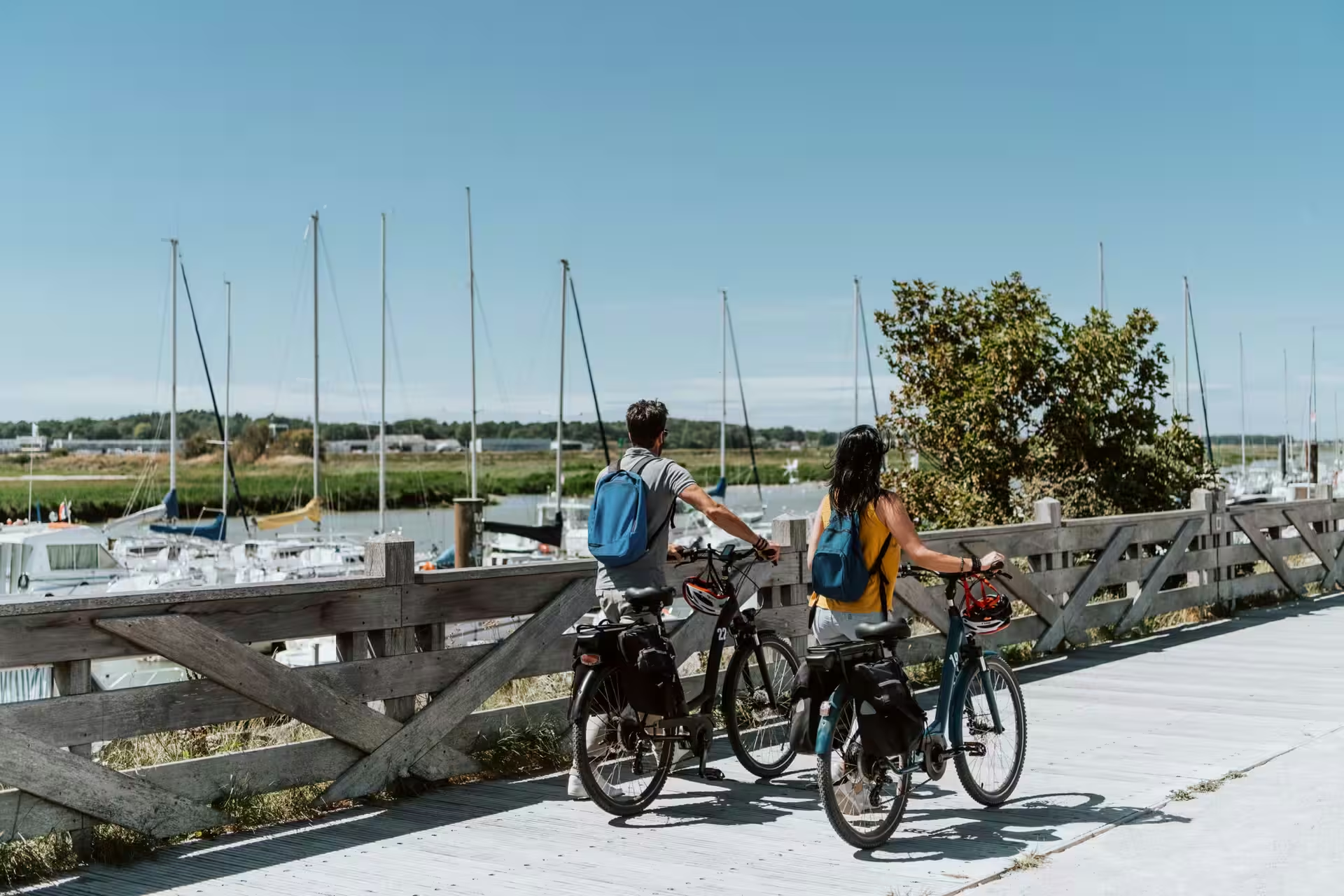
Routes in Hauts-de-France for cycling enthusiasts
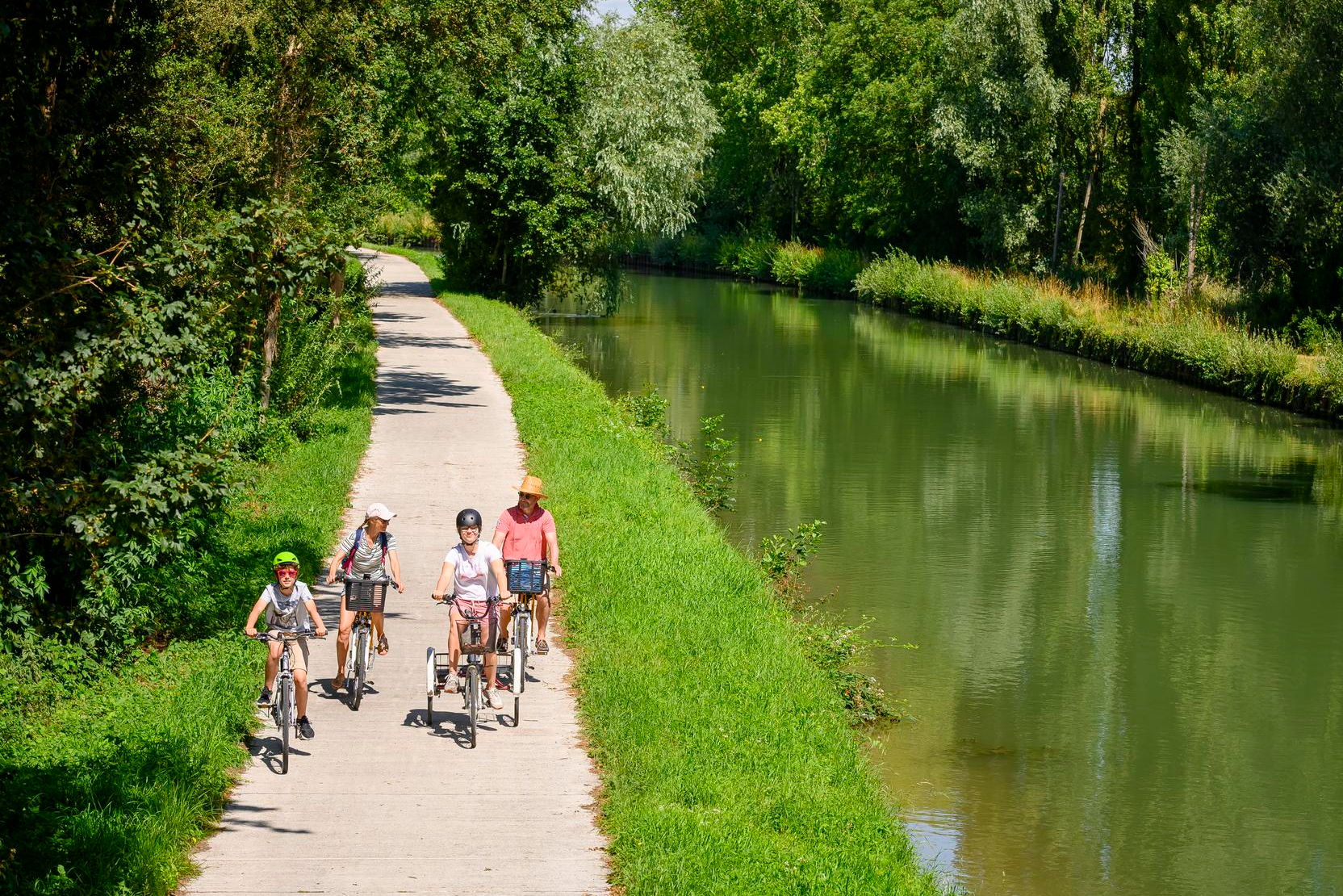
Cycling routes in Hauts-de-France for beginners and families
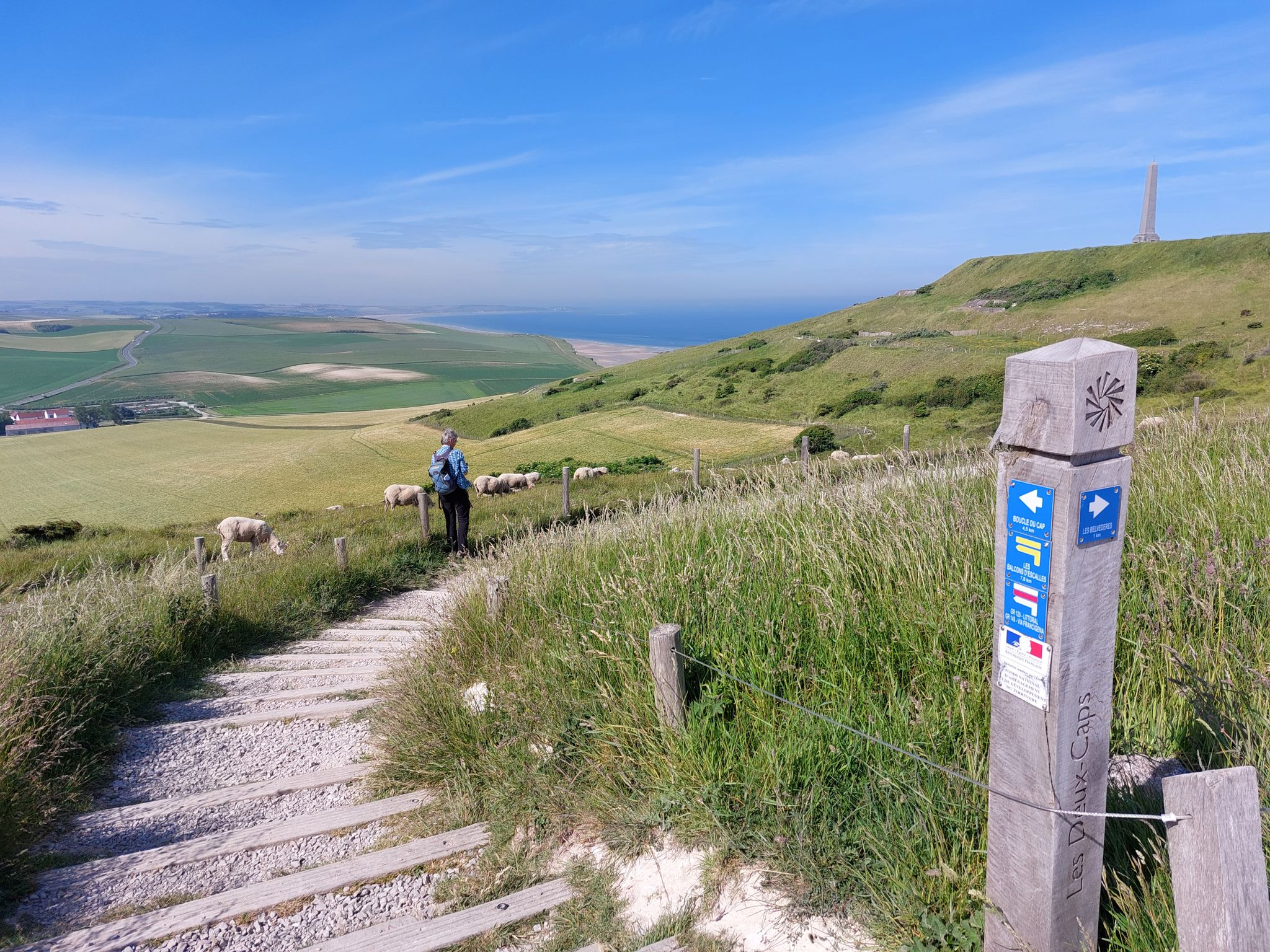
Via Francigena in the Pas-de-Calais – GR 145
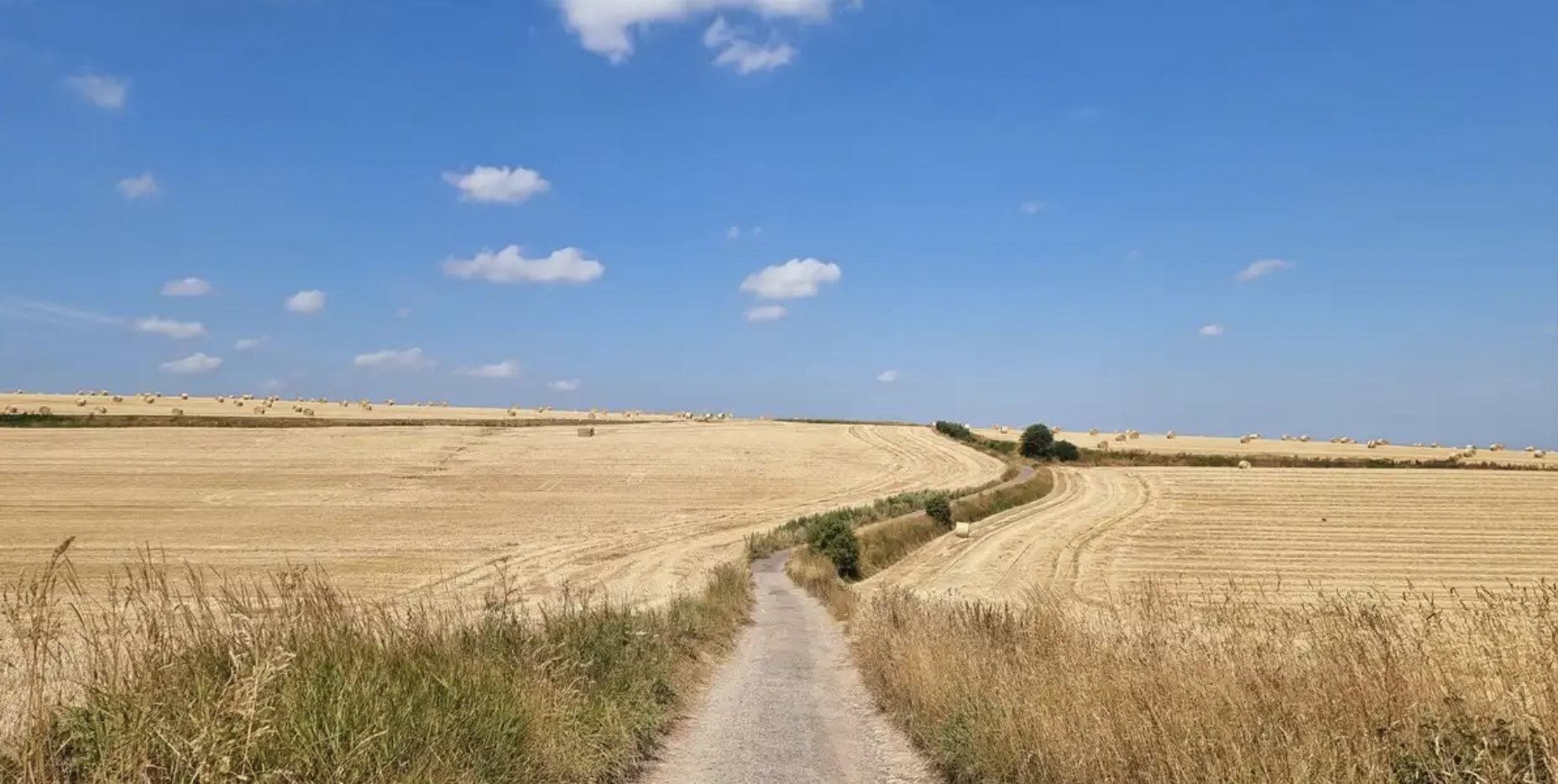
In the footsteps of History — GR 145, the Via Francigena
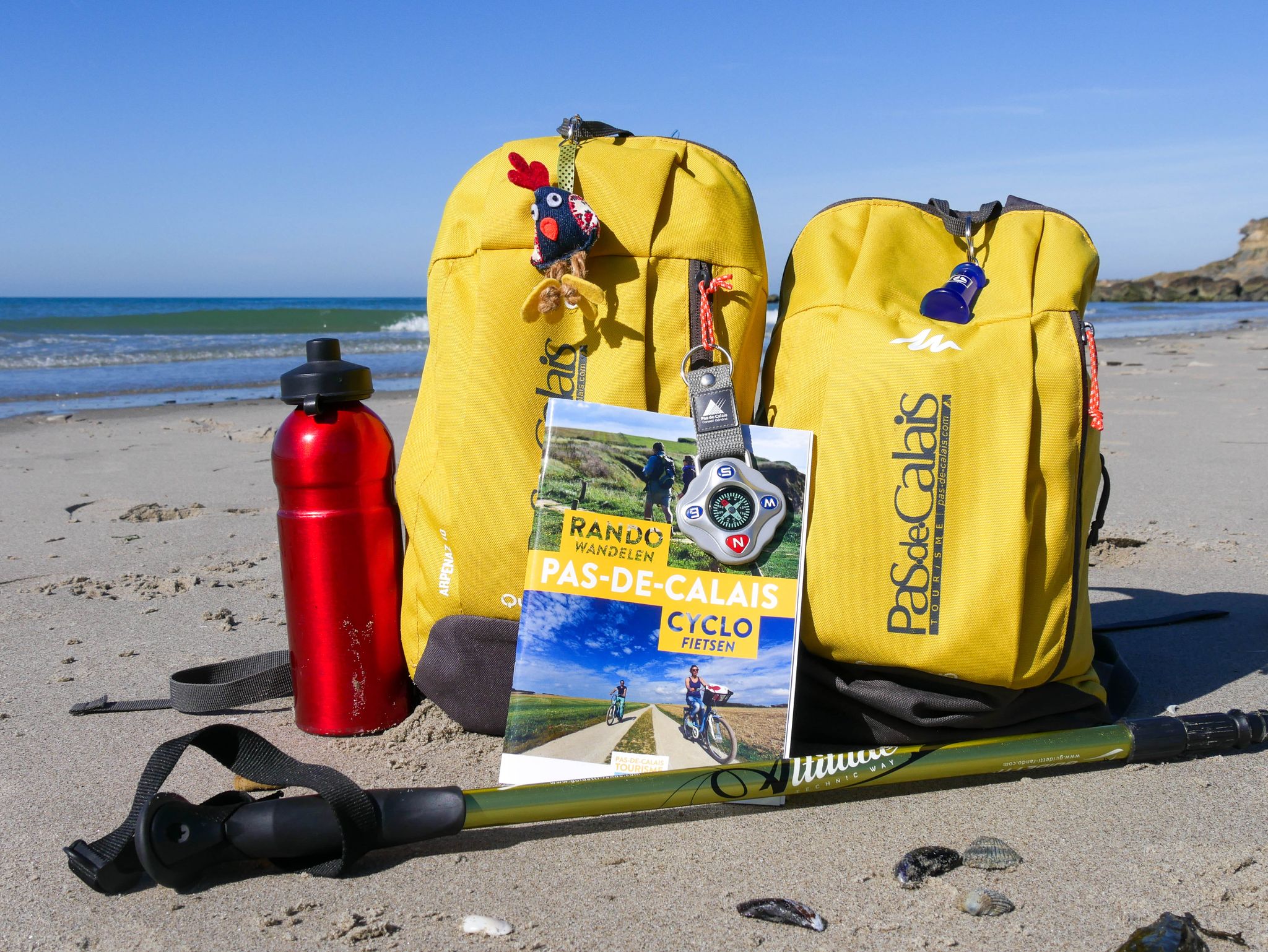
Les Sacados en Rando dans le Pas-de-Calais
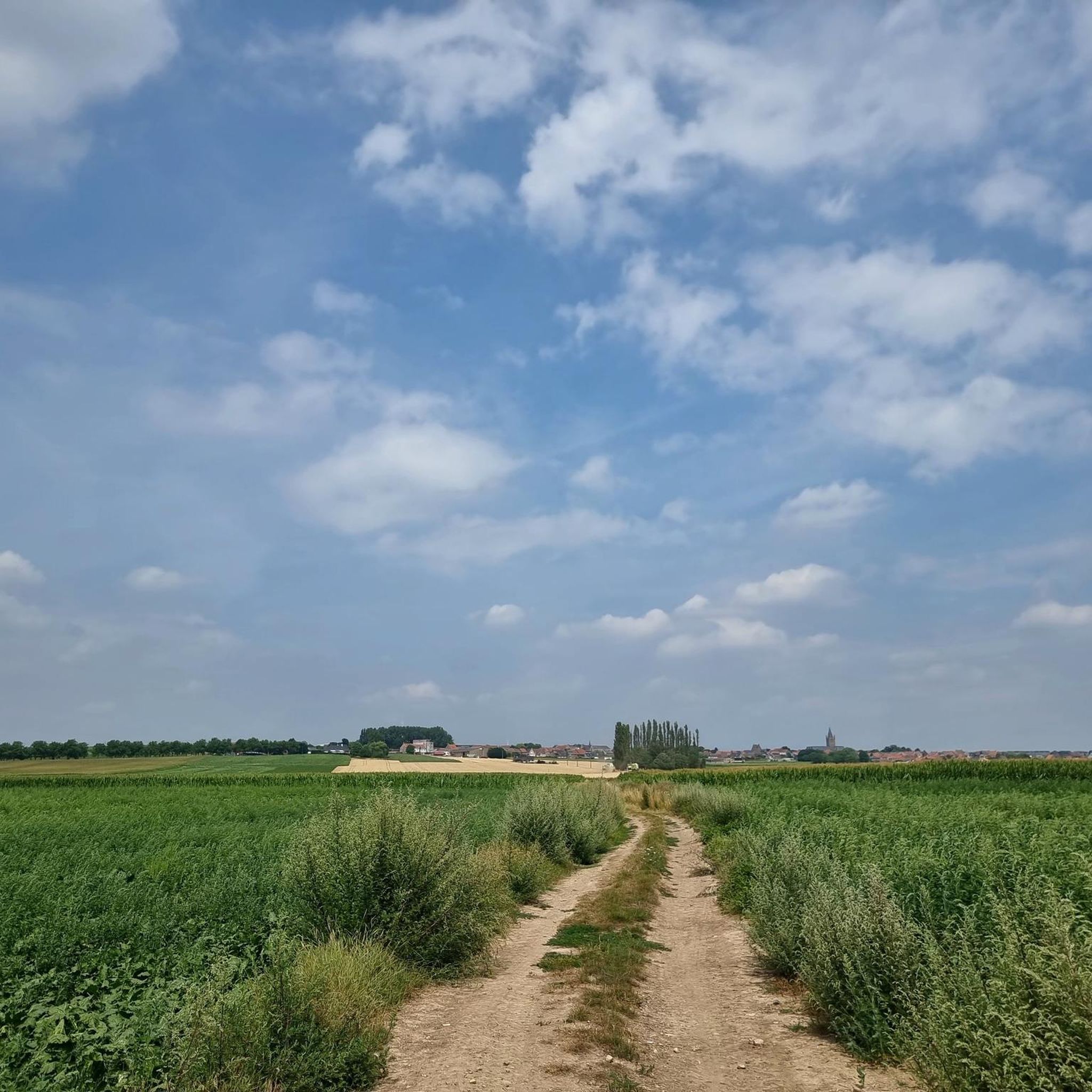
Hiking around Atrecht
Running Trails around Atrecht
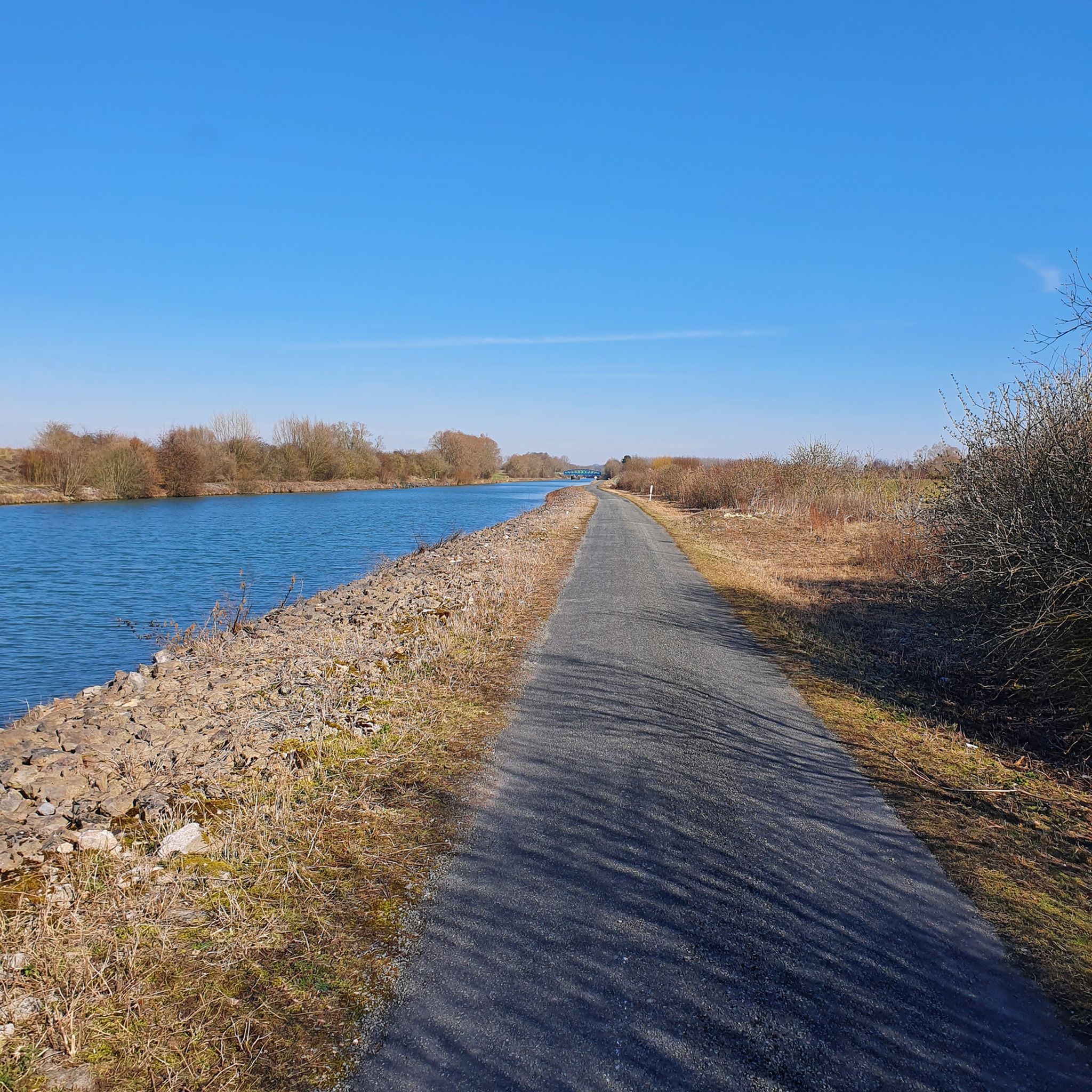
Cycling around Atrecht
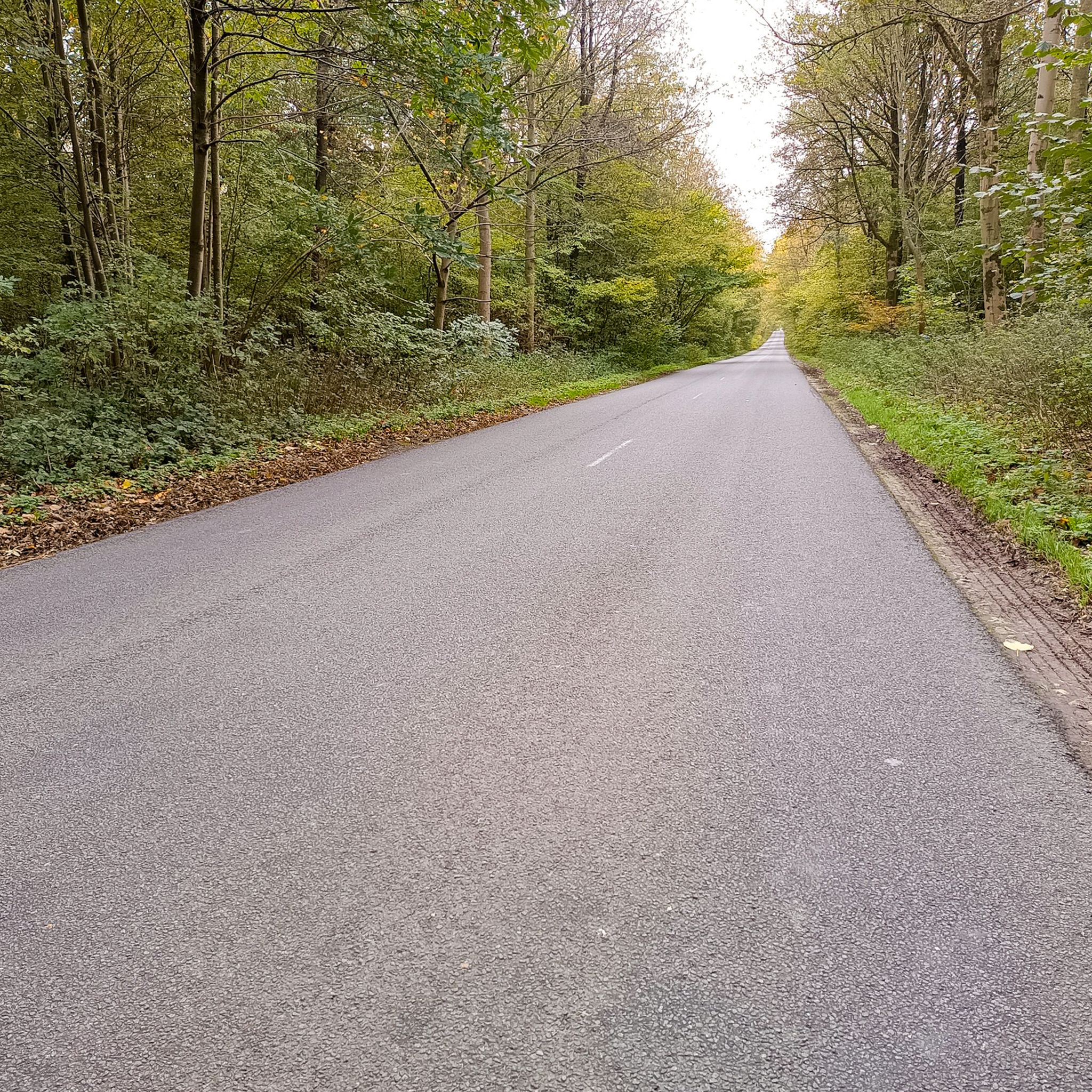
Road Cycling Routes around Atrecht
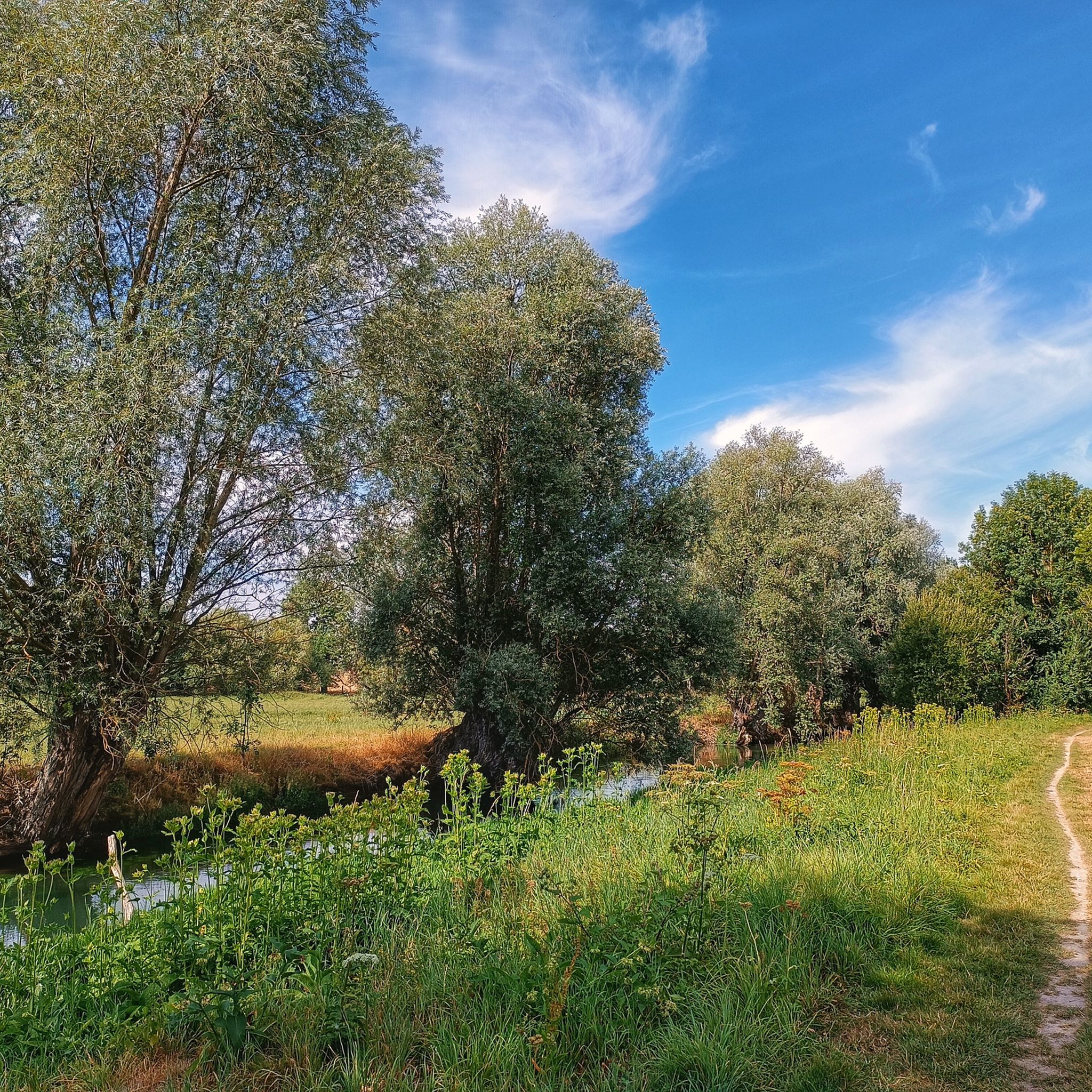
MTB Trails around Atrecht
Other adventures around Atrecht


Tips from the Community

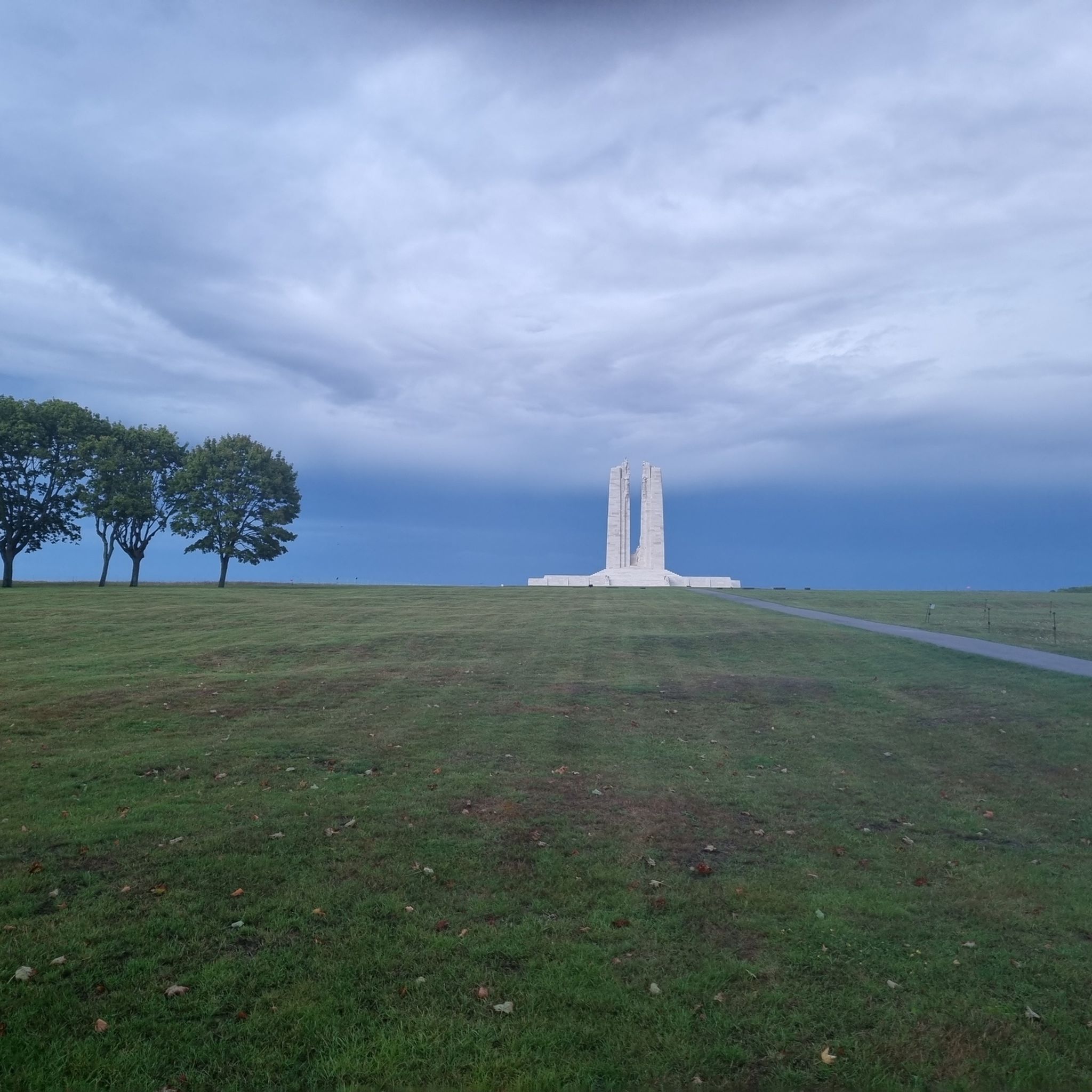
One of the two splendid memorials of Arras.
0
0
Magnificent memorial. The site as a whole is pleasant and rather touristy.
0
0

The ruins of the old church of Ablain-Saint-Nazaire are an impressive and symbolic remnant of the First World War. This church, built in the 16th century in flamboyant Gothic style by Jacques Le Caron, was heavily damaged during the fighting in 1915. The ruins have been preserved as a monument to commemorate the horrors of war.
7
0
A remarkable story about the Canadian trenches concerns the preparations for the attack on Vimy Ridge in April 1917. The Canadian divisions used an underground quarry and created additional corridors towards the front. These tunnels and trenches played a crucial role in the success of the attack, with the Canadians managing to retake the strategically important ridge in just three days.
7
0
A remarkable event occurred on April 9, 1917, when Canadian troops launched their famous assault on Vimy Ridge, a pivotal battle that resulted in the capture of strategically important heights. The cemetery commemorates the sacrifices of these and other soldiers who fought in the region.
7
0
The Givenchy-en-Gohelle Canadian Cemetery is a military cemetery managed by the Commonwealth War Graves Commission (CWGC). This cemetery was established in March 1917 by the Canadian Corps and contains the graves of soldiers who died during World War I. Givenchy-en-Gohelle was captured by the 2nd Canadian Division on April 13, 1917, and remained in British hands for the rest of the war.
8
0
A remarkable story about the ruins concerns the decision not to rebuild the church after the war. Although the church had been classified as a historical monument in 1908, the Commission for Historical Monuments decided that the ruins should remain as a testimony to the German destruction. Ironically, it was the French guns that had destroyed the church, but the ruins became a symbol of the war and the reconstruction.
6
0
The Nécropole nationale de Notre-Dame-de-Lorette is one of the largest and most impressive military cemeteries in France. Situated on a hill in Ablain-Saint-Nazaire, this cemetery contains the graves of more than 42,000 soldiers who died during the First World War. The cemetery was inaugurated in 1925 and includes a basilica, a tower-lantern and a museum.
7
2
Frequently Asked Questions
What historical sites and war memorials can I visit around Atrecht?
The Atrecht region, historically known as Arras, France, is rich in World War I history. Key sites include the solemn Notre-Dame-de-Lorette National Cemetery, one of France's largest military cemeteries, and the poignant Canadian National Vimy Memorial, commemorating Canadian soldiers. You can also see the preserved ruined church of Ablain-Saint-Nazaire, a testament to the war's impact.
Are there any UNESCO World Heritage sites in the Atrecht region?
Yes, the Arras Citadel, a 17th-century fortress built by Vauban, is a UNESCO World Heritage site. It offers a blend of historic buildings, green walking paths, and leisure activities within its walls.
Where can I find natural areas or marshes to explore near Atrecht?
For nature lovers, the Marais de Maroeuil is a protected natural swamp area known for its rich flora and fauna, including rare orchid species. You can also explore the Scarpe riverbanks for pleasant strolls.
Are there hiking opportunities around Atrecht?
Absolutely! The region offers various hiking trails. You can find routes like "The Canadian Memorial of Vimy" or "The hill of Notre-Dame-de-Lorette and the church Ablain-Saint-Nazaire." For more options, check out the Hiking around Atrecht guide, which includes easy to difficult trails.
What kind of running trails are available near Atrecht?
Runners can enjoy several trails, such as "The hill of Notre-Dame-de-Lorette and the church Ablain-Saint-Nazaire" or routes around the Arras Citadel. Discover more options in the Running Trails around Atrecht guide.
Are there family-friendly attractions in the Atrecht area?
Many of the historical sites, such as the Canadian National Vimy Memorial and Notre-Dame-de-Lorette National Cemetery, are suitable for families, offering educational experiences. The Arras Citadel also provides green spaces and leisure activities for all ages.
When is the best time of year to visit Atrecht for sightseeing and outdoor activities?
The spring (April to June) and autumn (September to October) generally offer pleasant weather for exploring the historical sites and enjoying outdoor activities like hiking and running. Summers can be warm, while winters are typically mild but can be damp.
How can I get to the main attractions around Atrecht using public transport?
While specific public transport routes to every individual attraction vary, Arras (Atrecht) itself is well-connected by train. From Arras, local bus services or taxis can often take you to the surrounding memorials and natural sites. It's advisable to check local transport schedules for specific destinations.
Are there options for parking at the attractions around Atrecht?
Most major attractions and memorials, especially those outside the city center, typically offer dedicated parking facilities for visitors. In Arras itself, there are various public parking options available. It's recommended to check specific attraction websites for detailed parking information.
What do visitors particularly enjoy about the attractions around Atrecht?
Visitors often highlight the profound historical significance and the well-preserved nature of the war memorials, finding them deeply moving and educational. The peaceful natural settings, like the Marais de Maroeuil, are appreciated for their tranquility and beauty. The Arras Citadel is also praised for its historical depth and recreational opportunities.
Can I bring my dog to outdoor areas or trails around Atrecht?
Many outdoor areas and trails around Atrecht, such as those in the Marais de Maroeuil or along the Scarpe riverbanks, are generally dog-friendly, provided dogs are kept on a leash. For specific historical sites or cemeteries, it's best to check their individual policies regarding pets.
Are there any waterfall hikes near Atrecht?
Yes, you can find waterfall hikes in the vicinity of Atrecht. For example, the "Souchez Waterfalls loop from Souchez" offers a moderate route. Explore more options in the Waterfall hikes around Atrecht guide.
Most popular routes around Atrecht
Most popular attractions around Atrecht

Get inspired with the komoot mobile app


Didn’t find what you were looking for?
Are you keen on exploring more awesome places nearby? Browse our guides:
Explore more
Still not found the Highlight you’re looking for? See guides of the top attractions in other regions:
