Top 17 Castles around Narbonne
Best castles around Narbonne are situated in a region rich in history, characterized by its diverse landscapes ranging from coastal areas to mountainous terrain. The area features numerous historical sites, including fortified structures and medieval strongholds. These castles reflect centuries of regional power and cultural development, offering insights into the past. The region's strategic location has shaped its architectural heritage, making it a significant destination for historical exploration.
Best castles around Narbonne
- The most popular castles is Peyrepertuse Castle, a castle known for its adventurous location and monumental fortress structure. Visitors are rewarded with views of the surrounding area from this impressive castle complex.
- Another must-see spot is Quéribus Castle, a castle-fortress ruin with panoramic views. This site was one of the last refuges of the Cathars, offering historical significance and extensive vistas.
- Visitors also love Archbishops' Palace of Narbonne, a magnificent Gothic building located in the historic center. It now functions as a museum of art and history, housing collections and restored historical halls.
- Narbonne is known for its Cathar castles, historical sites, and fortified structures. The region offers a variety of castles to explore, from medieval strongholds to palatial residences.
- The castles around Narbonne are appreciated by the komoot community, with more than 100 upvotes and over 200 photos shared.
Last updated: October 10, 2026
Quéribus Castle
Highlight • Castle
Translated by Google •
Tip by

Archbishops' Palace of Narbonne
Highlight • Historical Site
The palace is now a museum of art and history which houses collections of art and archaeological objects from the region. Visitors can also admire the restored historical halls of the palace, such as the Hall of Synods and the Gothic Chapel.
Translated by Google •
Tip by

Sign up now to discover places like this
Get recommendations on the best single tracks, peaks, & plenty of other exciting outdoor places.
Panorama of Gruissan
Highlight • Castle
Showing Translation
Tip by

Redoute de la Franqui
Highlight • Castle
Showing Translation
Tip by

Ventenac‑en‑Minervois Castle
Highlight • Castle
Translated by Google •
Tip by
Peyrepertuse Castle
Highlight • Castle
Translated by Google •
Tip by

View of the Château d'Argens-Minervois
Highlight • Castle
Dominating the eponymous medieval village, this residence is rich in a history of more than 900 years.
Translated by Google •
Tip by

Château de Montséret Ruins
Highlight • Castle
Translated by Google •
Tip by

Durban Castle
Highlight • Castle
Showing Translation
Tip by
Château de Padern
Highlight • Castle
Translated by Google •
Tip by

Sign up for free to discover even more castles around Narbonne.
Already have an account?
Start today with a free account
Your next adventure awaits.
Popular around Narbonne
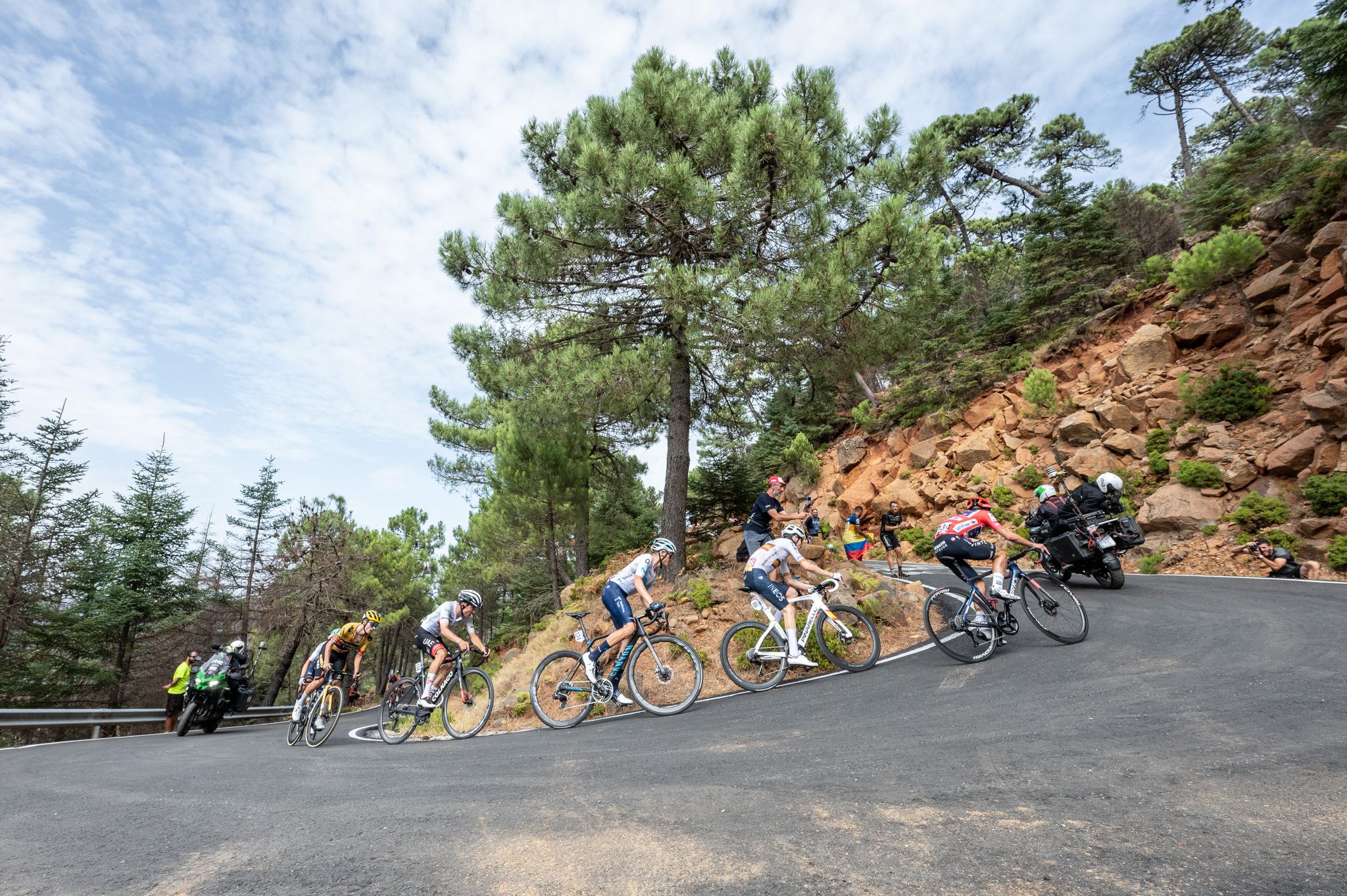
La Vuelta 26 — All Official Stages
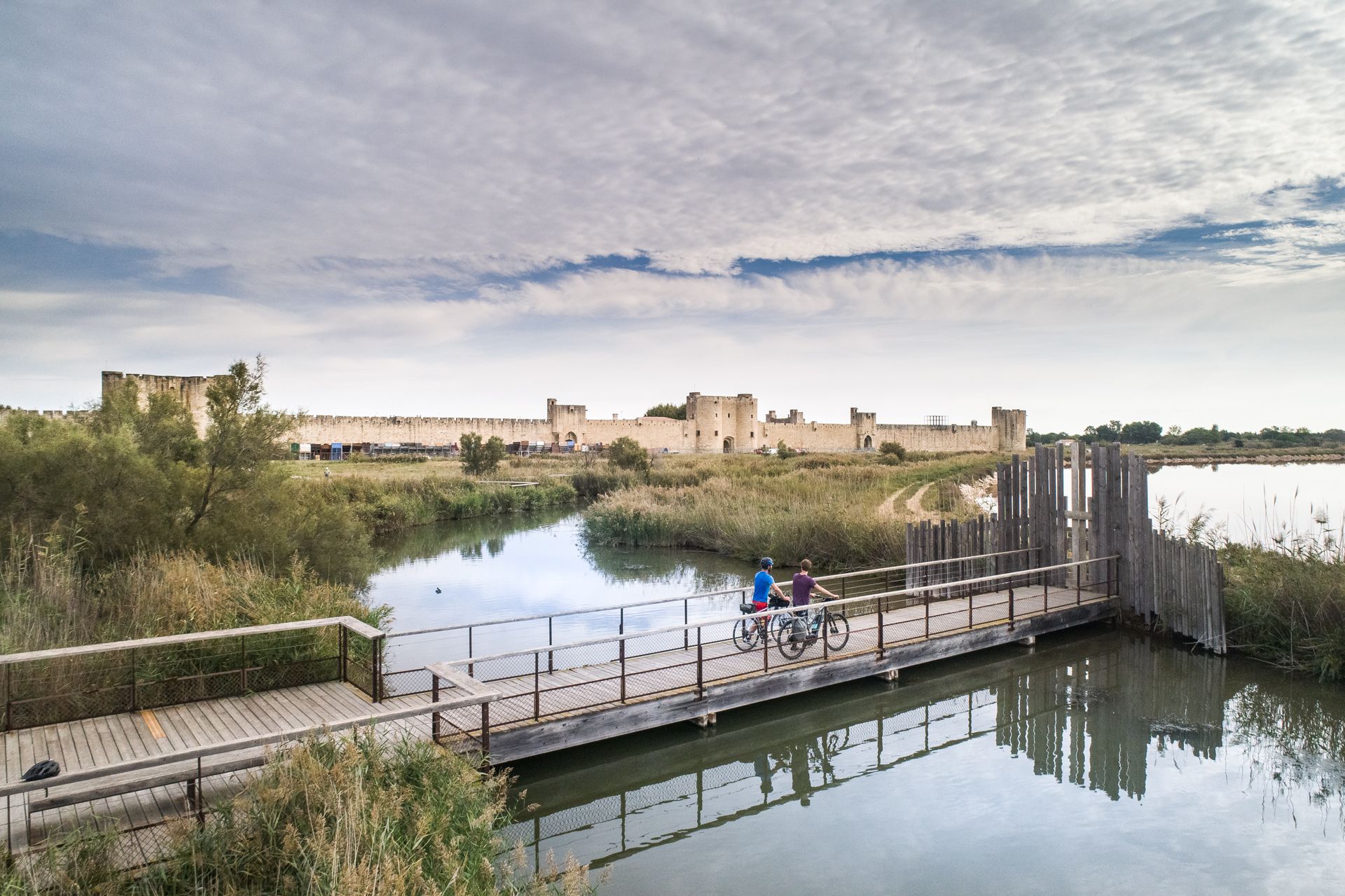
The most beautiful bike rides in Occitanie
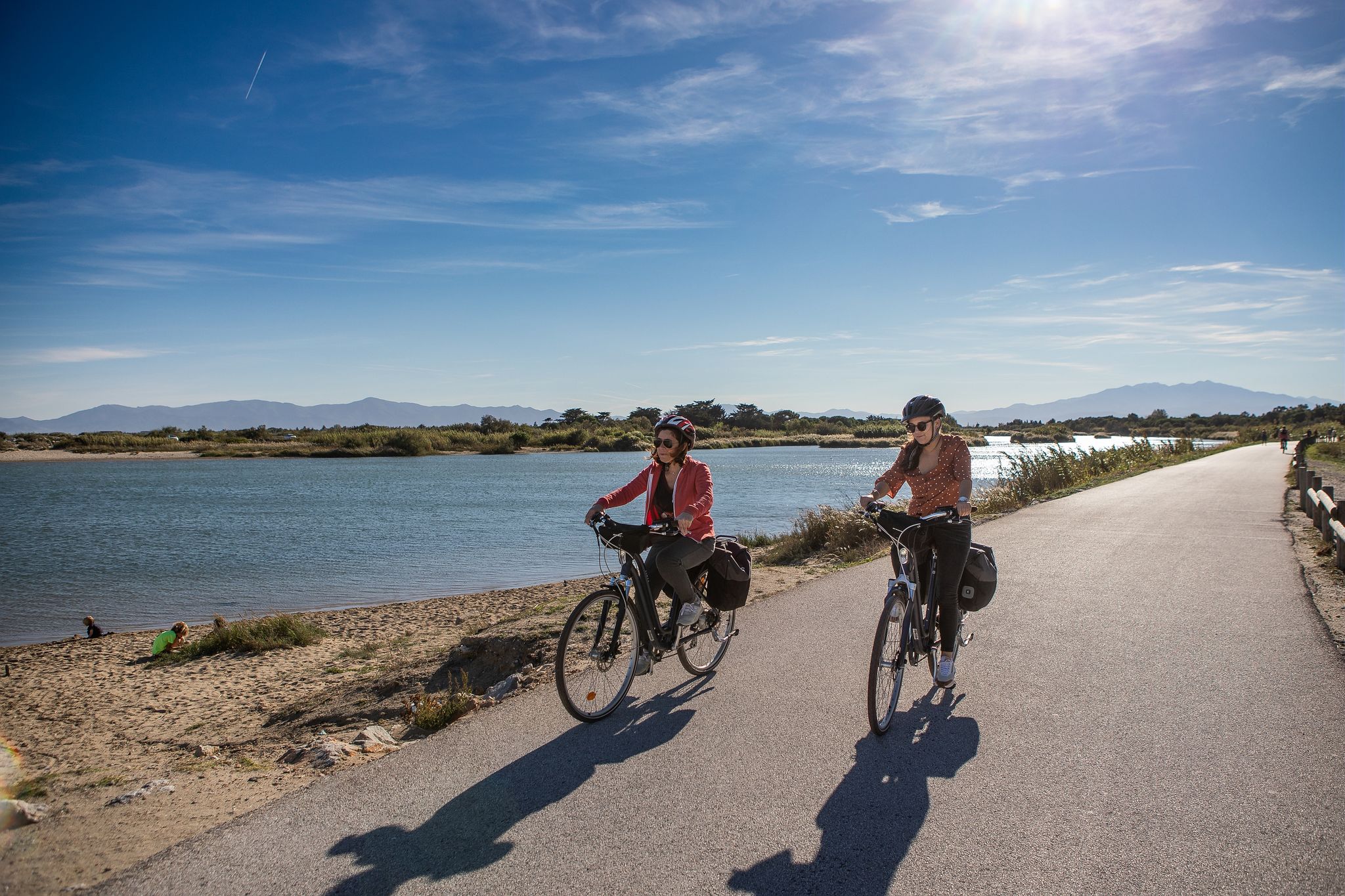
Méditerranée in Occitanie - Ten bike rides in the South of France
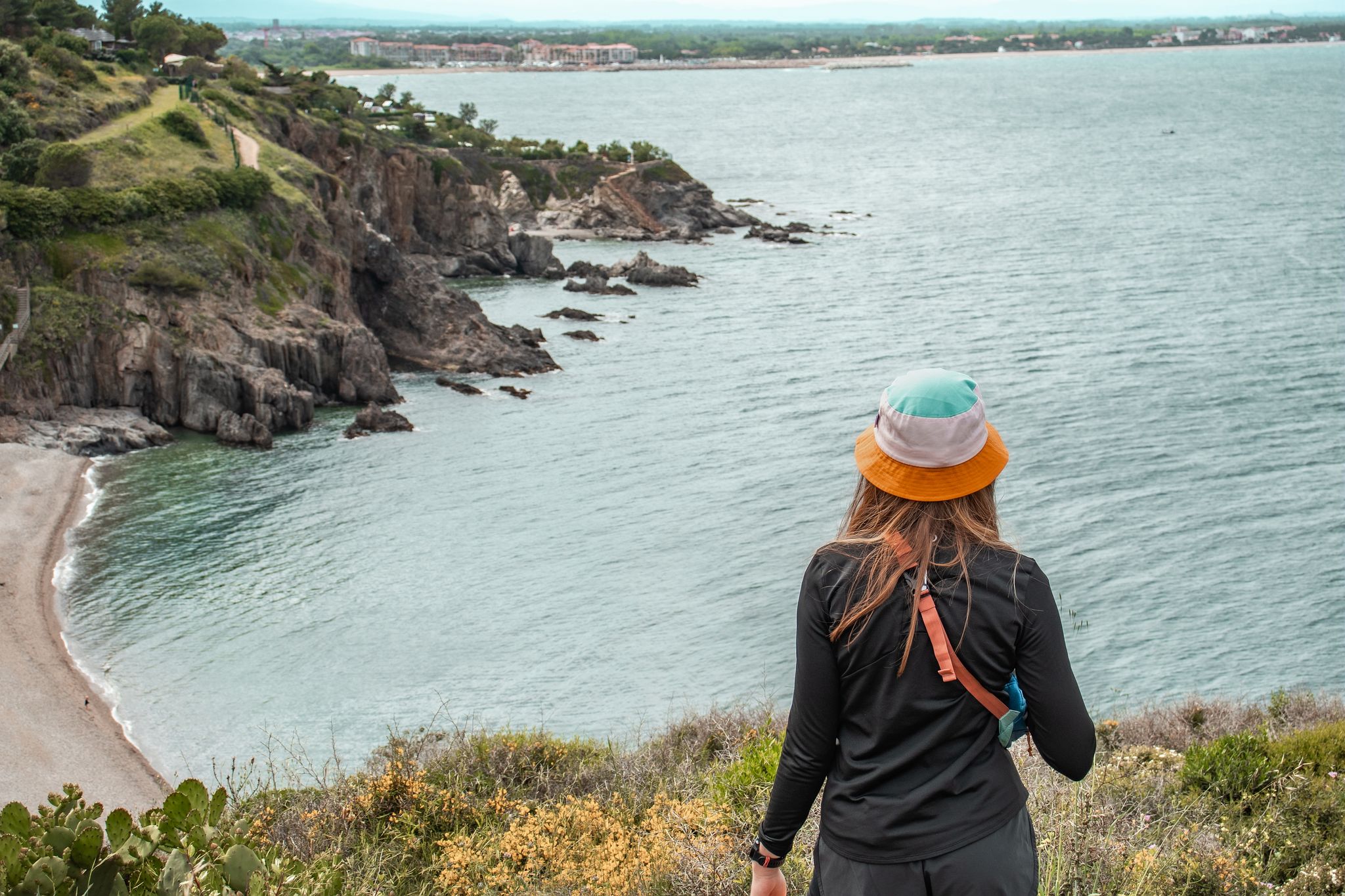
Côte Méditerranée – hiking in Occitania
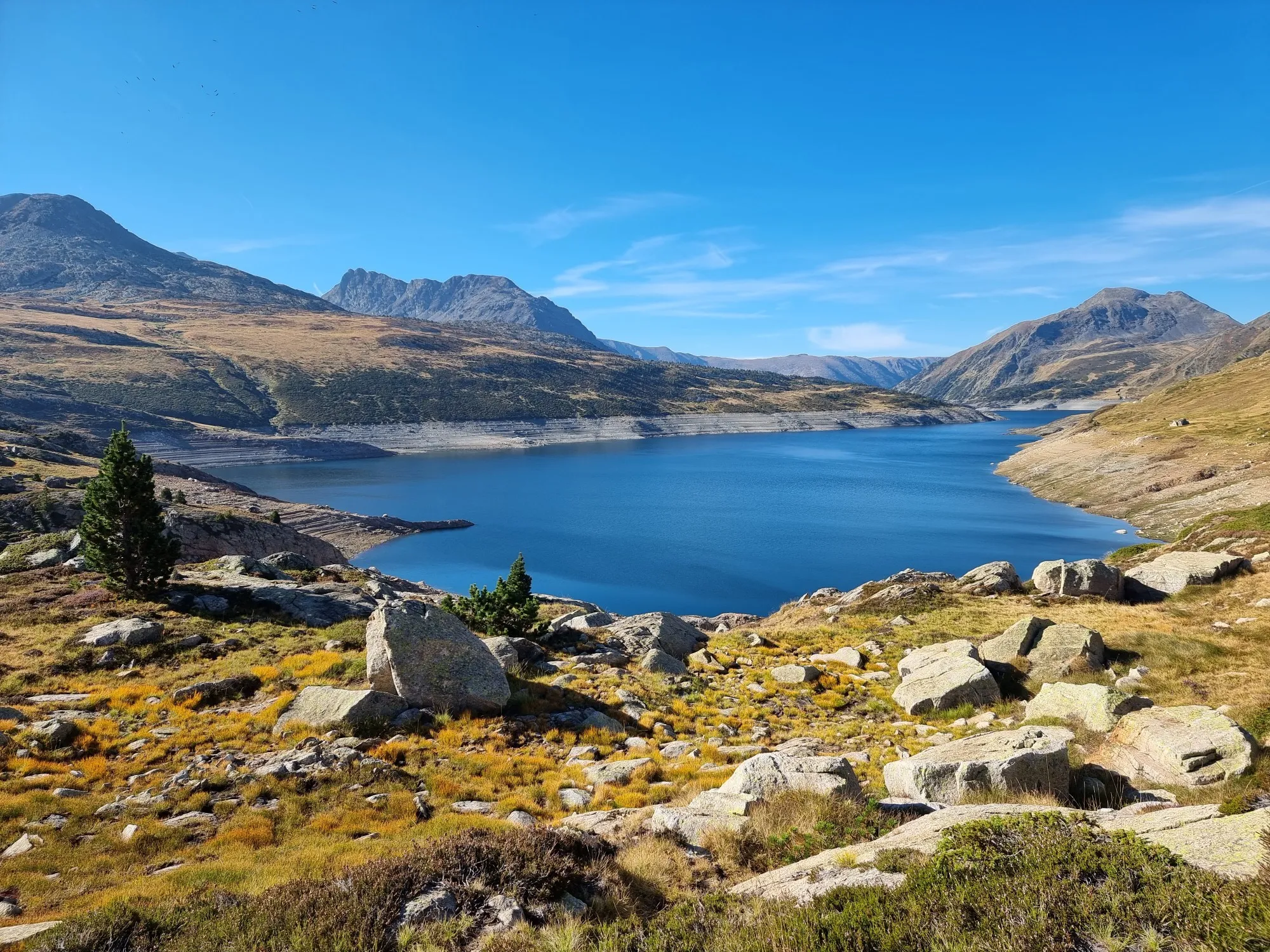
On wild ridges: Catalonia to Ariège – Hexatrek, Eastern Pyrenees
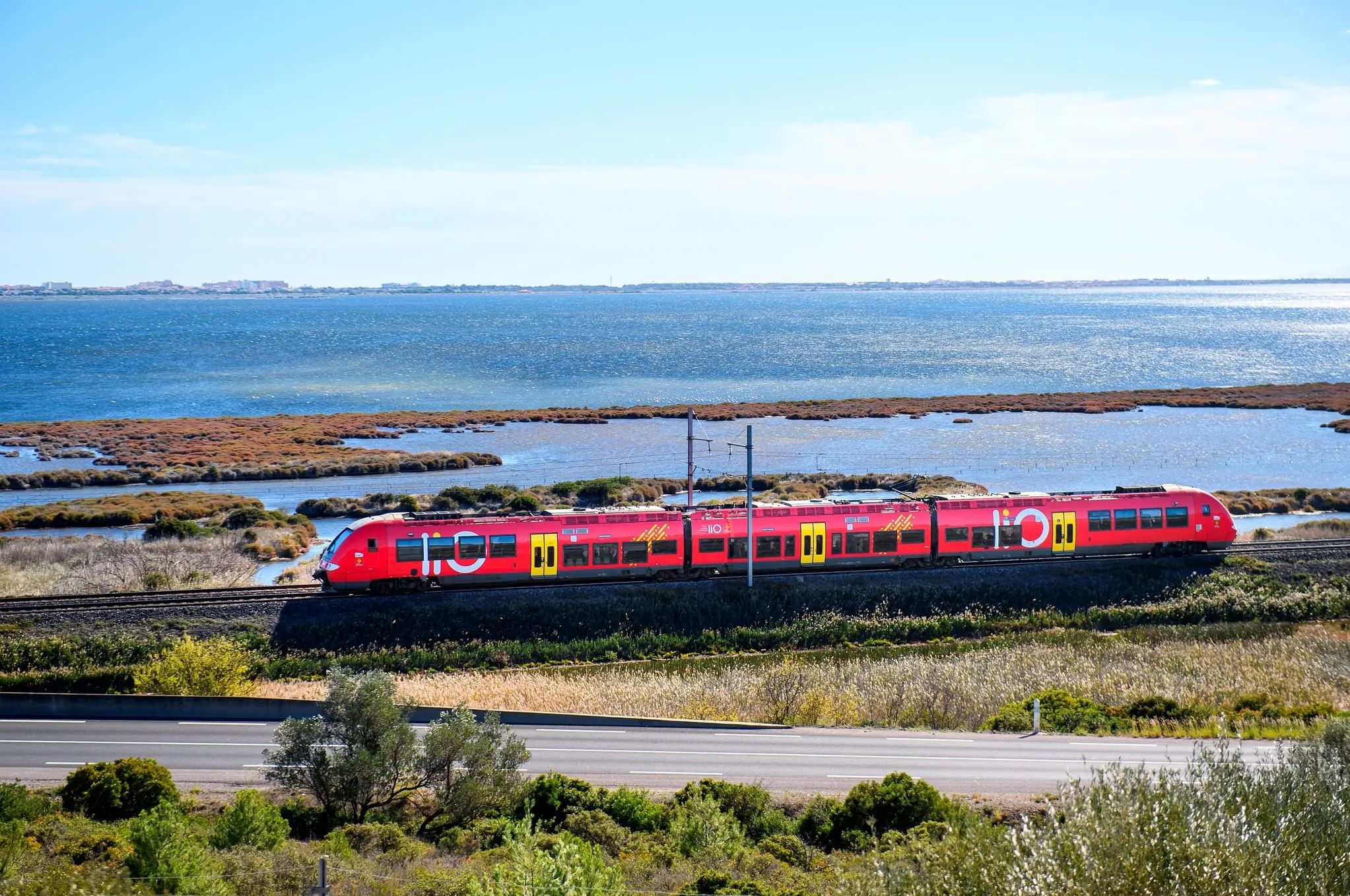
Occitanie Rail Tour – cycle and train along the Occitan Coast
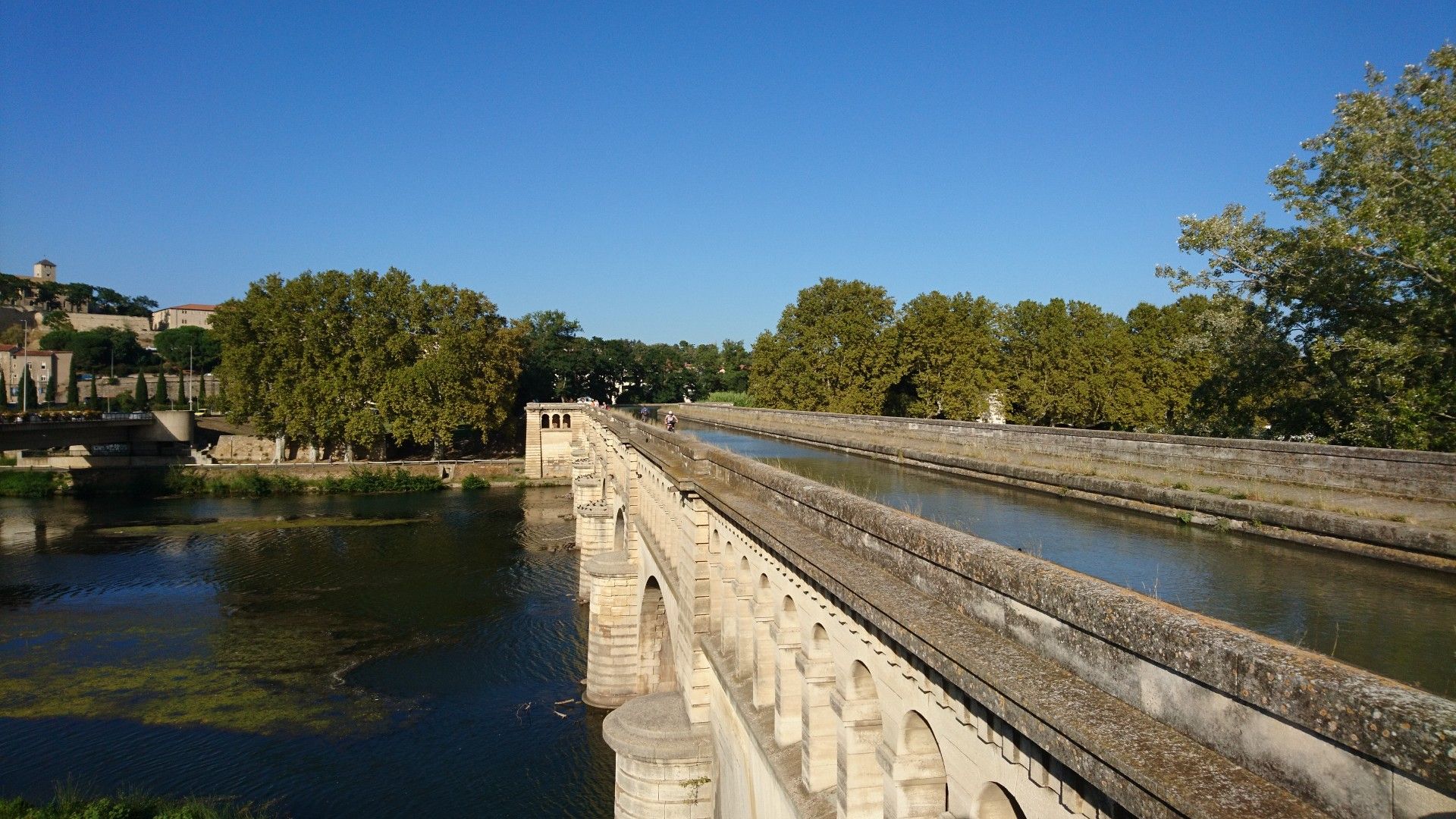
A river adventure – Canal des Deux Mers by bike
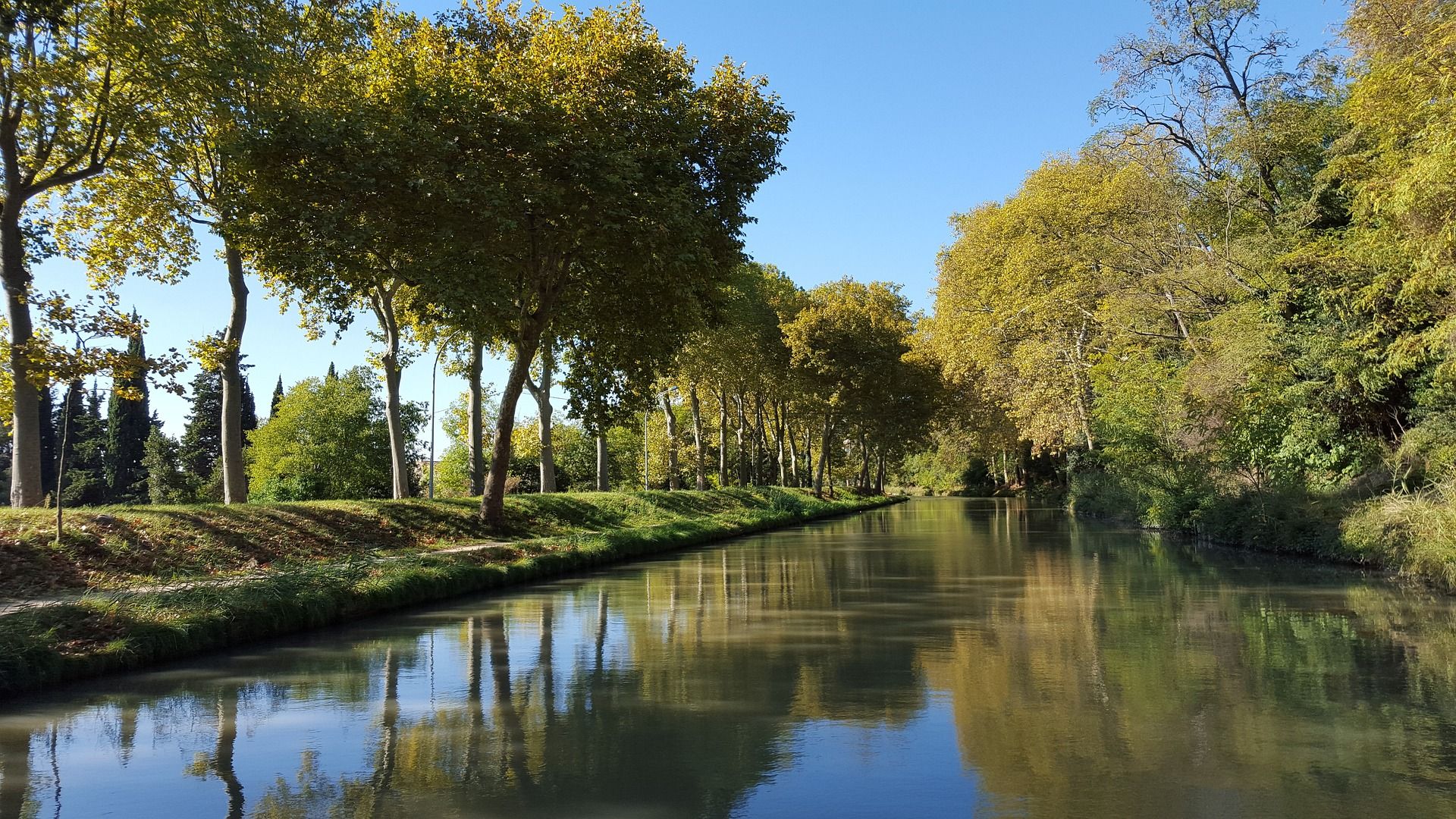
Along the water and through the locks – Canal du Midi
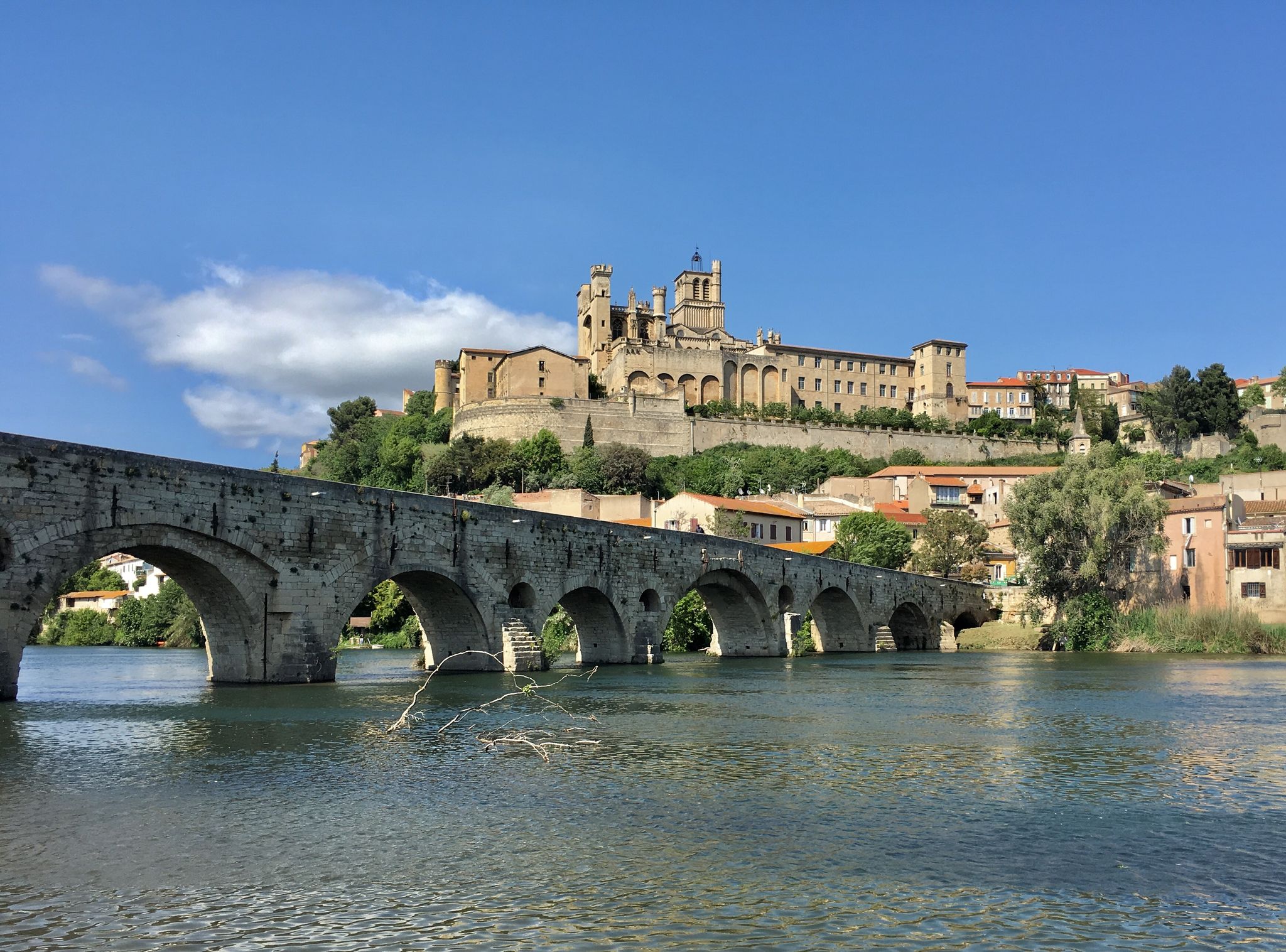
From the Occitan coast to Italy — exploring the Mediterranean by bike
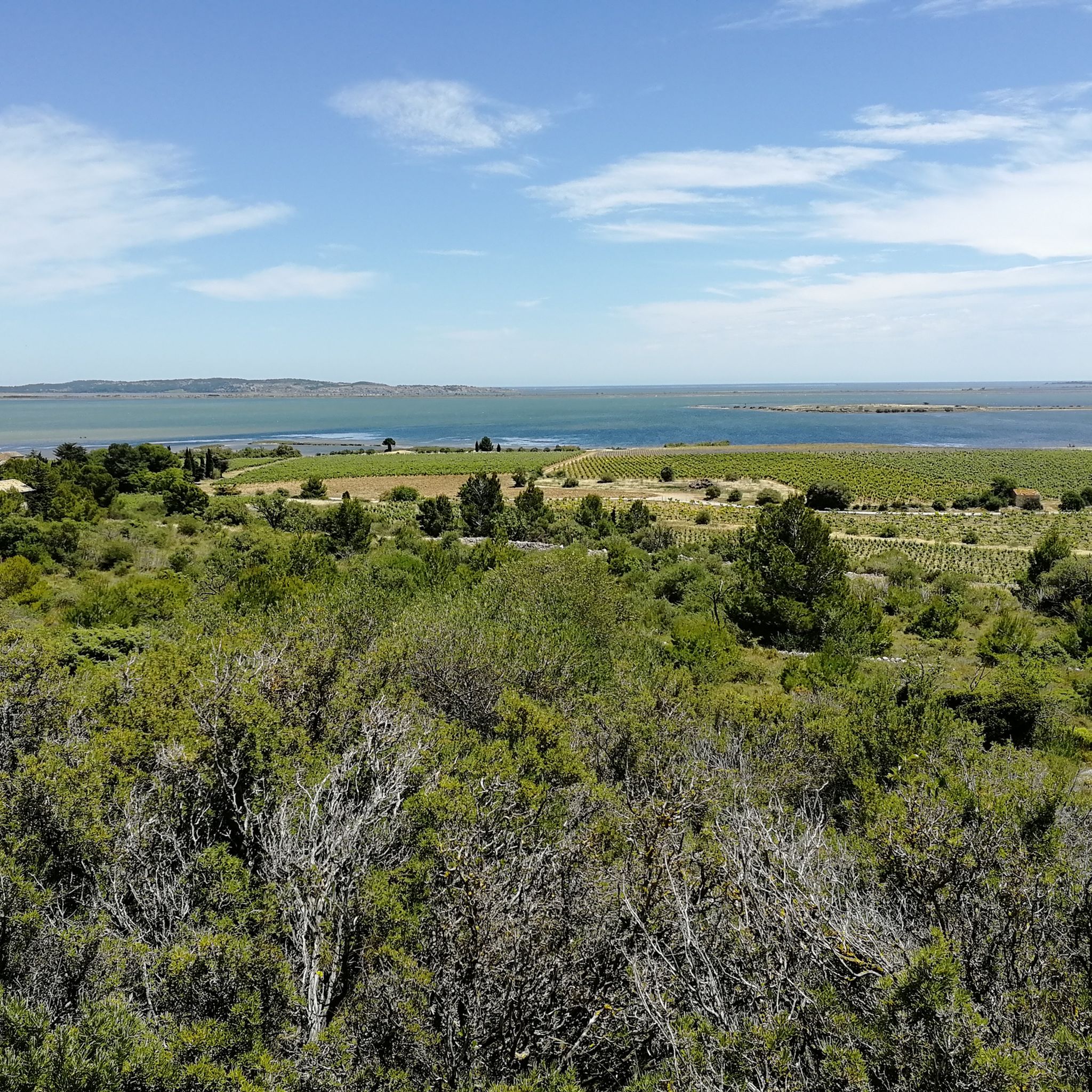
Hiking around Narbonne
Other adventures around Narbonne


Tips from the Community

From the pond of Gruissan, there is a wide panorama of the village and the Tour Barberousse. The current tower, built between 1245 and 1247 by the archbishop of Narbonne, Guillaume de Broa, is the main remnant of a medieval castle that guarded the maritime access to the Narbonne area.
2
0

Remarkable site, the village of Argens-Minervois, is built in an amphitheater on a promontory overlooking the Canal du Midi and the Aude river. Besides its old fortress (13th century), taken during the Albigensian Crusade by Simon de Montfort, visitors can consider various walks along the canal (locks), around the lake of Aiguilles, at Pech Laurier or at Mourrel Ferrat, an elysian (pre-Roman) site.
0
0
Typical wine village on the Canal du Midi, dominated by its double castle, one intended for winemaking and the other serving as a residence. The latter was built in the 18th century on the ruins of a 12th-century castle. This large building with a square tower overlooking the plain with beautiful Italian terraced gardens is extended on its right by its "winegrower's folly", a 19th-century model of its kind opening its doors to the Canal du Midi.
0
0

The castle of Durban stands in ruins on a rocky outcrop overlooking the village of Durban-Corbières, in the Aude. Built in the 11th century on Roman remains for the lords of Durban, vassals of the viscounts of Narbonne, it is mentioned as early as 1018 and long reigned over the surrounding valleys. Sold in 1873 to recover its stones, then dismantled, it was only saved in 1989 when the commune acquired what remained of it.
0
0

The Château de Montséret (also known as Château de la Bouisse or Moun Séré) is located on a rocky ridge above the village of Montséret in the Corbières. The castle was probably built in the 10th century and was an important medieval fortress with a keep and a double ring wall. It overlooked an important trade route between the Corbières and Narbonne. In the 12th and 13th centuries, it was the seat of the lords of Montséret and played a role in regional power struggles. Around 1550, the fortified village on the mountain was abandoned for unknown reasons – possibly due to a plague epidemic. The inhabitants founded the current village in the plain, and the castle fell into ruin. In the 19th century, many stones from the ruins were reused for the construction of a railway line and dry stone walls. Today, the ruins are a worthwhile destination for hikers and offer a beautiful view over the vineyards of the Corbières. The entire castle remains were classified as a historical monument in 2024 under S
0
0

wonderfully beautiful landscape here
0
1


This small 18th-century coastal fort watched over the French Mediterranean coast for decades. Today it is a magnificent viewpoint over the Gulf of Lion and the beaches of La Franqui, a perfect place to take a break and enjoy the landscape.
1
0
Frequently Asked Questions
Which castles around Narbonne are particularly significant for their history?
The region is rich in history, especially with its Cathar castles. Quéribus Castle and Peyrepertuse Castle are both iconic Cathar strongholds, offering deep insights into medieval defense and the Cathar era. Within Narbonne itself, the Archbishops' Palace of Narbonne is a magnificent Gothic complex that served as a residence for archbishops for centuries and now houses art and archaeological museums.
Are there any family-friendly castles to visit near Narbonne?
Yes, the Archbishops' Palace of Narbonne is considered family-friendly, offering museums and historical halls to explore within the city. For a more adventurous outing, the Cathar castles like Peyrepertuse Castle and Quéribus Castle can be exciting for older children who enjoy exploring ruins and climbing, though they involve some walking.
What is the best time of year to visit the castles around Narbonne?
Spring (April-May) and autumn (September-October) are generally the best times to visit. The weather is milder, making the climbs to castles like Peyrepertuse and Quéribus more comfortable, and the crowds are typically smaller than in peak summer.
Can I find castles near Narbonne that offer wine tasting?
Absolutely. Château de Luc offers a unique experience combining history with viticulture, including tours of historic rooms, a 14th-century underground cellar, and organic wine tasting. Similarly, Ventenac-en-Minervois Castle functions as an excellent wine estate where visitors can taste regional AOC Minervois wines directly from their source.
Are there hiking or cycling routes near the castles around Narbonne?
Yes, the region offers many outdoor activities. For hiking, you can find routes like 'Le Sentier du Guetteur' or 'Along the Verdouble Trail' which are accessible from various points. For cycling, options include 'EuroVelo 8: Leucate to Narbonne' or a 'Tour of the Massif de la Clape'. You can explore more options on the Hiking around Narbonne and Cycling around Narbonne guide pages.
Which castles offer the best panoramic views?
For breathtaking panoramic views, Peyrepertuse Castle and Quéribus Castle are highly recommended. Their adventurous locations atop rocky peaks provide extensive vistas of the surrounding landscapes. The keep of the Archbishops' Palace of Narbonne also offers excellent views over the city center.
Are there any castles near Narbonne that are easily accessible?
The Archbishops' Palace of Narbonne is located directly in the historic center of Narbonne, making it very accessible within the city. Other castles like Ventenac-en-Minervois Castle and Château de Luc are generally easier to reach by car compared to the more remote Cathar fortresses.
What kind of amenities can I expect at the castles?
Amenities vary by castle. The Archbishops' Palace of Narbonne, as a museum, offers facilities like restrooms and often a gift shop. Remote Cathar castles like Peyrepertuse and Quéribus typically have basic facilities at the entrance, such as ticket offices and sometimes small snack bars or restrooms, but it's advisable to bring your own water and snacks. Castles like Château Capitoul, which functions as a luxury hotel, offer extensive amenities including fine dining and spas.
Are there any castles along the Canal du Midi near Narbonne?
Yes, Château d'Argens, a historic manor with over 900 years of history, is located along the Canal du Midi. Its connection to the canal and its long history make it an intriguing stop for those interested in regional heritage and waterways.
What should I wear when visiting the castles, especially the Cathar ones?
For castles like Peyrepertuse and Quéribus, wear comfortable walking shoes with good grip, as paths can be uneven and steep. Layers of clothing are recommended, as it can be windy at higher elevations. For indoor visits like the Archbishops' Palace, casual attire is suitable.
Are there any lesser-known or 'hidden gem' castles worth exploring?
While not entirely hidden, Château de Padern offers a less crowded experience compared to the major Cathar sites, with its own unique charm and views. For a blend of history and local culture, Château de Luc and Ventenac-en-Minervois Castle provide a more intimate look into the region's wine heritage.
How long does it typically take to visit a castle in the Narbonne region?
The duration of a visit varies. For the Archbishops' Palace of Narbonne, you might spend 2-3 hours exploring the museums and halls. For Cathar castles like Peyrepertuse or Quéribus, allow at least 2-4 hours, including the walk up to the ruins and time to explore the site and enjoy the views.
Most popular routes around Narbonne
Most popular attractions around Narbonne

Get inspired with the komoot mobile app


Didn’t find what you were looking for?
Explore Narbonne’s best castles region by region:
Explore more
Looking for the best castles somewhere else? Discover other guides around Narbonne:
