Attractions and Places To See around Bayeux - Top 20
Attractions and places to see around Bayeux include a range of historical sites and natural features in Normandy, France. The town's historic core, situated on the Aure River, remained preserved during World War II. The region is characterized by its medieval architecture and proximity to significant D-Day landing sites. Visitors can explore both cultural landmarks and coastal areas.
Best attractions and places to see around Bayeux
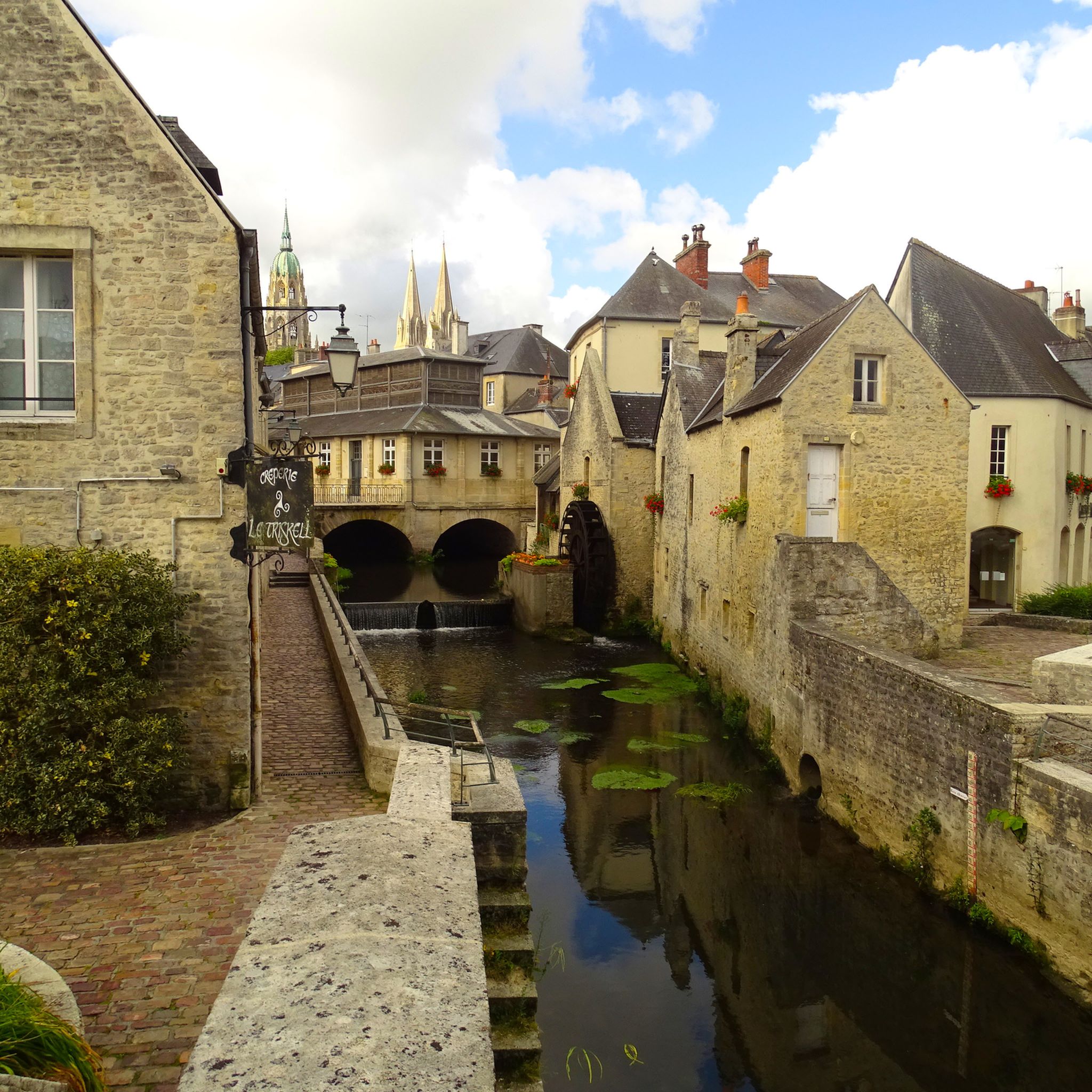
- The most popular attractions is Historic Center of Bayeux, a historical site that features many old buildings with half-timbering and a Norman cathedral. This small old town was the first to be liberated without destruction in World War II.
- Another must-see spot is Gold Beach - Arromanches, a beach and historical site. This location was one of the 5 D-Day landings on June 6, 1944, and features a museum detailing the preparation and course of D-Day.
- Visitors also love Seine Bay, a lake area with hiking possibilities. This stretch of beach holds historical significance from 1944.
- Bayeux is known for its historical sites, coastal features, and preserved medieval architecture. The area offers a variety of attractions to see and explore, from battle sites to charming old towns.
- The attractions around Bayeux are appreciated by the komoot community, with over 320 upvotes and 115 photos shared across more than 200 highlights.
Last updated: October 9, 2026
Batteries des Longues
Highlight • Other
Translated by Google •
Tip by

Port-en-Bessin-Huppain Harbour
Highlight • Settlement
Translated by Google •
Tip by
Sign up now to discover places like this
Get recommendations on the best single tracks, peaks, & plenty of other exciting outdoor places.
Gold Beach - Arromanches
Highlight • Beach
Tip by

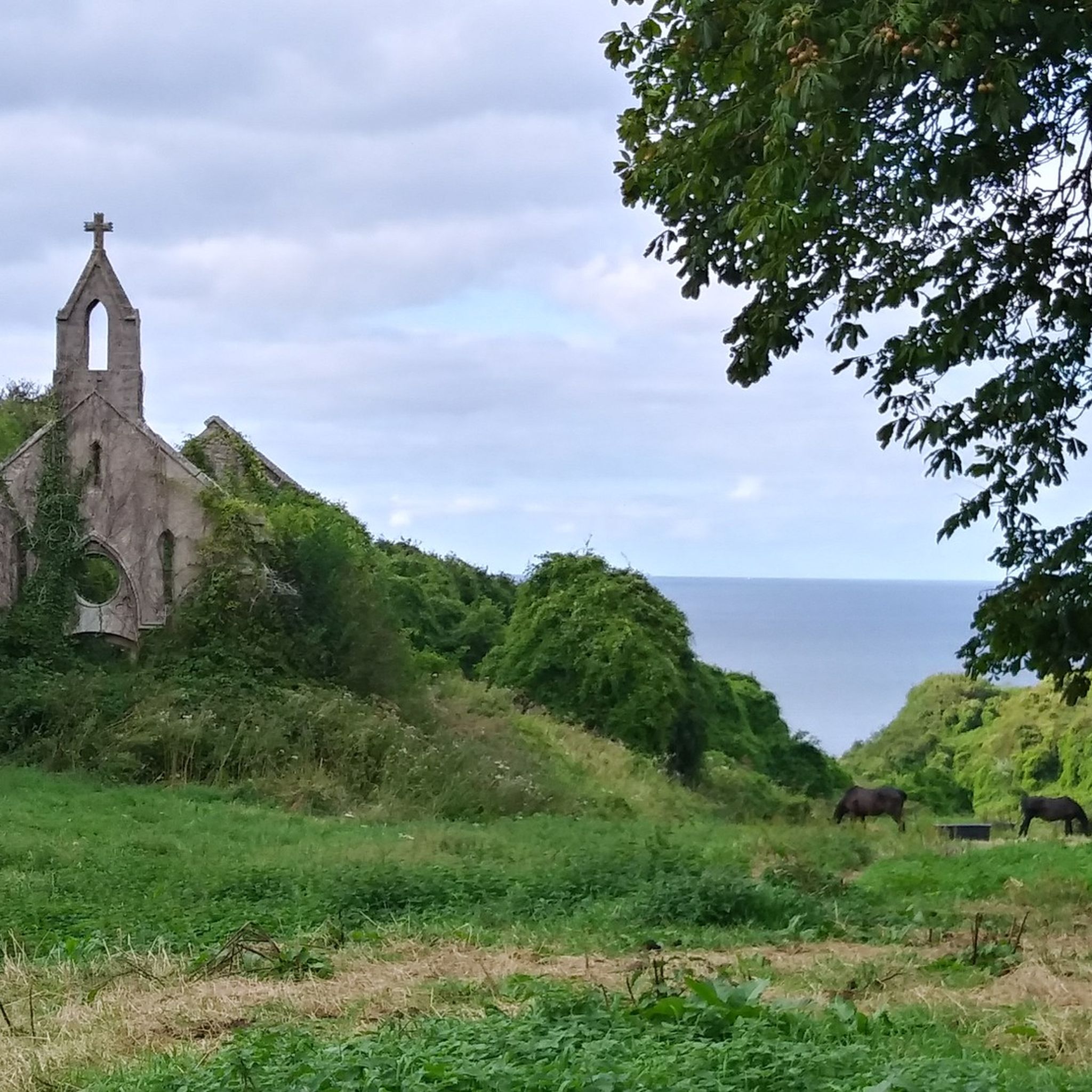
Saint-Siméon Chapel (ruins), Omaha Beach
Highlight • Religious Site
Limestone building was built in the 13th or 14th century. It was rebuilt in the 19th century.
The chapel is mentioned in the book Pelut de Bayeux under the name
from “capella sancti simeones”.
The chapel was a place of pilgrimage until it was damaged during the landings in June 1944. Below, on the cliffside, the Saint-Siméon fountain has no longer been accessible since 1960. Until the Second World War, the faithful came to the chapel to implore Saint Simeon for healing from “fevers”: malaria called “trembling fever”, Malta fever, etc. The sick went to drink the water from the fountain, or even soaked their cloths in it. We also bathed rickety children there. The statue of Saint Simeon is preserved today.
in the church of Sainte-Honorine-des-Pertes and continues to be the object of practices
of pilgrimage.
Translated by Google •
Tip by
Arromanches-les-Bains
Highlight • Settlement
You can observe the ancient barges up close only at low tide. At high tide, take the opportunity to visit the pretty village and its museums.
Translated by Google •
Tip by

Historic Center of Bayeux
Highlight • Historical Site
Translated by Google •
Tip by

Seine Bay
Highlight • Lake
Translated by Google •
Tip by

Omaha Beach Memorial Monuments
Highlight • Monument
Translated by Google •
Tip by

Statue of peace
Highlight • Other
The imposing monument stands at the intersection of Rue du Commandant Kieffer with the D514 (Route de Vierville).
The monument was erected in 2004 and symbolizes world peace. On the monument are some sentences written in an Eastern language.
tracesofwar.nl/sights/4240/Wereldvrede-Monument.htm
Translated by Google •
Tip by
Monument to the 5th Engineer Special Brigade
Highlight • Other
The monument of the 5th Engineer Special Brigade honors the US Combat Engineers who fought during the Normandy landings on June 6, 1944. It stands on the site of a former German strongpoint and consists of a concrete base with granite and bronze plaques, which specifically honor the subunits of the brigade – including the 299th Engineer Combat Battalion. The 5th Engineer Special Brigade was responsible for the Omaha Beach sector. Their main tasks included clearing mines and obstacles, creating lanes for vehicles, rescuing the wounded, and supporting the infantry during the landings. Despite heavy shelling, the brigade succeeded in securing the landing zones, thereby enabling the supply and movement of Allied troops. The monument commemorates their courage and sacrifices.
Showing Translation
Tip by
Sign up for free to discover even more attractions around Bayeux.
Already have an account?
Start today with a free account
Your next adventure awaits.
Popular around Bayeux
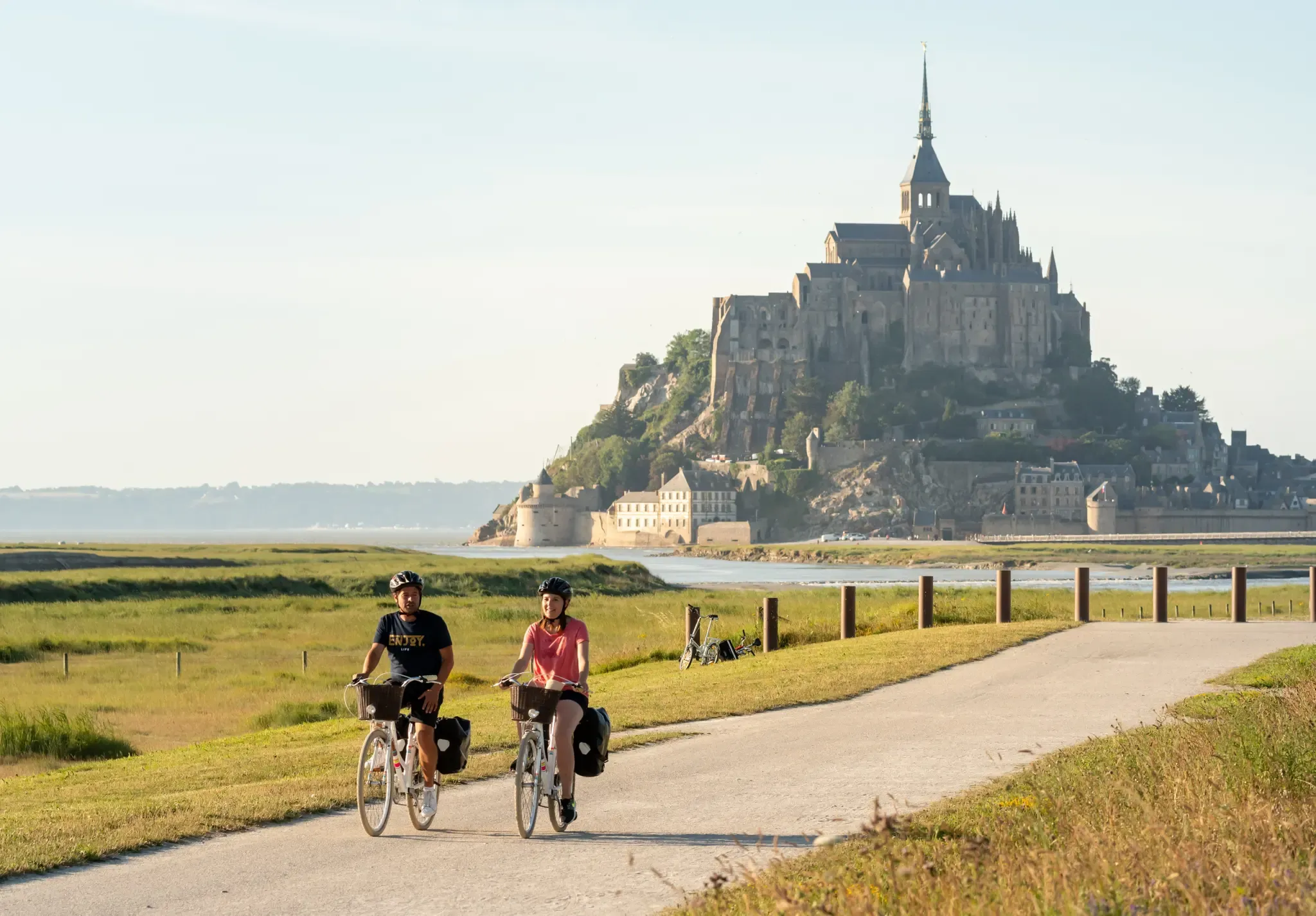
Cycling in Normandy – 7 station to station routes
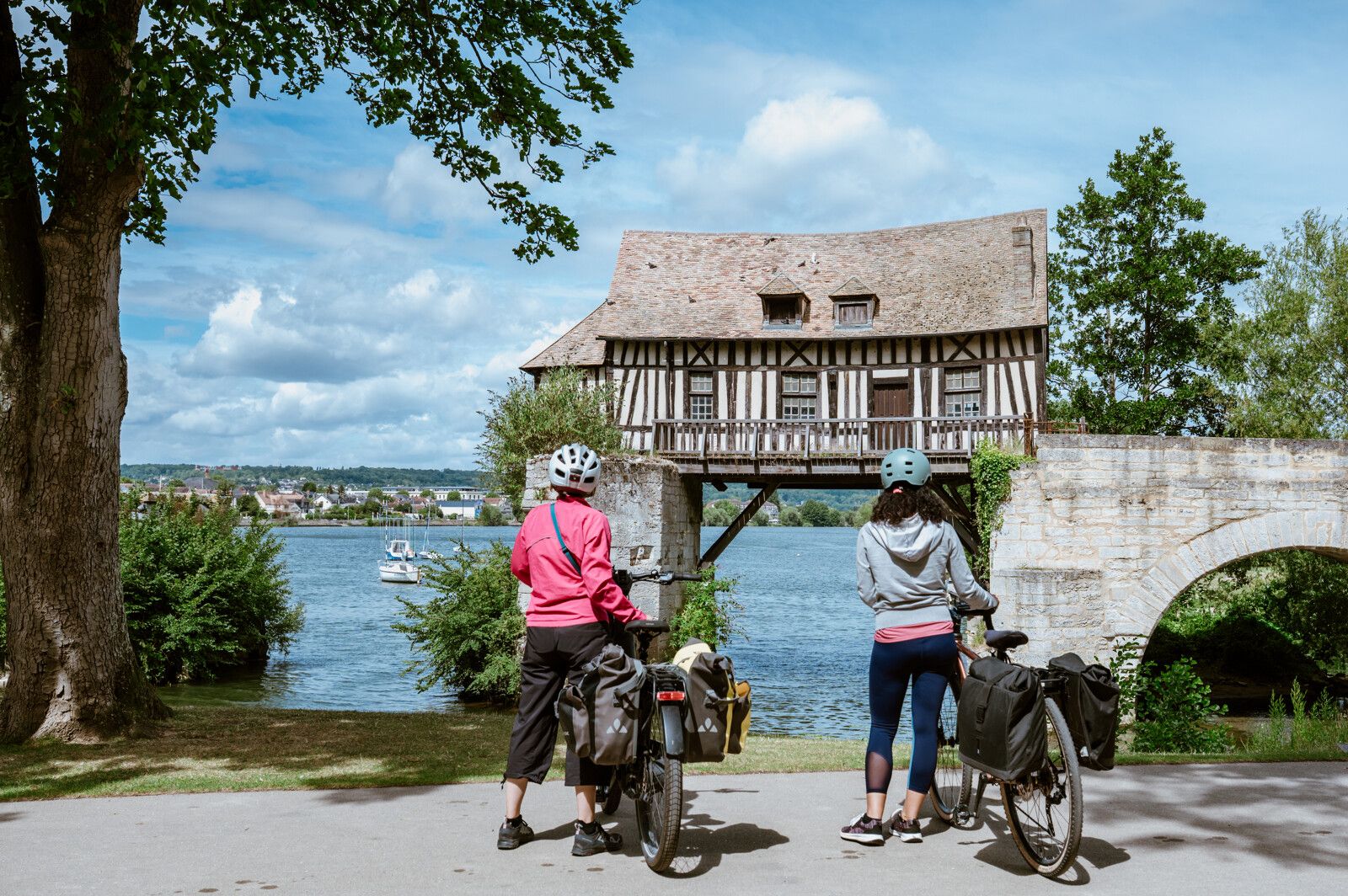
Cycling in Normandy – The most beautiful station to station routes
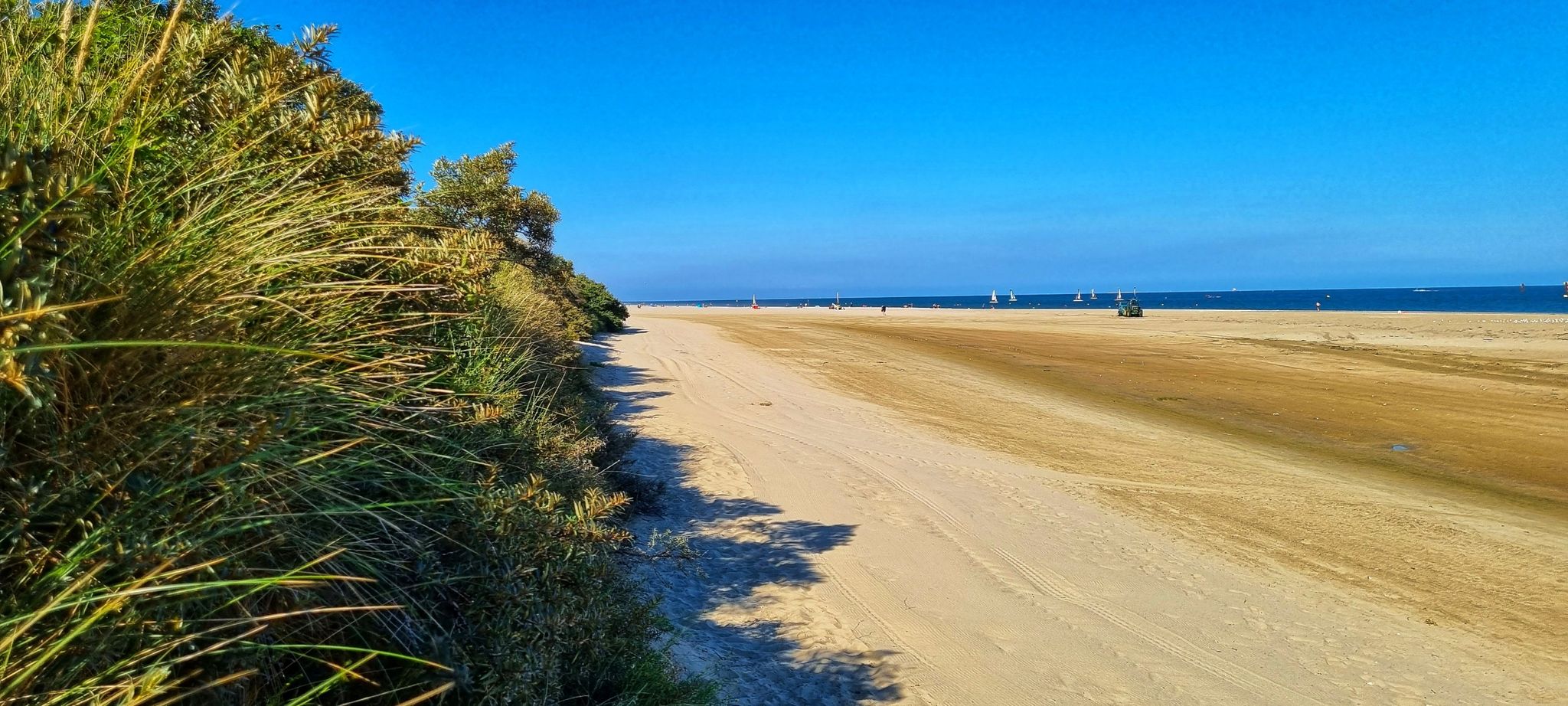
Hike the Normandy coast – GR 223 (part one)
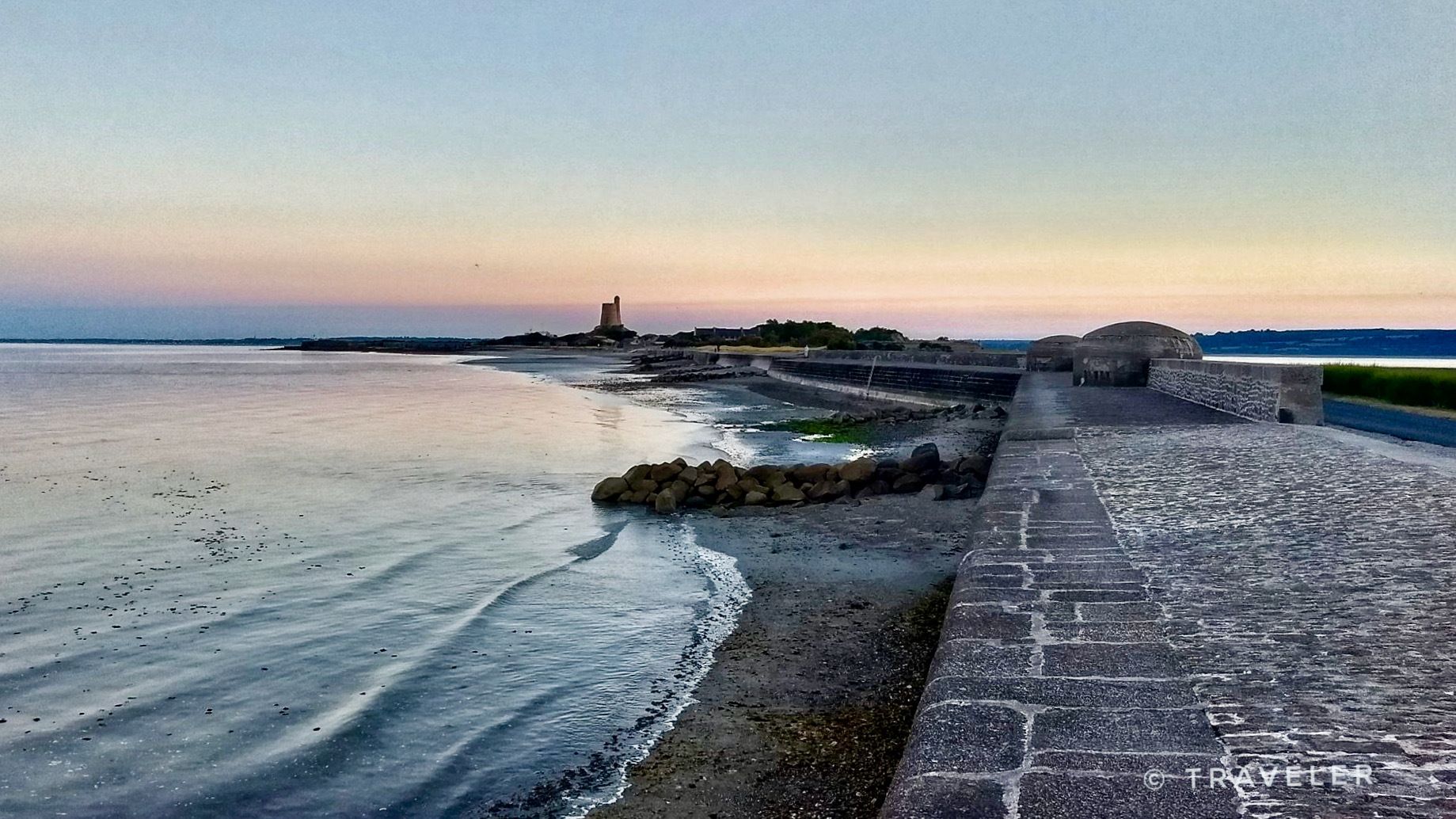
From pink granite to the Opal Coast — cycle France’s la Vélomaritime
Cycling around Bayeux
Hiking around Bayeux
Road Cycling Routes around Bayeux
Running Trails around Bayeux
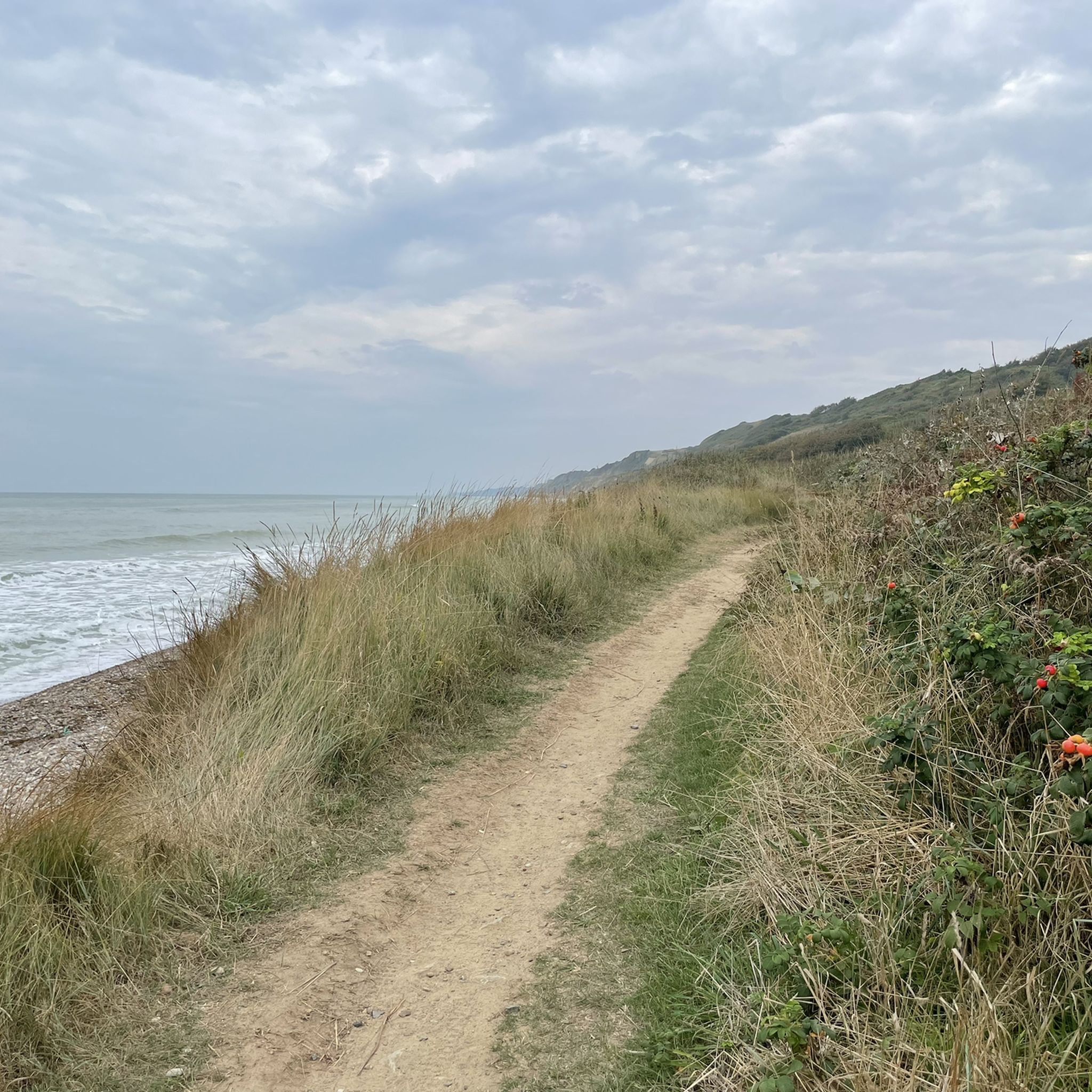
MTB Trails around Bayeux

Gravel biking around Bayeux
Other adventures around Bayeux


Tips from the Community

It is not nature – the transition from the mainland to the Atlantic – that is decisive in these beach sections, but rather their role in world history in 1944. Since this month, they have been part of the world heritage. The German UNESCO Commission briefly introduces them with the following words: „The beaches of the Allied landings in Normandy represent a turning point in the Second World War. Here, on June 6, 1944, a new front was opened against Nazi Germany. The site commemorates the great human sacrifices for the liberation of Europe and the close military, logistical, and political cooperation of the Allies. As a place of remembrance, the coast remains inextricably linked to this day with one of the most consequential events of the 20th century, marking the beginning of the end of the war in Western Europe. The World Heritage site encompasses the five landing beaches Utah, Omaha, Gold, Juno, and Sword Beach, as well as the cliff of Pointe du Hoc.“
0
0

The Monument to the 5th Engineer Special Brigade is located on top of a former German fortified position (bunker WN62) in Colleville-sur-Mer, overlooking Omaha Beach. It honors the crucial role of combat engineers who landed on June 6, 1944, under enemy fire to clear mines, demolish obstacles, and create transit routes.
2
0

Omaha Beach in Normandy features several important memorial monuments commemorating the Allied landings on June 6, 1944 (D-Day) and the casualties of World War II: Omaha Beach Memorial This memorial in Colleville-sur-Mer honors the soldiers of the 1st U.S. Infantry Division and other units who fought and lost their lives during the landings. It includes memorial plaques, flagpoles, and commemorative stones and offers direct views of the beach and the sea. American Normandy Cemetery & Memorial Directly above the beach lies the largest American military cemetery in Europe, where 9,388 U.S. soldiers are buried. At its center is the bronze statue "Spirit of American Youth Rising from the Waves," and the Wall of the Missing commemorates 1,557 missing soldiers. The visitor center provides information about the landings and Operation Overlord. Charles N. Shay Memorial This memorial in the dunes near Omaha Beach commemorates Charles Norman Shay, a Penobscot Indian and D-Day medic, as well as the approximately 175 Native American soldiers who participated in the landing. The memorial includes a bronze bust, a turtle sculpture, and flagpoles of the United States, France, and the Penobscot Nation. Les Braves A modern steel sculpture located directly on the beach, consisting of three elements: "The Wings of Hope," "Rise, Freedom!", and "The Wings of Fraternity." They symbolize hope, freedom, and the brotherhood of nations. Signal Monument (Stone Blocks) Erected in 1956 in Vierville-sur-Mer, this memorial consists of stone blocks on a raised platform overlooking the beach. It commemorates the Allied landings on Omaha Beach and was donated by the city of Bedford, Virginia, which suffered the highest per capita casualties on D-Day. The monument bears the inscription: “The Allied forces landing on this shore which they call Omaha Beach liberated Europe on June 6, 1944.”
12
0
The Omaha Beach Memorial commemorates the soldiers of the 1st U.S. Infantry Division and other units who fought and lost their lives during the landing on Omaha Beach on June 6, 1944. The memorial includes plaques, flagpoles, and commemorative stones commemorating the various units involved and offers direct views of the beach and ocean where the decisive landings took place.
17
0
GPS coordinates: N 49° 21.616, W 0° 50.876 The monument of the 5th Engineer Special Brigade honors the US Combat Engineers who fought during the Normandy landings on June 6, 1944. It stands on the site of a former German strongpoint and consists of a concrete base with granite and bronze plaques, which specifically honor the subunits of the brigade – including the 299th Engineer Combat Battalion. The 5th Engineer Special Brigade was responsible for the Omaha Beach sector. Their main tasks included clearing mines and obstacles, creating lanes for vehicles, rescuing the wounded, and supporting the infantry during the landings. Despite heavy shelling, the brigade succeeded in securing the landing zones, thereby enabling the supply and movement of Allied troops. The monument commemorates their courage and sacrifices.
22
0

How many people lost their lives here. Here, history comes alive.
2
0

It shines with a thousand lights with the sun, we see it from far away
0
0

The memorial was created by French artist Anilore Banon and consists of three symbolic elements: "The Wings of Hope": These are intended to remind us that the spirit that carried the men on June 6, 1944, should continue to inspire us. "Rise, Freedom!": This element symbolizes the courage of the soldiers who rose up against tyranny. "The Wings of Fraternity": These represent solidarity and a sense of unity between nations.
5
0
Frequently Asked Questions
What historical sites can I explore in Bayeux?
Bayeux is rich in history. You can explore the well-preserved medieval Historic Center of Bayeux with its half-timbered houses and the magnificent Notre-Dame de Bayeux Cathedral. The town also serves as an excellent base for visiting the historic D-Day landing sites, such as Gold Beach - Arromanches, which features a museum detailing the events of June 6, 1944.
What are the must-see cultural attractions in Bayeux?
The most famous cultural attraction is the Bayeux Tapestry Museum, which houses the 70-meter long embroidered cloth depicting the 1066 Norman Conquest. Another significant site is the Notre-Dame de Bayeux Cathedral, a stunning example of Norman Gothic architecture. For art and history, visit the Baron Gérard Museum of Art and History (MAHB), located in a former episcopal palace.
Can I visit D-Day landing sites from Bayeux?
Yes, Bayeux is ideally located for exploring the D-Day landing sites. Key locations like Gold Beach - Arromanches, Omaha Beach, and Pointe du Hoc are easily accessible. You can also visit the Battle of Normandy Memorial Museum in Bayeux to gain a deeper understanding of the events of 1944.
Are there opportunities for hiking or walking near Bayeux attractions?
Yes, the area around Bayeux offers various walking and hiking possibilities. For instance, the Seine Bay area is known for its hiking trails with historical significance. You can find detailed routes and guides for hiking around Bayeux on komoot, including trails like the 'Omaha Beach and the Normandy American Cemetery' loop or the '231st British Brigade Trail'. For more options, check the Hiking around Bayeux guide.
What natural features or viewpoints are there around Bayeux?
Beyond its historical sites, Bayeux offers natural beauty. The River Aure flows through the town, adding to its scenic charm. The Seine Bay provides beautiful coastal views. You can also visit the Botanical Garden of Bayeux, a remarkable 19th-century park featuring over 400 trees, including a famous weeping beech.
Are there family-friendly attractions in Bayeux?
Many attractions in Bayeux are suitable for families. The Historic Center of Bayeux is great for a stroll, and the Bayeux Tapestry Museum offers an engaging audio guide for all ages. The D-Day landing beaches, such as Gold Beach - Arromanches, provide educational experiences, and the Omaha Beach Memorial Monuments offer a poignant visit.
When is the best time to visit Bayeux?
Bayeux is a charming destination year-round, but the spring and summer months (May to September) generally offer the most pleasant weather for exploring the town's historic sites and the nearby D-Day beaches. During this period, the Botanical Garden is also in full bloom, and outdoor activities are more comfortable.
Where can I learn about the Battle of Normandy?
The Battle of Normandy Memorial Museum in Bayeux provides a comprehensive overview of the events from June to August 1944. It features original objects, military vehicles, films, and photographs, offering a detailed account of this pivotal historical period.
Is there a war cemetery in Bayeux?
Yes, the Bayeux War Cemetery and Memorial is the largest British military cemetery in France from World War II. It is a solemn place of remembrance, where over 4,500 Commonwealth soldiers are buried, and a memorial honors more than 1,800 who have no known grave.
Are there any lesser-known spots or hidden gems in Bayeux?
While the main attractions are well-known, exploring the narrow, cobbled streets of the Historic Center of Bayeux can reveal charming half-timbered houses and canals that give the town an 'idyllic frozen-in-time feel'. The Batteries des Longues, a preserved German coastal battery, offers a unique historical perspective on a picturesque cliff.
What cycling routes are available near Bayeux?
The region around Bayeux offers several road cycling routes. You can find options like the 'Small Loop on the Cliffs of Bessin' or the 'Small discovery loop of the Baie de Seine'. These routes allow you to explore the countryside and coastal areas. For more details, refer to the Road Cycling Routes around Bayeux guide.
What is special about Notre-Dame de Bayeux Cathedral?
The Notre-Dame de Bayeux Cathedral is a magnificent example of Norman Gothic architecture, consecrated in 1077 in the presence of William the Conqueror. Its stunning façade, Romanesque and Gothic arches, intricate friezes, and beautiful stained-glass windows are noteworthy. Don't miss exploring the crypt, which features perfectly preserved 15th-century paintings.
Most popular routes around Bayeux
Most popular attractions around Bayeux

Get inspired with the komoot mobile app


Didn’t find what you were looking for?
Are you keen on exploring more awesome places nearby? Browse our guides:
Explore more
Still not found the Highlight you’re looking for? See guides of the top attractions in other regions:
