Attractions and Places To See around Limoges - Top 20
Best attractions and places to see around Limoges include a blend of historical landmarks, cultural sites, and natural landscapes. This city, known for its porcelain heritage, offers diverse points of interest within the Nouvelle-Aquitaine region of France. Visitors can explore Gothic cathedrals, picturesque rivers, and significant museums. The surrounding area provides access to large lakes and nature reserves.
Best attractions and places to see around Limoges
- The most popular attractions is Saint Stephen's Cathedral, a historical site that is an impressive Gothic building. Constructed over centuries, it is a prominent feature in the city's historic district.
- Another must-see spot is Ruins of the Chapel of Our Lady of Good Help, Mont Gargan, a historical site located on a 730-meter summit. Visitors can find the remains of a chapel built in the 1860s and experience views of the Limousin summits.
- Visitors also love Saint-Étienne Medieval Bridge, a bridge that is one of two medieval bridges in Limoges. This 130-meter-long structure offers views of the Vienne River and is ideal for a walk.
- Limoges is known for its historical sites, cultural institutions, and natural features. The region offers a variety of attractions to see and explore, from ancient bridges to significant museums and expansive natural areas.
- The attractions around Limoges are appreciated by the komoot community, with more than 130 upvotes and 49 photos.
Last updated: October 9, 2026
Saint-Étienne Medieval Bridge
Highlight • Bridge
Translated by Google •
Tip by

Ruins of the Chapel of Our Lady of Good Help, Mont Gargan
Highlight • Historical Site
Translated by Google •
Tip by

Sign up now to discover places like this
Get recommendations on the best single tracks, peaks, & plenty of other exciting outdoor places.
Château de Châlucet
Highlight • Castle
Translated by Google •
Tip by
Basilica of Saint-Michel-des-Lions
Highlight • Religious Site
The current church was rebuilt on the site of a chapel dedicated very early to the Archangel Saint Michael on a high point in the city, along which the old Roman road from Lyon to Saintes passed. It houses the relics of Saint Martial, the city's first bishop, and Saint Loup, his successor, saved from the revolutionaries of 1793. That year, the church was declared a "Temple of Reason."
The head (skull) of Saint Martial, patron saint of the city, is shown to the people every seven years during a solemn display, and his bust framed by the letters S and M still constitutes the "furniture" of the coat of arms of Limoges.
Translated by Google •
Tip by

Boucherie district
Highlight • Other
A bit of history: head to the Saint-Aurélien chapel
A medieval marvel enhanced by its baroque decorum. The masterpieces begin even before you cross the entrance. There, on the district's central square, charming and on a human scale, the pretty building offers a bell tower covered in chestnut shingles. A cross sculpted in soft stone and a calvary recall the devotion of the historic people of the district, generations of butcher families. It is this body so necessary for supplying an entire city that settled here centuries ago.
All the houses were inhabited by people in the trade. The interior of the chapel holds many beauties: an altarpiece housing the relic of the patron saint Aurélien, ex-votos plastered on the walls, remarkable sculptures including the famous group "The Child with the Kidney".
To understand life in the past, a museum space, the Maison de la Boucherie at 36 rue, is open in the summer or by reservation at the Tourist Office the rest of the year. You enter rooms kept in their original condition with utensils and personal objects. From the shop to the attic via the slaughterhouse, you change era. Fascinating.
Picturesque and modern: the lively Boucherie district.
Coming out of there, you have to stroll through the alleys, find the shaded and discreet Place Barreyrette, admire the countless half-timbered houses, scrutinize the sculpted, upright stones.
For a drink or a bite on rue de la Boucherie
Each storefront is more beautiful than the other, don't miss the bookseller's which is one of the most photographed. In the line of sight going up, the fabulous Halles Centrales in the Baltard style with 368 porcelain panels. It is the promise of taste. It is also a belly of Limoges that is taking shape: the restaurants of the Boucherie are renowned, the bars well filled for the most lively discussions, and even a restaurant-grocery store where we live "local".
- Restaurant Les Petits Ventres, for lovers of traditional French cuisine.
- Restaurant Le Versant, for cheese lovers, but not only!
- Restaurant CHAM FEL, for a taste journey around the Mediterranean.
- Café Cantine Épicerie La Locale, for a meal, a drink or 100% local gourmet shopping.
- Restaurant L’Amphitryon, to enjoy exceptional and inspired cuisine.
- Restaurant Café Traiteur Idylle, to enjoy delicious hearty brunches.
- Bar Le Duc Etienne, for a friendly after-work with friends and why not until the end of the night.
For shopping at independent retailers
On the shopping side, great shopping is to be expected at designers, decorators, and the famous Galerie du Canal which showcases a unique know-how of our destination: enamel.
- Boutique Ferdinand, the nice shop where you can find gifts for all tastes.
- Boutique Madam Edit’, addicted to stationery, this shop is made for you!
- Concept Store Stronzo Shop, a real “Alibaba’s cave” to pimp your interior.
/ Boutique Bazar Marguerite, the girly decoration shop that will make you fall in love.
- Concept Store La Manufacture Française, 100% ethical, 100% made in France to please you without feeling guilty.
- Boutique Les Petits Palmiers, fan of the bohemian chic look? Head over to their place!
- Galipettes and Roudelous, looking for the perfect gift for your little ones? It's this way.
- Atelier Feu et Flamme, in the same vein as the Galerie du Canal, discover unique creations around the arts of fire
An event to remember: La Frairie des Petits Ventres
Finally, a date to remember, the third Friday of October when La Frairie des petits-ventres takes place, a major event around taste, and good in specialties like girot, chestnut black pudding, veal head and strawberry, sheep's tongue, sheep's balls but also potato pâté, galétous, clafoutis and flognarde…!
To say that you are in the middle of a city in a "village" atmosphere is to admit that time does not pass like elsewhere here.
Translated by Google •
Tip by

Chapel of Saint-Jean Baptiste de Grandmont
Highlight (Segment) • Other
The memorial day of John the Baptist (Jean Baptiste) in the calendar of saints is on June 24th, exactly half a year before 'Christmas Eve'.
Translated by Google •
Tip by

Collegiate Church of Moustier of Saint-Yrieix
Highlight • Religious Site
It is open daily from 8:30 a.m. to 7:30 p.m. Admission is free.
Translated by Google •
Tip by
Town Hall
Highlight • Other
Before the inauguration of the new building, municipal services had been temporarily transferred to the Hôtel de la Bastide, located on Rue Turgot.
The town hall has been listed as a historic monument since 15 January 1975. In 2015, the municipality, in partnership with the Fondation du patrimoine, launched an appeal for popular patronage to finance the building's renovation work.
Translated by Google •
Tip by
Église de l'Assomption and Moines du Chalard cemetery
Highlight • Other
In the "monks' cemetery", at the bedside of the church, you can still see 70 very old tombstones, some of which are saddleback.
Translated by Google •
Tip by
Trompe-l'oeil Cobaty
Highlight • Monument
Translated by Google •
Tip by
Sign up for free to discover even more attractions around Limoges.
Already have an account?
Start today with a free account
Your next adventure awaits.



Tips from the Community

Nice trip
0
0

The fresco in Place de la Motte is a tribute to the history of the neighborhood and the city. The integration into the environment is remarkable, incorporating architectural details such as the half-timbering and the color of the granite. Revealed before our eyes are the evocation of the great fire of 1864, Auguste Renoir born in Limoges, the feudal mound and its ponds, the city's mint, and more current reminders such as the epic basketball game and the jazz festival!
1
0
A granite hall church in the late Gothic style (14th-15th centuries), topped by a typical Limousin bell tower, 70 meters high and adorned with a copper ball in 1824. Four corner turrets mark the start of the octagonal upper floors. The current church was rebuilt on the site of a chapel dedicated very early to the Archangel Saint Michael on a high point in the city, along which the old Roman road from Lyon to Saintes passed. It houses the relics of Saint Martial, the city's first bishop, and Saint Loup, his successor, saved from the revolutionaries of 1793. That year, the church was declared a "Temple of Reason." The head (skull) of Saint Martial, patron saint of the city, is shown to the people every seven years during a solemn display, and his bust framed by the letters S and M still constitutes the "furniture" of the coat of arms of Limoges.
1
0

Vienne, historic Limoges, the gourmet palace of the market halls and a return to nature before an appetizer
0
1

This tour is only possible when the weather is clear, as you will then have a breathtaking view.
0
0

In the heart of Limoges, a timeless district nestles just a stone's throw from the market halls. On the menu: picturesque heritage, good restaurants, artisan shops, bohemian cafés... There's no doubt about it, it smells like a gourmet walk that flatters our taste buds and our curiosity. A bit of history: head to the Saint-Aurélien chapel A medieval marvel enhanced by its baroque decorum. The masterpieces begin even before you cross the entrance. There, on the district's central square, charming and on a human scale, the pretty building offers a bell tower covered in chestnut shingles. A cross sculpted in soft stone and a calvary recall the devotion of the historic people of the district, generations of butcher families. It is this body so necessary for supplying an entire city that settled here centuries ago. All the houses were inhabited by people in the trade. The interior of the chapel holds many beauties: an altarpiece housing the relic of the patron saint Aurélien, ex-votos plastered on the walls, remarkable sculptures including the famous group "The Child with the Kidney". To understand life in the past, a museum space, the Maison de la Boucherie at 36 rue, is open in the summer or by reservation at the Tourist Office the rest of the year. You enter rooms kept in their original condition with utensils and personal objects. From the shop to the attic via the slaughterhouse, you change era. Fascinating. Picturesque and modern: the lively Boucherie district. Coming out of there, you have to stroll through the alleys, find the shaded and discreet Place Barreyrette, admire the countless half-timbered houses, scrutinize the sculpted, upright stones. For a drink or a bite on rue de la Boucherie Each storefront is more beautiful than the other, don't miss the bookseller's which is one of the most photographed. In the line of sight going up, the fabulous Halles Centrales in the Baltard style with 368 porcelain panels. It is the promise of taste. It is also a belly of Limoges that is taking shape: the restaurants of the Boucherie are renowned, the bars well filled for the most lively discussions, and even a restaurant-grocery store where we live "local". - Restaurant Les Petits Ventres, for lovers of traditional French cuisine. - Restaurant Le Versant, for cheese lovers, but not only! - Restaurant CHAM FEL, for a taste journey around the Mediterranean. - Café Cantine Épicerie La Locale, for a meal, a drink or 100% local gourmet shopping. - Restaurant L’Amphitryon, to enjoy exceptional and inspired cuisine. - Restaurant Café Traiteur Idylle, to enjoy delicious hearty brunches. - Bar Le Duc Etienne, for a friendly after-work with friends and why not until the end of the night. For shopping at independent retailers On the shopping side, great shopping is to be expected at designers, decorators, and the famous Galerie du Canal which showcases a unique know-how of our destination: enamel. - Boutique Ferdinand, the nice shop where you can find gifts for all tastes. - Boutique Madam Edit’, addicted to stationery, this shop is made for you! - Concept Store Stronzo Shop, a real “Alibaba’s cave” to pimp your interior. / Boutique Bazar Marguerite, the girly decoration shop that will make you fall in love. - Concept Store La Manufacture Française, 100% ethical, 100% made in France to please you without feeling guilty. - Boutique Les Petits Palmiers, fan of the bohemian chic look? Head over to their place! - Galipettes and Roudelous, looking for the perfect gift for your little ones? It's this way. - Atelier Feu et Flamme, in the same vein as the Galerie du Canal, discover unique creations around the arts of fire An event to remember: La Frairie des Petits Ventres Finally, a date to remember, the third Friday of October when La Frairie des petits-ventres takes place, a major event around taste, and good in specialties like girot, chestnut black pudding, veal head and strawberry, sheep's tongue, sheep's balls but also potato pâté, galétous, clafoutis and flognarde…! To say that you are in the middle of a city in a "village" atmosphere is to admit that time does not pass like elsewhere here.
1
0
Saint Loup, Bishop of Limoges, gave a Saint-Michel chapel to the canons of Saint Martial around 630. Two fires in Limoges, in 1123 and 1147, destroyed the church. It was the monk Pierre de Verteuil who rebuilt it. The church was consecrated in 1213. This new church collapsed and the first stone of a new church was laid in 1364. Of this, two chapels and part of the walls remain. In 1552, enlargement work was carried out with a bay added to the west, remarkable for its large stained glass windows. Work was carried out over the following centuries, particularly on the bell tower (1604, 1754, 1810). It is a Gothic-style church, built between the 14th and 16th centuries. It has a typical Limousin bell tower (like the Saint-Étienne cathedral) topped with a curious metal ball. In 1810, when lightning struck the church bell tower, the religious building was damaged. The soldier in charge of the project to restore the monument's spire had the idea of topping it with a ball, "to facilitate triangulation operations and geodesic measurements". This sphere weighs 600 kg and is about two meters in diameter. The people of Limoges have become accustomed to this military appendage (a hotel even borrows its name from it: the Hôtel de la Boule d'Or) which is very exposed to the wind and once again puts the building in danger. Restoration work is underway and the debate rages between those who want a bell tower with or without a ball. The members of the Limousin Archaeological and Historical Society are also divided between boulophiles and boulophobes. The Prefect of the time decided by asking the opinion of the Ministry of Fine Arts. A new ball had to replace the old one; the First World War was declared. The new sphere was openwork and made of copper. It waited until the end of the war to find its place alongside the weather vane, which had not moved since 1824. The church was listed as a historical monument in 1903. The lions, from the Gallo-Roman period, were probably funerary monuments placed at the entrance to the public ancient necropolises. They always remained in the same place, once the cemetery became Christian, then when the cemetery was moved for reasons of sanitation.
0
0
Frequently Asked Questions
What historical landmarks can I explore in Limoges?
Limoges offers a rich array of historical landmarks. You can visit the magnificent Saint Stephen's Cathedral, a Gothic masterpiece built over centuries. Another notable site is the Basilica of Saint-Michel-des-Lions, known for its distinctive copper ball-topped spire and Gallo-Roman stone lions. Don't miss the historic Saint-Étienne Medieval Bridge, perfect for a scenic walk along the Vienne River. The city also boasts the impressive Gare de Limoges-Bénédictins, often called a 'secular cathedral' for its architectural beauty.
Where can I learn about Limoges' famous porcelain heritage?
Limoges is world-renowned for its porcelain. To delve into this heritage, visit the Musée National Adrien Dubouché, which houses the world's largest collection of Limoges porcelain with 18,000 works. You can also explore the Casseaux Oven Museum, a historical monument dedicated to the city's art industry, showcasing a reverse-flame kiln from the 1900s and the lives of porcelain factory workers. Consider following the Limoges Ceramic Route or visiting smaller workshops for a more intimate experience.
Are there any significant historical sites outside the city center?
Yes, beyond the city, you can discover the Château de Châlucet, a medieval castle with surviving towers and ruins offering guided tours. Another significant historical site is the Ruins of the Chapel of Our Lady of Good Help, Mont Gargan, located on a 730-meter summit, providing magnificent views of the Limousin summits alongside the chapel's remains.
What natural attractions are there for outdoor enthusiasts near Limoges?
The region around Limoges offers diverse natural beauty. You can visit Lac de Saint-Pardoux, a 330-hectare man-made lake perfect for swimming, boating, and hiking, located about 25 minutes from the city. Further afield, Lac de Vassivière, one of France's largest man-made lakes, provides 47 kilometers of shoreline for water sports, hiking, and cycling. The Monts d'Ambazac to the northeast offer picturesque landscapes with dolmens and rocky formations, while the Dauges Peat Bog is a rich nature reserve with remarkable biodiversity.
Are there opportunities for hiking or walking around Limoges?
Absolutely. The River Vienne offers established paths on both sides for pleasant walks, with particularly scenic views near the Pont Neuf. For more extensive hikes, the Monts d'Ambazac feature trails like the 'stones and legends' trail starting from Compreignac. You can also find numerous running trails, such as the 'Jonas Pond - running loop' or the 'Tour of Mont Gargan' in the Millevaches Regional Natural Park. For more detailed routes, explore the Running Trails around Limoges guide.
Can I go cycling near Limoges?
Yes, the Limoges region is excellent for cycling. You can enjoy road cycling routes like the 'Tour of Vienne loop' or 'Les hauteur d'aixe' starting from Limoges-Montjovis. For mountain biking, explore trails such as the 'Vassivière Dam loop' or the 'Puy de la Garde – Monts d'Ambazac Forest loop'. Find detailed routes and guides for various cycling sports in the Road Cycling Routes around Limoges and MTB Trails around Limoges guides.
Where can I find scenic viewpoints in the Limoges region?
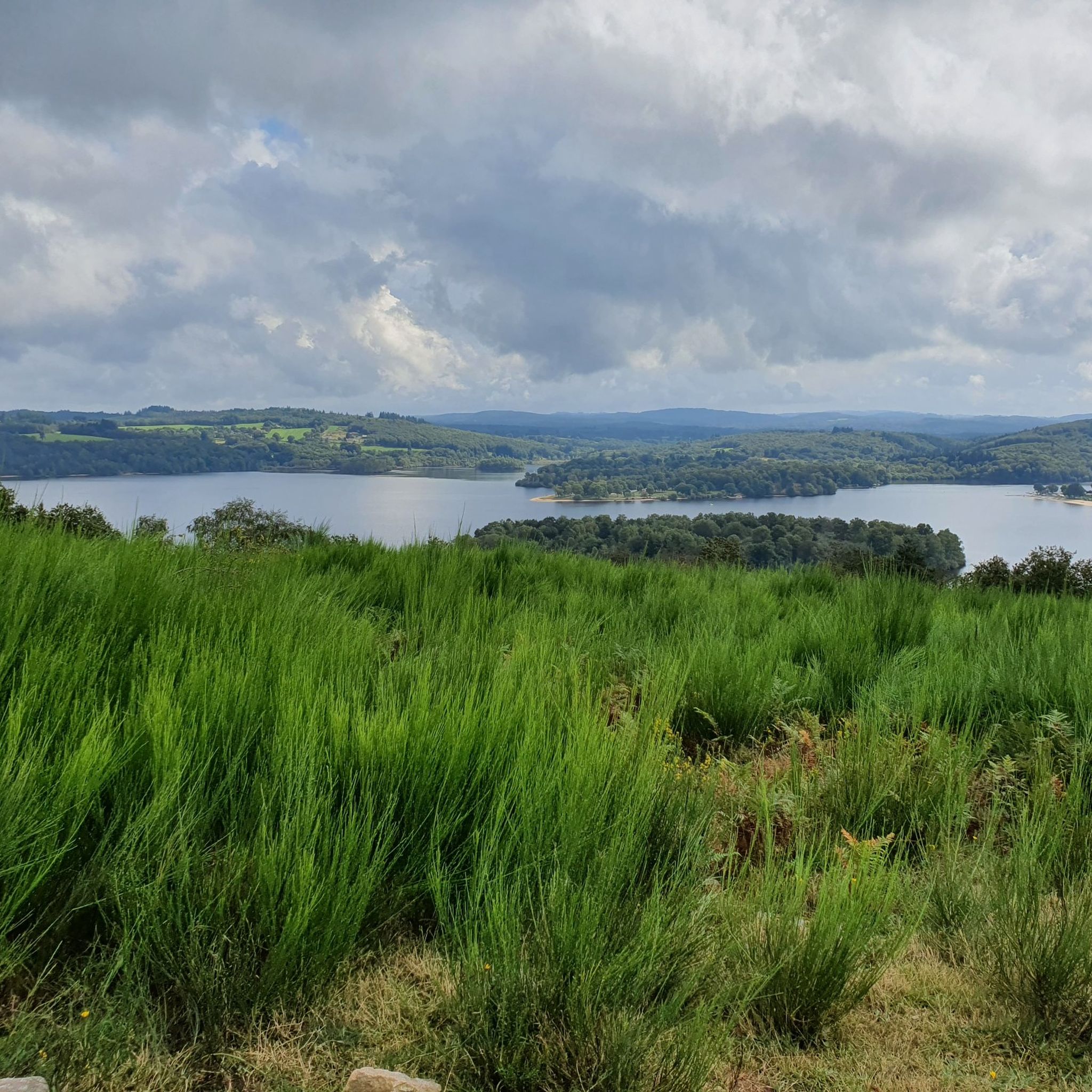
For breathtaking views, head to the Ruins of the Chapel of Our Lady of Good Help, Mont Gargan, a 730-meter summit offering panoramic vistas of the Limousin summits. Within the city, the Jardin Botanique de l'Evêché / Jardin de l'Eveche, located behind Limoges Cathedral, provides amazing views overlooking the city and the River Vienne.
Are there family-friendly activities or attractions in Limoges?
Limoges offers several family-friendly options. Many historical sites like Saint Stephen's Cathedral and the Basilica of Saint-Michel-des-Lions are suitable for families. The Jardin Botanique de l'Evêché provides open spaces for children to explore. Outside the city, Lac de Saint-Pardoux is ideal for family outings with swimming and various water activities. The Quartier de la Boucherie, with its charming streets and shops, also offers a pleasant family stroll.
What is the best time of year to visit Limoges?
Limoges is enjoyable throughout the year, but the best time depends on your interests. Spring (April-May) and early autumn (September-October) offer pleasant weather for exploring historical sites and enjoying outdoor activities like hiking and cycling, with fewer crowds. Summer (June-August) is ideal for water sports at Lac de Saint-Pardoux or Lac de Vassivière, though the city can be busier. Winter offers a quieter experience for cultural attractions and museums.
Are there any unique or 'hidden gem' attractions in Limoges?
Beyond the main sights, Limoges has some unique spots. Explore the Limoges Underground Passages, medieval tunnels beneath the city, with some areas like the vaulted cellars of the Abbaye de la Règle open for guided tours. The Cour du Temple is a picturesque paved courtyard featuring half-timbered houses and a Renaissance-style stairway, offering a glimpse into the city's past. The Quartier de la Boucherie, with its narrow streets and historic charm, also feels like a step back in time.
What cultural experiences does Limoges offer beyond museums?
Beyond its excellent museums, Limoges provides vibrant cultural experiences. Visit Les Halles Centrales (Central Market Hall), an impressive 19th-century market featuring a metal framework and a porcelain frieze, where you can discover local culinary specialties. Stroll through the Quartier Historique de la Cité, one of Limoges' main historic areas surrounding the cathedral, filled with timber-framed houses, cafes, and boutiques. The Quartier de la Boucherie also offers a charming atmosphere with its traditional shops and restaurants.
What are some recommended day trips from Limoges?
For a day trip, consider visiting Lac de Vassivière, about 60km from Limoges within the Millevaches Regional Nature Park. It's perfect for water sports, hiking, and cycling. Another option is the Dauges Peat Bog, a nature reserve about 30 km north, offering a unique ecological experience. The Monts d'Ambazac are also great for exploring picturesque landscapes and ancient megaliths. For a historical excursion, the Château de Châlucet is a short drive away.
Most popular routes around Limoges
Most popular attractions around Limoges

Get inspired with the komoot mobile app


Didn’t find what you were looking for?
Are you keen on exploring more awesome places nearby? Browse our guides:
Explore more
Still not found the Highlight you’re looking for? See guides of the top attractions in other regions:
