Top 20 Castles around Tours
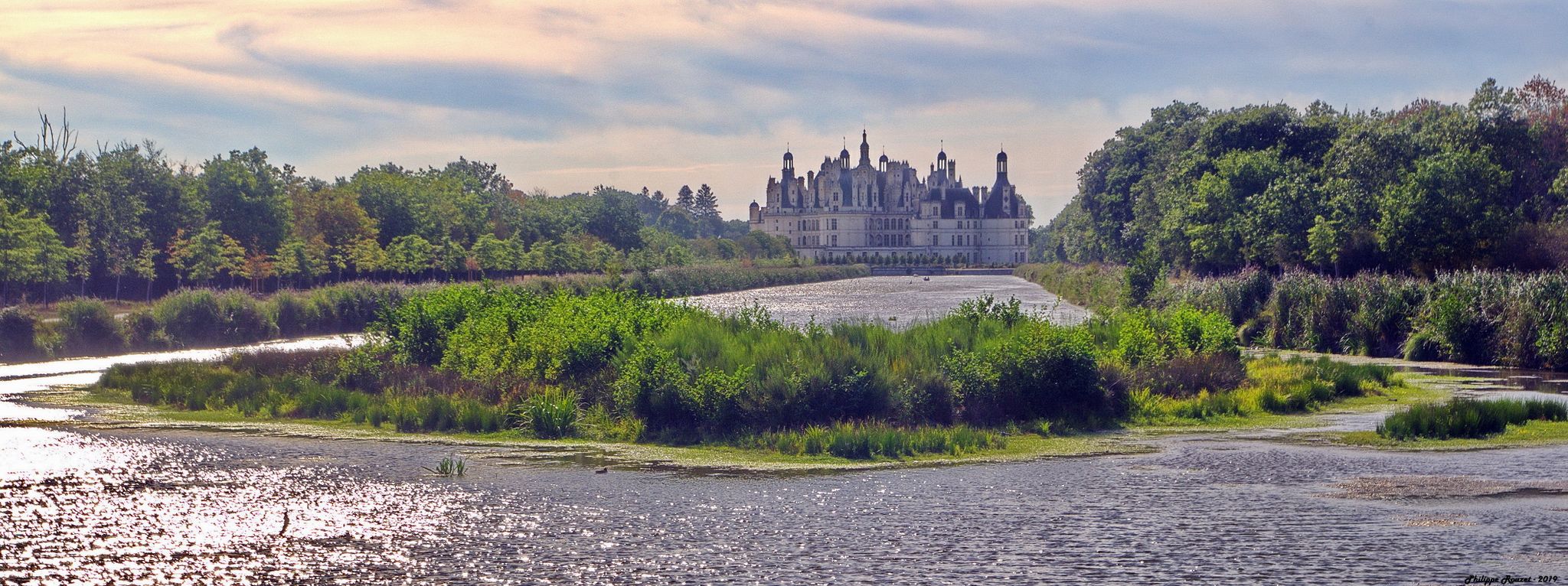
Best castles around Tours are situated in the Loire Valley, a region known for its historical significance and architectural heritage. The area features a diverse landscape, with the Loire River flowing through, providing a scenic backdrop to numerous châteaux. This central French region is characterized by its rich cultural history, offering insights into various periods of French architecture and aristocratic life.
Best castles around Tours
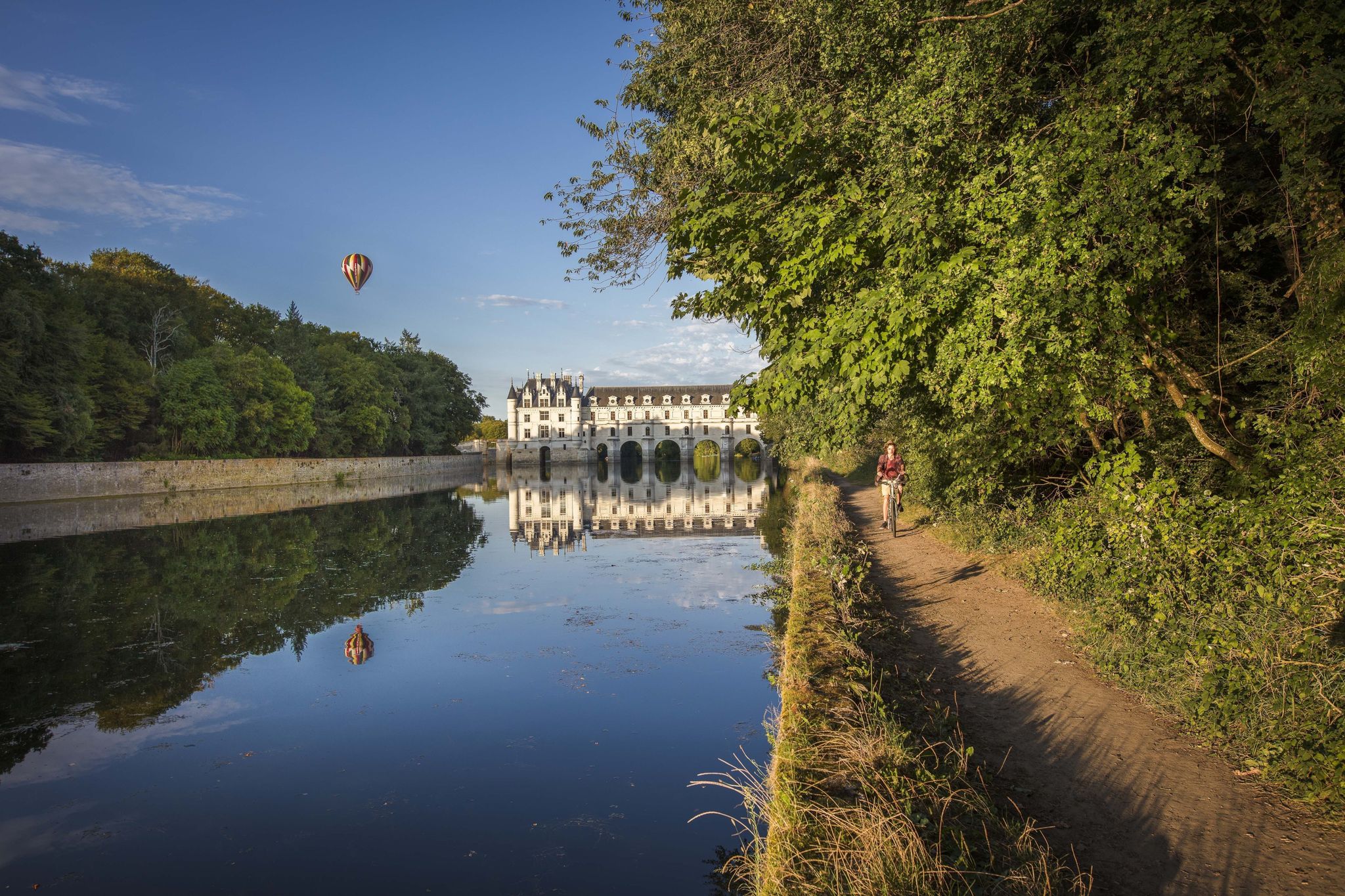
- The most popular castles is Château de Chenonceau, a castle known as the "Château des Dames." Its unique design features a two-story gallery spanning the River Cher.
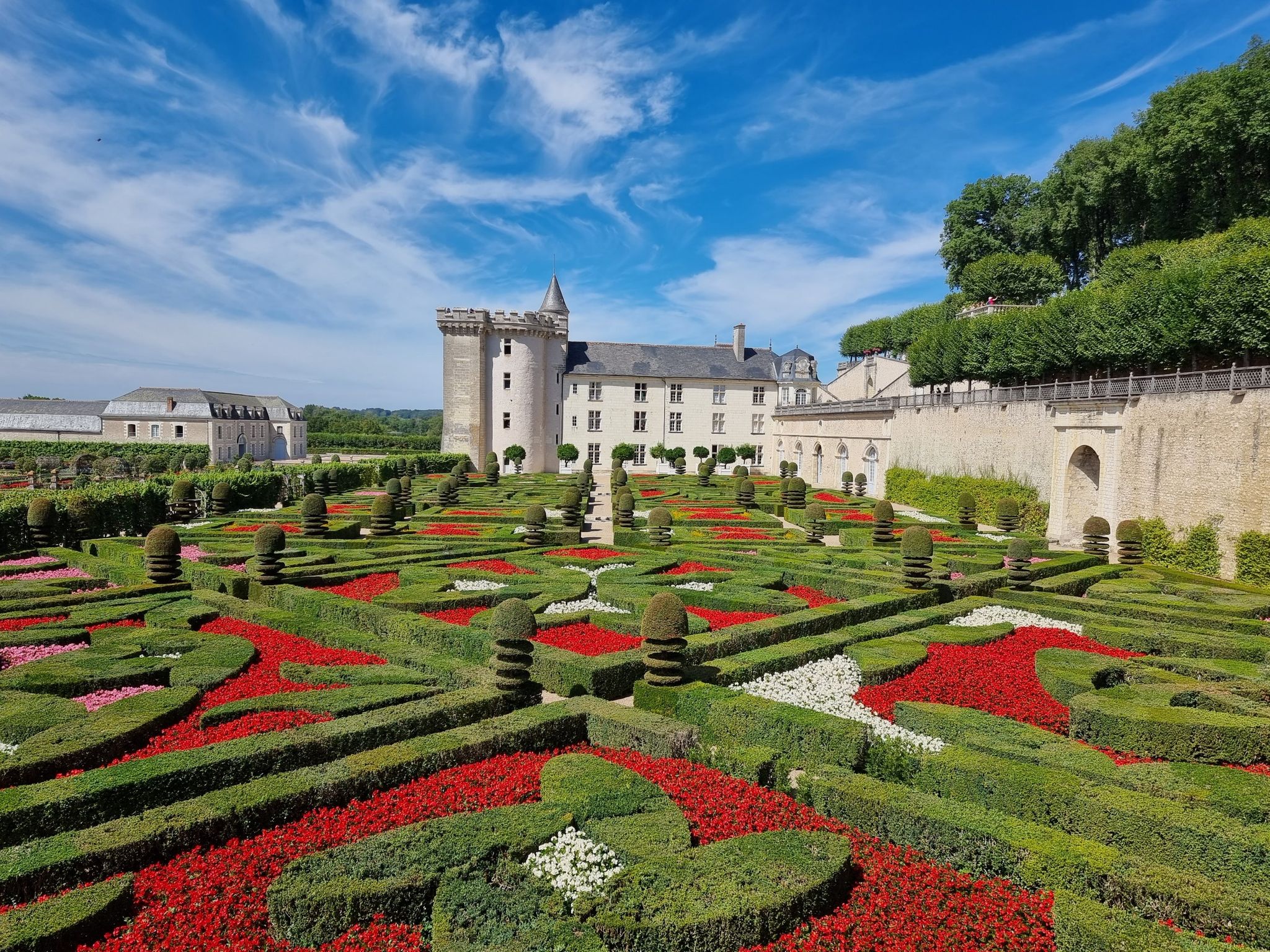
- Another must-see spot is Gardens of the Château de Villandry, a castle particularly known for its extensive gardens. These meticulously maintained gardens cover more than 6 hectares across four levels.
- Visitors also love Château de la Bourdaisière, a castle that is privately owned. It is currently operated as a hotel and features a restaurant.
- Tours is known for its Renaissance, medieval, and classical style castles. The region offers a variety of castles to explore, from grand estates to historical fortresses.
- The castles around Tours are appreciated by the komoot community, with more than 800 upvotes and over 130 photos shared by visitors.
Last updated: October 9, 2026
Château de Chenonceau
Highlight • Castle
Translated by Google •
Tip by

View of Chenonceau Castle from the cycle path
Highlight • Castle
Translated by Google •
Tip by

Sign up now to discover places like this
Get recommendations on the best single tracks, peaks, & plenty of other exciting outdoor places.
Gardens of the Château de Villandry
Highlight • Castle
Translated by Google •
Tip by

Château d'Amboise and the Stone Bridge
Highlight • Castle
Ideal starting point for cycling loops with a large network of loops departing from Amboise: marandoavelo.fr/fiches/les-reseaux-de-boucles/autour-d-amboise-et- chenonceaux
Consider crossing the bridge and going to the Ile d'Or to have a wider view of the castle :)
Not to be missed: the Château d'Amboise and Clos-Lucé, the essentials.
Stop by the BIGOT pastry-chocolate factory on Place du Château for a snack break :)
Translated by Google •
Tip by

Le Clos Lucé – Leonardo da Vinci
Highlight • Castle
Today the Château du Clos Lucé showcases all the genius of Leonardo da Vinci through a permanent exhibition retracing and explaining many discoveries and inventions of Italian genius. The park is very pretty and can also be visited. Bike parking is available inside the park.
Translated by Google •
Tip by
Île d'Or Campsite, Amboise
Highlight • Rest Area
Translated by Google •
Tip by

Montbazon
Highlight • Settlement
Translated by Google •
Tip by
Clos Lucé Castle
Highlight • Monument
During the middle age (1214 – 1417) the domain belongs to the Amboise family, who gave the land of Cloux as a gift to the religious Cistercian order of Moncé, an abbey founded in Limeray, under the protection of the lords of Amboise.
The saga of this pink bricks and freestone domain, built over gallo-roman foundations, begins under the reign of Louis XI, in 1471. Given by the king to his favourite Etienne le Loup, an ennobled kitchen man, the Château du Cloux was surrounded by fortified walls. The place is then bought by Charles VIII on July the 2 nd 1490 to become the summer residence of the kings of France.
Tip by

Boisbonnard Castle
Highlight • Castle
This private castle is an old fortress of which only:
- the wide medieval moats in their entirety and which form 2 quadrilaterals and a 3-sided figure
- 5 cylindrical towers including the South-East tower pierced with circular loopholes called the “couleuvrine tower”.
The surrounding walls disappeared, the eastern ones were pulled down in 1856.
Access is controlled by 2 entrance towers, capped with pepper shakers, guarding the wooden footbridge which replaced the drawbridge. A portal with a curved pediment connects them.
The enclosure demolished in the last century has retained 3 corner towers.
The current castle was built in several stages. The residential building, which dates from the 16th century, had its facades completely redesigned in 1856. Part of it disappeared at the beginning of the 20th century.
To the south-west, a main building covered with a 4-pitched roof and presenting stone windows on the ground floor had been lined with another building in 1731; these buildings were demolished in 1979.
The outbuildings near the front door were built in Renaissance style around 1856 in place of the old farm buildings.
Numerous renovation and restoration works have been carried out since 1994.
During the cleaning of the moat an oak door was discovered under the water level. We can assume that there was an underground passage between the castle and the village church or to other undergrounds.
Translated by Google •
Tip by

Château de la Bourdaisière
Highlight • Castle
Translated by Google •
Tip by
Sign up for free to discover even more castles around Tours.
Already have an account?
Start today with a free account
Your next adventure awaits.
Popular around Tours
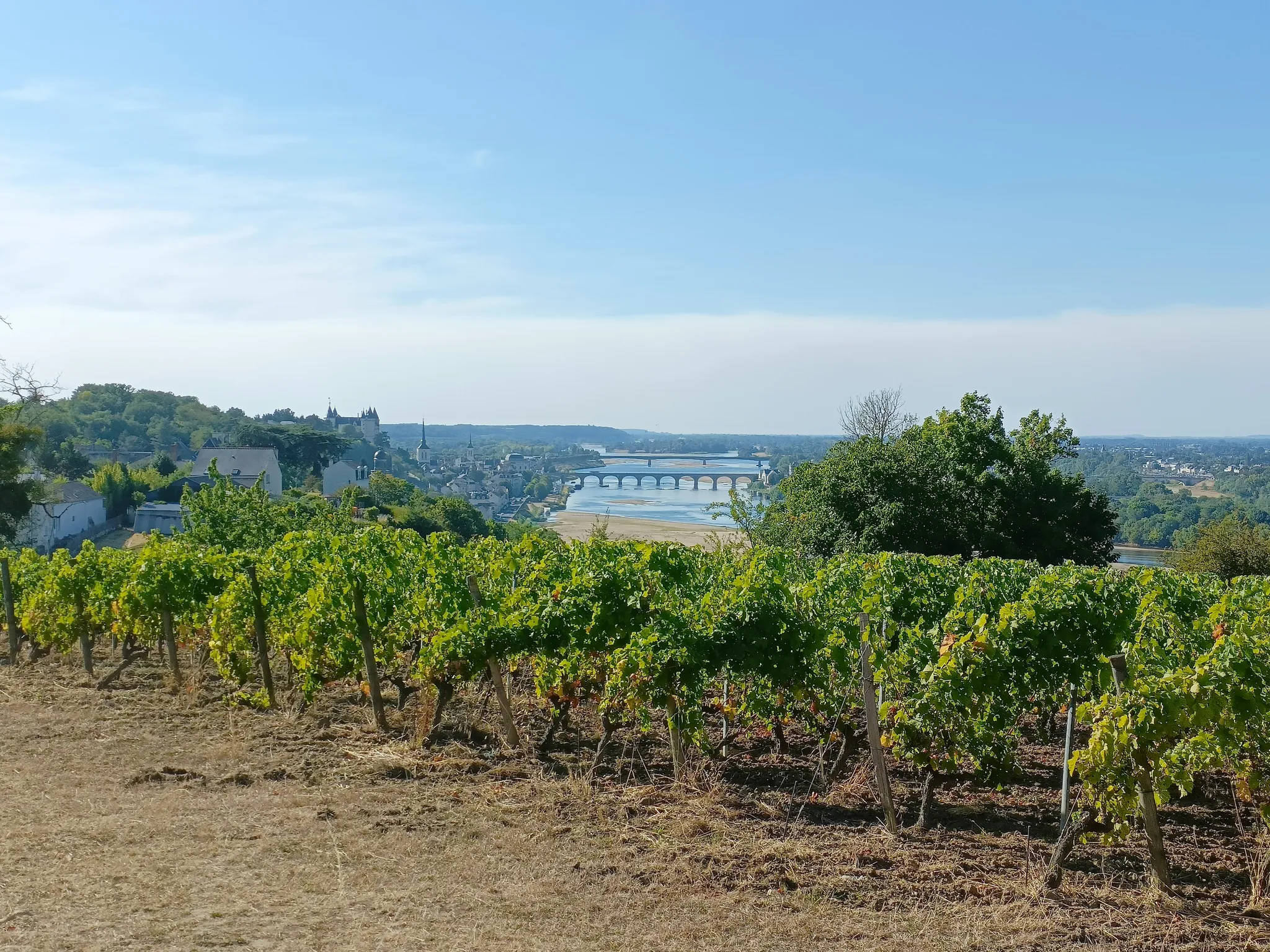
GR3 from the ocean to its source – The Loire, a wild European river
From one Châteaux to another – a long hike in the Loire Valley
From one castle to another – the Loire to the Cher Valley
La Loire à vélo – Between nature and castles
GR 46 — The Truant School
The most beautiful cycling routes in the Loire Valley
The Loire Valley – escape to the great outdoors
Between Tours and its rivers – Loire walks outside the city
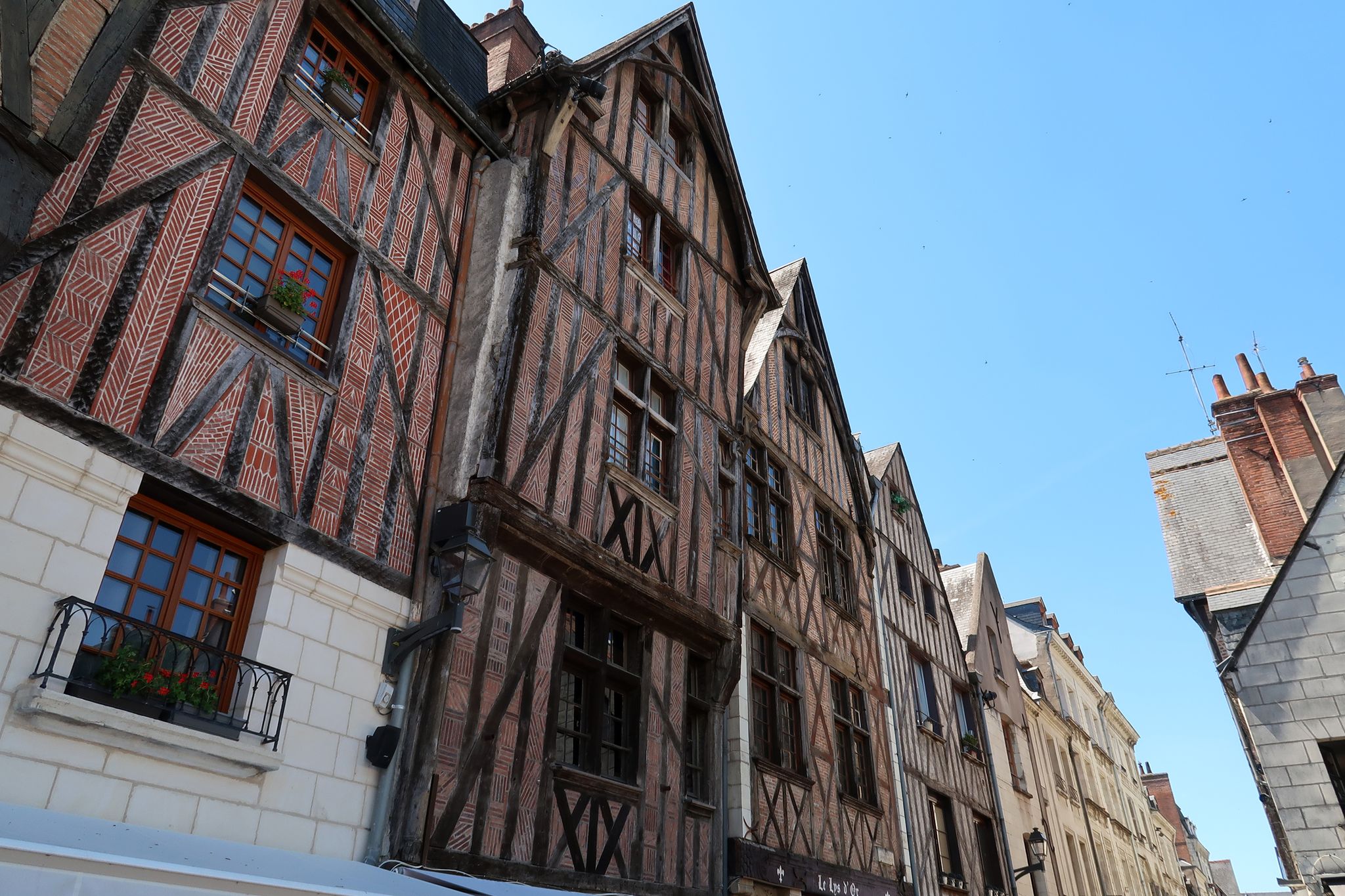
Between Tours and its rivers – short walks along the Loire
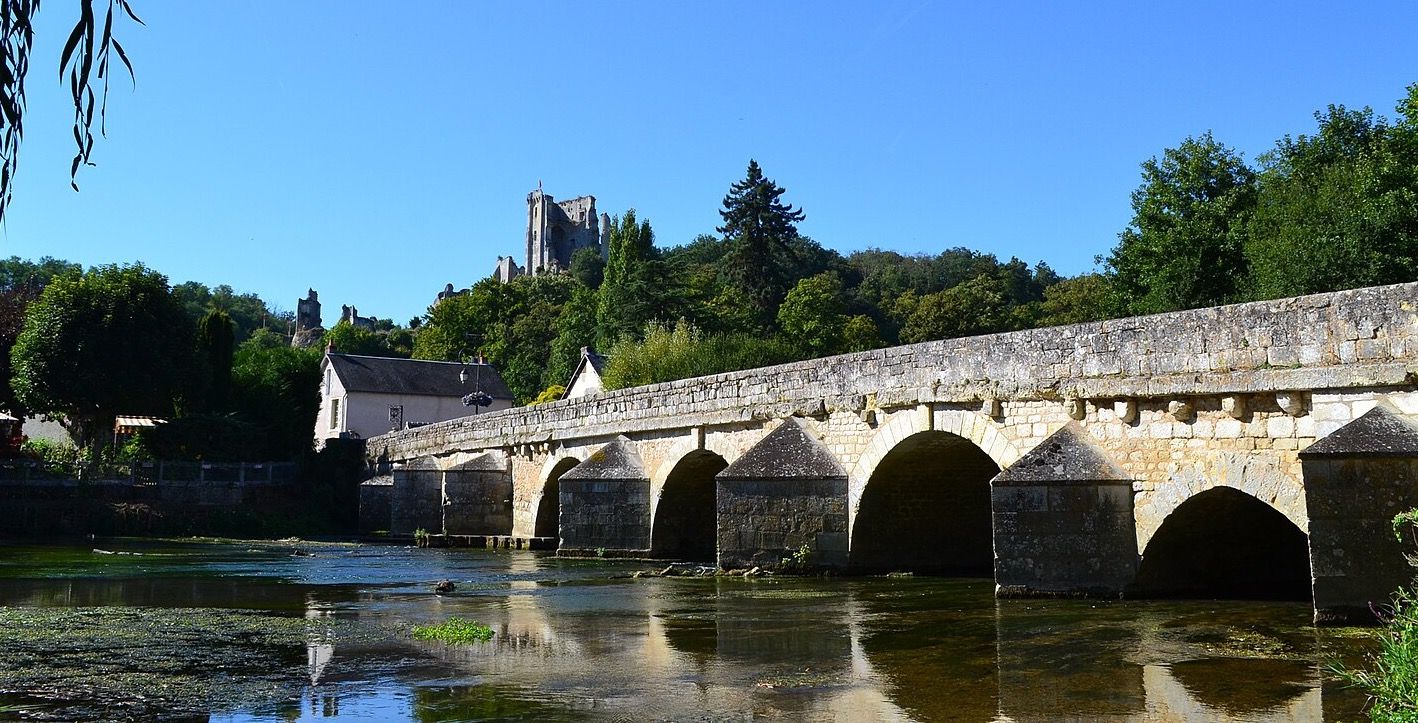
Pilgrimage from Rambouillet to Tours – Saint-Jacques by bike (V41)
Other adventures around Tours


Tips from the Community

Beautiful little castle where Leonardo da Vinci lived. Some of his artworks and inventions can be admired. Worthwhile.
0
0

At first glance, it may seem surprising that a park here in the French Loire Valley was named after the Italian polymath LEONARDO da VINCI (1452 to 1519). But you have to know that he spent the last years of his life in the neighboring castle Le Clos Lucé at the invitation of the French king and died there on May 2, 1519. His grave is believed to be in the Hubertus Chapel - see https://www.komoot.com/de-de/highlight/958658 - but it is not certain whether his remains are actually there.
2
2

Very beautiful and large places and super friendly people!!!
0
0

A charming little town nestled on the banks of the Indre, Montbazon stands out with its medieval character. Its small streets lead to shops of all kinds. The most remarkable remains the imposing fortress in the heart of the city, built from 991 and today accessible to the public. For pilgrims who frequent the Via Turonensis, a number of accommodations, including a campsite on the other side of the Indre, are available in Montbazon.
0
0

This private castle is an ancient fortress of which only: the large medieval moat in its entirety and which forms 2 quadrilaterals and a 3-sided figure 5 cylindrical towers including the South-East tower pierced with circular loopholes called “couuvrine tower”. The current castle was built in several stages. The residential house which dates from the 16th century had its facades completely remodeled in 1856. Part of it disappeared at the beginning of the 20th century. To the South-West a main building covered with a 4-sloped roof and presenting stone casement windows on the ground floor had been joined by another building in 1731; these buildings were demolished in 1979
0
0

Beautiful path along the Cher with lots of shade in the heat
3
0
Wonderful park and great information about Leonardo da Vinci
2
0
Beautiful château located on the Cher 👍 Great view from the south side
3
0
Frequently Asked Questions
What are some of the most popular castles around Tours?
The Loire Valley near Tours is home to many magnificent châteaux. Among the most popular are Château de Chenonceau, known as the "Château des Dames" with its unique design spanning the River Cher, and the Gardens of the Château de Villandry, famous for their meticulously maintained Renaissance gardens. Another notable castle is Château d'Amboise, a significant royal residence.
What is the best time of year to visit the Loire castles from Tours?
The best time to visit the Loire castles is generally from spring to early autumn (April to October). During these months, the weather is pleasant, and the famous gardens, such as those at Villandry and Chenonceau, are in full bloom. Many castles also host special events and extended opening hours during the peak summer season.
Are there family-friendly castles around Tours with activities for kids?
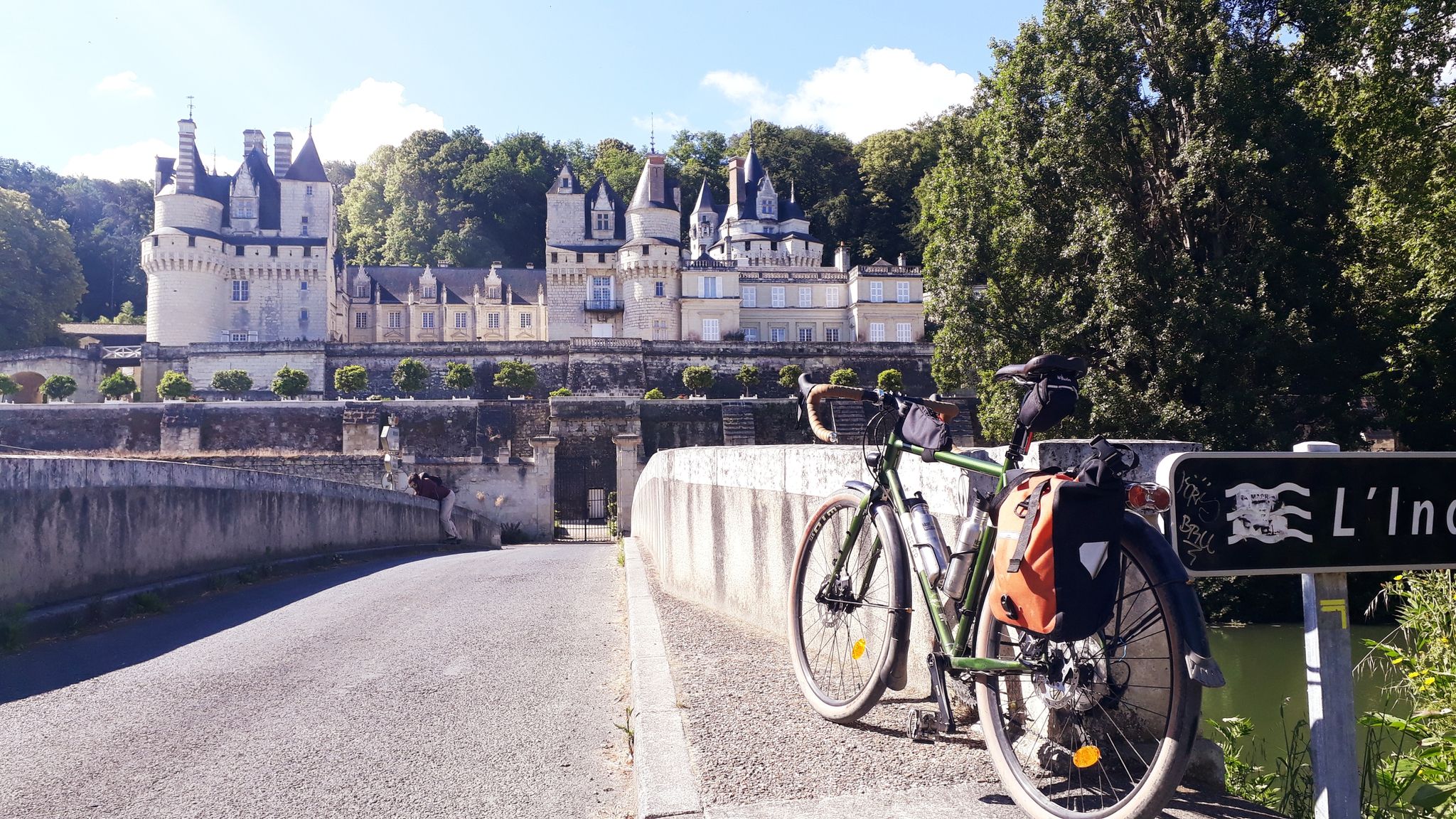
Yes, several castles near Tours are very family-friendly. Château de Chenonceau and the Gardens of the Château de Villandry are both listed as family-friendly. Château d'Ussé, often called the "Sleeping Beauty Castle," is particularly appealing to families due to its fairy tale association and wax doll collections depicting scenes from the story, making it a captivating experience for children.
Are there dog-friendly castles near Tours, France?
While many castle interiors have restrictions, some châteaux allow dogs in their parks and gardens, often on a leash. It's always best to check the specific castle's website before your visit for their most current pet policy. For example, the extensive grounds of some larger estates might be accessible.
Are there wheelchair accessible castles in the Loire Valley near Tours?
Accessibility varies greatly among the historic castles. Some châteaux have made efforts to improve accessibility, offering ramps, elevators, or specific routes for visitors with reduced mobility, particularly in their gardens and ground floor areas. However, due to their historic nature, full accessibility to all levels can be challenging. It's recommended to contact individual castles directly for detailed information on their accessibility provisions.
How can I get to the Loire Valley castles from Tours using public transport?
Public transport options from Tours to the Loire Valley castles include regional trains (TER) and bus services. For example, you can take a train from Tours to Chenonceaux for Château de Chenonceau, or to Azay-le-Rideau for Château d'Azay-le-Rideau. Some castles also offer shuttle services from nearby train stations during peak season. Checking local transport websites for schedules and routes is advisable.
What outdoor activities can I do near the castles around Tours?
The region around Tours offers numerous outdoor activities, especially cycling and hiking, often connecting various châteaux. You can find many routes for gravel biking, mountain biking, and running. For instance, there are gravel biking routes like the "Château de la Bourdaisière – Tours Castle loop" or mountain biking trails such as the "Château de Chenonceau – Bléré loop." You can explore these and other routes on the Gravel biking around Tours, Running Trails around Tours, and MTB Trails around Tours guide pages.
Which castles are particularly known for their gardens?
The Gardens of the Château de Villandry are world-renowned for their extraordinary Renaissance gardens, featuring six themed areas including the famous "Love Garden." Château de Chenonceau also boasts spectacular landscape gardens, particularly those of Catherine de Medici and Diane de Poitiers, which are a major draw.
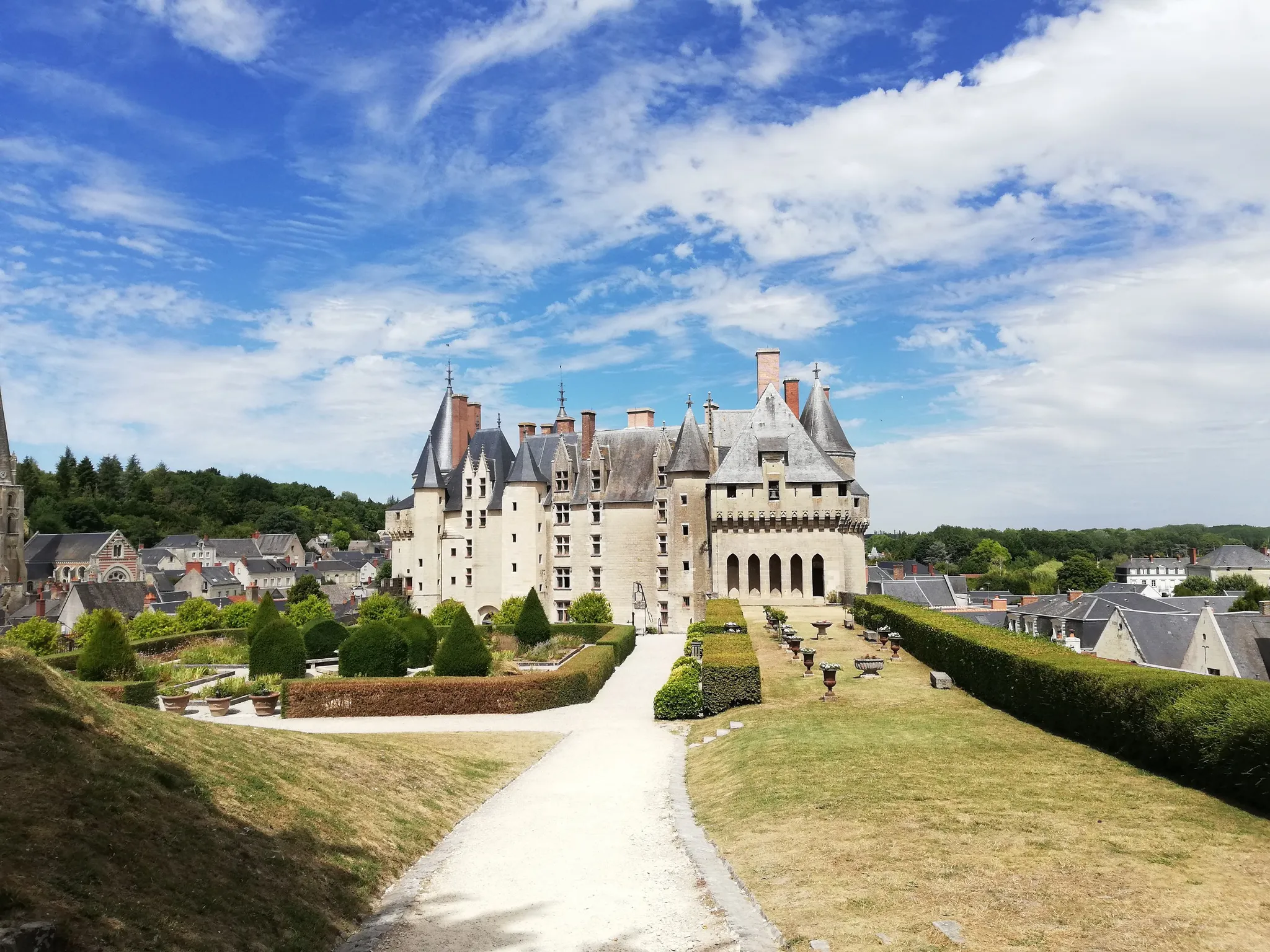
What makes Château de Langeais unique among the Loire Valley castles?
Château de Langeais stands out for its fascinating blend of a formidable medieval fortress exterior and a refined Renaissance interior. It showcases a clear architectural transition from the defensive structures of the Middle Ages to the more elegant styles of the Renaissance. It also holds historical significance as the site of the marriage of Charles VIII and Anne of Brittany in 1491, which unified Brittany with France.
Are there any hidden gem castles near Tours that are less crowded?
While many major châteaux attract large crowds, some smaller or privately owned castles offer a more intimate experience. For example, Château de la Bourdaisière, which operates as a hotel, offers a unique perspective. Exploring castles slightly off the main tourist routes can often reveal charming, less-visited historical sites.
What should I wear when visiting châteaux near Tours?
Comfortable walking shoes are highly recommended, as you'll likely be exploring extensive grounds, gardens, and multiple floors within the castles. Dress in layers, as temperatures can vary between indoor and outdoor areas, and depending on the season. A light jacket or umbrella can be useful, especially during spring and autumn, for unexpected weather changes.
What are the parking options at major Loire Valley castles?
Most major Loire Valley castles, including Château de Chenonceau and Château de Villandry, provide dedicated parking facilities for visitors, often for a fee. These parking areas are typically well-signposted upon approach to the castle. During peak season, they can fill up quickly, so arriving earlier in the day is advisable.
Which castles offer a glimpse into different historical periods or architectural styles?
The castles around Tours showcase a rich tapestry of French history and architecture. Château de Langeais exemplifies the transition from medieval fortress to Renaissance residence. Château d'Azay-le-Rideau is a prime example of early French Renaissance architecture, while Château de Chenonceau is a Renaissance masterpiece. Château d'Ussé blends medieval and Renaissance styles, offering a picturesque silhouette.
Most popular routes around Tours
Most popular attractions around Tours

Get inspired with the komoot mobile app


Didn’t find what you were looking for?
Explore Tours’s best castles region by region:
Explore more
Looking for the best castles somewhere else? Discover other guides around Tours:
