Top 5 Castles around Mantes-La-Jolie
Best castles around Mantes-La-Jolie offer a glimpse into the region's rich history and strategic importance. Situated along the Seine, Mantes-La-Jolie itself once featured a significant castle, though only remnants remain today. The surrounding area, however, is home to several notable châteaux and historical sites. These structures showcase diverse architectural styles and historical periods, reflecting centuries of regional development.
Best castles around Mantes-La-Jolie
- The most popular castles is Château de Tilly, a castle that is a 17th-century Louis XIII-style residence.…
Last updated: October 11, 2026
Château de Jambville
Highlight • Castle
Perched on the heights of Vexin, Jambville castle is known to house the national training center for scouts and guides in France.
Each year, more than 2,000 executives …
Translated by Google •
Tip by

The Donjon of Houdan
Highlight • Castle
Translated by Google •
Tip by

Sign up now to discover places like this
Get recommendations on the best single tracks, peaks, & plenty of other exciting outdoor places.
Donjon and Fortified Site of Montchauvet
Highlight • Historical Site
Translated by Google •
Tip by

Château de Tilly
Highlight • Castle
Translated by Google •
Tip by

Chateau de Bourdonné
Highlight • Castle
Translated by Google •
Tip by

Rosay Castle
Highlight • Castle
Translated by Google •
Tip by
Château de Corbeville
Highlight • Castle
Translated by Google •
Tip by

Start today with a free account
Your next adventure awaits.
Popular around Mantes-La-Jolie
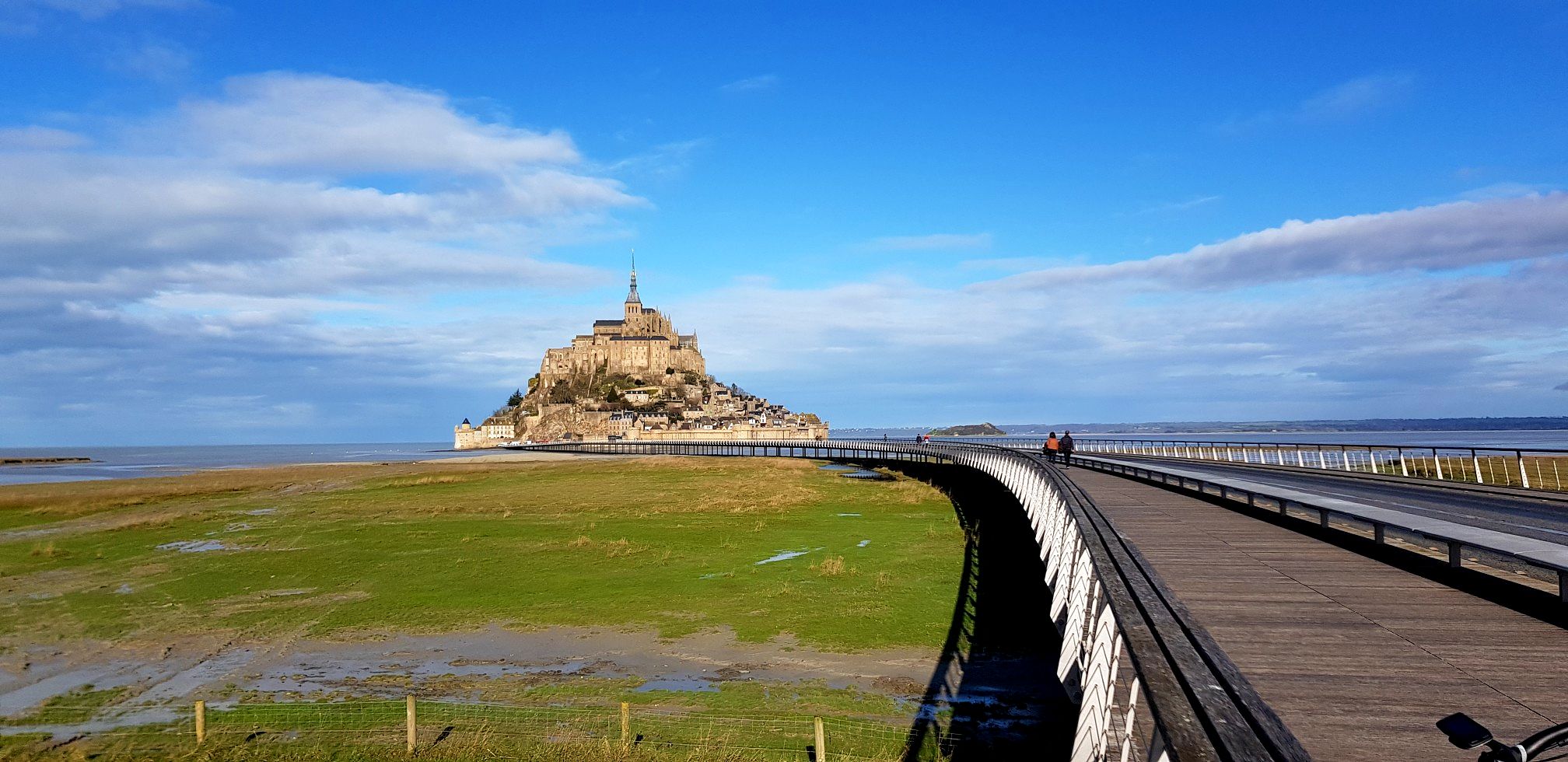
GR 22 to Mont-Saint-Michel – Miquelot's Walk
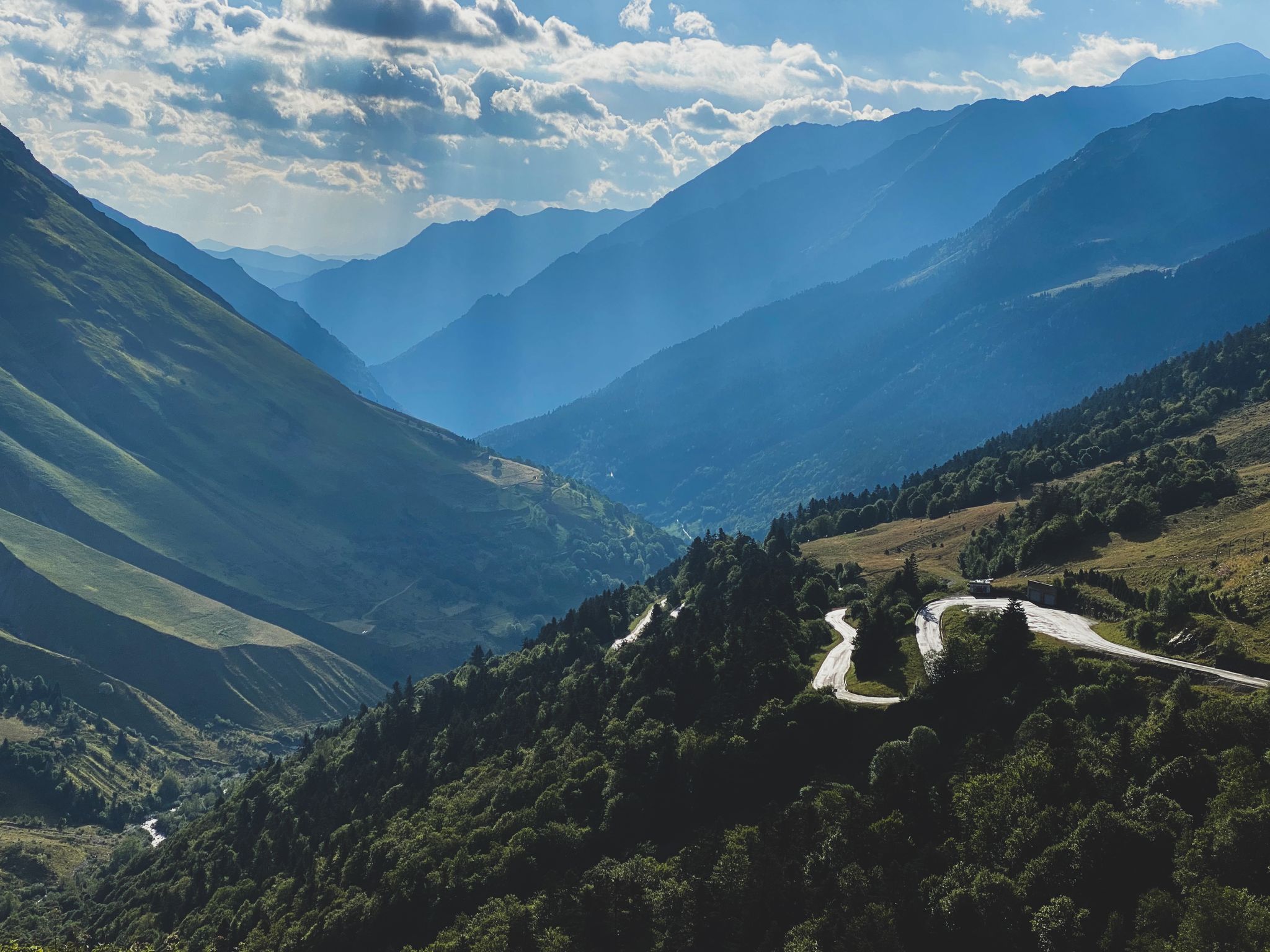
Born to Ride 2020
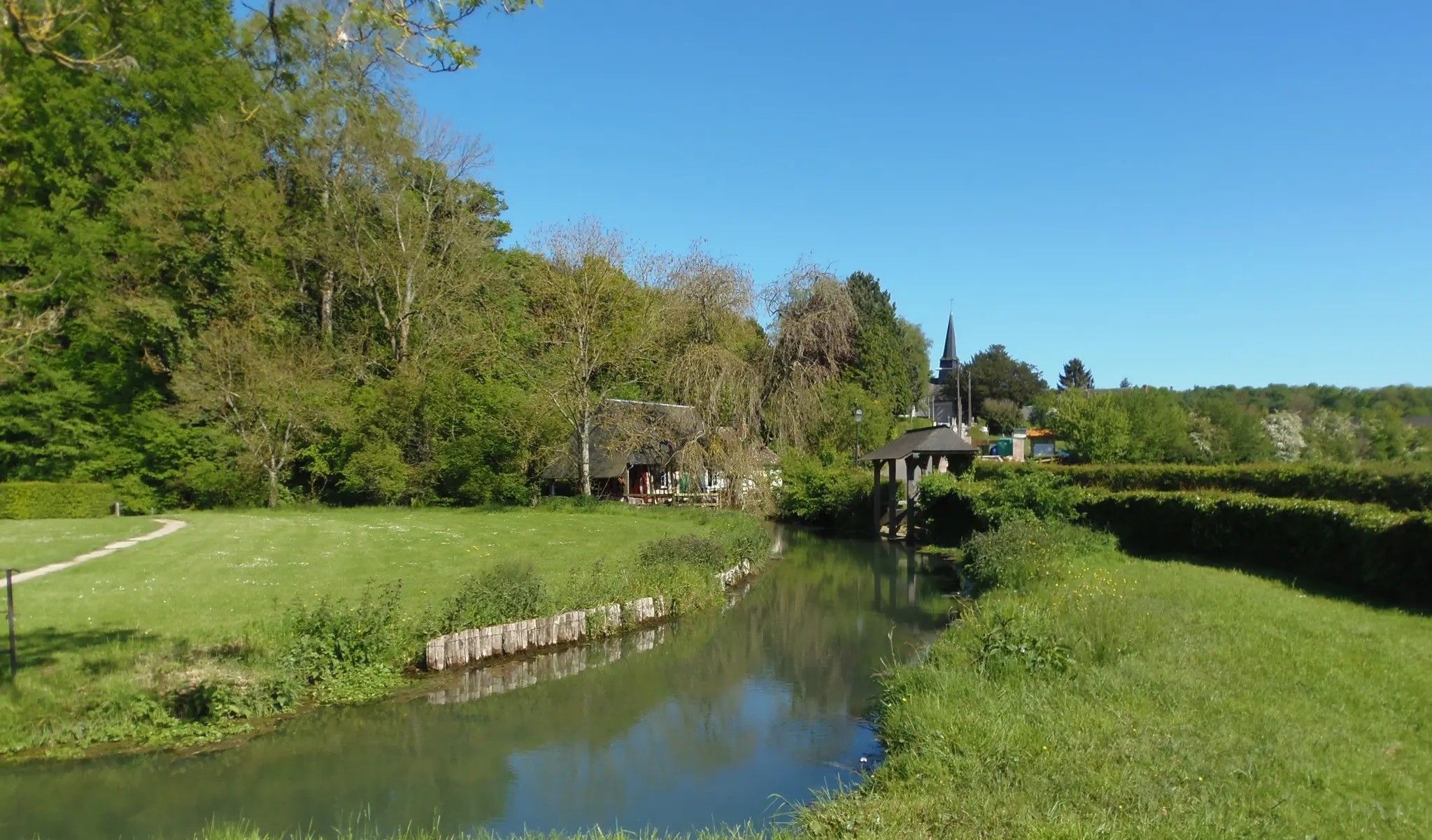
Hike through the Ile-de-France and Normandy countryside – GR 26
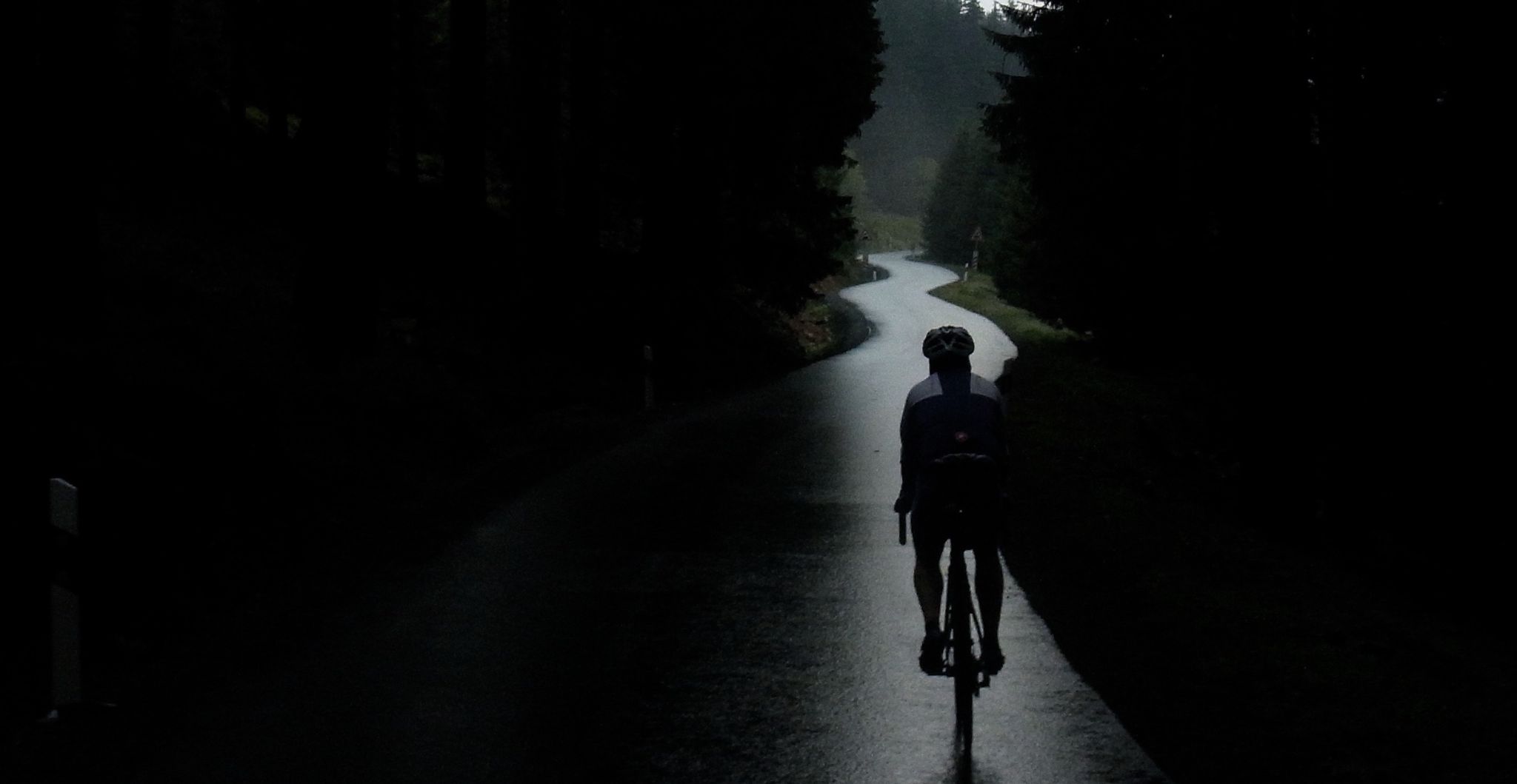
Braving the night — Gravel escape from Bocage ornais to Paris
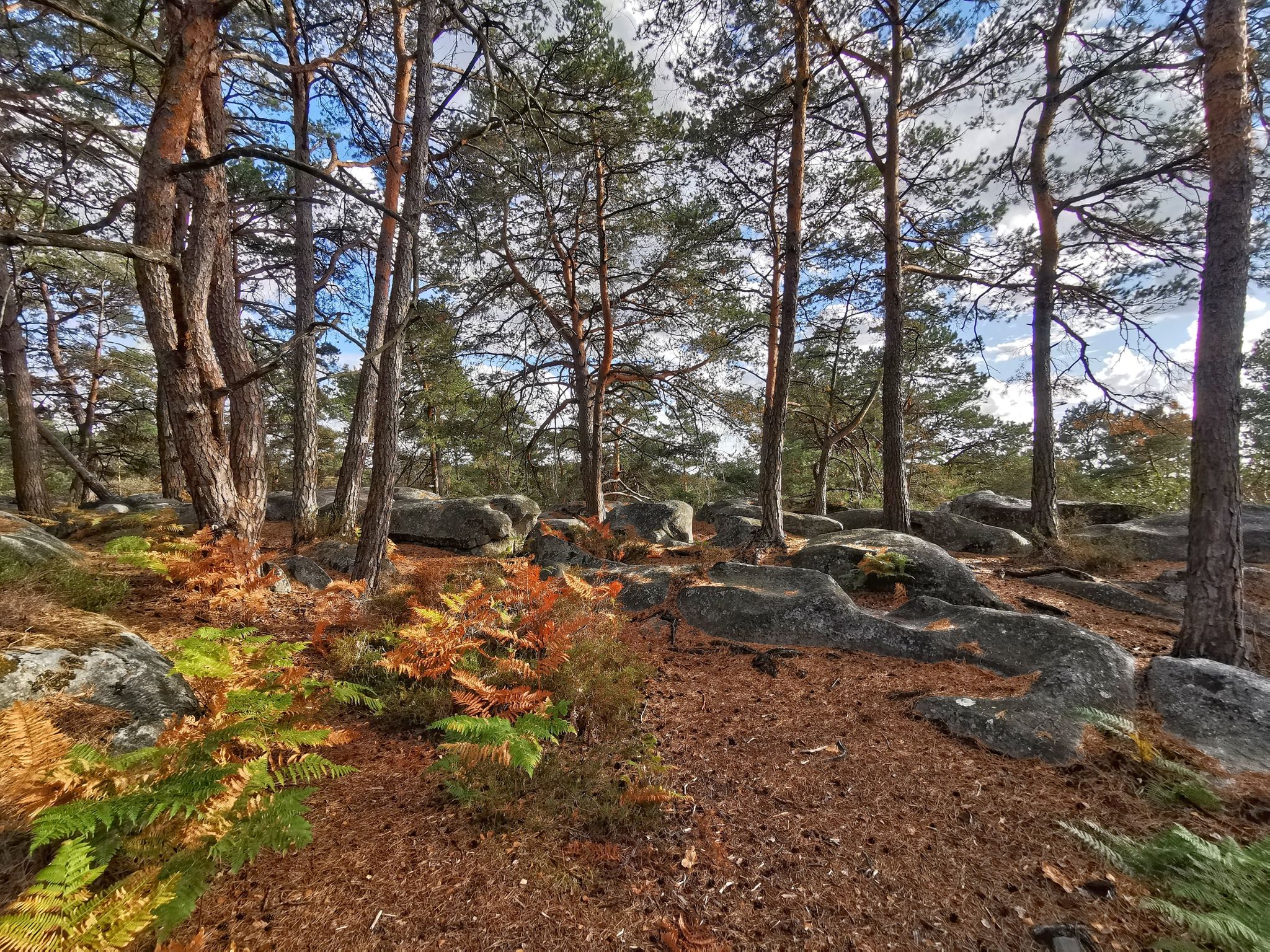
Natural beauty on Île-de-France – mountain biking around Paris
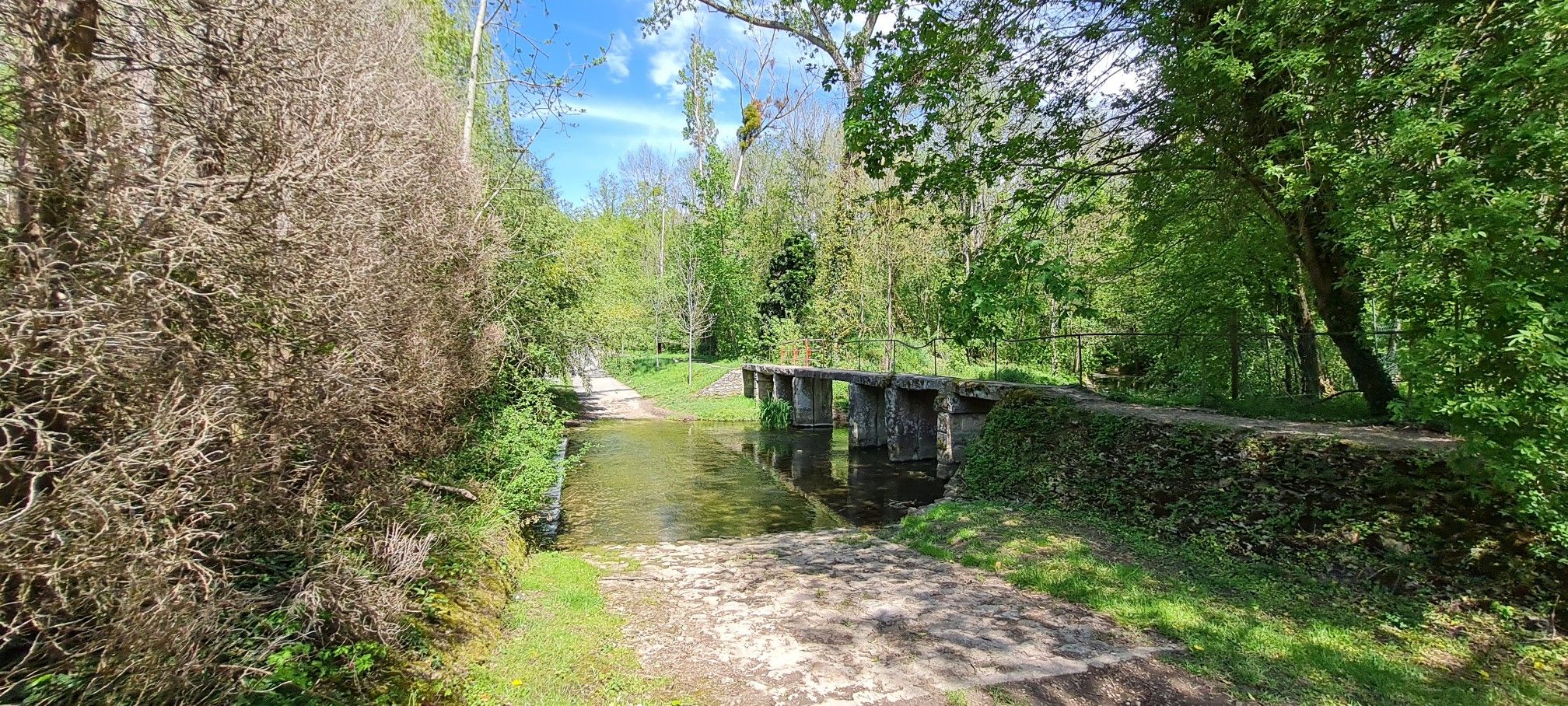
Walking around Ile-de-France in Paris – GR 1
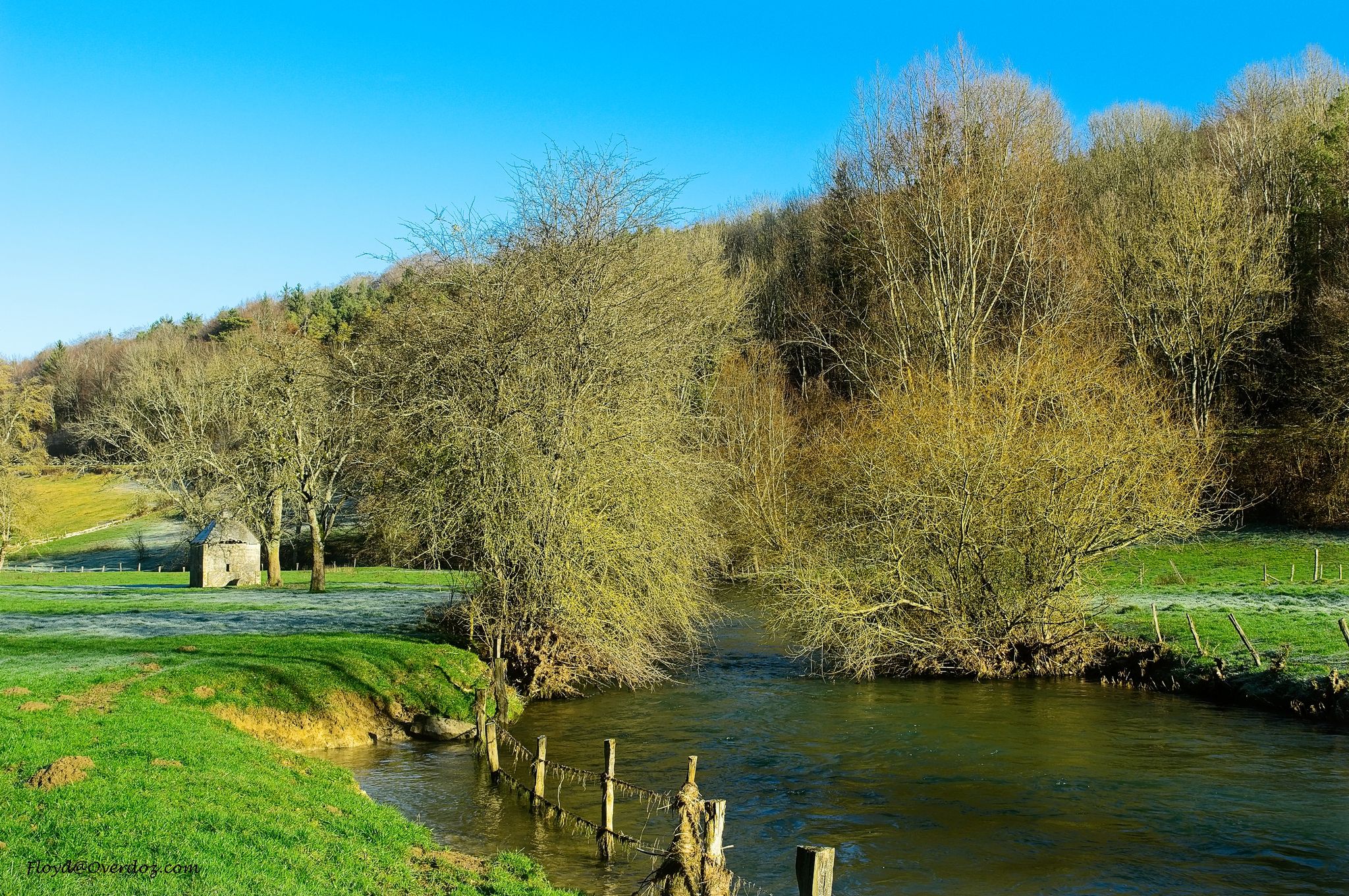
Exploring the Seine on the Île-de-France – hike the GR 2
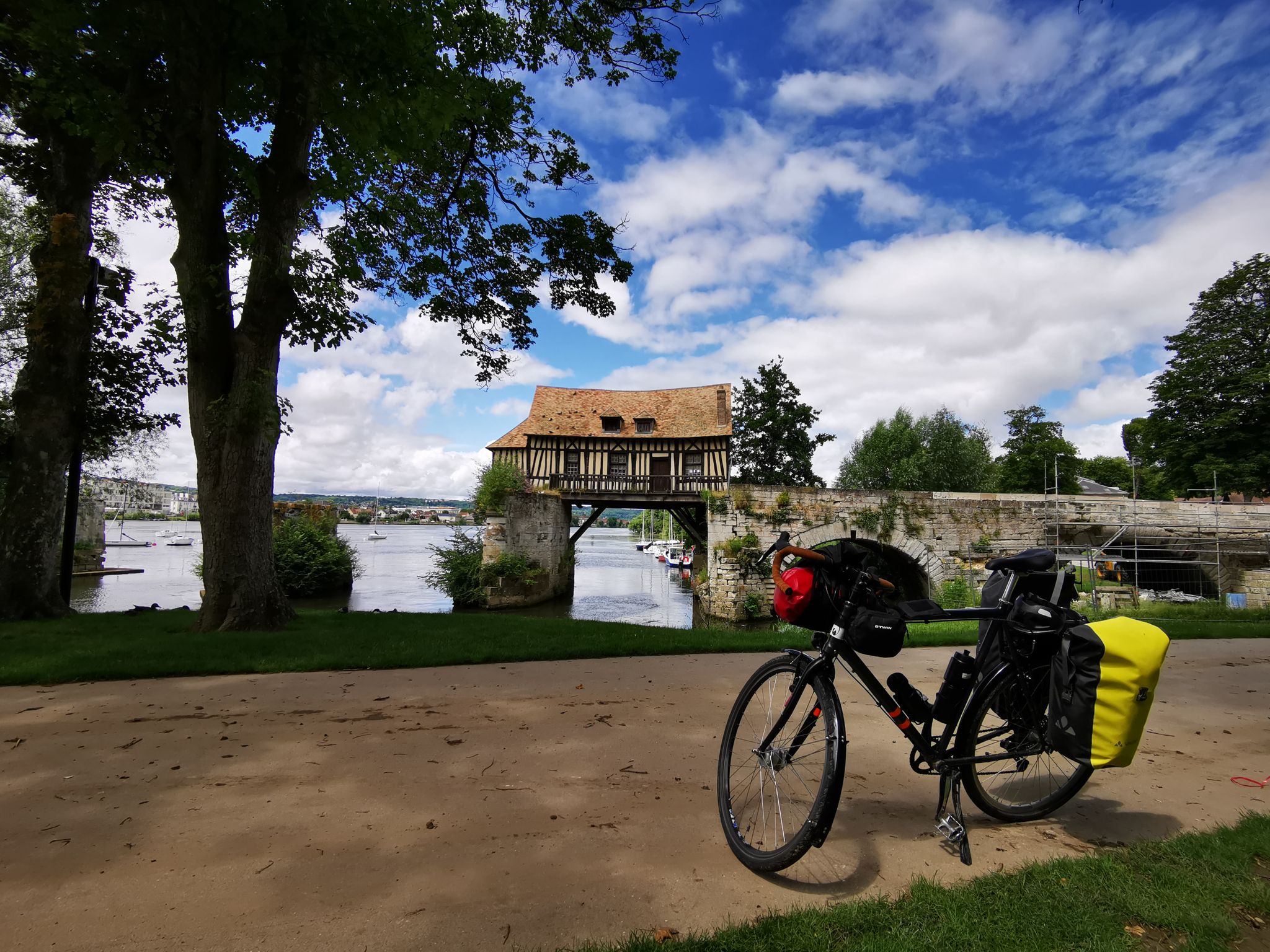
From Paris to Le Havre — the Seine by Bike
Road Cycling Routes around Mantes-La-Jolie
Running Trails around Mantes-La-Jolie
Other adventures around Mantes-La-Jolie


Tips from the Community

Is it allowed to cross? Not sure... I did, I was looked at and greeted. But not blocked. However, it's not easy to get out on the other side, the exit is closed. It's possible to go through a small door.
0
0

The commune of St Martin des Champs is home to a castle, the Château de Corbeville, built in the 16th century. This building belonged to Lord Lallemant Lecoq, and more recently to the couturier Jacques Fath (buried in the park in 1954) and the singer Gérard Lenorman.
0
0
Built at the end of the 12th century by the Counts of Montfort and listed as a Historic Monument since 1889, the Houdan Tower was used to watch for enemies and defend the territory. The Keep consists of a 15 m diameter and 21 m high tower, flanked by four turrets of the same height located at the four cardinal points. From the 16th century until the French Revolution, the Keep served as a prison, and executions took place at the foot of the Tower. The first water reservoir was installed in the tower in 1880. The second, built in 1952, is still visible. Tours are available on certain days.
0
0


beautiful chateau, with a paved road in front
0
0

Monument dating from the end of the 12th century
1
0

Estate built in the first third of the 17th century, having preserved its park, its outbuildings and its alley of lime trees from the end of the 18th century. The castle stands opposite the church of Tilly, it was bought and saved from ruin in 1936 by François Delalande, his daughter still occupies it today. It is a beautiful Louis XIII-style residence, flanked by its two towers with an original domed roof, in a six-hectare park entirely surrounded by walls.
1
0
The Tower (commonly called "The Dungeon"), built in the 12th century under the reign of the Counts of Montfort, and classified as a Historic Monument since 1840, had the function of watching out for enemies and defending the territory. But in reality, it mainly had a dissuasive role since it was reputed to be impregnable. Built on the site of an old Merovingian necropolis, it originally consisted of an enclosure and a main tower. The enclosure, which has now disappeared, had a circular turret intended for the defense of the gate. The access door, located 4 meters from the ground then raised in the 15th century to 6 meters, was the only access to the large room on the 1st floor reserved for the military chief. It was accessed via a drawbridge.
0
0
Frequently Asked Questions
What are some of the most notable castles to visit around Mantes-La-Jolie?
The region offers several significant castles. Among them are Château de Tilly, a 17th-century Louis XIII-style residence, and Château de Jambville, known for its 13th-century vaulted cellars and expansive 18th-century park. You can also explore the historical ruins of Donjon and Fortified Site of Montchauvet, which played a role in the Hundred Years War.
Are there any family-friendly castles in the Mantes-La-Jolie area?
Yes, Château de Jambville is considered family-friendly, offering a large park with rare tree species and a Greek temple. Its extensive grounds provide space for children to explore. The Donjon and Fortified Site of Montchauvet, with its historical ruins, can also be an engaging visit for families interested in history.
What kind of historical sites can I find near Mantes-La-Jolie besides castles?
Beyond the castles, you can visit the Donjon and Fortified Site of Montchauvet, which includes a 12th and 13th-century church and remnants of a castle. The town of Mantes-La-Jolie itself has historical records and remnants of its own former castle, particularly around the Square du Château and the Notre-Dame collegiate church.
What outdoor activities can I combine with a castle visit in this region?
The area around Mantes-La-Jolie is excellent for outdoor activities. You can find various easy hiking trails, such as loops around the lake from Moisson or Mousseaux-sur-Seine. For cyclists, there are cycling routes along the Seine, including paths to La Roche-Guyon Castle. Gravel biking options are also available, with routes like the View of Îlon Harbor loop from Follainville-Dennemont.
Are there any castles near Mantes-La-Jolie that are known for their natural surroundings or parks?
Absolutely. Château de Jambville is set within a vast 52-hectare park, a remnant of the royal forest of Arthies, featuring rare tree species like Himalayan cedar, a Greek temple, and an old ice house. Château de Tilly also boasts a six-hectare walled park.
What is the best time of year to visit the castles around Mantes-La-Jolie?
While specific opening hours vary by castle, generally spring and autumn offer pleasant weather for exploring the grounds and parks. Summer is also popular, though it can be warmer. Some castles, like Château de Jambville, have parks open to the public year-round, allowing for seasonal appreciation.
Can I visit the Donjon of Houdan, and what is its historical significance?
Yes, the Donjon of Houdan is a significant 12th-century keep, built by the Counts of Montfort. It served as a defensive structure and was reputed to be impregnable. Classified as a Historic Monument, it also functioned as a prison from the 16th century until the French Revolution. Tours are available on certain days.
Are there any castles in the area with unique architectural features?
Yes, Château de Jambville showcases a blend of architectural styles, with 13th-century vaulted cellars, a wing from the Henri IV period, and a central pavilion from the time of Louis XIV. Château de Tilly is a beautiful Louis XIII-style residence, notable for its two towers with original domed roofs.
What is the history of the Mantes-La-Jolie castle itself?
Mantes-La-Jolie once had a significant castle, attributed to Gauthier II le Blanc, Count of Vexin, strategically positioned on the Norman border. Its keep, the Tour Ganne, built around 912 by the Normans, defended the entrance from the Seine. Unfortunately, the castle was largely destroyed over time, with the donjon collapsing in 1710. Today, only remnants and historical records remain, with the Square du Château marking its historical site.
What are some lesser-known or 'hidden gem' castles in the vicinity?
While not always open to the public for full tours, Château de Bourdonné, a 17th-century castle enlarged in the 18th and 19th centuries, and Château de Corbeville, a 16th-century château with notable past owners, offer glimpses into the region's rich history. Rosay Castle, a 17th-century château, can be seen from certain points along the road within its private domain.
Are there any castles near Mantes-La-Jolie that are classified as historical monuments?
Yes, Château de Bourdonné and its chapel, built in 1733, were classified as historical monuments in 1946. Its 17th-century outbuildings, moat, and park received similar classification in 1989. The Donjon of Houdan is also classified as a Historic Monument since 1840.
Most popular routes around Mantes-La-Jolie
Most popular attractions around Mantes-La-Jolie

Get inspired with the komoot mobile app


Didn’t find what you were looking for?
Explore Mantes-La-Jolie’s best castles region by region:
Explore more
Looking for the best castles somewhere else? Discover other guides around Mantes-La-Jolie:
