Attractions and Places To See around Aix-En-Provence - Top 20
Best attractions and places to see around Aix-En-Provence include a blend of historical landmarks, cultural sites, and natural features. Located in the south of France, the city is characterized by its historical architecture and surrounding natural landscapes. Visitors can explore a variety of sites, from urban historical centers to mountain trails. The region offers diverse attractions for different interests.
Best attractions and places to see around Aix-En-Provence
- The most popular attractions is Sainte-Victoire Priory, a religious building that was…
Last updated: October 9, 2026
Lake Bimont
Highlight • Lake
Translated by Google •
Tip by

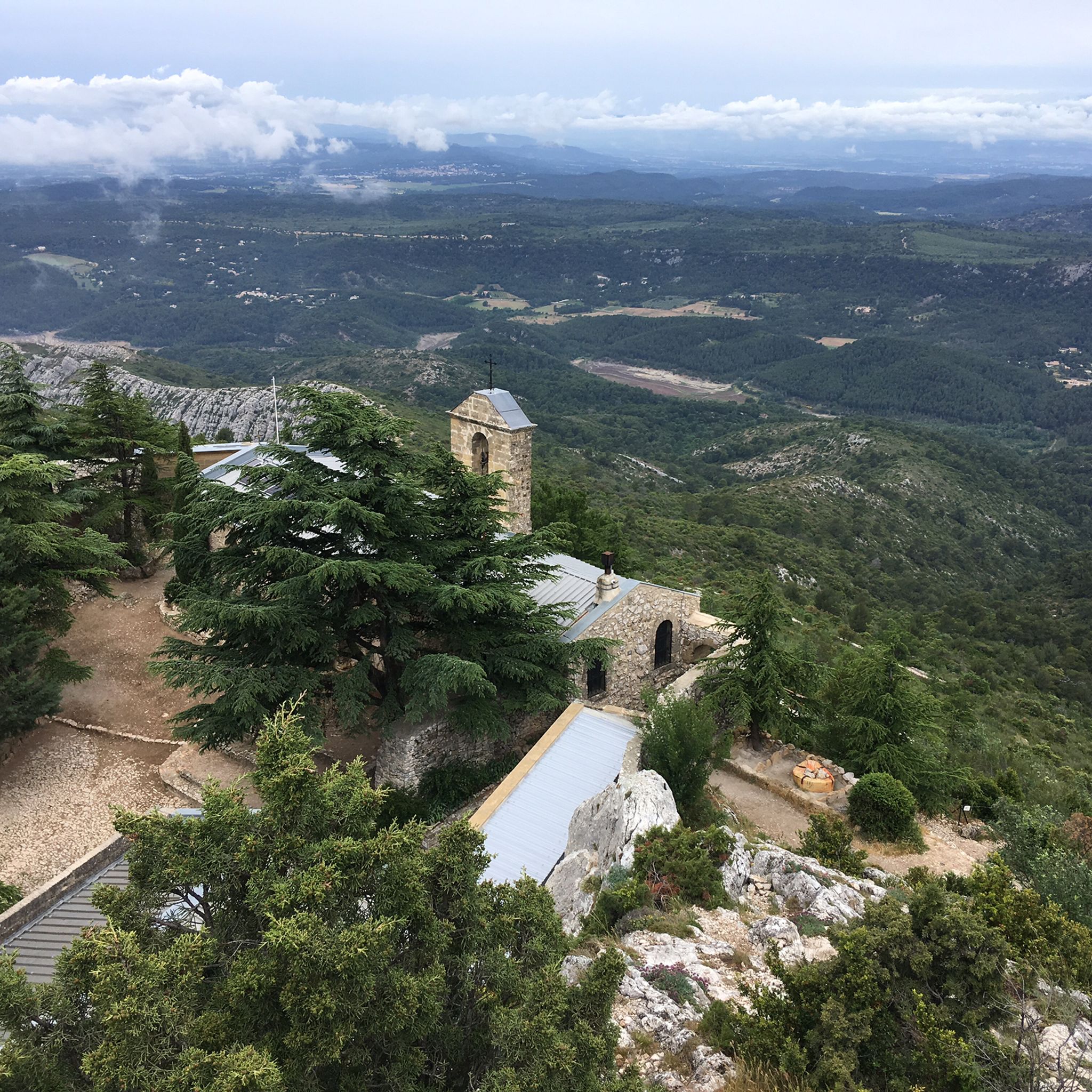
Sainte-Victoire Priory
Highlight • Religious Site
Translated by Google •
Tip by

Sign up now to discover places like this
Get recommendations on the best single tracks, peaks, & plenty of other exciting outdoor places.
Croix de Provence
Highlight • Summit
Translated by Google •
Tip by

Place de l'Hôtel de Ville
Highlight • Other
Translated by Google •
Tip by

Bimont Dam
Highlight • Other
Translated by Google •
Tip by

Rotonde Fountain
Highlight • Monument
Translated by Google •
Tip by

Zola Dam
Highlight • Gorge
Translated by Google •
Tip by

Cours Mirabeau
Highlight • Other
Translated by Google •
Tip by
Pic des Mouches
Highlight • Summit
Translated by Google •
Tip by
Saint-Jean-de-Malte Church
Highlight • Religious Site
Translated by Google •
Tip by
Sign up for free to discover even more attractions around Aix-En-Provence.
Already have an account?
Start today with a free account
Your next adventure awaits.
Popular around Aix-En-Provence


Other adventures around Aix-En-Provence

Tips from the Community

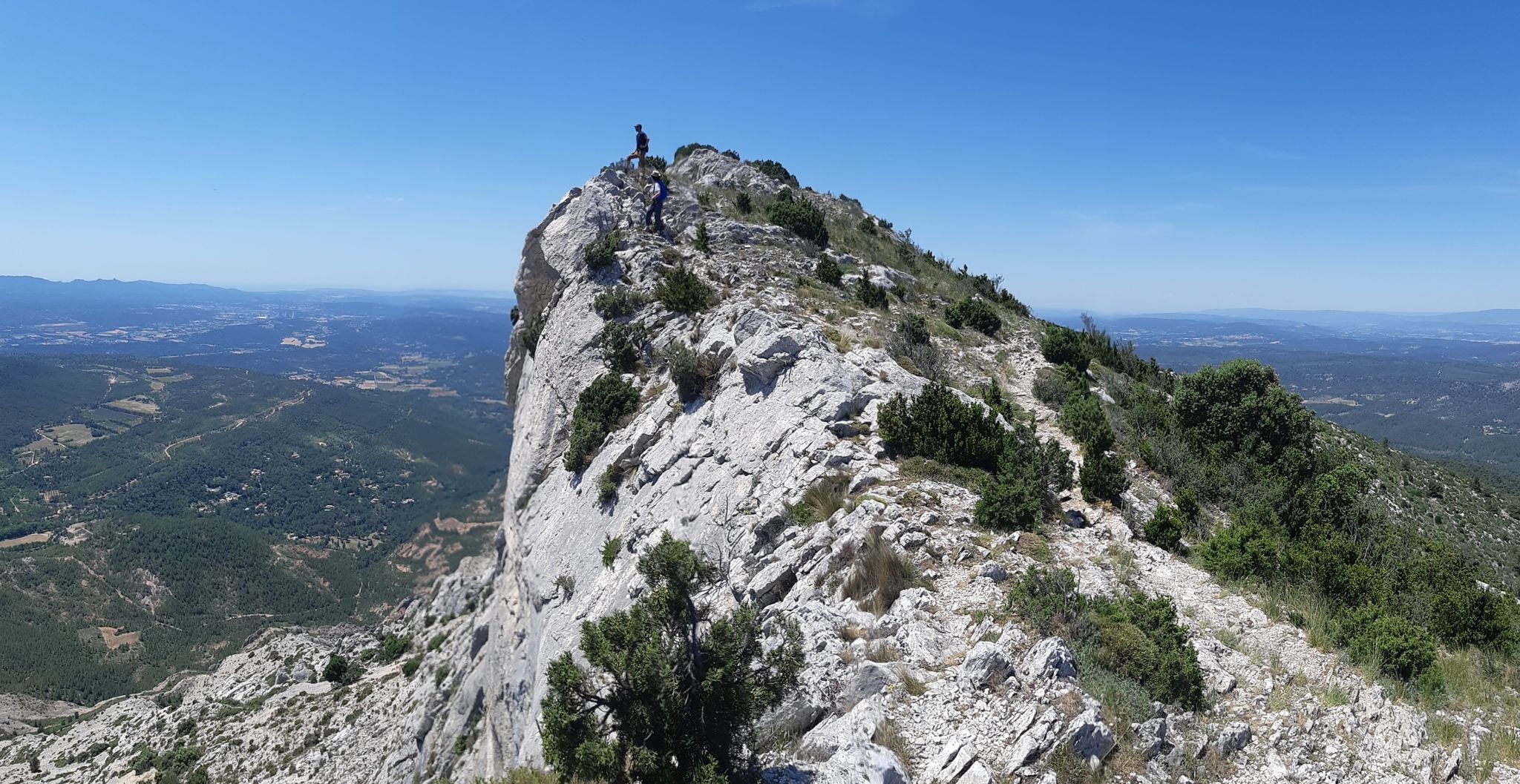
Great climbing in the 2nd grade on rough limestone.
0
0

A summit with very few peoples on it compared to the croix de Provence. Can be accessed by the crest, much harder and longuer than the Imoucha path.
1
0
A dam with a lake. There is a path that's leads just at the top of the dam, with a water source on it, and a little café.
0
0
Beautiful, it's also a good place to take a nap or just rest under the shade.
1
0

Not the most beautiful place on Sainte-Victoire in itself, but what an extraordinary view 🔥 Sainte-Baume and the mountains of Marseille to the South, the Bessillons and the Alps behind the Verdon to the East, the Montagne de Lure, the Écrins, the Ventoux...
1
0
Magical place, panoramic view from the "balcony".
1
0

Magnificent fountain with the Cours Mirabeau. Resting point and starting point for very diverse circuits and nearby countryside. The only downside: Aix en Provence is absolutely not equipped for cyclists, but fortunately you can get out of it quite quickly (Gametta and its roundabout below deserve to be very careful)
1
0
Frequently Asked Questions
What are some notable historical landmarks to explore in Aix-en-Provence?
Aix-en-Provence boasts a rich history. You can stroll along the famous Cours Mirabeau, a tree-lined avenue adorned with fountains and elegant mansions. Don't miss the grand Rotonde Fountain at its western end. The 17th-century Hôtel de Ville (Town Hall) and the beautiful baroque-style Place d'Albertas are also significant historical sites. For a deeper dive into religious history, visit the Saint-Jean-de-Malte Church or the Saint-Sauveur Cathedral, which showcases a blend of Romanesque, Gothic, and Baroque architectural styles.
Where can I experience the artistic heritage of Aix-en-Provence?
Aix-en-Provence is deeply connected to art. You can visit the Atelier de Cézanne, the studio where Paul Cézanne worked, offering an intimate glimpse into his life. The Hôtel de Caumont Art Center hosts art exhibitions in a beautifully restored 18th-century mansion. The Musée Granet is another highlight, housing an extensive collection from the 14th to the 20th century, including works by Rembrandt, Ingres, and Cézanne. For a unique architectural art experience, explore the Fondation Vasarely.
Are there any natural features or scenic viewpoints near Aix-en-Provence?
Absolutely. The iconic Montagne Sainte-Victoire, immortalized by Cézanne, offers spectacular panoramic views and hiking opportunities. You can reach the Croix de Provence summit for breathtaking vistas where the Mediterranean and the Alps are visible on clear days. The Lake Bimont and Bimont Dam provide a picturesque setting with turquoise-blue water and scenic footpaths, though swimming is prohibited. The Zola Dam is also known for its wonderful rock formations.
What kind of outdoor activities can I do around Aix-en-Provence?
The region around Aix-en-Provence is perfect for outdoor enthusiasts. You can enjoy various mountain hikes, including challenging routes around Montagne Sainte-Victoire. For detailed routes, check out the Mountain Hikes around Aix-En-Provence guide. Mountain biking is also popular, with trails like the 'Bimont Dam – Beautiful view loop'. Find more options in the MTB Trails around Aix-En-Provence guide. Road cycling routes, such as the 'Tour of Sainte-Victoire', are also available in the Road Cycling Routes around Aix-En-Provence guide.
Are there any family-friendly attractions or activities in the area?
While many attractions can be enjoyed by families, the Rotonde Fountain is noted as family-friendly and wheelchair accessible, making it a good starting point for a city stroll. Exploring the pedestrian-only streets of the Old Town and its many fountains can be a delightful experience for all ages. For a unique cultural experience, the Museum Calisson provides insight into the traditional Provençal sweet, which can be engaging for children.
What is the best time to visit Aix-en-Provence for outdoor activities like hiking?
For hiking around Montagne Sainte-Victoire and other natural areas, it's crucial to check for fire risk closures, especially during dry summer months. Spring and autumn generally offer pleasant temperatures for outdoor activities. Always remember that there is no drinking water throughout the Sainte-Victoire massif, so bring enough with you. The Sainte-Victoire Priory, a popular hiking destination, can also be closed, so check its status before planning your trip.
Where can I experience the local culture and markets in Aix-en-Provence?
The heart of local life can be found in Aix-en-Provence's vibrant markets. The daily produce market in Place Richelme has been operating for over 500 years. For unique finds, a flea and antiques market takes place in Place de Verdun on Tuesdays, Thursdays, and Saturdays. The Old Town, with its narrow streets and numerous squares, is also perfect for soaking in the local atmosphere and discovering charming boutiques and cafes.
What are some lesser-known natural spots or 'hidden gems' for nature lovers?
Beyond the well-known Montagne Sainte-Victoire, the Bibémus Quarries offer an interesting natural site with unique rock formations that inspired Cézanne. The surrounding region also features diverse natural parks like the Luberon Regional Natural Park and the Camargue Regional Nature Park, known for its wildlife. For a peaceful green space within the city, Parc Jourdan is a scenic option just outside the historic center.
Are there any significant historical sites related to World War II in Aix-en-Provence?
Yes, the Camp des Milles is a historic internment and deportation camp from 1939-1942. It now serves as a memorial site, offering an important perspective on Aix-en-Provence's history during World War II and is a significant place for reflection and remembrance.
What do visitors enjoy most about the attractions around Aix-en-Provence?
Visitors frequently praise the stunning panoramas, especially from spots like the Croix de Provence, which offers unique views. The sense of achievement after a hike to places like the Sainte-Victoire Priory is also highly valued. Many appreciate the beautiful rock formations found at sites like the Zola Dam and the picturesque settings of the lakes and dams. The overall charm of the city, with its historical architecture and vibrant atmosphere, is also a major draw.
Can I find any cultural sites dedicated to textiles or historical interiors?
Yes, the Tapestry Museum (Musée des Tapisseries), located in L'Archevêché, features a collection of 17th and 18th-century tapestries. Additionally, the Pavillon Vendôme is a beautiful 17th-century 'pleasure house' surrounded by French-style gardens, showcasing period furniture, paintings, and art objects from the late 17th and early 18th centuries.
Most popular routes around Aix-En-Provence
Most popular attractions around Aix-En-Provence

Get inspired with the komoot mobile app


Didn’t find what you were looking for?
Are you keen on exploring more awesome places nearby? Browse our guides:
Explore more
Still not found the Highlight you’re looking for? See guides of the top attractions in other regions:
