Attractions and Places To See around Tresserre - Top 20
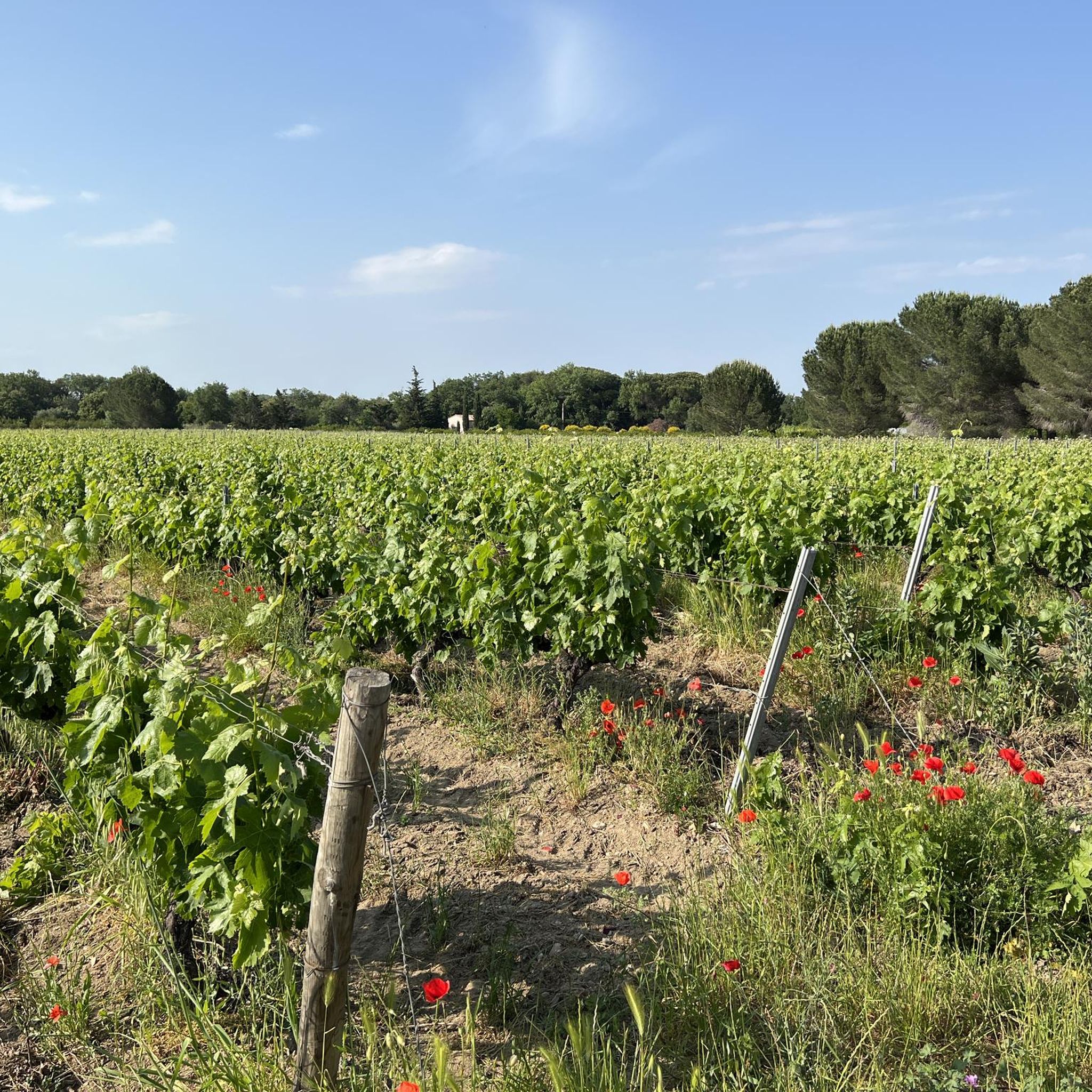
Best attractions and places to see around Tresserre include a blend of historical, cultural, and natural sites. This wine-growing village in the Pyrénées-Orientales department of France is situated on the foothills of the Aspres, offering expansive views from the sea to the mountains. The area features medieval art, historical landmarks, and diverse landscapes, providing opportunities for exploration.
Best attractions and places to see around Tresserre
- The most popular attractions is Puig Neulós, a summit that offers an impressive panorama…
Last updated: October 9, 2026
Reynès Iron Bridge
Highlight • Bridge
Translated by Google •
Tip by

Puig Neulós
Highlight • Summit
If we refer to the toponymy, this 1,256 meter summit is often in the clouds. In fact “neulós” means covered in clouds in Catalan.
Translated by Google •
Tip by

Sign up now to discover places like this
Get recommendations on the best single tracks, peaks, & plenty of other exciting outdoor places.
Chalet of the Albère
Highlight • Other
Its privileged location at the Col de l'Ouillat offers a breathtaking setting and panoramic view.
Translated by Google •
Tip by
Devil's bridge
Highlight • Bridge
Translated by Google •
Tip by

Puig de Sant Cristau
Highlight • Summit
Translated by Google •
Tip by
Sign up for free to discover even more attractions around Tresserre.
Already have an account?
Start today with a free account
Your next adventure awaits.

Tips from the Community

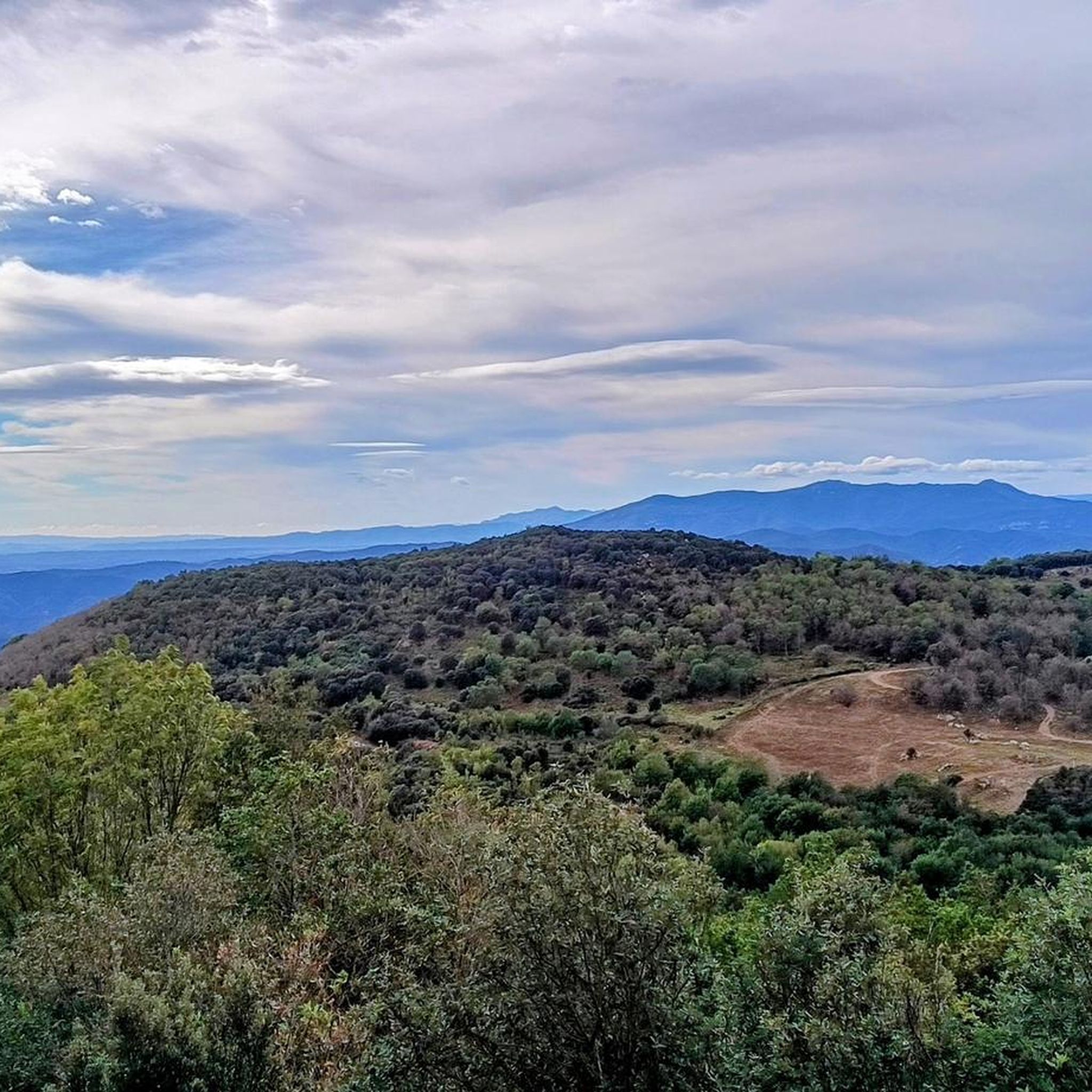
The Puig de Sant Cristau (Catalan; French: Pic de Saint-Christophe) lies at an altitude of 1,015 meters in the Albères massif at the eastern end of the Pyrenees. On the summit plateau stand the remains of a chapel dedicated to Saint Christopher, which now more closely resembles a small shelter.
0
0

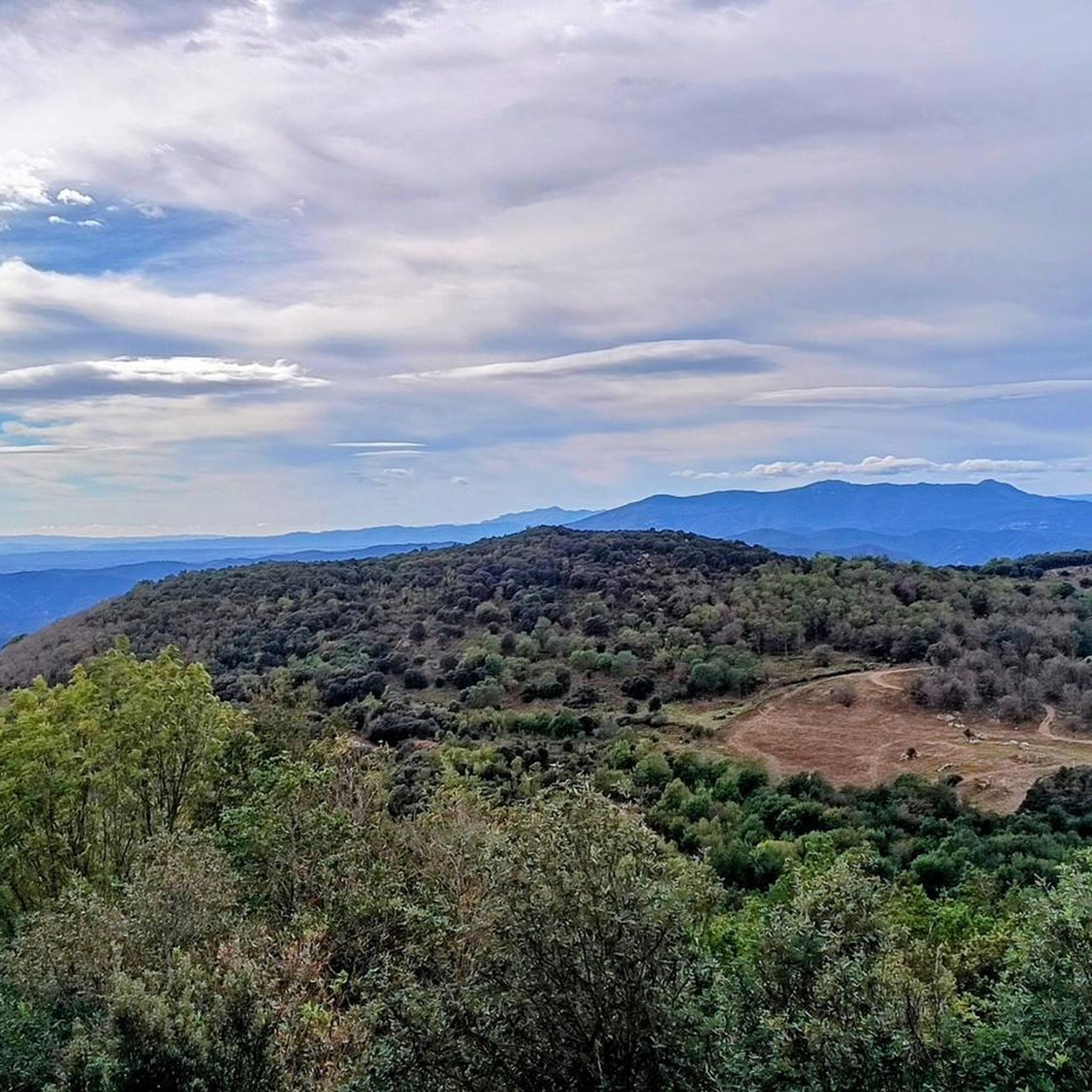
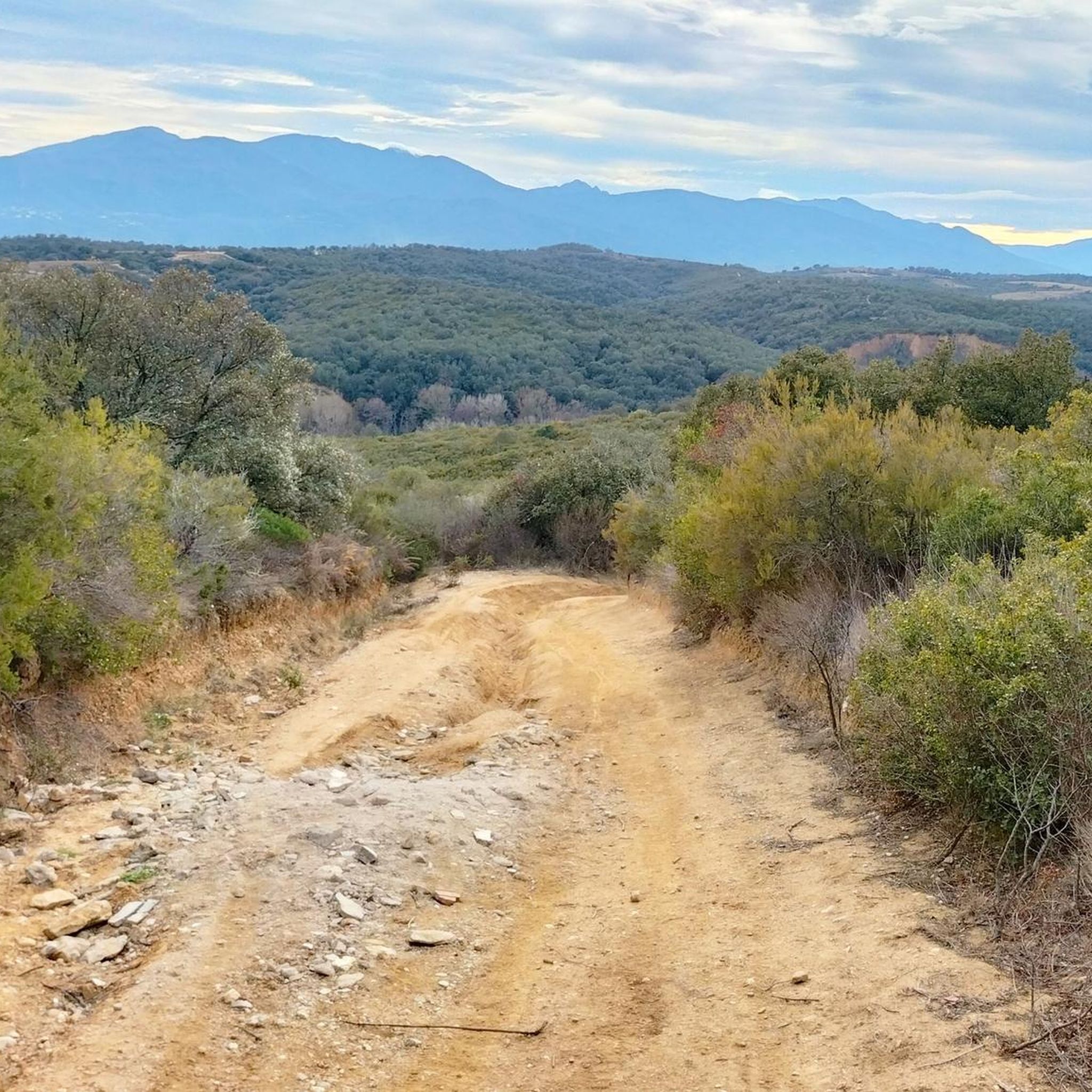
It is possible to do it with a mountain bike or gravel bike starting either from Villeneuve or from Montesquieu or from Boulou
0
1

The linguistic proximity of the "Pont Eiffel", which spans the valley here, and the low mountain range "Eifel" in the far west of Germany is no coincidence: The family of the designer - whose world-famous Tower of Paris (named after its builder) is probably known to everyone - has German roots. The ancestors of the Eiffel Tower builder Gustave EIFFEL come from the Eifel town of Marmagen (in the Euskirchen district, North Rhine-Westphalia). The village square there - if you are interested, see the following hiking highlight https://www.komoot.com/de-de/highlight/1830307 - is named after him.
0
0

The Tech River rises in the Canigou massif in the Pyrénées-Orientales, France, at an altitude of around 2,500 metres. It runs for approximately 84 km through the Vallespir and Roussillon, passing through towns such as Prats-de-Mollo, Céret and Le Boulou, before flowing into the Mediterranean Sea near Argelès-sur-Mer. The Tech is a Mediterranean river, with irregular flows that depend on seasonal rainfall and snowmelt. It is essential for agricultural irrigation and the ecosystem of the region.
1
0
It spans the Tech River and has become a symbol of both the city and medieval engineering. It was built in the early 14th century, between 1321 and 1341, and is one of the finest examples of medieval architecture in the region. In its time, it was considered a masterpiece of engineering.
1
0
Pont du Diable, a single arch of 45 metres, standing out for its age and grandeur.
1
0
The refuge is surrounded by lush nature, with beech and oak forests, and is an excellent place to observe the local fauna and flora. It is also a strategic point for those who wish to explore the biodiversity and natural heritage of the Albera mountain range.
1
0
The refuge can be reached on foot from various points in the region, and is accessible via several hiking trails that cross the forests and hills of the Albera. It is a starting or resting point for those exploring the Puig Neulós or hiking through the Eastern Pyrenees.
1
0
Frequently Asked Questions
What historical landmarks can I explore around Tresserre?
Tresserre and its surroundings are rich in history. You can visit the ancient Église Saint Saturnin in Tresserre, which dates back to the 10th century. Another significant site is the Reynès Iron Bridge, a historical two-story bridge that played a strategic role during World War II. Don't miss the Devil's bridge, a remarkable 14th-century example of medieval engineering spanning the Tech River. The Site of the Battle of Le Boulou also offers a marked trail with informational panels commemorating 18th-century battles.
Where can I find the best panoramic views near Tresserre?
For breathtaking panoramic views, consider hiking to Puig Neulós, the highest point of the Albères massif, offering an impressive panorama over Roselló and Alt Empordà. The Puig Saint-Christau Summit also provides sumptuous views of Canigou on one side and the sea on the other. Additionally, the Château de Montesquieu site offers a circular orientation table with expansive views, and the Site of the Battle of Le Boulou provides a 360-degree view of the Canigou, the Roussillon plain, and the Vermeille coast.
Are there family-friendly attractions or activities near Tresserre?
Yes, the region offers several family-friendly options. The Reynès Iron Bridge is categorized as family-friendly and offers an interesting historical stop. For outdoor exploration, many of the hiking trails around Tresserre, such as the shaded ascent to Puig Saint-Christau Summit, can be suitable for families with some hiking experience. The nearby village of Castelnou, recognized as one of France's 'Most Beautiful Villages,' is also a charming place for a family visit.
What natural features can I explore around Tresserre?
Tresserre is surrounded by diverse natural beauty. The majestic Pic du Canigou dominates the landscape and is a significant natural landmark. You can also visit the unique rock formations of the Orgues d'Ille-sur-Tet, or explore the impressive canyon of the Gorges de la Fou. The Étang de Canet-Saint-Nazaire offers another site of natural beauty, and the Réserve naturelle nationale de Cerbère-Banyuls provides marine and coastal natural wonders.
What kind of hiking trails are available near Tresserre?
The area around Tresserre is excellent for hiking, with trails ranging from moderate to difficult. You can find routes like the 'Pla del Rei – Vineyards loop' or the 'Puig de la Balma – Puig Saint-Christau Summit loop'. For more challenging options, consider the 'View of Fuente de la Salud – Puig Saint-Christau Summit loop'. Many trails offer splendid views and are often shaded. You can find more details and routes on the Hiking around Tresserre guide.
Are there options for road cycling near Tresserre?
Yes, road cyclists will find a variety of routes around Tresserre, ranging from moderate to difficult. Popular options include the 'Devil's Bridge – Céret loop' and the 'Fourtou Pass (655 m) – Beautiful road loop'. These routes often feature scenic landscapes and varying elevations. For a comprehensive list of routes, refer to the Road Cycling Routes around Tresserre guide.
What is the best time of year to visit Tresserre for outdoor activities?
The region around Tresserre is generally pleasant for outdoor activities for much of the year. Spring and autumn offer mild temperatures ideal for hiking and cycling, with vibrant landscapes. Summer can be warm, but many trails, like the ascent to Puig Saint-Christau Summit, offer shaded sections. Winter activities are also possible, though some higher elevation trails might be more challenging due to snow, as noted for Puig Saint-Christau Summit.
Are there any unique cultural events in Tresserre?
Tresserre is well-known for its annual 'Fête des Sorcières' (Witch Festival), which has become an unmissable event for the village. This festival highlights a unique aspect of the local culture, with the village's architecture even featuring 'Bruixes' horns on some roof ridges, traditionally intended to ward off witches.
What are some charming nearby villages or towns worth visiting?
Several charming villages and towns are a short drive from Tresserre. Castelnou is recognized as one of France's 'Most Beautiful Villages' with its picturesque setting and castle. Céret, known for its historic town center and Picasso Museum, is also a great option. Elne features notable cathedral cloisters, and Collioure offers an attractive traditional harbor town with a small beach.
Where can I find food or refreshment during my outdoor adventures?
If you're exploring the Albères massif, the Chalet of the Albère serves as both a refuge and a restaurant. It's known for its local, simple, and excellent food, offering a great spot to refuel after a hike with a breathtaking panoramic view. It's advisable to book ahead, and they accept check or cash.
What is the difficulty level of running trails around Tresserre?
Running trails around Tresserre are generally of moderate difficulty. You can find various loops such as the 'Montesquieu Castle loop' or the 'Pla del Rei loop' starting from different points like Montesquieu-des-Albères or Tresserre itself. These trails offer good opportunities for a scenic run. More running routes can be found in the Running Trails around Tresserre guide.
Are there any unique architectural features in Tresserre itself?
Beyond the historic Église Saint Saturnin, Tresserre holds remnants of its past as a barony and part of the Kingdom of Majorca. Vestiges of a believed 'palau' (palace), possibly a summer residence for the Kings of Majorca, can still be seen in some dwellings and walls behind the church. The village's architecture also uniquely incorporates 'Bruixes' horns on some roof ridges, traditionally meant to ward off witches.
Most popular routes around Tresserre
Most popular attractions around Tresserre

Get inspired with the komoot mobile app


Explore more
Still not found the Highlight you’re looking for? See guides of the top attractions in other regions:
