Attractions and Places To See around Baillargues - Top 20
Best attractions and places to see around Baillargues include a blend of historical sites, cultural experiences, and natural beauty. The town, with its Roman origins, is nestled amidst vineyards and garrigue, with the Bérange river flowing through it. Visitors can explore ancient fortifications, impressive murals, and significant aqueducts. The surrounding landscape offers opportunities for walks and hikes.
Best attractions and places to see around Baillargues
- The most popular attractions is Castries Aqueduct, a man_made_monument that winds through the bush…
Last updated: October 9, 2026
Castries Aqueduct
Highlight • Monument
Translated by Google •
Tip by

Three Graces Fountain, Place de la Comédie
Highlight • Monument
Tip by

Sign up now to discover places like this
Get recommendations on the best single tracks, peaks, & plenty of other exciting outdoor places.
Castries Aqueduct
Highlight • Historical Site
Translated by Google •
Tip by
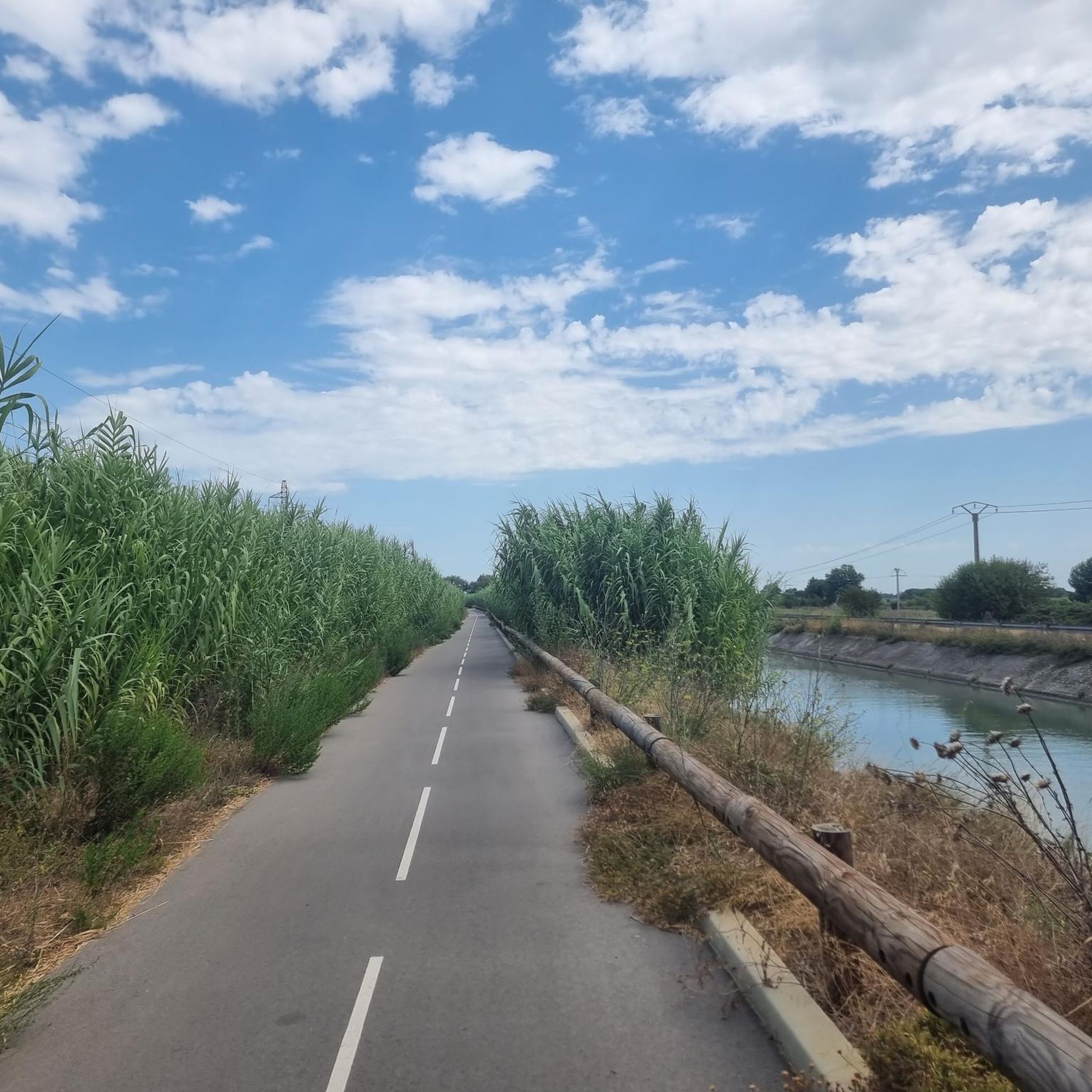
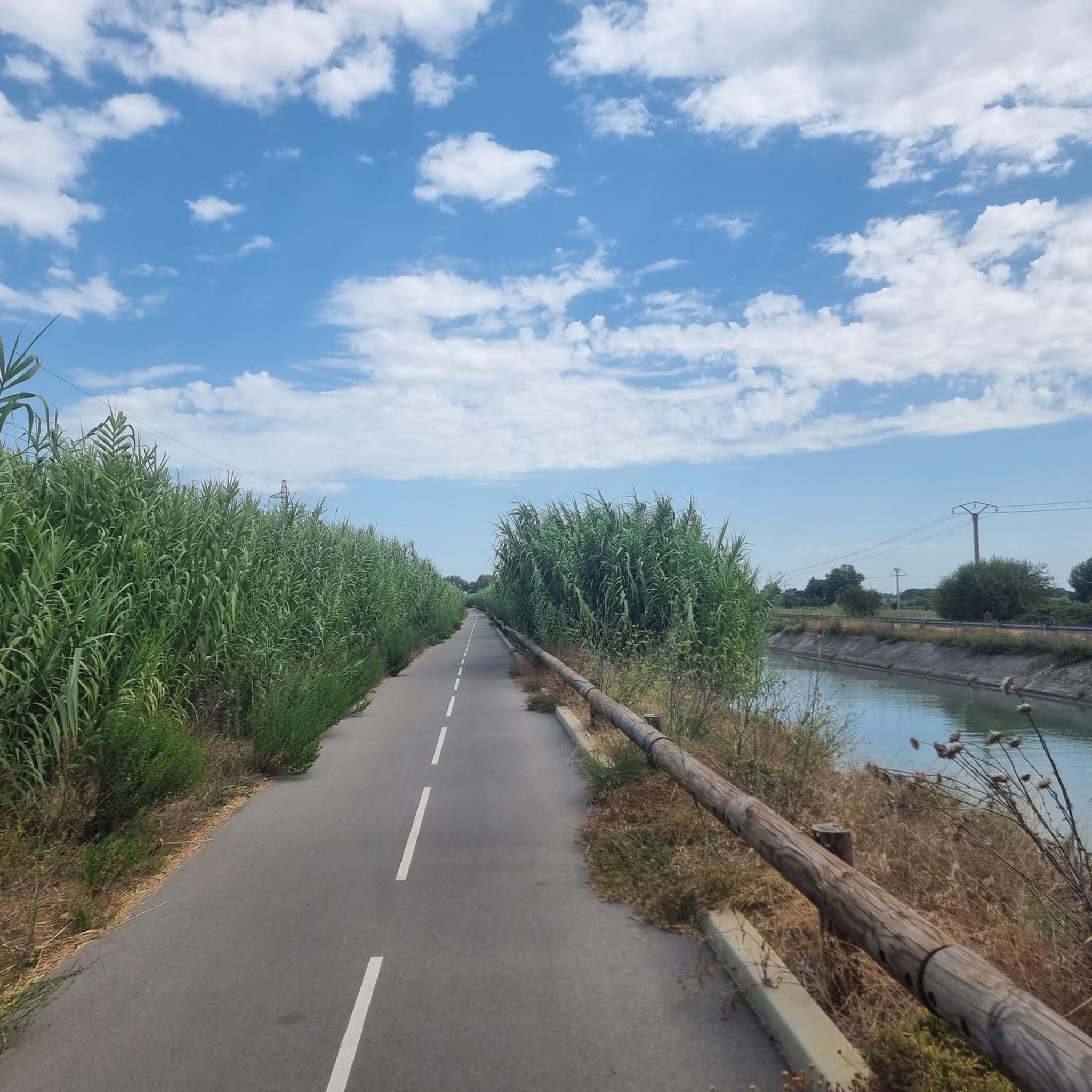
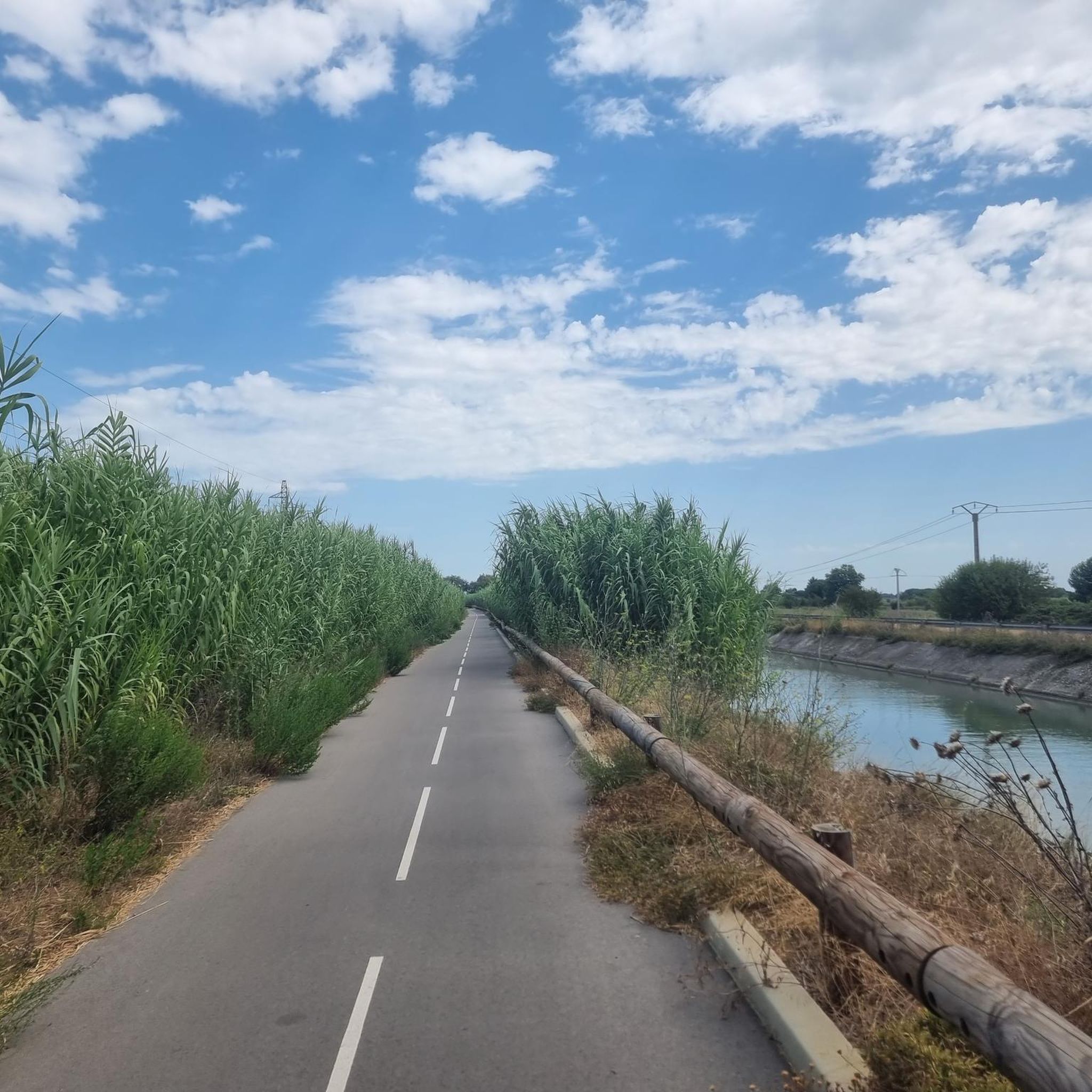
Rhône–Sète Canal
Highlight (Segment) • Cycleway
Touring bike suitable
Translated by Google •
Tip by

Opéra Comédie Montpellier
Highlight • Monument
Translated by Google •
Tip by

Sign up for free to discover even more attractions around Baillargues.
Already have an account?
Start today with a free account
Your next adventure awaits.

Tips from the Community

Narrow streets, colorful facades, charming squares – Montpellier's old town invites you to stroll. Gothic churches and elegant townhouses tell tales of bygone splendor. Small boutiques, cafés, and lively markets pulsate among the winding streets. A blend of history, life, and architecture that makes every step worthwhile. A truly captivating city!
0
0


By the way, it is the second opera house after the first one burned down.
3
0

Beautiful aqueduct built to supply the park and gardens with water.
0
0


The Castries Aqueduct winds through the bush landscape and offers beautiful walks in the hinterland.
9
0
The aqueduct is 6,822 meters long and has a gradient of only 3 meters. Pierre Paul Riquet had drawn up plans for a colossal aqueduct that could lead to the Chateau de Castries, the waters of the Fongrand spring northwest of the village of Castries, in 1676.
9
1

The Montpellier Opera is one of the leading opera houses in France, where, in addition to operas, classical concerts by world-famous composers are performed.
0
0
Frequently Asked Questions
What historical sites can I explore within Baillargues itself?
Within Baillargues, you can visit the 12th-century Romanesque Church of Saint-Julien, which was fortified during the Hundred Years' War. You can also see the Old Gate and Watchtower, the last remnants of the town's medieval fortifications. Additionally, Baillargues is known for its impressive murals and frescoes by artist Claire Aton, depicting various historical periods and local traditions.
Are there any unique cultural experiences or traditions in Baillargues?
Baillargues maintains strong bullfighting traditions, hosting numerous events around the bull during the summer months, including 'abrivados' and 'bandidos' (running of bulls), and taurine races. The town's murals and frescoes also offer a unique cultural insight into its history and traditions.
What significant historical landmarks are located near Baillargues?
A notable historical landmark nearby is the Castries Aqueduct, built in 1760 by Pierre-Paul Riquet. This impressive structure is almost 7 km long and offers beautiful walks. In Montpellier, you can find the Three Graces Fountain, Place de la Comédie, a broad plaza that is the nerve center of the city, and the historic Opéra Comédie Montpellier.
What kind of natural landscapes can I expect to see around Baillargues?
Baillargues is nestled amidst picturesque vineyards and 'garrigue' (aromatic scrubland), with the Bérange river flowing through it. This landscape provides ample opportunities for walks and hikes. Further afield, the iconic Pic Saint-Loup offers a more dramatic natural feature with panoramic views.
Are there opportunities for hiking or walking near Baillargues?
Yes, the area offers various hiking opportunities. You can enjoy walks among 'manades' (herds of bulls), garrigue, and vineyards near Saint-Brès and Saint-Géniès-des-Mourgues. The Sentier du Dragon wine hike trail is a notable option. For more structured routes, explore the hiking trails around Baillargues, including those around the Castries Aqueduct.
Can I find cycling routes in the Baillargues area?
Absolutely. The Rhône–Sète Canal offers a cycle path that connects Aigues-Mortes and Palavas, providing a nature trail suitable for touring bikes or mountain bikes. For more options, you can find various MTB trails around Baillargues, including loops around the Castries Aqueduct.
Are there any viewpoints offering panoramic views near Baillargues?
Yes, the View of the Castries aqueduct provides a beautiful perspective of this historical structure and the surrounding landscape. For more expansive panoramic views, a hike to the summit of Pic Saint-Loup, though further afield, offers breathtaking vistas of the Cévennes, the Nîmes Plain, the Rhône Valley, and the Mediterranean coast.
Are there family-friendly attractions or activities suitable for children?
Many of the outdoor activities, such as easy walks around the vineyards and garrigue, or exploring the Castries Aqueduct, are suitable for families. The Three Graces Fountain, Place de la Comédie in Montpellier is also a lively spot with cafes, often enjoyed by families.
What is the best time of year to visit Baillargues for outdoor activities?
The spring and autumn months are generally ideal for outdoor activities around Baillargues. The weather is pleasant for hiking, cycling, and exploring the vineyards and garrigue. Summers can be hot, but early mornings or late afternoons are still suitable for activities, and you can experience the traditional bullfighting events.
What do visitors enjoy the most about the attractions near Baillargues?
Visitors particularly enjoy the blend of historical exploration and natural beauty. The Castries Aqueduct is highly appreciated for its beautiful walks and impressive architecture. The Place de la Comédie in Montpellier is loved for its vibrant atmosphere and cafes. The Rhône–Sète Canal is popular for its scenic and accessible cycling paths.
Are there any local markets near Baillargues?
While Baillargues itself doesn't have a market listed, nearby towns offer vibrant options. Mauguio, just 5km away, hosts markets on Tuesdays, Thursdays, and Sundays. Castelnau-le-Lez, about 10km away, has markets on Thursdays, Saturdays, and Fridays.
Most popular routes around Baillargues

Get inspired with the komoot mobile app


Explore more
Still not found the Highlight you’re looking for? See guides of the top attractions in other regions:
