Attractions and Places To See around Quéven - Top 20
Best attractions and places to see around Quéven include a blend of historical sites, natural beauty, and cultural experiences in the Morbihan department of Brittany, France. The commune features ancient archaeological remains, such as megalithic monuments, alongside religious architecture. Visitors can explore natural features like the Bois de Kercadoret and the Scorff Valley, which offer diverse environments. The area also provides access to various cultural sites and popular trails routes, making it a varied destination for exploration.
Best attractions and…
Last updated: October 9, 2026
Fort-Bloqué Beach
Highlight • Settlement
The success …
Translated by Google •
Tip by

Port de Guidel
Highlight • Structure
There are bars and restaurants, a large playground for children
Translated by Google •
Tip by

Sign up now to discover places like this
Get recommendations on the best single tracks, peaks, & plenty of other exciting outdoor places.
Port-Louis Citadel
Highlight • Monument
Translated by Google •
Tip by

Lorient Submarine Base
Highlight • Historical Site
Translated by Google •
Tip by
Sea view
Highlight • Other
Translated by Google •
Tip by

Sign up for free to discover even more attractions around Quéven.
Already have an account?
Start today with a free account
Your next adventure awaits.

Tips from the Community

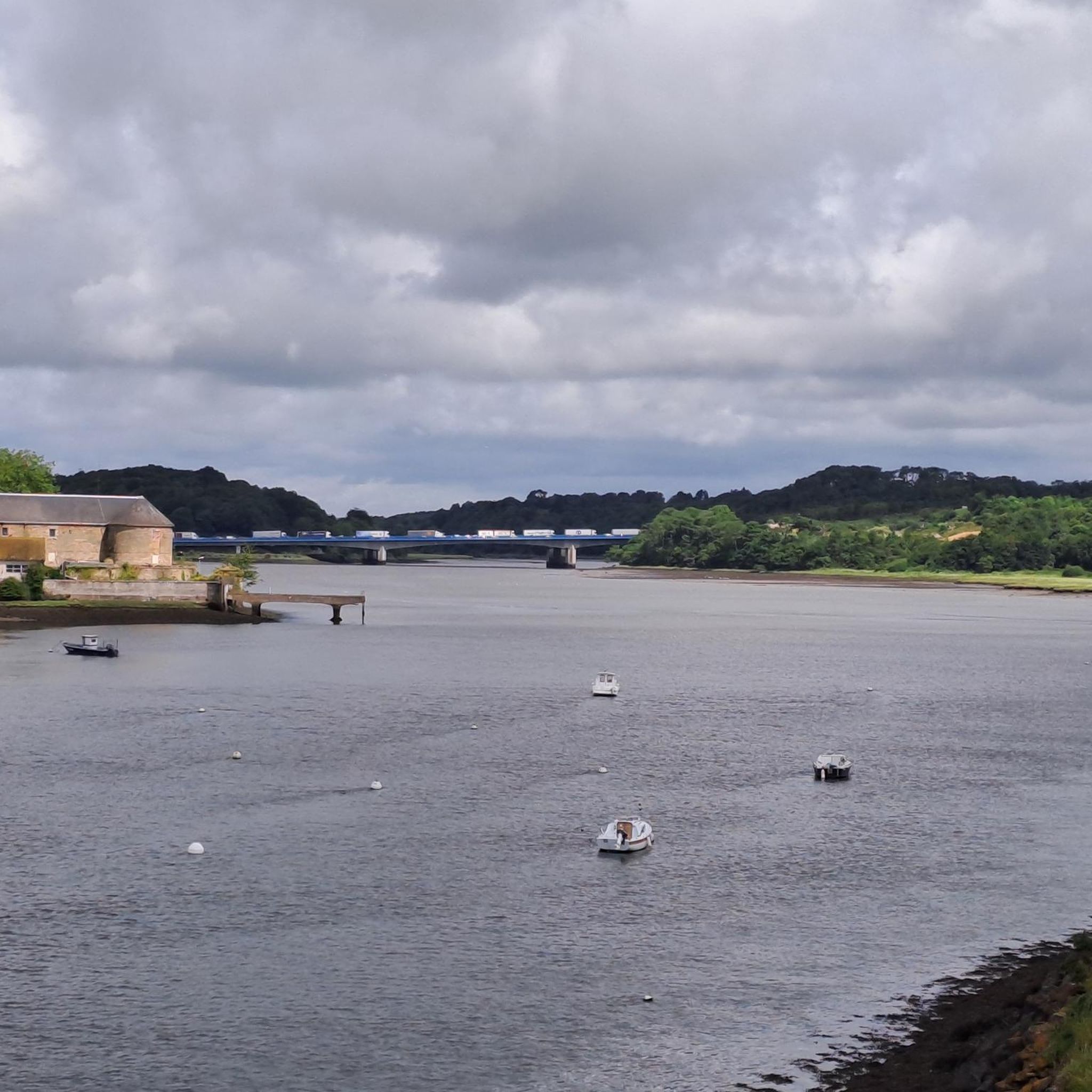
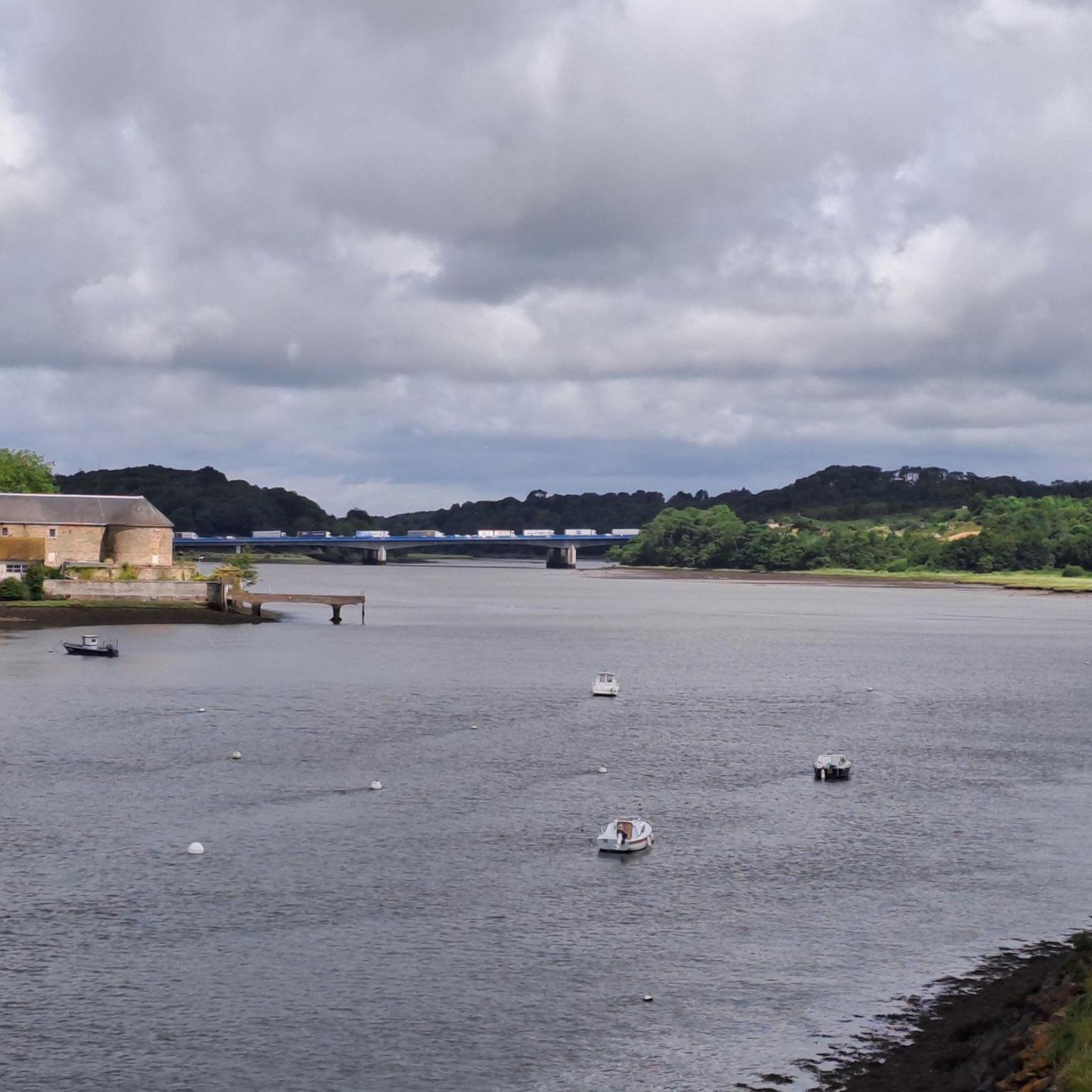
No interest in summer, the Parisian ring road during peak hours.
0
0

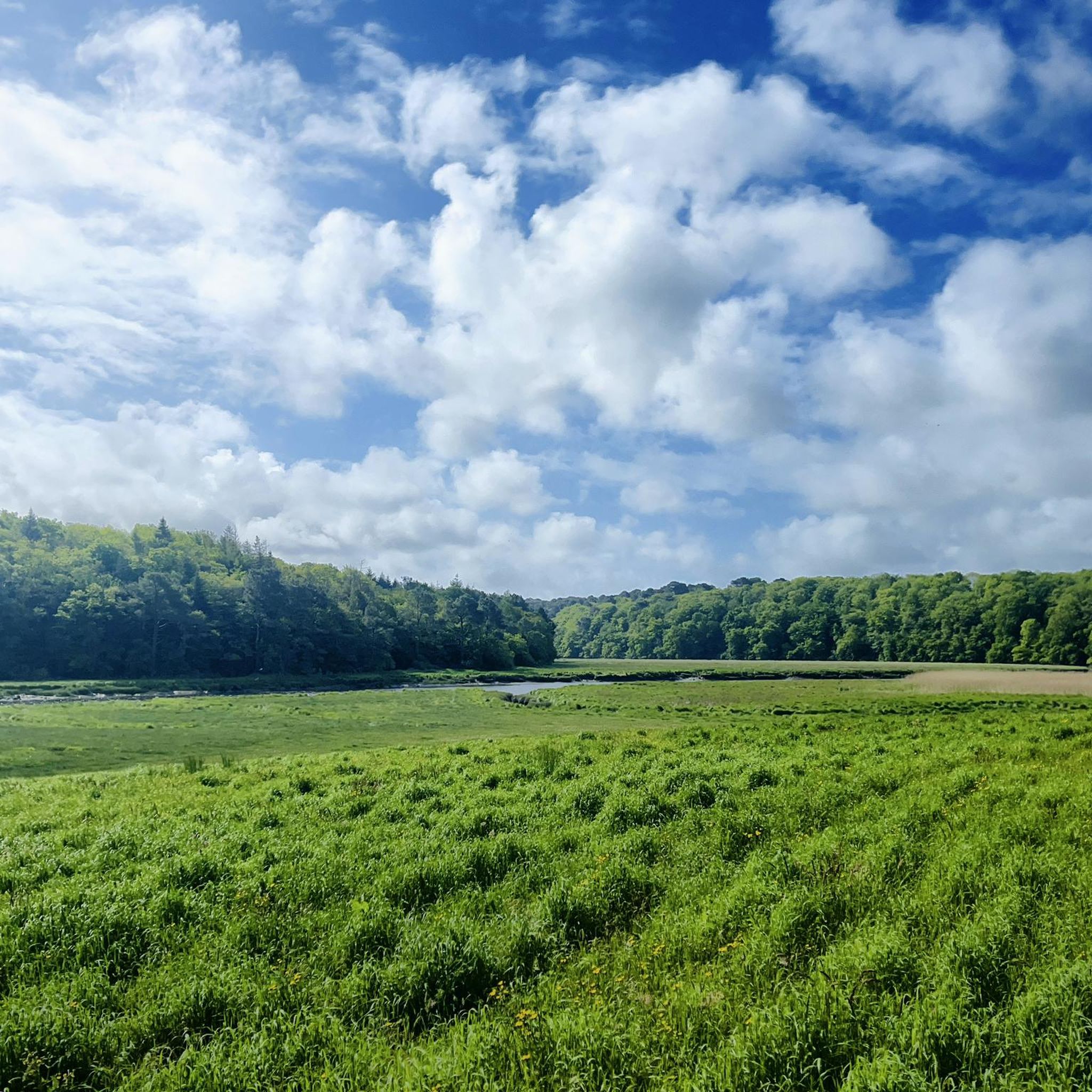
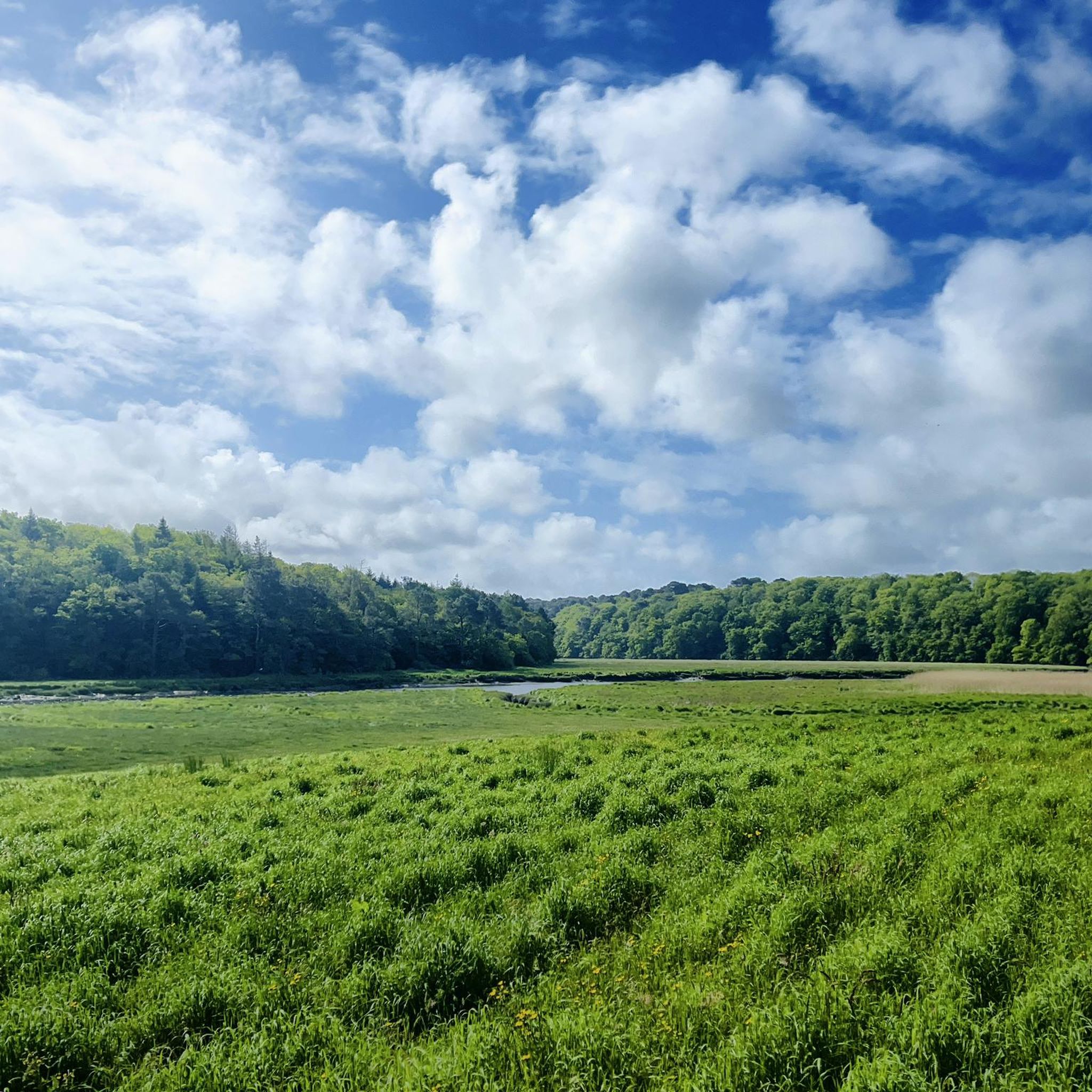
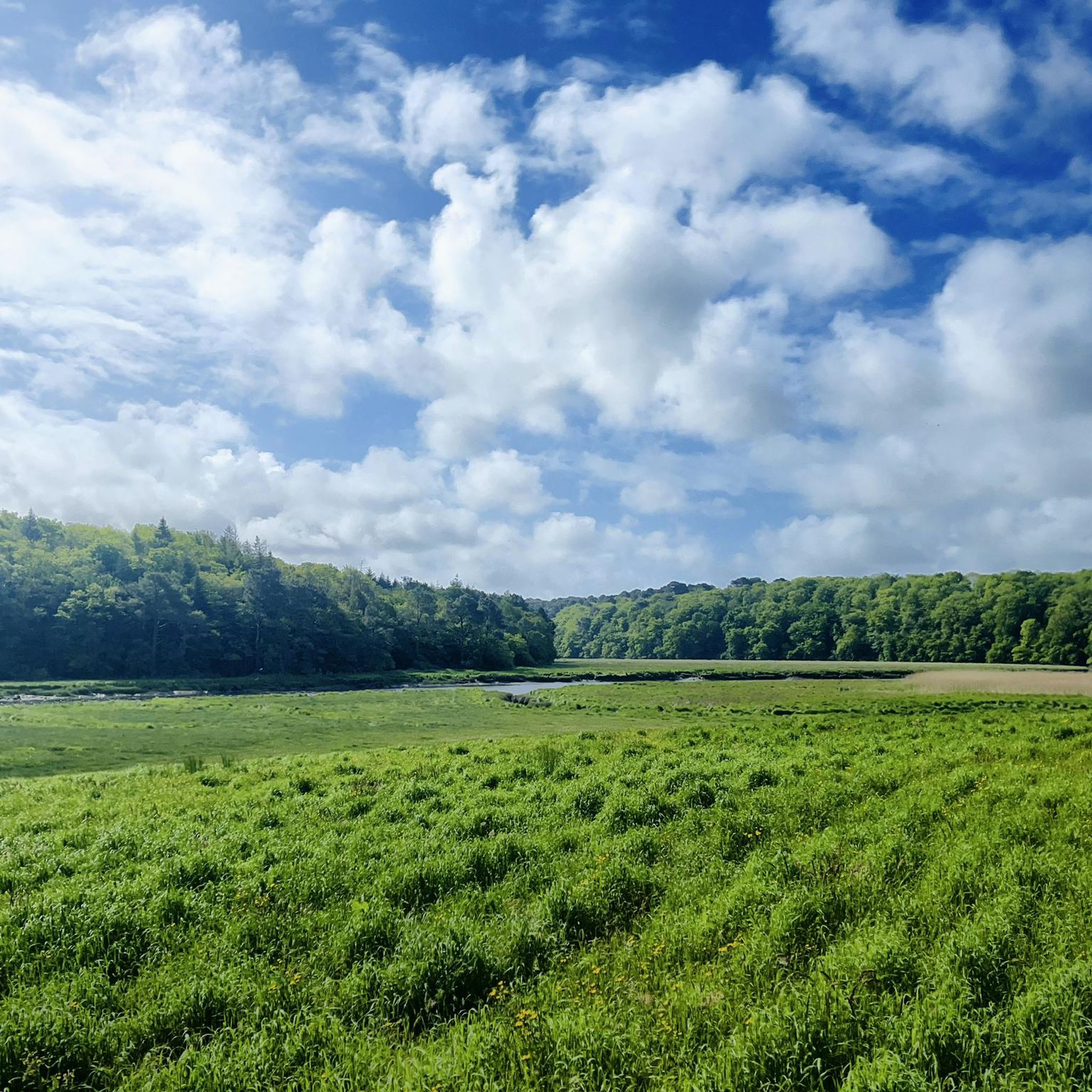
At the small harbor of Guidel-Plages, where the river Laïta flows calmly into the sea, something special happened. Every morning, fisherman Yann sailed out of the harbor in his old blue boat. He knew every wave, every sandbank, and every seagull by name. But on a misty spring day, he saw something he had never seen before: a bottle gently bobbing against the pier. Inside the bottle was not a treasure map, but a carefully folded letter. “For the one who loves the sea. Follow the river at sunset. Where the water turns golden, a surprise awaits.” Yann smiled. That evening, he did not sail out to the open sea, but slowly upstream along the Laïta. As the sun set, the water indeed turned into a ribbon of gold. Around a bend, he saw a group of dolphins playfully leaping through the calm water. As if they had been waiting for him, they swam alongside his boat for a while. When he returned to the harbor of Guidel, he didn't tell anyone exactly what he had seen. He simply said: “The sea keeps its most beautiful secrets for those who take the time to look.” Since then, the locals perform a small ritual. Anyone watching the sunset from the pier gazes silently over the water for a moment. Not because they all expect dolphins, but because the harbor of Guidel reminds them that the most beautiful adventures sometimes begin with a little curiosity and a good dose of imagination. And very occasionally, when the evening breeze blows softly over the harbor and the seagulls are quiet for a moment, it seems as if the sea whispers: “There is always another story to discover.”
1
0

Guidel is a French municipality with 12,236 inhabitants in the department of Morbihan in the region of Brittany. It belongs to the arrondissement of Lorient and the canton of Guidel.
0
0
Port-Louis ⚓️🛟🪝1.04.2026 is a French city with 2689 inhabitants in the department of Morbihan in the region of Brittany. The city is located right next to the larger city of Lorient, separated only by a bay.
0
0

From here, you can enjoy a breathtaking view of the Atlantic Ocean, with its sparkling waters stretching as far as the eye can see. Cliffs and sandy beaches punctuate the landscape, with waves crashing against the shore. As you drive along this road, you can see hidden coves and sailboats gliding peacefully across the water.
0
0
Very beautiful museum of the East India Company and very interesting exhibitions
0
0

If you are travelling with luggage, please note that you cannot take large bags with you and that these cannot be deposited in the ticket office. We had a rather amusing discussion about this with a military employee.
0
0
Frequently Asked Questions
What historical sites can I explore around Quéven?
Quéven and its surroundings offer a rich history. You can visit the Port-Louis Citadel, built by the Spanish in 1591 and later continued by the French, strategically located at the entrance to Lorient harbor. Another significant site is the Lorient Submarine Base, a former German submarine base from WWII, now a cultural site dedicated to navigation. Additionally, the Fort-Bloqué Beach area has historical significance, with a 19th-century settlement built on the site of a former battery.
Are there any significant religious buildings to visit in Quéven?
Yes, Quéven features several notable religious buildings. The Church of Saint-Pierre-et-Saint-Paul, dating from the late 15th century, is a key landmark. You can also visit the 16th-century Chapel of Saint-Nicodème, known for its chancel enclosure, and the Chapel of Our Lady of Peace, which houses stained glass windows by Alfred Manessier and Jean Le Moal. The Chapel of Bon Secours was rebuilt in the mid-20th century.
Where can I find natural spaces and viewpoints near Quéven?
For natural beauty and scenic views, explore the Bois de Kercadoret, a twenty-hectare wooded area offering remarkable landscape views of the Roze estuary's meanders and mudflats. The Scorff Valley also provides diverse coastal environments, including tidal flats and salt marshes. You can also experience the unique landscape of the Gâvres Military Road, which offers striking views of the ocean and the small sea of Gâvres.
Are there hiking or cycling trails available around Quéven?
Yes, Quéven is known for its natural spaces with marked hiking and cycling trails. One popular hiking option is the 'du Scave au Scorff' loop, which is 10.4 km long. For cycling, you can find routes like 'The Court loop from Quéven' (12.7 km, easy) or 'Fort-Bloqué Beach – Le Courégant and its beach loop from Quéven' (32.7 km, moderate). Mountain biking enthusiasts can explore trails such as 'The Lands of Nataé loop from Quéven' (12.8 km, easy). You can find more details on these and other routes in the Cycling around Quéven and MTB Trails around Quéven guides.
Can I visit ancient megalithic sites near Quéven?
Quéven has a rich prehistoric past. You can explore archaeological remains such as the Tumulus de Kerroc'h (also known as Trou des Chouans), which is a classified historical monument. Other significant prehistoric sites include the Dolmen de Kerscant and the Menhir de Kerdehoret. For even more extensive megalithic sites, the famous sites of Carnac (34km away) and Locmariaquer (42km away) are within reach.
What kind of coastal environments can I explore near Quéven?
The region around Quéven offers diverse coastal environments, particularly along the Scorff Valley. The Scorff estuary, extending for 12 kilometers, features both 'slikke' (vegetation-free tidal flats) and 'schorre' (salt marshes). You can also experience the coastal charm of Fort-Bloqué Beach, which is accessible on foot at low tide.
Are there any family-friendly attractions around Quéven?
Yes, the area offers attractions suitable for families. The Lorient Submarine Base is a cultural site dedicated to navigation with museum spaces that can be engaging for all ages. Additionally, the Chapel of Our Lady of Peace is listed as family-friendly. The nearby Les Terres de Nataé (about 2.8 km from Quéven) is another point of interest that might appeal to families.
What is the best time of year to visit Quéven for outdoor activities?
The best time to visit Quéven for outdoor activities generally aligns with milder weather. Spring (April-June) and early autumn (September-October) offer pleasant temperatures for hiking, cycling, and exploring natural sites without the peak summer crowds. Summer (July-August) is also popular, especially for coastal activities, though it can be busier.
What are some unique natural areas or 'Grand Sites' close to Quéven?
Beyond Quéven's immediate natural features, the Massif Dunaire de Gavres-Quiberon, located about 12km away, is recognized as a 'Grand Site of France.' This extensive dune system offers a unique and protected natural landscape for exploration and coastal walks.
What do visitors enjoy most about the attractions around Quéven?
Visitors appreciate the blend of historical depth and natural beauty. The historical context of sites like the Port-Louis Citadel and the Lorient Submarine Base, combined with the picturesque coastal views from places like Fort-Bloqué Beach and the Bois de Kercadoret, are frequently highlighted. The opportunity to explore ancient megaliths and diverse natural environments also contributes to a varied and engaging experience.
Are there opportunities for wild swimming near Quéven?
While specific wild swimming spots are not detailed, the coastal nature of the region, particularly around the Scorff Valley and nearby beaches like Fort-Bloqué Beach, suggests opportunities for sea bathing. Always check local regulations and safety conditions before swimming in natural waters.
Most popular attractions around Quéven

Get inspired with the komoot mobile app


Explore more
Still not found the Highlight you’re looking for? See guides of the top attractions in other regions:
