Attractions and Places To See around Gestel - Top 20
Best attractions and places to see around Gestel, Morbihan, France, include a variety of coastal features and historical sites. This region, located in Brittany, offers a mix of natural beauty where the Laïta River meets the sea, alongside significant historical structures. Gestel is characterized by its proximity to the Atlantic coast, providing access to beaches and estuaries. The area's history is reflected in its fortifications and religious buildings, making it a destination for exploring both natural landscapes and cultural heritage.
…Last updated: June 24, 2026
Fort-Bloqué Beach
Highlight • Settlement
The success …
Translated by Google •
Tip by

Sainte-Croix Abbey, Quimperlé
Highlight • Religious Site
Translated by Google •
Tip by

Sign up now to discover places like this
Get recommendations on the best single tracks, peaks, & plenty of other exciting outdoor places.
Sign up for free
Lorient Submarine Base
Highlight • Historical Site
Translated by Google •
Tip by
Sea view
Highlight • Other
Translated by Google •
Tip by

Chapel of Our Lady of Peace
Highlight • Religious Site
Translated by Google •
Tip by

Sign up for free to discover even more attractions around Gestel.
Sign up for free
Already have an account?
Start today with a free account
Your next adventure awaits.
Login or Signup

Tips from the Community

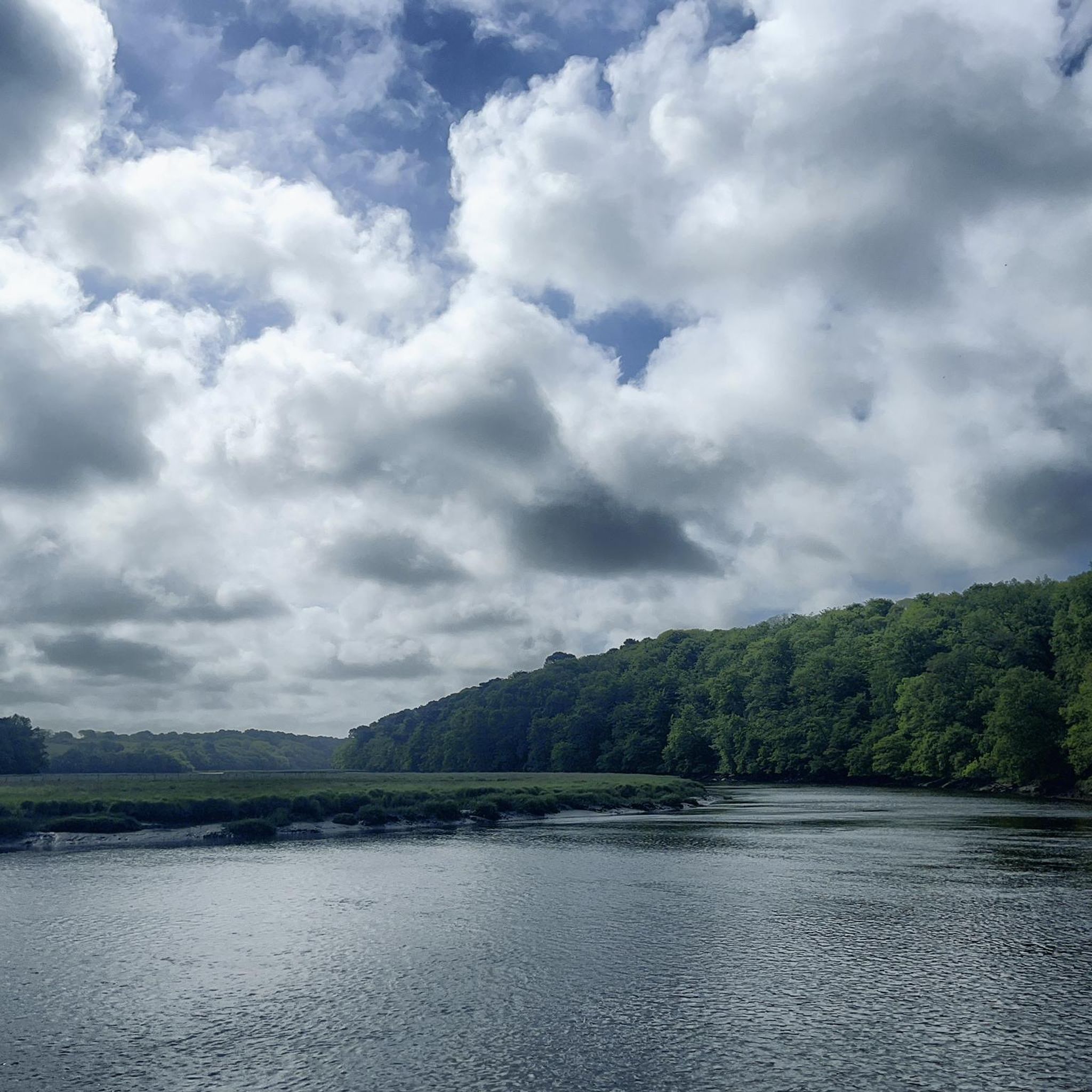
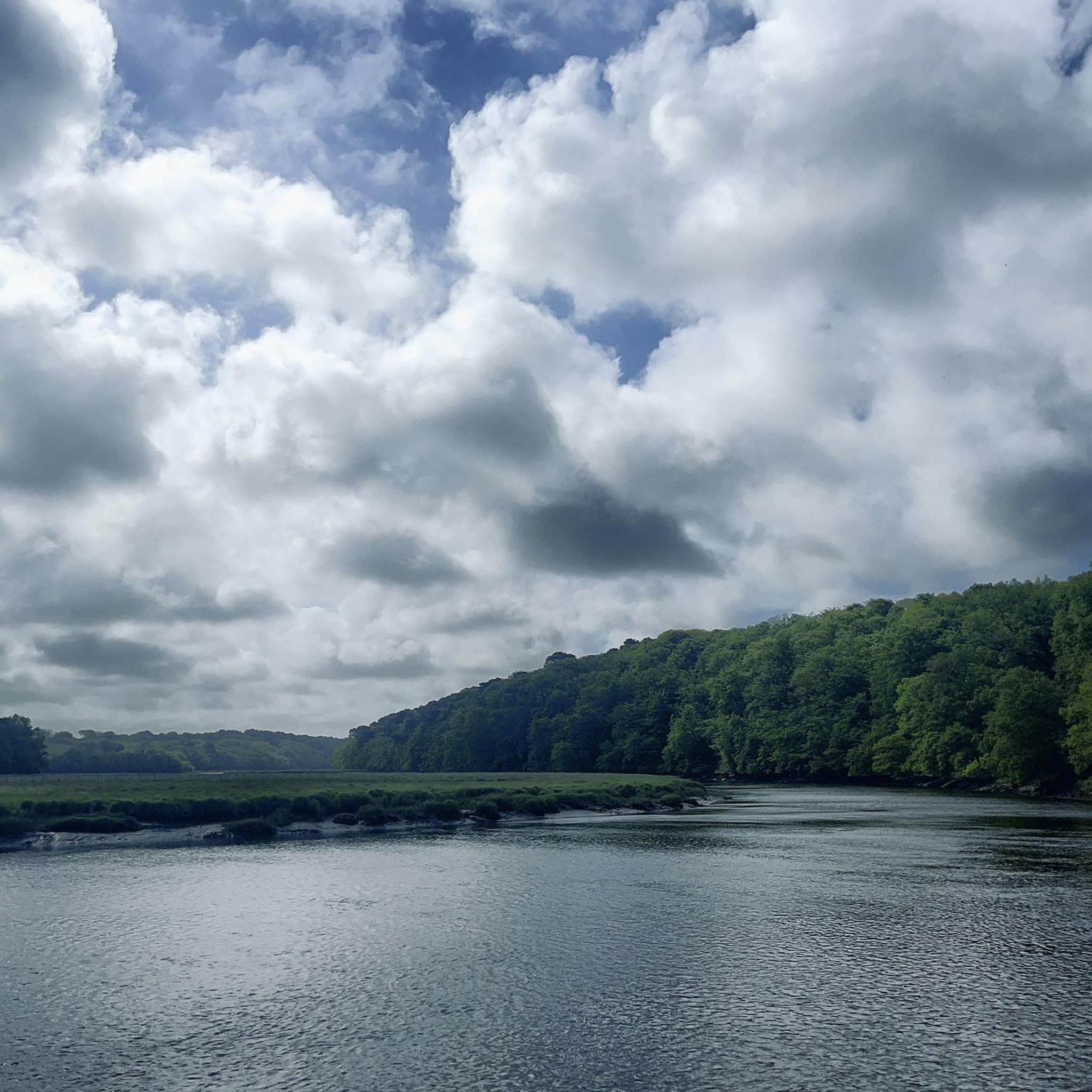
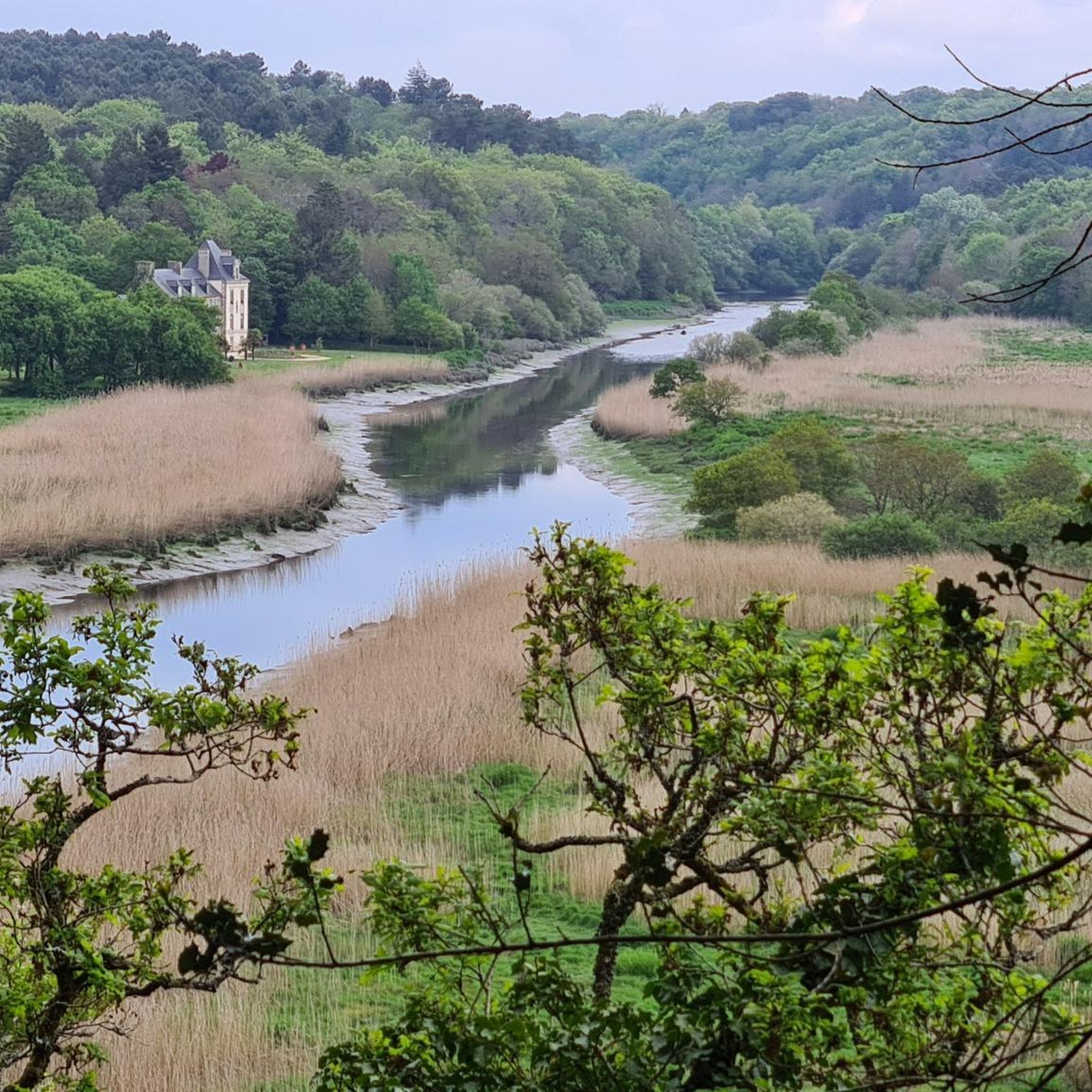
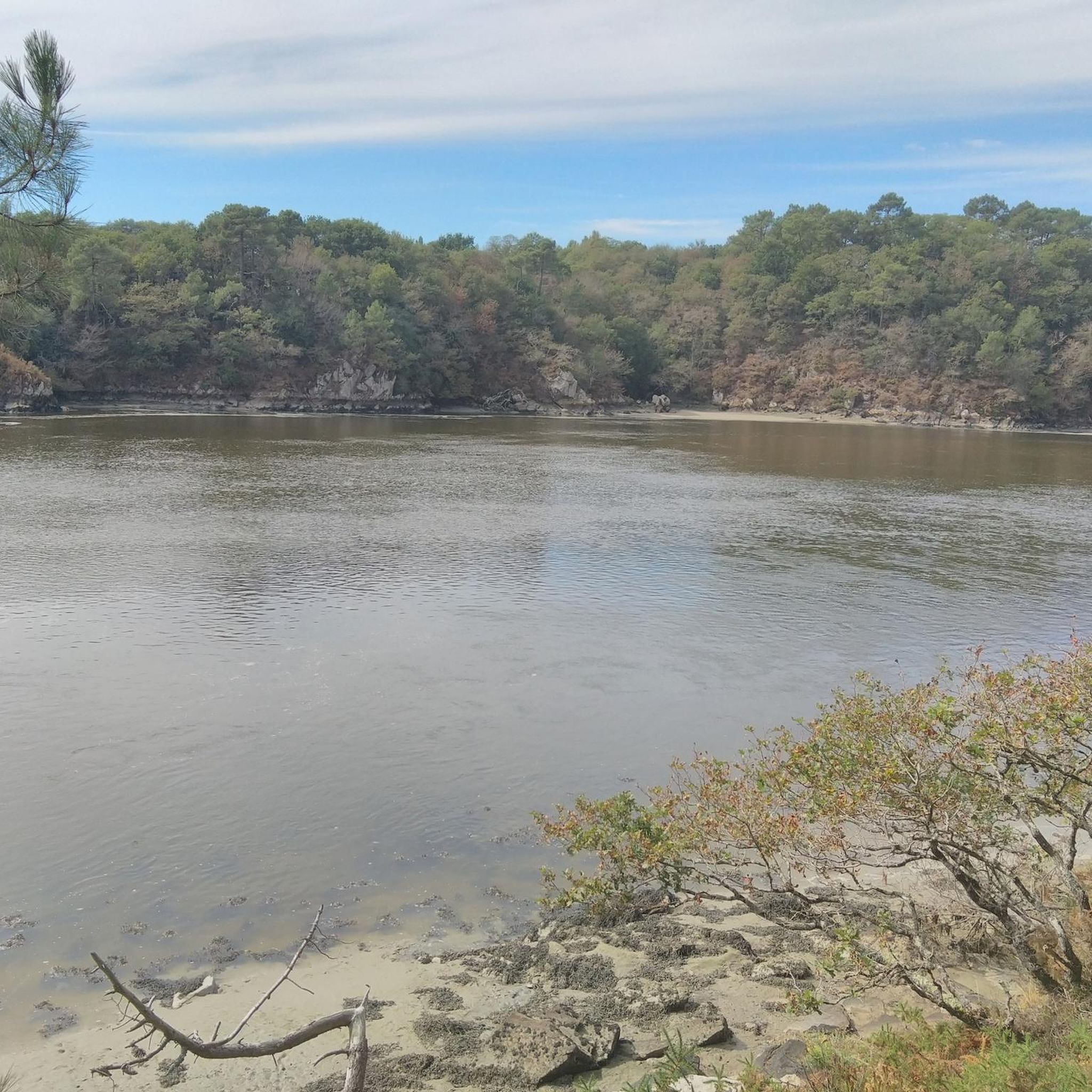
Guidel is a French municipality with 12,236 inhabitants in the department of Morbihan in the region of Brittany. It belongs to the arrondissement of Lorient and the canton of Guidel.
0
0

The church boasted rich furnishings. Numerous objects are protected as historical monuments. The pulpit and high altar were made for the reconstructed church in the second half of the 19th century. Others, however, remain from the original building, such as the tomb of Saint Gurloës in the crypt and the furniture and murals in the sacristy.
3
0
It is said that the abbey was founded in 1029 by Saint Gurloës thanks to a donation from Alain Canhiart, Count of Cournouaille. In reality, it was probably founded between 1040 and 1050. It was one of the most powerful abbeys in Brittany and possessed numerous priories and other dependencies. Under the commandery of 1553, the abbey declined somewhat in importance until its revival by the Congregation of Saint Maurus in 1665. During the French Revolution, the abbey was abolished. It possessed a large library rich in ancient and valuable manuscripts. This literary treasure was plundered and dispersed. The buildings were preserved; the abbey church became the parish church, and the convent buildings became public buildings, housing the civil court and the gendarmerie barracks. The church was added to the list of monuments historique in 1840 and the monastery in 1926.
3
0

During the Sunday Angelus prayer on July 20, 2025, Pope Leo XIV said some words that are well suited to the special patronage of Our Lady of Peace mentioned here: + "I understand your feeling of being able to do little in the face of this dramatic situation [of war]. You are in the heart of the Pope and of the entire Church. I thank you for your witness of faith. May the Virgin Mary, ... dawn of the new sun that has risen in history, always protect you and accompany the world to a dawn of peace."
0
0


From here, you can enjoy a breathtaking view of the Atlantic Ocean, with its sparkling waters stretching as far as the eye can see. Cliffs and sandy beaches punctuate the landscape, with waves crashing against the shore. As you drive along this road, you can see hidden coves and sailboats gliding peacefully across the water.
0
0

Dating from the 16th century, this chapel originally came from Nizon (Pont-Aven) before being moved here in 1956. It houses stained glass windows by Alfred Manessier and Jean Le Moal.
1
0

Fort-Bloqué was built in the 19th century on the spot where a battery intended to repel English assaults once stood. It is accessible on foot at low tide. The success of a hotel-restaurant on the formerly deserted coast attracted people from Lorient, some of whom settled there. Thus, the current town took shape.
1
0
Frequently Asked Questions
What are some popular coastal attractions around Gestel?
The region around Gestel, Morbihan, offers several notable coastal attractions. You can visit Fort-Bloqué Beach, known for its 19th-century fort accessible at low tide. Another popular spot is Laïta Estuary and Beach, where the Laïta River meets the sea, offering vast sandy beaches and scenic views.
What historical sites can I explore near Gestel?
Gestel is rich in historical sites. The Lorient Submarine Base is a significant historical site built during the German occupation, now a cultural center dedicated to navigation. You can also visit Sainte-Croix Abbey, Quimperlé, a powerful abbey founded between 1040 and 1050, or the 16th-century Chapel of Our Lady of Peace with its unique stained glass windows.
Are there family-friendly attractions in the Gestel area?
Yes, several attractions around Gestel are suitable for families. The Lorient Submarine Base offers an engaging historical experience. The Laïta Estuary and Beach is perfect for a day out with its sandy shores and opportunities for swimming. Additionally, the Chapel of Our Lady of Peace is a historical site that can be enjoyed by all ages.
Where can I enjoy beaches and natural landscapes around Gestel?
For natural beauty and beaches, head to the Laïta Estuary and Beach, which offers expansive sandy areas and views where the river meets the ocean. Fort-Bloqué Beach also provides a beautiful coastal setting with its historic fort and opportunities for walks along the shore at low tide.
What kind of cycling routes are available near Gestel?
The Gestel area is excellent for cycling. You can find a variety of routes, including Road Cycling Routes, MTB Trails, and Gravel Biking options. These routes explore the scenic coastal areas, estuaries, and countryside around Gestel.
Are there opportunities for walking or hiking near Gestel?
Yes, the natural landscapes around Gestel, particularly along the coast and estuaries, offer many opportunities for walking and hiking. The area provides scenic paths where you can explore the meeting point of the Laïta River and the sea, as well as coastal trails near places like Fort-Bloqué. While specific hiking routes are not detailed here, the region's natural beauty lends itself well to leisurely strolls and more challenging treks.
What is the significance of the Lorient Submarine Base?
The Lorient Submarine Base is a historically significant site, originally built by the Germans between 1941 and 1944 during World War II. Today, it has been transformed into a vibrant cultural site dedicated to navigation, hosting numerous nautical events and housing a museum space, allowing visitors to explore its massive bunkers and learn about its past.
Can I visit a historic abbey near Gestel?
Absolutely. The Sainte-Croix Abbey, Quimperlé, is a prominent historical site near Gestel. Founded in the 11th century, it was once one of Brittany's most powerful abbeys. Visitors can explore its preserved buildings, which include the abbey church and former convent, and see the tomb of Saint Gurloës in the crypt.
What makes Fort-Bloqué Beach unique?
Fort-Bloqué Beach is unique for its 19th-century fort, which is accessible on foot at low tide. This location developed into a town after a hotel-restaurant attracted people from Lorient, making it a blend of historical defense and a charming coastal settlement. It offers a picturesque setting where history meets the sea.
What is the Laïta Estuary and Beach known for?
The Laïta Estuary and Beach is known for being the beautiful point where the Laïta River flows into the sea. It features vast sandy beaches, ideal for swimming and relaxation, and offers breathtaking views of the ocean and the surrounding countryside. It's also near the charming seaside town of Guidel.
What is the best way to experience the coastal areas around Gestel?
To best experience the coastal areas around Gestel, consider exploring by bike or on foot. Cycling routes like those found in the Road Cycling or Gravel Biking guides offer scenic rides along the coast. Walking along the beaches, such as Fort-Bloqué Beach or Laïta Estuary and Beach, also provides an immersive experience of the natural beauty.
Are there any religious buildings of interest near Gestel?
Yes, the area features significant religious architecture. The Sainte-Croix Abbey, Quimperlé, is a major historical abbey. Additionally, the 16th-century Chapel of Our Lady of Peace, known for its stained glass windows, is another notable religious site.

Get inspired with the komoot mobile app


Explore more
Still not found the Highlight you’re looking for? See guides of the top attractions in other regions:
