The best road cycling routes around Liffré
4.7
(31)
583
riders
64
rides
Road cycling routes around Liffré are set within the Ille-et-Vilaine region of France, characterized by its extensive network of cycling infrastructure and significant natural features. The area features lush forests, notably the Forêt Domaniale de Liffré, and well-maintained country roads. While the terrain is generally gentle, some routes include moderate elevation gains, offering varied cycling experiences.
Best road cycling routes around Liffré
- The most popular road cycling route is Old Forest Road – View of Acigné Mill loop from Liffré…
Last updated: August 28, 2026
4.3
(3)
53
riders
34.0km
01:27
240m
240m
Easy road ride. Great for any fitness level. Mostly well-paved surfaces and easy to ride.
4.0
(1)
73
riders
21.7km
00:54
130m
130m
Easy road ride. Great for any fitness level. Mostly well-paved surfaces and easy to ride.

Sign up for free
5.0
(2)
25
riders
52.4km
02:20
440m
430m
Moderate road ride. Good fitness required. Some segments of this route may be unpaved and difficult to ride.
16
riders
57.1km
02:23
390m
400m
Moderate road ride. Good fitness required. Mostly well-paved surfaces and easy to ride.
4.5
(2)
17
riders
59.2km
02:42
670m
670m
Moderate road ride. Good fitness required. Mostly well-paved surfaces and easy to ride.
Get access to more routes and recommendations from other explorers.
Sign up for free
Already have an account?
Our route recommendations are based on thousands of hikes, rides, and runs completed by other people on komoot.
Start today with a free account
Your next adventure awaits.
Login or Signup

Tips from the Community

The Town Hall (15th century-1904), located place de la Mairie. Its bell tower dates from 1534. It is the former church transformed into a town hall by the mayor-châtelain, Jacques le Cardinal de Kernier, at the beginning of the 20th century. The latter had built a new church for the inhabitants of Val-d'Izé.
0
0
The church was built from 1889 to 1895, in sandstone, granite, and limestone. With a Latin cross plan, the building is composed of three naves. The main nave is covered by domes on pendentives, and the crossing of the transept features a lantern tower. The overall design of the ensemble is neo-Romanesque with a bichromy of materials and different stonework. The domed roof, the multiple decorative details, and the play of polychrome materials reflect a mastered art of the Romanesque architecture of Angoumois.
0
0
Old church mentioned as early as 1160 and rebuilt in the 16th and 17th centuries (old tower dated 1582). The current church was entirely built to the plans of Arthur Regnault in 1904 (date and attribution by source). He uses the model of the so-called Plantagenet vaulted ceiling for the covering of the nave and aisles, but for the bell tower, he draws inspiration from Cornish bell walls. Two windows from the late 15th and 16th centuries of the old church were reused on the south side of the nave. This church, rebuilt in the Breton flamboyant style, is representative of the architect's style during this period.
0
0
The construction of the old church, razed in 1880, was attributed to the lord of Gué. The current church was built between 1880 and 1885 by the contractor Jean-Marie Huchet, based on plans by architect Aristide Folie. The furniture program was designed by Arthur Regnault between 1880 and 1900. The oldest stained glass windows are signed Claudius Lavergne et Fils. This church has a Latin cross plan and a porch bell tower at the facade. The interior is divided into three naves covered by false vaults on ribbed vaults. Neo-Gothic style. Spire not built.
0
0
The bell tower is visible from afar and has long dominated the town and its surroundings. The Saint-Pierre church has retained its impact on the local landscape for over a century. It was indeed in 1888 that the Fabrique Council decided to entrust Arthur Régnault, the diocese's architect, with the project for a new construction. His plan was accepted and work began in October 1889, before the blessing of the first stone on March 13, 1890. As an anecdote, the stones are extracted from the quarry of La Bouëxière. Quickly, the inhabitants discovered its citadel-like appearance, Arthur Régnault having wanted to honor the city of Châteaubourg which had not had a castle for a long time! The structural work was completed on March 28, 1893, but due to lack of funds, the bells would wait until 1894. The work on the woodwork and the construction of the high altar took place in 1911, the church being due to host the important Eucharistic congress of 1913. Maintenance work continued over the years, the church having become the property of the municipality since 1905. During the bombings of the summer of 1944, the church was spared. The inhabitants would not forget it: on May 9, 1945, the day after the armistice, the men carried Notre Dame de Boulogne in procession and paraded barefoot through the streets. The centenary was celebrated in 1992 with the decision to install the current organ. The church of Châteaubourg has thus traversed local history from the 15th century – the date of construction of the previous, much smaller church – to that designed by Arthur Régnault.
0
0

A prosperous trading town since the Middle Ages, Vitré has preserved its well-preserved heritage. With its fortified castle, cobbled streets, and half-timbered houses, the town offers plenty to see and do, making it perfect for a stroll. It's the perfect place to soak up the Breton atmosphere.
0
0

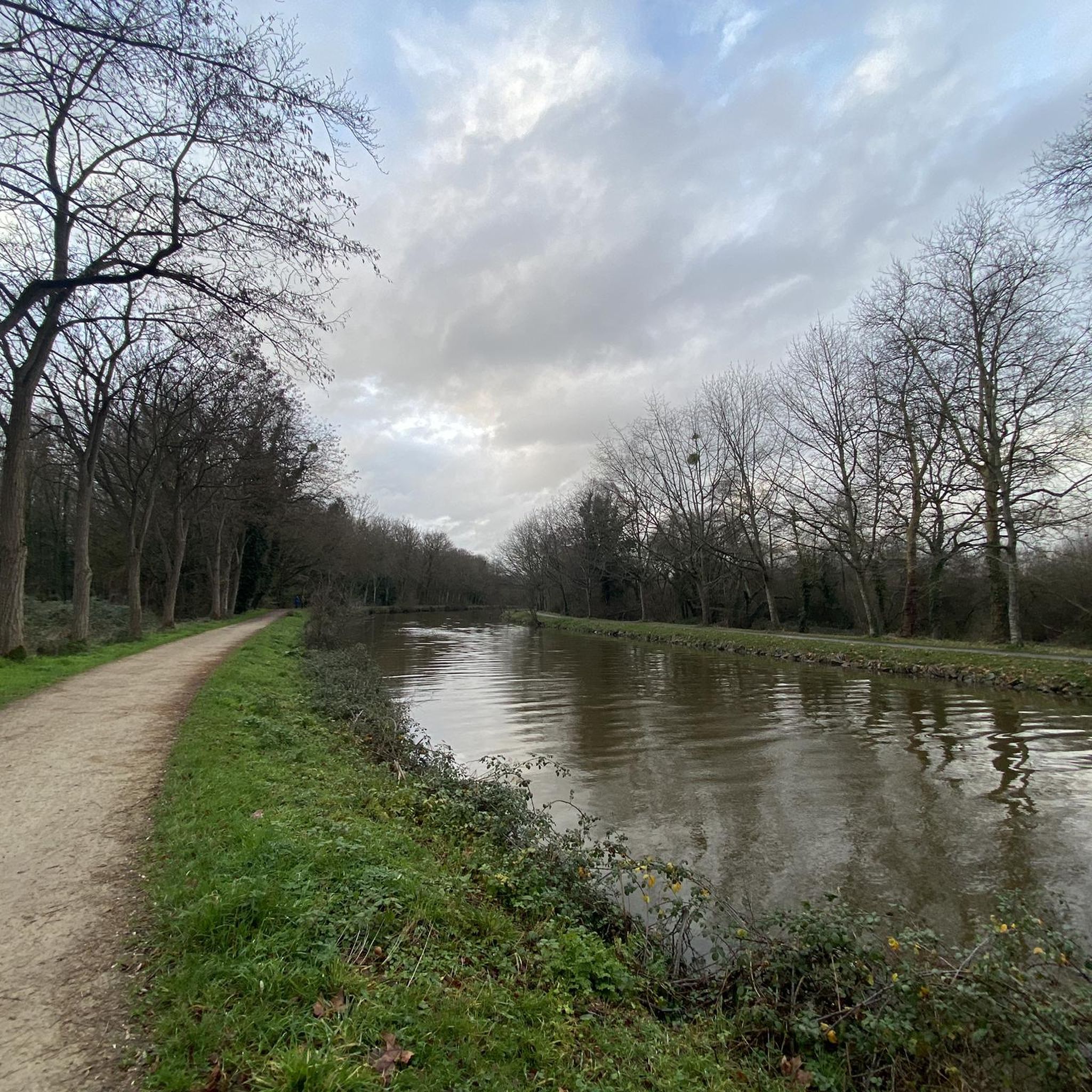
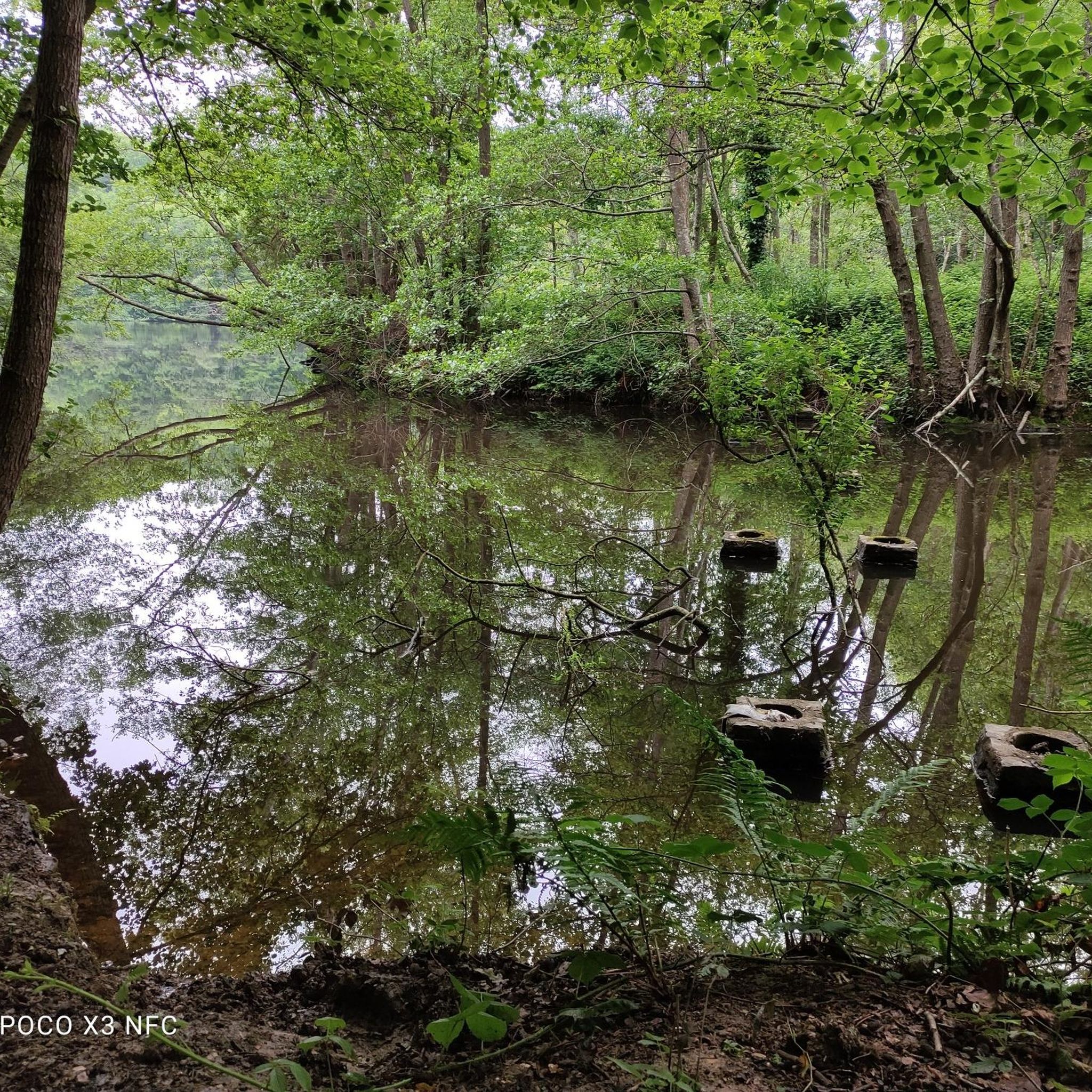
Bird watching possible!
0
0

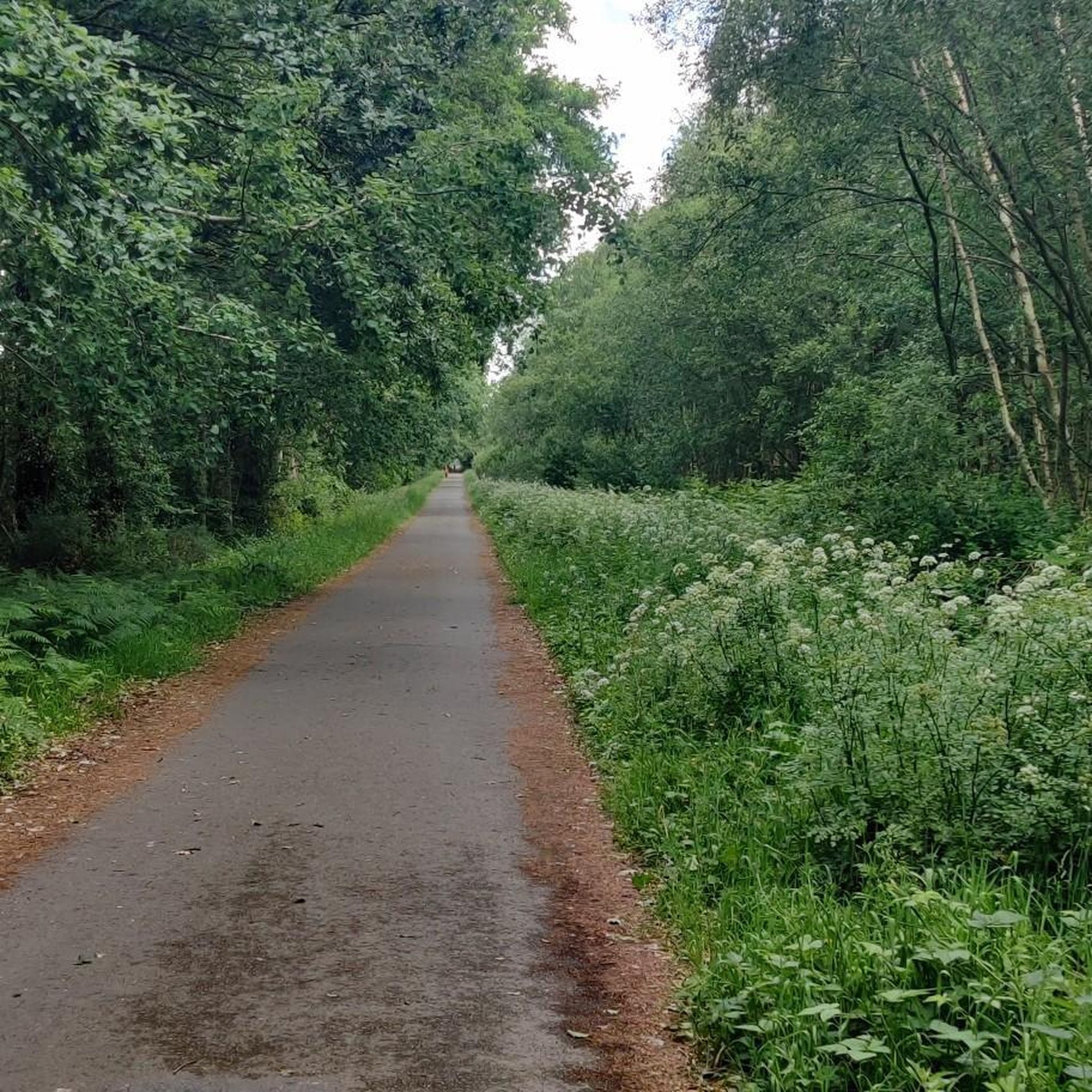
Perfect for eating a sandwich somewhere other than in the mud, and the possibility of washing your bike.
0
0
Frequently Asked Questions
How many road cycling routes are available around Liffré?
Liffré offers a wide selection of road cycling routes, with over 60 routes detailed on komoot. The broader Ille-et-Vilaine region, where Liffré is located, boasts an impressive network of nearly 3,300 km of developed cycle routes, including greenways and converted railway lines.
What are the typical difficulty levels for road cycling routes in Liffré?
The routes around Liffré cater to various fitness levels. You'll find a good mix, with 9 easy routes perfect for a relaxed ride, and 55 moderate routes that offer a bit more challenge. While the terrain is generally gentle, some routes include moderate elevation gains, providing varied cycling experiences.
Are there road cycling routes suitable for beginners or families in Liffré?
Yes, Liffré has several easy road cycling routes that are suitable for beginners and families. These routes often traverse the lush forests and well-maintained paths, providing a pleasant and accessible cycling experience. An example is the Old Forest Road – View of Acigné Mill loop from Liffré, which is an easy ride through the local forest landscape.
What kind of landscapes can I expect to see while road cycling in Liffré?
Road cycling in Liffré is characterized by lush forests, well-maintained paths, and scenic country roads. A significant natural feature is the vast Forêt Domaniale de Liffré, also known as the Forest of Rennes, which offers a rich and diverse ecosystem to explore. You'll also encounter charming villages and historical points of interest along the way.
Are there long-distance road cycling routes accessible from Liffré?
Yes, Liffré provides access to several significant long-distance cycling routes. These include sections of the mythical Vélomaritime® (EuroVélo 4), which stretches along the coast, and the Vélodyssée®, France's longest cycle route. The V3 Route, connecting Saint-Malo to the Gulf of Morbihan, also passes through the Ille-et-Vilaine region.
What are some scenic viewpoints or attractions along the road cycling routes?
Many routes offer scenic views, particularly through the Forêt Domaniale de Liffré. You can also incorporate visits to local attractions. For instance, the historic Charbonnière Mill and its surrounding area are ideal for combining cycling with exploration. The Chevré Mill and Pond is another picturesque spot you might encounter on routes like the Chevré Mill and Pond – View of Acigné Mill loop from Liffré.
Are there circular road cycling routes available in Liffré?
Yes, many of the road cycling routes around Liffré are designed as circular loops, allowing you to start and finish in the same location. For example, the Mi-Forêt Nature Relay – Liffré Forest MTB loop from Liffré and the Mi-Forêt Nature Relay – Rennes Forest loop from Liffré are popular circular options exploring the local forests.
What do other road cyclists enjoy the most about road cycling in Liffré?
The area is highly rated by the komoot community, with an average score of 4.6 stars from over 20 reviews. Reviewers often praise the region's extensive network of well-maintained paths, the serene beauty of the forests, and the varied terrain that offers options for different skill levels. Over 500 road cyclists have used komoot to explore Liffré's diverse routes.
Can I find routes with significant elevation gain in Liffré?
While Liffré's terrain is generally gentle, you can find routes with moderate elevation gains for a more challenging ride. For example, the Cantache Pond – Chevré Mill and Pond loop from Liffré features over 620 meters of cumulative ascent, providing a good workout. The region's cycling infrastructure includes routes with elevation gains that can exceed 3,000 feet in some sections.
Are there any historical sites or landmarks to see while cycling?
Absolutely. The region around Liffré is dotted with historical points of interest that can be incorporated into your cycling tours. You might encounter remnants of feudal mottes from the 13th century or 19th-century churches. Notable attractions include the Saint-Georges Palace and the Convent of the Jacobins, offering glimpses into the area's rich heritage.
What is the Forêt Domaniale de Liffré and how does it relate to cycling routes?
The Forêt Domaniale de Liffré, also known as the Forest of Rennes, is a vast natural asset covering over 1,075 hectares and is classified as Natura 2000. It serves as the 'green lung' of the Rennes region. Many road cycling routes, such as the Old Forest Road – View of Acigné Mill loop from Liffré, traverse this forest, offering cyclists beautiful, shaded paths and a chance to experience its rich biodiversity. Historic forest roads, originally designed for hunting, now provide clear pathways for cyclists.
Most popular attractions around Liffré

Get inspired with the komoot mobile app


Explore more
Browse the best Road cycling routes in other regions.
