Attractions and Places To See around Élesmes - Top 20
Best attractions and places to see around Élesmes, a commune in the Nord department of France, include historical landmarks and natural areas. The village is situated within the Hauts-de-France region, offering proximity to the Avesnois Regional Natural Park and the Forest of Mormal. Élesmes features multiple ponds and is traversed by the Ruisseau de l'Hôpital, contributing to its natural landscape. The area holds historical significance, with remnants of its past visible in its architecture and religious sites.
Best attractions and…
Last updated: June 24, 2026
Solre-sur-Sambre Castle
Highlight • Castle
Translated by Google •
Tip by

Fort de Leveau
Highlight • Historical Site
Fort Leveau is one of six forts (Sarts, Boussois, Cerfontaine, Bourdiau, Hautmont and Leveau) built on the outskirts of Maubeuge to protect the border. It was built …
Translated by Google •
Tip by
Sign up now to discover places like this
Get recommendations on the best single tracks, peaks, & plenty of other exciting outdoor places.
Sign up for free
Ruffus – Agaises Vineyard
Highlight • Structure
Tip by

Sambre Valley
Highlight • River
Translated by Google •
Tip by

Towpath along the Sambre (Towpath along the River Sambre)
Highlight • Cycleway
Translated by Google •
Tip by
Sign up for free to discover even more attractions around Élesmes.
Sign up for free
Already have an account?
Start today with a free account
Your next adventure awaits.
Login or Signup

Tips from the Community

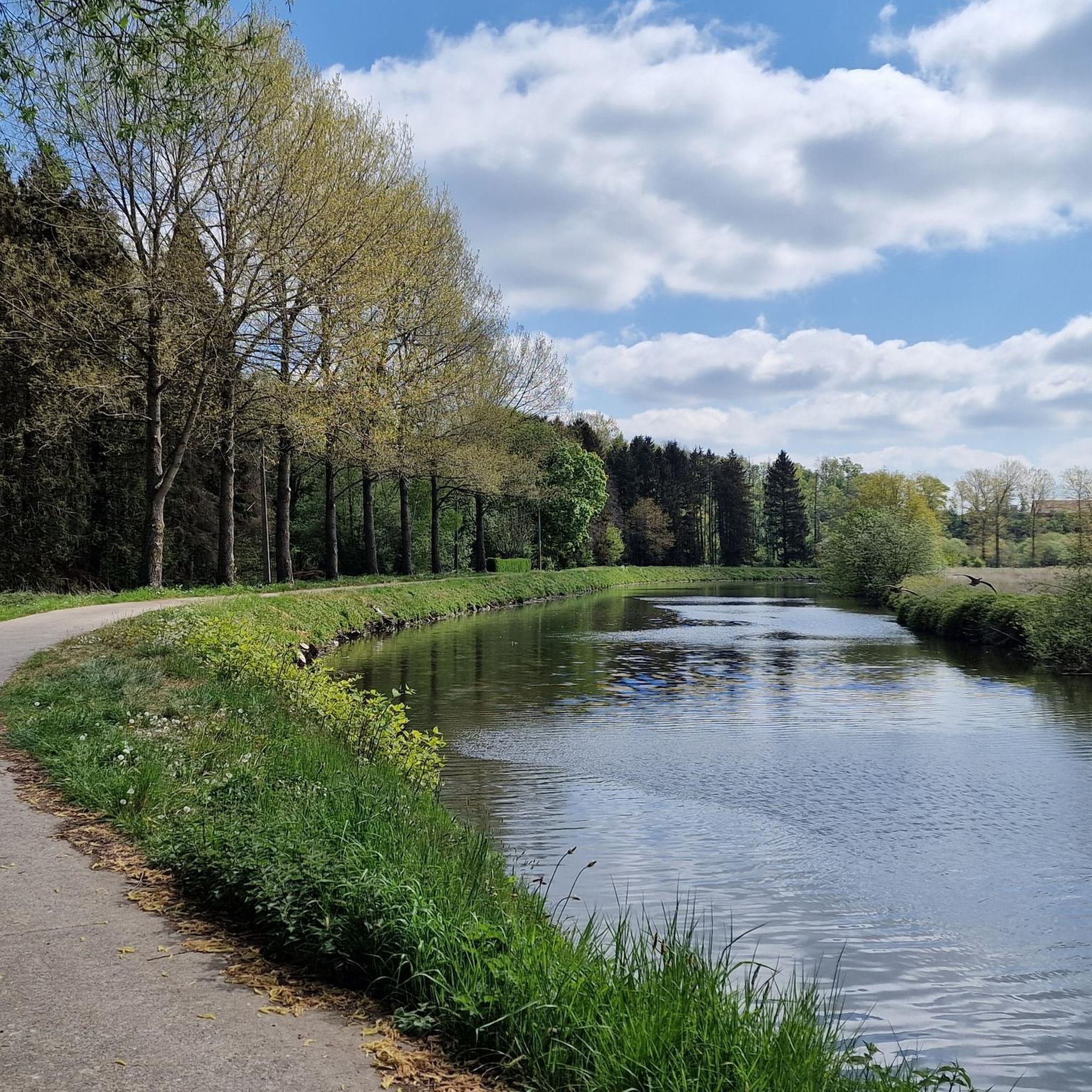
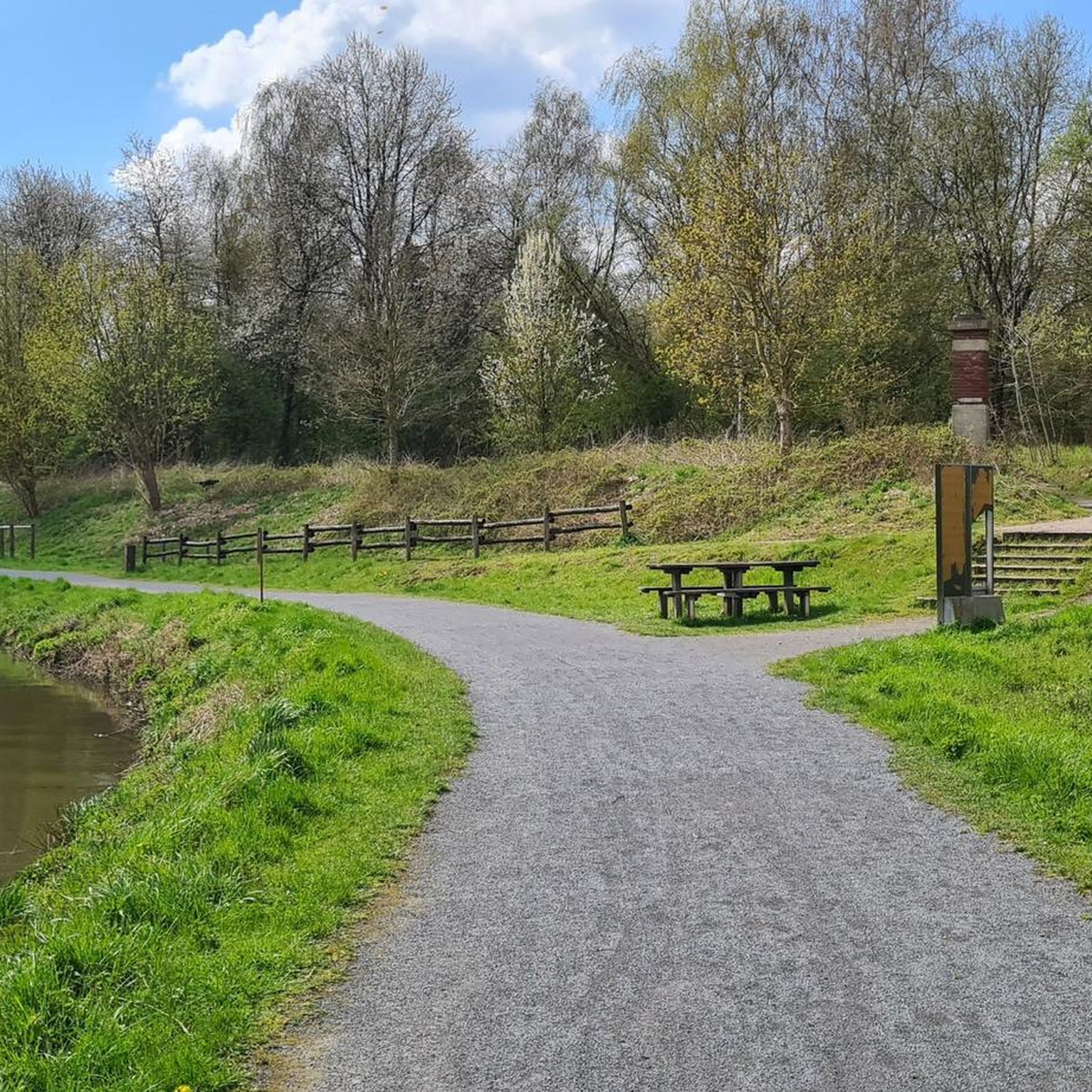
Along the Sambre you cycle through a varied landscape of green meadows, forests and charming villages, with beautiful views of the river and the surrounding nature reserve. The path is well maintained and mostly flat.
0
0
You cycle along the picturesque river Sambre. This is a quiet and picturesque river that flows through the south of Belgium and plays an important role in the Wallonia region. It rises in the French Ardennes and winds through cities such as Charleroi, Namur and Philippeville, before flowing into the Meuse.
0
1

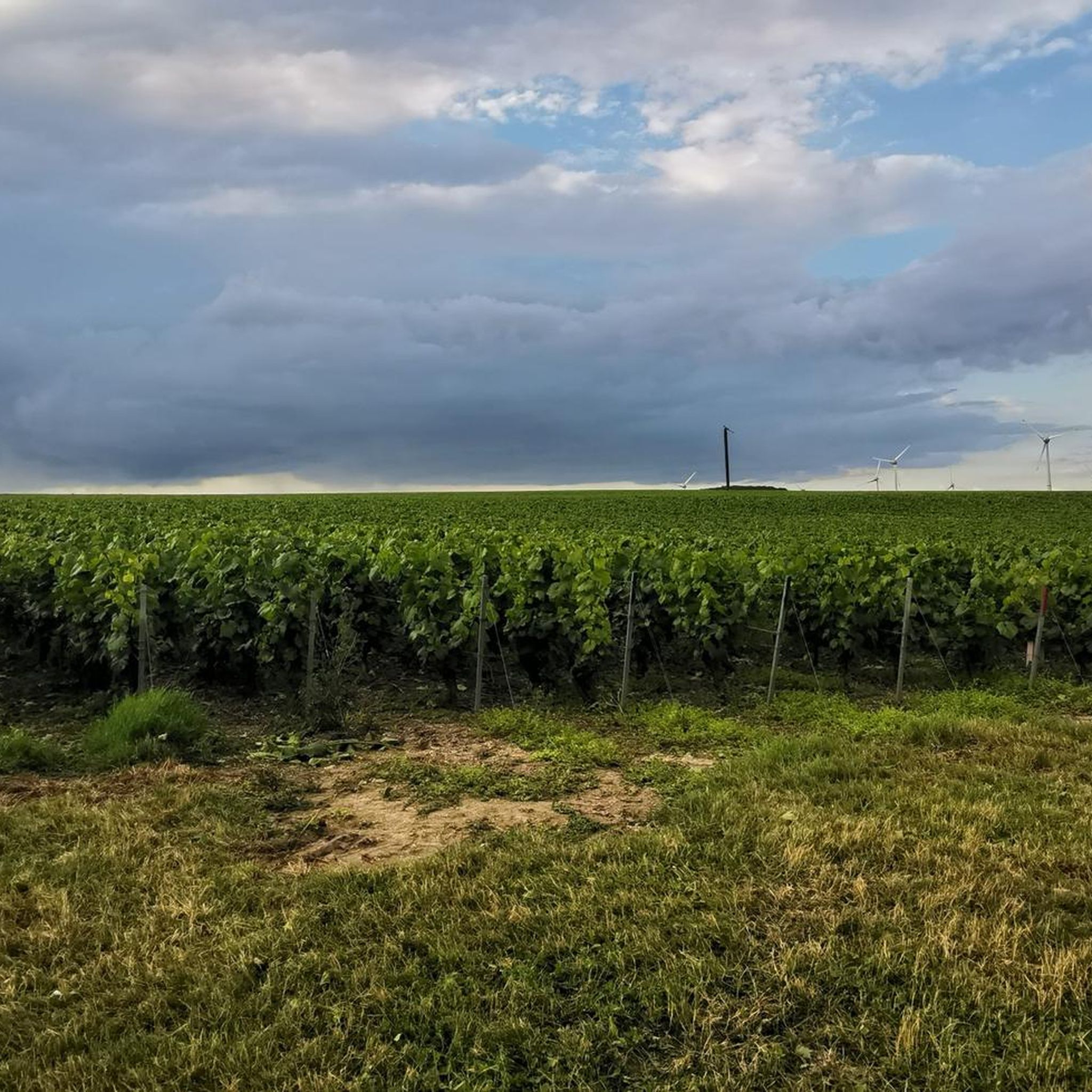
The vineyard is located in Haulchin, between Binche and Mons, on the so-called “Les Agaises” bed on a hillside very rich in limestone and facing south, over which Lord Ruffus reigned in the 12th century. It was in 2002, at a time when Belgian viticulture was quite confidential, that the first two hectares of Chardonnay were planted on a unique terroir, that of “Terres Blanches”. The estate, the very first in Wallonia intended exclusively for the production of sparkling wines, a true spearhead of the wine revival in Belgium, has gradually expanded to reach more than 35 hectares today.
0
0

Built towards the end of the 13th century, located near an enclave of the principality of Liège, the castle defended the border. Important witness to the medieval military architecture of Hainaut.
0
0
THE LEVEAU FORT Fort Leveau is one of six forts (Sarts, Boussois, Cerfontaine, Bourdiau, Hautmont and Leveau) built on the outskirts of Maubeuge to protect the border. It was built between 1882 and 1884 according to the defense principles of General Séré de Rivières. Now owned by the town of Feignies, it is one of the last witnesses to the Battle of Maubeuge in August-September 1914. The Fort de Leveau museum is largely devoted to the First World War. From local history to a more global vision of the conflict, the daily life of the soldiers and the living conditions of the Poilus are presented from the first days of the war in the forts to the mud of the trenches. The Fort de Leveau Safeguarding Association ensures the safeguarding and enhancement of this fort. The dormant bridge, destroyed by a shell on September 7, 1914, was rebuilt with the support of the Agglomeration, 100 years later with respect for heritage. Association Safeguarding the Fort of Leveau B.P. 51068 FEIGNIES 59606 MAUBEUGE CEDEX Such. / Fax: +33(0)3 27 62 37 07 Email: contact@fortdeleveau.fr URL: http://fortdeleveau.fr/
0
0

Nice vineyard, you can taste the local sparkly wine Ruffus.
1
0
Fun fact: the name of Solre-sur-Sambre originates from the Celtic word sol-ara meaning "muddy water". Solre-sur-Sambre is located at the confluence of the Thure, which borders the fortified castle and feeds its moat, and the Sambre. This is the home of Prince Amaury de Mérode, and the home is therefore not open to visitors.
3
0

The current castle was built around 1400 and is an example of Hainaut military architecture, although modifications were made in later years. It is located at the confluence of the Sambre and Thure. The moat is fed by the last river. The castle had to protect the County of Hainaut against both France and the Prince-Bishopric of Liège. The square plan with the central heavy square keep on the north side, which also houses the entrance gate, is striking. This keep is older, dating from the 13th century. It has a Gothic archway and a 13th-century carved stone fireplace. The tower is symmetrically flanked by two wings, each closed by an identical round tower. There are also two such towers at the rear, but these have become a ruin. All this encloses a square square. In 1593 a house and a barn were added. The castle is still privately owned today, currently in the hands of the Merode family and not open to the public. It does not contain any period rooms or anything like that.
1
0
Frequently Asked Questions
What historical sites can I explore around Élesmes?
Élesmes and its surroundings offer several historical points of interest. You can visit the rebuilt Church of Élesmes, which dates back to the 16th century, or see a 1595 building with two turrets and a moat, a remnant of a former manorial house. The Chapel dedicated to Notre Dame des Anges is another religious landmark. Further afield, explore the 13th-century Moulin de l'Hôpital, or the significant Fort de Leveau, a witness to the Battle of Maubeuge in 1914. While private, the impressive Solre-sur-Sambre Castle, built around 1400, is also a notable example of Hainaut military architecture.
Are there natural areas or features to enjoy near Élesmes?
Yes, Élesmes is surrounded by natural beauty. The village itself features multiple ponds popular with anglers and is traversed by the Ruisseau de l'Hôpital. You can also experience the picturesque Sambre Valley, a quiet river flowing through the south of Belgium. The region is close to larger natural areas like the Avesnois Regional Natural Park and the vast Forest of Mormal, offering opportunities for outdoor activities and wildlife spotting.
What outdoor activities can I do near these attractions?
The area around Élesmes is excellent for various outdoor activities. You can enjoy cycling along the Towpath along the Sambre, which offers beautiful views of the river and surrounding nature. For more adventurous cycling, there are numerous MTB trails, gravel biking routes, and road cycling routes available, catering to different skill levels.
Are there family-friendly attractions or activities in the Élesmes area?
Absolutely. Many attractions around Élesmes are suitable for families. The Sambre Valley and the Towpath along the Sambre offer gentle cycling or walking opportunities. Historical sites like Fort de Leveau provide an educational experience. Additionally, the Ruffus – Agaises Vineyard is also considered family-friendly, offering a unique experience in the Belgian countryside.
Where can I find unique or hidden gems in Élesmes?
Beyond the main attractions, Élesmes holds several unique spots. Seek out La Fontaine Louis XIV, a fabled spring where King Louis XIV is said to have drunk in 1692. Exploring the various hamlets and designated places within the commune, such as La Haute-Rue or Le Vieux Marché, can reveal traditional architecture and charming old farms, offering a glimpse into the village's historical development.
What is the best time of year to visit Élesmes for outdoor activities?
For outdoor activities like cycling and exploring historical sites, the spring, summer, and early autumn months (roughly April to October) generally offer the most pleasant weather. During these periods, the temperatures are milder, and the natural landscapes are at their most vibrant, making it ideal for enjoying the Sambre Valley and the various trails.
Can I find places to eat or drink in Élesmes or nearby?
While specific cafes or pubs within Élesmes itself are not detailed, the broader region offers options. The Ruffus – Agaises Vineyard, located nearby, is categorized as having restaurant facilities where you can taste local sparkling wine. For more extensive dining choices, nearby towns in the Hauts-de-France region will provide a variety of restaurants and cafes.
Are there any specific cycling routes recommended around Élesmes?
Yes, the area is popular for cycling. The Towpath along the Sambre is a highly recommended cycle path, offering a mostly flat and scenic ride through meadows and villages. For more structured routes, you can find detailed road cycling routes, gravel biking tours, and MTB trails that explore the wider region, including loops that pass by the Fort de Leveau.
What is the significance of Élesmes during World War I?
Élesmes holds significant historical weight due to its role in World War I. The village was largely destroyed during the conflict and subsequently received the Croix de Guerre, a French military decoration, in recognition of the resilience of its population. The rebuilt Church of Élesmes and the nearby Fort de Leveau serve as poignant reminders of this period.
What do visitors particularly enjoy about the attractions near Élesmes?
Visitors appreciate the blend of historical depth and natural beauty. The serene experience of cycling along the Towpath along the Sambre, with its varied landscapes and river views, is highly valued. The historical significance of sites like Fort de Leveau and the architectural charm of Solre-sur-Sambre Castle also leave a lasting impression. The overall appeal lies in the opportunity to explore both cultural heritage and tranquil outdoor settings.
Are there any vineyards or local produce to discover?
Yes, the region is home to the Ruffus – Agaises Vineyard. Located on a limestone-rich hillside, this vineyard specializes in sparkling wines and is considered a spearhead of the wine revival in Belgium. Visitors can taste the local Ruffus sparkling wine and learn about its production.
Most popular routes around Élesmes

Get inspired with the komoot mobile app


Explore more
Still not found the Highlight you’re looking for? See guides of the top attractions in other regions:
