Attractions and Places To See around Bousignies-Sur-Roc - Top 20
Attractions and places to see around Bousignies-Sur-Roc include a blend of historical landmarks, natural features, and cultural sites. The area is characterized by its position on the slopes of the Hante River, which historically supported marble cutting industries. Visitors can explore various sites that highlight the region's heritage and natural beauty. The surrounding landscape offers opportunities for outdoor activities.
Best attractions and places to see around Bousignies-Sur-Roc
- The most popular attractions is Hanging gardens, a historical site recognized as…
Last updated: July 6, 2026
Posty des Soeurs-Grises
Highlight • Trail
Translated by Google •
Tip by

Old Railway Bridge Over the Sambre
Highlight • Bridge
Tip by

Sign up now to discover places like this
Get recommendations on the best single tracks, peaks, & plenty of other exciting outdoor places.
Sign up for free
Hanging gardens
Highlight • Historical Site
Translated by Google •
Tip by
The Bury Posty and the Southern Rampart
Highlight • Historical Site
Translated by Google •
Tip by
Saint Ursmarus Church, Lobbes
Highlight • Religious Site
Translated by Google •
Tip by

Sign up for free to discover even more attractions around Bousignies-Sur-Roc.
Sign up for free
Already have an account?
Start today with a free account
Your next adventure awaits.
Login or Signup
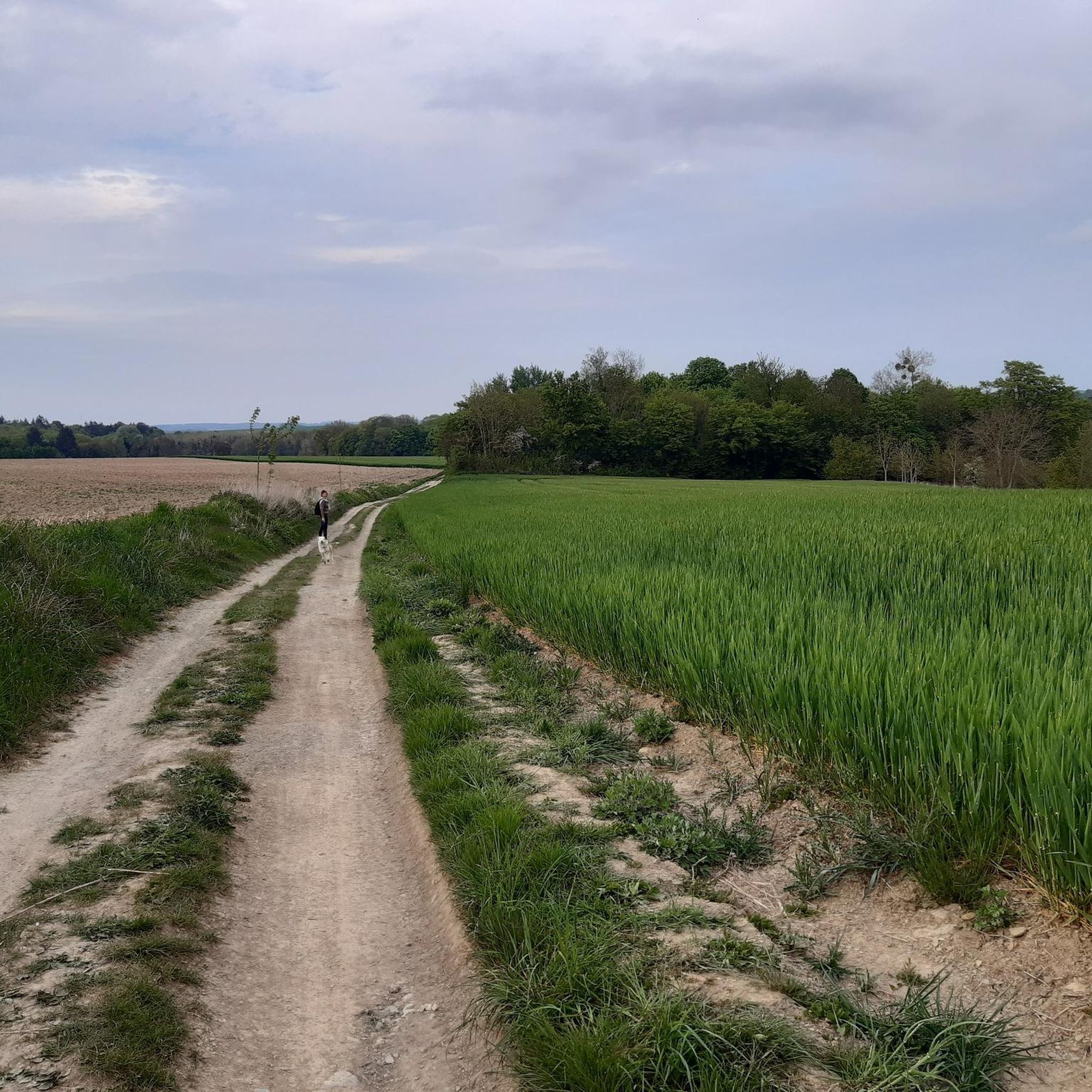
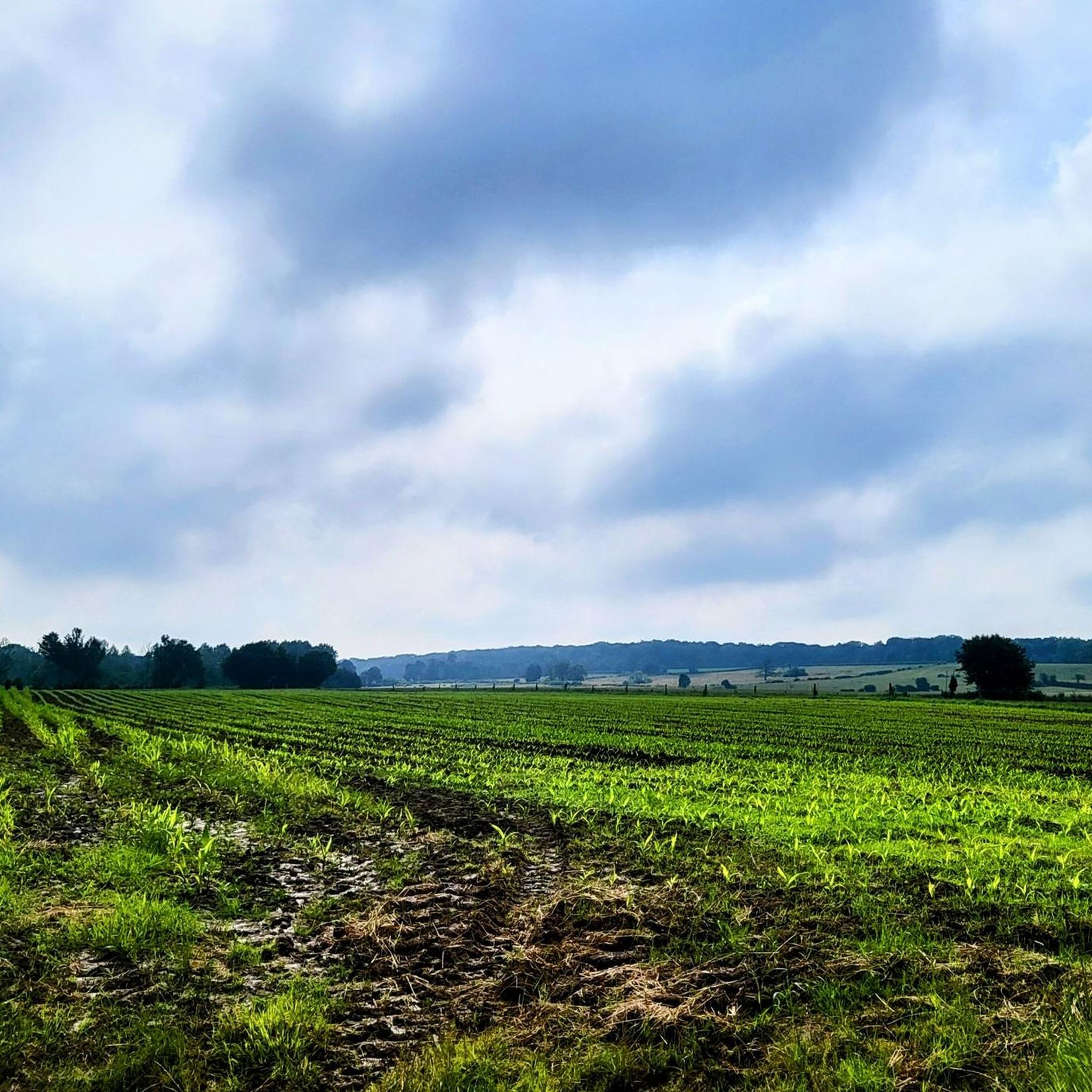
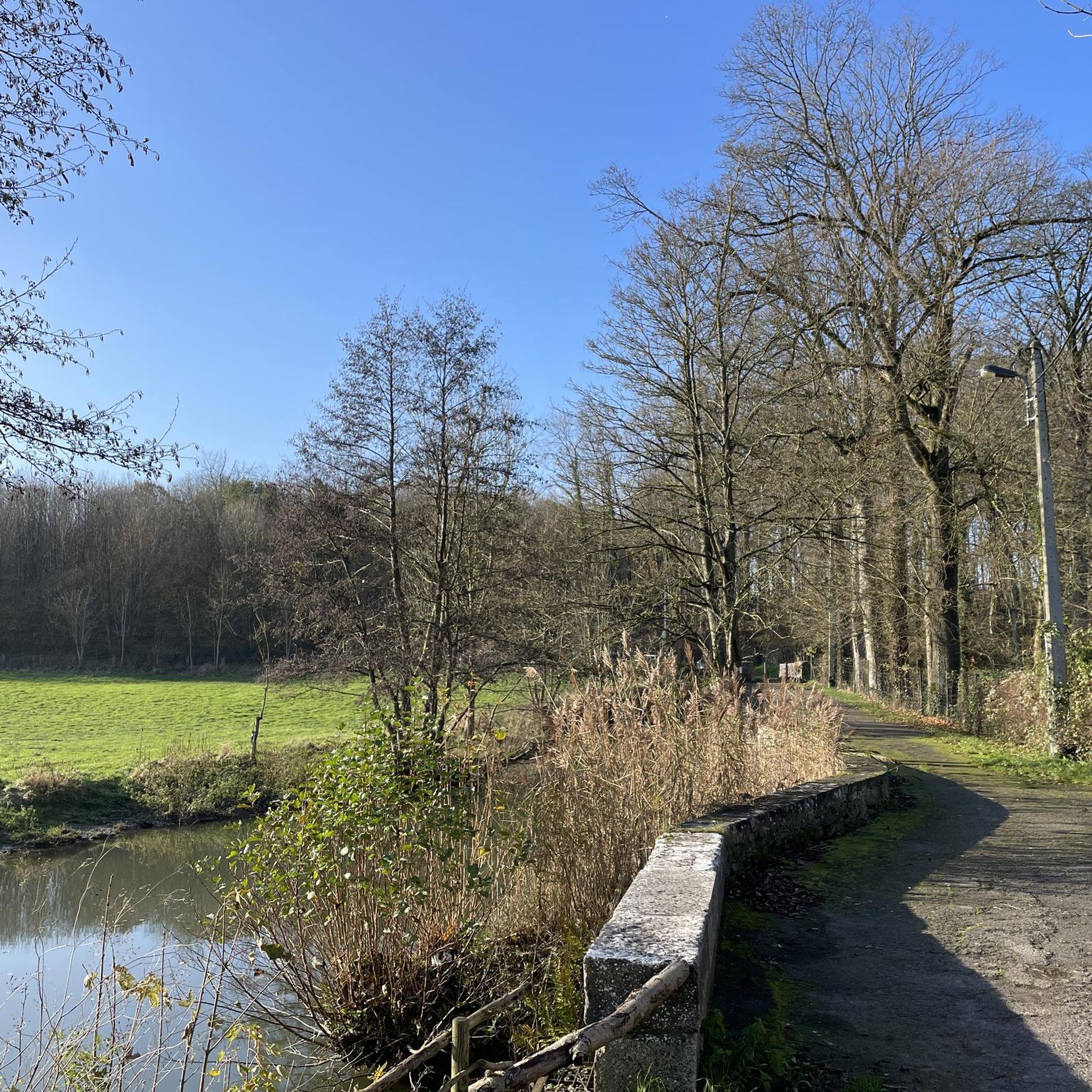
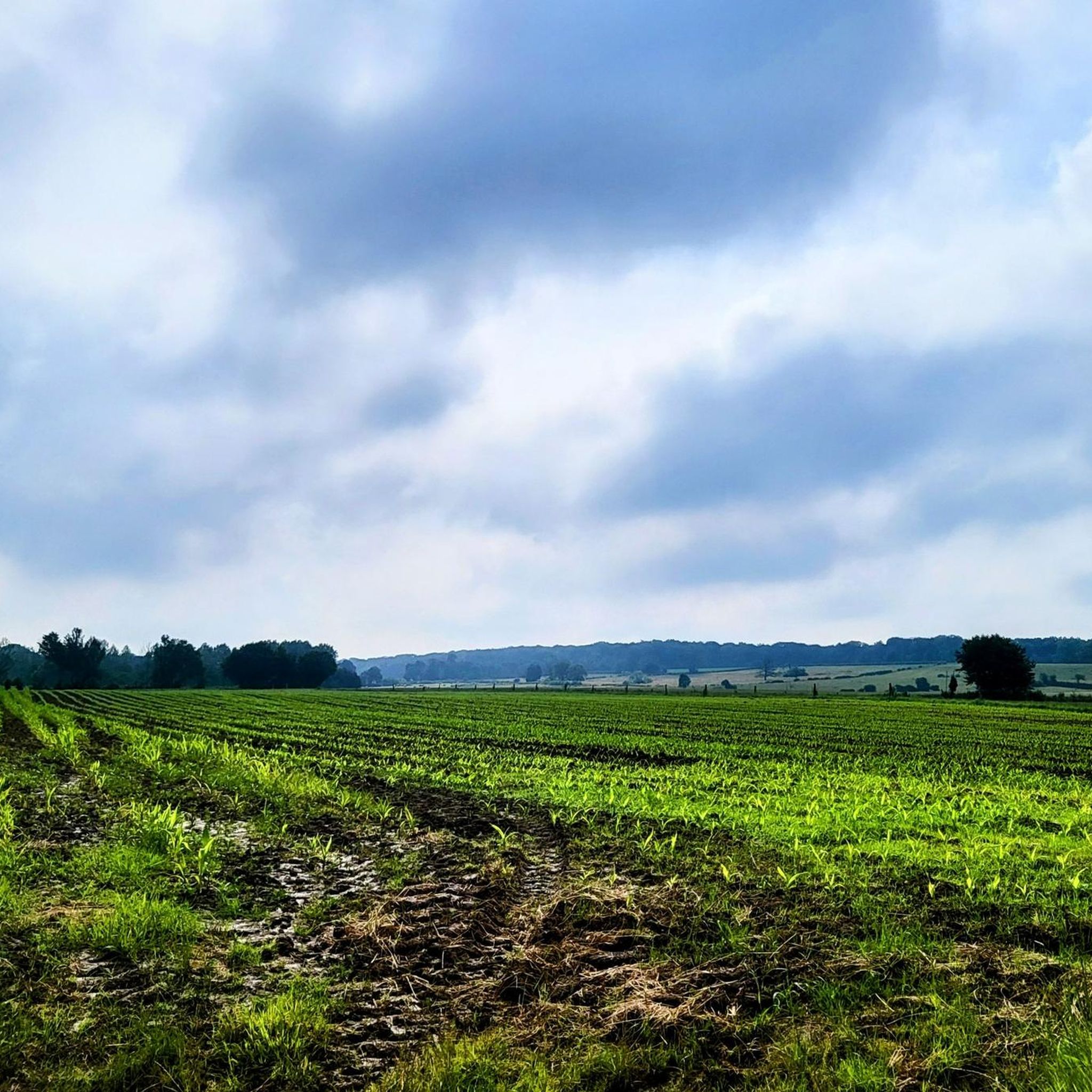

Tips from the Community


Interesting old railway bridge, unfortunately there is no cycle path over it yet. Then it would be perfect.
2
0

Following an old railroad track, you arrive at the Sambre. The bridge is forbidden though (it was possible to get to the other side of the river, but there are road blocks now)
1
0

Nice climb to it, and the place has not stolen its name!
3
0
Most are nicely cared for, some are more like hanging weeds ;-)
4
1

The Collegiate Saint-Ursmarus Church of Lobbes is a Catholic church building located in Lobbes in Belgium. The church was built between 819 and 823 for the Abbey of Lobbes. The current Sint-Ursmaruskerk did not serve as an abbey church but was intended as a burial church for the abbey. The presence of the relics of the Apostle Peter in the actual abbey church did not allow ordinary monastics (or even abbots) to be buried there. Therefore, a burial church was built on top of the hill. The church largely dates from the Carolingian period and can be considered the oldest surviving church building in Belgium. A choir and a crypt in the Romanesque style were later added to the Carolingian nave. The tower with the portal on the west side are also of a slightly later date and are in line with Maasland architecture. A crossing tower was also added in the 19th century. The Saint Ursmarus Church survived the abbey's abolition and destruction during the French Revolution and has since served as the parish church of Lobbes. https://nl.wikipedia.org/wiki/Sint-Ursmaruskerk_(Lobbes)
4
0

Again surprisingly beautiful when you come out of the tunnel...
8
1
The St. Ursmarus Church of Lobbes from the 9th century...
4
0
Frequently Asked Questions
What historical landmarks can I explore in Bousignies-sur-Roc?
Bousignies-sur-Roc is rich in history. You can visit the Ancien Barrage du Pont Romain, an ancient bridge with 13 arches that once spanned the Hante River. The Tour Salamandre, a small fortress built around 1070, now houses a museum. The Église Sainte Aldegonde, rebuilt in 1845, features a 15th-century Christ on the cross. Don't miss the Ferme de Hurtebise, a 17th-century farm where Louis XIV is said to have stayed.
Are there any unique natural features to see in the area?
Yes, the region boasts unique natural features. The Fontaine Pétrifiante, located in the Bois de Squinchaux, is a natural spring so rich in calcium carbonate that it coats objects placed within it, giving them a stone-like appearance. The Hante River itself, known for its numerous meanders, flows through the village for about 3 kilometers and was historically important for the marble industry.
What cultural heritage sites are there beyond the village center?
Beyond the immediate village, you can discover sites like the Posty des Soeurs-Grises, a former convent building with a striking Baroque facade. Another significant site is the Saint Ursmarus Church in Lobbes, a Carolingian structure from the 9th century, considered one of the oldest surviving church buildings in Belgium.
What kind of outdoor activities can I do near Bousignies-sur-Roc?
The surrounding area offers numerous opportunities for outdoor activities. You can enjoy hiking and cycling on various trails that lead through local nature and past historical sites. For specific routes, explore the cycling routes around Bousignies-Sur-Roc or the road cycling routes, which include options like the 'Salamander Tower – Stone Bridge loop'.
Are there any family-friendly attractions or activities?
Families can enjoy exploring the historical sites and natural areas. The Old Railway Bridge Over the Sambre offers a pleasant resting place with views of the river, suitable for a family outing. The general charm of the village and its surrounding trails provide a gentle environment for walks and discovering local history together.
Where can I find scenic viewpoints or natural beauty spots?
For scenic views, the Hanging gardens are a must-see. Located on the southern slope of a high hill, they offer unique flora and are recognized as exceptional heritage. The Old Railway Bridge Over the Sambre also provides peaceful views of the Sambre river.
What is the significance of the Hante River in Bousignies-sur-Roc?
The Hante River is central to the village's identity and history. Its name is derived from its numerous meanders, and its course once powered marble cutting industries in the 19th century. The village itself is characterized by its position on the slopes of the Hante River, making it a picturesque and historically significant natural feature.
Are there any hidden gems or less-known historical sites to discover?
Beyond the main attractions, explore the various chapels and oratories scattered throughout the village, such as the Chapelle Notre Dame de Lourdes and the Oratoire Sainte-Aldegonde, dating back to 1681. The The Bury Posty and the Southern Rampart, a vaulted passageway cut into the rock, offers a glimpse into medieval fortifications and secret exits.
What do visitors enjoy most about the attractions around Bousignies-sur-Roc?
Visitors particularly appreciate the blend of historical depth and natural beauty. Many enjoy the unique microclimate and flora of the Hanging gardens, the historical significance of sites like the Posty des Soeurs-Grises, and the peaceful views from the Old Railway Bridge Over the Sambre. The opportunity to explore ancient structures and river landscapes is highly valued.
Can I find routes for gravel biking near Bousignies-sur-Roc?
Yes, the area is suitable for gravel biking. You can find various routes, such as the 'Towpath along the Sambre – Sambre Valley loop from Jeumont' or the 'Aulne Abbey Ruins loop from Solre-sur-Sambre'. More options are available in the gravel biking guide for Bousignies-Sur-Roc.
What is the historical significance of the marble industry in Bousignies-sur-Roc?
Bousignies-sur-Roc was historically an important center for marble production. The fast-flowing Hante River provided the necessary power for marble sawmills, contributing significantly to the local economy and shaping the industrial heritage of the village during the 19th century.
Most popular routes around Bousignies-Sur-Roc

Get inspired with the komoot mobile app


Explore more
Still not found the Highlight you’re looking for? See guides of the top attractions in other regions:
