The best walks and hikes around Petit-Fayt
4.4
(171)
817
hikers
88
hikes
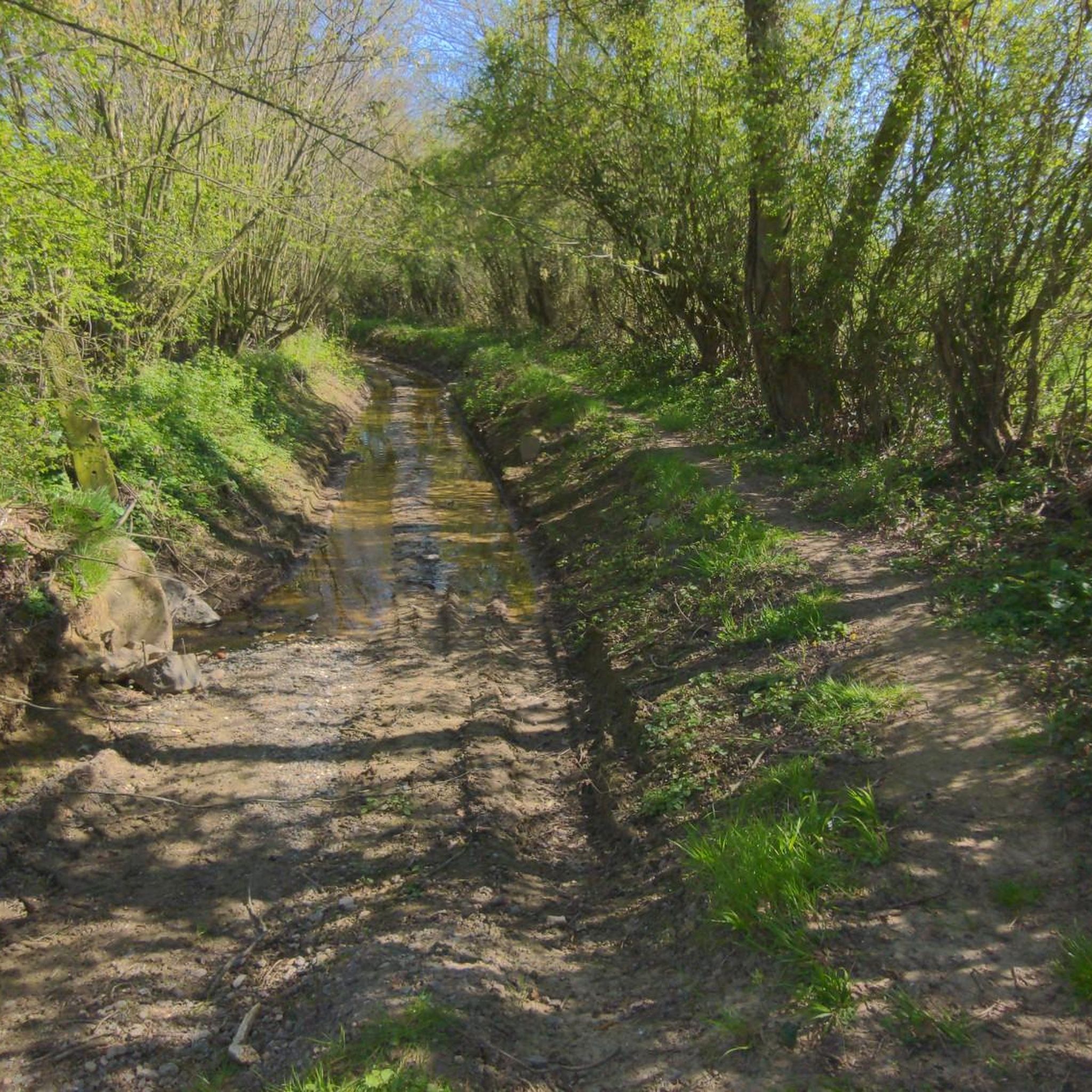
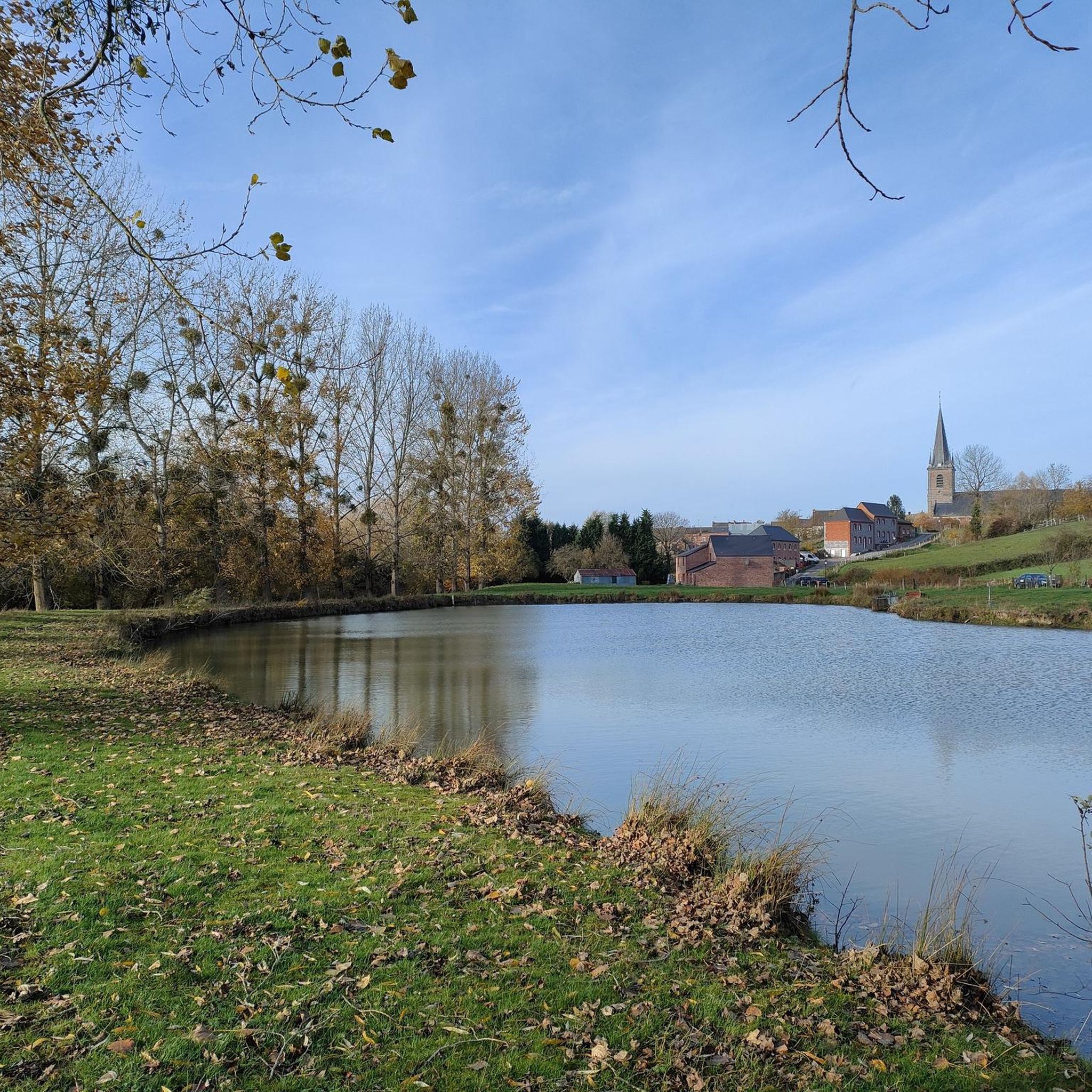
Hiking around Petit-Fayt offers a network of trails through a landscape characterized by gentle hills and river valleys. The region features a mix of open fields, agricultural areas, and sections of woodland, providing varied scenery for walkers. With relatively low elevation gains across most routes, the terrain is generally accessible for different fitness levels. Many routes follow waterways, often passing by historic mills.
Best hiking trails around Petit-Fayt
- The most popular hiking route is Hiking loop from Grand-Fayt, a…
Last updated: July 9, 2026
4.3
(4)
28
hikers
11.5km
02:59
70m
70m
Moderate hike. Good fitness required. Easily-accessible paths. Suitable for all skill levels.
3.3
(3)
9
hikers
Moderate hike. Good fitness required. Easily-accessible paths. Suitable for all skill levels.

Sign up for free
4.0
(2)
14
hikers
11.3km
03:00
110m
110m
Moderate hike. Good fitness required. Easily-accessible paths. Suitable for all skill levels.
5.0
(2)
13
hikers
6.61km
01:44
60m
60m
Easy hike. Great for any fitness level. Easily-accessible paths. Suitable for all skill levels.
5.0
(3)
11
hikers
10.4km
02:43
80m
80m
Moderate hike. Good fitness required. Easily-accessible paths. Suitable for all skill levels.
Get access to more routes and recommendations from other explorers.
Sign up for free
Already have an account?
Our route recommendations are based on thousands of hikes, rides, and runs completed by other people on komoot.
Start today with a free account
Your next adventure awaits.
Login or Signup

Tips from the Community


Old water mill in Grand-Fayt on the river L'Helpe Mineure
0
0

Famous for its cheese, Maroilles is a charming village located in the middle of the Avesnois countryside. Don't miss its emblematic mill as well as its abbey site.
3
0

The Helpe Majeure crosses in Flaumont-Waudrechies an old flour mill dependent on the Hautmont Abbey, whose existence is attested since the 15th century and which was transformed into a marble sawmill in 1883 (in operation until 1990). The current visible buildings date from the 18th century and were probably built when the mill was sold by the abbey in 1745. Before 1905, the mill was purchased by the Maybon family who, instead of the mill, installed armored saws to cut the marble, using the river to provide the necessary energy. After the First World War the mill belonged to the Cordier family.
5
0
The square de la Madeleine is a square on one of the bastions of the city walls. You have a view of the steep Helpe valley.
2
0

Using the power of moving water to drive a mill wheel is an ancient invention that dates back to pre-Christian times. Thanks to such a construction, human or animal muscle power could simply be replaced by a natural or artificially created watercourse, for example to grind grain grains into grain. There are essentially two different types of drive for water mills: either the water simply hits the blades of the water wheel from below to set it in motion; or the watercourse is guided above the wheel and falls on the blades, with this design the natural gravity gives a higher efficiency.
2
0
The abbey mill spanning the little Helpe is a beautifully renovated 17th-century building. On the door lintel we read the motto of Abbé Frédéric d'Yves "Adh (a) erere Deo bonum", which means "It is good to cling to God". A title from the 11th century mentions that it is an ordinary mill of the abbey, which was rebuilt under the abbey of Frédéric d'Yves and enlarged in 1634 under the reign of Dom Simon Bosquier, then adapted in 1770 at the time of Maurice d'Offergnies. Became national property during the French Revolution, was sold several times and finally awarded to Pierre-François Boucher on January 23, 1792.
6
0
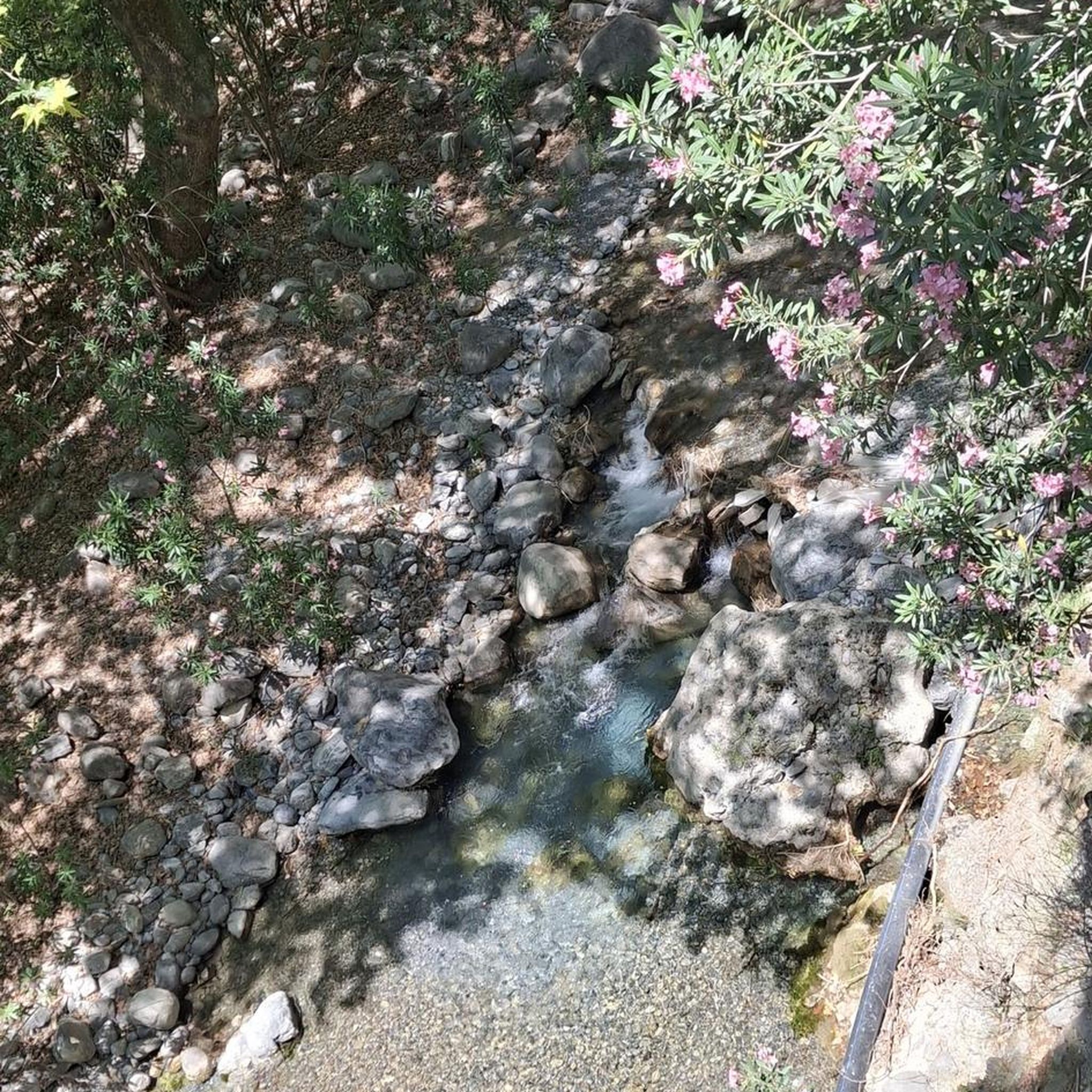
Many centuries ago, our ancestors discovered the possibility of harnessing the power of the elements - which on the one hand could be helpful and useful, but on the other hand could also be a threat as untamed forces of nature - for various purposes and thus be able to do without human or animal muscle power. Mills like these are a good example of the human engineering skills of earlier generations: the heavy millstones used to grind grain into corn or press oil, for example, could be powered by the wind or - as here - water.
1
0
Frequently Asked Questions
How many hiking trails are available around Petit-Fayt?
There are over 80 hiking routes available around Petit-Fayt. These include a mix of easy, moderate, and a few more challenging options to suit various preferences.
What kind of terrain can I expect on hikes near Petit-Fayt?
The terrain around Petit-Fayt is characterized by gentle hills and river valleys. You'll find a mix of open fields, agricultural areas, and sections of woodland, providing varied scenery. Most routes have relatively low elevation gains, making them generally accessible.
Are there easy hiking trails suitable for beginners or families in Petit-Fayt?
Yes, Petit-Fayt offers a good selection of easy trails, with over 35 routes classified as easy. These paths are generally flat or have gentle ascents, making them ideal for beginners or families looking for a relaxed walk. An example is the Hiking loop from Dompierre-sur-Helpe, which is 4.1 miles (6.6 km) and takes about 1 hour 44 minutes.
Are there circular hiking routes around Petit-Fayt?
Many of the hiking routes around Petit-Fayt are designed as loops, allowing you to start and end at the same point without retracing your steps. For instance, the popular Hiking loop from Grand-Fayt is a 7.7-mile (12.3 km) circular trail.
What interesting sights or landmarks can I see while hiking near Petit-Fayt?
While hiking near Petit-Fayt, you can discover several points of interest. Many routes follow waterways and pass by historic mills, such as the Grand Fayt Mill or the Watermill in Parc Naturel Régional de l'Avesnois. You might also encounter charming village churches like the Saint-Pierre-aux-Liens Church of Grand-Fayt.
Can I hike with my dog in Petit-Fayt?
Generally, dogs are welcome on trails around Petit-Fayt. The mix of open fields and woodlands provides a pleasant environment for walks with your canine companion. However, it's always recommended to keep dogs on a leash, especially when passing through agricultural areas or near livestock, and to follow local regulations.
What is the best time of year to go hiking in Petit-Fayt?
The best time for hiking in Petit-Fayt is typically from spring to autumn (April to October). During these months, the weather is generally mild and pleasant, and the natural scenery is at its most vibrant. Winter hiking is also possible, but trails might be muddy or icy, requiring appropriate footwear.
Is parking available near the hiking trails in Petit-Fayt?
While specific parking information for every trailhead isn't always available, many villages and starting points for hikes in the Petit-Fayt region offer public parking options. It's advisable to check the starting point of your chosen route for nearby parking facilities.
What do other hikers say about the trails in Petit-Fayt?
The hiking routes in Petit-Fayt are highly rated by the komoot community, with an average score of 4.6 stars from over 140 reviews. Hikers often praise the peaceful rural landscapes, the well-maintained paths, and the accessibility of the trails for various fitness levels.
Are there options for longer or more challenging hikes in the area?
Yes, while many routes are easy to moderate, Petit-Fayt also offers options for longer and slightly more challenging hikes. There are over 40 moderate routes and a few difficult ones available. For example, the Moulin de Flaumont loop from Avesnes is a moderate 6.9 miles (11.1 km) path that explores the rural landscape around a historic mill.
What should I wear for hiking in Petit-Fayt?
For hiking in Petit-Fayt, it's recommended to wear comfortable, layered clothing suitable for the weather conditions. Sturdy hiking shoes or boots are advisable, especially as some paths can be uneven or muddy after rain. Don't forget essentials like water, a map or GPS, and sun protection.
Are there any routes that specifically pass by historic mills?
Yes, the region is known for its historic mills along waterways. The Maroilles Mill – Walking in Maroilles loop from Grand-Fayt is an excellent example of a route that incorporates these historical features into the hiking experience.
Most popular attractions around Petit-Fayt

Get inspired with the komoot mobile app


Explore more
Browse the best Hikes in other regions.
