Attractions and Places To See around Flesquières - Top 20
Attractions and places to see around Flesquières offer a journey through history, particularly its pivotal role in World War I, alongside various cultural and natural sites. The area is characterized by its historical landmarks, including significant WWI battlefields and monuments. Visitors can explore a landscape shaped by past events, featuring both man-made structures and natural elements like the Flesquières Ridge. The region provides opportunities to engage with historical sites and local points of interest.
Best attractions and places to see…
Last updated: July 7, 2026
Vaucelles Abbey
Highlight • Religious Site
Translated by Google •
Tip by

Belfry of Cambrai
Highlight • Monument
Translated by Google •
Tip by

Sign up now to discover places like this
Get recommendations on the best single tracks, peaks, & plenty of other exciting outdoor places.
Sign up for free
Porte Notre-Dame de Cambrai
Highlight • Monument
Translated by Google •
Tip by
Cantimpré Lock
Highlight • Other
Translated by Google •
Tip by
Vaucelles watering trough
Highlight • Structure
Translated by Google •
Tip by

Sign up for free to discover even more attractions around Flesquières.
Sign up for free
Already have an account?
Start today with a free account
Your next adventure awaits.
Login or Signup


Tips from the Community

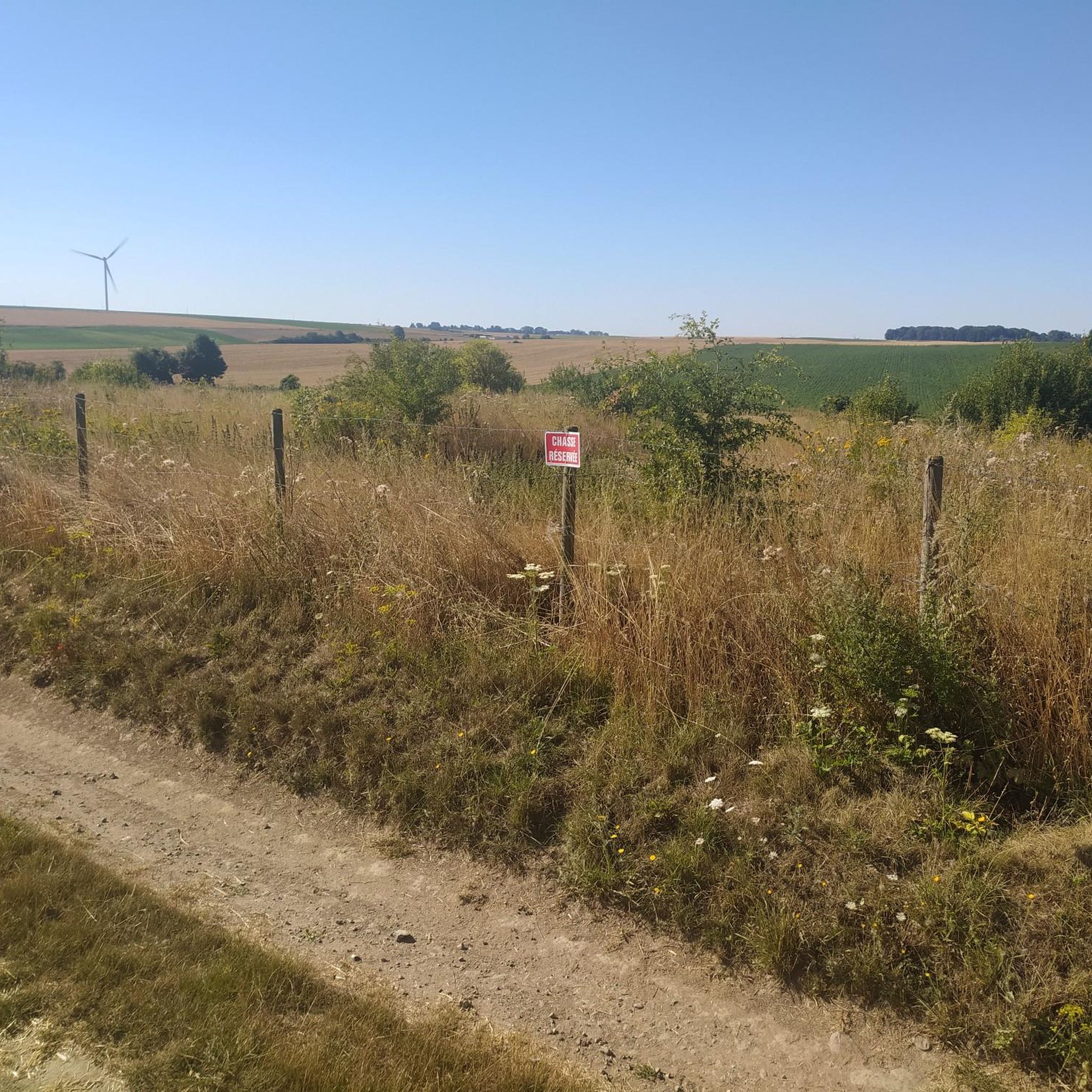
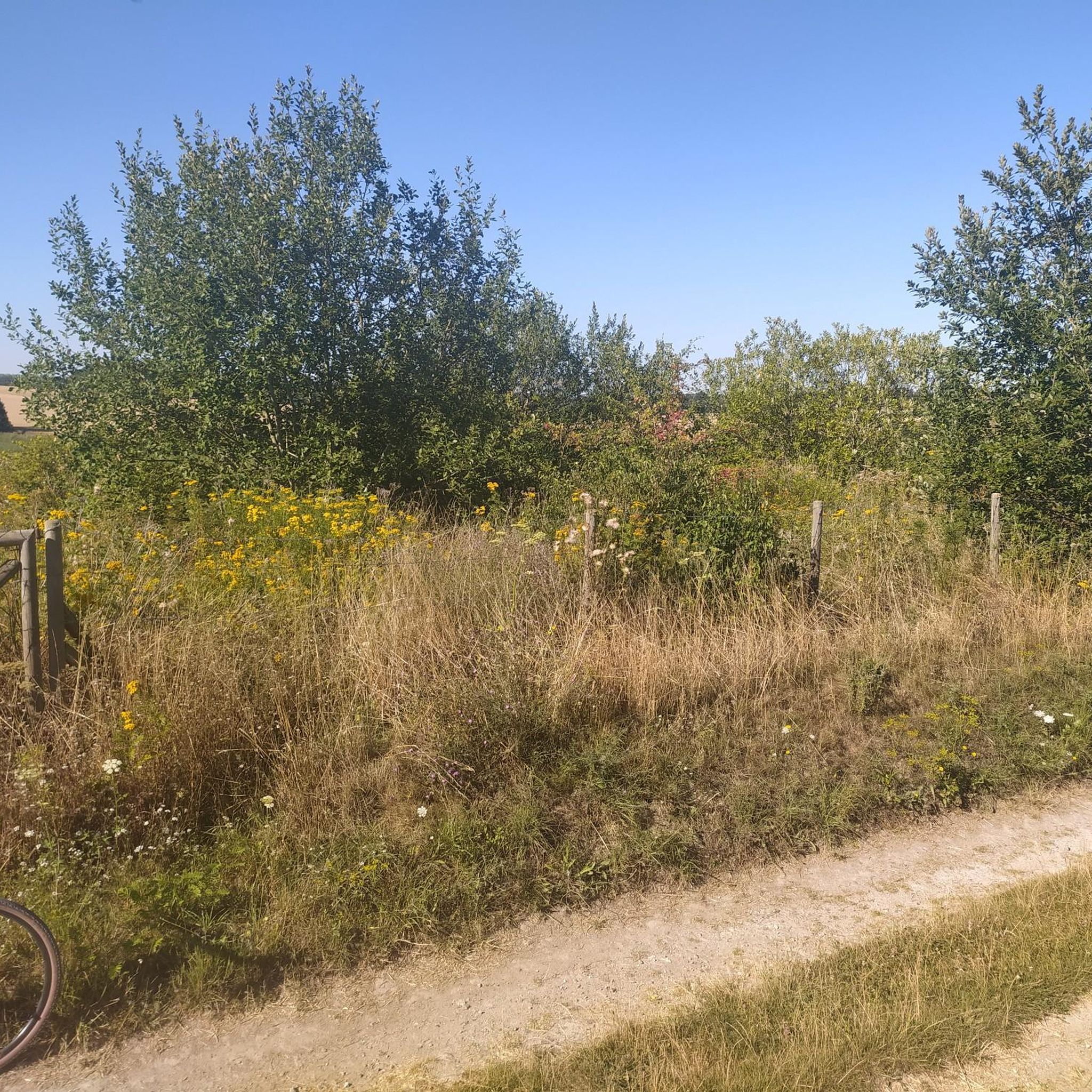
For bikepacking trips, A magnificent base for cycle touring. It's a place steeped in history, peaceful, and surrounded by lush greenery. Don't miss the hamlet of Revelon or a visit to the source of the Scheldt River in Gouy (right next door). Happy riding! 🚴♀️ Franck
1
0

Some very beautiful remains to discover during a hike 😉.
1
0
This watering trough is probably a distant legacy of the Cistercian monks of Vaucelles. Nestled in the pastures surrounding the farm, it is fed by the nearby fountain, which filters the water and is itself fed by water from the Saint-Bernard spring, via an aqueduct. Hence the name of the bicycle trail "des sources" 😎.
3
0

The Écluse de Cantimpré in Cambrai is a historic lock that played an important role in the development of the region's waterways. It was built in 1900 as part of the modernisation of the regional waterway network, as required by the Charles Freycinet law in 1879. The lock is equipped with two lock chambers, each 38 metres long and 5 metres wide, making it accessible to Flemish peniches and facilitating shipping. The lock is located at the junction of the canalised Scheldt and the Saint-Quentin Canal, and was part of the important port of Cantimpré, which was built in 1862. Today, the port of Cantimpré is mainly a pleasure port, but in the past it was a busy trading post with more than a hundred ships passing through every day.
7
0
Built in 1623, the Notre-Dame gate marks the northern entrance to the city. At that time, city gates, protected by bastions, freed themselves from their defensive role and became symbols of the wealth of cities. With its “diamond point” hardware and its rich sculpted decoration, the Notre-Dame gate is representative of the Baroque style. The sun that adorns the upper part was added after the capture of Cambrai by Louis XIV. https://www.villedecambrai.com/decouvrir/decouvrir-la-ville/portrait-de-ville/patrimoine-et-architecture/heurs-et-malheurs-dune-ville-frontiere/la-porte-notre-dame
10
0
The belfry, now a UNESCO World Heritage Site, was once the bell tower of the Saint-Martin church, the rest of the building having disappeared during the French Revolution. A symbol of communal freedoms, this belfry also ensured the security of the city. Night and day, lookouts monitored the city and warned of the arrival of enemies or the start of fires by sounding the tocsin. The oldest parts of this building date back to 1474 and rise from the base to the height of the cornice. Supported by wide buttresses, the first bell chamber opens onto triple bays in a Gothic-style pointed arch. Since 1736, this tower has been raised by another level in the classical style into which the second bell chamber opens. This part is topped by a drum where the watch room was located, the whole being topped with a dome and a lantern. Four sculptures made of cast concrete by Marcel Gaumont after the First World War evoke the historical periods of the city. We can see a Frankish warrior; a crossbowman symbolizing the communal militia; Louise of Savoy, mother of François I, who signed the Treaty of the Peace of the Ladies in Cambrai and the knight of Cezen, first governor of the city that became French. The entrance to the belfry has a sculpted decoration by René Faches. The central part bears the arms of Cambrai, surmounted by Saint Martin sharing his cloak to offer it to a poor man. These sculptures evoke the civil and religious duality of this belfry. (Cambrésis Tourisme)
6
0
This Cistercian abbey was founded in 1132 by Bernard of Clairvaux and grew into a large and influential community within a century. Royal armies camped there as in a fortress and Charles V signed peace with Henry II in 1556. In addition to the sick and outcasts, travellers and pilgrims also found shelter in the hospital. The largest abbey church in Europe stood here with an extraordinary length of 135 metres. On feast days, 3000 meals were provided to the needy in the wide area. After the French Revolution, it was declared national property and an inglorious end followed as an open-air quarry. Now, restored parts remain, such as the abbot's palace with the dormitories and monks' halls with the chapter house next to it. The 7-hectare abbey park is being restored to its former glory. Open March to November (Tue-Sat 10am-12pm and 2pm-5.30pm, Sun 3pm-6.30pm, closed Mondays).
1
0
The Beffroi de Cambrai is an impressive tower in Cambrai, located in the Nord department of France. Originally part of the old Saint Martin's Church, this tower is built in the Gothic style and is approximately 62 metres high. The beffroi is known for its sturdy buttresses reminiscent of medieval donjons. At the foot of the tower is a statue of Saint Martin, the patron saint of the city. The tower has a rich history and has survived both world wars unscathed. Since 1965, the beffroi has been classified as a historical monument and in 2005 it was included on the UNESCO World Heritage List, together with other beffrois in the region.
7
0
Frequently Asked Questions
What historical sites related to World War I can I visit in Flesquières?
Flesquières is deeply connected to World War I. You can visit the Flesquières Tank Museum, which houses 'Deborah,' a Mark IV tank from the Battle of Cambrai. The Flesquieres Hill British Cemetery and Orival Wood Cemetery are solemn reminders of the conflict. Additionally, the Monument des Nations commemorates soldiers from various nations, and the Circuit du Tank offers a marked hiking trail through battlefields and historical points, including a reconstructed trench.
Are there any significant religious or architectural sites in the area?
Yes, the area features several notable sites. The rebuilt Flesquières Church is classified as a historical monument, known for its stained-glass windows and frescoes. You can also explore several chapels, including the Crapez Chapel and Notre Dame de Bon Secours Chapel. Further afield, the impressive Vaucelles Abbey, founded in 1132, offers restored parts like the abbot's palace and monks' halls, set within a 7-hectare park.
Can I learn about the Battle of Cambrai in Flesquières?
Absolutely. Flesquières played a pivotal role in the Battle of Cambrai. The Flesquières Tank Museum is dedicated to this battle and the earliest use of tanks. The Monument des Nations symbolically represents the breaching of German lines during the battle, and the Circuit du Tank hiking trail includes an orientation table explaining the battle, its forces, and outcome as you walk through the historic landscape.
What outdoor activities can I do near these attractions?
The region around Flesquières offers various outdoor activities. You can explore the area on foot with numerous hiking trails, including the historical Circuit du Tank. For cycling enthusiasts, there are several routes available, ranging from easy to difficult. You can find more details on hiking routes at Hiking around Flesquières and cycling options at Cycling around Flesquières or Road Cycling Routes around Flesquières.
Are there family-friendly attractions in Flesquières?
Yes, several attractions are suitable for families. The Vaucelles Abbey is considered family-friendly, offering historical exploration within a large park. The Porte Notre-Dame de Cambrai, a historic city gate, and the Vaucelles watering trough, a natural and historical monument, are also listed as family-friendly options.
What natural features can I see near Flesquières?
While Flesquières is primarily known for its history, you can find natural elements shaped by past events. The Flesquières Ridge, though only 105 meters high, was a strategic point during WWI and offers a landscape with historical significance. Orival Wood is also part of the historical landscape. Additionally, the Vaucelles watering trough, fed by a nearby fountain and the Saint-Bernard spring, is considered a natural monument and a peaceful spot.
What is the significance of the Belfry of Cambrai?
The Belfry of Cambrai is a UNESCO World Heritage Site, originally part of the old Saint Martin's Church. This Gothic-style tower, approximately 62 meters high, served as a symbol of communal freedoms and ensured the city's security. Lookouts monitored the city from here, warning of enemies or fires. Its oldest parts date back to 1474, and it features sculptures depicting the city's historical periods.
What is the best time of year to visit Flesquières?
The best time to visit Flesquières for outdoor activities and exploring historical sites is generally during the spring (April to June) and autumn (September to October) when the weather is milder and more pleasant for walking and cycling. Summer months can also be enjoyable, though potentially warmer.
What do visitors particularly enjoy about the attractions around Flesquières?
Visitors appreciate the deep historical significance, especially concerning World War I, and the opportunity to explore these sites through walking and cycling. The restored parts of Vaucelles Abbey and its beautiful park are highly regarded. The Vaucelles watering trough is noted as a peaceful, historically rich spot ideal for cycle touring.
Are there any other notable historical monuments besides WWI sites?
Yes, beyond the WWI sites, you can visit the Porte Notre-Dame de Cambrai. Built in 1623, this gate marks the northern entrance to the city and is a beautiful example of Baroque architecture, symbolizing the wealth of cities at that time. It features rich sculpted decoration and a diamond-point hardware design.
What is the Château de la Retraite and its history?
The Château de la Retraite, originally built between 1843 and 1849, was destroyed in 1917 during WWI and later rebuilt. It blends traditional 19th-century architecture with innovative concrete usage. It also has WWII significance, having been occupied by Germans and serving as a Hitler Youth school and a site for a state conference in 1944.
Where can I find parking for attractions in Flesquières?
While specific parking details for every site are not always provided, most major attractions like the Flesquières Tank Museum and the starting points for trails like the Circuit du Tank typically have designated parking areas nearby. It is advisable to check local signage upon arrival.
Most popular routes around Flesquières

Get inspired with the komoot mobile app


Explore more
Still not found the Highlight you’re looking for? See guides of the top attractions in other regions:
