The best walks and hikes around Tilloy-Lez-Cambrai
4.4
(631)
1,368
hikers
117
hikes
Hiking around Tilloy-Lez-Cambrai offers a network of trails exploring the local landscape, characterized by gentle terrain, historical fortifications, and waterways. The region features a mix of open paths and routes alongside canals and rivers, providing varied scenery for outdoor activities. Elevation changes are generally modest, making many routes accessible. The area around Tilloy-Lez-Cambrai is suitable for those seeking walks with cultural points of interest and natural surroundings.
Best hiking trails in Tilloy-Lez-Cambrai
- The most popular hiking route is Tour of…
Last updated: July 9, 2026
4.0
(1)
6
hikers
3.87km
01:00
20m
20m
Easy hike. Great for any fitness level. Easily-accessible paths. Suitable for all skill levels.
31
hikers
7.78km
01:58
10m
10m
Easy hike. Great for any fitness level. Easily-accessible paths. Suitable for all skill levels.

Sign up for free
4.6
(7)
55
hikers
8.58km
02:11
20m
20m
Moderate hike. Good fitness required. Easily-accessible paths. Suitable for all skill levels.
12
hikers
4.94km
01:16
30m
30m
Easy hike. Great for any fitness level. Easily-accessible paths. Suitable for all skill levels.
7
hikers
4.71km
01:13
20m
20m
Easy hike. Great for any fitness level. Easily-accessible paths. Suitable for all skill levels.
Get access to more routes and recommendations from other explorers.
Sign up for free
Already have an account?
Our route recommendations are based on thousands of hikes, rides, and runs completed by other people on komoot.
Start today with a free account
Your next adventure awaits.
Login or Signup


Tips from the Community

Place Aristide Briand in Cambrai is a historically important site that was completely destroyed by German troops in 1918. The square was rebuilt between 1924 and 1932, according to a design by architect Pierre Leprince-Ringuet. The reconstruction combined Art Deco and regionalist styles, with specific guidelines for the buildings, including a minimum width of 6 meters, three levels and mansard roofs. The square has retained its harmonious appearance over the years and remains a central part of Cambrai's architectural heritage.
11
0
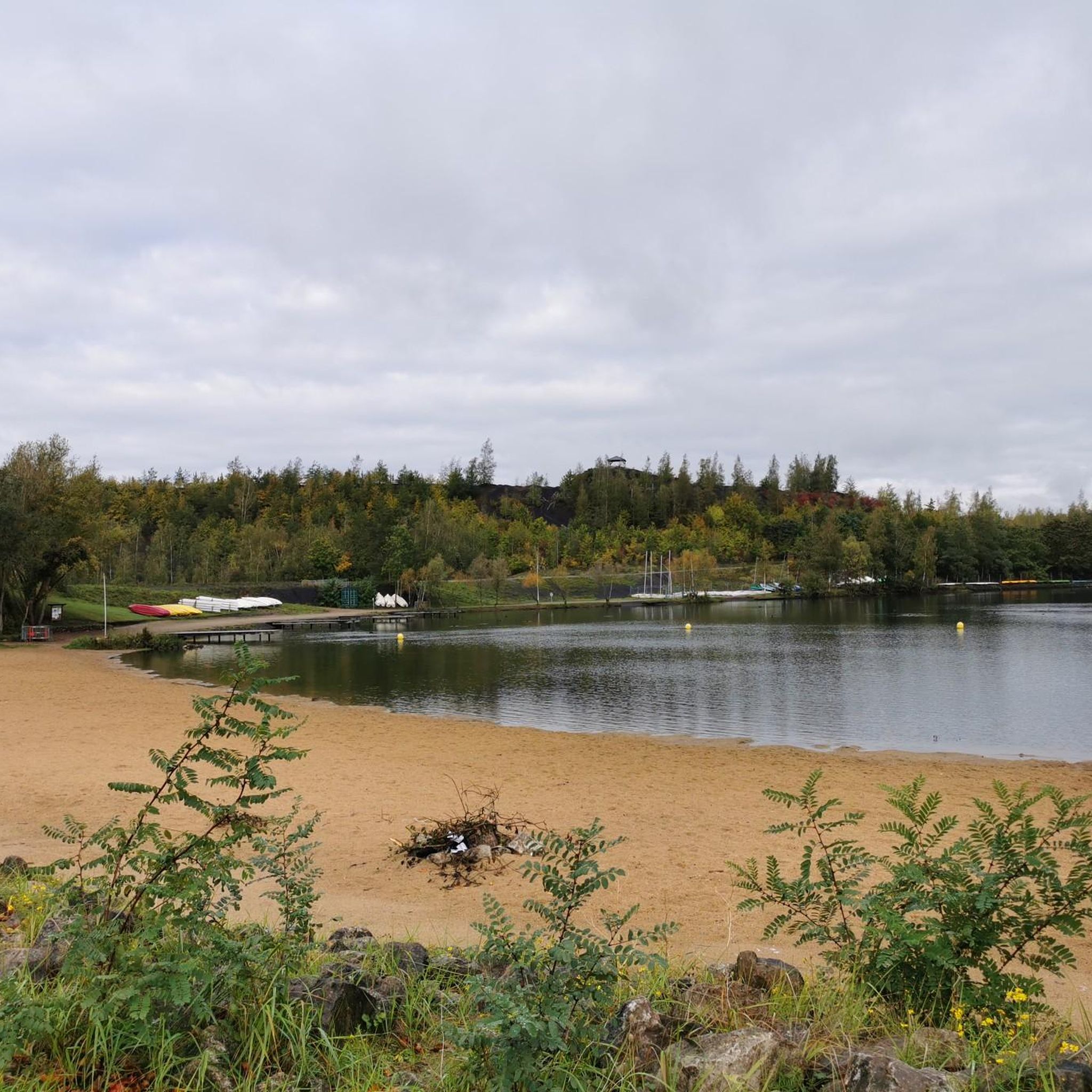
Beautiful traffic-free footpath along the Scheldt. Depending on the light, the buildings on the other side reflect beautifully in the water. The row of trees along the roadway, but above the footpath, also creates atmosphere.
6
0
The Canalised Scheldt is a section of the River Escaut that was developed to facilitate navigation and river transport. This canalised section extends for approximately 63 km, from Cambrai to Mortagne-du-Nord, on the French-Belgian border. The canalisation of the Scheldt began between Cambrai and Bruay-sur-l'Escaut between 1772 and 1784. The Canal de l'Escaut connects to the Canal de Saint-Quentin in Cambrai, which allows a continuous river link to the Paris Basin via the Seine. This infrastructure played a crucial role in the economic development of the region, facilitating the transport of goods and supporting the industrialisation of the towns along its route. Today, the Canalised Scheldt continues to be used for both commercial transport and recreational activities, contributing to the local economy and tourism.
7
0
The Écluse de Cantimpré in Cambrai is a historic lock that played an important role in the development of the region's waterways. It was built in 1900 as part of the modernisation of the regional waterway network, as required by the Charles Freycinet law in 1879. The lock is equipped with two lock chambers, each 38 metres long and 5 metres wide, making it accessible to Flemish peniches and facilitating shipping. The lock is located at the junction of the canalised Scheldt and the Saint-Quentin Canal, and was part of the important port of Cantimpré, which was built in 1862. Today, the port of Cantimpré is mainly a pleasure port, but in the past it was a busy trading post with more than a hundred ships passing through every day.
7
0
The Écluse de Selles in Cambrai is a historic lock located on the Scheldt River. This lock dates back to the 18th century and is one of many locks in the region that were built to manage the waterways and facilitate navigation. The lock is located near the Château de Selles, a medieval castle originally built in the 13th century and later modified and expanded. The castle and lock are important historical monuments in Cambrai and attract many visitors interested in the history and heritage of the region.
2
0
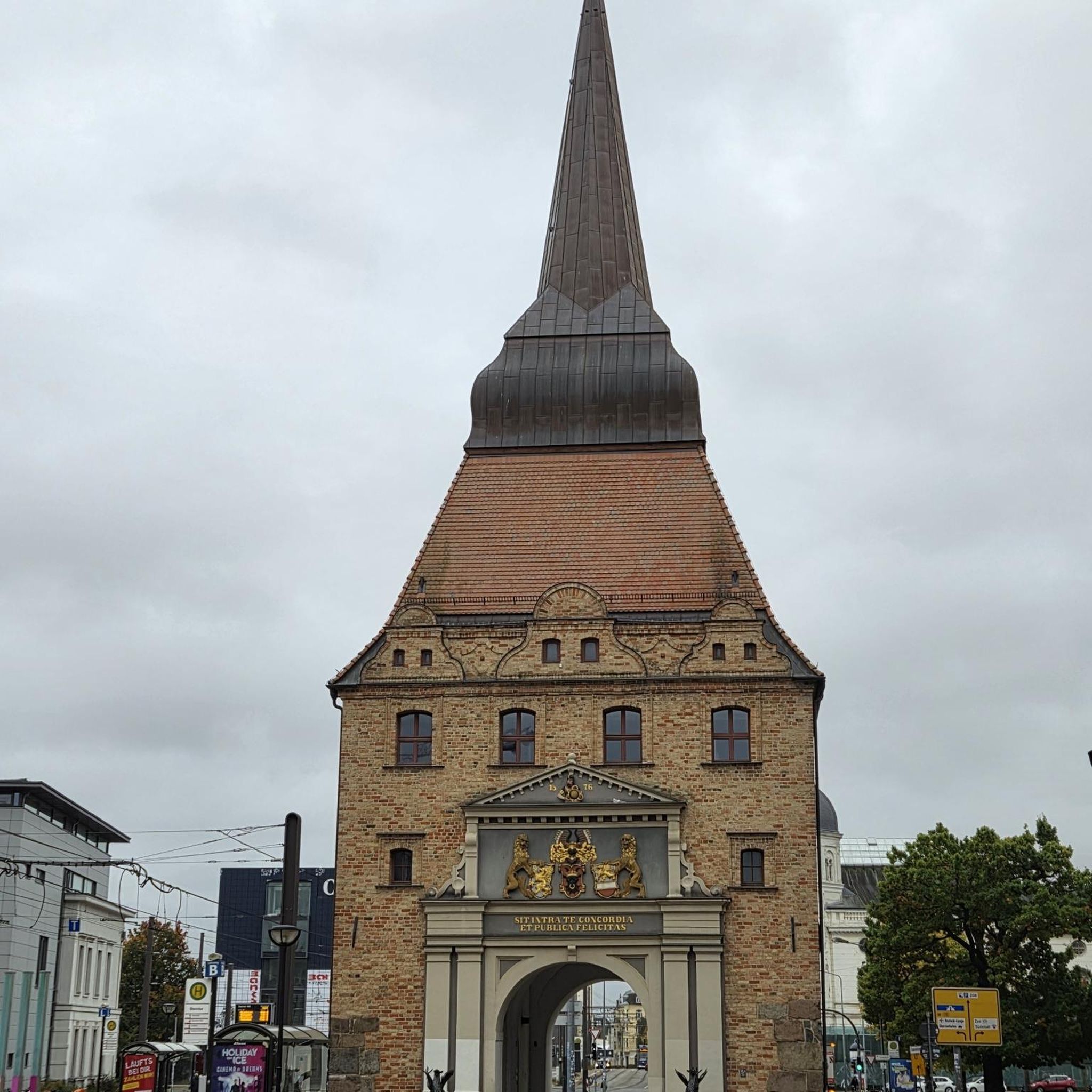
The portal of the former archbishop's palace in Cambrai is a magnificent example of 17th century architecture. This portal, which is part of the current sub-prefecture, was built in 1625 by Archbishop François Vanderburch and decorated by the sculptor Gaspard Marsy. Designed in the style of the Flemish Renaissance, the portal contains impressive decorative elements such as sculpted tympanums and graceful columns. It is made of blue stone from Soignies and white stone for the decorative elements. The portal has been classified as a historical monument since 1921.
1
0
Founded in the sixth century, it is the oldest church in the city. It became the abbey church of Saint-Aubert in the eleventh century. Rebuilt between 1697 and 1745, it illustrates two architectural traditions: the Baroque of the Netherlands and French classicism. At the crossing of the transept, there is an unparalleled blue stone canopy. Its function as a warehouse for goods confiscated from the clergy during the revolution saved it from destruction. The church houses many works of art, including the Entombment by Rubens (1616) and the rood screen by Jaspard Marsy (1635), now transformed into an organ gallery.
7
0
Place du 9 octobre is a famous place in Cambrai, France. The square was designed by architect Pierre Leprince-Ringuet in 1919 to improve the connection between the north-south and east-west axes of the city. The name of the square commemorates the entry of the Canadian troops into Cambrai on 9 October 1918. In the middle of the square is a monument in honour of Edmond Garin, the mayor of Cambrai from 1919 to 1925. The monument has a bas-relief depicting the "Goutte de Lait" (Drop of Milk), a charity initiative he supported.
7
0
Frequently Asked Questions
How many hiking trails are available around Tilloy-Lez-Cambrai?
There are over 120 hiking routes recorded around Tilloy-Lez-Cambrai on komoot. These trails explore the local landscape, featuring gentle terrain, historical fortifications, and waterways.
Are there easy hiking options suitable for beginners in Tilloy-Lez-Cambrai?
Yes, the region offers many easy hikes. Approximately 65 of the routes are classified as easy, making them suitable for beginners or those looking for a relaxed walk. An example is the Tour of the Fortifications of Cambrai, which is 2.4 miles (3.9 km) long.
Can I find circular hiking routes in the area?
Yes, many of the trails around Tilloy-Lez-Cambrai are circular, allowing you to start and end at the same point. The Selles Lock – Cantimpré Lock loop from Neuville-Saint-Rémy is a popular easy circular path following tranquil canal paths.
What kind of terrain can I expect on the hiking trails?
The terrain around Tilloy-Lez-Cambrai is generally gentle, characterized by open paths, routes alongside canals and rivers, and countryside. Elevation changes are modest, providing accessible walking experiences.
Are there any family-friendly hiking trails?
Given the gentle terrain and numerous easy routes, many trails are suitable for families. Paths along the canals, such as the Selles Lock – Cantimpré Lock loop, are often ideal for walks with children.
What are some notable landmarks or attractions I can see while hiking?
The region is rich in historical points of interest. You can explore sites like the Belfry of Cambrai, the Porte Notre-Dame de Cambrai, and other historical sites such as The Big Rock or the stone that grows. Many routes incorporate these historical elements.
What do other hikers say about the trails in Tilloy-Lez-Cambrai?
The hiking routes in Tilloy-Lez-Cambrai are highly rated by the komoot community, with an average score of 4.4 stars from over 500 reviews. Hikers often praise the varied scenery, historical fortifications, and serene waterways.
Are there longer hiking routes for more experienced hikers?
While many routes are easy to moderate, there are options for longer walks. For example, The Sottes tower loop from Cambrai is a moderate 7.6 miles (12.3 km) trail that takes around 3 hours to complete, offering varied terrain.
Is Tilloy-Lez-Cambrai suitable for winter hiking?
Given the generally gentle terrain and modest elevation changes, many trails can be enjoyed in winter, provided conditions are safe. Always check local weather forecasts and trail conditions before heading out during colder months.
Can I hike with my dog on the trails around Tilloy-Lez-Cambrai?
Most public footpaths in France are dog-friendly, especially in rural areas. However, it's always advisable to keep your dog on a leash, particularly near livestock or in nature reserves, and to check for any specific local regulations or signage on individual trails.
Are there any trails that offer good opportunities for wildlife spotting?
The region's mix of open countryside and waterways provides habitats for various local wildlife. Walking along canal paths or through wooded areas, you might spot birds, small mammals, and aquatic life. Early mornings or late evenings are often the best times for wildlife observation.
What are the typical durations for hikes in this area?
Hike durations vary widely. Shorter, easy routes like the Tour of the Fortifications of Cambrai can be completed in about an hour. Longer, moderate trails such as The Sottes tower loop from Cambrai might take over three hours.
Most popular routes around Tilloy-Lez-Cambrai
Most popular attractions around Tilloy-Lez-Cambrai

Get inspired with the komoot mobile app


Explore more
Browse the best Hikes in other regions.
