Attractions and Places To See around Fressies - Top 20
Attractions and places to see around Fressies, a small commune in the Nord department of France, are primarily found in the surrounding region. This rural area is part of the broader attraction zones of Douai and Cambrai, offering a mix of historical sites and natural landscapes. The Sensée river and canal drain through the region, providing opportunities for outdoor recreation.
Best attractions and places to see around Fressies
- The most popular attraction is Belfry of Cambrai, a man-made monument…
Last updated: July 6, 2026
Belfry of Cambrai
Highlight • Monument
Translated by Google •
Tip by

Porte Notre-Dame de Cambrai
Highlight • Monument
Translated by Google •
Tip by
Sign up now to discover places like this
Get recommendations on the best single tracks, peaks, & plenty of other exciting outdoor places.
Sign up for free
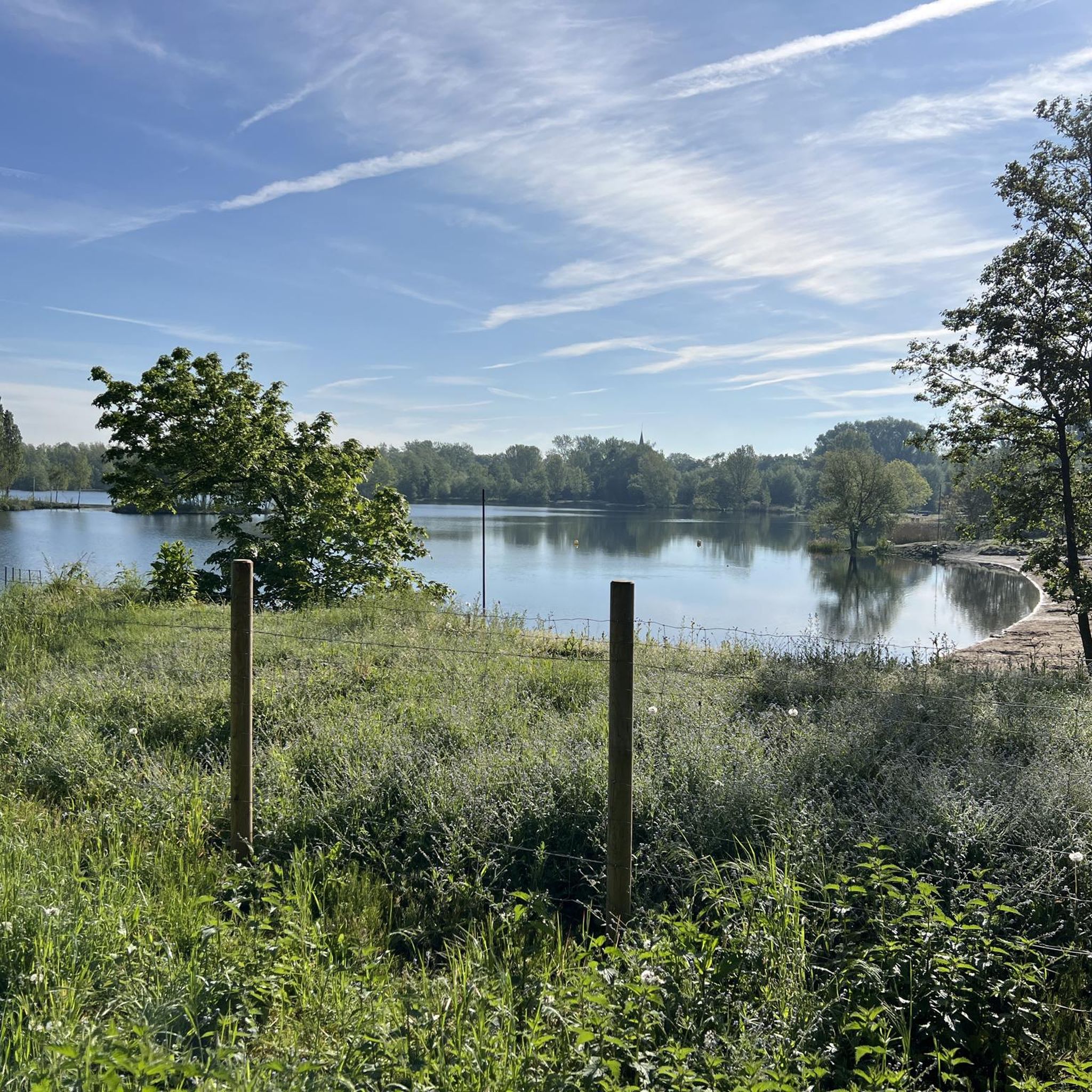
The Big Rock
Highlight • Historical Site
Be careful, the place is very swampy and it is more easily accessible in dry weather 😉.
Translated by Google •
Tip by

The Orangery Castle
Highlight • Parking
Roucourt Castle was built at the end of the 18th century by Monsieur Béranger, a cannon founder under the Empire.
Translated by Google •
Tip by

the stone that grows
Highlight • Historical Site
Translated by Google •
Tip by
Sign up for free to discover even more attractions around Fressies.
Sign up for free
Already have an account?
Start today with a free account
Your next adventure awaits.
Login or Signup
Tips from the Community

Magnificent..I love walking there to see the deer 😍
1
0

The menhir is located in the marsh of Aubigny-au-Bac, on a footpath leading to Brunémont. It is a block of Landenian sandstone 2.90 m high (including 1.48 m above ground) by 2.15 m wide and 0.70 m thick. It is said to have been sunk to about 2.40 m. Shaped like a horse's head, it is associated with a prehistoric megalith despite the absence of evidence.
0
0
A Brief History Note. Roucourt Castle was built at the end of the 18th century by Monsieur Béranger, a cannon founder under the Empire. …During World War I, the castle was occupied by the squadron and men of Captain Baron Von Richthofen, known as the "Red Baron," who sheltered his planes in the avenue of over 100-year-old lime trees that precede the entrance gate. Destroyed by fire in 1918, it was rebuilt between 1921 and 1923 and restored in 1997 by Colette and Guy Becquet de Mégille, the current owners.
3
0

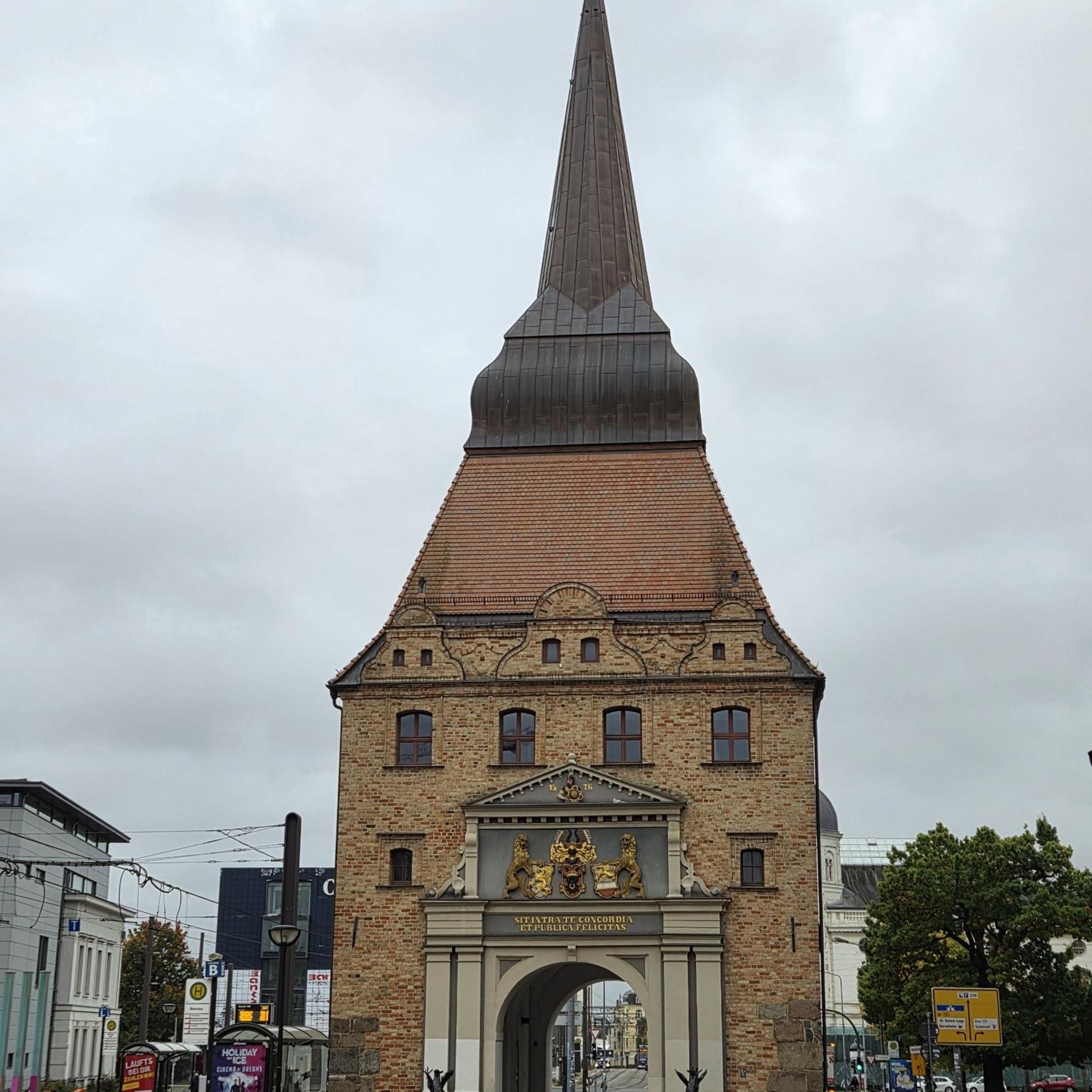
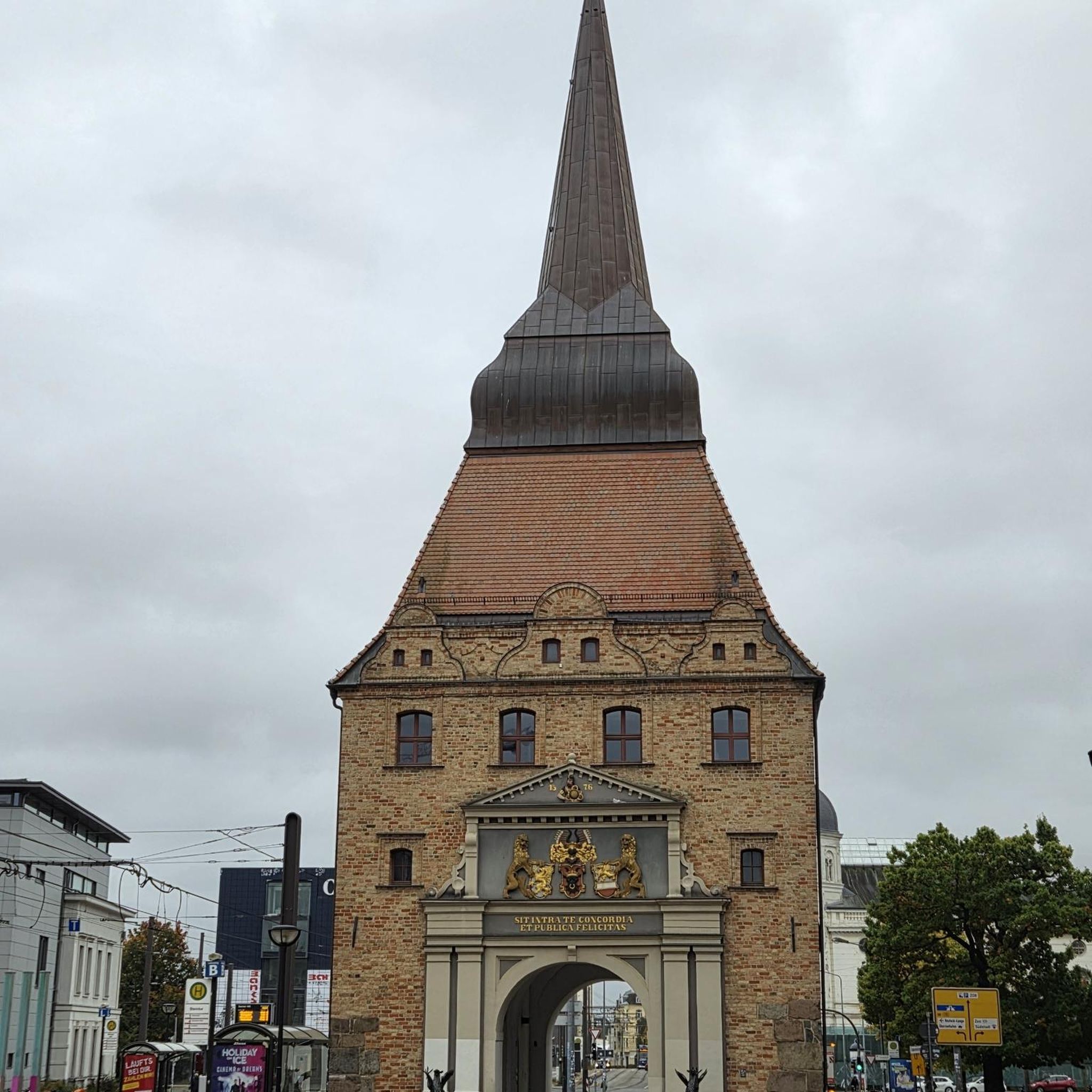
Built in 1623, the Notre-Dame gate marks the northern entrance to the city. At that time, city gates, protected by bastions, freed themselves from their defensive role and became symbols of the wealth of cities. With its “diamond point” hardware and its rich sculpted decoration, the Notre-Dame gate is representative of the Baroque style. The sun that adorns the upper part was added after the capture of Cambrai by Louis XIV. https://www.villedecambrai.com/decouvrir/decouvrir-la-ville/portrait-de-ville/patrimoine-et-architecture/heurs-et-malheurs-dune-ville-frontiere/la-porte-notre-dame
10
0
The belfry, now a UNESCO World Heritage Site, was once the bell tower of the Saint-Martin church, the rest of the building having disappeared during the French Revolution. A symbol of communal freedoms, this belfry also ensured the security of the city. Night and day, lookouts monitored the city and warned of the arrival of enemies or the start of fires by sounding the tocsin. The oldest parts of this building date back to 1474 and rise from the base to the height of the cornice. Supported by wide buttresses, the first bell chamber opens onto triple bays in a Gothic-style pointed arch. Since 1736, this tower has been raised by another level in the classical style into which the second bell chamber opens. This part is topped by a drum where the watch room was located, the whole being topped with a dome and a lantern. Four sculptures made of cast concrete by Marcel Gaumont after the First World War evoke the historical periods of the city. We can see a Frankish warrior; a crossbowman symbolizing the communal militia; Louise of Savoy, mother of François I, who signed the Treaty of the Peace of the Ladies in Cambrai and the knight of Cezen, first governor of the city that became French. The entrance to the belfry has a sculpted decoration by René Faches. The central part bears the arms of Cambrai, surmounted by Saint Martin sharing his cloak to offer it to a poor man. These sculptures evoke the civil and religious duality of this belfry. (Cambrésis Tourisme)
6
0
The Beffroi de Cambrai is an impressive tower in Cambrai, located in the Nord department of France. Originally part of the old Saint Martin's Church, this tower is built in the Gothic style and is approximately 62 metres high. The beffroi is known for its sturdy buttresses reminiscent of medieval donjons. At the foot of the tower is a statue of Saint Martin, the patron saint of the city. The tower has a rich history and has survived both world wars unscathed. Since 1965, the beffroi has been classified as a historical monument and in 2005 it was included on the UNESCO World Heritage List, together with other beffrois in the region.
7
0

A hike to Porte Notre Dame in Cambrai will take you to one of the most beautiful monuments in the city. It is an old gate of the medieval fortifications, built in the 14th century and renovated in the 17th century. With rich baroque decoration, a diamond-shaped stone pattern and a coat of arms of the city, you can admire the architecture and history of the gate, which was once the entrance to the cathedral and the episcopal palace.
5
0
It was built in 1765 in Roucourt in the Louis XVI style for Jean François Bérenger, commissioner general of the cast iron of the artillery of France, it replaces the old castle which was further north of the village. Since 1790, the estate has belonged to the family of Baron Becquet de Megille (then mayor of Douai) who have continued to develop it. The surrounding park is listed in the pre-inventory of remarkable gardens with its orchard and vegetable garden2. It includes a Chinese pavilion, the old village pillory and the dovecote.
0
0
Frequently Asked Questions
What historical landmarks can I visit near Fressies?
The region around Fressies is rich in history. You can explore the impressive Belfry of Cambrai, a UNESCO World Heritage Site and a Gothic-style tower. Another significant historical site is the Porte Notre-Dame de Cambrai, a beautifully decorated city gate from 1623. Don't miss the ancient the stone that grows, a menhir listed as a historical monument in Aubigny-au-Bac, or The Big Rock, another impressive menhir near Oisy-le-Verger.
Are there any natural features or outdoor recreational areas near Fressies?
While Fressies itself is a rural commune, the surrounding area offers natural beauty, particularly along the Sensée river and canal. You can find opportunities for outdoor recreation at Camping de la Sensée in Aubigny-au-Bac. The menhirs like the stone that grows and The Big Rock are also set in natural clearings or marshy landscapes, offering unique natural and historical experiences.
What kind of outdoor activities can I do near Fressies?
The area around Fressies is excellent for various outdoor activities. You can find numerous routes for cycling, gravel biking, and running. For gravel biking, explore routes like the 'Argalles spoil tip and pond' or 'Escluse proville'. Cyclists can enjoy the 'Marais des Courbettes' or 'Mont Bourlivet Cobbled Sector' loops. Runners have options such as 'Bassin Rond' or 'The Féchain Polishing Stone' trails. You can find more details and specific routes in the Gravel biking around Fressies, Cycling around Fressies, and Running Trails around Fressies guides.
Are there family-friendly attractions in the Fressies area?
Yes, several attractions in the vicinity are suitable for families. The Porte Notre-Dame de Cambrai is a historical site that can be enjoyed by all ages. Additionally, the amusement park Le Fleury in Wavrechain-sous-Faulx, approximately 6.9 km from Fressies, offers entertainment for families. The historical menhirs like the stone that grows also offer an interesting outdoor discovery for children.
What cultural sites or museums are close to Fressies?
For those interested in culture and history, the Belfry of Cambrai is a prominent cultural landmark. The region also features the Mining History Centre (Centre Historique Minier) in Lewarde, offering insights into the area's industrial past. Other cultural venues include the Palais des Grottes and Théâtre de Cambrai in Cambrai, and Gayant Expo Concerts in Douai.
What is the significance of the menhirs near Fressies?
The menhirs, such as the stone that grows in Aubigny-au-Bac and The Big Rock near Oisy-le-Verger, are ancient standing stones with deep historical roots, dating back to the Neolithic period. They are listed as historical monuments and are often surrounded by local legends, adding a mystical element to their presence. They represent a unique blend of natural and man-made historical significance.
Are there any castles or grand estates to visit?
Yes, you can visit The Orangery Castle in Roucourt. This castle, originally built in the late 18th century and rebuilt after World War I, has a rich history, including being occupied by the 'Red Baron' during the war. Its surrounding park is also notable, featuring an orchard, vegetable garden, and a Chinese pavilion.
What do visitors enjoy most about the attractions around Fressies?
Visitors particularly appreciate the historical depth and architectural beauty of sites like the Belfry of Cambrai and the Porte Notre-Dame de Cambrai. The ancient menhirs, such as the stone that grows, are valued for their unique historical significance and the peaceful, natural settings they are found in. The blend of cultural heritage and opportunities for outdoor exploration is a key draw.
Can I find easy walking trails near Fressies?
Yes, the region offers several easy walking and cycling routes. For instance, the 'Mont Bourlivet Cobbled Sector – Jetty on the Aubigny Marsh loop from Aubigny-au-Bac' is an easy cycling route that can also be enjoyed on foot. The flat terrain of the Sensée valley provides generally accessible paths for leisurely walks. Check the Cycling around Fressies guide for routes with 'easy' difficulty grades that might suit walking.
What are some unique or 'hidden gem' attractions in the area?
Beyond the well-known sites, the region holds some unique spots. The menhir known as The Big Rock, located in the marshy terrain of the Sensée valley, is a particularly impressive and somewhat secluded historical monument. The The Orangery Castle, with its rich history and beautiful park, also offers a more intimate experience away from larger crowds.
Are there any churches or religious sites of interest?
Yes, the area features several historic churches. The Belfry of Cambrai was originally the bell tower of the Saint-Martin church. In neighboring communes, you can find Église Saint-Amand in Aubigny-au-Bac, built in 1765 and reconstructed after WWI, and Église Saint-Martin in Abancourt.
What is the best time of year to visit Fressies and its attractions?
The best time to visit Fressies and its surrounding attractions is generally during the spring (April to June) and autumn (September to October) months. During these periods, the weather is typically mild and pleasant for exploring historical sites and engaging in outdoor activities like cycling and walking. Summer can also be enjoyable, though it may be warmer, while winter can be cold and some outdoor areas might be less accessible due to marshy conditions, especially around sites like The Big Rock.
Most popular routes around Fressies
Most popular attractions around Fressies

Get inspired with the komoot mobile app


Explore more
Still not found the Highlight you’re looking for? See guides of the top attractions in other regions:
