Attractions and Places To See around Fressain - Top 20
Attractions and places to see around Fressain, a commune in the Nord department of France, offer a mix of historical sites and natural features. The area is characterized by ancient megaliths, historical waterways like the Canal de la Sensée, and local heritage. Visitors can explore these elements through various points of interest. The region provides opportunities to discover its past and natural landscape.
Best attractions and places to see around Fressain
- The most popular attractions is Bridge Over the Canal…
Last updated: July 6, 2026
The Big Rock
Highlight • Historical Site
Be careful, the place is very swampy and it is more easily accessible in dry weather 😉.
Translated by Google •
Tip by

The Orangery Castle
Highlight • Parking
Roucourt Castle was built at the end of the 18th century by Monsieur Béranger, a cannon founder under the Empire.
Translated by Google •
Tip by

Sign up now to discover places like this
Get recommendations on the best single tracks, peaks, & plenty of other exciting outdoor places.
Sign up for free
the stone that grows
Highlight • Historical Site
Translated by Google •
Tip by
Ecluse de Thun Leveque
Highlight • Other
Translated by Google •
Tip by

Gœulzin Castle.
Highlight • Castle
During the Great War, this castle was occupied by German troops, pillaged and abandoned. Its ruined state dates from this period.
Translated by Google •
Tip by

Sign up for free to discover even more attractions around Fressain.
Sign up for free
Already have an account?
Start today with a free account
Your next adventure awaits.
Login or Signup
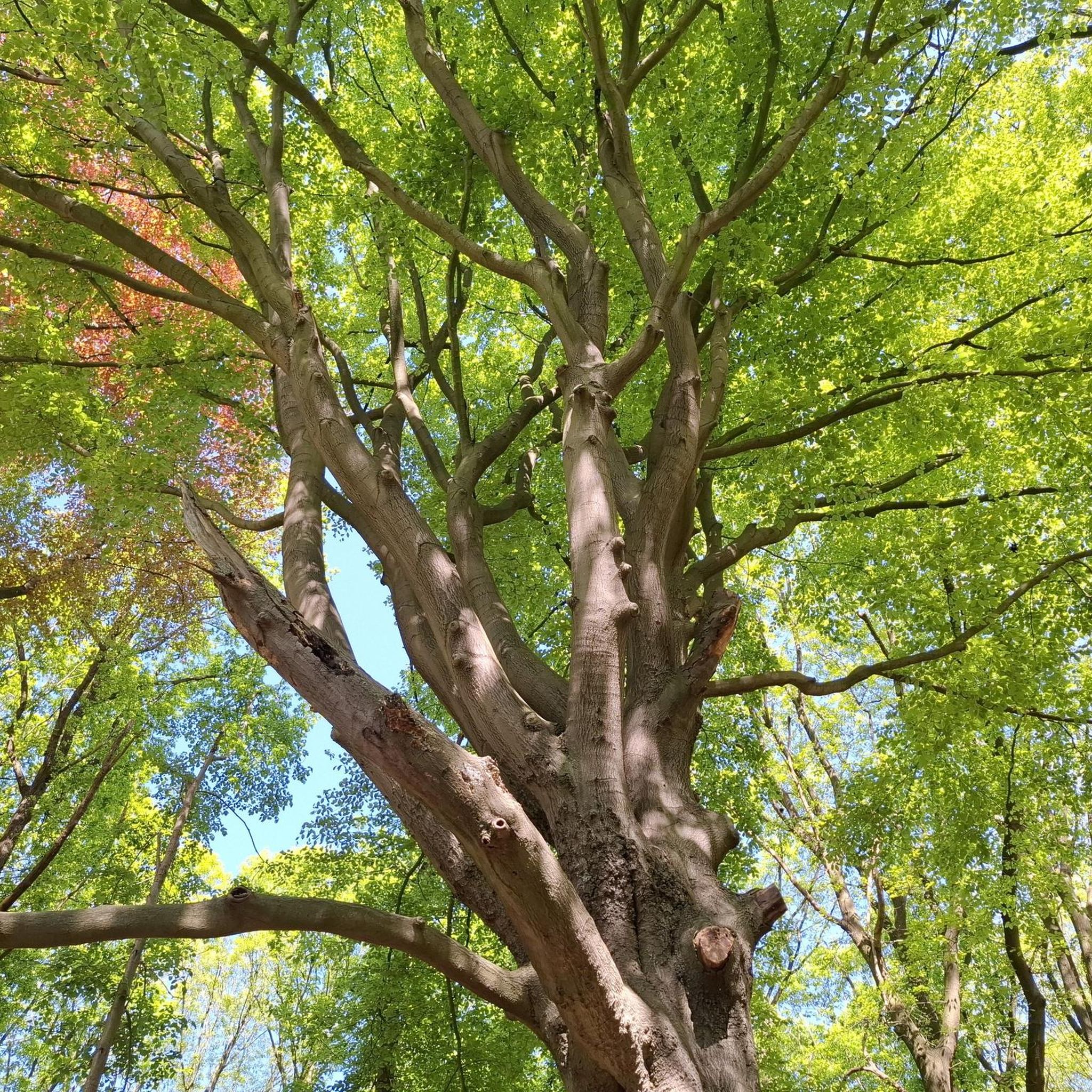
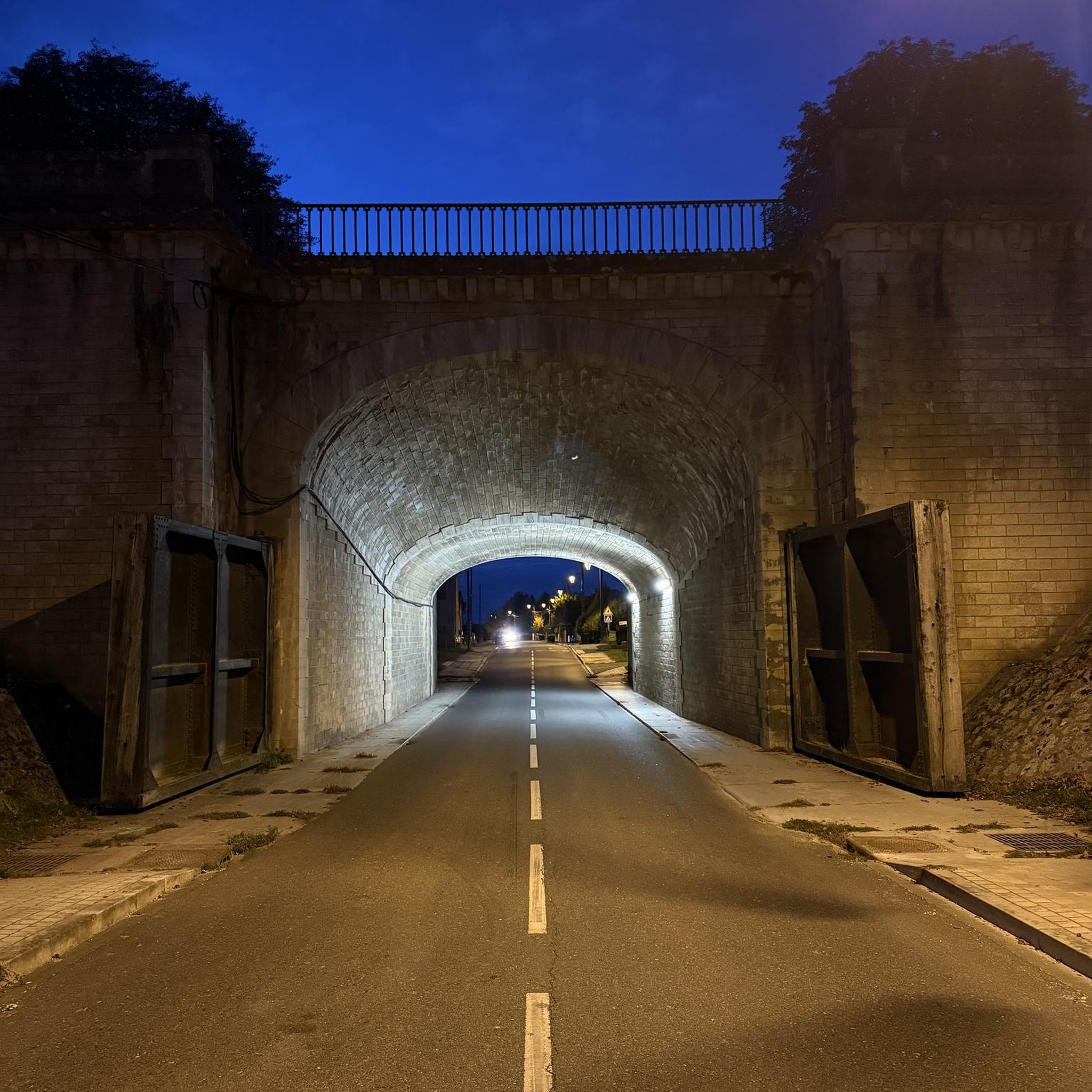
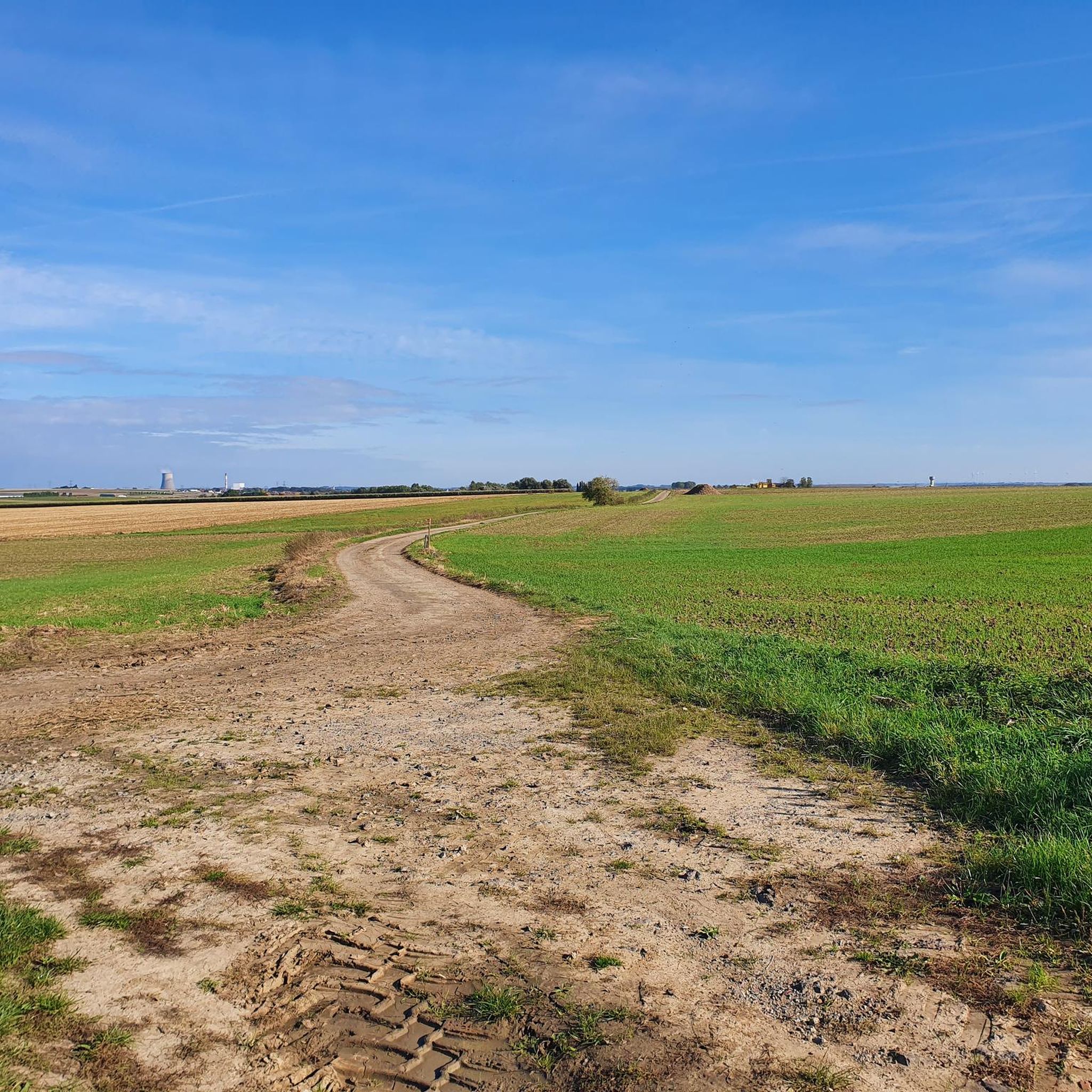
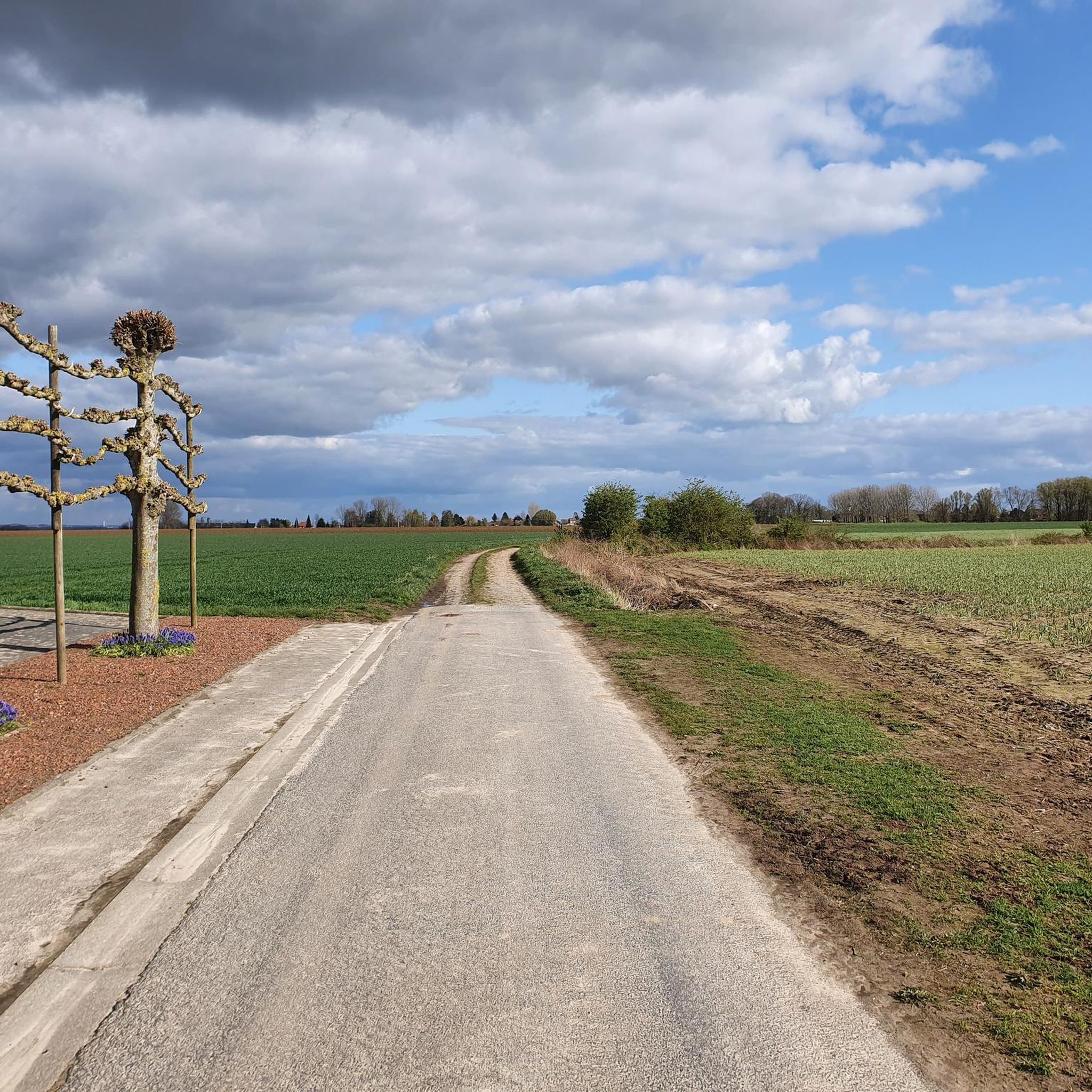
Tips from the Community

Magnificent..I love walking there to see the deer 😍
1
0

The menhir is located in the marsh of Aubigny-au-Bac, on a footpath leading to Brunémont. It is a block of Landenian sandstone 2.90 m high (including 1.48 m above ground) by 2.15 m wide and 0.70 m thick. It is said to have been sunk to about 2.40 m. Shaped like a horse's head, it is associated with a prehistoric megalith despite the absence of evidence.
0
0
A Brief History Note. Roucourt Castle was built at the end of the 18th century by Monsieur Béranger, a cannon founder under the Empire. …During World War I, the castle was occupied by the squadron and men of Captain Baron Von Richthofen, known as the "Red Baron," who sheltered his planes in the avenue of over 100-year-old lime trees that precede the entrance gate. Destroyed by fire in 1918, it was rebuilt between 1921 and 1923 and restored in 1997 by Colette and Guy Becquet de Mégille, the current owners.
3
0


Medieval Gœulzin Castle from the 17th century. During the Great War, this castle was occupied by German troops, pillaged and abandoned. Its ruined state dates from this period.
5
0

The ruins of Goeulzin Castle are what remains of a medieval fortress which was burned down twice in the 16th century and rebuilt by a Count of Bucquoy. The castle, located in the marshy Sensée valley, played a defensive role until the 18th century, when it was abandoned and pillaged. We can still see the remains of its walls, its towers and its main facade with this characteristic plan of stepped gables. You can also admire the neighboring tower which served as an ice house and dovecote in the 18th century.
3
0

The Thun Leveque lock is a double lock located on the Scheldt canal, between the municipalities of Thun-l'Évêque and Iwuy, in the Nord department. It allows boats to overcome a difference in height of 2.5 meters between the two reaches of the canal. It is part of a series of five double locks which were built between 1825 and 1830 to improve navigation on the canalized Scheldt1. The Thun Leveque lock has been classified as a historic monument since 19922. It is surrounded by a landscaped park which dates from the 19th century and which belongs to the domain of the Château de Hamel, an 18th century residence which is also protected as architectural heritage3. The Thun Leveque lock is a place of passage and discovery for boaters, cyclists and hikers who use the Scheldt canal or the greenway which runs along it.
2
0
It was built in 1765 in Roucourt in the Louis XVI style for Jean François Bérenger, commissioner general of the cast iron of the artillery of France, it replaces the old castle which was further north of the village. Since 1790, the estate has belonged to the family of Baron Becquet de Megille (then mayor of Douai) who have continued to develop it. The surrounding park is listed in the pre-inventory of remarkable gardens with its orchard and vegetable garden2. It includes a Chinese pavilion, the old village pillory and the dovecote.
0
0
Frequently Asked Questions
What historical sites can I explore near Fressain?
The Fressain area is rich in history. You can visit ancient megaliths like the stone that grows and The Big Rock, both significant historical monuments. The Orangery Castle, with its fascinating past including its connection to the 'Red Baron' during WWI, is also a notable historical site. Additionally, the Ecluse de Thun Leveque (lock) on the Canal de la Sensée is classified as a historic monument.
Are there any unique historical monuments in the Fressain area?
Yes, the region features several unique historical monuments. The stone that grows (La Pierre qui Pousse) in Aubigny-au-Bac is a menhir inscribed as a Monument Historique since 1979. Another impressive menhir, The Big Rock, is located in the marshy terrain of the Sensée valley and is classified as a historic monument. Both are ancient standing stones with local legends.
Where can I learn about the local heritage of Fressain?
Fressain village itself offers a unique way to explore its heritage through a network of Heritage Panels (Panneaux du Patrimoine). These panels provide insights into the history of local buildings, chapels, statues, and bygone trades, with QR codes for detailed historical explanations. Additionally, the ancient megaliths like the stone that grows offer a glimpse into the region's prehistoric past.
What natural features are prominent around Fressain?
The most prominent natural feature is the historic Canal de la Sensée, which offers pleasant towpaths for walks and cycling. Nearby, the Marshes of Aubigny and Brunémont are recognized for their ecological value, providing habitat for diverse wildlife. The area also features ancient natural monuments like The Big Rock, situated in a marshy landscape.
Are there opportunities for walking or cycling near Fressain?
Absolutely! The towpaths along the Canal de la Sensée provide excellent routes for walking and cycling. For more structured outdoor activities, you can explore various routes. For mountain biking, check out the MTB Trails around Fressain. If you prefer touring or road cycling, there are numerous options available in the Cycling around Fressain and Road Cycling Routes around Fressain guides.
What kind of wildlife can be spotted in the Fressain region?
The Marshes of Aubigny and Brunémont, located near the Canal de la Sensée, are ecologically rich areas. Here, you might spot diverse wildlife, including various bird species like herons and marsh warblers, as well as grass snakes. The natural settings around the canal and marshes provide a habitat for local fauna.
Are there family-friendly attractions in Fressain?
Yes, several attractions are suitable for families. The stone that grows is a historical monument that can be an interesting discovery for all ages. The Orangery Castle is also considered family-friendly, offering a glimpse into history. The towpaths along the Canal de la Sensée are perfect for family walks or bike rides, providing easy and pleasant outdoor experiences.
Are there any wheelchair-accessible attractions?
Yes, the Bridge Over the Canal is noted as wheelchair accessible, offering an easy and pleasant experience along the historic Canal de la Sensée. The canal's towpaths generally provide flat surfaces suitable for various mobility needs, making them accessible for walks and enjoying the scenery.
What do visitors particularly enjoy about the attractions near Fressain?
Visitors appreciate the blend of history and nature. The ancient menhirs like the stone that grows are often described as 'magical places' and 'beautiful monuments of local history to discover during a walk in nature.' The Canal de la Sensée and its infrastructure, such as the Bridge Over the Canal, are enjoyed for their historical significance and the easy, pleasant walks they offer.
When is the best time to visit Fressain for outdoor activities?
The region's outdoor attractions, particularly the canal towpaths and marsh areas, are best enjoyed in dry weather. Spring and summer offer pleasant conditions for walking, cycling, and exploring the natural and historical sites. Some areas, like the marshy terrain around The Big Rock, can be difficult to access during periods of rain.
Are there any lesser-known spots or 'hidden gems' worth visiting?
While not strictly 'hidden,' the network of Heritage Panels within Fressain village offers a unique and detailed exploration of local history that might be overlooked by some visitors. These panels, with their QR codes, provide in-depth stories about the village's buildings, chapels, and past trades, offering a deeper connection to the area's heritage.
Most popular routes around Fressain
Most popular attractions around Fressain

Get inspired with the komoot mobile app


Explore more
Still not found the Highlight you’re looking for? See guides of the top attractions in other regions:
