Top 8 Castles around Margaux
Best castles around Margaux are primarily renowned wine châteaux, many of which are classified as Grand Cru Classé, alongside historical fortifications. Located in the Médoc region of Bordeaux, these estates are known for their architecture and historical significance. The area offers a blend of viticultural heritage and historical sites, providing diverse exploration opportunities. Visitors can discover both grand wine estates and ancient fortresses.
Best castles around Margaux
- The most popular castles is Citadel of Blaye, a historical site that…
Last updated: August 29, 2026
Citadel of Blaye
Highlight • Historical Site
Translated by Google •
Tip by

Blaye
Highlight • Settlement
Translated by Google •
Tip by

Sign up now to discover places like this
Get recommendations on the best single tracks, peaks, & plenty of other exciting outdoor places.
Sign up for free
Rudel Castle
Highlight • Castle
Tip by

Citadelle Castle
Highlight • Castle
Translated by Google •
Tip by
East Gate, Vauban Citadel 🏰
Highlight • Castle
Translated by Google •
Tip by
Sign up for free to discover even more castles around Margaux.
Sign up for free
Already have an account?
Start today with a free account
Your next adventure awaits.
Login or Signup
Other adventures around Margaux

Tips from the Community

In the 16th century, the Bourg citadel, the stronghold of Bordeaux, was elevated to the rank of impregnable citadel thanks to the work of the Duke of Épernon, whose vaulted passage remains a vestige that you can discover during guided tours. You'll also visit the basement, where the former stone quarries were used to build impressive 70-meter-long reinforced concrete oil tanks, used during World War II. The Bourg Citadel Museum is located near the castle, which features 18th-century neoclassical architecture. You'll be amazed by its collection of horse-drawn carriages, which you'll learn about during guided tours.
1
0
The terrace of the Chateau de la Citadelle de Bourg en Gironde offers a superb view of the Dordogne just before the junction with the Garonne, from where they form the Gironde estuary. You can still see the facade of the old 18th century charterhouse that was built there, as well as a view of the river. The Citadel of Bourg museum presents an impressive network of underground passages as well as a collection of horse-drawn carriages. Open daily between June and September.
2
0

Worth seeing fortress, unfortunately the weather was not nice for further explorations.
4
0

Since we wanted to continue with the ferry, but still had 60 minutes until the next crossing, we looked at this pretty citadel. There is also a café that invites you to linger.
0
0

Citadel built under Vauban to protect the port of Blaye. https://de.m.wikipedia.org/wiki/Zitadelle_Blaye
0
0

In his 56 years of service, Vauban, who was already an Ingénieur de France, designed 33 new forts, delivered over 400 projects for 160 sites and modernized countless existing forts. He is the actual creator of the enceinte de fer, the iron belt, and the pré carré, with which France under Louis XIV secured its external borders. The fortified town of Neuf-Brisach/Neu-Breisach is considered to be his main work Fortifications by Vauban is the name of the World Heritage site that summarizes the important fortifications of the brilliant French master builder. In 2008, UNESCO decided to include twelve particularly exemplary and well-preserved sites in the World Heritage List: * Arras Citadel * Citadel, ramparts and Fort Griffon in Besançon * Citadel of Blaye, Fort Paté on an island in the Gironde and the * Citadel of Cussac-Fort-Médoc * Briançon fortification system (walls, four forts, signal tower and bridge) * Tour dorée (golden tower) in Camaret-sur-Mer * Fortified Upper Town of Longwy * Fortified city of Mont-Dauphin * Mont-Louis, composed of citadel and fortified city * Fortified town of Neuf-Brisach * Saint-Martin-de-Ré fortress with ramparts, port and citadel * Saint-Vaast-la-Hougue: Towers and fortifications in Saint-Vaast-la-Hougue and on the neighboring island of Tatihou * Fort Liberia, city walls and the fortified cave Cova Bastera in Villefranche-de-Conflent” (Source: Wikipedia)
2
0

Blaye is a town in the Gironde department, in the Nouvelle-Aquitaine region in France. It is located on the right bank of the Gironde, approximately 50 kilometers north of Bordeaux. Blaye is known for its citadel, built in the 17th century by Vauban. It has been included on the UNESCO World Heritage List since 2008, with the fortifications of the city of Bordeaux and Fort Paté on Pate Island, which are part of the same defensive ensemble. In addition to the citadel, Blaye is also home to several other historical monuments, such as the Porte Royale, the Porte Dauphine, the Porte de l'Estaple, the Saint-Romain church and the Minimes convent. The city is also known for its vineyards, which produce world-famous red and white wine. Visitors can learn about the region's wine heritage by touring wineries and tasting local wines in the town's many bars and restaurants.
1
0

If you are in the area, a walk in the citadel of Blaye is a must! History, architecture and wine lovers will find what they are looking for. The cultural heritage per square meter is just incredible!
1
0
Frequently Asked Questions
What kind of castles can I expect to find in Margaux?
In Margaux, the term 'castles' primarily refers to the magnificent wine estates known as châteaux, many of which are classified as Grand Cru Classé. These are renowned for their exceptional wines, impressive architecture, and historical significance. Additionally, you'll find historical fortifications like the Citadel of Blaye, a UNESCO World Heritage site, offering a blend of viticultural heritage and ancient fortresses.
How can I visit the famous Château Margaux?
Château Margaux, a Premier Grand Cru Classé estate, offers visits by appointment, ideally booked several months in advance. These visits are primarily for wine professionals, dedicated lovers, and collectors of their wines. The visit typically lasts about an hour and is free of charge. The estate is closed on weekends, public holidays, in August, and during harvest. You can find more information about Château Margaux on Wikipedia.
Are there other notable châteaux to visit in the Margaux appellation?
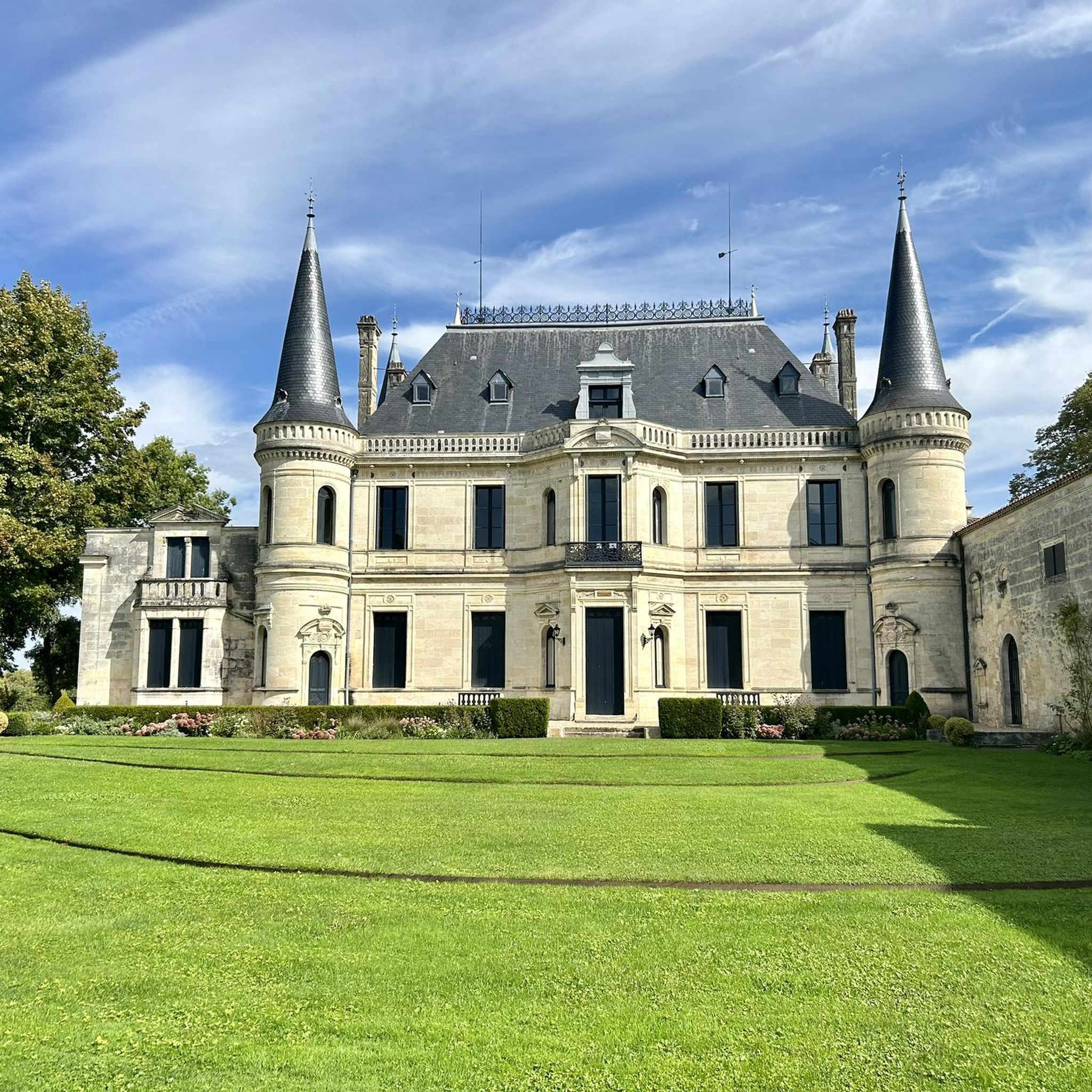
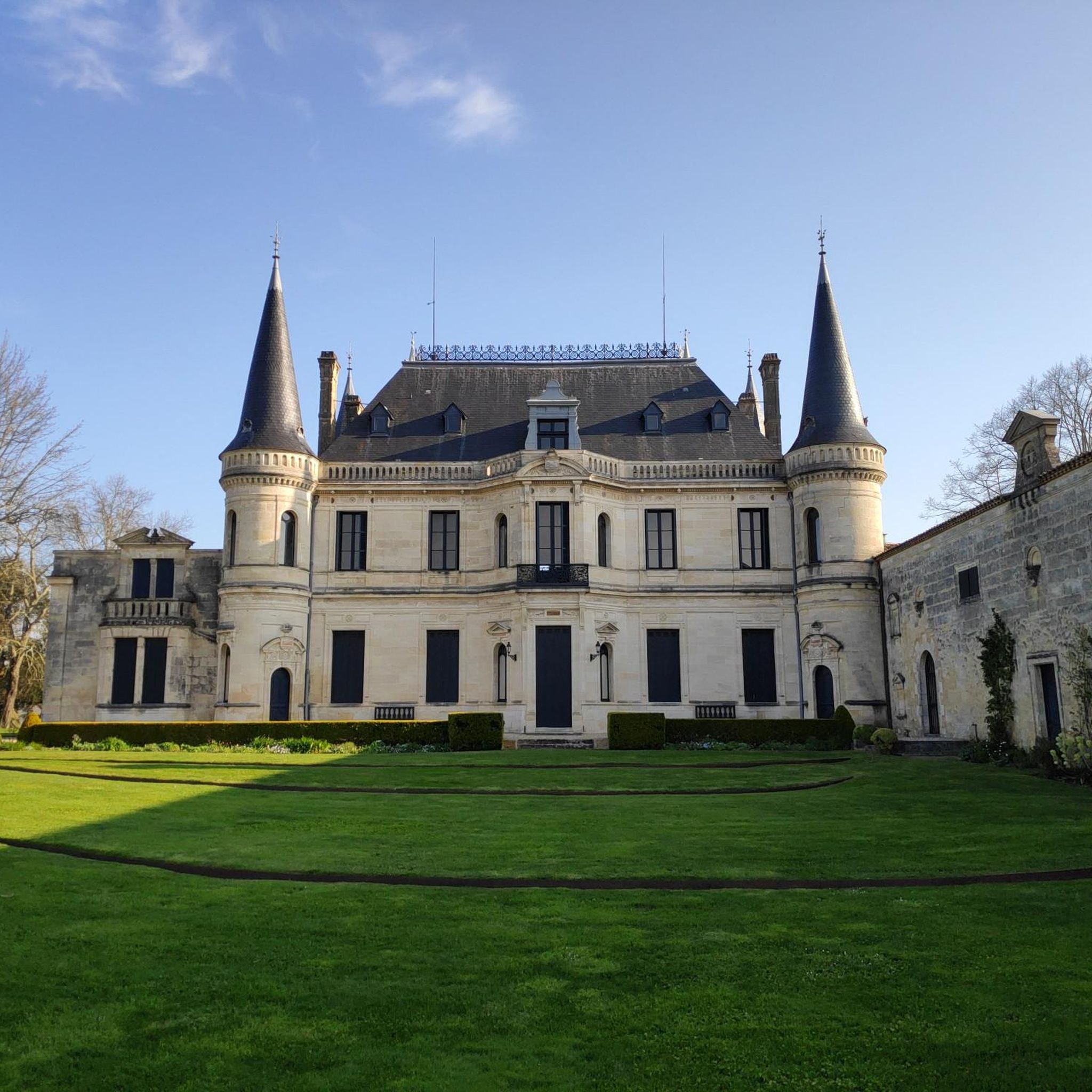
Yes, the Margaux appellation boasts 21 classified cru classé properties. Beyond Château Margaux, you can explore estates like Château Palmer, known for its turrets; Château Siran, which houses a wine museum and an atomic bunker; and Château Dauzac, offering e-scooter tours and wine-blending workshops. Other esteemed classified growths include Château Cantenac Brown, Château Lascombes, Château Giscours, and Château d'Issan. Many châteaux prefer appointments for visits, so planning ahead is recommended.
What historical fortifications can I explore near Margaux?
The region features significant historical fortifications, most notably the Citadel of Blaye. This 17th-century citadel, with its early Roman fortification, is a UNESCO World Heritage site and part of the 'Verrou Vauban' alongside Fort Pâté and Fort Médoc. The East Gate, Vauban Citadel 🏰 is a key part of this vast 38-hectare fortress, designed to be 'the lock of Bordeaux'.
What outdoor activities can I do near these castles and châteaux?
The area around Margaux offers various outdoor activities, especially cycling and running through the vineyards. You can find gravel biking routes like 'From Margaux to Bordeaux' or 'Château Giscours – Château Palmer loop from Arsac' in the Gravel biking around Margaux guide. For runners, there are trails such as 'Port d'issan – Château Palmer loop from Cantenac' or 'Small road between the vines loop from Margaux-Cantenac' in the Running Trails around Margaux guide. Mountain biking options are also available, including the 'Margaux loop from Margaux' in the MTB Trails around Margaux guide.
Are there family-friendly castles or châteaux to visit?
The Citadel of Blaye is considered family-friendly, offering a historical site with shops, restaurants, and entertainment during summer evenings. While many châteaux are primarily focused on wine, some, like Château Dauzac, offer group e-scooter tours of their vineyards, which can be an engaging activity for families. Exploring the grounds and architecture of many châteaux can also be enjoyable for all ages.
What is the best time to visit the castles and châteaux in Margaux?
The best time to visit is generally outside of August and harvest season, as some châteaux, like Château Margaux, may be closed. Spring and early autumn offer pleasant weather for exploring the vineyards and historical sites. It's always advisable to check specific opening times and book appointments in advance, especially for wine estates.
Are dogs allowed at the châteaux or historical sites?
While specific dog policies vary by château, many wine estates in Margaux prefer appointments for visits, and it's best to inquire directly about their dog policy when booking. For historical sites like the Citadel of Blaye, dogs are generally allowed in outdoor areas but may have restrictions in indoor exhibits or specific buildings. Always keep dogs on a leash and clean up after them.
What do visitors enjoy most about the castles and châteaux in Margaux?
Visitors appreciate the unique blend of viticultural heritage and historical significance. The impressive architecture of the châteaux, often set amidst picturesque vineyards, is a major draw. The historical fortifications, such as the UNESCO-listed Citadel of Blaye, offer a deep dive into the region's past. The komoot community has shared over 36 photos and given more than 90 upvotes, highlighting the visual appeal and historical interest of these sites.
Can I find any hidden gems among the castles and châteaux?
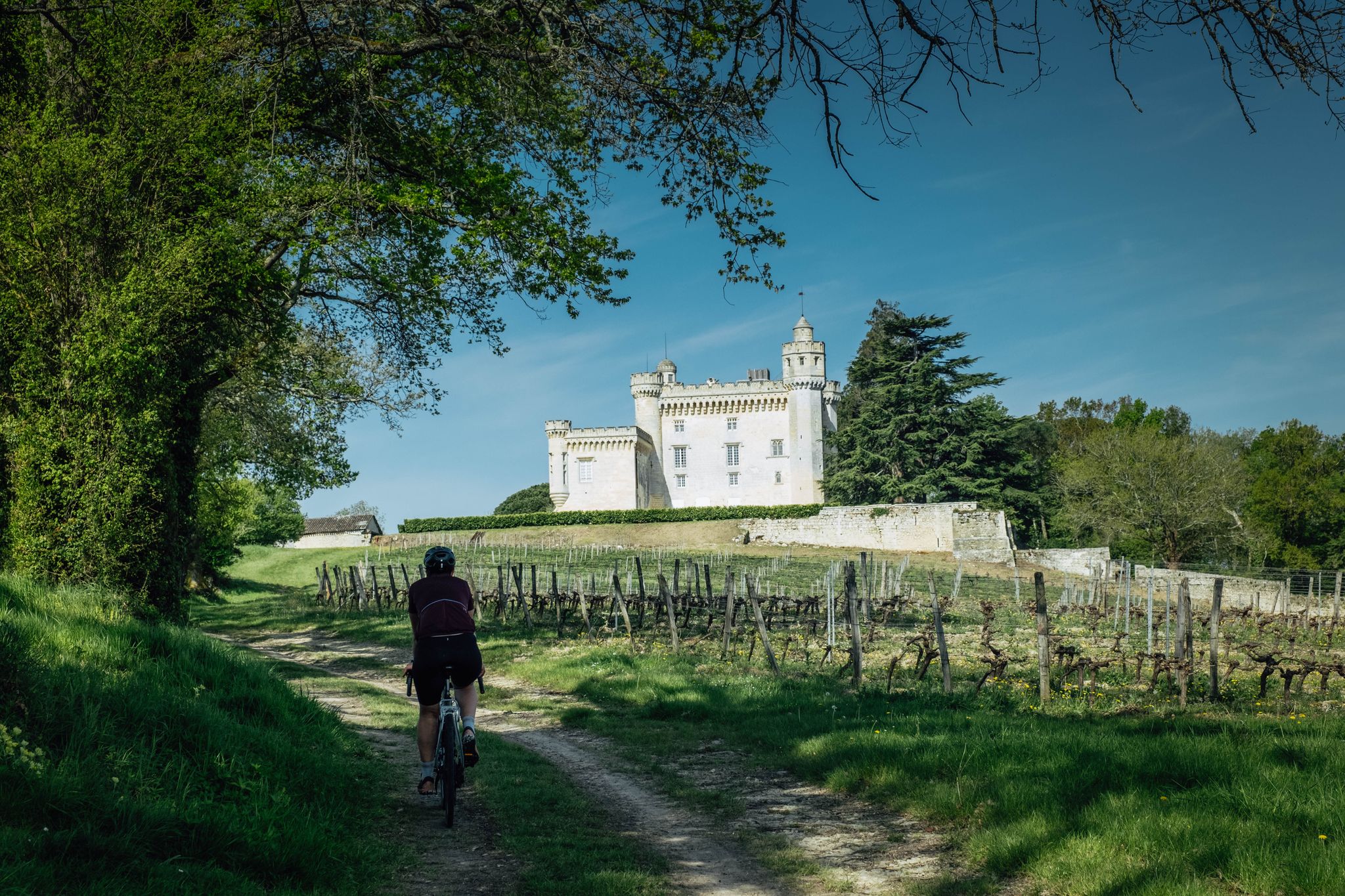
While many châteaux are well-known, exploring the smaller estates can reveal unique experiences. For instance, Château Reynaud 🏰 is described as a 'little cute castle among the vines' with nice owners, offering a charming, more intimate experience. The local tourist information office in Margaux village can also provide details on lesser-known wineries that welcome impromptu tastings and tours.
What is the significance of Rudel Castle?
The Rudel Castle is one of the few medieval remnants preserved during the construction of the Blaye citadel in the 17th century. Though now in ruins, this fortress dates primarily from the 12th and 13th centuries and was built on a rocky spur overlooking the Gironde estuary. It is part of the UNESCO World Heritage site as an integral part of the Blaye citadel.
Are there any châteaux known for unique architectural styles?
Absolutely. Château Margaux itself is famous for its neoclassical architectural style, often nicknamed the 'Versailles of the Médoc.' Château Cantenac Brown stands out with its distinctive Tudor manor-style château, complemented by a recently completed raw-earth cellar. These examples showcase the diverse and impressive architectural heritage found within the Margaux appellation.
Most popular routes around Margaux
Most popular attractions around Margaux

Get inspired with the komoot mobile app


Explore more
Looking for the best castles somewhere else? Discover other guides around Margaux:
