Attractions and Places To See around Wattrelos - Top 20
Best attractions and places to see around Wattrelos include a blend of historical sites, industrial heritage, and natural green spaces. This town in northern France offers cultural institutions, parks, and canals that reflect its past and present. Visitors can explore a variety of landscapes, from urban parks to waterways, providing diverse outdoor and cultural experiences.
Best attractions and places to see around Wattrelos
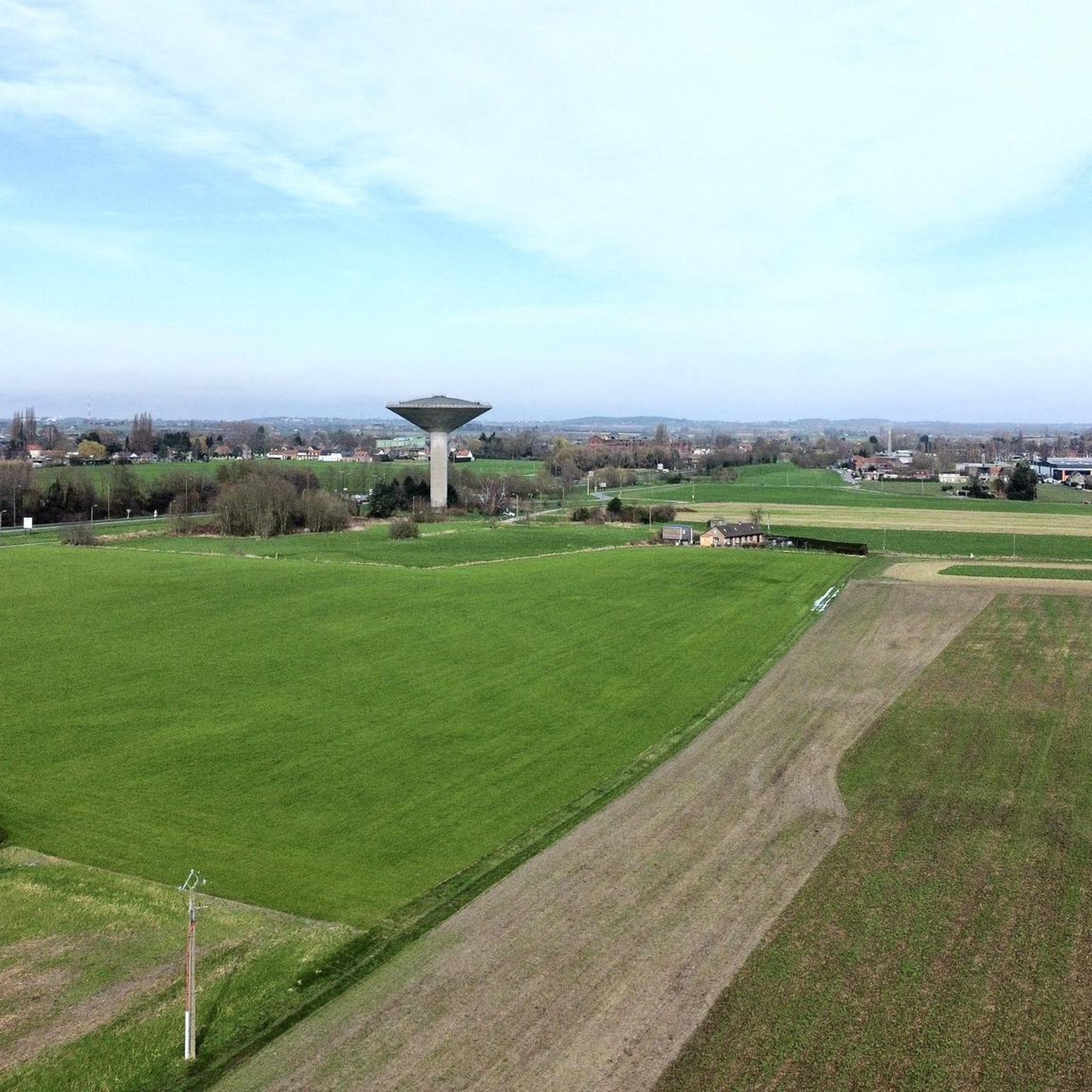
- The most popular attractions is Port of Wambrechies, a river that is a quiet and peaceful area. It is located close to historical sites like the church and the castle of Robersart.
- Another must-see spot is Roubaix Velodrome, a man-made monument. Visitors can expect to see the historic finish line of the Paris-Roubaix cycling race, known for its 500-meter track with steep turns.
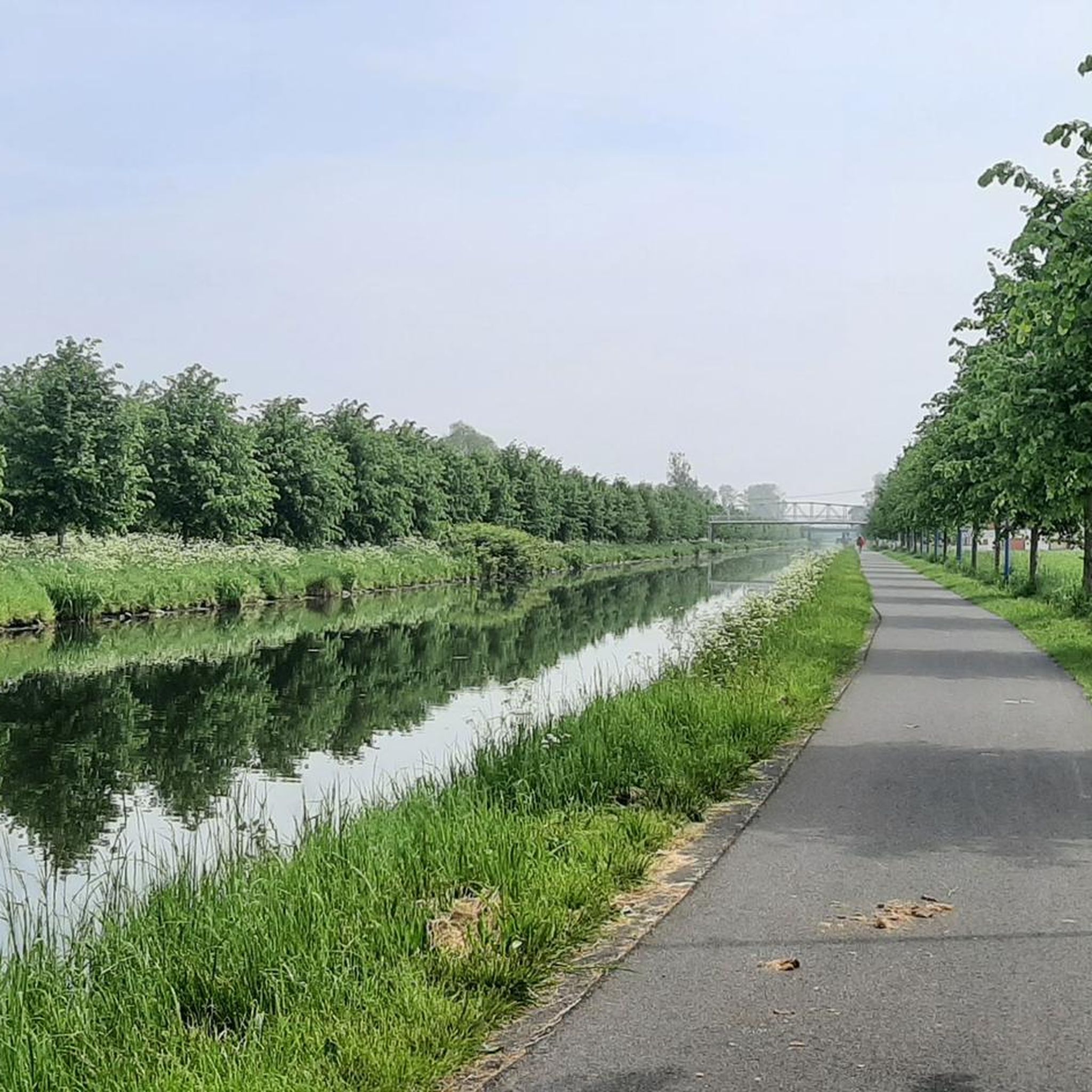
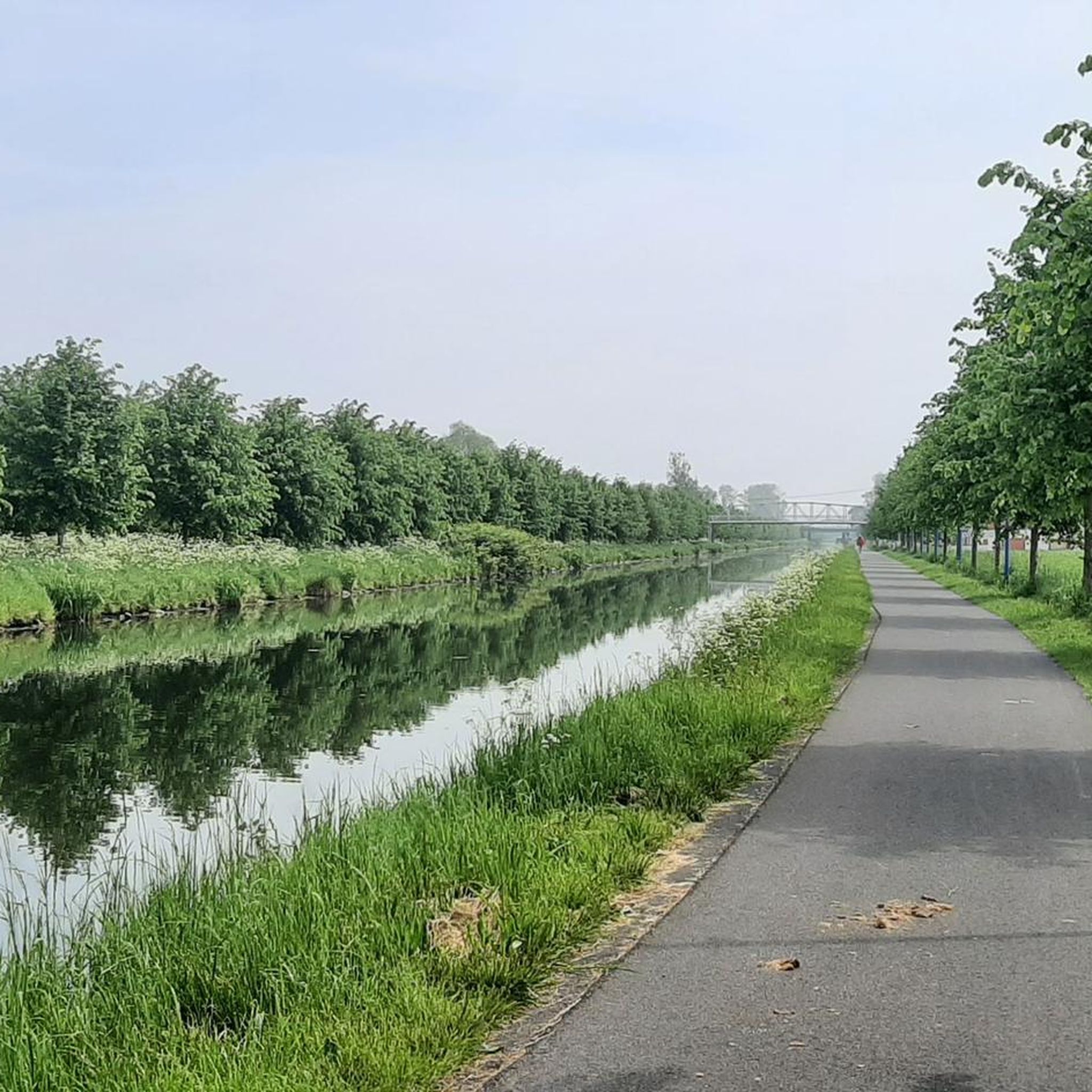
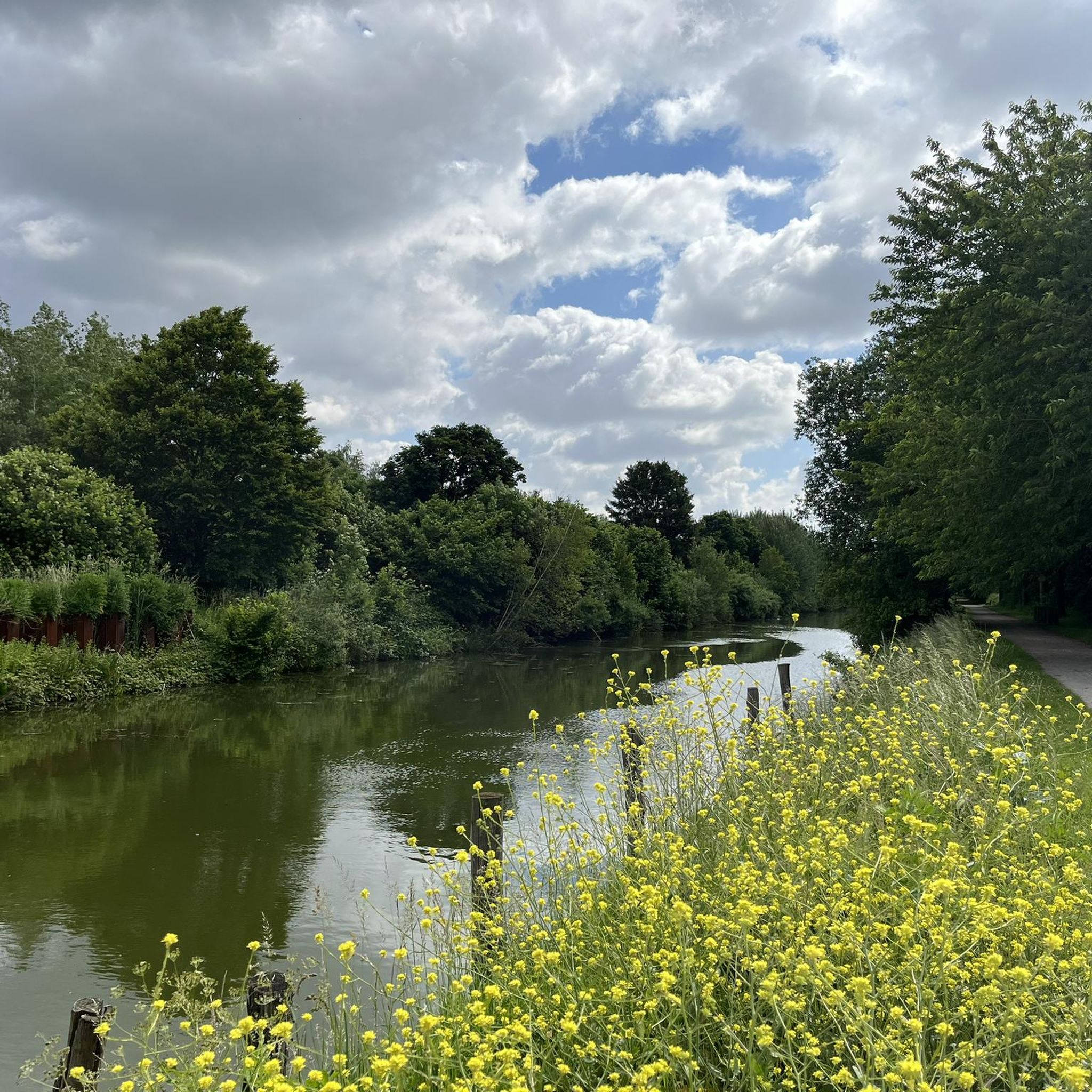
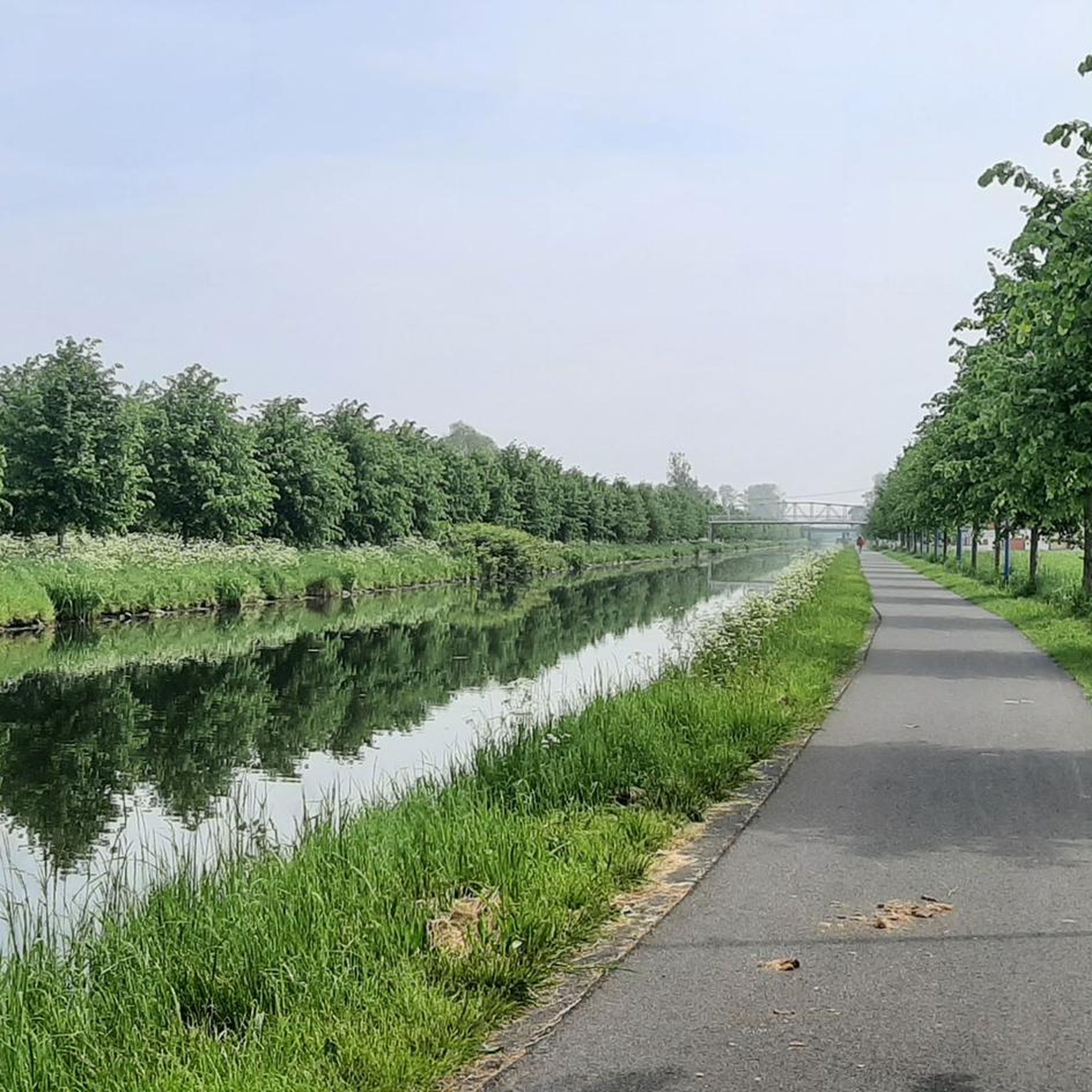
- Visitors also love Espierres Canal, a river that connects the Deûle with the Scheldt. It is known for its new cycle path and scenic surroundings, extending into the Roubaix Canal in France.
- Wattrelos is known for its historical churches, industrial heritage sites, and natural parks and canals. The region offers a variety of attractions to see and explore, from cultural institutions to green havens.
- The attractions around Wattrelos are appreciated by the komoot community, with more than 700 upvotes and over 40 photos shared.
Last updated: July 6, 2026
Port of Wambrechies
Highlight • River
Translated by Google •
Tip by

Roubaix Velodrome
Highlight • Monument
Translated by Google •
Tip by

Sign up now to discover places like this
Get recommendations on the best single tracks, peaks, & plenty of other exciting outdoor places.
Sign up for free
Belgium–France Border on the Canal de Roubaix
Highlight • Monument
Translated by Google •
Tip by

Espierres Canal
Highlight (Segment) • River
Translated by Google •
Tip by

Our Lady of the Tonte Chapel
Highlight • Religious Site
Translated by Google •
Tip by

Sign up for free to discover even more attractions around Wattrelos.
Sign up for free
Already have an account?
Start today with a free account
Your next adventure awaits.
Login or Signup

Tips from the Community

Smooth tarmac, but be carefull as nothing will stop you to fall into the canal, particularly for new skateboarders. One part of the track is halas closed for some months now.
0
0

As is the case with many chapels, pieces of cloth are tied to the bars of the door (see, for example, the Passjekapel on the Catsberg in Godewaerdsvelde in French Flanders). This refers to a devotion that is actually based on a Germanic tradition: believers come to the chapel hoping for (or in gratitude for) protection and healing from illnesses that cause fever. They leave behind a piece of cloth (bandage, sock, handkerchief, etc.), worn by the sick person.
4
0
The Tonte Chapel is a magnificent chapel, largely due to its location: at the highest point in Kooigem, with a number of nearly upright poplars as neighbors. It can therefore be seen from afar. The combination of white paint on the walls and blue woodwork gives the chapel an extra special character. The history of the chapel, which has been a protected monument since 2004, dates back to the first half of the 18th century. The first, smaller chapel was probably built in 1729 but destroyed in 1914, not by war, but by fire following a lightning strike. The current chapel dates from after the First World War. The small chapel was enlarged in 1929 by the residents of the nearby farm. The Tonte Chapel is a popular place of worship, especially in May. Source: Heritage Inventory
5
0
The Roubaix Canal, or the Espierres Canal, as it's called in French or Belgian, forms part of the link between the Deûle River in France and the Scheldt River in Belgium. In 1843, the two canals were connected between Leers, France, and Leers-Nord, Belgium. Despite damage sustained during the two world wars, the canal was the pinnacle of the region's textile industry for over a hundred years, transporting coal from Belgium to numerous French factories. In Leers-Nord, Belgium, the workers who pulled the coal-laden barges were called "satcheux" (sailors). Next to the lock keeper's house, a stone's throw from France, the crossing point between France and Belgium, a customs guardhouse was built. Customs officers were present to inspect the numerous goods transported by barge. After the decline of the textile industry in the 1970s and 1980s, the canal gradually lost its usefulness and was closed to shipping in 1983. In the early 2000s, the canal was the subject of a cross-border rehabilitation project to allow tourist boats to pass through again. As part of the Interreg Blue Links project, a collaboration between France, Flanders, and Wallonia, it was flooded again. The final works were completed in 2011, and navigation reopened. Since the early 20th century, the Roubaix/Espierres Canal has been a place of conviviality, walking, and fishing for cross-border residents and commuters. Consequently, strong public opposition has arisen to the plan to convert the canal into a motorway. Source: www.caue-nord.com
3
0

For a cycling tourist, the arrival at the Roubaix velodrome is also a great moment. Even after dozens of times!
5
0
For the legend this race is, and how normal in fact the velodrome is...
4
0

A very famous part of the Paris/Roubaix cycling race
6
1

Last bend before the cyclists enter the track.
6
1
Frequently Asked Questions
What natural features can I explore around Wattrelos?
Wattrelos offers several green spaces and waterways. You can visit the expansive Parc du Lion, which features walking trails, sports facilities, and peaceful areas. The Roubaix Canal, bordering Wattrelos, is ideal for fishing, hiking, and jogging, known for its peaceful environment and diverse flora and fauna. The Espierres Canal also provides scenic surroundings and a new cycle path. Other natural havens include Parc de Beaulieu and Parc des Villas.
Where can I learn about Wattrelos' rich history and culture?
Wattrelos boasts a rich historical and cultural landscape. Explore the Musée des Arts et Traditions Populaires, housed in a traditional Picardy farmhouse, to see daily life scenes from past centuries. Visit the neo-Gothic Église Saint-Maclou or the Art Deco-influenced Église Sainte-Thérèse. The Maison de la Chicorée offers insights into the local chicory industry, and the imposing structure of the Former Amédée Prouvost textile mill reminds visitors of the town's industrial past. You can also find the historic Our Lady of the Tonte Chapel, a pilgrimage site with a unique history.
Are there family-friendly attractions in Wattrelos?
Yes, Wattrelos has several attractions suitable for families. The Parc du Lion is a great option, offering plenty of space for children to play, and within it, the Ferme Pédagogique du Parc du Lion allows kids to interact with farm animals. The Port of Wambrechies is a peaceful area near historical sites, and the Roubaix Velodrome can be an exciting visit for cycling enthusiasts of all ages. Cycling or walking along the Roubaix Canal or Espierres Canal are also popular family activities.
What kind of outdoor activities can I do near Wattrelos?
The area around Wattrelos is excellent for various outdoor activities. You can enjoy hiking on trails like the 'Randonnée du Tisserand' or explore routes along the canals. For cycling, there are numerous options, including road cycling and gravel biking. The Espierres Canal and Roubaix Canal offer scenic paths for both activities. You can find detailed routes for these sports in the Hiking around Wattrelos, Road Cycling Routes around Wattrelos, and Gravel biking around Wattrelos guides.
Are there specific hiking trails recommended around Wattrelos?
Yes, Wattrelos offers various walking circuits. The 'Randonnée du Tisserand' explores the town's agricultural and weaving heritage, while the 'Circuit Centre-Ville d'Hier à Aujourd'hui' provides a historical tour of the city center. For a charming village-like experience, try the 'Touquet Saint-Gérard' circuit. You can find more hiking options, including easy and moderate trails like the 'La Maison du Canal – Leers-Nord Lock loop', in the Hiking around Wattrelos guide.
Where can I find unique cultural events or festivals in Wattrelos?
Wattrelos hosts several unique cultural events throughout the year. The annual Fête des Berlouffes is a vibrant flea market and festival celebrating local traditions. During the festive season, you can visit the Marché de Noël couvert (Covered Christmas Market). The Centre Socio-Éducatif and La Boîte à Musiques also host various events and activities, including concerts and community gatherings.
Can I spot wildlife while visiting Wattrelos?
Yes, the natural areas around Wattrelos provide opportunities for wildlife spotting. The Roubaix Canal is known for its diverse flora and fauna, including raptors, herons, woodpeckers, and various fish species. Parc de Beaulieu, with its wetlands, is an ideal setting to observe local wildlife, particularly herons.
What is the best time to visit Wattrelos for outdoor activities?
The best time to visit Wattrelos for outdoor activities is generally during the spring, summer, and early autumn months (April to October) when the weather is milder and more conducive to exploring parks, canals, and trails. These seasons are ideal for hiking, cycling, and enjoying the town's green spaces and outdoor festivals.
Are there any historical industrial sites to visit in Wattrelos?
Wattrelos has a strong industrial heritage. You can visit the Maison de la Chicorée, a museum located in a former chicory factory, which details the history and significance of chicory cultivation. The imposing structure of the Former Amédée Prouvost textile mill also stands as a powerful reminder of the town's industrial past. Additionally, the history of the Roubaix Canal and Espierres Canal is deeply tied to industrial development, as they were built to supply the region with water and coal.
What do visitors enjoy most about the attractions around Wattrelos?
Visitors particularly appreciate the blend of historical sites, peaceful natural areas, and cycling opportunities. The Port of Wambrechies is noted for its quiet and peaceful atmosphere. The Roubaix Velodrome is a highlight for its historical significance in cycling. The Espierres Canal is loved for its new cycle path and beautiful surroundings, making it great for cycling. The overall appeal lies in the diverse experiences, from cultural exploration to active outdoor pursuits.
Are there any unique architectural landmarks in Wattrelos?
Beyond its historical churches, Wattrelos features unique architectural landmarks. The Église Saint-Maclou showcases striking neo-Gothic design, while the Église Sainte-Thérèse is celebrated for its blend of traditional and Art Deco styles, making it one of the most beautiful inter-war churches in the Lille region. The former Amédée Prouvost textile mill also stands as a significant industrial architectural piece.
Most popular routes around Wattrelos
Most popular attractions around Wattrelos

Get inspired with the komoot mobile app


Explore more
Still not found the Highlight you’re looking for? See guides of the top attractions in other regions:
