Attractions and Places To See around Saint-André-Lez-Lille - Top 20
Best attractions and places to see around Saint-André-Lez-Lille include historical landmarks and natural features within the commune and nearby. The area is situated near the Basse Deûle, offering local parks and proximity to natural reserves. Its location also provides convenient access to the cultural and historical sites of the Métropole Européenne de Lille. Visitors can explore a blend of local charm and urban attractions.
Best attractions and places to see around Saint-André-Lez-Lille
- The most popular attractions is Canteraine Park,…
Last updated: October 5, 2026
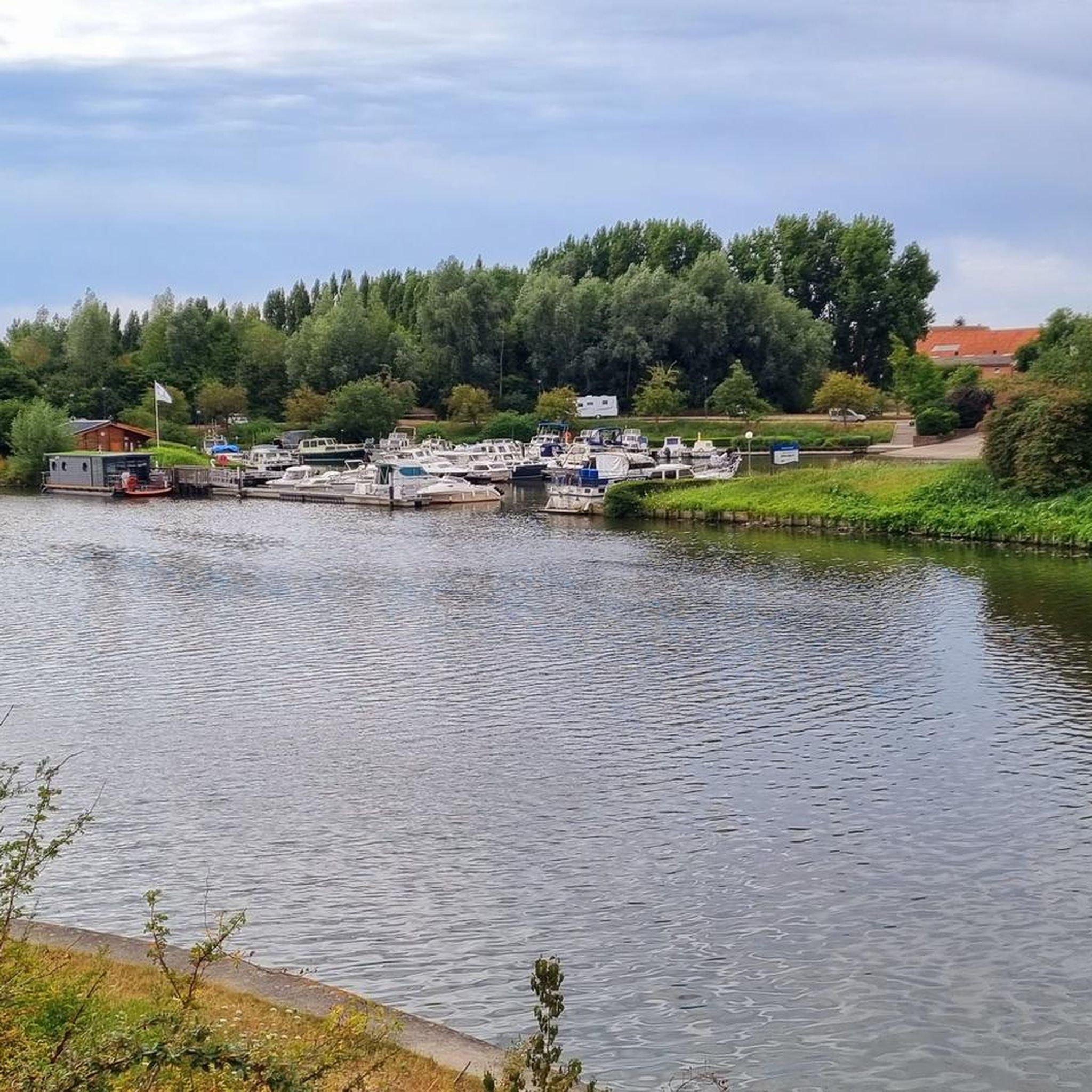
Port of Wambrechies
Highlight • River
Translated by Google •
Tip by

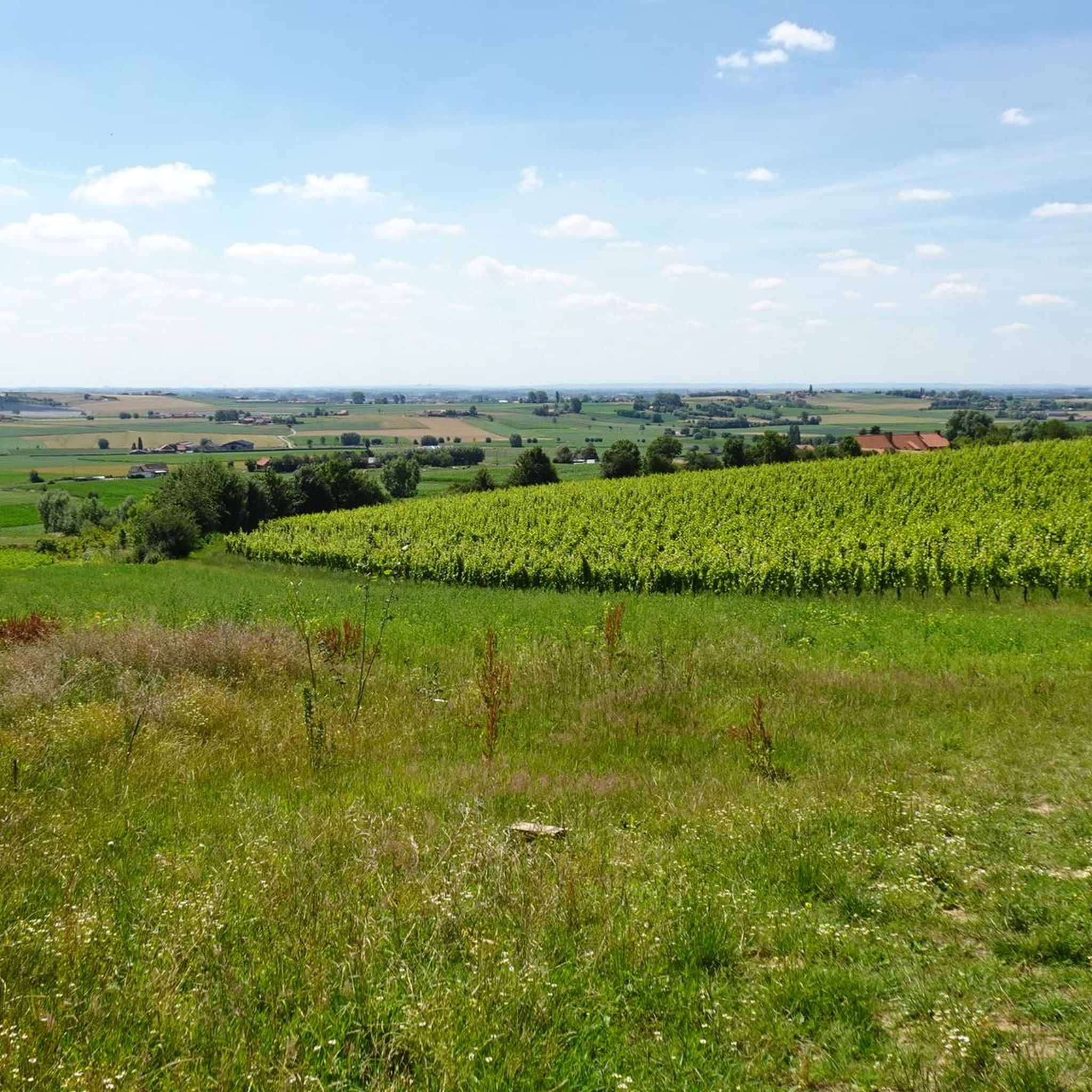
Canteraine Park
Highlight • Other
Translated by Google •
Tip by

Sign up now to discover places like this
Get recommendations on the best single tracks, peaks, & plenty of other exciting outdoor places.
Old Stock Exchange of Lille
Highlight • Historical Site
The tower features a gold-colored Mercury (the god of trade) and the facade looks rich due to the …
Translated by Google •
Tip by

General de Gaulle Square
Highlight • Settlement
Translated by Google •
Tip by
Napoleon Bridge
Highlight • Bridge
Translated by Google •
Tip by

Sign up for free to discover even more attractions around Saint-André-Lez-Lille.
Already have an account?
Start today with a free account
Your next adventure awaits.

Tips from the Community

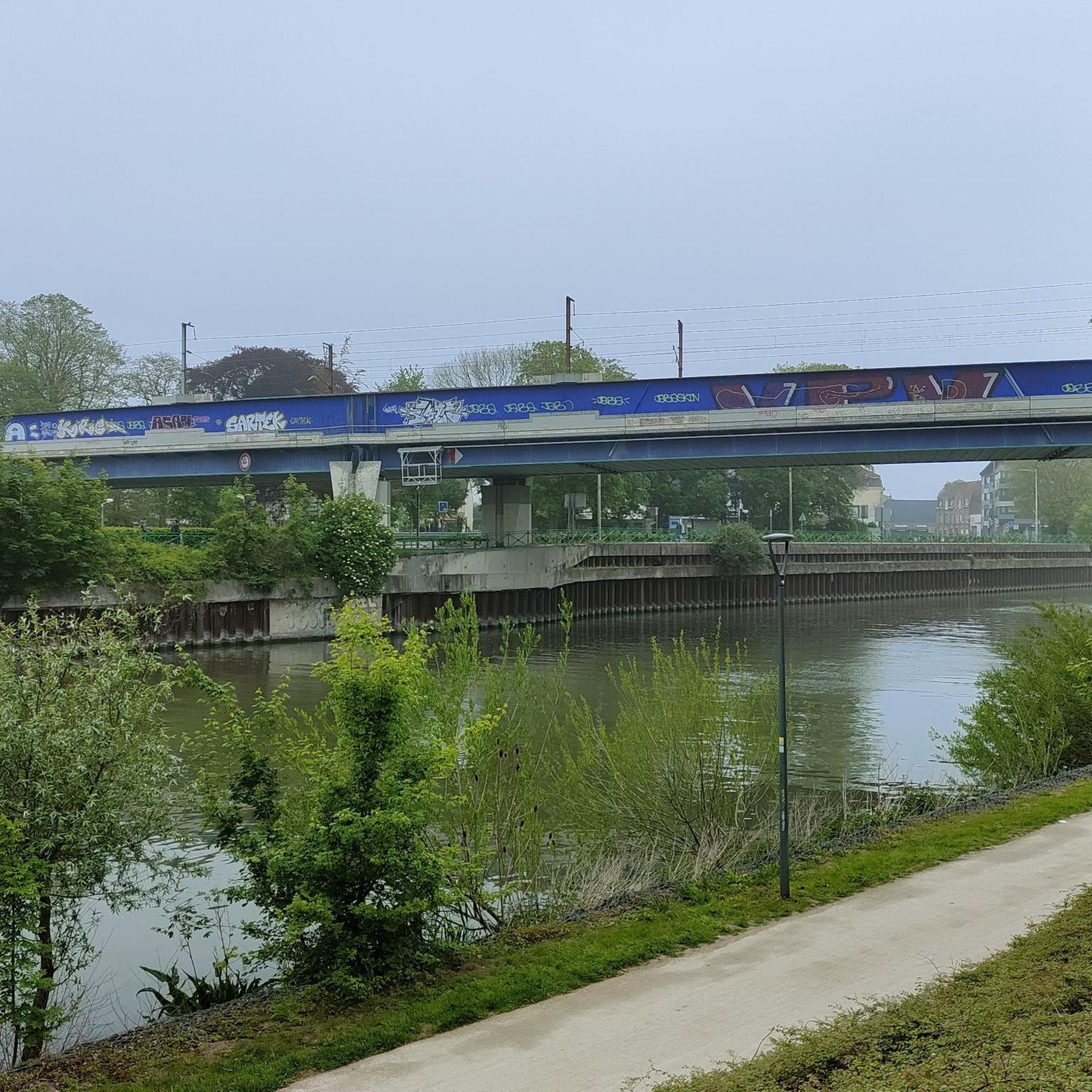
Although the Napoleon Bridge has a long history, the current bridge only dates from 2014! That year, as part of the overall redevelopment of the Citadel Park, the Napoleon Bridge was rebuilt. This was based on the design created by Philippe Canissié in 1849, after the original bridge had become significantly outdated (including the roof's need for renovation). During the 2014 project, new sphinxes and concrete abutments covered with the original stones and sculptures were added. The first version of the bridge was built in 1809, and inscribed with the names of French victories in the Napoleonic battles. The bridge was destroyed in both the First and Second World Wars.
4
0


Super nice, and go inside the courtyard, you have old book sellers there.
2
0

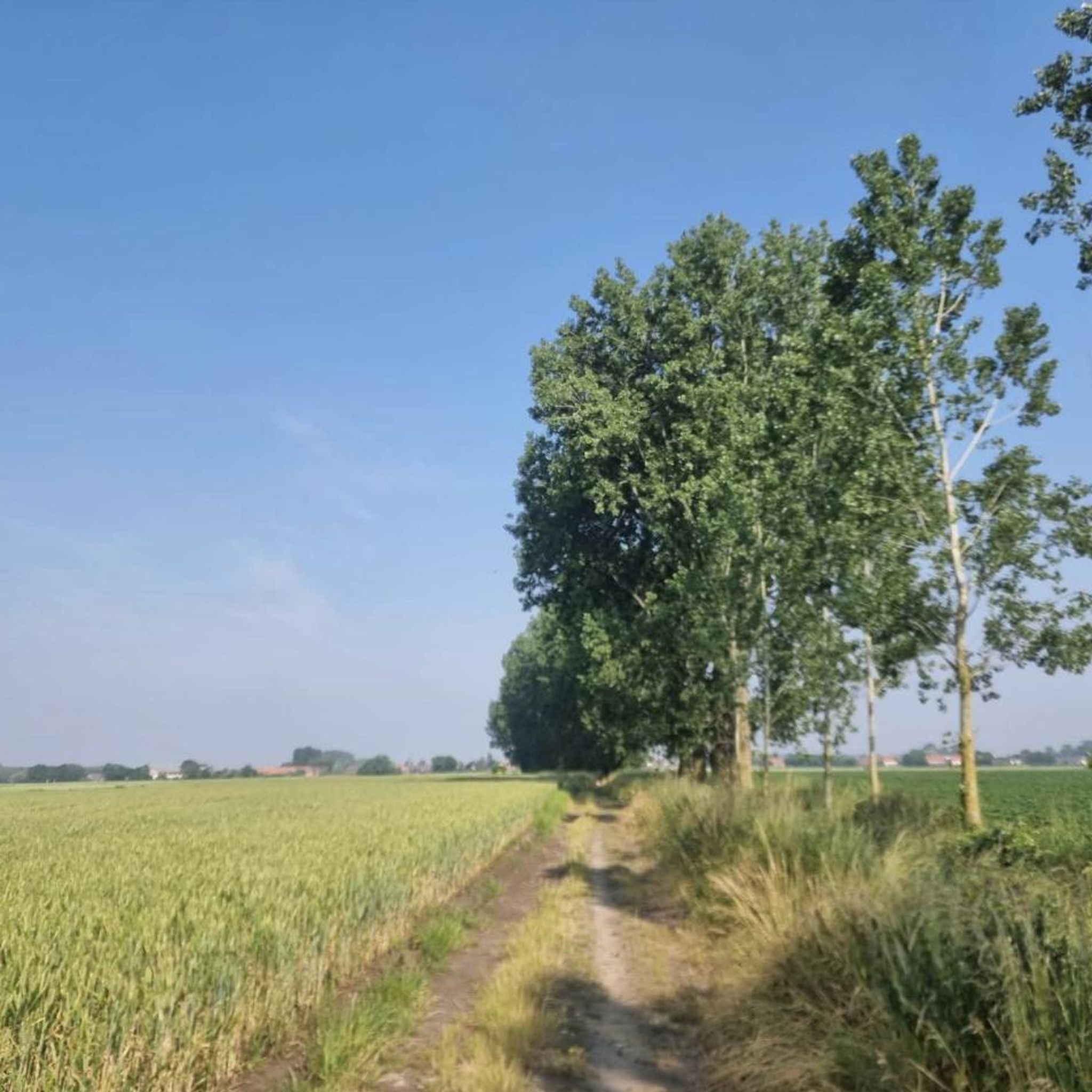
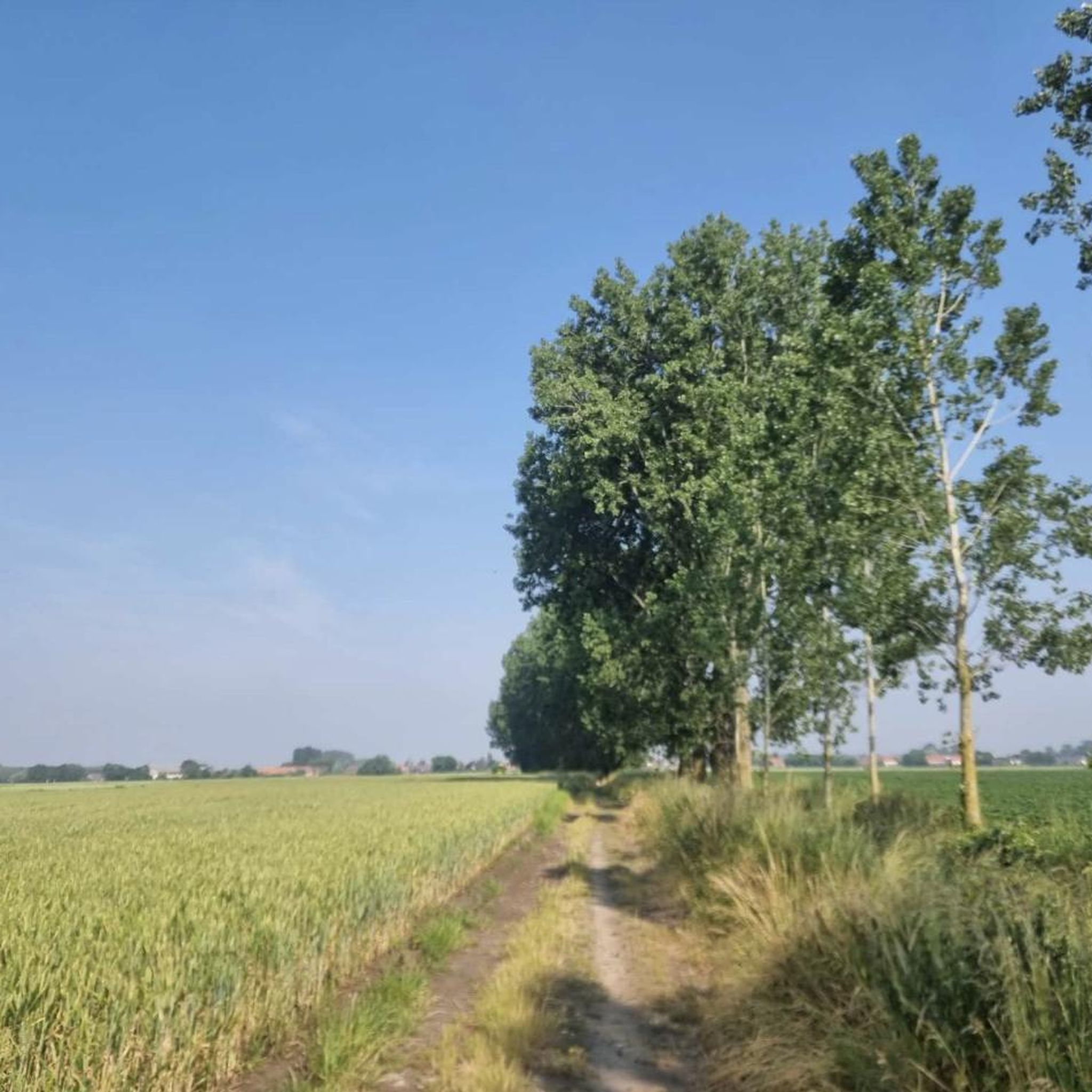
Very rolling, doable by mountain bike.
3
0

Place du Général de Gaulle is an old medieval market place, where a tree has never stood. The traders met here three times a day, in all weathers. Until they received permission from Philip IV of Spain to build the Old Exchange in 1652. The building was finished in 2 years and is made of porous stone, which is why it is painted. The restoration of the front facade was financed by companies, their logos can be found above the top row of windows. This building has 24 homes that are still mostly occupied by their owners. We also notice the many sculptures, typical of the Flemish Baroque style, but also because the architect, Julien Destrée, was a wood sculptor. Above the entrance gate we see the symbol of Lille (Fleur de Lys), with next to it the lions of Flanders and the crown of the city (with fortress towers on top) and two horns. Horns of Plenty, to refer to the wealth of Lille.
11
0

One of these important sights is the Place du Général de Gaulle, also known as the "Grand Place". A must-see! He was a general, resistance fighter and president - Charles de Gaulle is still a great personality for many French people today. He has been dead for over 50 years and this great square is here in his memory.
9
0

Also known as Grand’Place, this square is the beating heart of the city. It is surrounded by colorful facades and historical monuments, including the Old Stock Exchange and the Goddess Column. The square was named in honor of Charles de Gaulle, born in Lille, and is a gathering place for various events and festivities
5
0
Frequently Asked Questions
What natural attractions can I explore around Saint-André-Lez-Lille?
You can discover several natural spots, including Canteraine Park, known for its preserved meadows and small forests, diverse flora and fauna, and opportunities for walking or cycling. The town's proximity to the Basse Deûle also makes it ideal for fishing, and the Réserve naturelle du Jardin écologique du Vieux-Lille is just 1 km away, offering a nearby natural escape.
Are there historical sites to visit within Saint-André-Lez-Lille itself?
Within Saint-André-Lez-Lille, you can find the 18th-century Louis XVI Pavilion and the Belvedere, which is open during Heritage Days. The town also features the Saint André Church, built in 1850, and many beautiful 19th-century mansions, reflecting its history as a holiday destination for wealthy Lille residents. The Saint-André-Lez-Lille Train Station is also noted for its architecture.
What cultural and historical sites are easily accessible from Saint-André-Lez-Lille?
Saint-André-Lez-Lille is very close to Lille, offering easy access to numerous cultural and historical sites. You can explore the charming Lille Old Town (Vieux Lille) with its cobbled streets and Flemish townhouses, or visit the bustling General de Gaulle Square, home to the magnificent Old Stock Exchange of Lille. Other notable sites include the Palais des Beaux Arts de Lille, the Hospice Comtesse Museum, and the Citadel of Lille.
What outdoor activities, such as hiking or cycling, can I do near Saint-André-Lez-Lille?
The area around Saint-André-Lez-Lille offers various outdoor activities. For cycling, you can explore routes like the 'Towpath of the Lys – Lys–Yser Canal loop' or the 'Houseboat on the Deûle River – Wault Quay loop'. Hikers can enjoy trails such as 'La citadelle de Lille — loop from parking Liberté' or the 'Distillery of Wambrechies – Wambrechies Church loop'. You can find more details and routes in the cycling guide and hiking guide for the region.
Are there any family-friendly attractions around Saint-André-Lez-Lille?
Yes, several attractions are suitable for families. Canteraine Park is excellent for walks and cycling. The Port of Wambrechies offers a peaceful setting near a château and distillery. In Lille, the Old Stock Exchange and General de Gaulle Square are also considered family-friendly, providing historical and architectural interest in a vibrant urban environment.
Where can I find a quiet, peaceful river area near Saint-André-Lez-Lille?
For a quiet and peaceful river experience, visit the Port of Wambrechies. This river area is located close to a church, the Château de Robersart, and a distillery, offering a serene setting for relaxation.
What is the <a href="https://www.komoot.com/highlight/3036047" target="_blank" rel="noopener">Napoleon Bridge</a> and where is it located?
The Napoleon Bridge is a historical covered footbridge near the esplanade and the Citadel of Lille. First built in the 19th century, it crosses the Moyenne-Deûle canal and is unique in France for its design and historical significance, bearing the names of several Napoleonic victories.
Are there any wheelchair-accessible attractions in the vicinity?
Yes, the General de Gaulle Square (Grand Place) in Lille is noted as wheelchair accessible, allowing visitors to experience the heart of Lille and its surrounding emblematic monuments.
What is the best time to visit Saint-André-Lez-Lille and its surrounding attractions?
The region generally offers a pleasant experience throughout the year. Spring and summer (April to September) are ideal for enjoying outdoor activities in Canteraine Park and along the Basse Deûle, as well as exploring Lille's city center on foot. Autumn can also be beautiful with changing foliage, while winter allows for a cozy exploration of museums and historical sites in Lille.
What kind of architecture can I expect to see in Lille, near Saint-André-Lez-Lille?
Lille, particularly its Old Town and Grand Place, showcases a rich blend of architectural styles. You'll find charming Flemish townhouses, the impressive Baroque Flemish architecture of the Old Stock Exchange, and Art Deco elements. The city's history as a crossroads of cultures is reflected in its diverse and beautiful buildings.
Can I find places for dog-friendly walks near Saint-André-Lez-Lille?
Yes, areas like Canteraine Park, with its preserved meadows and forests, are generally suitable for dog walks. The local parks surrounding the historic mansions in Saint-André-Lez-Lille also offer pleasant routes for you and your dog to enjoy the outdoors.
What makes the <a href="https://www.komoot.com/highlight/4661283" target="_blank" rel="noopener">Old Stock Exchange of Lille</a> a significant landmark?
The Old Stock Exchange of Lille is considered one of the city's most beautiful monuments. Built between 1652 and 1653, it's a prime example of Baroque Flemish architecture, featuring a golden Mercury statue and a richly decorated facade with red brick and white natural stone. It's a successful calling card of 17th-century Flemish design and a must-see on the Grand Place.
Most popular routes around Saint-André-Lez-Lille
Most popular attractions around Saint-André-Lez-Lille

Get inspired with the komoot mobile app


Explore more
Still not found the Highlight you’re looking for? See guides of the top attractions in other regions:
