Attractions and Places To See around Quesnoy-Sur-Deûle - Top 20
Best attractions and places to see around Quesnoy-Sur-Deûle include a blend of historical landmarks, natural features, and cultural sites. Situated on the banks of the Deûle river, this town offers opportunities for outdoor activities and exploration of local heritage. The area is characterized by its riverine landscape and historical architecture. Visitors can explore various points of interest reflecting the region's past and natural environment.
Best attractions and places to see around Quesnoy-Sur-Deûle
- The most popular attraction is Port of Wambrechies…
Last updated: August 30, 2026
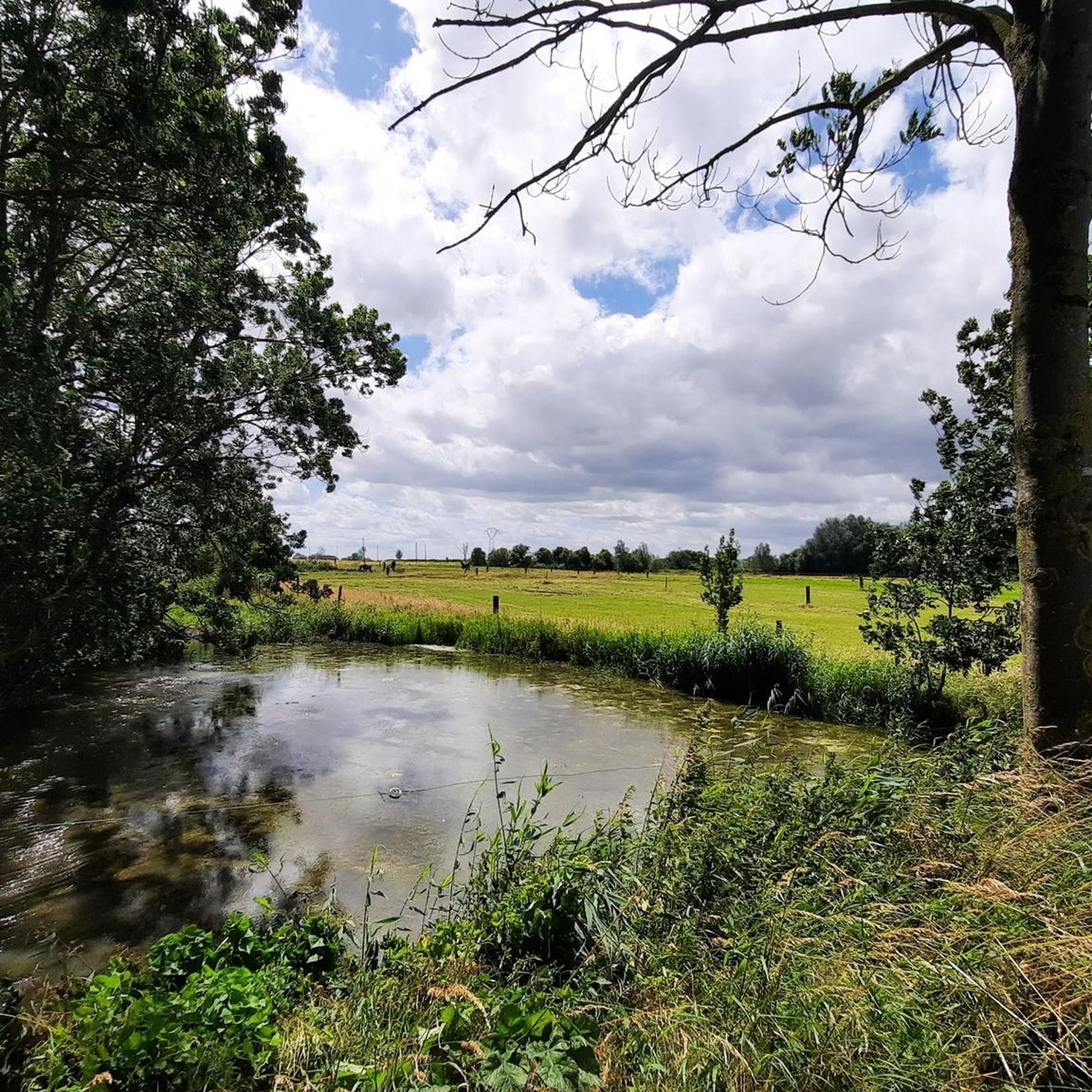
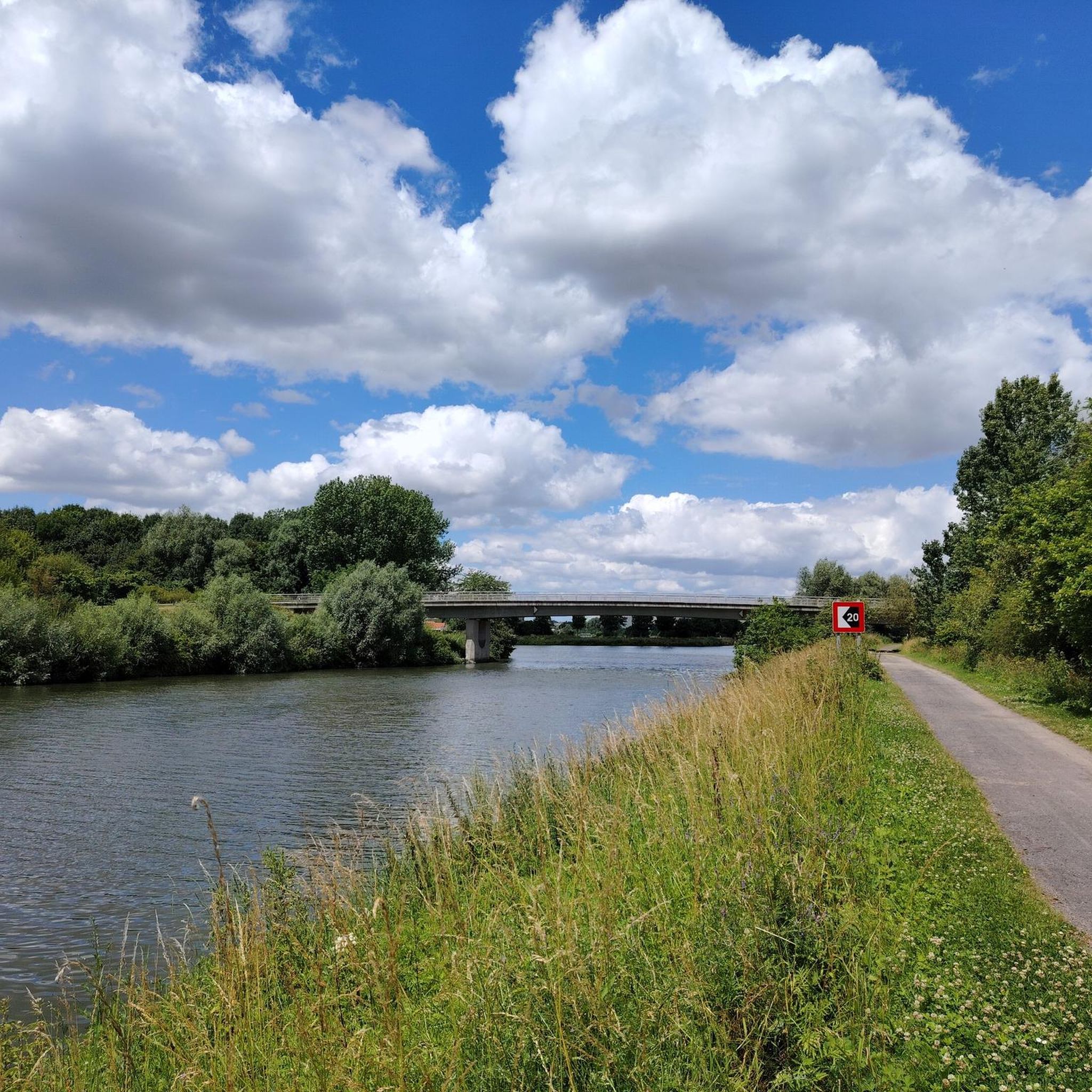
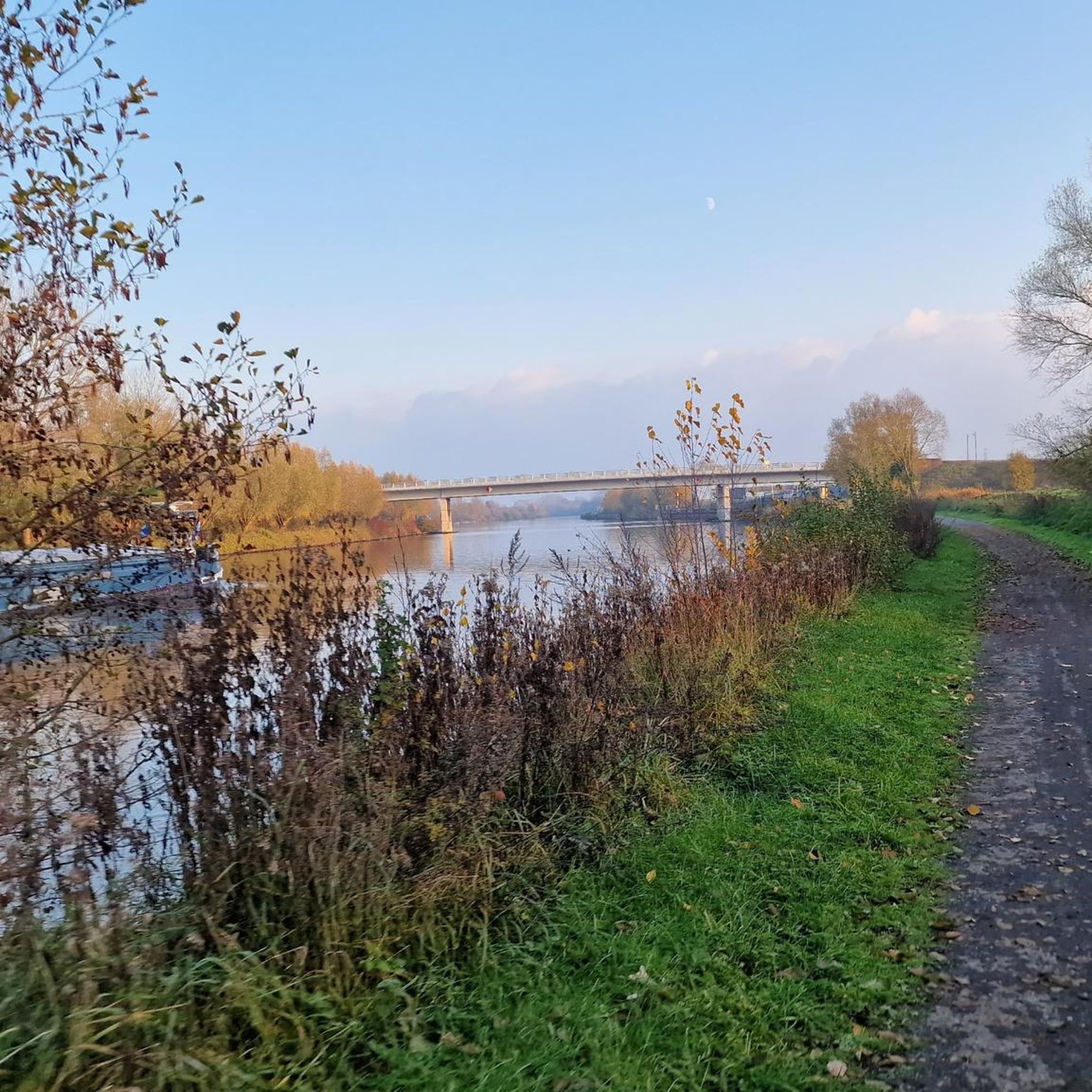
Port of Wambrechies
Highlight • River
Translated by Google •
Tip by

Old Stock Exchange of Lille
Highlight • Historical Site
The tower features a gold-colored Mercury (the god of trade) and the facade looks rich due to the …
Translated by Google •
Tip by

Sign up now to discover places like this
Get recommendations on the best single tracks, peaks, & plenty of other exciting outdoor places.
Sign up for free
General de Gaulle Square
Highlight • Settlement
Translated by Google •
Tip by

Mesen
Highlight • Settlement
Translated by Google •
Tip by

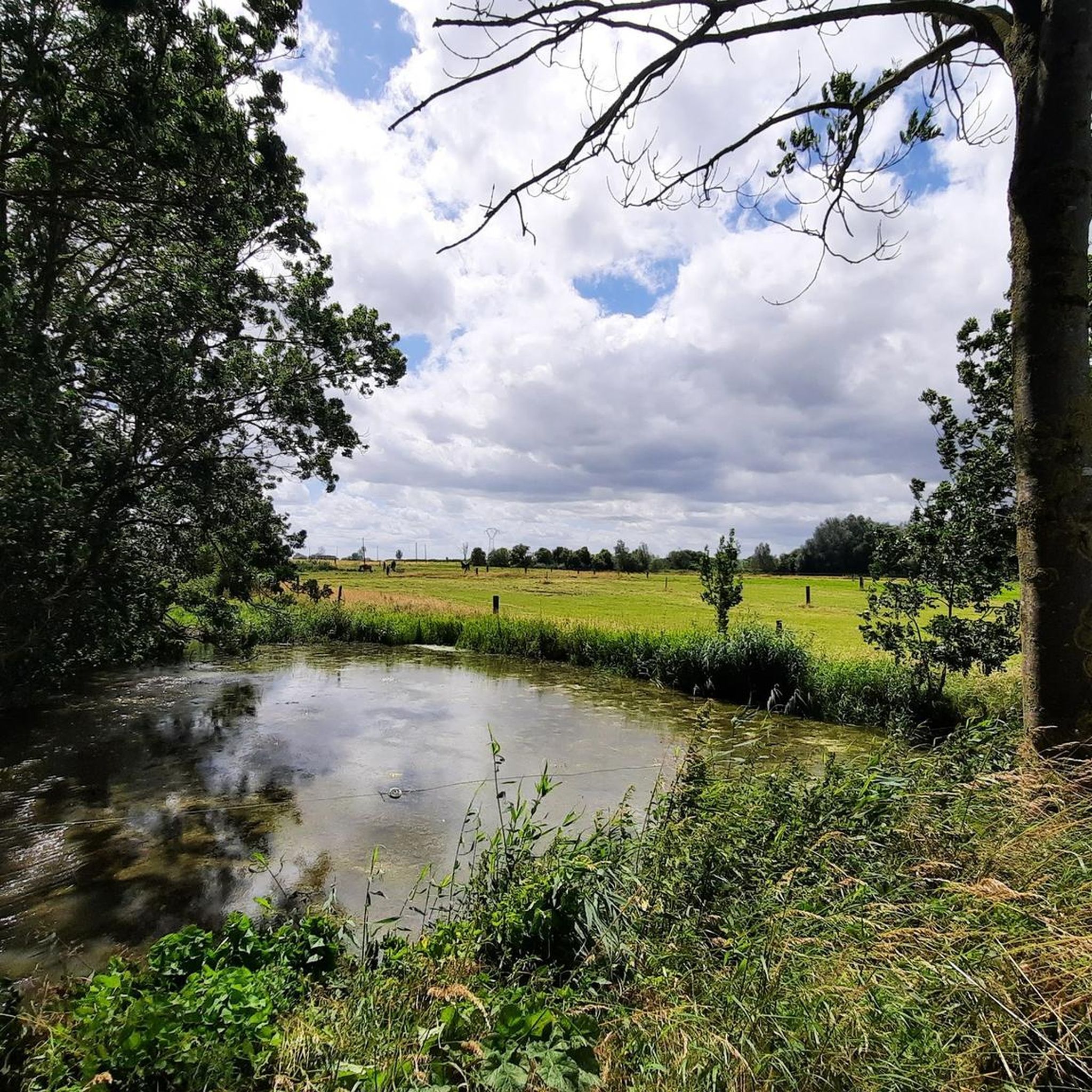
Spanbroekmolen Crater (Pool of Peace)
Highlight • Natural Monument
Translated by Google •
Tip by
Sign up for free to discover even more attractions around Quesnoy-Sur-Deûle.
Sign up for free
Already have an account?
Start today with a free account
Your next adventure awaits.
Login or Signup
Tips from the Community


Super nice, and go inside the courtyard, you have old book sellers there.
2
0

Mesen (also called Messines) is the smallest city in Belgium with only about 1075 inhabitants. Mesen has a rich history dating back to Roman times and played an important role in medieval trade, especially in the cloth and leather industry . The town is best known for the Battle of Mesen during the First World War, where it was a strategic location . Today, Mesen is home to several monuments and memorials, such as the New Zealand Division Memorial and the Irish Peace Tower, which commemorate the history and sacrifices of the soldiers during the war .
8
0
An interesting anecdote concerns the explosion of one of the mines on 17 July 1955 by lightning. This mine had not been detonated during the war and was still underground. The explosion created a new crater and reminded the local population of the lasting impact of the war.
6
0
The Spanbroekmolen crater, also known as the Pool of Peace, is an impressive mine crater in Wijtschate. This crater was formed on June 7, 1917, during the Second Battle of Messines, when British troops detonated 19 underground mines. The explosion created a crater 27 meters deep and 129 meters in diameter. After nearly 100 years of erosion, the crater is now a peaceful pool 12 meters deep and 76 meters in diameter.
9
0
Place du Général de Gaulle is an old medieval market place, where a tree has never stood. The traders met here three times a day, in all weathers. Until they received permission from Philip IV of Spain to build the Old Exchange in 1652. The building was finished in 2 years and is made of porous stone, which is why it is painted. The restoration of the front facade was financed by companies, their logos can be found above the top row of windows. This building has 24 homes that are still mostly occupied by their owners. We also notice the many sculptures, typical of the Flemish Baroque style, but also because the architect, Julien Destrée, was a wood sculptor. Above the entrance gate we see the symbol of Lille (Fleur de Lys), with next to it the lions of Flanders and the crown of the city (with fortress towers on top) and two horns. Horns of Plenty, to refer to the wealth of Lille.
11
0

One of these important sights is the Place du Général de Gaulle, also known as the "Grand Place". A must-see! He was a general, resistance fighter and president - Charles de Gaulle is still a great personality for many French people today. He has been dead for over 50 years and this great square is here in his memory.
9
0
Frequently Asked Questions
What historical landmarks can I explore in Quesnoy-sur-Deûle?
Quesnoy-sur-Deûle offers several significant historical landmarks. You can visit the impressive Église Saint-Michel, a 19th-century church rebuilt in the 1930s after World War I. The neo-Flemish Hôtel de Ville (Town Hall) is another distinctive architectural site, featuring a carillon that plays 'L'eau vive' hourly. Additionally, the town has a poignant German Military Cemetery and a majestic War Memorial near the bridge.
What natural features can I enjoy in Quesnoy-sur-Deûle?
The central natural feature is the Canal de la Deûle and its Banks, offering picturesque scenery with barges and inviting spaces for relaxation. Its banks are perfect for walking, cycling, and horseback riding, and there's a nautical stop for pleasure boats. You can also find a peaceful green space at Parc du Petit Candi, located slightly outside the town center.
Are there opportunities for outdoor activities along the Deûle river?
Yes, the Deûle river is ideal for outdoor activities. Its banks provide paths for walking, cycling, and horseback riding. You can also enjoy fishing, playing pétanque, and mountain biking (VTT) in the area. For more structured activities, you can find various hiking trails, cycling routes, and running trails around Quesnoy-sur-Deûle.
What kind of cultural sites are present in the town?
Beyond the Église Saint-Michel and Hôtel de Ville, Quesnoy-sur-Deûle is home to several chapels that contribute to its rich religious heritage. These include the 19th-century Chapelle de l'Ange Gardien, Chapelle Marie Notre Mère, Chapelle Notre-Dame des Affligés, Chapelle Notre-Dame des Champs, Chapelle Notre-Dame de Délivrance, and Chapelle Notre-Dame du Bon Secours.
Are there any unique points of interest in Quesnoy-sur-Deûle?
A unique point of interest is the Sculpture Charrue, an iron sculpture in the shape of a plough located at the exit of Quesnoy-sur-Deûle. The carillon on the Hôtel de Ville, playing 'L'eau vive' hourly, also adds a distinctive local charm.
What are some popular attractions near Quesnoy-sur-Deûle?
While focusing on Quesnoy-sur-Deûle, nearby areas offer additional attractions. For instance, the Port of Wambrechies is a popular river area known for its quiet and peaceful setting. Further afield, Mesen, the smallest town in Belgium, offers rich history and panoramic views from St. Nicholas Church.
What do visitors enjoy most about the attractions around Quesnoy-sur-Deûle?
Visitors particularly appreciate the blend of historical significance and natural beauty. The tranquil atmosphere of the Canal de la Deûle and its banks, perfect for leisurely strolls or bike rides, is highly valued. The historical insights offered by sites like the Église Saint-Michel and the unique architecture of the Hôtel de Ville also receive positive feedback.
Are there family-friendly places to visit in Quesnoy-sur-Deûle?
Yes, Quesnoy-sur-Deûle offers several family-friendly options. The Canal de la Deûle and its Banks are excellent for family walks, cycling, or even a boat trip. Parc du Petit Candi provides a green space for relaxation. Nearby, the Port of Wambrechies is also considered family-friendly, offering a peaceful setting.
Can I find hiking trails suitable for different difficulty levels?
Yes, the area around Quesnoy-sur-Deûle features a variety of hiking trails. For example, you can find easy routes like the 'Statue of the Angel Gabriel – Graffiti Murals in France loop' (7.6 km) or moderate options such as 'The port and the church of Quesnoy – La Deûle loop' (8.1 km). You can explore more options on the Hiking around Quesnoy-Sur-Deûle guide.
What cycling routes are available in the region?
Cyclists can enjoy several routes around Quesnoy-sur-Deûle, many of which are considered easy. Examples include the 'Le Pont Jaune – Deule Singletrack loop' (10.7 km) and the 'Lys River Path – Pont Rouge loop' (16.5 km). For a comprehensive list, refer to the Cycling around Quesnoy-Sur-Deûle guide.
Are there places to go running near the attractions?
Absolutely. Quesnoy-sur-Deûle offers several running trails. You can try moderate routes like the 'Deûlémont footbridge loop' (11.8 km) or the 'Le Quesnoy Town Hall loop' (11.0 km). More challenging options, such as the 'Gravel along the Deûle – Quesnoy lock loop' (16.6 km), are also available. Find more details on the Running Trails around Quesnoy-Sur-Deûle guide.
What is the best time to visit Quesnoy-sur-Deûle?
Quesnoy-sur-Deûle is an ideal destination for a tranquil escape with opportunities for outdoor activities and exploration of local heritage. While specific seasonal recommendations are not provided, the town's natural beauty along the Deûle river and its various outdoor activity options suggest that spring, summer, and early autumn would be particularly pleasant for enjoying the paths, cycling, and exploring the historical sites in comfortable weather.
Most popular routes around Quesnoy-Sur-Deûle
Most popular attractions around Quesnoy-Sur-Deûle

Get inspired with the komoot mobile app


Explore more
Still not found the Highlight you’re looking for? See guides of the top attractions in other regions:
