Attractions and Places To See around Laval-D'Aix - Top 20
Attractions around Laval-D'Aix include natural landscapes and historical sites in the Drôme department of southeastern France. The area is part of the Vercors Regional Natural Park, characterized by vast open spaces and diverse flora. Laval-D'Aix is a rural village situated at an altitude of 450 meters, surrounded by black pine forests and limestone peaks. The region offers a strong connection to nature and local heritage.
Best attractions and places to see around Laval-D'Aix
- The most popular attractions is Col de…
Last updated: August 16, 2026
Col de Rousset
Highlight • Mountain Pass
Translated by Google •
Tip by

Col de Rousset Pass and Tunnel
Highlight • Mountain Pass
Translated by Google •
Tip by

Sign up now to discover places like this
Get recommendations on the best single tracks, peaks, & plenty of other exciting outdoor places.
Sign up for free
Die
Highlight • Historical Site
Translated by Google •
Tip by

Col de Pennes
Highlight • Mountain Pass
Translated by Google •
Tip by

Old Town of Die
Highlight • Historical Site
Translated by Google •
Tip by
Sign up for free to discover even more attractions around Laval-D'Aix.
Sign up for free
Already have an account?
Start today with a free account
Your next adventure awaits.
Login or Signup
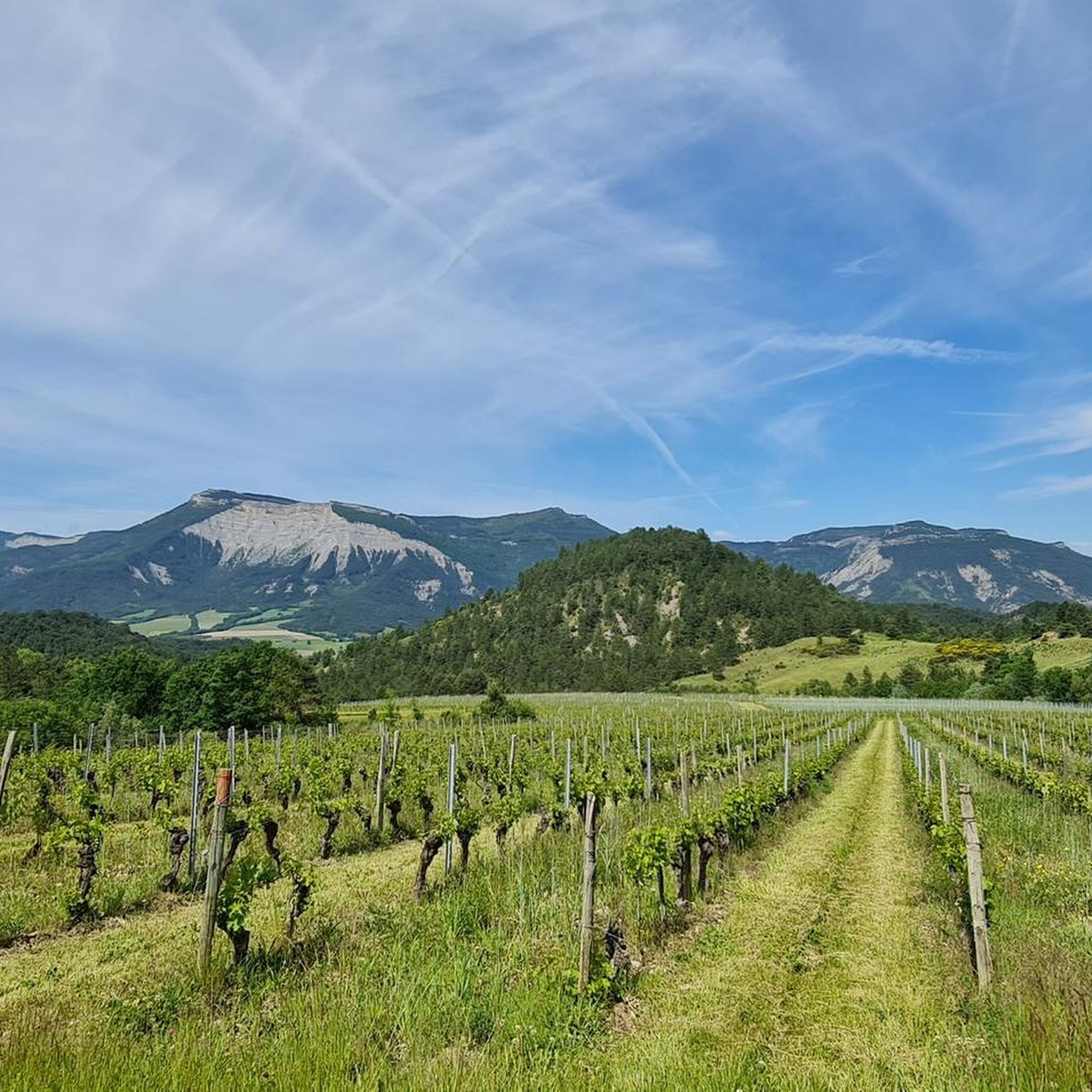
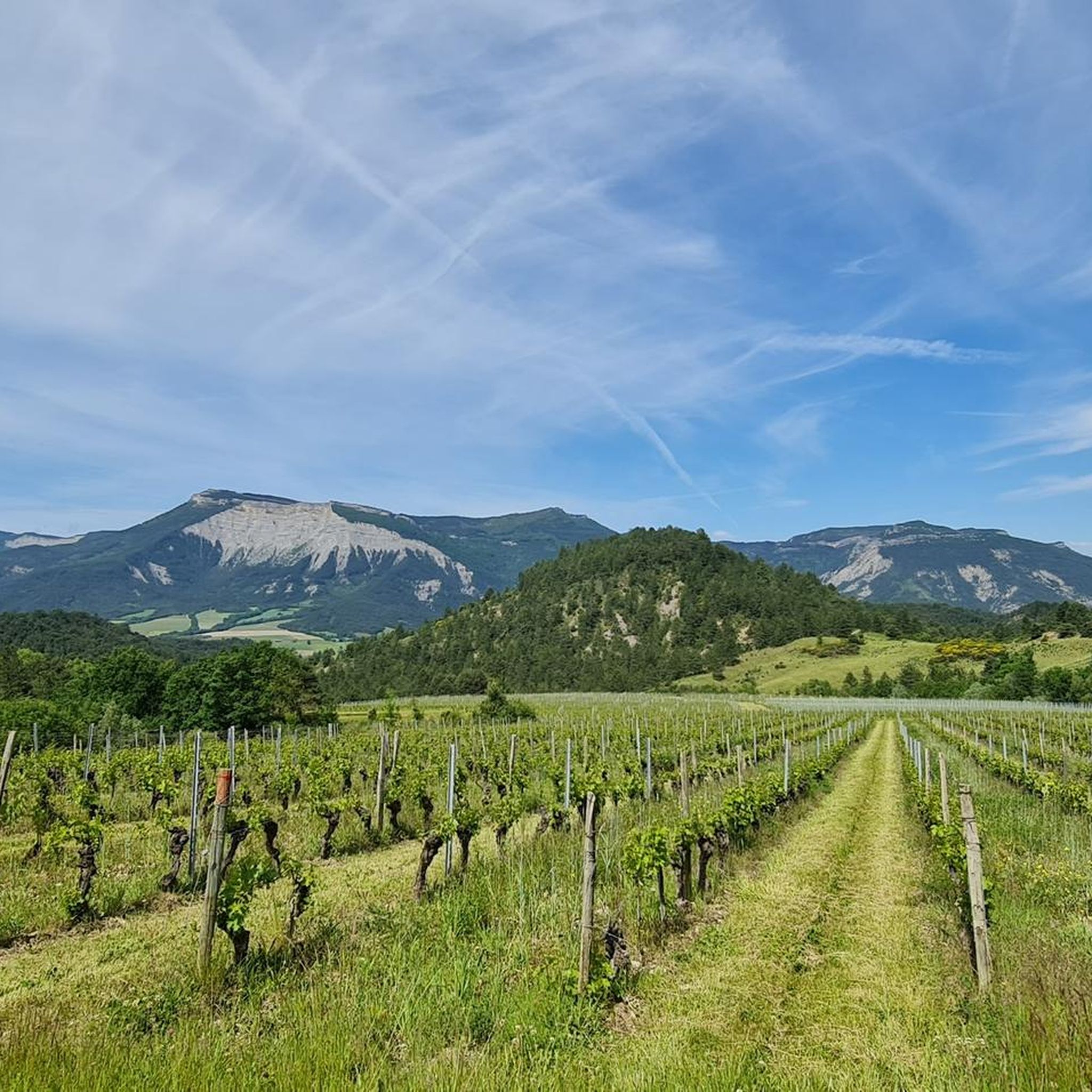
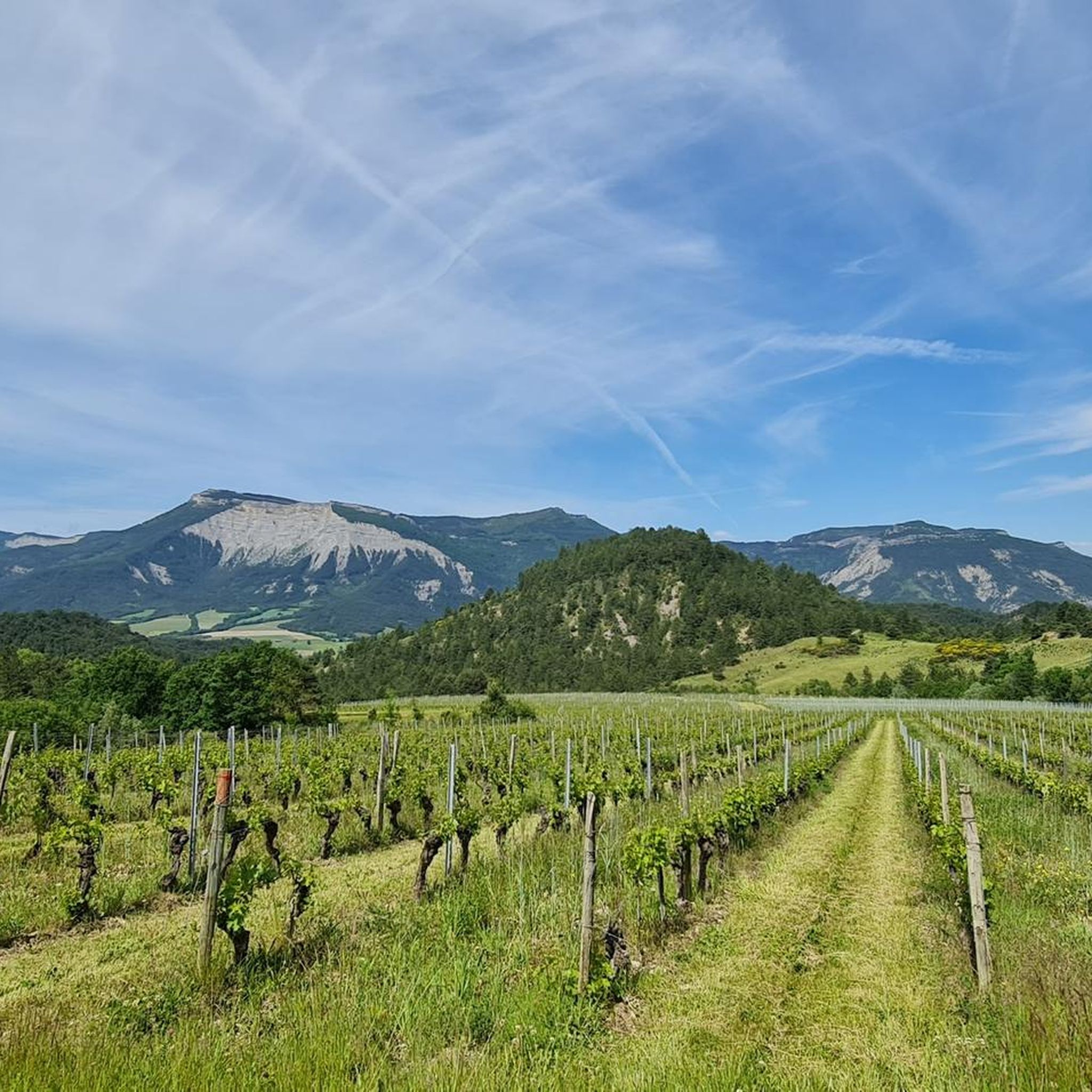
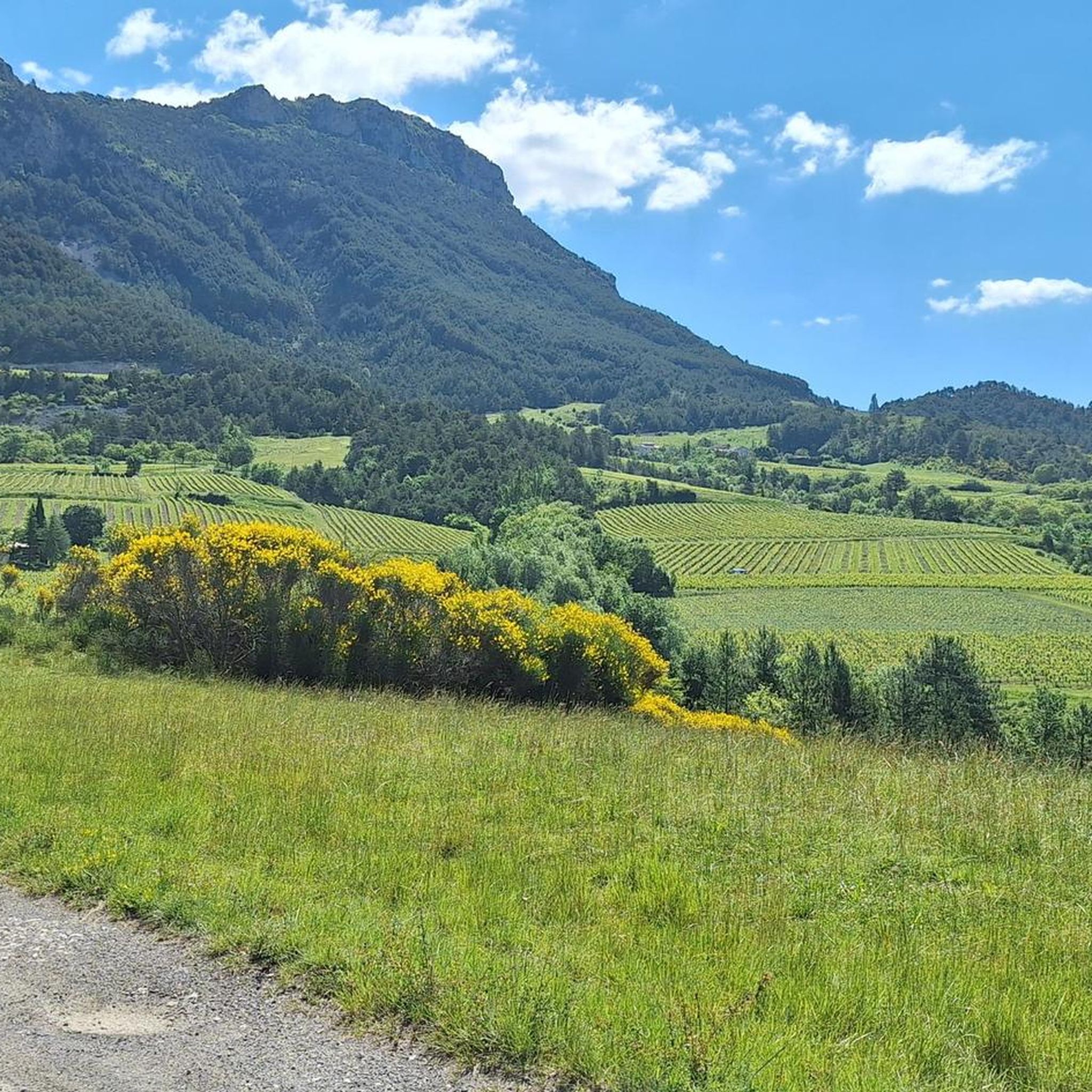
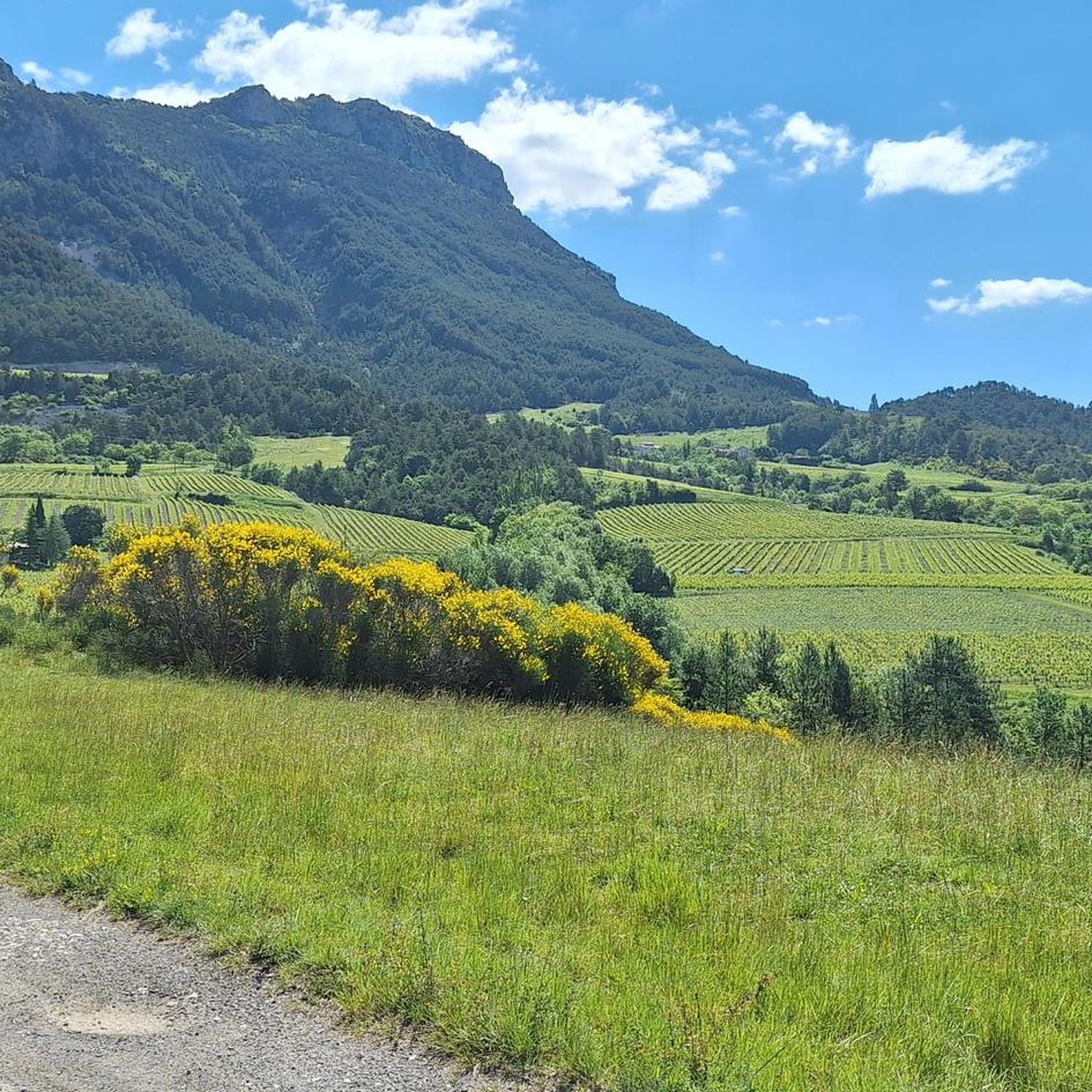
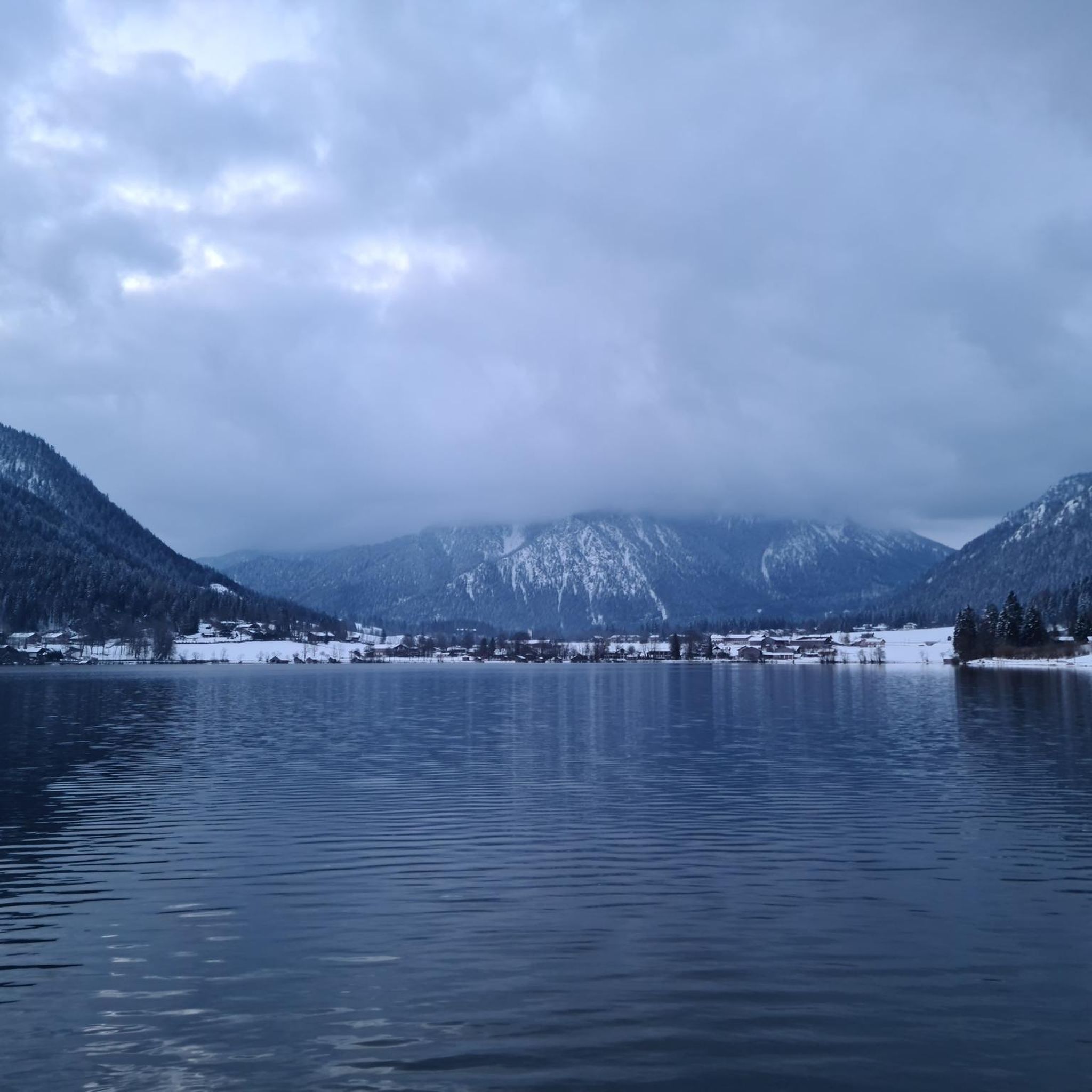
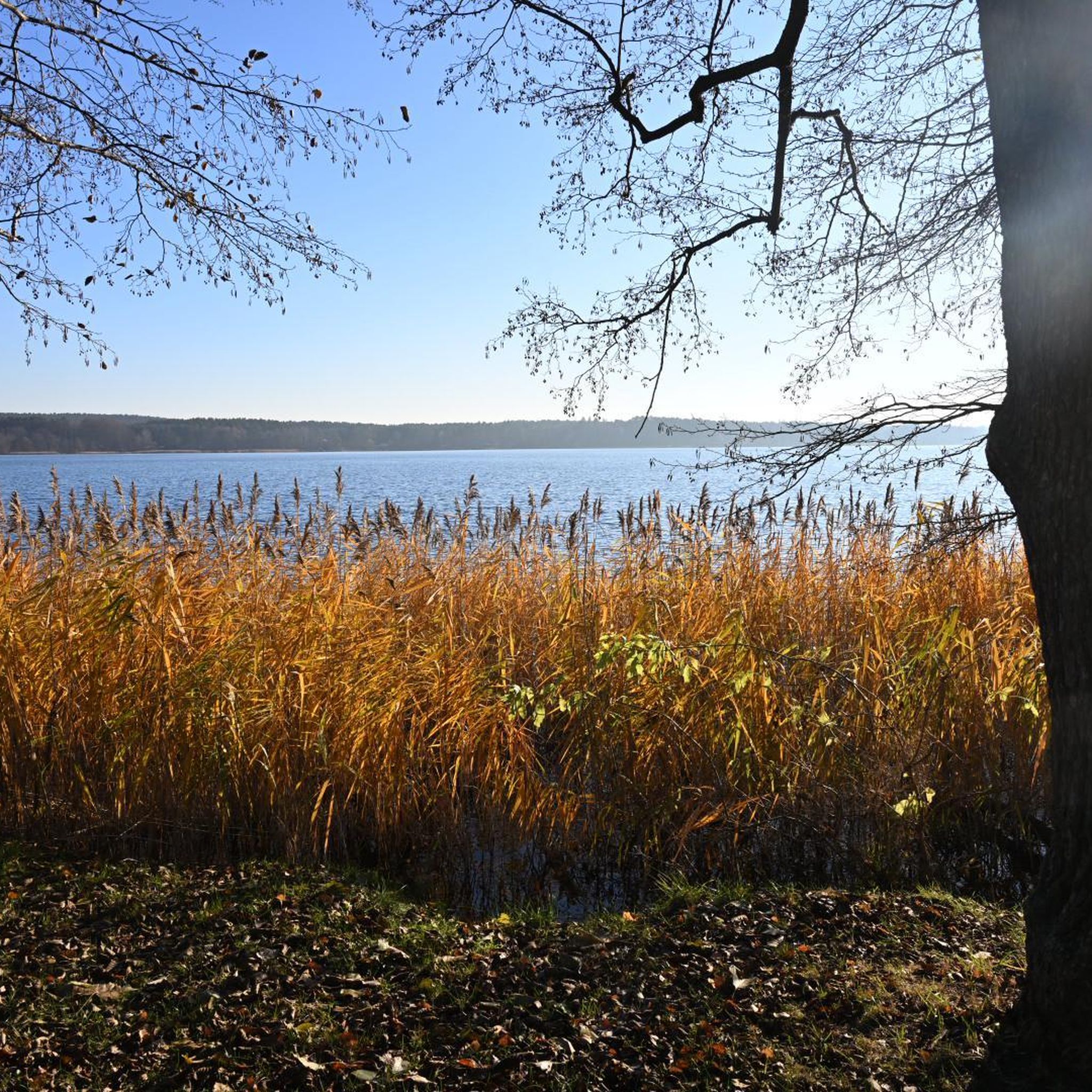
Tips from the Community

The Col de Pennes (1,038 m) is a pass in the Diois massif, in the Drôme, which connects the Drôme valley with the Roanne valley. It is a little-known climb but highly appreciated by cyclists for the tranquility of the road, the good asphalt and the splendid panoramas.
10
0

the gateway to the southern Vercors, magnificent
0
0

Sublime but long. You have to be in good shape.
1
0

From the undergrowth to the viewpoints, one of the best accessible circuits in the Vercors
0
0

Pay attention to the busyness of the road in high season, favor a climb at dawn. Also take into account the difference in climate between Drôme and Vercors, sometimes when passing through the tunnel you go from summer to winter!
0
0
The old town of Die is worth a visit, it is full of artisan shops and good products to eat (restaurants, bakery, etc.) In the town center you will find the Vélodrome store to help you with your bikes or to rent.
1
0

You can also find a 1000er in the area
0
0
Frequently Asked Questions
What natural features can I explore around Laval-D'Aix?
The area is rich in natural beauty, being part of the Vercors Regional Natural Park. You can discover dramatic landscapes, including the impressive limestone formation of the Dôme du Glandasse. For breathtaking views, visit Col de Rousset, a mountain pass offering sublime vistas of the valley. Another scenic mountain pass is Col de Pennes, known for its narrow road and views between the Drôme and Roanne valleys. Don't miss the impressive cliffs and views from But Sapiau.
Are there historical sites or cultural attractions near Laval-D'Aix?
Yes, while Laval-D'Aix itself features striking ruins of a castle, the nearby town of Die is a significant cultural point of interest. Die is globally recognized for its Clairette de Die, a sparkling wine, and boasts architecture dating back to the 12th century. The Old Town of Die is particularly charming, with artisan shops and a festive atmosphere during events like the annual transhumance.
What kind of outdoor activities are popular in the Laval-D'Aix area?
The region is ideal for outdoor enthusiasts. Popular activities include hiking, cycling, and mountain climbing. The Vercors Regional Natural Park offers numerous trails. You can find various routes for mountaineering, hiking, and road cycling. For detailed routes, explore guides like Mountain Hikes around Laval-D'Aix, Hiking around Laval-D'Aix, and Road Cycling Routes around Laval-D'Aix.
Are there family-friendly attractions or activities in the region?
The town of Die and its Old Town are considered family-friendly, offering a pleasant environment to explore history and local culture. Many of the natural trails within the Vercors Regional Natural Park also offer varying difficulties, making some suitable for families looking for walks amidst nature.
Where can I find the best scenic viewpoints around Laval-D'Aix?
For exceptional scenic viewpoints, head to Col de Rousset, which provides expansive views of the valley and its winding roads. Another great spot is Col de Pennes, offering unique perspectives between the Drôme and Roanne valleys. The cliffs at But Sapiau also provide breathtaking views of the valley below and towards the But Saint Genix.
Can I spot wildlife while exploring the area?
Yes, the Vercors Regional Natural Park is known for its diverse fauna. You have a good chance of spotting wildlife such as ibex and all four species of European vultures. The Réserve Naturelle des Hauts Plateaux du Vercors is a prime observation spot for griffon vultures and ibex, and the Archiane Cirque is a privileged nesting place for griffon vultures.
What makes the Vercors Regional Natural Park unique?
The Vercors Regional Natural Park, which encompasses Laval-D'Aix, is unique for its dramatic landscapes, vast open spaces, and diverse flora and fauna. It features a blend of alpine and Mediterranean plant life, where you can find edelweiss and thyme growing on the same slopes. The park is also home to significant geological formations like the Dôme du Glandasse and France's largest terrestrial natural reserve, the Réserve Naturelle des Hauts Plateaux du Vercors.
Are there any challenging cycling routes in the area?
Absolutely. The region offers several challenging road cycling routes. For instance, you can tackle the 'Col de Grimone (1318 m) – Gorges des Gats loop' or the 'Col de Pennes – Pennes Pass loop'. These routes often feature narrow roads, significant ascents, and rewarding views. You can find more details in the Road Cycling Routes around Laval-D'Aix guide.
What are some popular hiking trails around Laval-D'Aix?
Popular hiking trails include the 'Archiane Vultures' Trail' and routes leading to 'Pié Ferré (Le Dôme)'. Many trails offer stunning cliff views and opportunities to observe local wildlife. For a comprehensive list of routes, including moderate and difficult options, refer to the Hiking around Laval-D'Aix guide.
What do visitors enjoy most about the attractions around Laval-D'Aix?
Visitors particularly enjoy the breathtaking views from mountain passes like Col de Rousset, often praising the sublime scenery. The charming and historical town of Die is also highly appreciated for its rich history, local products like Clairette, and pleasant atmosphere. The quiet, scenic roads and challenging climbs of the mountain passes are also a favorite among cyclists.
Are there any specific geological points of interest?
Yes, the Dôme du Glandasse is a prominent natural landmark classified on the inventory of geological heritage. It's notable for the stark contrast between its Tithonian limestone and the Urgonian limestone plateau, offering a unique geological spectacle.
What is the local specialty of the Die region?
The town of Die is globally recognized for its Clairette de Die, a sparkling wine often enjoyed as an aperitif. The fertile lands around Die have been cultivated for centuries for wine and aromatic herbs, making it a significant part of the local heritage.
Most popular routes around Laval-D'Aix
Most popular attractions around Laval-D'Aix

Get inspired with the komoot mobile app


Explore more
Still not found the Highlight you’re looking for? See guides of the top attractions in other regions:
