Attractions and Places To See around Chamaloc - Top 20
Best attractions and places to see around Chamaloc, a village in the Drôme department of France, offers a blend of natural beauty and cultural insights. Situated as the southern gateway to the Vercors Regional Natural Park, the area is known for its stunning landscapes, including lavender fields and vast natural spaces. Visitors can explore traditional Drôme architecture and local agricultural heritage. The region provides diverse experiences for those interested in outdoor activities and cultural exploration.
Best attractions and places to…
Last updated: June 22, 2026
Grand Veymont
Highlight • Summit
Translated by Google •
Tip by

Quiet route in the upper Vernaison Valley
Highlight (Segment) • Other
Translated by Google •
Tip by

Sign up now to discover places like this
Get recommendations on the best single tracks, peaks, & plenty of other exciting outdoor places.
Sign up for free
Col de Rousset
Highlight • Mountain Pass
Translated by Google •
Tip by

Die
Highlight • Historical Site
Translated by Google •
Tip by

Font d'Urle Ice Cave
Highlight • Cave
Translated by Google •
Tip by

Sign up for free to discover even more attractions around Chamaloc.
Sign up for free
Already have an account?
Start today with a free account
Your next adventure awaits.
Login or Signup

Other adventures around Chamaloc

Tips from the Community


As pretty at the top as at the bottom, lots of ways to get to the top, accessible for all levels (not technical but lots of elevation gain depending on your starting point) but it's worth it!
1
0

The highest peak of the Vercors is very easy to cross. A little more exposed from the north, but without any real climbing spots, and even easier terrain from the south. Great panoramic views and into the distance - but particularly impressive from some places directly into the almost vertical eastern flank, which stretches over the entire chain in a slight curve to the Grande Moucherolle (the second highest peak) and beyond. And there were plenty of ibexes on my tour too.
3
1

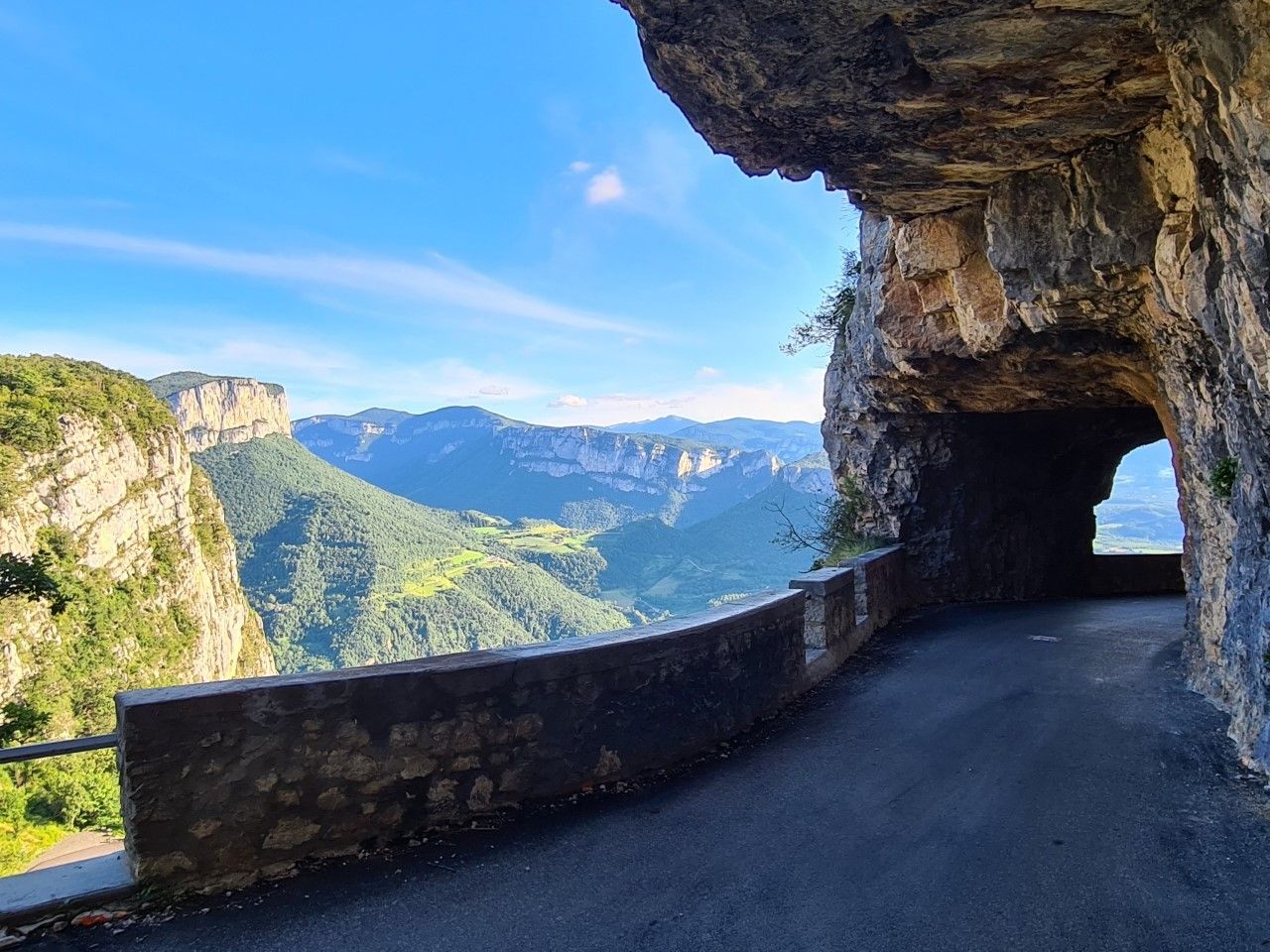
Magnificent landscapes but fairly busy small road.
0
1


Magnificent and impressive natural cavity that can be explored with a lamp. At the bottom there are beautiful ice formations even in summer. This phenomenon is due to the shrinkage of the cavity which traps cold air at the bottom. When moisture seeps through the ceiling, the temperature is low enough for the water to freeze and form stalactites.
1
0

From the La Coche car park, high Vercors plateau then climb that day in the clouds until the descent with ibexes and magnificent views. in pictures: https://youtu.be/8pB17Oq7F_k?si=IOz_0vT4bs_-bvpo
1
0
Frequently Asked Questions
What natural features can I explore around Chamaloc?
Chamaloc is the southern gateway to the Vercors Regional Natural Park, offering vast open spaces, cave systems, and diverse wildlife. You can also discover picturesque lavender fields, especially from mid-June to early August when they are in bloom. Other notable natural sites include the Font d'Urle Ice Cave, the stunning Grand Veymont, and the scenic Col de Rousset.
Where can I find the best panoramic views in the Chamaloc area?
For breathtaking vistas, head to Grand Veymont, the highest point of the Vercors massif, which offers a 360-degree panorama of the Alps and the Vercors plateaus. The Col de Rousset also provides impressive scenic views of the valley and its winding roads.
Are there opportunities to see wildlife near Chamaloc?
Yes, the Vercors Regional Natural Park, accessible from Chamaloc, is home to high mountain fauna like ibex, which can often be spotted on Grand Veymont. The cliffs above Chamaloc also serve as a refuge for Griffon vultures, which were reintroduced to the area. An observation area downstream from the village allows visitors to watch these birds.
When is the best time to visit Chamaloc to see the lavender fields?
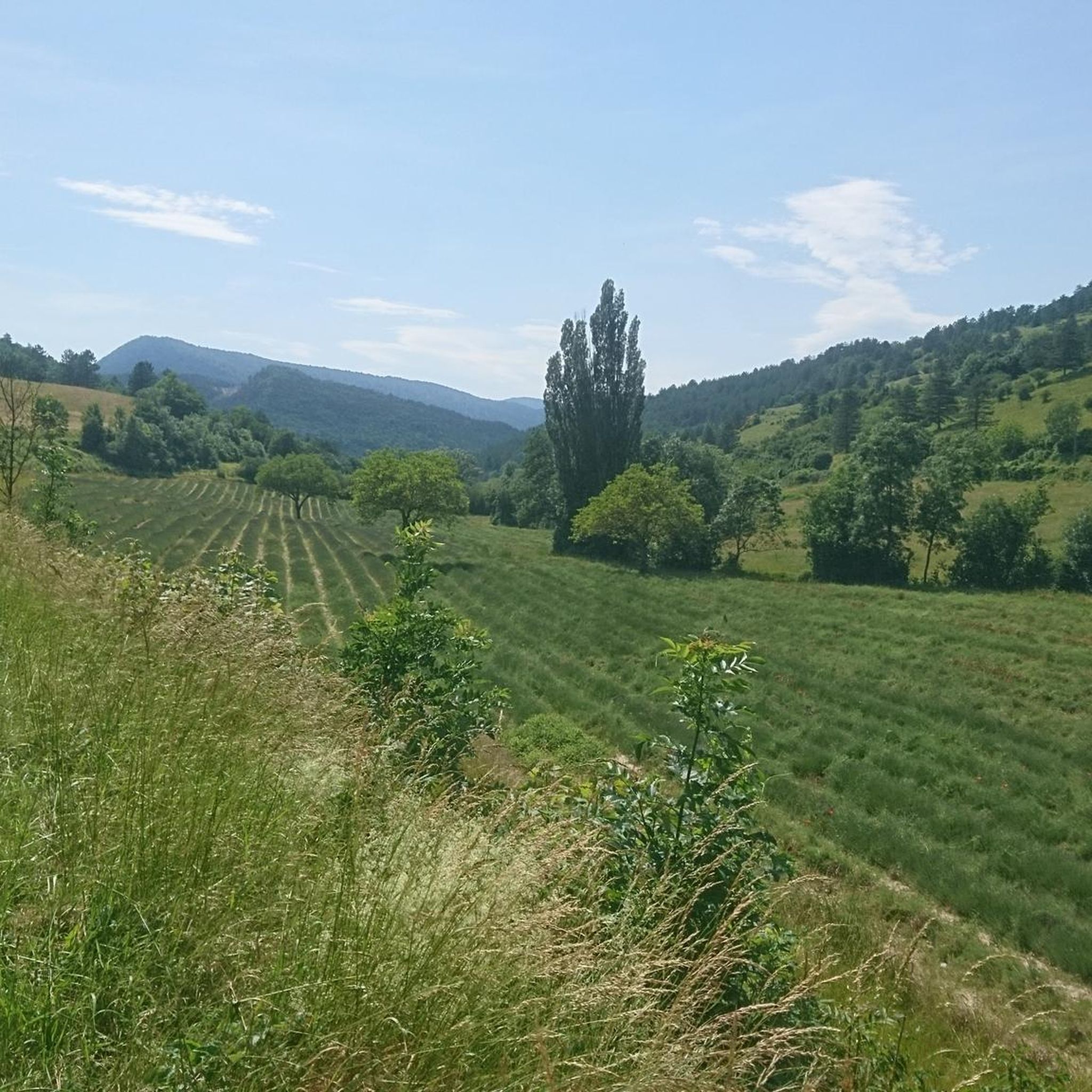
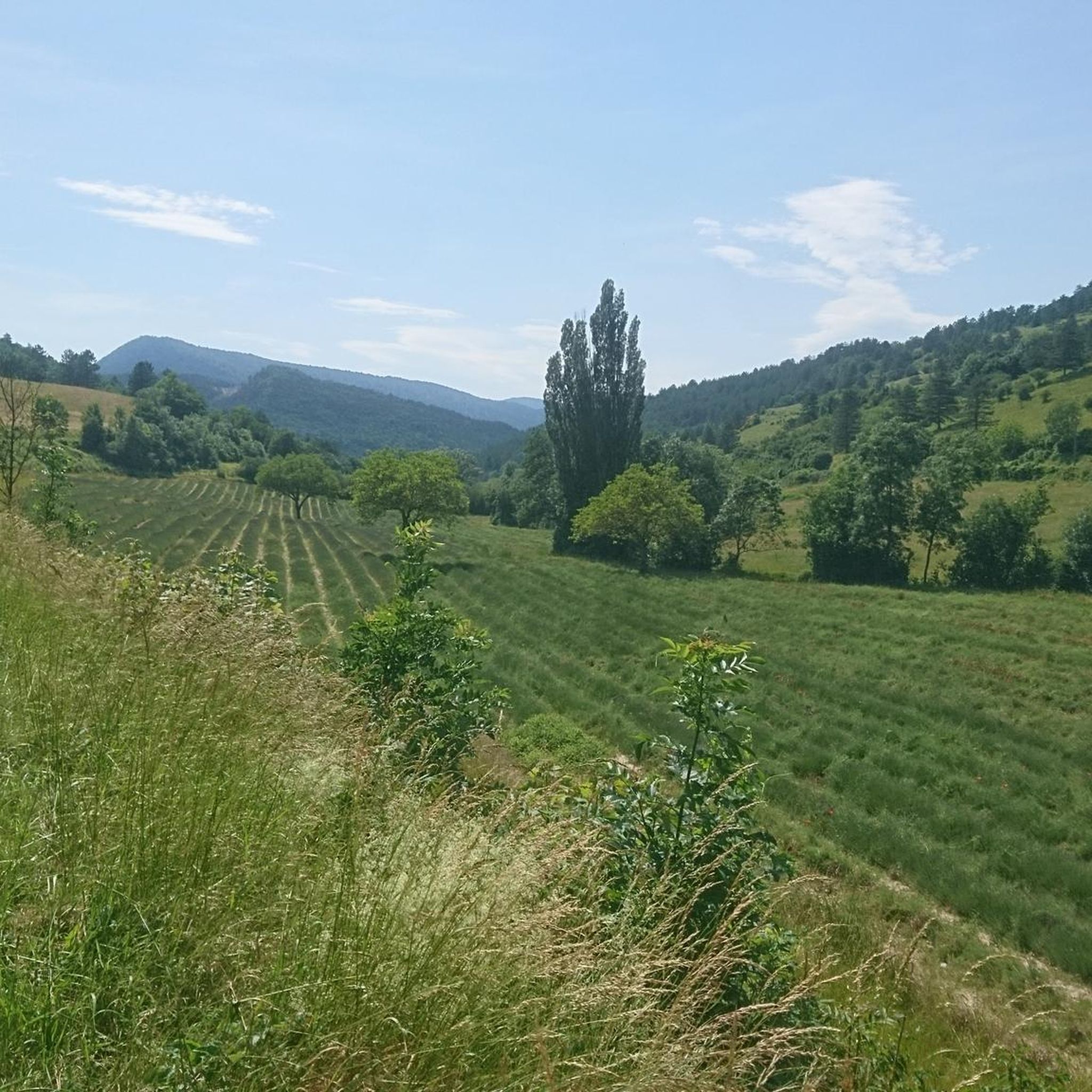
The lavender fields around Chamaloc are at their most picturesque when in full bloom, which typically occurs from mid-June to early August. This is the ideal period to enjoy their fragrance and vibrant purple hues.
What kind of outdoor activities are available around Chamaloc?
The region around Chamaloc is excellent for outdoor enthusiasts. You can find numerous routes for mountain biking, gravel biking, and mountain hiking. For detailed routes and difficulty levels, explore the dedicated guides for MTB Trails around Chamaloc, Gravel biking around Chamaloc, and Mountain Hikes around Chamaloc.
Are there hiking trails suitable for families or those seeking easy walks?
While many trails in the Vercors can be challenging, there are options for easier walks. The paths around the lavender fields offer pleasant, less strenuous routes. For specific family-friendly or easy walking routes, it's best to consult the detailed hiking guides for the area, which often include difficulty ratings.
What cultural or historical sites can I visit in Chamaloc and its surroundings?
In Chamaloc, you can explore the 4 Vallées Distillery with free tours and an exhibition of old stills. The village itself features charming stone houses and the historic Protestant Temple. Nearby, the town of Die (6.9 km away) offers rich architectural history, markets, and the Museum of Die and Diois. Further afield, Romans-sur-Isère (38 km) has the Collegiale church of Saint-Bernard, and Saint-Antoine-l'Abbaye (44 km) is known for its abbey complex.
Is there a local specialty or product I should experience in the Chamaloc region?
Absolutely! The nearby town of Die is famous for its Clairette de Die, a sparkling wine. You can visit the Jaillance cellar (Muséobulles Jaillance) to learn more. Additionally, Chamaloc is home to the 4 Vallées Distillery, where you can discover local distillation traditions and products.
What do visitors particularly enjoy about the attractions near Chamaloc?
Visitors frequently praise the stunning natural beauty and panoramic views, especially from Grand Veymont and Col de Rousset. The unique experience of exploring the Font d'Urle Ice Cave, even in summer, is also a highlight. Many appreciate the tranquility and the opportunity to spot wildlife like ibex and vultures.
Are there any unique historical aspects to Chamaloc village itself?
Chamaloc is unique for its traditional Drôme architecture, with some stone houses dating back to 1633, and its two communal cemeteries, historically designated 'Protestant' and 'Catholic,' reflecting its religious history. The village's Protestant Temple, built around 1870, has been restored and now serves as a communal hall while respecting its religious significance.
What is the best season for visiting Chamaloc for outdoor activities?
While Chamaloc offers beauty year-round, late spring to early autumn (May to October) is generally the best for outdoor activities like hiking and cycling, with pleasant temperatures. Mid-June to early August is ideal for seeing the lavender fields in bloom. Winter offers opportunities for snow-related activities in the higher parts of the Vercors, though access might be more restricted.
Are there any specific natural parks or protected areas near Chamaloc?
Chamaloc is situated as the southern gateway to the expansive Vercors Regional Natural Park. This park is renowned for its vast open spaces, diverse ecosystems, and efforts in wildlife reintroduction, such as the Griffon vultures. You can find more information about the natural parks and protected landscapes of the Diois region on diois-tourisme.com.
Most popular routes around Chamaloc
Most popular attractions around Chamaloc

Get inspired with the komoot mobile app


Explore more
Still not found the Highlight you’re looking for? See guides of the top attractions in other regions:
