Attractions and Places To See around Meienheim - Top 20
Best attractions and places to see around Meienheim include a mix of natural climbs, scenic cycle paths, and historical settlements. The area offers diverse landscapes, from mountain passes to vineyard views and historical industrial sites. Visitors can explore a range of outdoor activities and cultural points of interest. The region provides opportunities for both challenging routes and family-friendly excursions.
Best attractions and places to see around Meienheim
- The most popular attractions is Panoramic view from the vineyards, a viewpoint…
Last updated: July 7, 2026
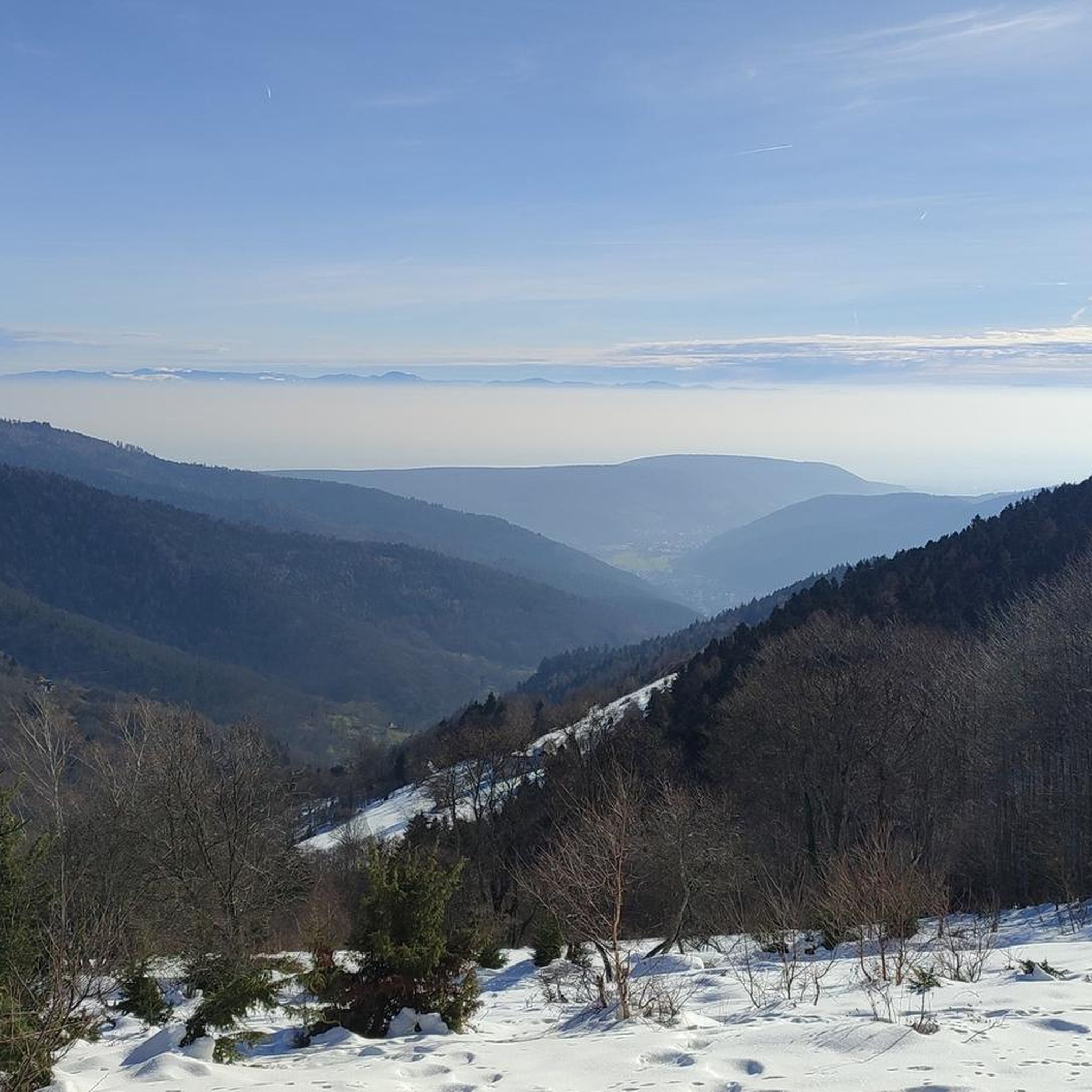
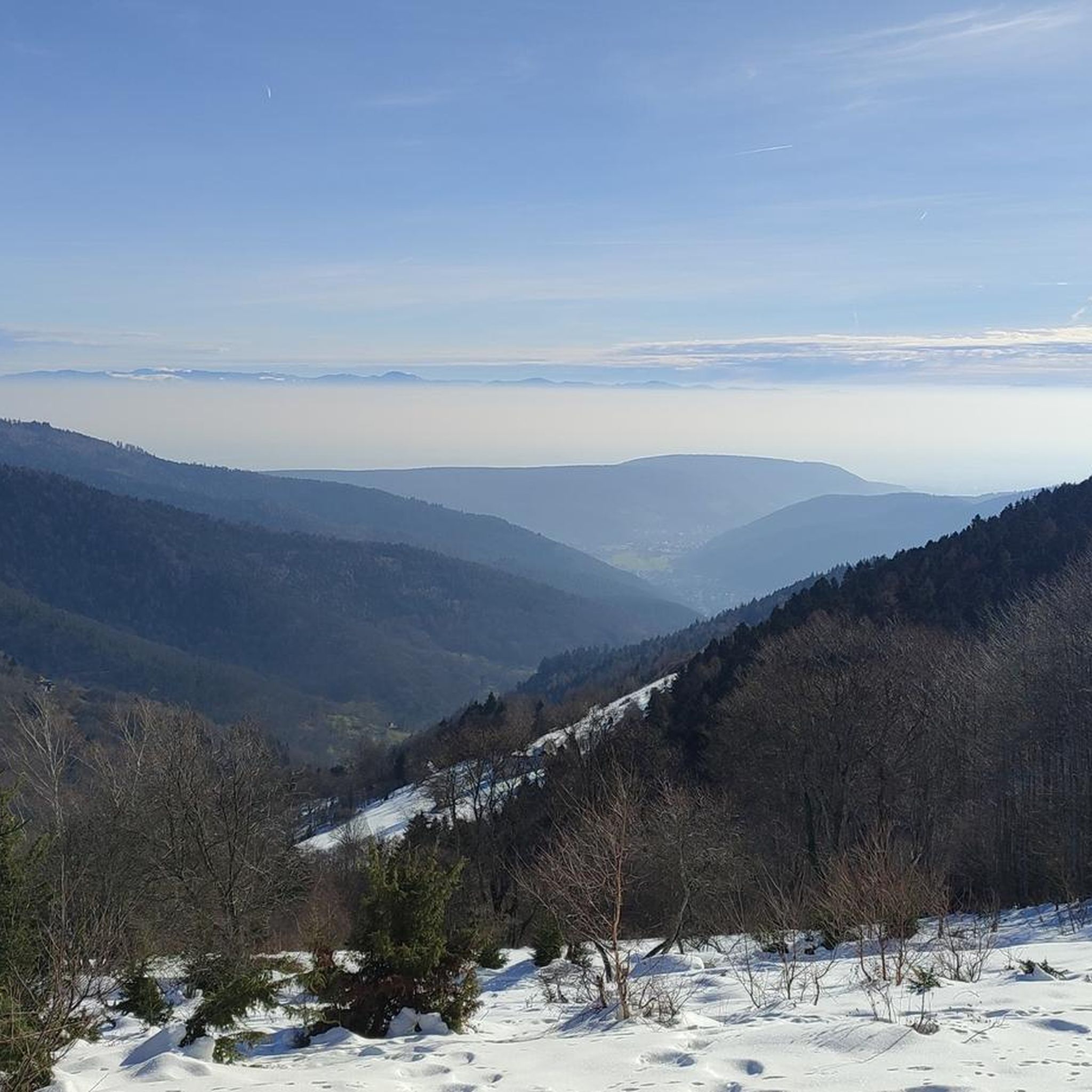
Ascent from Soultz to Col du Grand Ballon
Highlight (Segment) • Climb
Translated by Google •
Tip by

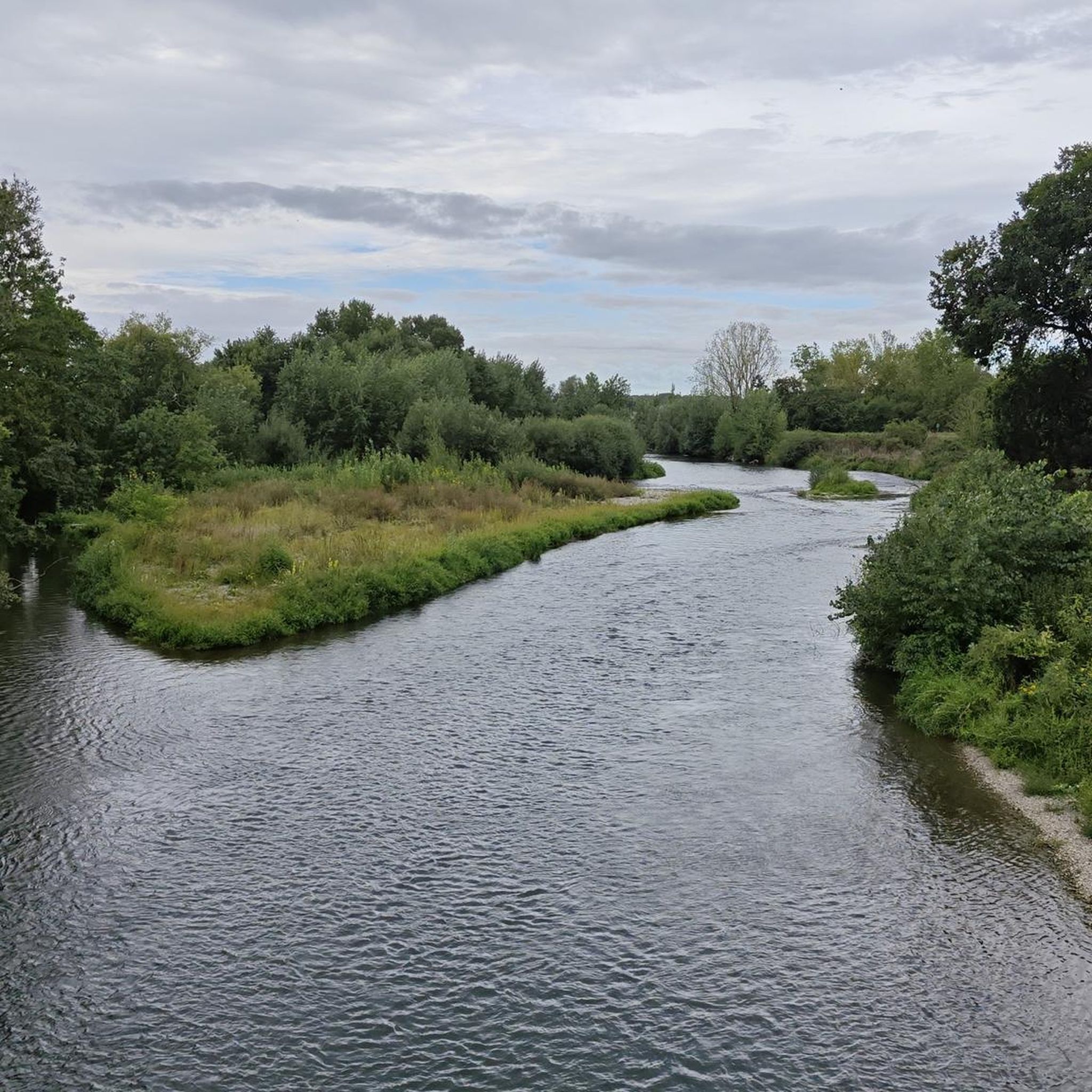
Bike path to Ensisheim
Highlight (Segment) • Cycleway
Translated by Google •
Tip by

Sign up now to discover places like this
Get recommendations on the best single tracks, peaks, & plenty of other exciting outdoor places.
Sign up for free
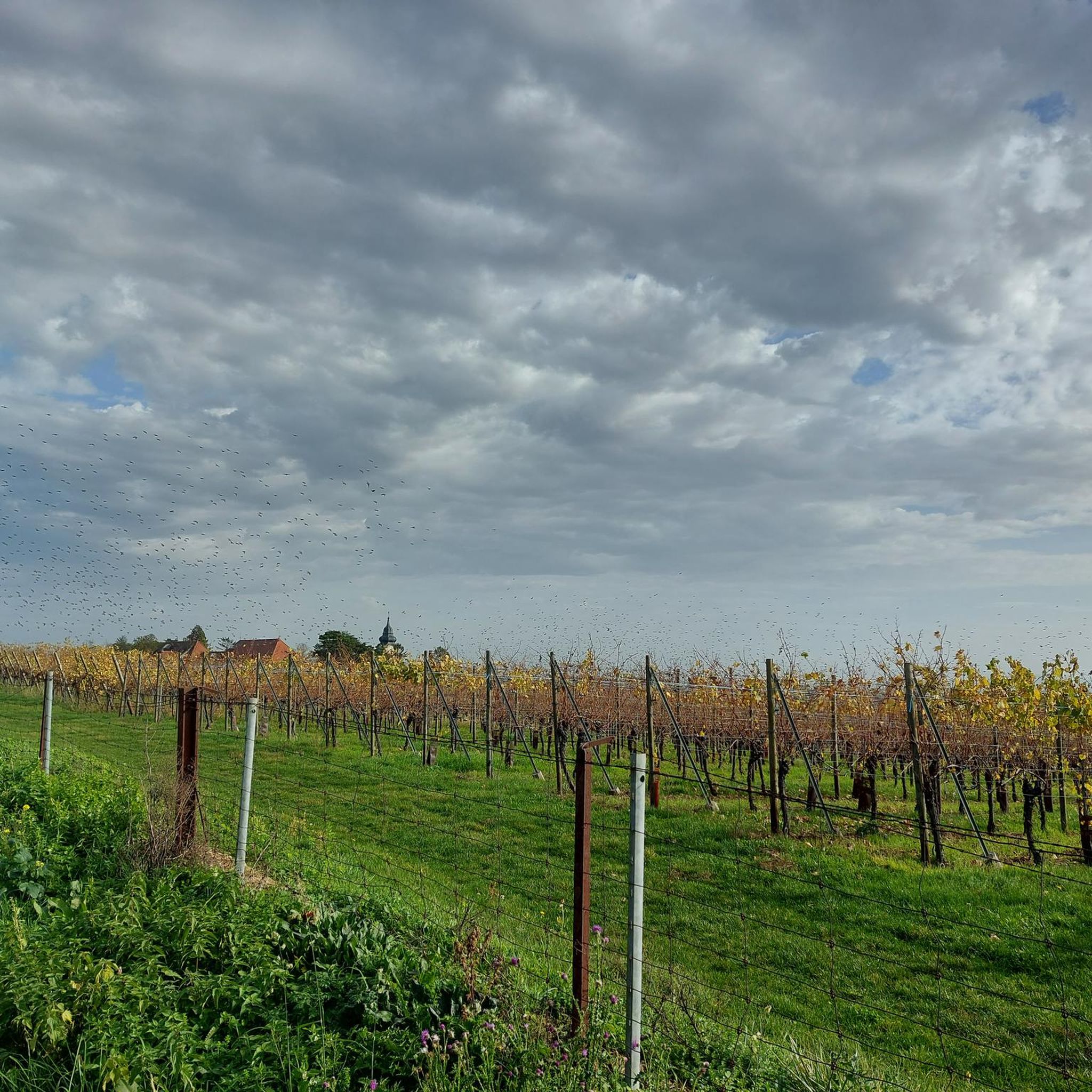
Panoramic view from the vineyards
Highlight • Other
Translated by Google •
Tip by
Pfaffenheim
Highlight • Settlement
More information: de.wikipedia.org/wiki/Pfaffenheim
Translated by Google •
Tip by

View of the Rodolphe mine
Highlight • Historical Site
Translated by Google •
Tip by

Sign up for free to discover even more attractions around Meienheim.
Sign up for free
Already have an account?
Start today with a free account
Your next adventure awaits.
Login or Signup
Tips from the Community

Sarcophagi from the Merovingian period were discovered near the church, as well as a burial ground from that period in the vineyards of Petit Pfaffenheim. It was first mentioned in 1186 as Pfaphinheim. The place name Petit-Pfaffenheim in the vineyards east of the village recalls the abandoned small settlement of Klein Pfaffenheim. No traces remain of the castles of Presteneck, Hertenfels, and Meyenheim known from the documents; at Laubeck, only the remains of a round tower and the moat remain. A leper hospital is mentioned in 1578.
1
0

The Wine Route mostly follows the EV5. A beautiful route and easy to navigate.
7
0

Absolutely stunning and charming historical village! The buildings are not only beautiful, but also so well preserved. It was very quiet when I was there - probably just because it was a Sunday. Nevertheless, it didn't seem as "full" as some as the other villages along the route. That's a great thing for sightseeing, but maybe not so great if you're looking for food or supplies.
1
0

always through the vineyards with a great panorama
0
0

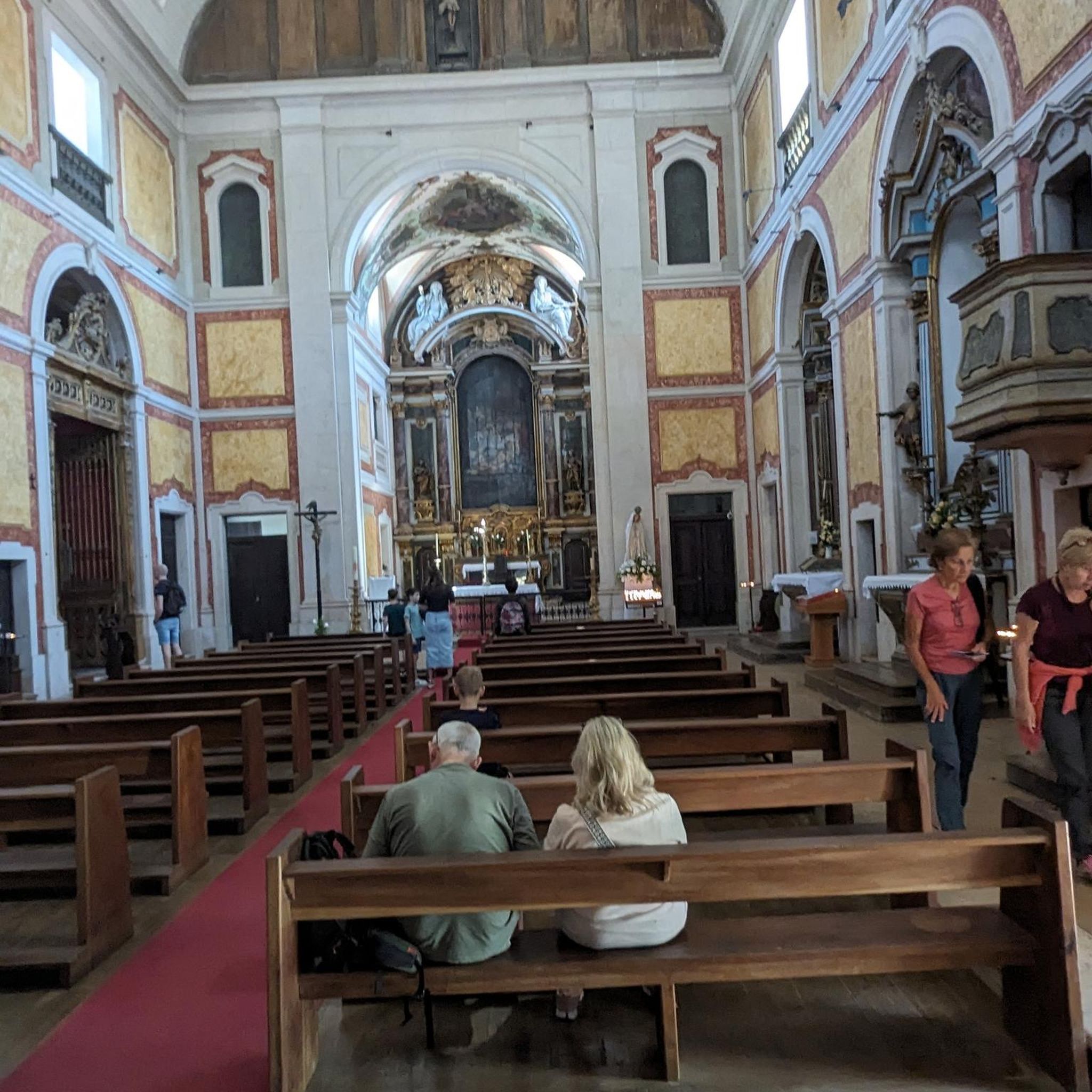
This wine village originated at the end of the 9th century. There are still some old wine-growing houses. The apse of the church (13th century) is decorated with floral friezes and has a blind gallery and slender columns. The notches in the stones of the apse (lower part) suggest that the wine-growers sharpened their knives here.
2
0

Nice track with a good surface for rollerblading overall.
0
0

This place is really worth seeing. The church is particularly impressive. The region's vineyards are a delight to the eye.
4
0

In 1904, a rich deposit of potash was discovered by Amélie and Albert Zürcher, Joseph Vogt and Jean-Baptiste Grisez. The epic tale of Alsace’s potash mines begins. In recent decades, 11 mining sites have ceased operations one after the other. Thanks to a certain anticipation of the end of this industry and the work of volunteers from the “Groupe Rodolphe” association, the Écomusée d'Alsace manages to save a “tile” that of the Rodolphe mine which was the most important site of exploitation established by the company of Mines of Kali Sainte Thérèse, from 1911. The mine stopped in 1976 and a large part of the installations were able to be preserved. For more than 25 years, the Groupe Rodolphe association, living memory of the place, has maintained, rehabilitated and highlighted this rich heritage to make it the Historic Potash Mining Center. Visiting the tile is a moment of intense emotion. The miners of the Rodolphe Group will make you relive the epic of the Potash Mines of Alsace and share their passion with the testimony of their experiences at the bottom of the mine. During this visit, they will take you on a journey in the footsteps of the potash miner, through reconstructions of production sites, to discover the 2 headframes and 2 extraction machines from 1912 and 1928, perfectly restored and in working order. walk. But you will also see surface installations that allowed ore processing and a complete and unique set of mining machines dating from the 1950s to 2004.
3
0
Frequently Asked Questions
What natural features and viewpoints can I explore around Meienheim?
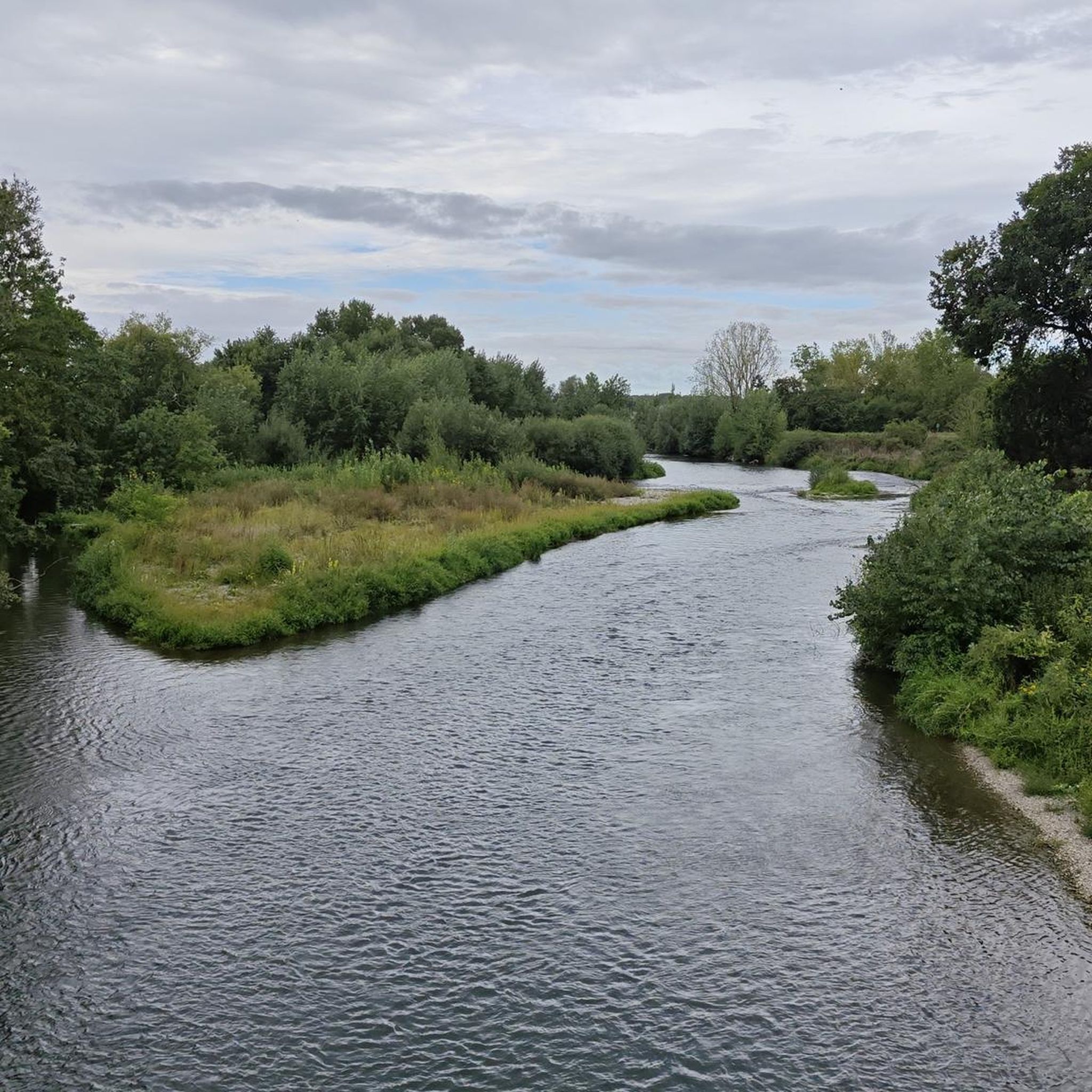
The area around Meienheim offers several scenic spots. You can enjoy a Panoramic view from the vineyards, which provides magnificent vistas of the vineyards and the Alsace plain. Another notable natural feature is the lake at the end of the Bike path to Ensisheim, an old gravel pit that invites a moment of rest.
Are there any scenic cycling routes near Meienheim?
Yes, the region is well-suited for cycling. The Bike path to Ensisheim follows an old railway line, offering a beautiful and easy ride that ends at a lake. For road cycling enthusiasts, there are various routes, including the 'Pinot Bend – Firstplan Pass loop' and the 'Ascent to Col Amic – Col Amic Pass loop'. You can find more road cycling options in the Road Cycling Routes around Meienheim guide.
What kind of mountain climbs are available in the Meienheim area?
For those seeking a challenge, the Ascent from Soultz to Col du Grand Ballon is a popular mountain climb. This route is known as the quietest option, leading pleasantly through shady forest on a small, winding road, making it particularly enjoyable in summer.
Are there historical sites or cultural landmarks to visit around Meienheim?
Absolutely. You can visit Pfaffenheim, a small town with beautiful buildings, including a church, half-timbered houses, and wineries. Additionally, the View of the Rodolphe mine offers a glimpse into the region's industrial past, commemorating the epic tale of Alsace’s potash mines.
Can I learn about the industrial history of the region near Meienheim?
Yes, the View of the Rodolphe mine is a significant historical site dedicated to the potash mining industry. It preserves installations from the former Rodolphe potash mine, with a large part of the site having been saved and highlighted by the 'Groupe Rodolphe' association. Visitors can learn about the history and experiences of the miners.
What historical settlements can be found in the vicinity of Meienheim?
The charming town of Pfaffenheim is a notable historical settlement. It features a church, traditional half-timbered houses, and local wineries, offering a glimpse into the region's architectural and cultural heritage. The town also has historical significance related to the tragic fate of Alsatians during wartime.
What outdoor activities are popular around Meienheim?
Meienheim is a great base for various outdoor activities. Cycling is very popular, with scenic routes like the Bike path to Ensisheim. Mountain climbing is also an option, exemplified by the Ascent from Soultz to Col du Grand Ballon. Additionally, there are numerous hiking and running trails available. Explore more options in the Hiking around Meienheim guide and the Running Trails around Meienheim guide.
Are there family-friendly activities or attractions around Meienheim?
Yes, the Bike path to Ensisheim is categorized as family-friendly, offering a pleasant and easy ride along an old railway line that leads to a lake. This makes it a great option for families looking for a relaxed outdoor excursion.
What do visitors enjoy most about the attractions around Meienheim?
Visitors particularly appreciate the diverse landscapes and the quality of the routes. For instance, the Panoramic view from the vineyards is praised for its 'magnificent view' and 'superb landscape'. The Ascent from Soultz to Col du Grand Ballon is valued for being a 'quiet option' through 'shady forest', making it pleasant even in summer. The Bike path to Ensisheim is enjoyed for following 'old railway lines' and ending at a lake, inviting a stop.
Are there hiking trails near these attractions?
Yes, there are several hiking trails in the vicinity. You can find routes like the 'View from Strangenberg – Neuland Pass loop' or the 'Lake of Ensisheim – Plan d'eau des Oréades loop'. These trails offer various difficulties, from easy to moderate. For a comprehensive list of options, refer to the Hiking around Meienheim guide.
What is the best time to visit the attractions around Meienheim?
While specific seasonal details for all attractions are not provided, tips for the Ascent from Soultz to Col du Grand Ballon mention that the shady forest is 'not to despise in the summer', suggesting that warmer months are pleasant for activities that offer natural shade. Generally, spring and autumn are ideal for outdoor activities like cycling and hiking due to milder temperatures and beautiful scenery, especially in the vineyards.
Most popular routes around Meienheim
Most popular attractions around Meienheim

Get inspired with the komoot mobile app


Explore more
Still not found the Highlight you’re looking for? See guides of the top attractions in other regions:
