Attractions and Places To See around Beblenheim - Top 20
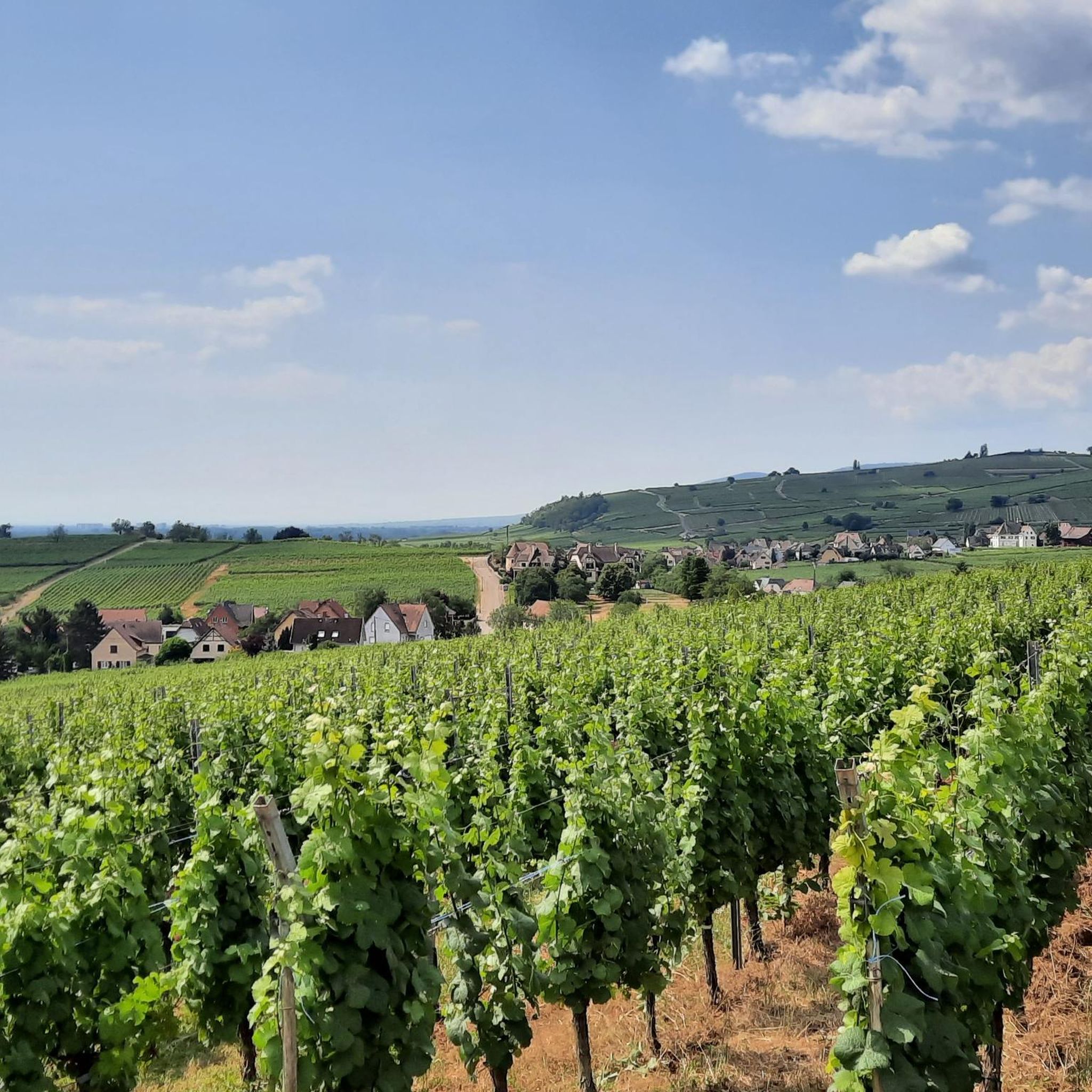
Attractions and places to see around Beblenheim include a range of historical sites, natural landscapes, and charming villages. This wine-growing village in Alsace is known for its architectural heritage, featuring numerous half-timbered houses, and its location at the foot of the Sonnenglanz hill. The area offers a quintessential Alsatian experience, with vineyards and cultural landmarks. Beblenheim serves as a starting point for exploring the region's historical and natural points of interest.
Best attractions and places to see around Beblenheim
- The…
Last updated: October 10, 2026
Saint-Ulrich Castle
Highlight • Castle
Translated by Google •
Tip by

Riquewihr
Highlight • Settlement
Translated by Google •
Tip by

Sign up now to discover places like this
Get recommendations on the best single tracks, peaks, & plenty of other exciting outdoor places.
Ribeauvillé
Highlight • Settlement
Translated by Google •
Tip by

Colmar Old Town
Highlight • Historical Site
Picturesque half-timbered houses, romantic canals, flower-bedecked windows, a maze of cobbled alleys, and delicious gastronomy: Colmar, one of Alsace's most elegant cities, invites you to savor its art of living!
Translated by Google •
Tip by

Girsberg Castle
Highlight • Castle
Translated by Google •
Tip by

Sign up for free to discover even more attractions around Beblenheim.
Already have an account?
Start today with a free account
Your next adventure awaits.

Tips from the Community

Saunt Ulric Castle is the largest of the three ruins. It is currently undergoing partial renovation. A small section is cordoned off, and caution is advised in other areas. However, the keep is accessible.
6
0
A charming Alsatian village with approximately 4,700 inhabitants. The old town is well worth seeing with its colorful houses. Ribeauvillé is also very popular because of the hike to its three castle ruins that overlook the town.
9
0
Of course, like every day, it's completely crowded. Taking pictures without passersby is almost impossible. The old town captivates everyone, and you can hardly get enough of the colorful, crooked houses, some of which date back to the Middle Ages but have been beautifully restored.
12
0

Colmar is a beautiful city and a center of Alsace; unfortunately, it's correspondingly overcrowded. The local art museum is a must-see.
9
0

Ulrichsburg is the most impressive and best-preserved of the three castles. It was built on the rocky promontory around the mid-13th century. Until the 15th century, it was the residence of the Rappoltstein family and therefore has little military significance. Remains still visible today include: - the square keep and the main building (12th century), - the knights' hall and the large residential tower (13th century), - the barbican in front of the entrance and the outer wall (14th century), - the Chapel of Saint Ulrich (15th century). Girsberg Castle, built around 1250 opposite Ulrichsburg, was intended to strengthen its defenses.
6
0

Among the four ruins that dominate Ribeauvillé, Saint Ulrich seems undoubtedly one of the most fascinating castle complexes in the Haute- Alsace. It used to control the strategic road that connected the Alsace plain with the upper Lièpvre valley. Witness to the power of the lords of Ribeaupierre, it was their main residence until its final abandonment in the 16th century. It has different architectural styles: Romanesque parts are combined with Gothic and even Renaissance elements. Not far away, Girsberg Castle was built in the 13th century to house a new branch of the Ribeaupierre family: the house is still clearly visible there. Haut-Ribeaupierre was certainly built during the troubled period of the Great Interregnum, around the middle of the 13th century. on the site of a first castle, probably from the 10th century: it will serve as an advance post during the planned invasion of Alsace by the King of France, and then as a watchtower intended to prevent forest fires. The entire building is dominated by an imposing circular keep that offers beautiful views of the Alsace plain and the adjacent mountain ridges. A fourth castle was recently discovered under Saint Ulrich. Source: https://www.chateauxfortsalsace.com/fr/chateau/le-chateau-du-girsberg/
5
0

Beautiful castle ruins, the view of the vineyards and the Rhine plain is gigantic. The climb is very varied, but not without its challenges! There are a few short rocky passages that can be slippery, especially when wet, and may need to be managed with the help of your hands. Good footwear is definitely recommended.
8
1

Beautiful castle ruins that are well worth the walk up. Also many views over the valley with vineyards and Ribeauvillé and the forests on the other side. Don't forget to look over the wall for a beautiful overview of the castle.
5
0
Frequently Asked Questions
What historical sites can I explore in and around Beblenheim?
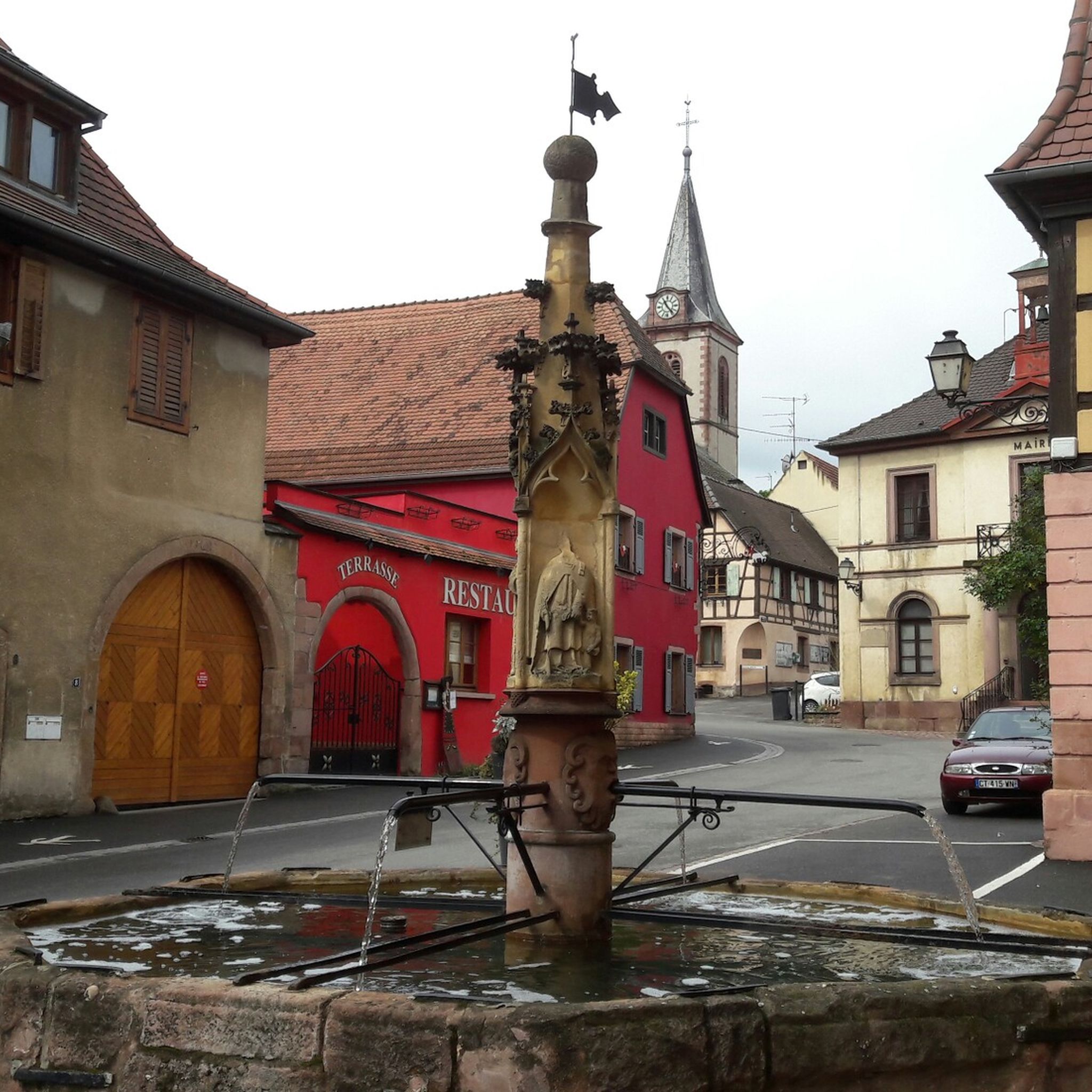
Beblenheim and its surroundings are rich in history. Within the village, you can discover the Saint-Martin Church, the Saint-Sébastien Temple with its ancient gravestones, and the 16th-century Gothic-style Saint-Nicolas Fountain. The village also features an 18th-century Town Hall and a sundial on a winery facade. Nearby, you can visit impressive castle ruins such as Saint-Ulrich Castle and Girsberg Castle, both offering historical insights and scenic views. Further afield, the Saint Martin's Collegiate Church in Colmar is a significant work of Gothic architecture.
What natural features or landscapes can I experience near Beblenheim?
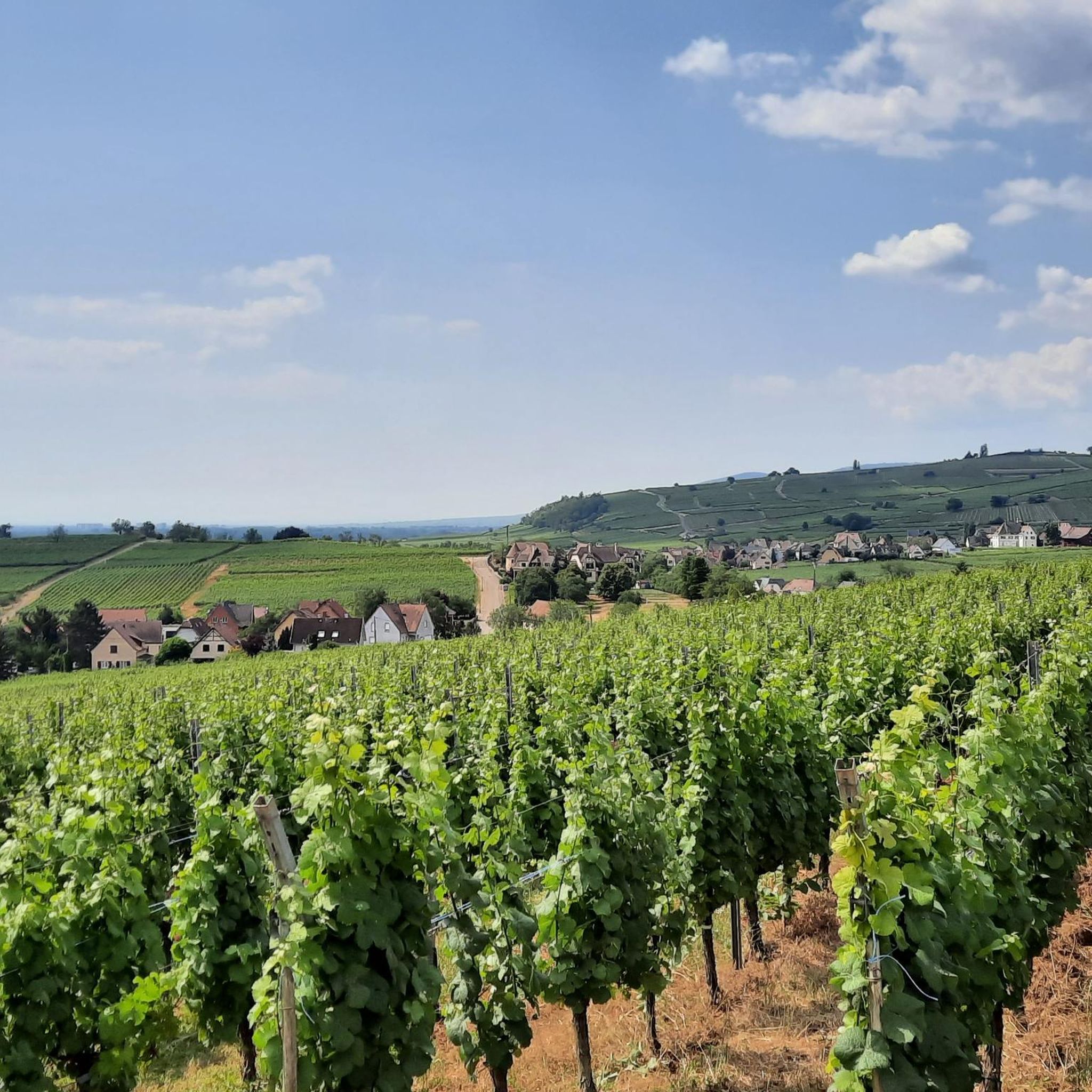
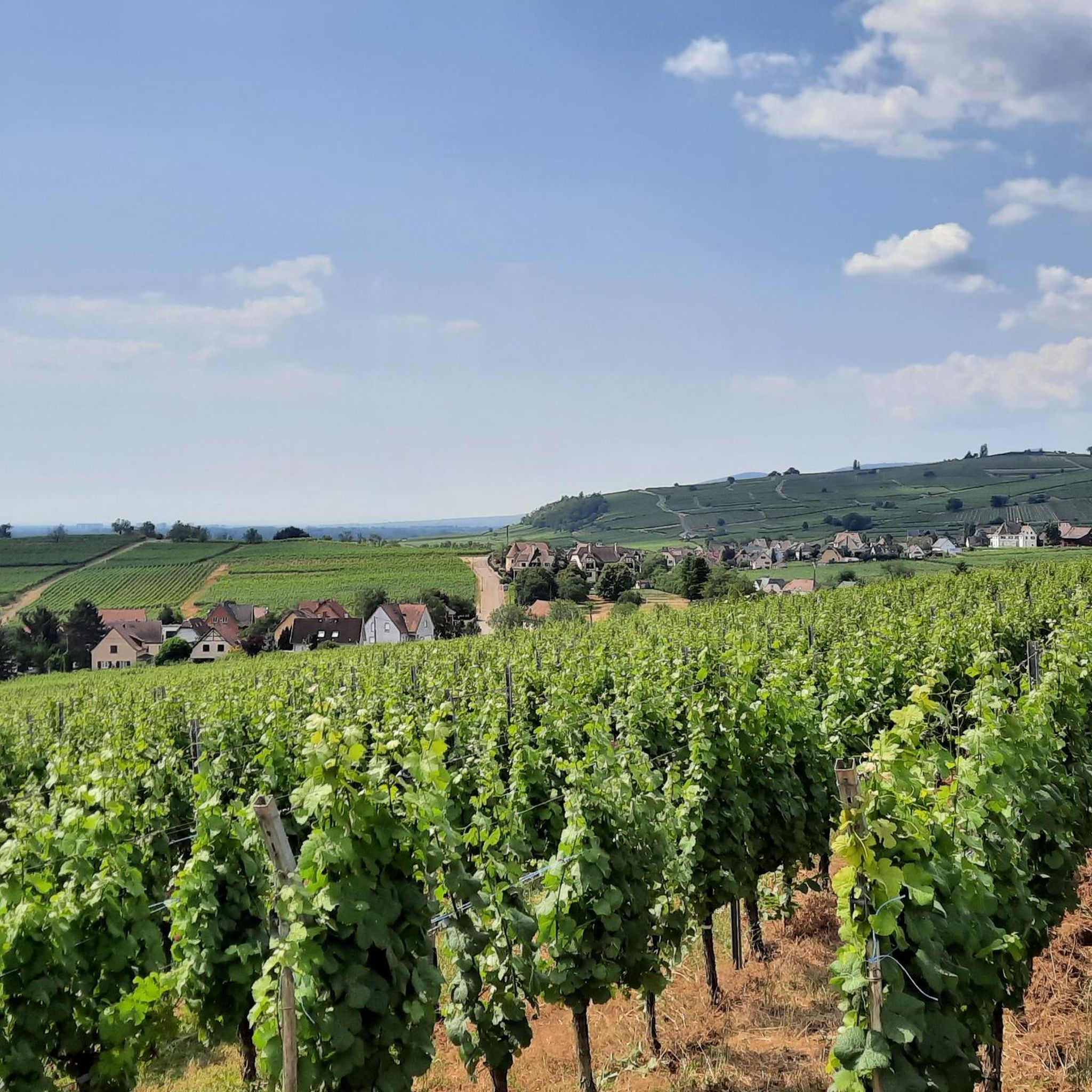
Beblenheim is nestled in a beautiful natural setting, primarily known for its vineyards. The village sits at the foot of the prestigious Sonnenglanz hill, famous for producing exceptional Alsatian wines. You can explore the Sentier Viticole des Grands Crus, a 2.5 km wine trail that offers scenic walks or bike rides through the vineyards, complete with explanatory panels. The surrounding landscape is characterized by rolling hills covered in vines, providing picturesque views.
Are there any charming villages to visit close to Beblenheim?
Absolutely! Beblenheim is an ideal starting point for exploring several picturesque Alsatian villages. Just 2 km away is Riquewihr, a remarkably well-preserved medieval village with a 16th-century cityscape. Other nearby gems include Hunawihr (3 km), Ribeauvillé (4 km) with its half-timbered houses and medieval monuments, and Kaysersberg (5 km). These villages offer a quintessential Alsatian experience with their unique architecture and cultural heritage.
What outdoor activities, like hiking or cycling, are available around Beblenheim?
The area around Beblenheim is perfect for outdoor enthusiasts. You can find numerous routes for both hiking and cycling. For hiking, popular options include the Ribeauvillé – Riquewihr loop or the Riquewihr – Church in Hunawihr loop. Cyclists can enjoy routes like the Colmar Canal loop or the Riquewihr – Bergheim loop. You can find detailed guides for these activities, including various difficulty levels, on the Hiking around Beblenheim and Cycling around Beblenheim pages.
Are there specific hiking trails recommended near Beblenheim?
Yes, there are several recommended hiking trails near Beblenheim. You can explore moderate routes such as the Ribeauvillé – Riquewihr loop (approx. 12.2 km) or the Riquewihr – Church in Hunawihr loop (approx. 7.9 km). For an easier option, consider the Riquewihr – Superb homes loop (approx. 6.4 km). These trails often take you through vineyards and offer beautiful views of the Alsatian landscape. More options are available on the Hiking around Beblenheim guide.
Can I go cycling around Beblenheim, and what routes are available?
Beblenheim is an excellent base for cycling. There are various routes catering to different preferences. For touring cyclists, options include the moderate Colmar Canal loop (approx. 53.1 km) or the Riquewihr – Bergheim loop (approx. 20.5 km). Road cyclists might enjoy challenging routes like the Fréland Pass – Kaysersberg loop (approx. 44.4 km) or the Schlucht pass loop (approx. 83.2 km). Discover more routes on the Cycling around Beblenheim and Road Cycling Routes around Beblenheim guides.
Are there family-friendly activities or attractions in the Beblenheim area?
Yes, the region offers several family-friendly attractions. The charming medieval villages like Riquewihr and Ribeauvillé are enjoyable for all ages, with their pedestrian streets and historical ambiance. Many of the hiking trails, especially the easier ones through the vineyards, are suitable for families. Exploring the half-timbered houses and historical landmarks within Beblenheim itself can also be an engaging activity for children.
What is the best time of year to visit Beblenheim for outdoor activities and sightseeing?
The best time to visit Beblenheim for outdoor activities and sightseeing is generally from spring to autumn. During these seasons, the weather is pleasant for exploring the vineyards, hiking, and cycling. Spring brings blooming flowers and budding vines, while autumn offers vibrant foliage and the grape harvest season. In June, the village hosts a gourmet walk through the vineyards, which is a unique seasonal activity combining local wines and meals amidst the vines.
Where can I see traditional Alsatian architecture in Beblenheim?
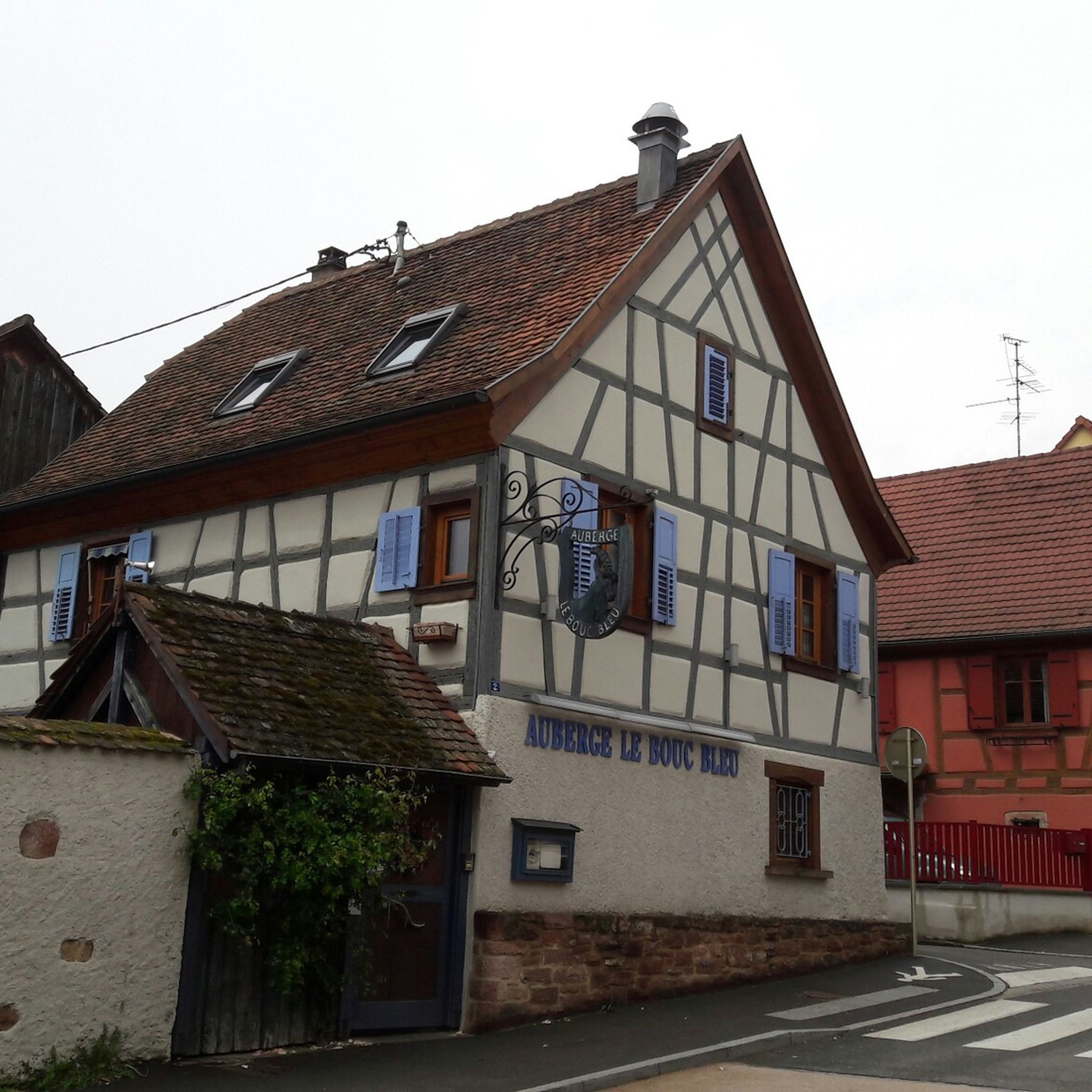
Beblenheim itself is a prime example of traditional Alsatian architecture. The village is characterized by its numerous half-timbered houses, with over twenty dating back to the 16th and 17th centuries, and many others from the 18th and 19th centuries. Simply walking through the village streets will allow you to admire these distinctive buildings. Additionally, nearby villages like Riquewihr and Ribeauvillé are also renowned for their well-preserved half-timbered houses and medieval townscapes.
What do visitors enjoy most about the attractions around Beblenheim?
Visitors particularly enjoy the blend of historical charm and natural beauty. The well-preserved medieval villages like Riquewihr are praised for their intact 16th-century cityscapes and unique atmosphere. The castle ruins, such as Saint-Ulrich Castle, are appreciated for their extensive accessibility and the beautiful views they offer of the plain and surrounding towns. The picturesque old towns with their colorful half-timbered houses and the scenic vineyard landscapes are consistently highlighted as major draws.
Are there any monuments dedicated to local historical figures in Beblenheim?
Yes, Beblenheim honors significant local figures. You can find the Chrétien Oberlin Monument, a monolith commemorating the former mayor (1870-1902) and pioneer of Alsatian viticulture, credited with modern vine cultivation techniques. At the village entrance, there is also a monument dedicated to Jean Macé (1815-1894), an educator and founder of the League of Education, who resided in Beblenheim.
Most popular routes around Beblenheim
Most popular attractions around Beblenheim

Get inspired with the komoot mobile app


Explore more
Still not found the Highlight you’re looking for? See guides of the top attractions in other regions:
