Attractions and Places To See around Lézignan-La-Cèbe - Top 20
Best attractions and places to see around Lézignan-La-Cèbe include a blend of historical sites and natural landscapes. This village in the Hérault department of France is situated at the foot of a basaltic plateau, offering unique geological features. The area provides insights into rich history, with archaeological finds dating back over a million years, and access to the wider natural beauty of the Occitanie region.
Best attractions and places to see around Lézignan-La-Cèbe
- The most popular attractions is The Fairy…
Last updated: October 9, 2026
The Fairy Stretcher
Highlight • Natural Monument
Human imagination has given rise to a legend: fairies used to …
Translated by Google •
Tip by

Ruins of the Saint-Antoine Hermitage
Highlight • Historical Site
Translated by Google •
Tip by

Sign up now to discover places like this
Get recommendations on the best single tracks, peaks, & plenty of other exciting outdoor places.
Pézenas
Highlight • Settlement
Showing Translation
Tip by
Domaine de Sainte-Cécile
Highlight • Historical Site
Showing Translation
Tip by

Pézenas Historic Centre
Highlight • Historical Site
A lot has been reset, some still have to be done.
Translated by Google •
Tip by

Sign up for free to discover even more attractions around Lézignan-La-Cèbe.
Already have an account?
Start today with a free account
Your next adventure awaits.

Tips from the Community

A few kilometers from Nézignan-l’Évêque, in the municipality of Saint-Thibéry, Château Sainte-Cécile dates back to the 18th century. Originally a "country house" intended for holidays, the estate gradually developed around viticulture, but also silkworm farming and alcohol distillation. This former bastide was profoundly transformed over time, notably by the addition of an Italianate decor: Florentine facade, Corinthian columns, loggia, terrace adorned with Venetian lions, and balustered staircases. This transformation earned it the nickname "Venetian folly". In 1933, the castle was acquired by the father of Antoine de Saint-Exupéry, the Marquis Jacques de Saint-Exupéry. The writer stayed there regularly in the following years. Today, the castle hosts guest rooms and receptions, while preserving the main architectural elements that have shaped its identity.
2
0

This 18th-century residence hosted a vineyard, a silkworm farm, and an alcohol distillery before becoming a bed and breakfast and reception venue today. You can admire its beautiful Florentine facade from the outside, the building having been built inspired by Italian Renaissance castles.
1
0
Pézenas is not just about Molière, even though the playwright stayed there several times between 1650 and 1656 under the protection of the prince de Conti. The city was for a long time one of the most influential in Languedoc: the States of Languedoc met there regularly, and Louis XIII, Richelieu, or the prince de Conti stayed there. While strolling through the narrow streets, keep your eyes open: many doors still retain their original knockers and ironwork, testaments to the skill of Pézenas artisans. A tradition that is perpetuated today by the Musée de la Porte et de la Ferronnerie, unique in France. Finally, one last curiosity: the famous Maison de Molière should not be misleading. Despite its name, there is nothing to confirm that the playwright lived there. Local tradition rather holds that he liked to settle in the barber Gély's shop, where he observed the inhabitants and their foibles, a source of inspiration that is said to have fueled several of his future characters.
2
0
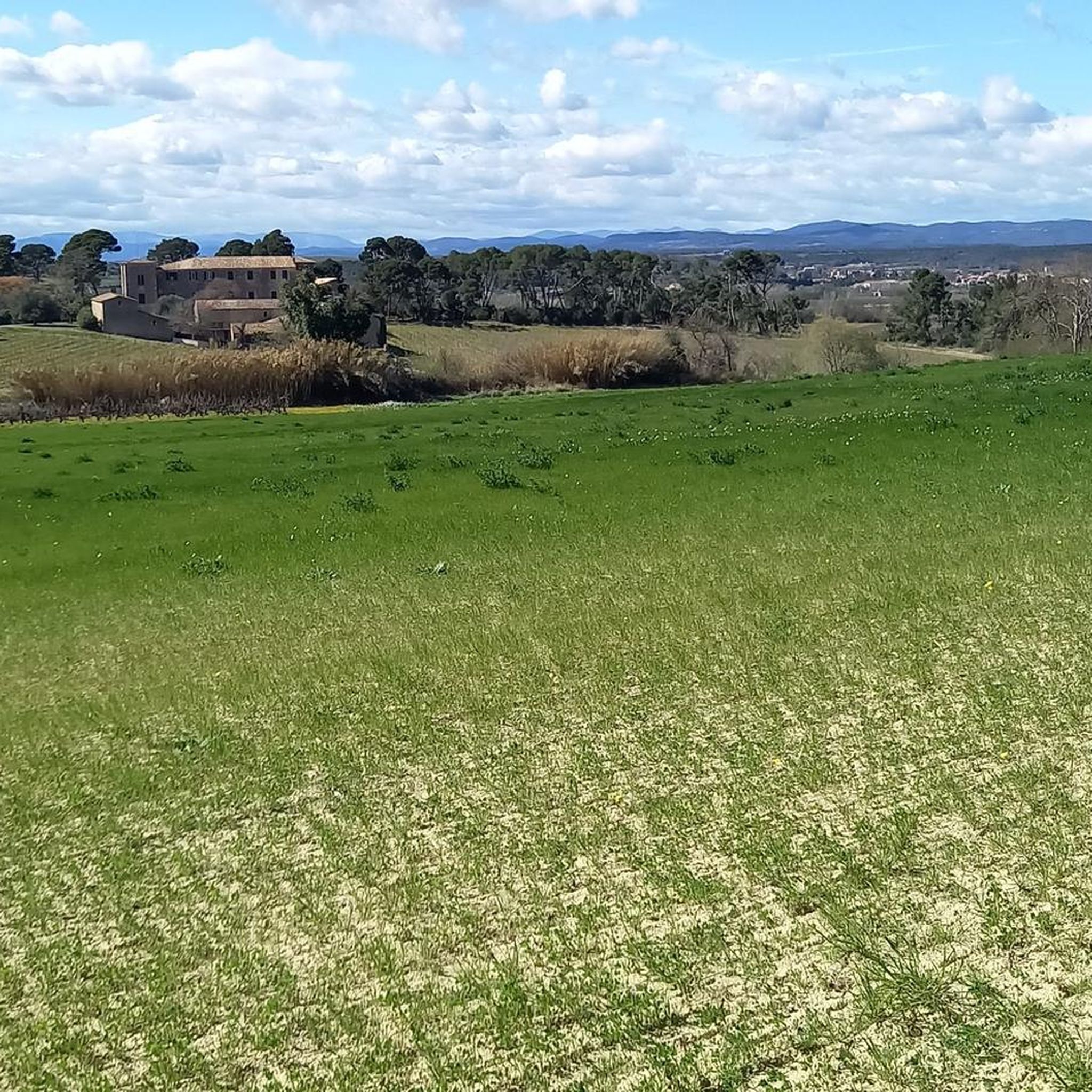
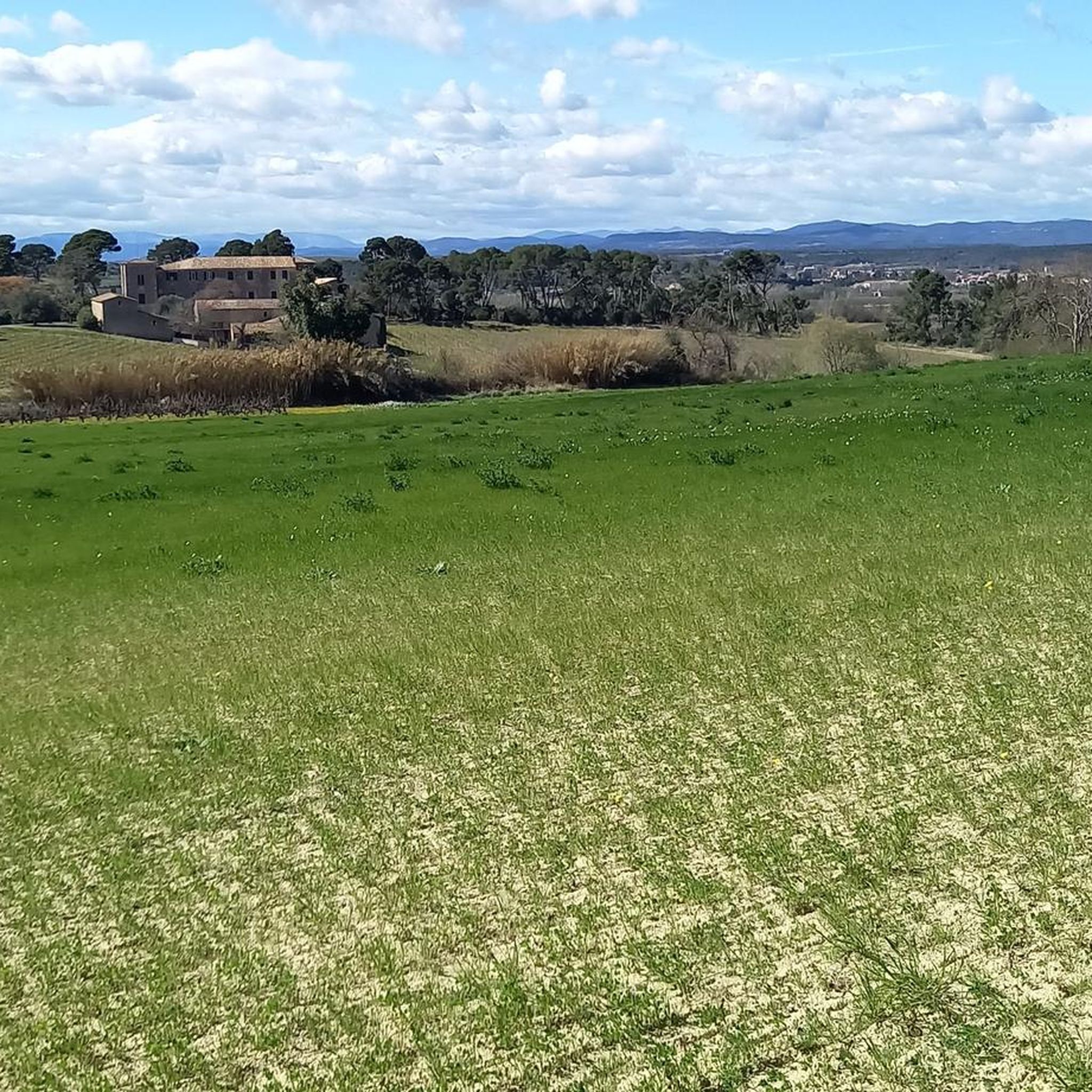
Perched on a promontory overlooking the Hérault valley, the Saint-Antoine hermitage seems out of time. Mentioned as early as the 17th century, this secluded place once welcomed hermits seeking isolation and spiritual life in the heart of the garrigue. Today in ruins, the chapel and its remains still tell of this austere life focused on contemplation and the surrounding landscapes.
1
0
A remarkable geological site, worthy of the fairy legend! The rock that constitutes it is a sandstone (detrital rock) with a carbonate cement and not a limestone. Differential erosion has shaped this landscape into natural basins.
3
0

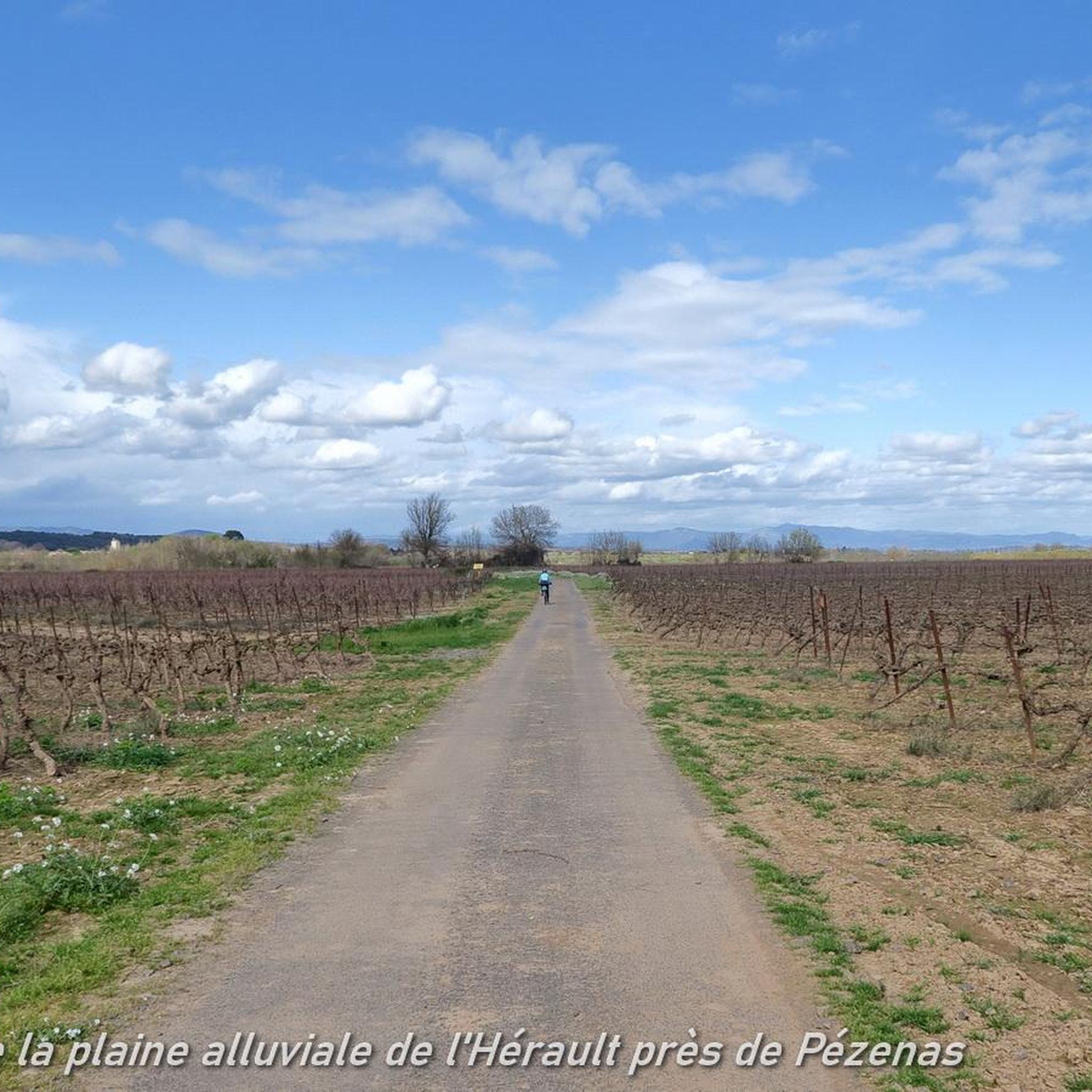
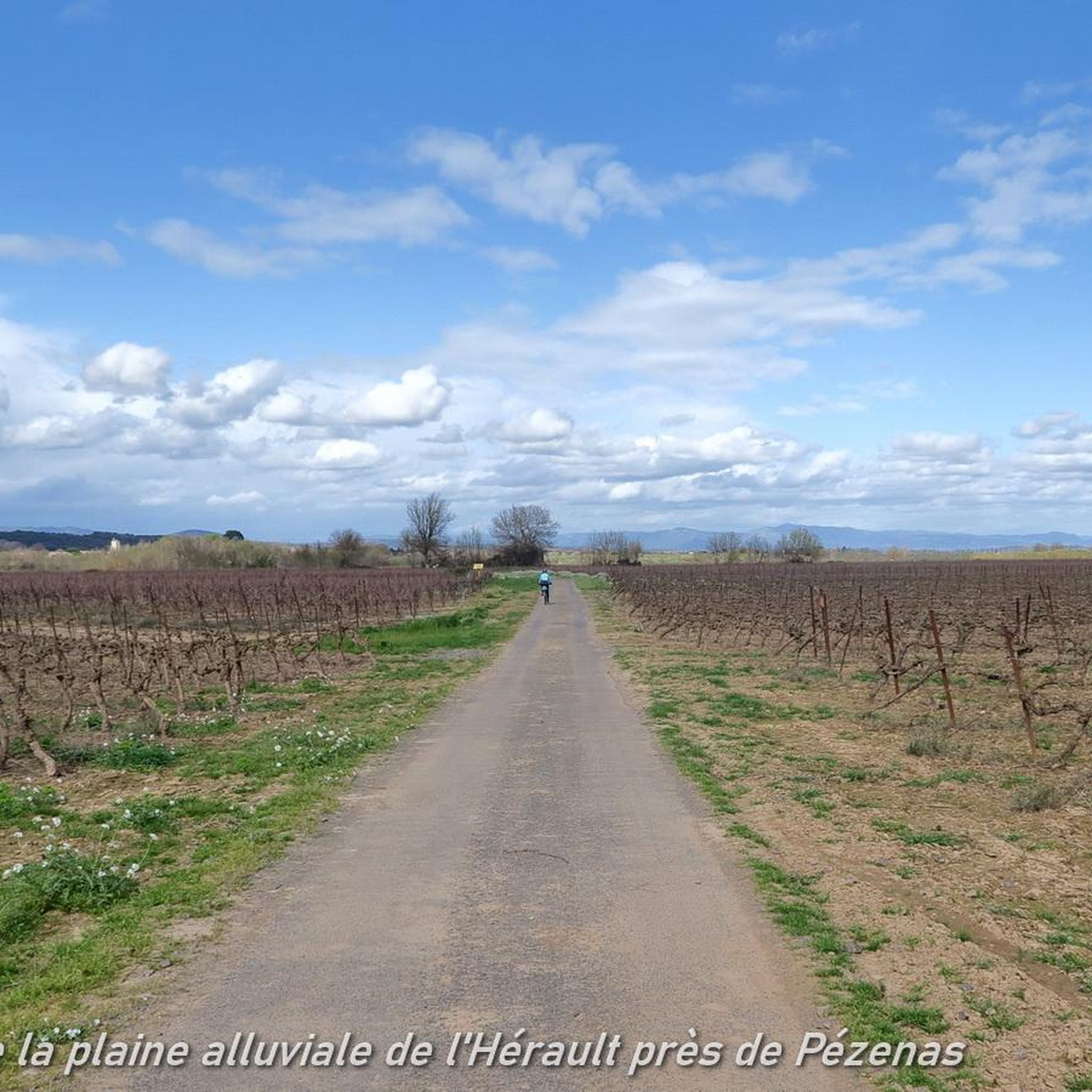
The hermitage of Saint-Antoine, located in the commune of Castelnau-de-Guers, was built on a promontory overlooking the Hérault alluvial plain. The riverbed is 500 m to the west. Access to the site is facilitated by the presence of two paths that meet at its summit.
0
0
The dinosaur egg-laying sites, the red lands, the white rocks, and the Fairy's Waslijn are among the most remarkable geological sites in the municipality. The Fairy's Waslijn is worth the detour as it is an original formation of limestone rocks, deposited at the beginning of the Tertiary era, during the foldings of the Pyrenean-Provençal chain, on a continental plain episodically crossed by rivers.
0
0

Nice little town that really has its charm, I passed through quickly but it would be worth lingering!
1
0
Frequently Asked Questions
What historical sites can I explore in Lézignan-La-Cèbe and its surroundings?
Lézignan-La-Cèbe boasts a rich history, including remnants of its Templar past with visible fortifications and ancient gates. You can visit the impressive 17th-century Château de Lézignan-la-Cèbe and the Sainte-Marie Church, which houses a 17th-century altarpiece and a 15th-century alabaster Pietà. Nearby, explore the Pézenas Historic Centre, known for its medieval architecture, or the Saint-Pons-de-Mauchiens — Medieval village, perched on a rocky outcrop with superb views. Don't miss the Hôtel du Baron de Lacoste in Pézenas, a beautiful medieval building.
What unique natural features or geological sites are there to see?
The region is characterized by its unique geology. You can discover The Fairy Stretcher, a limestone formation dating back approximately 50 million years, offering a magnificent 180° panorama. Lézignan-La-Cèbe is nestled at the foot of a basaltic plateau, formed by a volcanic lava flow. The Bois de Riquet archaeological site is also located on a basaltic volcanic flow. Further afield, you can explore the dramatic Cirque de Mourèze or the stunning Salagou Valley.
Are there any significant archaeological sites nearby?
Yes, the Bois de Riquet Archaeological Site is a significant location near Lézignan-La-Cèbe. It provides evidence of human occupation dating back over a million years, with excavations uncovering bones and artifacts from ancient animals like megaloceros, rhinoceroses, mammoths, and bears. Archaeologists occasionally organize site visits.
What outdoor activities, like cycling, can I do around Lézignan-La-Cèbe?
The area offers various cycling opportunities. For gravel biking, you can find routes like the 'Pézenas – Aumes loop from Aspiran' or 'La Font du Loup – The Fairy Stretcher loop from Castelnau-de-Guers'. Road cyclists can enjoy routes such as the 'Usclas-d'Hérault loop from Lézignan-la-Cèbe' or 'Beautiful road through the vineyards – Public Water Fountain loop from Nizas'. You can find more details and routes in the Gravel biking around Lézignan-La-Cèbe and Road Cycling Routes around Lézignan-La-Cèbe guides.
Are there good running or walking trails near the attractions?
Yes, there are several running and walking trails. You can explore routes like the 'Bessilles loop from Montagnac' or the 'Aumes loop from Aumes'. These trails offer a great way to experience the local landscape. For more options, check out the Running Trails around Lézignan-La-Cèbe guide.
What local culinary specialties or markets can I experience?
Lézignan-La-Cèbe is known as the 'capital of the sweet onion' (cèbe), a local specialty cultivated since the 14th century. The village celebrates this with an annual 'Foire de l'oignon' (Onion Fair) in July. You can also explore vibrant local markets in nearby towns like Pézenas (Saturdays) and Marseillan (Mondays, Wednesdays, and Fridays seasonally) to discover local products and culinary delights.
Are there any viewpoints offering panoramic scenery?
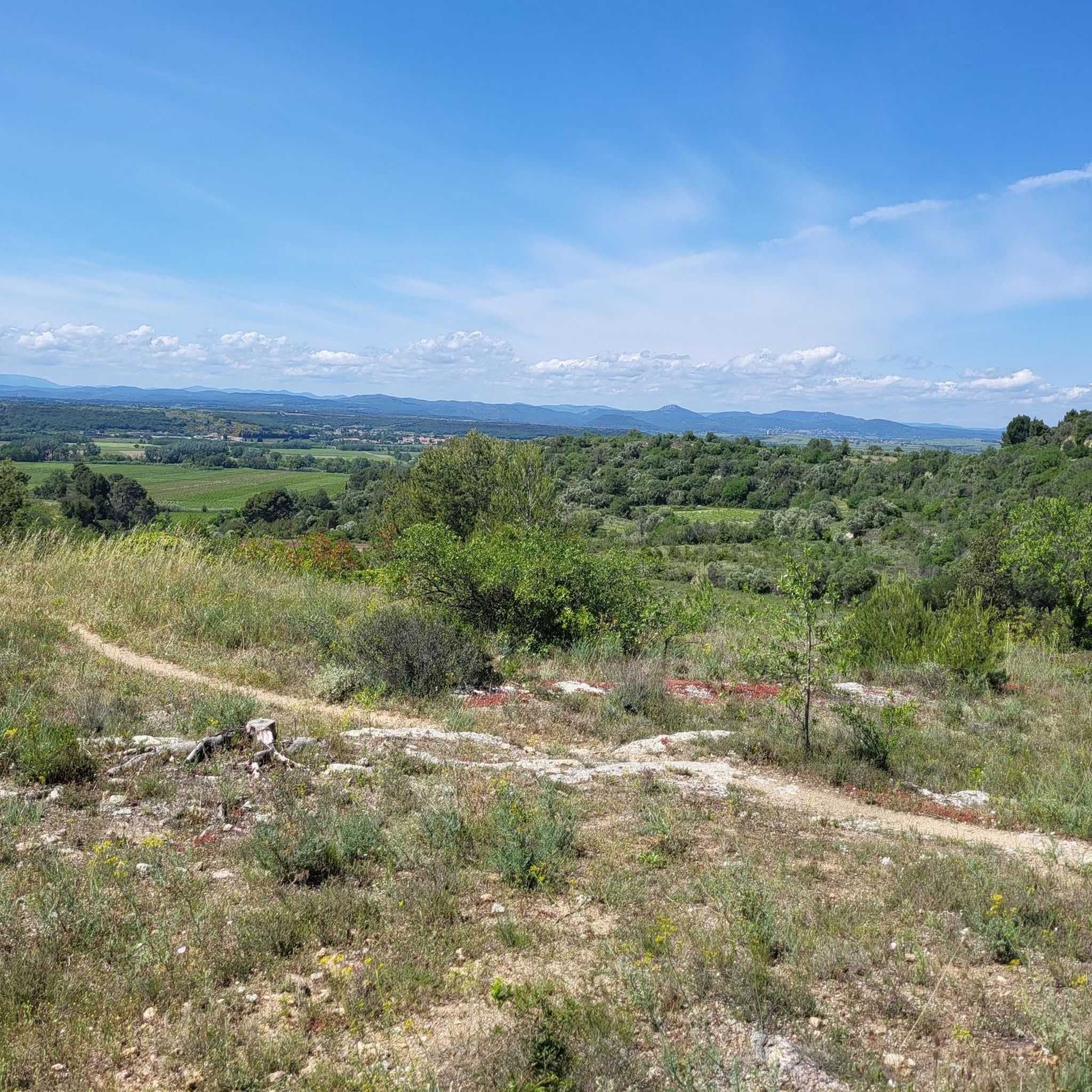
Absolutely. The Fairy Stretcher provides a magnificent 180° panorama. Additionally, the Ruins of the Saint-Antoine Hermitage offer a historical site combined with scenic views of the surrounding landscape. The medieval village of Saint-Pons-de-Mauchiens also boasts spectacular views of the garrigues, vineyards, and even the Pyrenees on clear days.
What is the best time to visit Lézignan-La-Cèbe for outdoor activities?
The region generally enjoys a Mediterranean climate. For outdoor activities like cycling, running, and exploring historical sites, spring (April-May) and autumn (September-October) offer pleasant temperatures and fewer crowds. Summer (July-August) is ideal for experiencing local events like the Onion Fair, but can be quite warm for strenuous activities.
What are some family-friendly attractions or activities in the area?
Many of the historical sites and natural areas can be enjoyed by families. The Ruins of the Saint-Antoine Hermitage are listed as family-friendly. Exploring the medieval streets of Pézenas Historic Centre or the charming Saint-Pons-de-Mauchiens — Medieval village can be an engaging experience for all ages. The legend behind The Fairy Stretcher also adds a touch of magic for younger visitors.
Are there any natural parks or larger natural areas easily accessible from Lézignan-La-Cèbe?
While Lézignan-La-Cèbe itself is a village, it serves as an excellent base for exploring several remarkable natural sites within easy reach. These include the picturesque Salagou Valley (19km away), the stunning Saint-Guilhem-le-Désert and the Gorges de l'Hérault (28km), the dramatic Cirque de Navacelles (45km), and the coastal Étang de Thau lagoon (17km).
What do visitors enjoy most about the attractions around Lézignan-La-Cèbe?
Visitors particularly appreciate the blend of rich history and natural beauty. The Pézenas Historic Centre is loved for its picturesque houses and medieval atmosphere. The Fairy Stretcher is praised for its magnificent panorama and peaceful, relaxing ambiance. The Saint-Pons-de-Mauchiens — Medieval village is highly recommended for its superb picturesque setting and spectacular views.
Most popular routes around Lézignan-La-Cèbe

Get inspired with the komoot mobile app


Explore more
Still not found the Highlight you’re looking for? See guides of the top attractions in other regions:
