Attractions and Places To See around Le Puy-Sainte-Réparade - Top 20
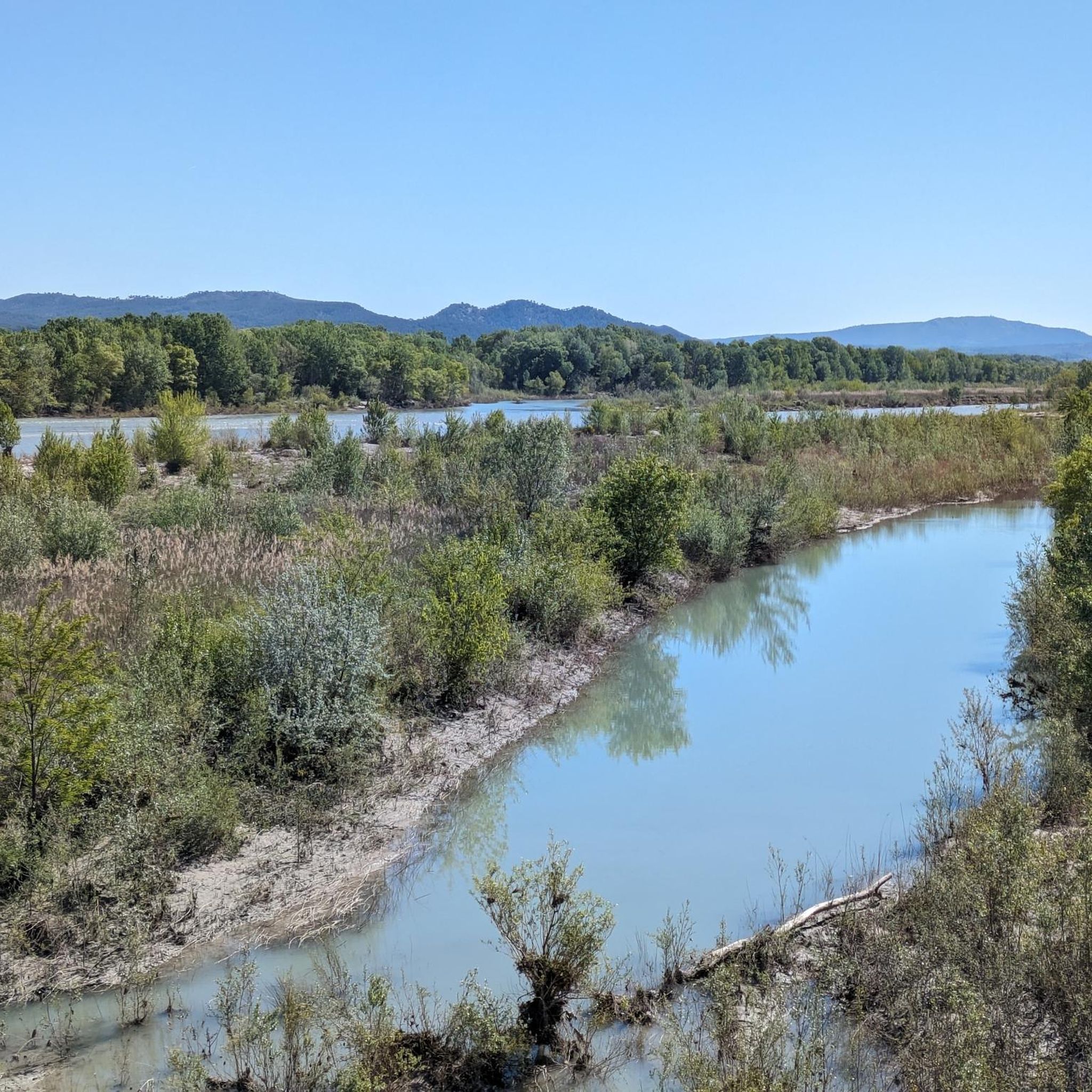
Best attractions and places to see around Le Puy-Sainte-Réparade include a blend of historical landmarks, cultural sites, and natural features in the Bouches-du-Rhône department of France. Situated along the Durance river, the area features vine fields and agricultural lands, bordered by the Rognes massif and Trévaresse chain. Visitors can explore impressive châteaux, historical churches, and the ancient village site of La Quille, which offers panoramic views. The region is known for its preserved natural setting and diverse landscapes.
Best attractions and places to see around Le Puy-Sainte-Réparade
- The most popular attractions is Place de l'Hôtel de Ville, a large square with cafes, a brasserie, and a columned fountain. This square features the town hall, its fountain, and the Halle aux Grains, which is adorned with allegories of the Rhône and Durance.
- Another must-see spot is Courthouse, a man-made monument and historical site. This building is notable for its exterior architecture and serves as the high court of Aix.
- Visitors also love Church of the Madeleine, a significant religious building. This church, built between 1691 and 1703, houses works by artists who lived in Aix and was where Paul Cézanne was baptized.
- Le Puy-Sainte-Réparade is known for its historical châteaux, religious monuments, and natural viewpoints. The area offers a variety of attractions to see and explore, from ancient ruins to contemporary art centers like Château La Coste.
- The attractions around Le Puy-Sainte-Réparade are appreciated by the komoot community, with more than 140 upvotes and 60 photos shared.
Last updated: July 7, 2026
Place de l'Hôtel de Ville
Highlight • Other
Translated by Google •
Tip by

Lourmarin
Highlight • Settlement
Translated by Google •
Tip by

Sign up now to discover places like this
Get recommendations on the best single tracks, peaks, & plenty of other exciting outdoor places.
Sign up for free
Château de Lourmarin
Highlight • Castle
The path to the château is worthwhile, even if you don't want to visit it, as it offers a fantastic view of Lourmarin.
Showing Translation
Tip by

Courthouse
Highlight • Monument
Tip by

Aix-en-Provence Cathedral (Cathédrale Saint-Sauveur)
Highlight • Religious Site
On the southern outside and in the nave there are still medieval elements that were reused in the Vallon project: the side aisles, buttresses and gable walls. This church museum contains works by numerous artists who lived in Aix, including the extraordinary altarpiece of the Annunciation from 1444.
Translated by Google •
Tip by

Sign up for free to discover even more attractions around Le Puy-Sainte-Réparade.
Sign up for free
Already have an account?
Start today with a free account
Your next adventure awaits.
Login or Signup

Tips from the Community

Built in the 19th century in the neoclassical style. The colonnade in front of the entrance, in particular, is an eye-catcher. A look inside is worthwhile - the building is almost square and encloses an atrium covered by a glass dome.
1
0
Built in the 15th century on the remains of a castle, the château received a Renaissance-style extension in the 16th century. Ownership changed frequently; almost 100 years ago, a private individual saved the château from decay. After his death, it was bequeathed to a foundation, which has used it for cultural events ever since. Albert Camus, for example, has performed here. The path to the château is worthwhile, even if you don't want to visit it, as it offers a fantastic view of Lourmarin.
3
0
Largest sacral building in Aix. Built over 5 centuries in various architectural styles, which are all recognizable in the interior. Very worth seeing. Has the Catholic status of a Basilica Minor.
2
0

In the 15th century, the architect Jean de Paris, Controller of Royal Buildings, designed the Villeneuve district, to the east of the city, with a concern for regular perspectives and layouts. The "rue du boulevard" (Emeric David street) is the strong alignment of the new district. Ledoux centered the facade of his new Palace on it. Built on the site of the former Comtal Palace, the Palais de Justice was commissioned in 1787 from Claude-Nicolas Ledoux, who had simultaneously imagined the restructuring of the district. More than 200 houses were destroyed to create this new building. The Revolution broke out and the work was suspended, only to resume in 1822, slightly modified by Michel Penchaud, the prison architect. Completed in 1831, the Court moved in on November 13, 1832. In front of the Palace, monuments in honor of Siméon and Portalis* were erected in 1842, works by Ramus from Aix, inaugurated on November 8, 1847. The neoclassical pediment, planned like that of the Palais de Justice in Marseille, was never realized. Jean-Etienne-Marie Portalis (1778-1807) was a brilliant Provençal jurist, a long-time lawyer in Aix, and a member of the city council in 1789. Napoleon entrusted him, along with others, with the drafting of the Civil Code. Having become Minister, he marked his time by drafting the Concordat with the churches of France.
0
0

This square features three key features: the town hall, its fountain, and the grain market. Situated since the 14th century at the foot of the Clock Tower, the town hall was rebuilt in two phases between 1655 and 1678. The overall design, inspired by Italian palaces, is the work of Pavillon, assisted by the sculptors Rambot and Fossé. Two series of paintings are located in the Salle des Etats de Provence, on the first floor: on the one hand, portraits of the counts of Provence and the kings of France, and on the other, major historical works. Time and the Revolution have stripped the façade of its rich ornamentation. The fountain, built in 1755, topped by a Roman column, is by Chastel. The monumental decor surrounding it gives it a wealth of character. Built in 1754, the Halle aux Grains is characterized by a central avant-corps, topped by a triangular pediment protecting a magnificent Baroque ensemble sculpted by Chastel: these are allegories of the Rhône and the Durance, in the form of a man and a woman depicted surrounded by all the agricultural riches derived from the benefits of water. The goddess's foot emerging from the pediment symbolizes the moments when the Durance bursts its banks... a subtle metaphor. (https://www.aixenprovence.fr/Place-de-l-hotel-de-ville)
3
0


The Château de Lourmarin is the first Renaissance castle in the region, built on the ruins of a 12th century medieval fortress. The main body of the castle was built between 1480 and 1526 by the Agoult family in a late Gothic style. In 1920, the castle, which had fallen into ruins and was threatened with destruction, was saved and restored by Robert Laurent-Vibert, a Lyon industrialist passionate about history and art. Today, it belongs to the Academy of Sciences, Agriculture, Arts and Belles-Lettres of Aix-en-Provence and has become a major cultural center.
1
0
Frequently Asked Questions
What historical landmarks can I explore in Le Puy-Sainte-Réparade?
Le Puy-Sainte-Réparade is rich in history, featuring several impressive châteaux such as Château du Puy des archevêques d'Aix, Château de Fonscolombe, and Château d'Arnajon. You can also visit the Parish Church of the Assumption, known for its baroque altarpiece, and the Chapel of Sainte Réparade, which offers splendid panoramic views. Don't miss the ancient village site of La Quille, a natural fortress with ruins of a medieval castle, providing historical insights and scenic walks.
Are there any significant cultural sites or art destinations in the area?
Yes, Place de l'Hôtel de Ville in nearby Aix-en-Provence is a significant cultural hub, featuring the town hall, its fountain, and the Halle aux Grains with allegories of the Rhône and Durance. Additionally, the unique domain of Château La Coste is a notable cultural site where vineyards, art, and architecture converge, functioning as an open-air museum for contemporary art.
What natural features define the landscape around Le Puy-Sainte-Réparade?
The region is characterized by its preserved natural setting along the Durance river, which forms a natural boundary. You'll find extensive vine fields and agricultural lands. To the west, the Rognes massif, and to the south, the Trévaresse chain, contribute to diverse natural landscapes, offering picturesque views and opportunities for exploration.
What outdoor activities are popular near Le Puy-Sainte-Réparade?
The area around Le Puy-Sainte-Réparade is ideal for various outdoor pursuits. You can enjoy hiking, cycling, horse riding, and fishing. The site of La Quille, for instance, offers scenic walks. For more structured activities, explore the many trails available for gravel biking, running, and road cycling. You can find detailed routes and guides for these activities, such as Gravel biking around Le Puy-Sainte-Réparade, Running Trails around Le Puy-Sainte-Réparade, and Road Cycling Routes around Le Puy-Sainte-Réparade.
Are there family-friendly attractions around Le Puy-Sainte-Réparade?
Yes, the region offers several family-friendly options. The Aix-en-Provence Cathedral (Cathédrale Saint-Sauveur) is listed as family-friendly and offers a fascinating architectural journey. General outdoor activities like easy walks around La Quille or exploring the natural landscapes along the Durance river are also great for families.
What is the best time to visit Le Puy-Sainte-Réparade for outdoor activities?
The region generally enjoys a pleasant climate, making spring and autumn ideal for outdoor activities like hiking and cycling. During these seasons, the weather is typically mild, and the natural scenery is particularly vibrant or beautifully colored. Summer can be warm, but early mornings or late afternoons are still suitable for exploration.
What are some notable religious sites to visit?
Beyond the local Parish Church of the Assumption and the Chapel of Sainte Réparade, you can visit the Church of the Madeleine in Aix-en-Provence, built between 1691 and 1703, which houses works by artists who lived in Aix and is where Paul Cézanne was baptized. The Aix-en-Provence Cathedral (Cathédrale Saint-Sauveur) is also a significant religious monument, showcasing various architectural styles from a 4th-century baptistery to a Romanesque cloister.
Can I find local markets near Le Puy-Sainte-Réparade?
Yes, experiencing local culture through markets is easy. Pertuis hosts a market on Fridays, Cadenet on Mondays, and the larger city of Aix-en-Provence offers markets every day except Sunday, where you can discover regional products and local crafts.
What architectural highlights can be found in the area?
The region boasts several architectural gems. The Courthouse in Aix-en-Provence is notable for its exterior architecture. The Sculpted Doors of Saint-Sauveur Cathedral are a highlight, featuring a late Gothic, richly structured façade with sculptural representations. Many of the châteaux, such as Château de Four-Vert, also present impressive historical architecture.
What do visitors enjoy most about the attractions around Le Puy-Sainte-Réparade?
Visitors particularly appreciate the blend of historical depth and natural beauty. The architectural details of sites like the Courthouse and the various châteaux are often highlighted. The scenic walks around La Quille and the panoramic views over the Durance valley, Luberon, and Alpilles hills are also highly praised. The region's charm is reflected in over 140 upvotes and 60 photos shared by the komoot community.
Are there opportunities for cycling near Le Puy-Sainte-Réparade?
Absolutely. The region offers numerous cycling opportunities, from leisurely rides through vineyards to more challenging routes. You can explore various road cycling routes, including easy options like the 'Ruins of the Château de Rognes – Bassin Saint-Christophe loop from Le Puy-Sainte-Réparade' or moderate ones like 'Caméjan waterwheel – Ruins of the Château de Rognes loop from Les Aires de l'Hopital'. For more details, refer to the Road Cycling Routes around Le Puy-Sainte-Réparade guide.
What kind of hiking trails can I find in the area?
Le Puy-Sainte-Réparade and its surroundings offer a variety of hiking trails suitable for different levels. You can find trails that lead through natural landscapes, past historical sites, and offer scenic viewpoints. For example, running trails include 'Ruine de la boulangerie – Château de Fonscolombe loop from Le Puy-Sainte-Réparade' (difficult) and 'Château de Fonscolombe loop from Le Puy-Sainte-Réparade' (moderate). More options are available in the Running Trails around Le Puy-Sainte-Réparade guide.
Most popular routes around Le Puy-Sainte-Réparade

Get inspired with the komoot mobile app


Explore more
Still not found the Highlight you’re looking for? See guides of the top attractions in other regions:
