The best running trails around Saint-Paul-Trois-Châteaux
5.0
(21)
773
runners
63
runs
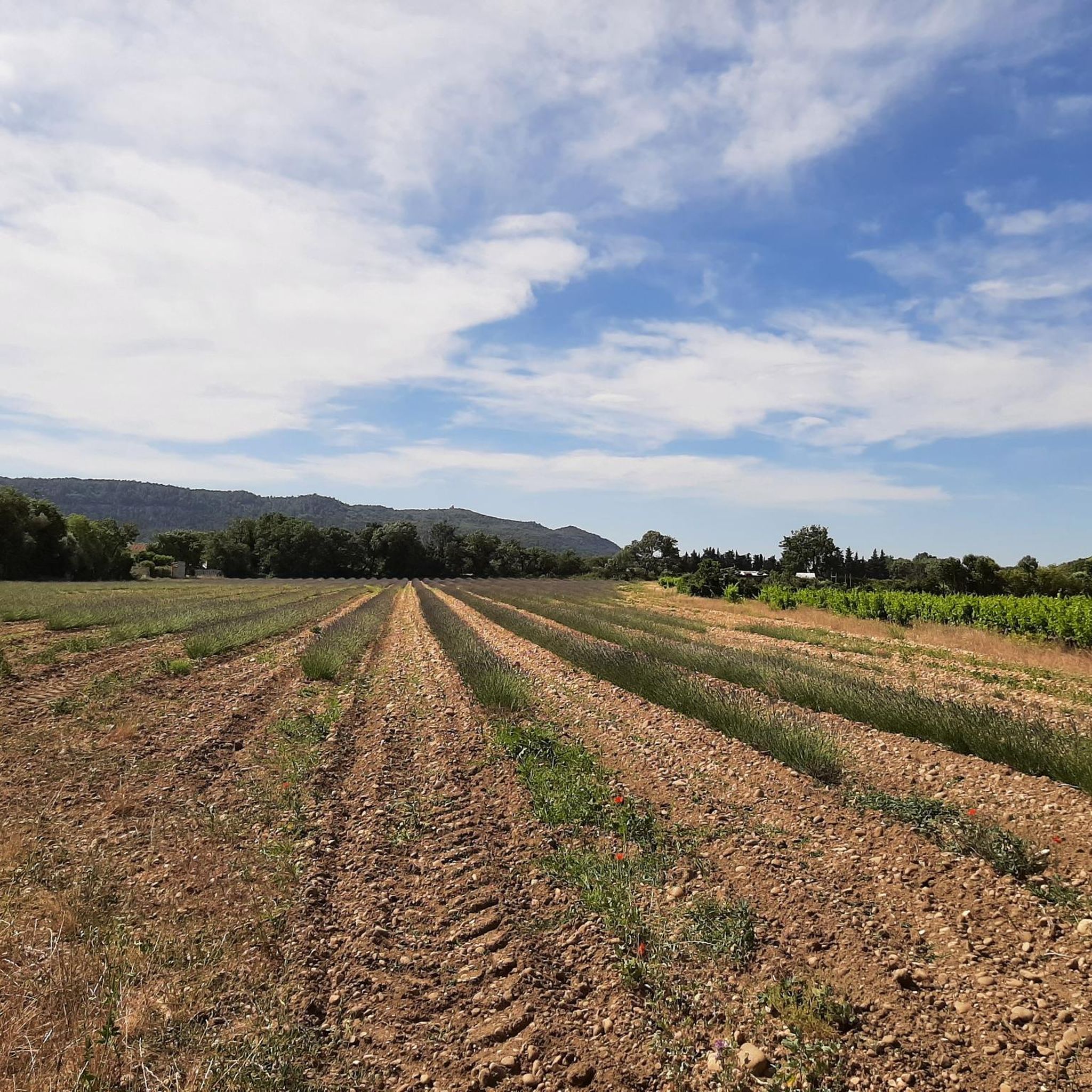
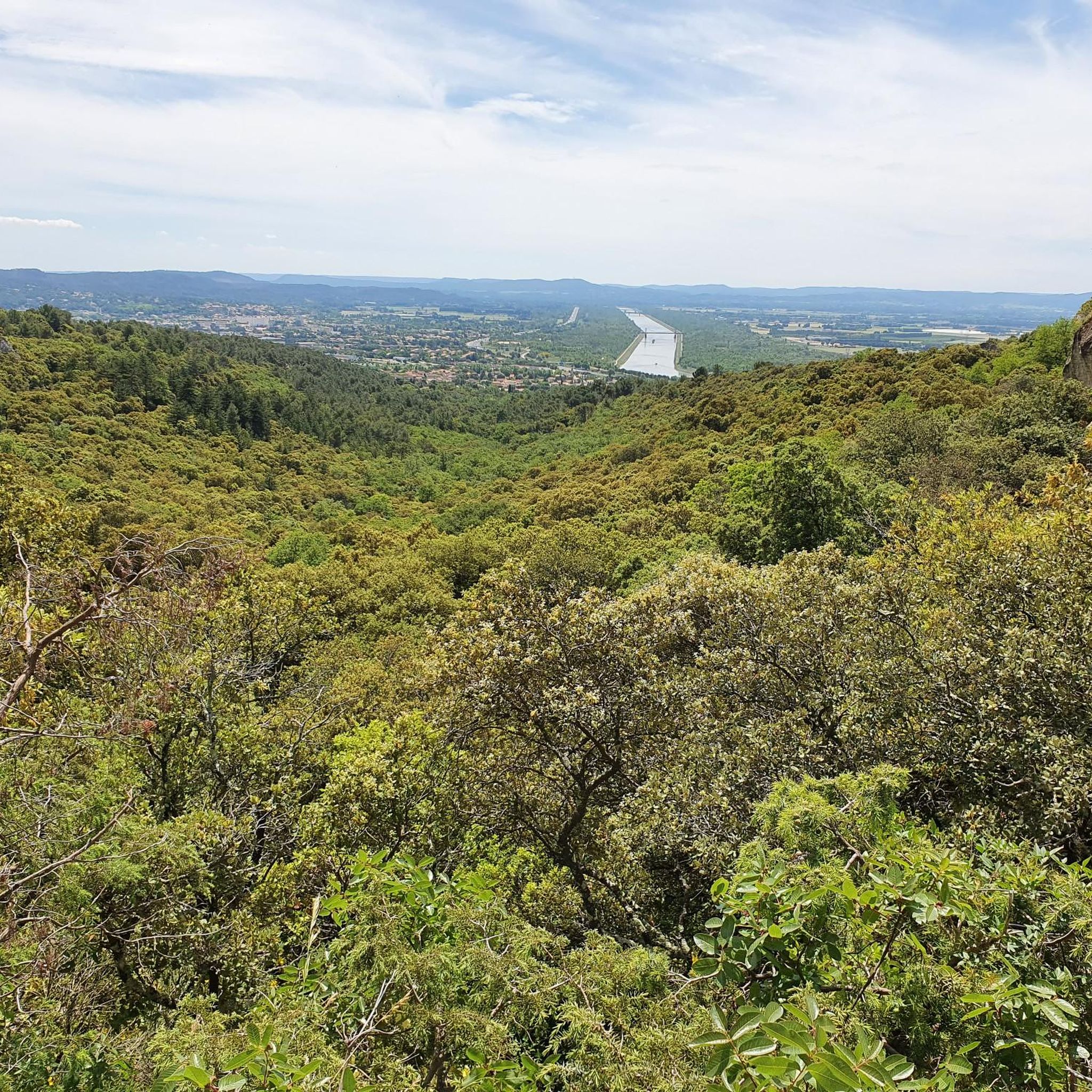
Jogging around Saint-Paul-Trois-Châteaux offers routes through diverse landscapes, including extensive lavender fields, truffle oak groves, and vineyards. The region features low, wooded hills to the east, providing varied terrain from mostly paved surfaces to more challenging paths. Historic sites like the Troglodyte Village of Barry and medieval ramparts can also be incorporated into running routes.
Best jogging routes around Saint-Paul-Trois-Châteaux
- The most popular jogging route is Lavender fields loop from Saint-Paul-Trois-Châteaux, a 15.1 miles (24.3 km) trail that takes…
Last updated: June 29, 2026
72
runners
24.1km
02:57
530m
530m
Hard run. Very good fitness required. Mostly accessible paths. Some sure footedness required.
5.0
(11)
29
runners
Moderate run. Good fitness required. Mostly paved surfaces. Suitable for all skill levels.

Sign up for free
32
runners
Hard run. Very good fitness required. Mostly accessible paths. Some sure footedness required.
29
runners
44.4km
05:30
1,050m
1,050m
Hard run. Very good fitness required. Mostly accessible paths. Some sure footedness required.
25
runners
11.1km
01:22
250m
250m
Moderate run. Good fitness required. Mostly paved surfaces. Suitable for all skill levels.
Get access to more routes and recommendations from other explorers.
Sign up for free
Already have an account?
Our route recommendations are based on thousands of hikes, rides, and runs completed by other people on komoot.
Start today with a free account
Your next adventure awaits.
Login or Signup

Tips from the Community

tranquility. hiking and reading about local history at every turn and ruin... from the Gallo-Romans, to the medieval, to the revolution... to the present day... fascinating
0
0

Fortunately, it is now a listed building
2
0
Absolutely worth seeing cave village
4
0

It's definitely worth it because of the view...
1
0
It would be nice to live here!
1
0

An unusual site, clinging to the hillside, the troglodyte village of Barry is a vulnerable site, currently closed to the public by municipal decree. To discover it, take the path that goes around it, without entering it!
0
0
In Vaucluse, the sites are more concentrated, more numerous and more diversified, Bollène has two troglodyte hamlets, ancient medieval villages. In the first, at Chabrières, where the habitat is completely ruined by collapses, the development was done by digging the so-called safre of Saint-Restitut, at the foot of the castrum. The second, Barry, inhabited until the 18th century, has dry stone facades protecting a complete layout entirely dug into the rock (kitchen, fireplace, sink stack, vegetable garden for heating food, alcoves, stable, stable, sheepfold, cellar, cistern, etc.)[19]. In the lower Durance valley, in the cliffs of the southern foothills of the Luberon, the sites of Jas de Puyvert and Cabrières-d'Aigues show an ewer and a washhouse. At the heart of the Luberon massif, in the Aigue Brun valley, the Moulin-Clos cliff was built in the 5th century with hermit cells for the Cassianist monks of the Saint-Victor abbey in Marseille and, the fort of Buoux has a part entirely dug into the rock, the bastides of Beaumes and Chantebelle and the hamlet of Aiguiers in Sivergues also have troglodyte structures. In the Calavon valley, three castles in the Apt region present a large part of the troglodyte infrastructure. These are the castles of Milles, Roquefure and Rocher des Druides which, despite its name, is a medieval fort designed to accommodate troops, horsemen and mounts[20].
4
1
The first study on the troglodityque habitat of Provence dates from 1987-1988 under the aegis of the Ministry of Culture and carried out by André-Yves Dautier with the technical assistance of the Luberon regional natural park[14]. This habitat was inventoried in two categories. The first corresponds to the digging in the safres[N 1] of the Miocene of rock shelters, intended for habitat and agricultural use such as the caves of Calès, in Lamanon, occupied from prehistory to the 15th century, of the Baou de Saint -Chamas, built in 1615, from the villages of Barry and Chabrières, to Bollène. The second category is linked to the occupation of natural caves dug by erosion in the Urgonian limestone (karst) and whose facade protection is ensured by dry stone walls. This use, sometimes long-term, was most often due to pastoralism, with shepherds sheltering the flocks there. In Vaucluse, this habitat is mainly found in the valleys of the Monts de Vaucluse and the Luberon.
6
2
Frequently Asked Questions
How many running routes are available around Saint-Paul-Trois-Châteaux?
There are over 75 dedicated running routes around Saint-Paul-Trois-Châteaux listed on komoot, offering a wide variety of options for all skill levels.
What types of terrain can I expect on the jogging trails in this region?
The region offers diverse terrain, from mostly paved surfaces to more challenging paths with significant elevation changes. You'll find routes through iconic lavender fields, truffle oak groves, vineyards, and low, wooded hills to the east of Saint-Paul-Trois-Châteaux.
Are there any easy running routes for beginners or casual joggers?
Yes, Saint-Paul-Trois-Châteaux offers 7 easy running routes. For a moderate option that's not too strenuous, consider the Running loop from Saint-Paul-Trois-Châteaux, which is about 6.6 km long.
Can I find challenging routes for more experienced runners?
Absolutely. There are 11 difficult routes for experienced runners. A notable challenging option is the Fort Barry – Sainte-Juste Chapel loop from Lotissement les Cigalous, which spans 44.1 km and includes significant elevation changes, offering a demanding workout with panoramic views.
What interesting landmarks or attractions can I see while running in the area?
Many routes incorporate historical and natural attractions. You can run past the fascinating Troglodyte Village of Barry, explore routes near the Suze-la-Rousse Castle, or discover the Val des Nymphes Chapel. The town itself features medieval ramparts and the magnificent 12th-century Cathédrale Notre-Dame.
Are there any circular running routes available?
Yes, many routes are designed as loops. For example, the Fort Barry – Troglodyte Village of Barry loop from Eurodif Production is a moderate 9.8 km circular path that allows you to explore the historic village and return to your starting point.
What is the best time of year to go running in Saint-Paul-Trois-Châteaux?
Spring and autumn offer pleasant conditions for running, with milder temperatures. Summer can be hot and dry, especially from June to August, but also provides the opportunity to run through the iconic lavender fields when they are in full bloom. Winters are cooler and windier.
What do other runners say about the jogging routes in Saint-Paul-Trois-Châteaux?
The running routes in Saint-Paul-Trois-Châteaux are highly rated by the komoot community, with an average score of 5.0 stars from over 20 reviews. Runners often praise the diverse landscapes, from lavender fields to historic sites, and the variety of terrain suitable for all abilities.
Are there any routes that showcase the famous lavender fields?
Yes, the region is renowned for its lavender fields. A popular route that highlights these is the Lavender fields loop from Saint-Paul-Trois-Châteaux, a 24.3 km trail that offers picturesque views, especially when the lavender is in bloom during summer.
Can I find running routes that pass through vineyards or truffle groves?
Absolutely. The Drôme Provençale is known for its vineyards and truffle production. Many paths wind through extensive vineyards that produce AOC Grignan-les-Adhémar wines, and you can also find routes through truffle oak groves, offering unique and scenic running experiences.
Are there any running events or organized runs in the Saint-Paul-Trois-Châteaux area?
Yes, the area hosts local running events such as the 'Foulée Tricastine,' which features 11 km and 20 km courses through natural settings. These events provide a great opportunity to experience the region's trails with other runners.
Are there any routes near the historic Fort Barry?
Yes, Fort Barry is a prominent landmark featured in several running routes. Besides the Troglodyte Village loop, you can also explore the Fort Barry loop from Tricastin Nuclear Power Plant, a moderate 11.0 km route that offers views of the fort and surrounding landscapes.
Most popular routes around Saint-Paul-Trois-Châteaux
Most popular attractions around Saint-Paul-Trois-Châteaux

Get inspired with the komoot mobile app


Explore more
Browse the best Running Trails & Routes in other regions.
