Attractions and Places To See around Le Tholonet - Top 20
Best attractions and places to see around Le Tholonet include a blend of natural beauty, historical landmarks, and cultural points of interest. This region, situated between Aix-en-Provence and the Montagne Sainte-Victoire, offers diverse landscapes such as forests, farmlands, and vineyards. Visitors can explore the areas that inspired Paul Cézanne, featuring iconic mountains and scenic lakes. The area provides numerous opportunities for outdoor activities and historical exploration.
Best attractions and places to see around Le Tholonet
- The most popular attractions is…
Last updated: October 9, 2026
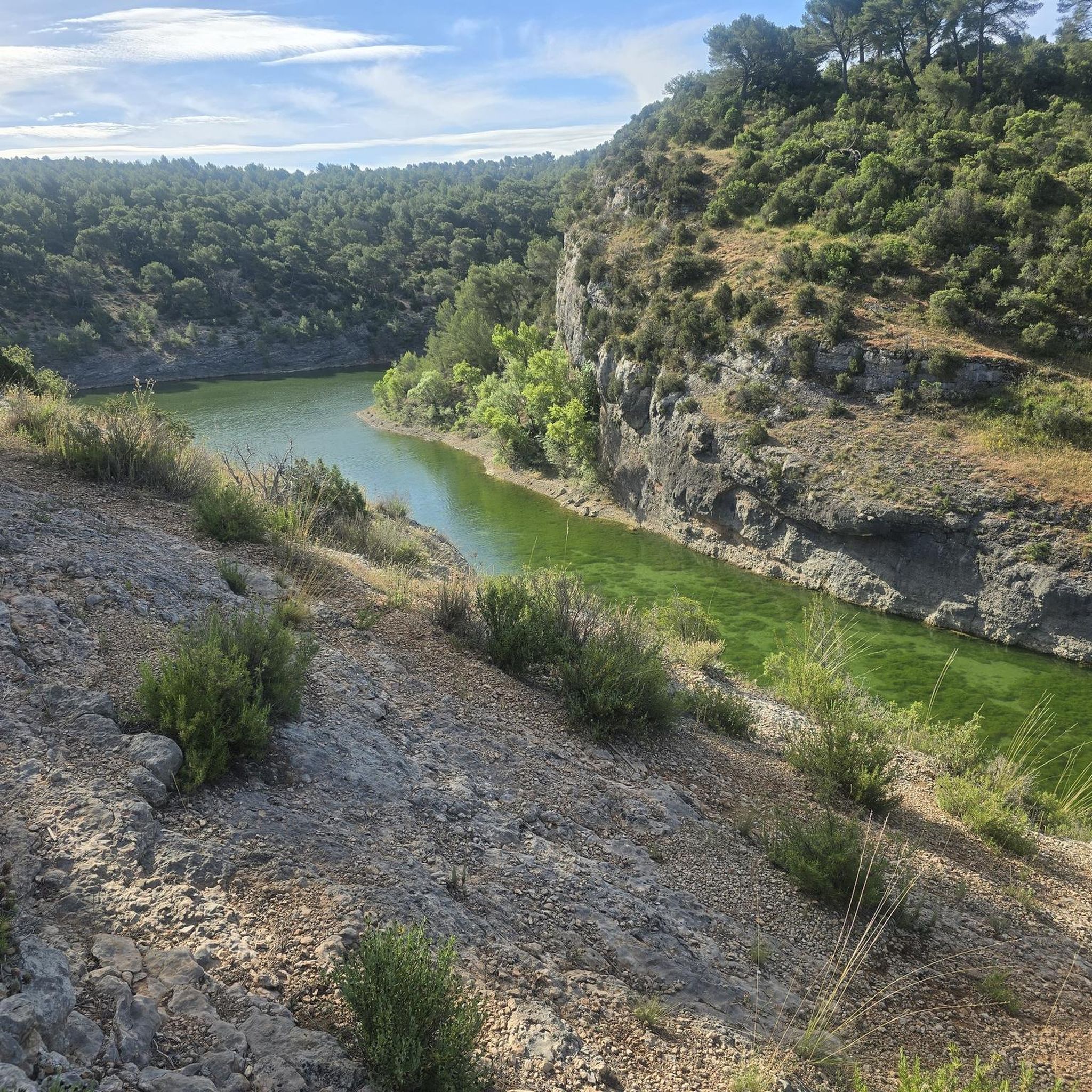
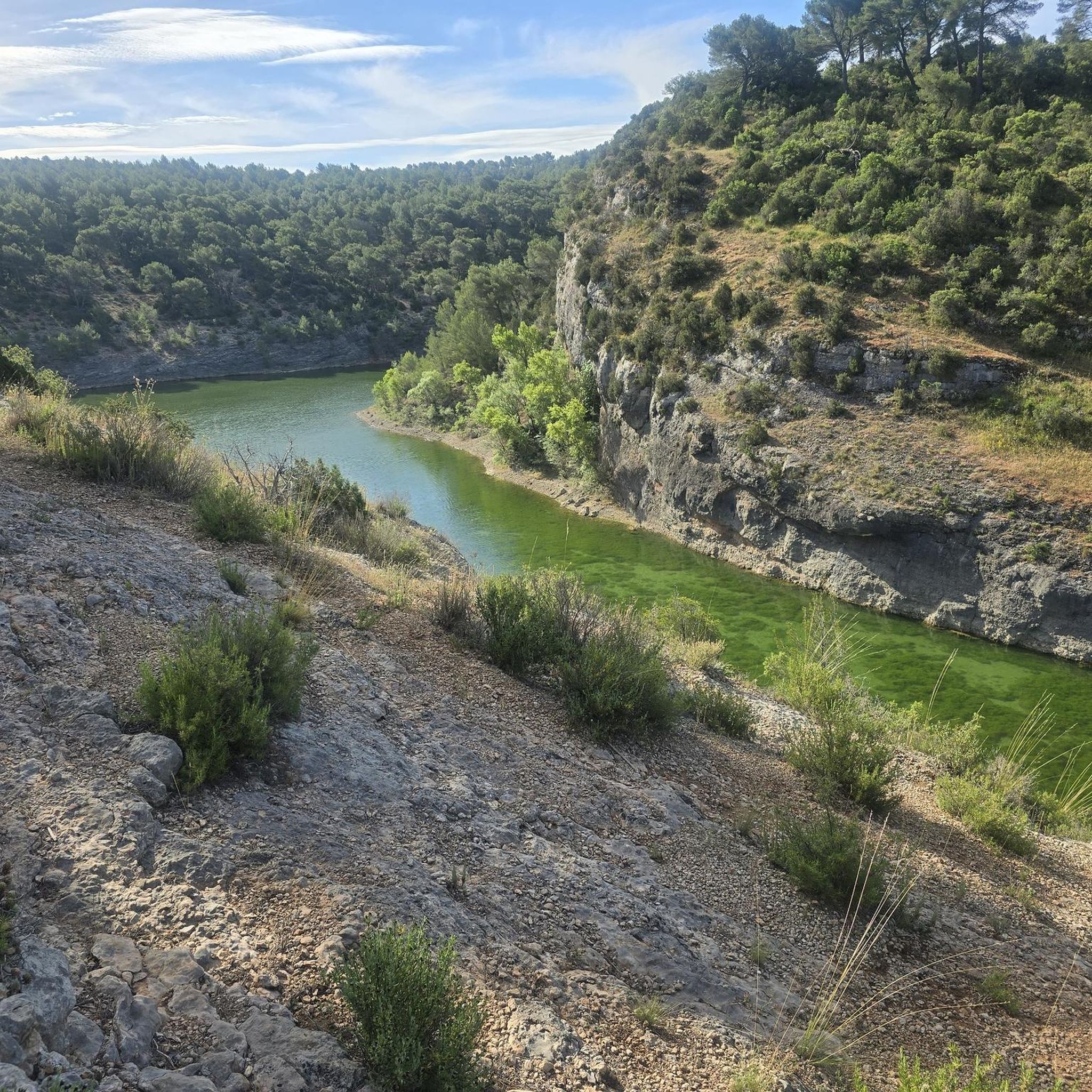
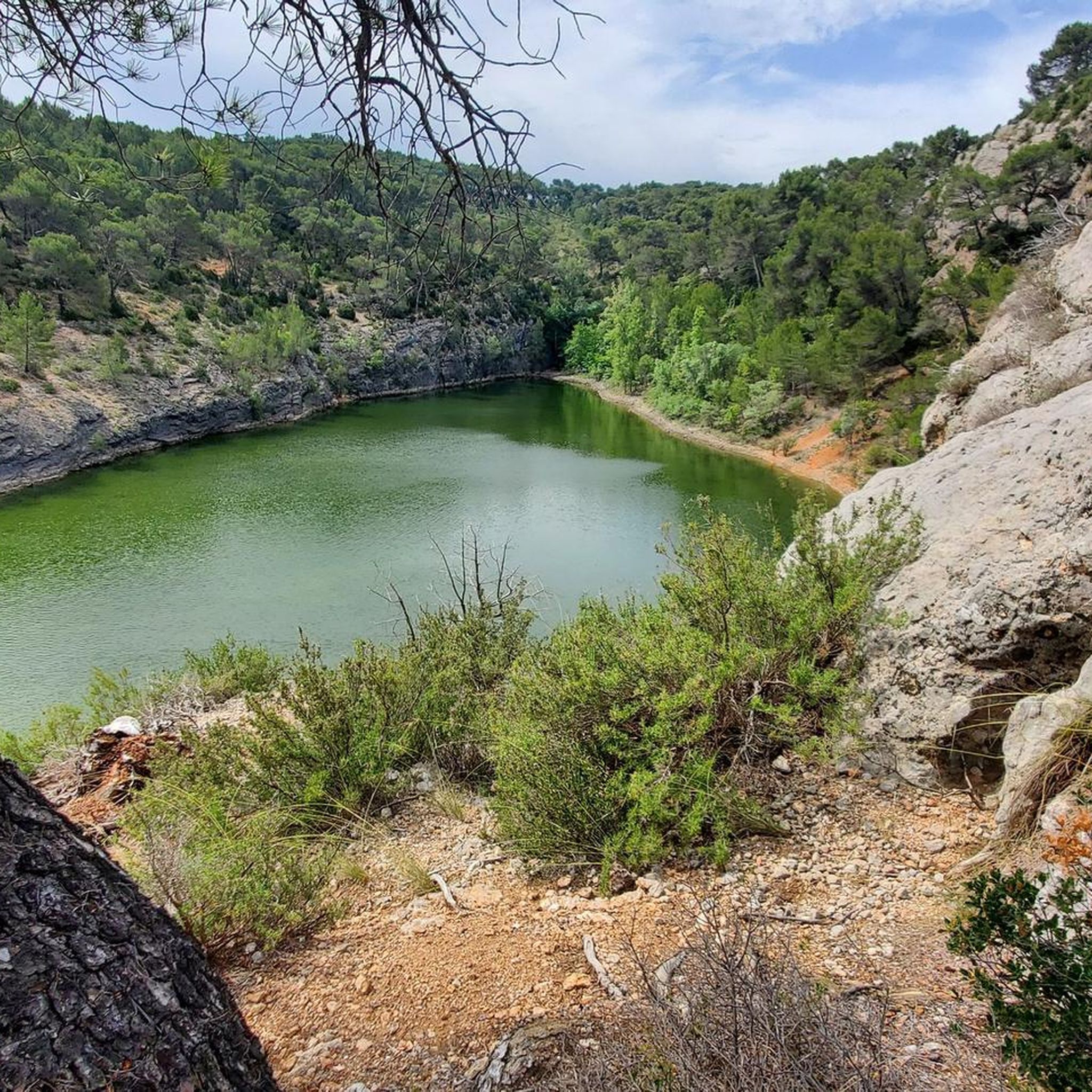
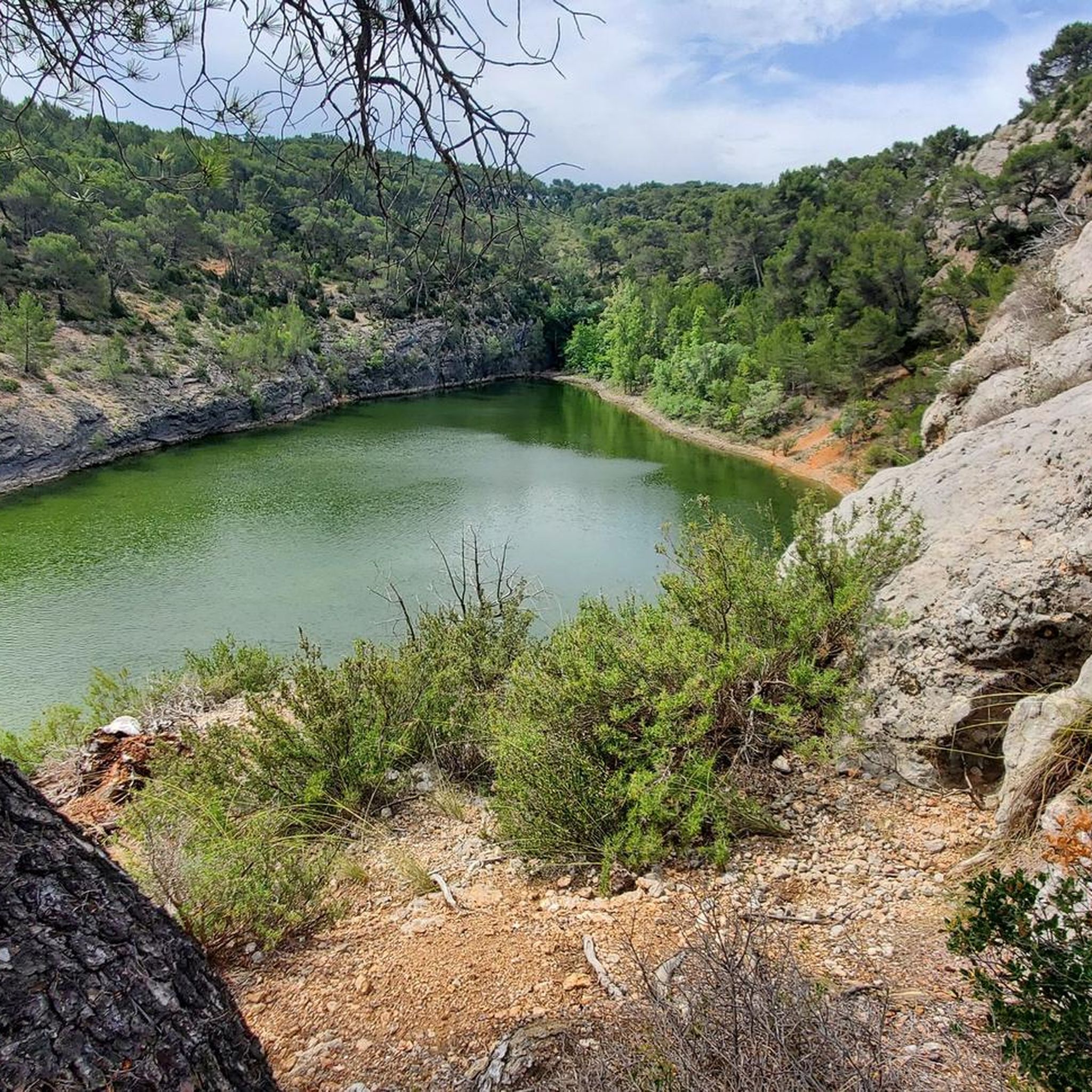
Lake Bimont
Highlight • Lake
Translated by Google •
Tip by

Sainte-Victoire Priory
Highlight • Religious Site
Translated by Google •
Tip by

Sign up now to discover places like this
Get recommendations on the best single tracks, peaks, & plenty of other exciting outdoor places.
Croix de Provence
Highlight • Summit
Translated by Google •
Tip by

Place de l'Hôtel de Ville
Highlight • Other
Translated by Google •
Tip by

Bimont Dam
Highlight • Other
Translated by Google •
Tip by

Sign up for free to discover even more attractions around Le Tholonet.
Already have an account?
Start today with a free account
Your next adventure awaits.


Tips from the Community

Great climbing in the 2nd grade on rough limestone.
0
0

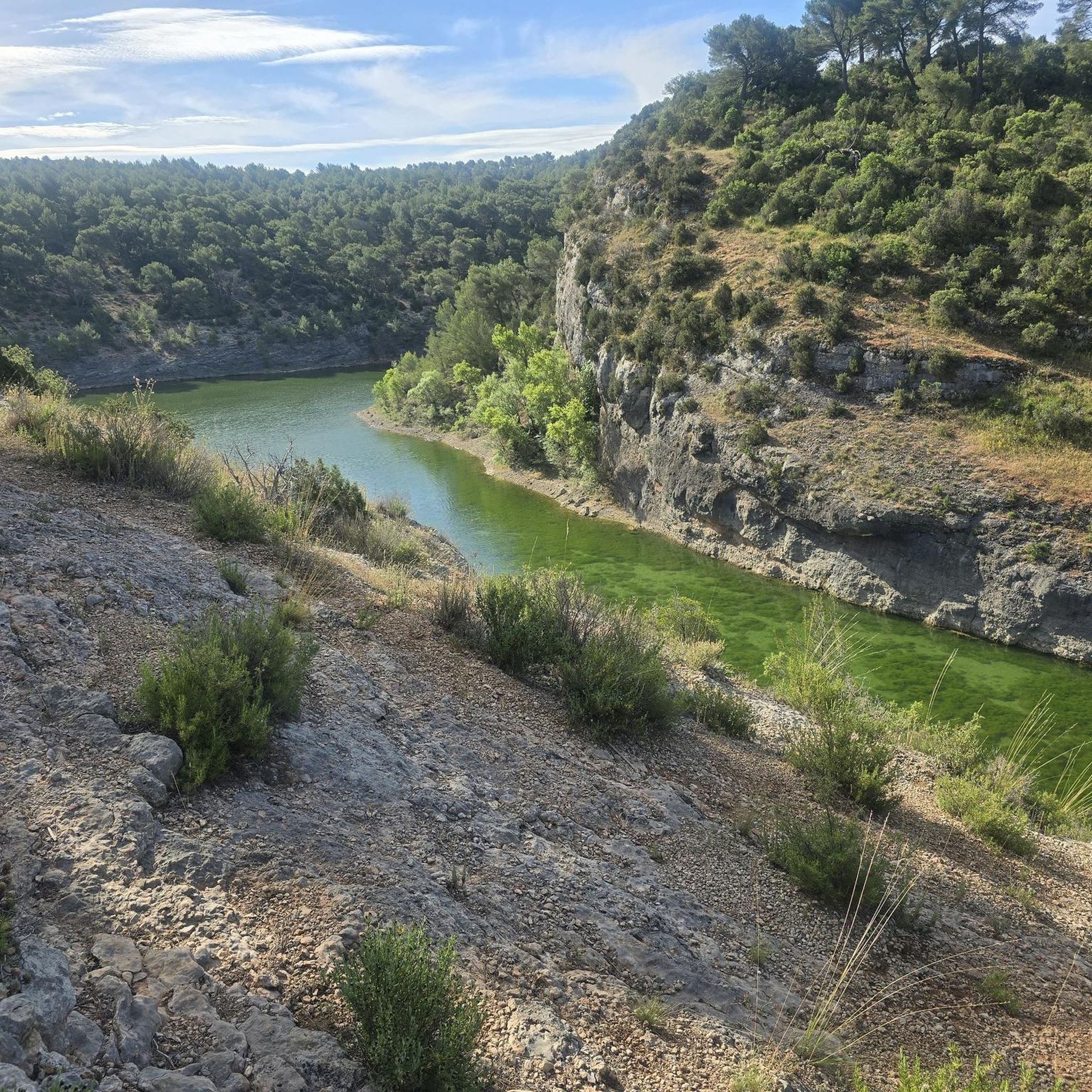
A dam with a lake. There is a path that's leads just at the top of the dam, with a water source on it, and a little café.
0
0
Beautiful, it's also a good place to take a nap or just rest under the shade.
1
0

Magical place, panoramic view from the "balcony".
1
0

This square features three key features: the town hall, its fountain, and the grain market. Situated since the 14th century at the foot of the Clock Tower, the town hall was rebuilt in two phases between 1655 and 1678. The overall design, inspired by Italian palaces, is the work of Pavillon, assisted by the sculptors Rambot and Fossé. Two series of paintings are located in the Salle des Etats de Provence, on the first floor: on the one hand, portraits of the counts of Provence and the kings of France, and on the other, major historical works. Time and the Revolution have stripped the façade of its rich ornamentation. The fountain, built in 1755, topped by a Roman column, is by Chastel. The monumental decor surrounding it gives it a wealth of character. Built in 1754, the Halle aux Grains is characterized by a central avant-corps, topped by a triangular pediment protecting a magnificent Baroque ensemble sculpted by Chastel: these are allegories of the Rhône and the Durance, in the form of a man and a woman depicted surrounded by all the agricultural riches derived from the benefits of water. The goddess's foot emerging from the pediment symbolizes the moments when the Durance bursts its banks... a subtle metaphor. (https://www.aixenprovence.fr/Place-de-l-hotel-de-ville)
3
0

This spot is unique because it combines several types of environments, the edge of the Arc along a very bucolic path, a touch of urban planning, the crossing of the red earth, the magnificent climb to the dam in a very Provençal environment, the ridge after the dam and the descent into the woods until you reach the town and its cycle paths...
2
1

superb hike, to do in the morning. be well-shod because there are many rocks to cross. Take plenty of water. superb priory below the cross.
2
0
Frequently Asked Questions
What natural attractions can I explore around Le Tholonet?
Le Tholonet is surrounded by diverse natural beauty. You can visit Lake Bimont, known for its striking turquoise water, or explore the trails around Lake Zola. The iconic Montagne Sainte-Victoire, a prominent landmark, offers stunning panoramic views and is a hub for outdoor activities. The region also features extensive forests, farmlands, and vineyards perfect for exploration.
Are there any historical sites to visit in Le Tholonet?
Yes, Le Tholonet boasts several historical sites. You can see the 18th-century Château du Tholonet, the rebuilt 1780 Church of Sainte-Croix with its classical architecture, and the impressive ruins of a Roman aqueduct in the Cause ravine. The Zola Dam, built in the mid-19th century, is another historical engineering marvel.
What kind of hiking trails are available near Le Tholonet?
Le Tholonet is an excellent starting point for various hiking routes. You can find trails leading into the Montagne Sainte-Victoire, offering challenging ascents to spots like Croix de Provence, or more leisurely walks around Lake Bimont and Lake Zola. The surrounding forests and vineyards also provide numerous paths for exploring the Provencal countryside. Remember to check local conditions, especially for fire risk, before heading out.
Can I find family-friendly activities around Le Tholonet?
While Le Tholonet itself is a small village, the natural surroundings offer family-friendly outdoor activities like easy walks around the lakes and through the vineyards. The Rotonde Fountain and Place de l'Hôtel de Ville in nearby Aix-en-Provence are also wheelchair accessible and offer a pleasant urban experience with cafes and historical architecture.
What cultural points of interest are there, especially related to Paul Cézanne?
Le Tholonet was a favorite place of Paul Cézanne, and you can follow in his footsteps to explore the landscapes he immortalized. The restored Cézanne Mill (Moulin Cézanne) now serves as an exhibition space for painting and sculpture, directly connecting to the artist's legacy in the area.
Are there any cycling routes near Le Tholonet attractions?
Yes, the area around Le Tholonet offers a variety of cycling routes. You can find options for road cycling, touring, and gravel biking. For example, there are routes like the 'Tour of Sainte Victoire Trail' or 'Cézanne's Windmill – Saint-Antonin Climb loop'. You can explore more options on the Road Cycling Routes around Le Tholonet or Cycling around Le Tholonet guide pages.
What is the Sainte-Victoire Priory and what does it offer?
The Sainte-Victoire Priory is a former monastery from the 17th century, located on Montagne Sainte-Victoire. Reopened after renovation, it now serves as a refuge for hikers, offering shelter for up to 14 people and featuring a fire pit. It's a significant historical and religious building, providing a resting point for those exploring the mountain.
Can I swim in Lake Bimont?
No, swimming in Lake Bimont is prohibited. While it's a beautiful spot for exploration and enjoying the scenery, it is primarily a dam on the Cause river and is regularly drained.
What kind of views can I expect from Croix de Provence?
From Croix de Provence, a summit on Montagne Sainte-Victoire, you can expect breathtaking panoramic views. On clear days, visitors can see as far as the Mediterranean Sea and the Alps. The path to the summit is mostly stony and rocky, so appropriate hiking gear is recommended.
Are there local markets in Le Tholonet?
Yes, Le Tholonet hosts a local market every Saturday morning. Here, visitors can discover a variety of Provencal produce, including olive oils, honey, wines, sweets, fruits, vegetables, and fresh Mediterranean seafood.
What is the best time to visit Le Tholonet for outdoor activities?
The region is generally pleasant for outdoor activities during spring and autumn when temperatures are milder. Summers can be very hot, and fire risks on Montagne Sainte-Victoire can lead to trail closures, so it's advisable to check local conditions before planning a visit during peak summer months. Winters are generally mild, but some higher trails might be less accessible.
What should I wear for hiking in Le Tholonet, especially in summer?
For hiking in Le Tholonet, especially in summer, it's crucial to wear appropriate gear. This includes sturdy hiking boots due to stony and rocky paths, and bringing plenty of water as there are limited supply points on trails like those to Croix de Provence. Sun protection like hats and sunscreen is also highly recommended due to the strong Provencal sun.
Most popular routes around Le Tholonet
Most popular attractions around Le Tholonet

Get inspired with the komoot mobile app


Explore more
Still not found the Highlight you’re looking for? See guides of the top attractions in other regions:
