The best cycling routes around Le Chalon
4.4
(72)
649
riders
121
rides
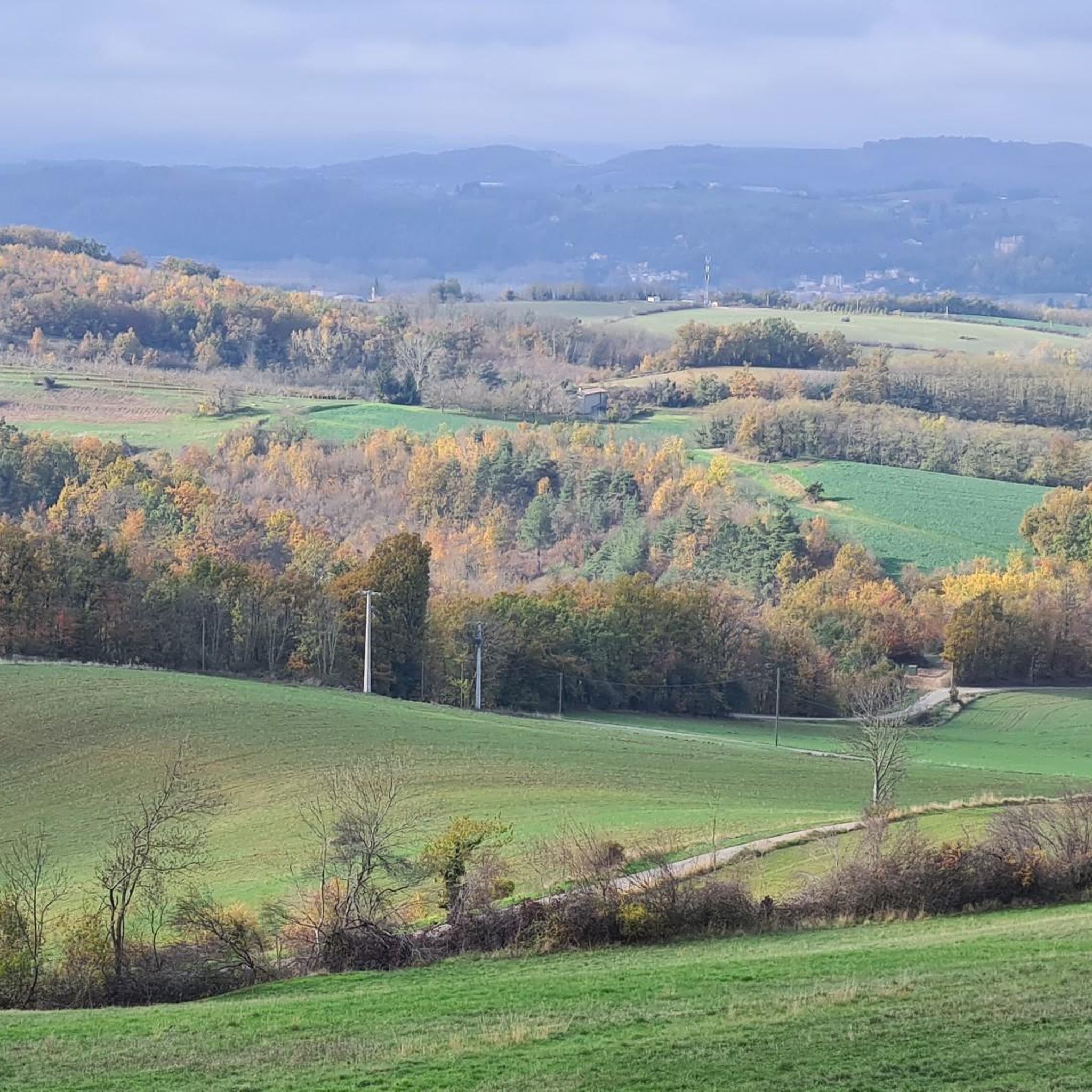
Touring cycling routes around Le Chalon traverse a landscape characterized by extensive vineyards, particularly in the Côte Chalonnaise, alongside significant waterways such as the Saône River and the Canal du Centre. The region features a network of greenways and cycle paths, often following river towpaths or old railway lines, providing varied terrain. Cyclists encounter rolling countryside, forests, and agricultural fields, with many routes offering relatively flat sections.
Best touring cycling routes around Le Chalon
- The most popular touring cycling route…
Last updated: July 2, 2026
4.8
(5)
23
riders
Hard bike ride. Very good fitness required. Mostly paved surfaces. Suitable for all skill levels.
4.8
(4)
19
riders
Hard bike ride. Very good fitness required. Mostly paved surfaces. Suitable for all skill levels.

Sign up for free
4.6
(5)
17
riders
33.5km
02:10
450m
450m
Hard bike ride. Very good fitness required. Mostly paved surfaces. Suitable for all skill levels.
13
riders
20.8km
01:18
220m
220m
Moderate bike ride. Good fitness required. Mostly paved surfaces. Suitable for all skill levels.
4.0
(1)
18
riders
34.4km
02:14
460m
460m
Hard bike ride. Very good fitness required. You may need to push your bike for some segments of this route.
Get access to more routes and recommendations from other explorers.
Sign up for free
Already have an account?
Our route recommendations are based on thousands of hikes, rides, and runs completed by other people on komoot.
Start today with a free account
Your next adventure awaits.
Login or Signup




Tips from the Community

The first footbridge built by Marc Seguin between Tournon and Tain in 1825 was revolutionary for its time. It was the world's first iron cable suspension bridge, a true technical feat for the era. This footbridge helped facilitate trade and strengthen ties between the two towns. However, the original footbridge underwent several transformations over time. It was first raised to allow the passage of steamships, then a second footbridge was built by Marc Seguin in 1847, still based on the iron cable suspension principle. The two footbridges coexisted for a time, the first being used for pedestrian traffic and the second for road traffic. As road traffic intensified over time, it became necessary to build a new bridge to facilitate circulation. This is how the Gustave Toursier bridge was built in 1958. Located about 350 meters downstream from the Marc Seguin footbridge, this suspension bridge over 240 meters long comprises three spans. It is designed to support road traffic, thus facilitating exchanges between the two municipalities. The current footbridge, inaugurated in 1972, is therefore the fourth of its name. It was designed to resemble the 1847 footbridge, while meeting current safety standards and needs. https://www.ardeche-hermitage.com/fr/zoom-sur/la-passerelle-marc-seguin-celebre-son-bicentenaire/
0
0

A truly beautiful stretch of the route! The stunning scenery and excellent cycle paths make cycling on the ViaRhôna a very special experience! :-)
0
0
Old and new bridge side by side - what a contrast!
0
0
A truly beautiful stretch of the route! The stunning scenery and excellent cycle paths make cycling on the ViaRhôna a special experience! :-)
0
0

Hello everyone, Please note that the footbridge crossing the Rhône between Tournon and Tain is closed until November 28th due to ongoing construction. You must use the motorway bridge 500m away… it's much less pleasant.
0
0
The Marc Seguin Suspension Bridge in Tournon-sur-Rhône is a 19th-century engineering masterpiece and one of the oldest suspension bridges in Europe. A stroll over the Rhône offers impressive views of the river and the surrounding vineyards. Tournon's old town boasts charming alleyways, historic buildings, and a Renaissance palace. Wine lovers can sample local wines from the Cornas and Saint-Joseph regions. The combination of engineering, nature, and history makes this place an unforgettable experience. By the way, cycling is prohibited and police patrol the area!
0
0

I have seen it several times and it is truly a unique monument 🙂
4
0

Unique in the world, the Palais Idéal has inspired artists for over a century. Independent of any artistic movement, built without any architectural rules, the Palais Idéal was admired by the Surrealists. In 1969, it was classified as a Historic Monument by André Malraux, then Minister of Culture, as a work of naive art.
5
0
Frequently Asked Questions
How many touring cycling routes are available in Le Chalon?
Le Chalon offers a wide variety of touring cycling routes, with over 110 options available. These routes cater to different skill levels, including 9 easy, 56 moderate, and 49 difficult trails.
What is the best time of year for touring cycling in Le Chalon?
The region is particularly enjoyable for touring cycling during spring and autumn when the weather is mild, and the vineyards offer picturesque scenery. Summer is also popular, especially along the cooler riverside and canal paths, though it can be warmer.
Are there routes suitable for beginners or families in Le Chalon?
Yes, Le Chalon is well-suited for beginners and families. Many routes follow the flat towpaths along the Saône River and the Canal du Centre, as well as dedicated greenways ('Voies Vertes') built on old railway lines. These paths are traffic-free and offer easy, enjoyable rides through serene countryside.
What kind of terrain can I expect on touring cycling routes in Le Chalon?
You can expect diverse terrain, from relatively flat paths along rivers and canals to rolling countryside through vineyards and forests. The Côte Chalonnaise, for instance, features gentle hills and plateaus, while routes like the Lac de Champos loop from Charmes-sur-l'Herbasse offer a mix of countryside and lakeside views.
Are there challenging routes for experienced touring cyclists in Le Chalon?
Absolutely. For experienced touring cyclists, Le Chalon offers several difficult routes with significant elevation gain. An example is the ViaRhôna - Tournon-sur-Rhône – Saint-Nazaire-en-Royans loop from Auberge du Pont du Chalon, which covers over 123 km and includes nearly 800 meters of ascent, following parts of the EuroVelo 6 network.
What historical or cultural attractions can I see along the touring cycling routes?
The region is rich in history and culture. You can cycle past charming traditional villages, Romanesque churches like the Collegiate Church of Saint Peter and Saint Paul, and even medieval sites such as Saint-Antoine-l'Abbaye. Chalon-sur-Saône itself offers historical treasures like the Saint-Vincent Cathedral.
Are there natural points of interest to explore while cycling?
Yes, the routes often pass through beautiful natural settings. You can explore picturesque vineyards, serene forests, and follow the Saône River and Canal du Centre. The Bellevue Ponds are a notable natural spot for observation, and the general unspoiled environment allows for encounters with diverse flora and fauna.
What do other touring cyclists enjoy the most about touring cycling in Le Chalon?
The area is highly rated by the komoot community, with an average score of 4.4 stars from over 80 reviews. Reviewers often praise the picturesque vineyards, serene waterways, and verdant forests that define the region's cycling experience. The variety of routes, from easy canal paths to more challenging climbs, is also frequently highlighted.
Are there any circular touring cycling routes in Le Chalon?
Yes, many touring cycling routes in Le Chalon are designed as loops, allowing you to start and finish in the same location. An example is the Castle Full of Charms – Mont Brofard loop from Charmes-sur-l'Herbasse, which offers a challenging circular ride through rural landscapes.
Can I combine touring cycling with wine tasting in Le Chalon?
Absolutely. The Chalonnais region is famous for its vineyards, particularly the Côte Chalonnaise, which includes appellations like Mercurey, Bouzeron, Rully, Montagny, and Givry. Many cycling routes wind through these vineyards, offering opportunities to stop at wine estates for tastings and to enjoy the scenic wine-growing hillsides.
Are there any long-distance cycling routes that pass through Le Chalon?
Yes, Le Chalon is a key hub for major European cycling routes. The EuroVelo 6 (the 'Véloroute des Fleuves'), connecting the Atlantic to the Black Sea, passes directly through Chalon-sur-Saône. Additionally, La Voie Bleue Moselle-Saône à Vélo (Véloroute 50) offers hundreds of kilometers of cycling alongside the Saône River in the region.
What are some moderate touring cycling routes in Le Chalon?
For a moderate challenge, you could consider routes like the Montmiral church – Génissieux Church loop from Montmiral - Le Saladot. This route covers about 34 km with over 450 meters of elevation gain, offering a balanced ride through varied landscapes.
Most popular routes around Le Chalon
Most popular attractions around Le Chalon

Get inspired with the komoot mobile app


Explore more
Browse the best Cycling routes in other regions.
