The best cycling routes around Lézignan-Corbières
4.4
(105)
841
riders
43
rides
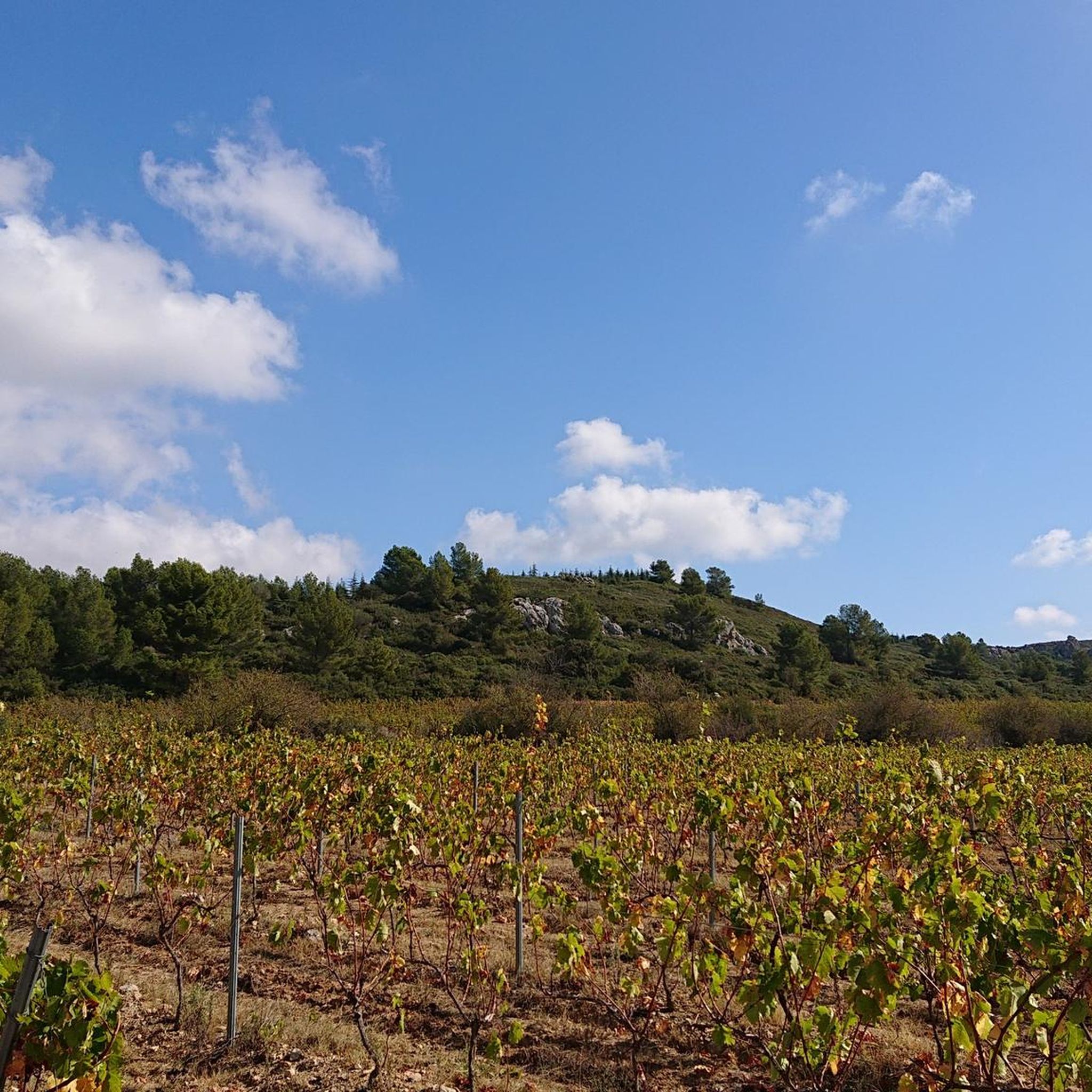
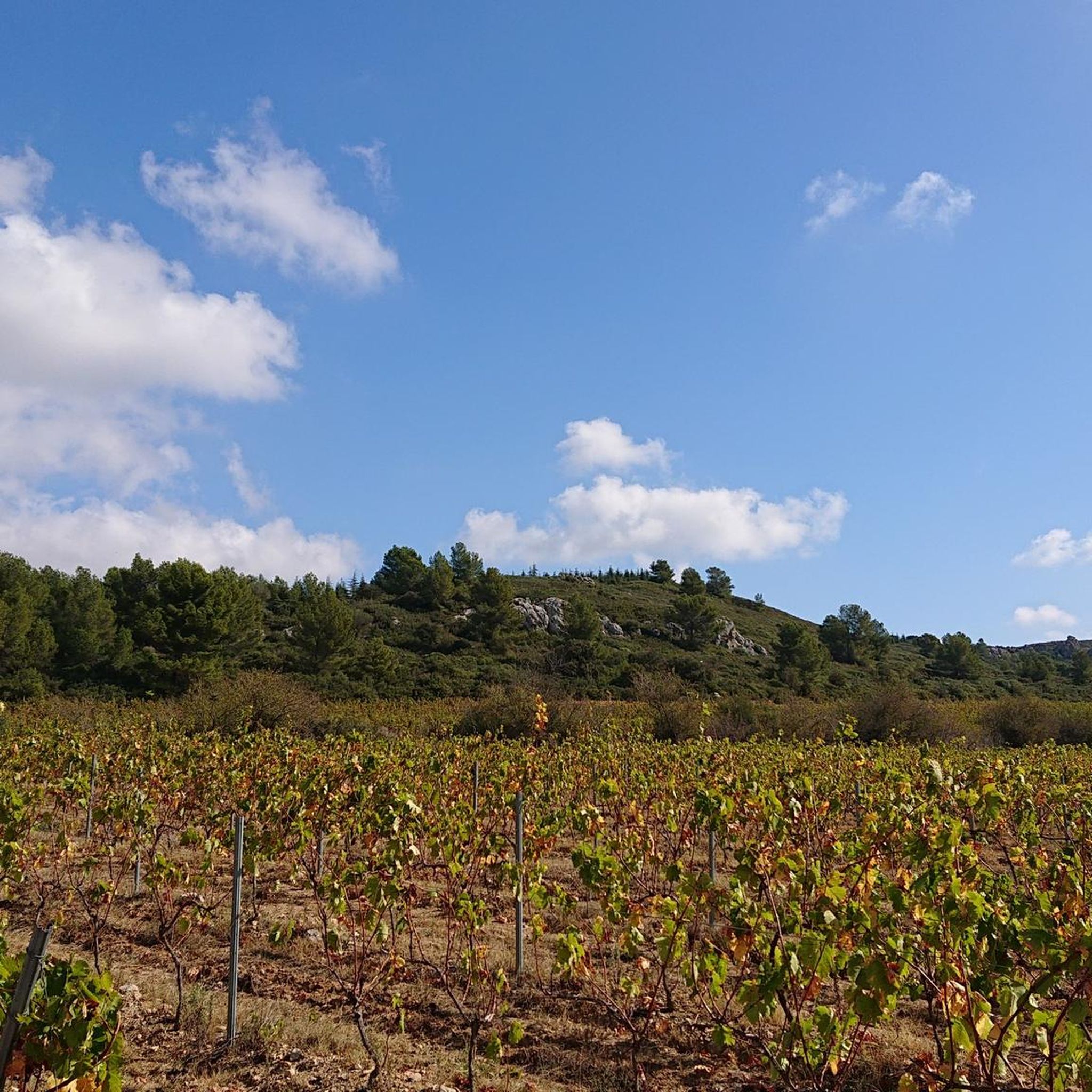
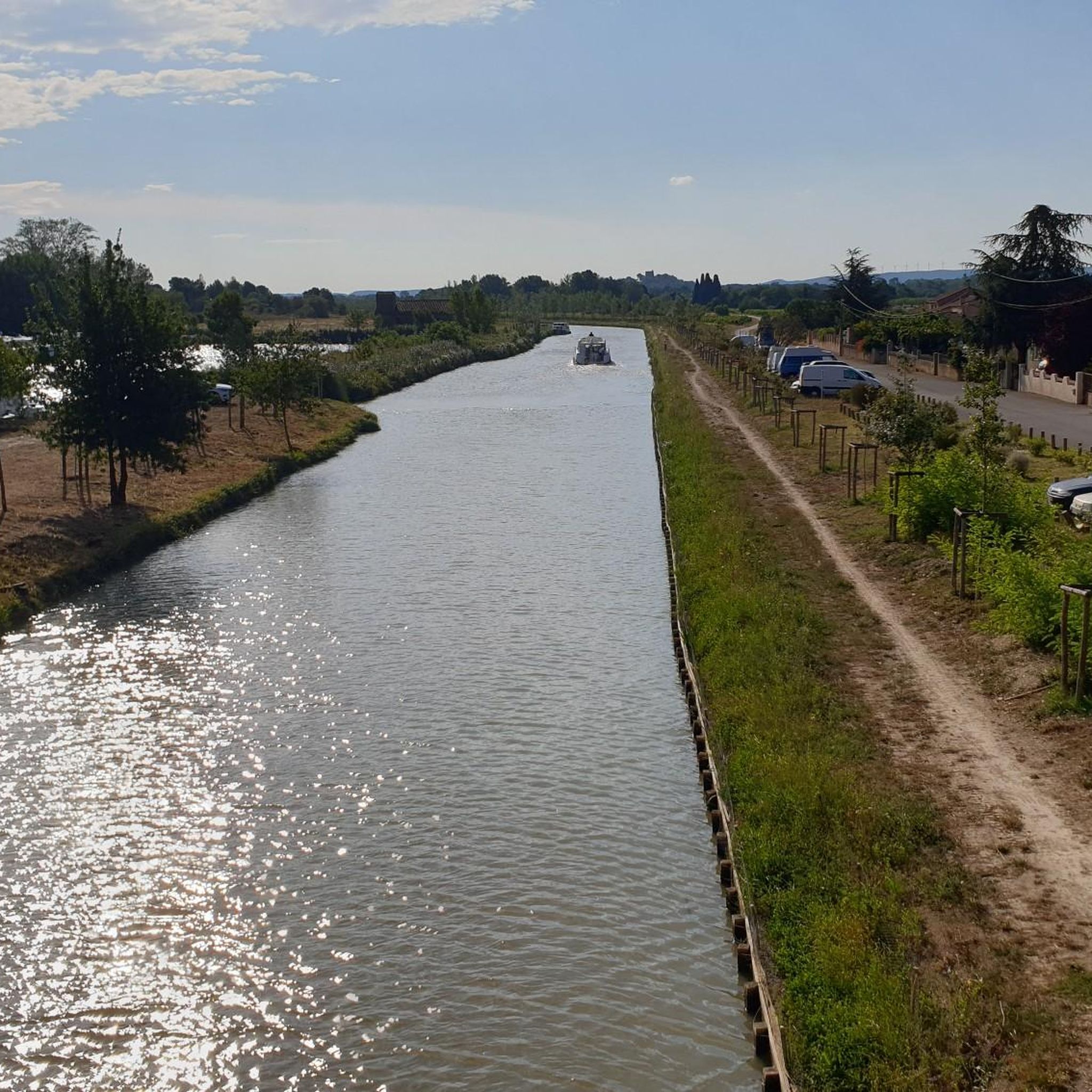
Touring cycling routes around Lézignan-Corbières traverse a landscape characterized by the historic Canal du Midi, extensive vineyards, and Mediterranean garrigue. The region, situated in the Aude department of France, offers varied terrain from flat canal towpaths to routes with moderate elevation through hills and pine forests. Cyclists can explore the agricultural beauty of the Corbières and Minervois wine regions, with routes often connecting charming villages.
Best touring cycling routes around Lézignan-Corbières
- The most popular touring cycling route is Fresquel Lock…
Last updated: August 28, 2026
4.1
(62)
443
riders
99.3km
06:52
310m
310m
Hard bike ride. Very good fitness required. Mostly paved surfaces. Suitable for all skill levels.
4.8
(12)
87
riders
Hard bike ride. Very good fitness required. Mostly paved surfaces. Suitable for all skill levels.

Sign up for free
4.5
(6)
37
riders
Hard bike ride. Very good fitness required. Mostly paved surfaces. Suitable for all skill levels.
14
riders
30.6km
02:14
250m
250m
Moderate bike ride. Good fitness required. Mostly paved surfaces. Suitable for all skill levels.
5.0
(1)
10
riders
Hard bike ride. Very good fitness required. Mostly paved surfaces. Suitable for all skill levels.
Get access to more routes and recommendations from other explorers.
Sign up for free
Already have an account?
Our route recommendations are based on thousands of hikes, rides, and runs completed by other people on komoot.
Start today with a free account
Your next adventure awaits.
Login or Signup
Other adventures around Lézignan-Corbières

Tips from the Community

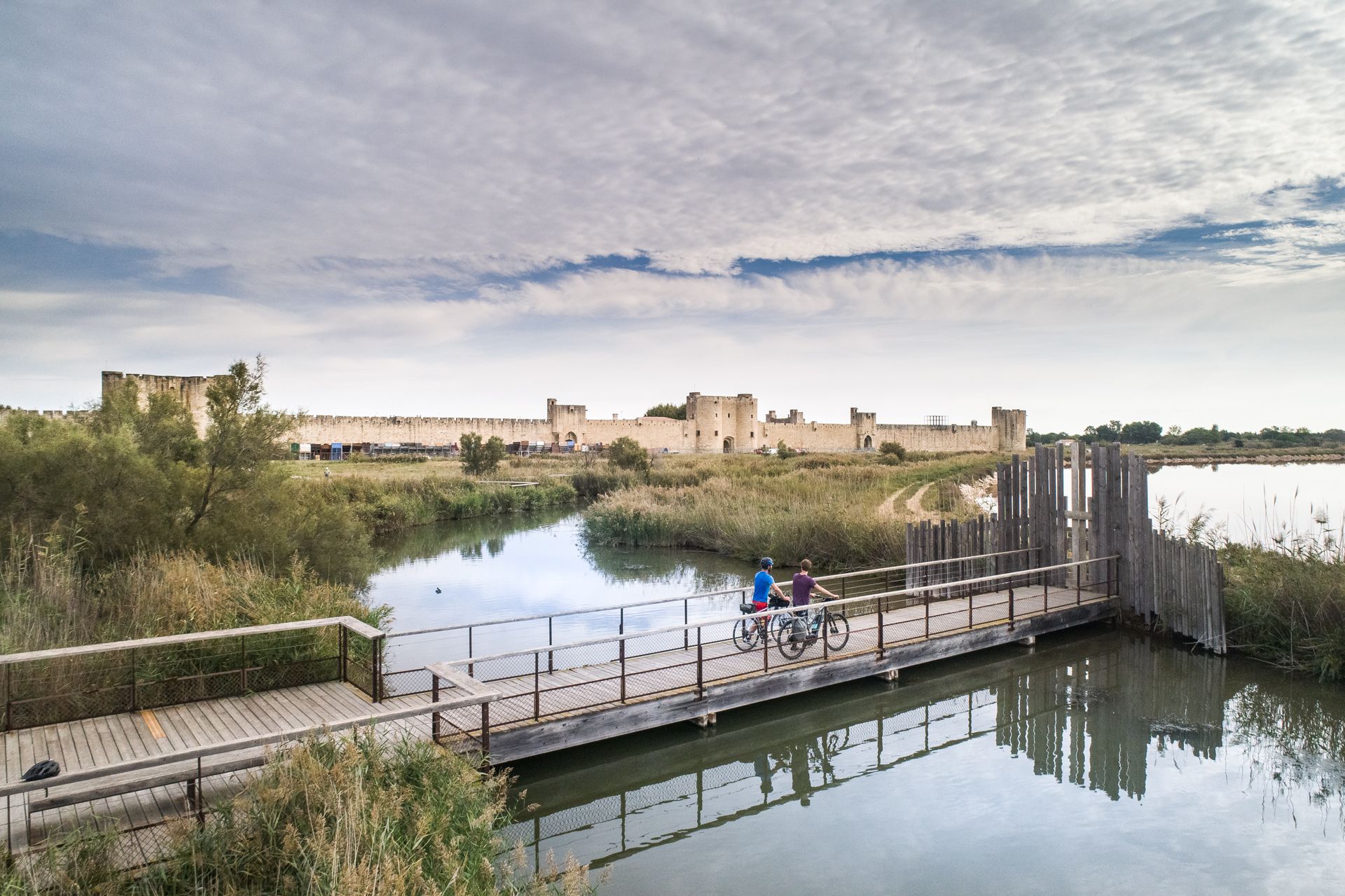
From the pond of Gruissan, there is a wide panorama of the village and the Tour Barberousse. The current tower, built between 1245 and 1247 by the archbishop of Narbonne, Guillaume de Broa, is the main remnant of a medieval castle that guarded the maritime access to the Narbonne area.
0
0

The Trèbes locks are a flight of locks composed of three basins. Built around 1674, it is located downstream from the port of Trèbes at the exit of the town in the direction of the village of Marseillette. Taking advantage of the strong difference in level of the flight, an intense milling activity was established on the left bank of the lock. A first upper mill was built at the end of the 17th century. It is crossed by a diversion of the Canal du Midi which ensures its operation; it is described as having four millstones with a stable and a shed. A transformation of this first mill was carried out in 1867 to make it a flour mill comprising 6 millstones. This new building, later enlarged in the 1930s, consists of a base and 4 floors at its highest point. Today it has been converted into a restaurant.
0
0
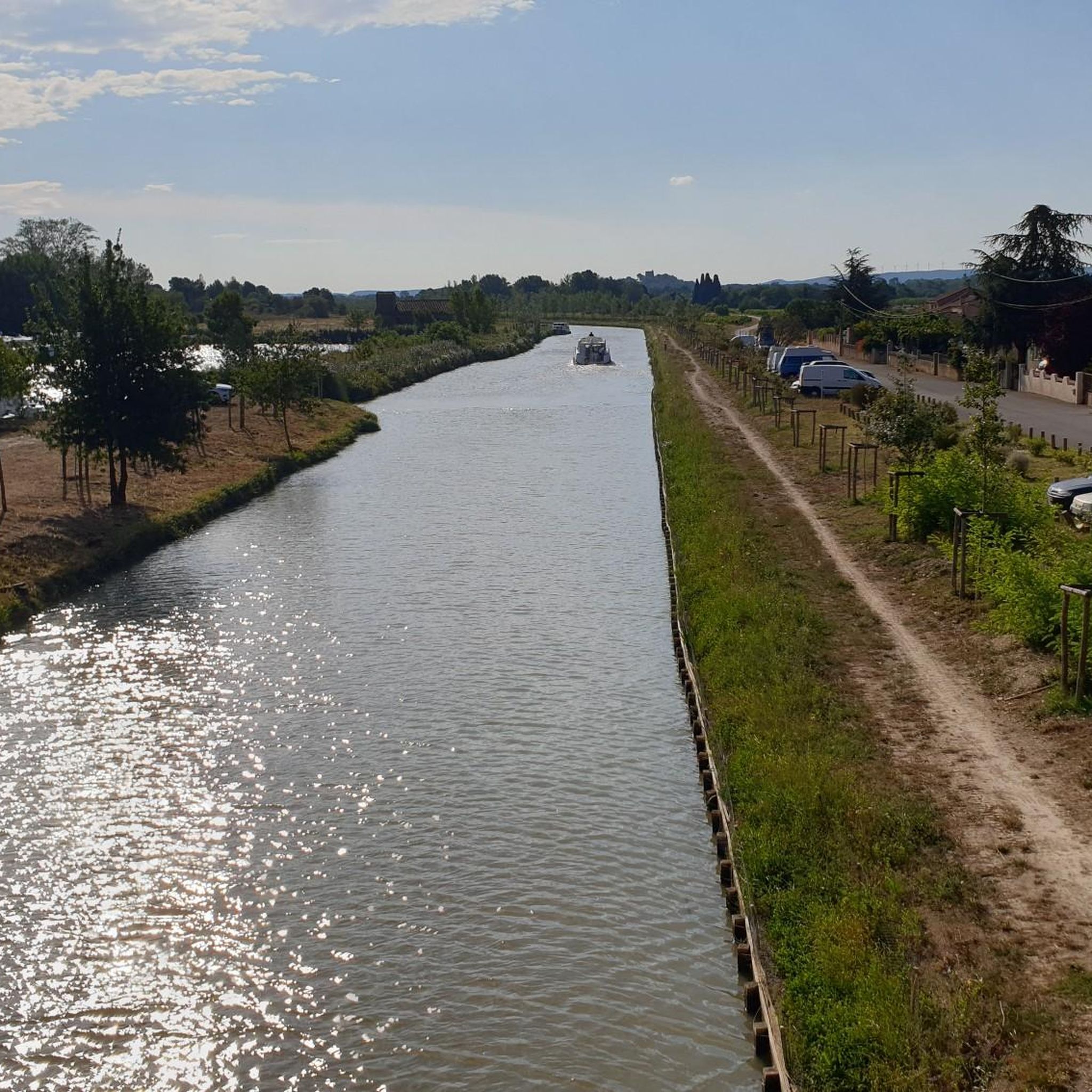
Le Canal du Midi, formerly Canal Royal, is a 17th-century technical feat designed by Pierre-Paul Riquet to connect the Atlantic to the Mediterranean. Today, it is above all a place for relaxation and discovery, where heritage, nature, and conviviality blend.
0
0
The Canal du Midi, formerly the Royal Canal, is a 17th-century technical feat designed by Pierre-Paul Riquet to connect the Atlantic to the Mediterranean. Today, it is above all a place for relaxation and discovery, where heritage, nature, and conviviality blend together.
0
0
L'Epanchoir de l'Argent Double, classified as a historic monument: started in 1677 and completed in 1694 according to Vauban's plans, it allows the canal to drain its excess water.
0
0
The Canal du Midi, formerly the Royal Canal, is a 17th-century technical feat designed by Pierre-Paul Riquet to connect the Atlantic to the Mediterranean. Today, it is above all a place for relaxation and discovery, where heritage, nature, and conviviality blend together.
0
0
Remarkable site, the village of Argens-Minervois, is built in an amphitheater on a promontory overlooking the Canal du Midi and the Aude river. Besides its old fortress (13th century) taken during the crusade against the Albigensians by Simon de Montfort, visitors can consider various walks along the canal (locks), around the Aiguilles lake, at Pech Laurier or at Mourrel Ferrat, an Elysian (pre-Roman) site.
0
0
Roubia has a circular spatial organization. The fortified village developed between the 9th and 12th centuries in the form of concentric rings of terraced houses surrounding the old central castle. It was originally entered through three main gates.
0
0
Frequently Asked Questions
How many touring cycling routes are available around Lézignan-Corbières?
There are over 30 touring cycling routes around Lézignan-Corbières, offering a diverse range of experiences for cyclists. These routes traverse historic canal paths, vineyards, and natural parks.
What types of terrain can I expect on touring cycling routes in Lézignan-Corbières?
The region offers varied terrain, from flat, easy-going towpaths along the Canal du Midi to routes with moderate elevation through the Corbières and Minervois wine regions. You'll encounter picturesque vineyards, scrubland (garrigue), and pine forests.
Are there any easy touring cycling routes suitable for beginners or families?
Yes, there are 8 easy touring cycling routes around Lézignan-Corbières. The Canal du Midi towpaths, including sections like the View over Paraza – View of Argens-Minervois loop from Lézignan-Corbières, provide flat and safe paths ideal for family cycling tours. The old railway line transformed into a 'voie verte' between Lézignan and Bize also offers a gentle option.
What are some notable landmarks or attractions I can see along the cycling routes?
Many routes pass by significant landmarks. Along the Canal du Midi, you can discover architectural marvels such as the Argent-Double aqueduct and spillway and the charming Port of Somail. Other highlights include the View over Paraza and the Aiguille Lock - Canal du Midi. The region is also dotted with charming villages and vineyards.
Are there any challenging touring cycling routes for experienced riders?
Absolutely. There are 12 difficult touring cycling routes in the area. Examples include the extensive Fresquel Lock – The Port of Somail loop from Lézignan-Corbières, which covers 97.5 miles, and the Canal du Midi at Marseillette – Trèbes Triple Locks loop from Lézignan-Corbières, featuring significant elevation changes.
What is the best time of year to go touring cycling in Lézignan-Corbières?
The region generally enjoys a Mediterranean climate. Spring and autumn are often ideal, offering pleasant temperatures for cycling through vineyards and along the canal. Summers can be hot, especially in July and August, so early morning or late afternoon rides are recommended during these months.
Are there circular touring cycling routes available?
Yes, many of the touring cycling routes around Lézignan-Corbières are designed as loops, allowing you to start and finish at the same point. Examples include the View over Paraza – Argent-Double Spillway loop from Lézignan-Corbières and the Homps on the Canal du Midi – Canal du Midi loop from Lézignan-Corbières.
What makes the Canal du Midi a popular feature for cyclists in this region?
The Canal du Midi, a UNESCO World Heritage site, offers extensive, mostly flat towpaths that are perfect for touring cyclists. It provides scenic rides through historic landscapes, connecting charming villages and offering views of impressive 17th-century engineering like locks and aqueducts. It's suitable for various fitness levels.
Are there opportunities to explore the wine regions by bike?
Absolutely. Lézignan-Corbières is nestled within the Corbières and Minervois wine regions. Many routes wind through vast vineyards, allowing you to experience the agricultural beauty and potentially stop at local wineries. The 'Route of the cru Boutenac' is a specific example of a route traversing these renowned wine areas.
What do other touring cyclists say about the routes in Lézignan-Corbières?
The touring cycling routes in Lézignan-Corbières are highly rated by the komoot community, with an average score of 4.6 stars from over 50 reviews. Cyclists often praise the diverse scenery, the well-maintained canal paths, and the opportunity to explore charming villages and vineyards.
Can I find places to eat or stay along the cycling routes?
Yes, cycling routes often connect charming small villages such as Paraza, Homps, Bizanet, and Montséret. These villages typically offer local amenities including cafes, restaurants, and accommodation options, allowing you to refuel and rest during your tour.
Most popular routes around Lézignan-Corbières
Most popular attractions around Lézignan-Corbières

Get inspired with the komoot mobile app


Explore more
Browse the best Cycling routes in other regions.
