The best walks and hikes around Ville-Di-Pietrabugno
4.2
(858)
4,972
hikers
15
hikes
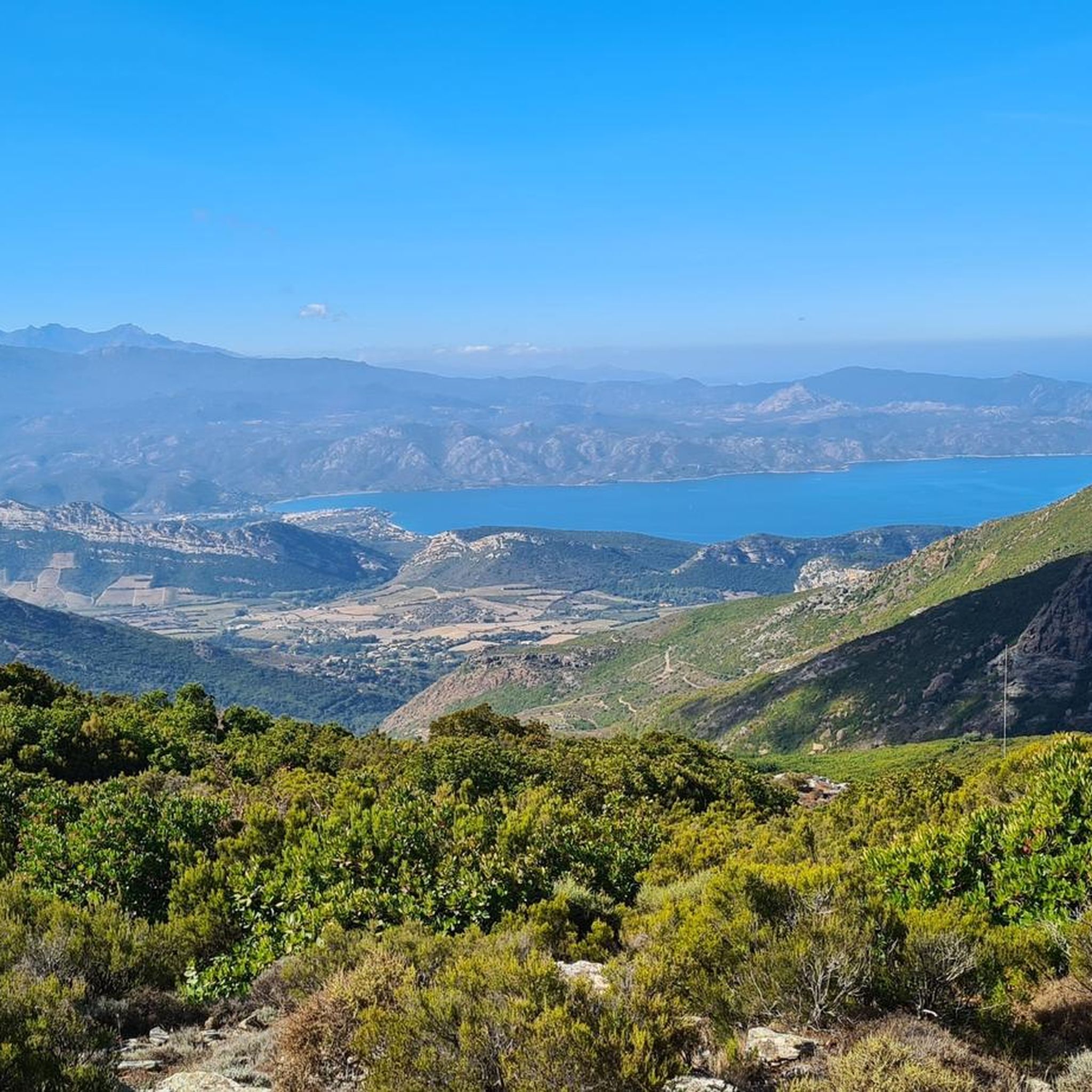
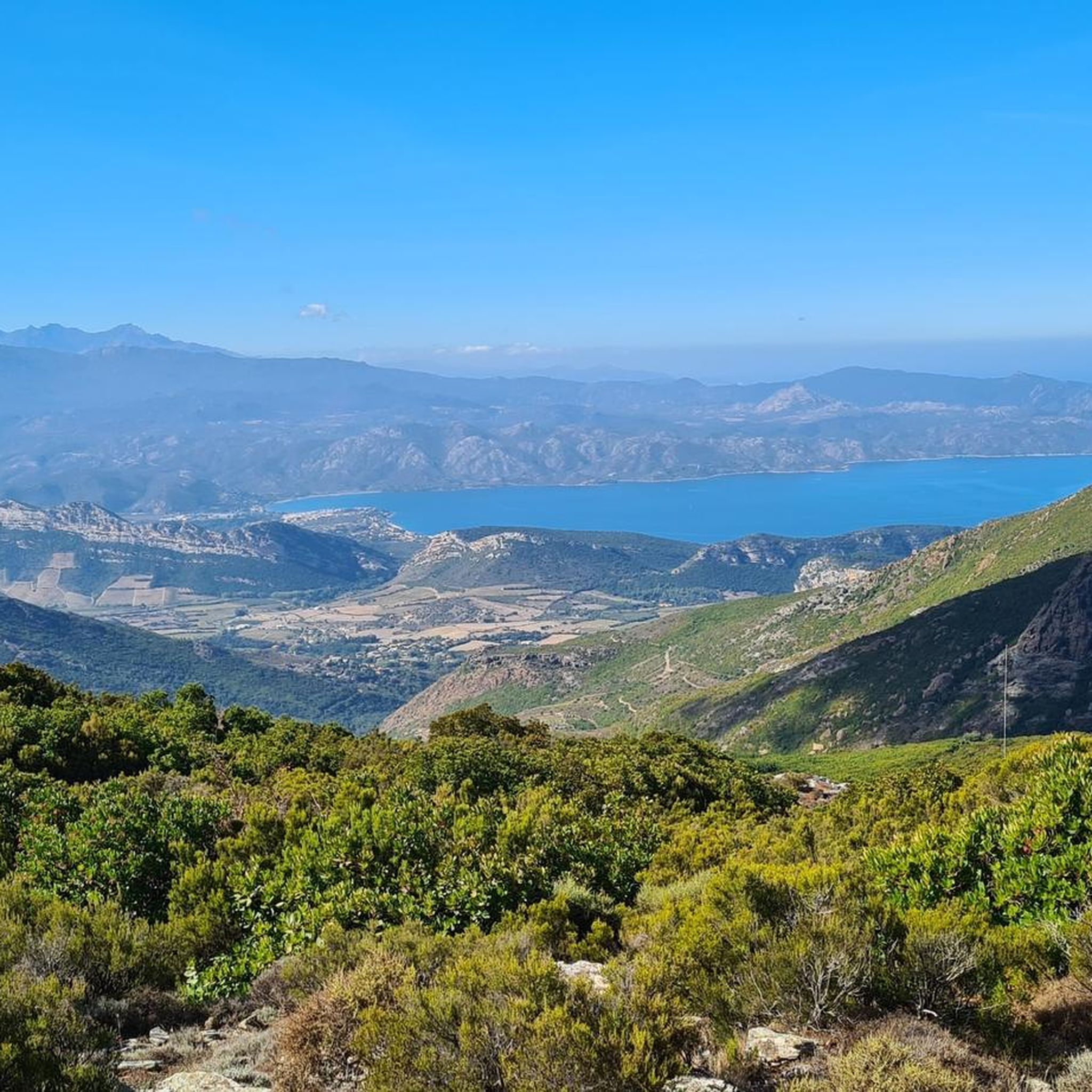
Hiking around Ville-Di-Pietrabugno offers diverse landscapes on the median crest of Cap Corse, overlooking Bastia. The region is characterized by a "sea to mountain" duality, featuring wooded areas, Corsican scrubland, green oak groves, and more arid zones towards the ridge line. Panoramic views of the Tyrrhenian Sea, Bastia, the Corsican Hills, and the Tuscan archipelago are common along the trails. The terrain includes ancient pathways connecting historic hamlets and leading to agricultural areas.
Best hiking trails around Ville-Di-Pietrabugno
- The most…
Last updated: July 9, 2026
4.2
(49)
460
hikers
6.32km
01:46
120m
120m
Easy hike. Great for any fitness level. Easily-accessible paths. Suitable for all skill levels.
4.5
(12)
71
hikers
Moderate hike. Good fitness required. Mostly accessible paths. Sure-footedness required.

Sign up for free
4.6
(5)
18
hikers
12.1km
04:28
670m
670m
Moderate hike. Good fitness required. Mostly accessible paths. Sure-footedness required.
19
hikers
3.19km
00:53
50m
50m
Easy hike. Great for any fitness level. Easily-accessible paths. Suitable for all skill levels.
5.0
(1)
10
hikers
Moderate hike. Good fitness required. Mostly accessible paths. Sure-footedness required.
Get access to more routes and recommendations from other explorers.
Sign up for free
Already have an account?
Our route recommendations are based on thousands of hikes, rides, and runs completed by other people on komoot.
Start today with a free account
Your next adventure awaits.
Login or Signup

Tips from the Community

The Palazzo Cardi is one of the most impressive historical buildings in Bastia's old town. Built during the Genoese rule, the palace's elegant facade and spacious interiors reflect the former wealth of influential families. For generations, the Cardi family was among the most influential patrician families in Bastia. Their rise began during the Genoese rule of Corsica, when they amassed wealth through trade, administration, and land ownership. Like many of the city's wealthy families, the Cardis were active in public life and shaped the economy and society. The construction of their grand city palace underscored their status. With its tall windows, decorative details, and location in the narrow streets of the Terra Vecchia, the Palazzo offers an authentic glimpse into urban life of centuries past.
0
0

waiting for the ferry
0
0

August 2025 the cooler is open but come with a flashlight I couldn't find any light
0
0

Wear good shoes, the path is not too difficult, access to the starting point by road is very narrow.
0
0

Very beautiful, especially in the evening.
0
0

Bastia's Rue Napoléon is a charming, completely car-free pedestrian zone that opened in 2013 and stretches between Place Saint‑Nicolas and the Vieux Port. It impresses with: 🤝 Historic ambience: Paved with pale Brando stone, lined with pastel-colored houses with Genoese facades and stucco above the doorways. 🛍️ Lively shopping street: Numerous boutiques of local designers, souvenir shops, ice cream parlors, and cafés create a lively atmosphere. ⛪ Religious gems: Two magnificent oratories – the Oratoire Saint-Roch (1604) and the Immaculée-Conception (1609) with Baroque interiors – are located directly on the street. 🚶 Central connection: It serves as a stylish link from the lively Place St-Nicolas with its Napoleon statue down to the old harbor, ideal for a relaxed stroll. In short: Rue Napoléon is Bastia's most elegant promenade – car-free, culturally rich, and full of Mediterranean flair. Perfect for shopping, culture and relaxed enjoyment.
1
0
🌊 Panoramic view of the picturesque Vieux-Port with its pastel-colored houses, yachts, and lighthouse – a classic Corsican motif. View over the city: From the fortified walls and the "chemin de ronde," the view sweeps far over Terra Vecchia, Bastia's historic old town with its narrow streets and rooftops. Sea and island panorama: On clear days, the view extends as far as the Tuscan islands (Elba, Tuscan Archipelago). Quiet promenade atmosphere: Picturesque walkways along bastions such as San Gerolamo and San Carlu, surrounded by lush greenery and medieval battlements. Access & accessibility: Via stairs from the Vieux-Port up to the citadel – a short but worthwhile climb with a rewarding view.
1
0

The church is the largest church in Corsica. It was built between 1636 and 1666.
0
0
Frequently Asked Questions
How many hiking trails are available in Ville-Di-Pietrabugno?
There are over 17 hiking trails around Ville-Di-Pietrabugno, offering a range of experiences from easy strolls to more challenging ascents. The komoot community has explored these routes over 4000 times.
What types of terrain can I expect on hikes around Ville-Di-Pietrabugno?
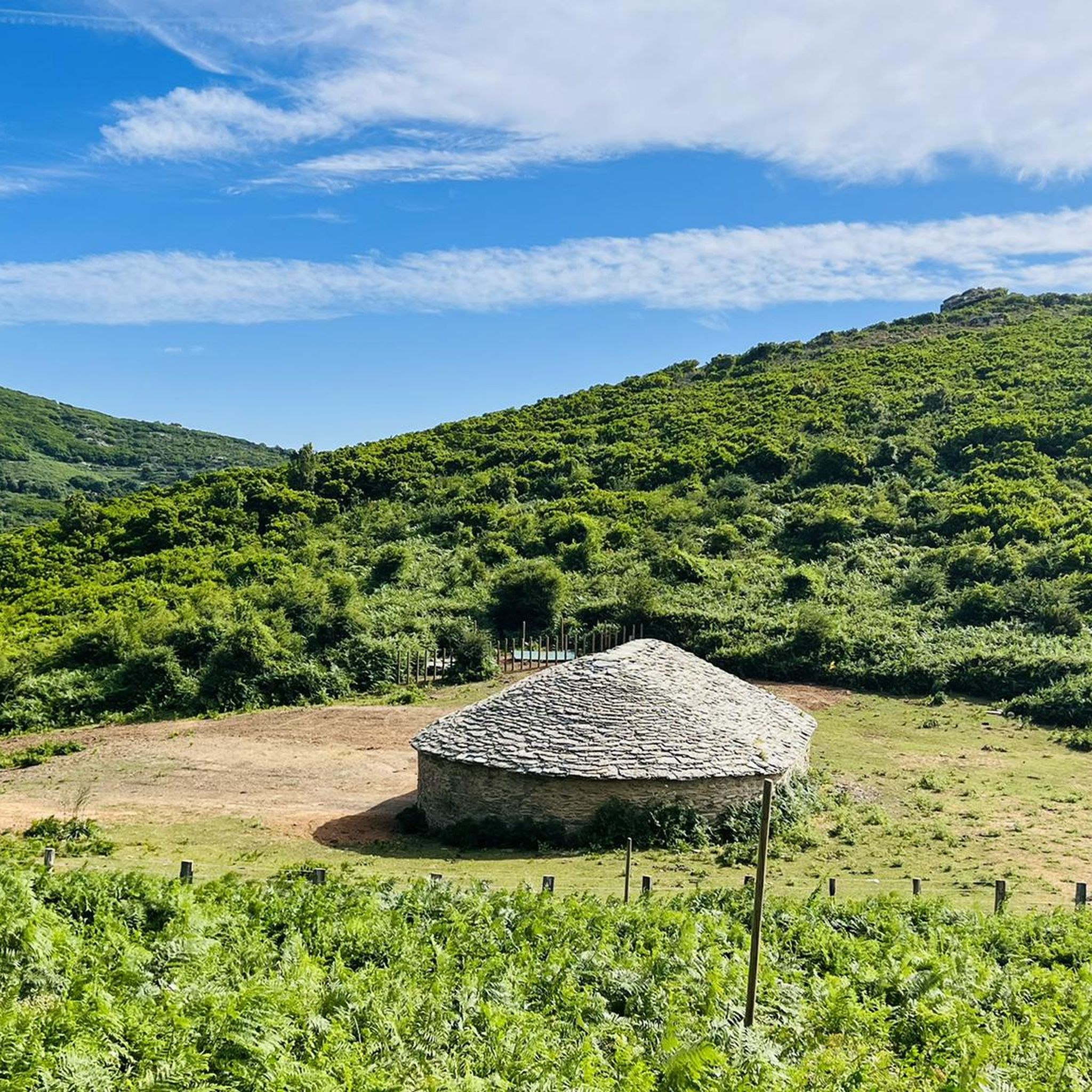
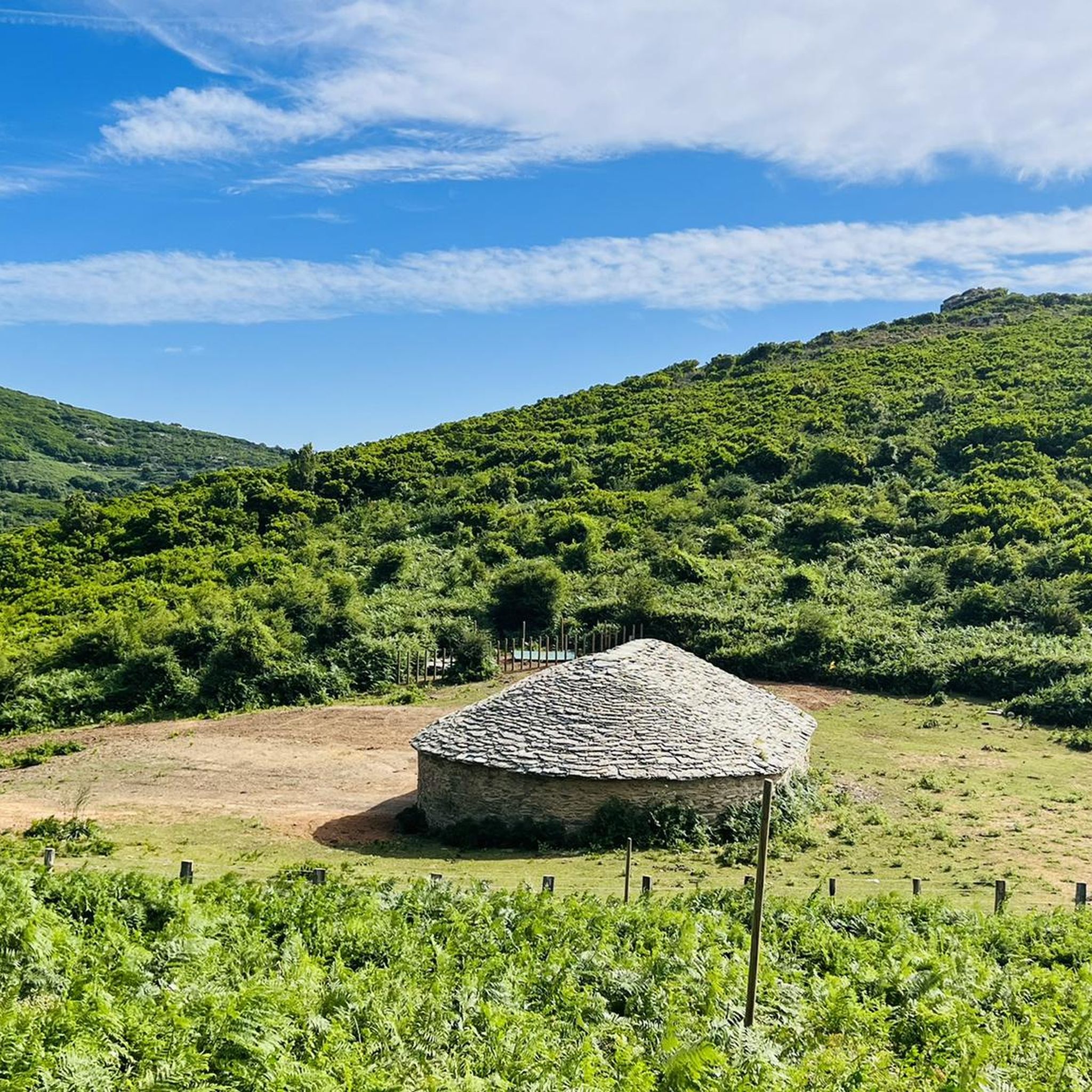
The region offers a diverse landscape, from wooded areas and typical Corsican scrubland with green oak groves to more arid zones towards the ridge line. You'll encounter ancient pathways connecting historic hamlets, and the greener valley of the Toga stream adds to the natural variety. Many trails feature a 'sea to mountain' duality.
What do hikers appreciate most about the trails in Ville-Di-Pietrabugno?
The area is highly rated by the komoot community, with an average score of 4.3 stars from over 770 reviews. Hikers often praise the panoramic views of the Tyrrhenian Sea, Bastia, and the Corsican Hills, as well as the opportunity to explore historic hamlets and cultural sites along ancient pathways.
Are there easy hiking options suitable for beginners in Ville-Di-Pietrabugno?
Yes, Ville-Di-Pietrabugno offers several easy to moderate hikes. For example, the restored path from Alzetu to Toga and Pietranera provides stunning sea views and can be completed in about 1.5 hours. There are 3 easy routes available in the area.
Can I find challenging hikes for experienced trekkers in Ville-Di-Pietrabugno?
For more experienced hikers, the region offers longer treks. The 'Sentier des Nivere' from Alzetu or Guaïtella leads to the ridges and Farinole, taking approximately four hours. Another option is the View of the Corsican Hills – View of Bastia loop from Bastia, which is a difficult 18.3 km route with significant elevation gain.
Are there any circular hiking routes in Ville-Di-Pietrabugno?
Many of the trails in Ville-Di-Pietrabugno are circular. Popular options include the Hollow arch in the wall – View of the Corsican Hills loop from Ville-di-Pietrabugno and the View of Bastia – View of the Corsican Hills loop from Ville-di-Pietrabugno, both offering rewarding experiences.
What historical or cultural landmarks can I see along the hiking trails?
Hiking trails in Ville-Di-Pietrabugno often lead through historic hamlets like Guaïtella and Alzeto, featuring medieval houses. You can also discover cultural landmarks such as the Baroque Church of St. Lucia, ancient chapels, and the ruins of the Giovu church. A significant attraction is the 17th-century ice houses (Glacières de Cardu), which are the destination of trails like the Abandoned building – Glacières de Cardo loop from Ville-di-Pietrabugno.
Are there any notable viewpoints or natural features to look out for?
Absolutely. The area is renowned for its expansive vistas, including panoramic views of the Tyrrhenian Sea, Bastia, the Corsican Hills, and the islands of the Tuscan archipelago. The recently inaugurated belvedere 'I balconi di campu canicciu' offers exceptional panoramas. You can also find natural features like the 'Hollow arch in the wall' on some routes.
What is the best time of year to go hiking in Ville-Di-Pietrabugno?
The region's Mediterranean climate generally makes spring and autumn ideal for hiking, with pleasant temperatures and lush landscapes. Summer can be warm, but higher altitude trails or early morning hikes are still enjoyable. Winter offers cooler, quieter conditions, though some higher paths might be less accessible.
Are there any family-friendly hiking routes in Ville-Di-Pietrabugno?
While specific 'family-friendly' designations are not provided, many of the easy to moderate trails with shorter durations and less elevation gain would be suitable for families. The restored coastal path from Alzetu to Toga and Pietranera, for instance, offers beautiful views and is relatively accessible.
Where can I find information about parking or public transport for trailheads?
Information regarding parking and public transport options for specific trailheads is often available on local tourism websites or detailed route descriptions. For general information about the area, you might find useful details on the Bastia tourism website: bastia-tourisme.com.
What are some nearby attractions I can visit after a hike?
After your hike, you can explore several nearby attractions. Consider visiting the Saint John the Baptist Church in Bastia, or enjoy the coastal atmosphere at the Bastia Seafront Promenade. Further afield, you could visit the Citadel of Saint-Florent.
Most popular routes around Ville-Di-Pietrabugno
Most popular attractions around Ville-Di-Pietrabugno

Get inspired with the komoot mobile app


Explore more
Browse the best Hikes in other regions.
