Attractions and Places To See around Santa-Maria-Di-Lota - Top 20
Best attractions and places to see around Santa-Maria-Di-Lota include a blend of coastal areas, mountainous viewpoints, and historical sites on the island of Corsica. The commune is situated along the ridge of Cap Corse, offering access to its natural landscapes. Visitors can explore a rich architectural heritage, including historical bridges and religious buildings. The region provides diverse points of interest, from scenic villages to urban centers nearby.
Best attractions and places to see around Santa-Maria-Di-Lota
- The most popular attractions is…
Last updated: July 6, 2026
View of Nonza
Highlight • Other
Translated by Google •
Tip by

Old arch bridge in the Pietracorbara river
Highlight • Other
Translated by Google •
Tip by

Sign up now to discover places like this
Get recommendations on the best single tracks, peaks, & plenty of other exciting outdoor places.
Sign up for free
Saint John the Baptist Church, Bastia
Highlight • Religious Site
Translated by Google •
Tip by

Bastia Seafront Promenade
Highlight • Trail
The promenade in Bastia doesn't stretch along a traditional, continuous sandy beach, but rather runs in several sections along the coastline – particularly …
Translated by Google •
Tip by

Place Saint-Nicolas
Highlight • Monument
Translated by Google •
Tip by

Sign up for free to discover even more attractions around Santa-Maria-Di-Lota.
Sign up for free
Already have an account?
Start today with a free account
Your next adventure awaits.
Login or Signup
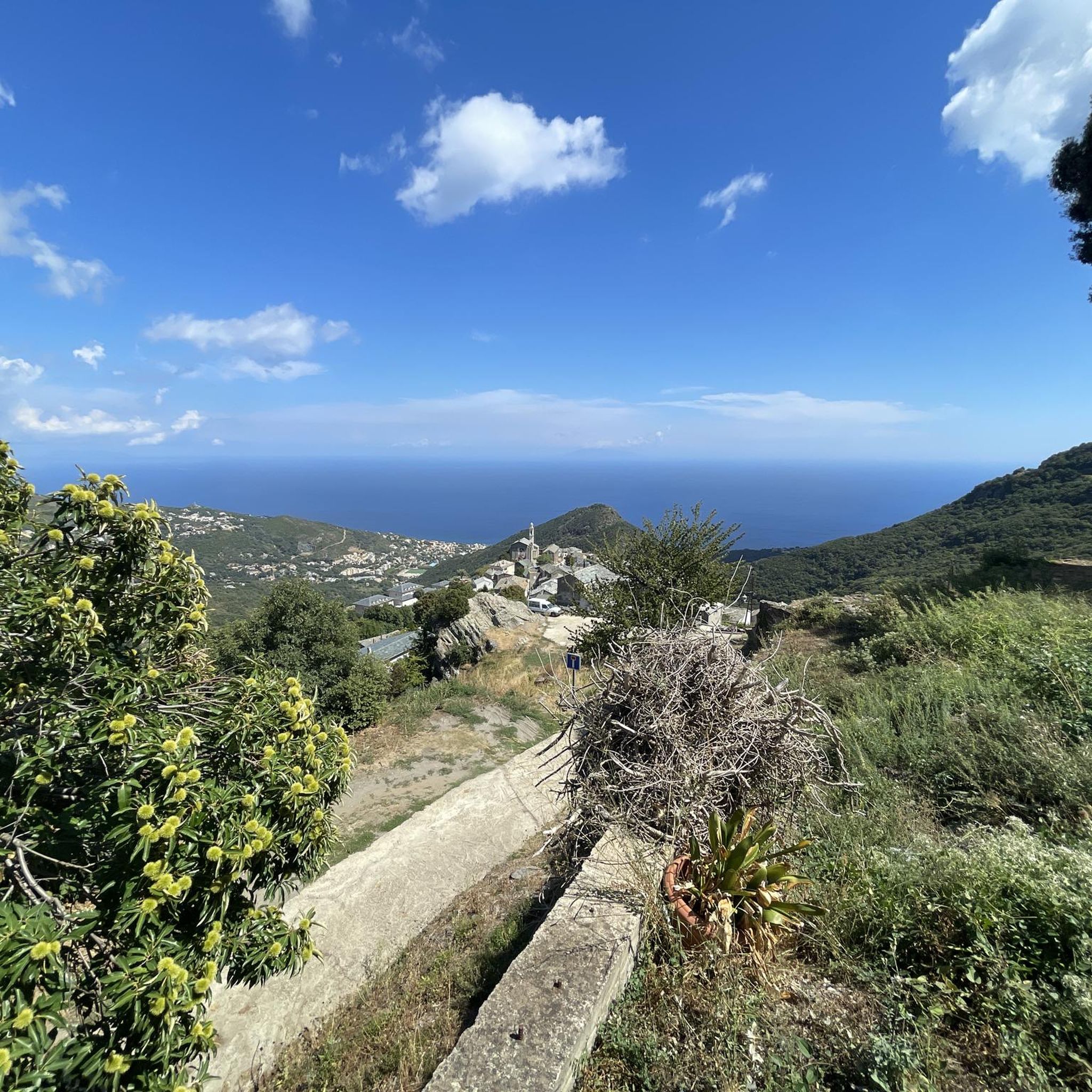
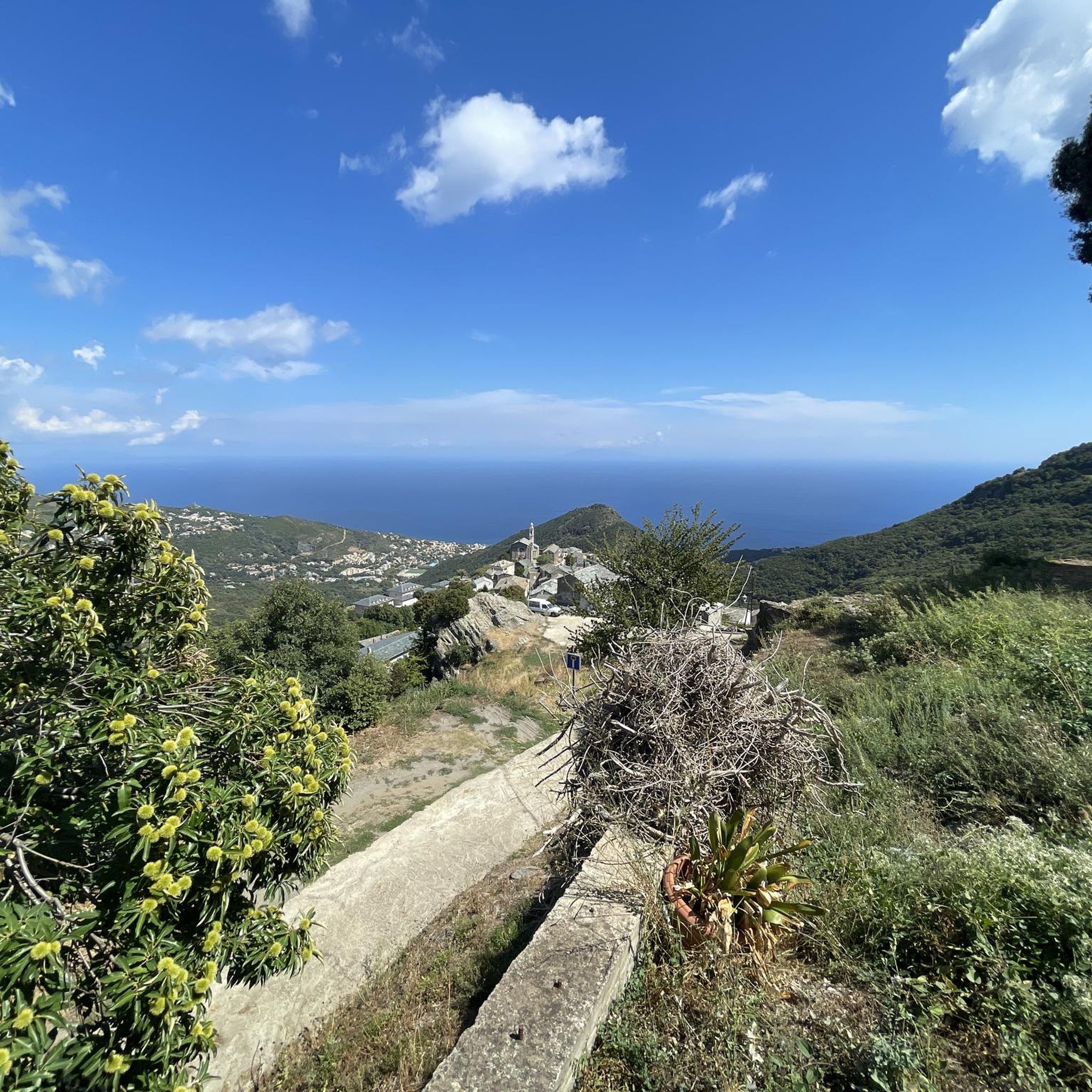
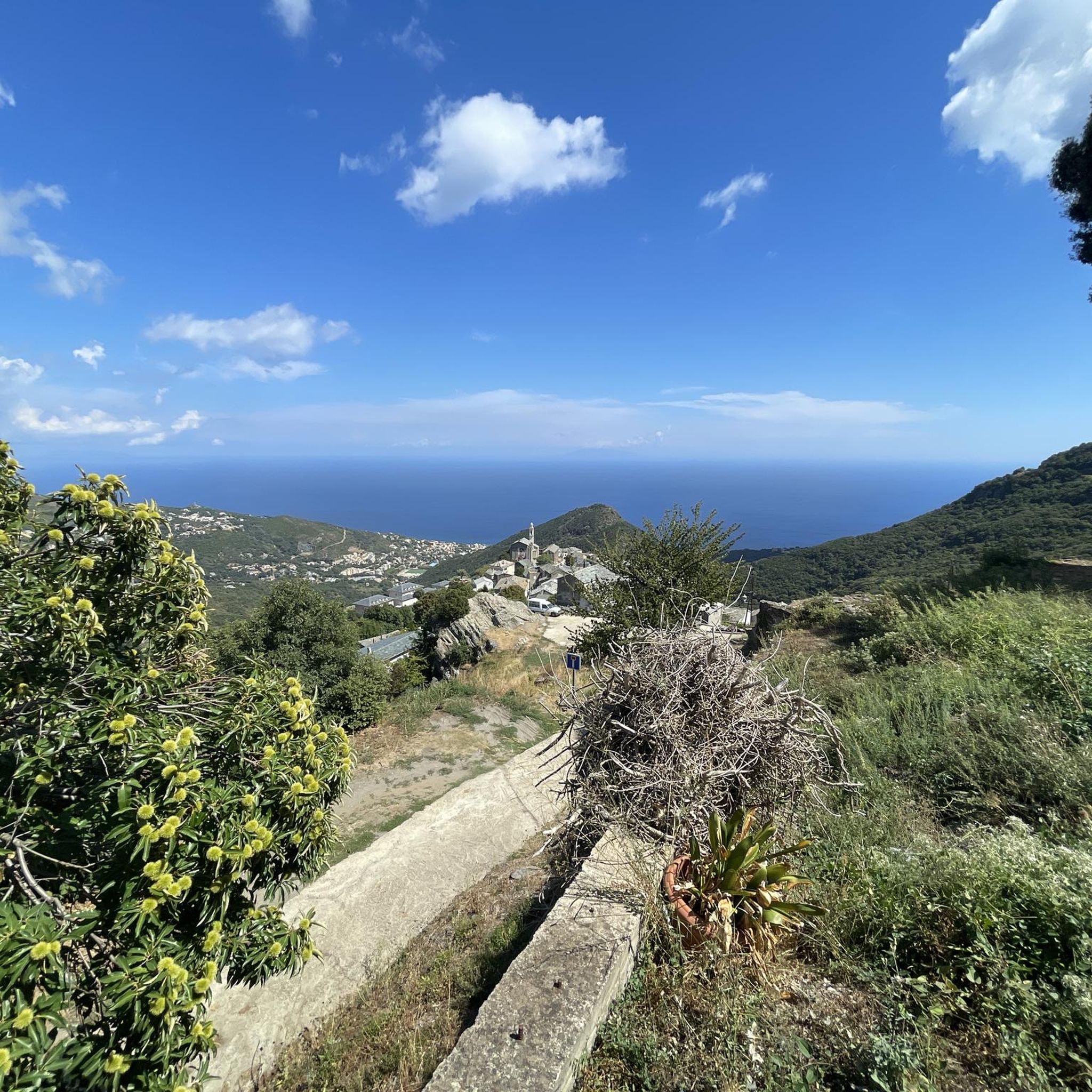
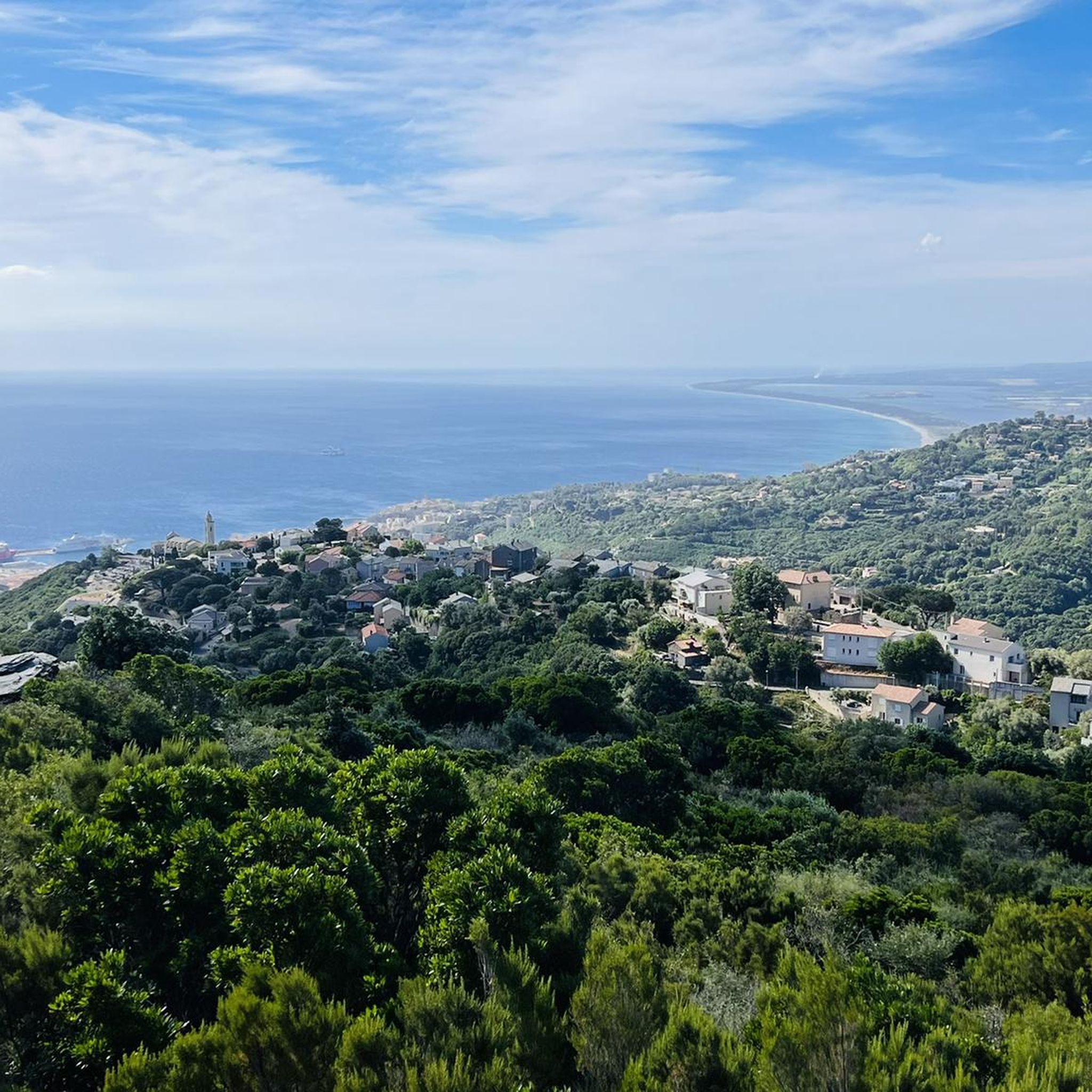

Tips from the Community

🌅 Bastia's Seafront – Atmosphere & Character The promenade in Bastia doesn't stretch along a traditional, continuous sandy beach, but rather runs in several sections along the coastline – particularly between the Old Port (Vieux Port), Place Saint-Nicolas, and the new marina. Instead of wide sandy beaches, rocky stretches, smaller bays, and the proximity to urban city life dominate. 🏛️ Sights & Highlights Vieux Port (Old Port): The picturesque old port is the centerpiece. Framed by pastel-colored houses and cafés, it invites you to stroll and linger. Place Saint-Nicolas: One of the largest squares in France, lined with palm trees, right on the water. Ideal for strolls with views of the sea and the ferries. Marina & Modern Waterfront Promenade: Located just south of the old port, with more modern facilities, boats, and yachts. A section of walking paths along the coast also begins here.
2
0

The church is the largest church in Corsica. It was built between 1636 and 1666.
0
0


It is one of the largest squares in Europe, lined with plane trees. It is the setting for all major events, and on Sundays there is a huge flea market across the entire square. Many cafés invite you to take a break
0
0

Saint John the Baptist (Saint Jean Baptiste), to whom this church in Bastia is dedicated, is—like Saint Joseph—a man on the threshold between the Old and New Testaments. His parents are Zechariah and Elizabeth. After announcing the Incarnation through them, the Mother of God visits her relative Elizabeth, who, in her old age, will give birth to a son, John the Baptist. John the Baptist is six months older than Jesus and is considered his forerunner. He lives in the desert, preaches repentance from sin to the Jewish population, and baptizes them in the Jordan River. Jesus also comes there to be baptized, where he is filled with the Holy Spirit, who descends upon him from heaven. The feast day of Saint Jean Baptiste in the calendar of saints is June 24, exactly six months before Christmas Eve.
0
0

I was also very impressed. Once upon a time there was a market here. It's bearable here.
0
1

Saint Jean Baptiste is a richly decorated, fairly large three-aisled church - the main church in Bastia.
2
0
Spacious, light, relaxed. Surrounded by plane trees, under which cafes and restaurants offer espresso, drinks and delicious food (not too expensive). Very nice!
1
0
Frequently Asked Questions
What are some popular attractions to visit around Santa-Maria-Di-Lota?
Visitors frequently enjoy the stunning View of Nonza, which offers a remarkable panorama of the large beach below. Another popular spot is the Place Saint-Nicolas in nearby Bastia, a spacious public square surrounded by cafes and palm trees. For a glimpse into history, the Old arch bridge in the Pietracorbara river provides a scenic and historical experience.
What kind of natural landscapes can I explore in Santa-Maria-Di-Lota?
The region is rich in natural beauty. You can explore the fragrant scrub and chestnut groves of Cap Corse, or hike up to Cimone, a mountain offering splendid 360-degree views of the Mediterranean Sea and the Gulf of Saint-Florent. The Bastia Seafront Promenade also offers scenic coastal views and a pleasant atmosphere.
Are there any historical sites or landmarks in Santa-Maria-Di-Lota?
Yes, Santa-Maria-Di-Lota boasts a rich architectural heritage. You can visit the 17th-century Old Genoese Humpback Bridge (Mandriale), a significant Ligurian landmark. The area also features several religious buildings, including the Santa Maria Church and the Dominican convent of San Hyacinth. The renovated 15th-century Genoese tower overlooking Miomo Marina is another notable historical structure.
What beaches are recommended near Santa-Maria-Di-Lota?
The Miomo Marina and Pebble Beach is a popular choice, ideal for families and supervised by lifeguards. Farinole Beach is also a notable natural feature, often mentioned as a great starting point for sightseeing. Further afield, the Beach of Saint Florent is considered a top tourist attraction in the region.
Are there any family-friendly attractions or activities in the area?
The Miomo Marina and Pebble Beach is an excellent family-friendly option, offering a safe and enjoyable seaside experience. The Bastia Seafront Promenade is also suitable for families, providing a pleasant environment for strolls with views of the sea and ferries. Nearby Bastia also offers the spacious Place Saint-Nicolas with cafes and open space.
Where can I find beautiful viewpoints near Santa-Maria-Di-Lota?
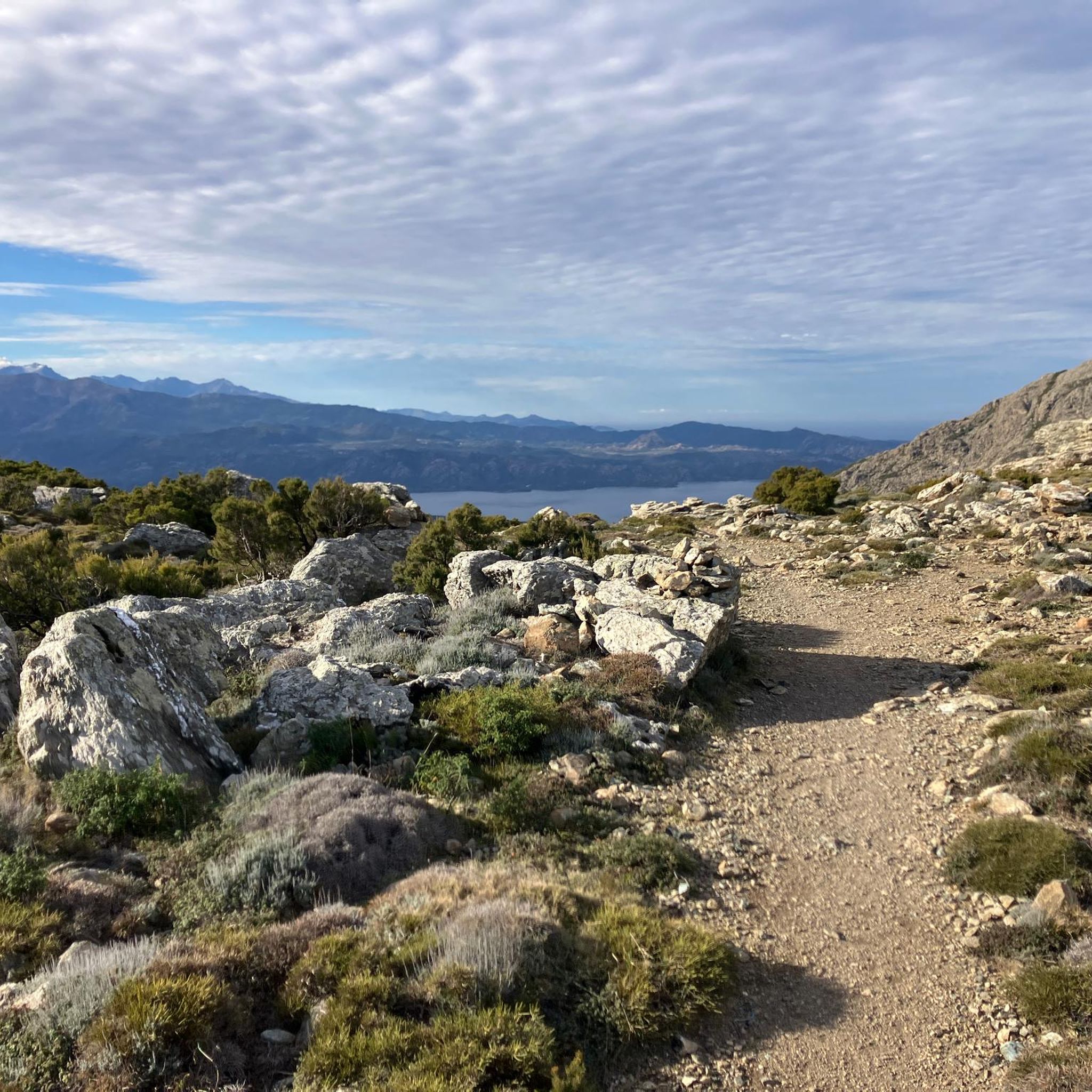
For breathtaking vistas, the View of Nonza is highly recommended, offering a remarkable perspective of the large beach below. Hiking up to Cimone (1198 meters) also provides a splendid 360-degree view encompassing the Mediterranean Sea and the Gulf of Saint-Florent.
What outdoor activities can I do near these attractions?
The area around Santa-Maria-Di-Lota is perfect for outdoor enthusiasts. You can find numerous hiking trails, ranging from easy to difficult. For example, there are routes like the 'View of San Ghjacintu – Cimone loop' or the 'Chemin de Grigioni – Grigione–Aggiocola Rocky Trail loop'. Cycling is also popular, with routes such as the 'View of the Rocky Coastline – Erbalunga loop'. You can find more details on these activities and routes on the hiking guide and cycling guide for Santa-Maria-Di-Lota.
Are there any notable religious buildings in Santa-Maria-Di-Lota and nearby?
Yes, the region has a rich religious architectural heritage. Within Santa-Maria-Di-Lota, you can find the Santa Maria Church, the Church of Santa Antonio di Padua, and the Dominican convent of San Hyacinth. In nearby Bastia, the Saint John the Baptist Church is a richly decorated, large three-aisled church and the main church in Bastia, built between 1636 and 1666.
What is Erbalunga and how far is it from Santa-Maria-Di-Lota?
Erbalunga is a small and picturesque fishing village located just 5 km from Santa-Maria-Di-Lota in south-east Cap Corse. It's known for its charm and also features the historic Torra Ghjenuvese d'Erbalunga, a Genoese tower.
Can I find wheelchair-accessible places to visit around Santa-Maria-Di-Lota?
Yes, the Place Saint-Nicolas in Bastia is noted as being wheelchair accessible. This large public square offers a spacious and flat area to enjoy the surroundings, with many restaurants and cafes.
What do visitors enjoy most about the attractions around Santa-Maria-Di-Lota?
Visitors particularly appreciate the stunning views, such as those from Nonza, and the historical charm of sites like the Old arch bridge in the Pietracorbara river. The vibrant atmosphere of Place Saint-Nicolas in Bastia, with its cafes and open space, is also a favorite. Many enjoy the blend of natural beauty and historical insights the region offers.
Are there any unique architectural features to see in the hamlets?
Yes, the Figarella Hamlet is particularly interesting. It features beautiful residences, some inspired by Tuscan architecture, built by Cap Corsins who returned after seeking their fortunes abroad in the late 19th century. It also contains 'houses of Americans' and a 19th-century castle, showcasing a unique blend of styles.
Most popular routes around Santa-Maria-Di-Lota

Get inspired with the komoot mobile app


Explore more
Still not found the Highlight you’re looking for? See guides of the top attractions in other regions:
