Attractions and Places To See around Pasly - Top 20
Best attractions and places to see around Pasly offer a variety of historical and natural sites. This region, located near Soissons in France, features medieval architecture, ancient abbeys, and unique geological formations. Visitors can explore historical landmarks that showcase centuries of regional heritage. The landscape provides opportunities to discover both man-made and natural points of interest.
Best attractions and places to see around Pasly
- The most popular attraction is Septmont Keep, a castle that was originally part of a…
Last updated: October 5, 2026
Septmont Keep
Highlight • Castle
Translated by Google •
Tip by

Saint-Jean-des-Vignes Abbey, Soissons
Highlight • Other
Translated by Google •
Tip by
Sign up now to discover places like this
Get recommendations on the best single tracks, peaks, & plenty of other exciting outdoor places.
Le fond Guesot
Highlight • Cave
Translated by Google •
Tip by

Broken Cross Monument
Highlight • Other
Translated by Google •
Tip by
Donjon d'Ambleny and Ambleny Church
Highlight • Other
Translated by Google •
Tip by

Sign up for free to discover even more attractions around Pasly.
Already have an account?
Start today with a free account
Your next adventure awaits.

Tips from the Community

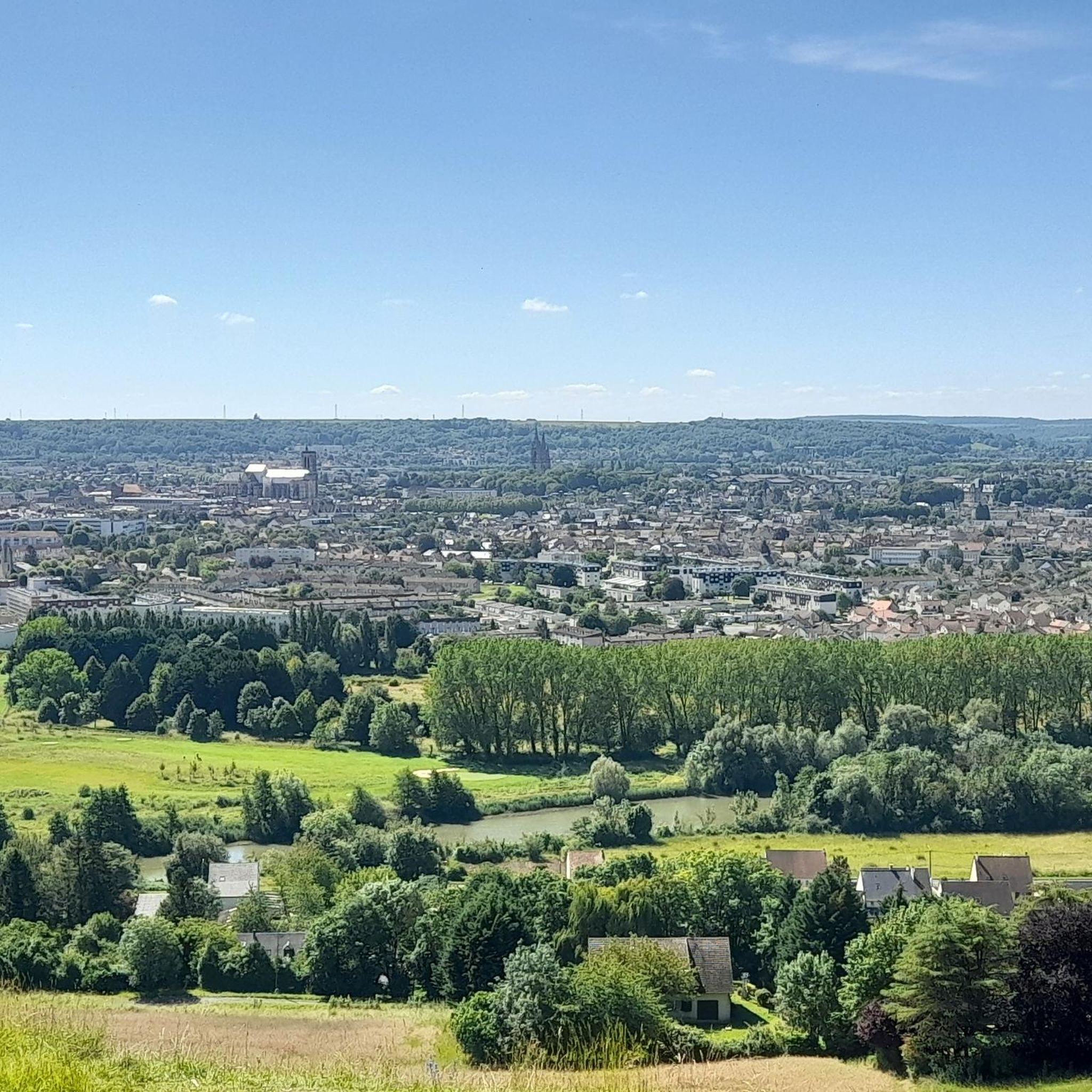
Located in the Aisne region, Septmonts Castle was originally the country residence of the bishops of Soissons. Built between the 12th and 16th centuries, it retains several original features, such as the so-called Saint-Louis Room. Visitors can discover a 14th-century keep and square tower, as well as a 16th-century Renaissance pavilion. Bombed during the First World War, Septmonts Castle is now classified as a historical monument for its chapel and keep, and an inscription for the rest of the buildings. The impressive keep is over forty meters high and consists of seven stories of complex architecture. Septmonts Castle itself is adorned with a park featuring an arboretum and an orchard. The entire complex is open to the public, and the Renaissance residence also hosts temporary exhibitions. Every June, the site hosts the Pic'Arts rock festival concerts.
6
0
Unfortunately, we have to disagree with Willem VS here: both the church and the keep are closed to the public. But the pigeons have certainly turned it into a giant playground.
5
0

In the footsteps of the Poilus
0
0
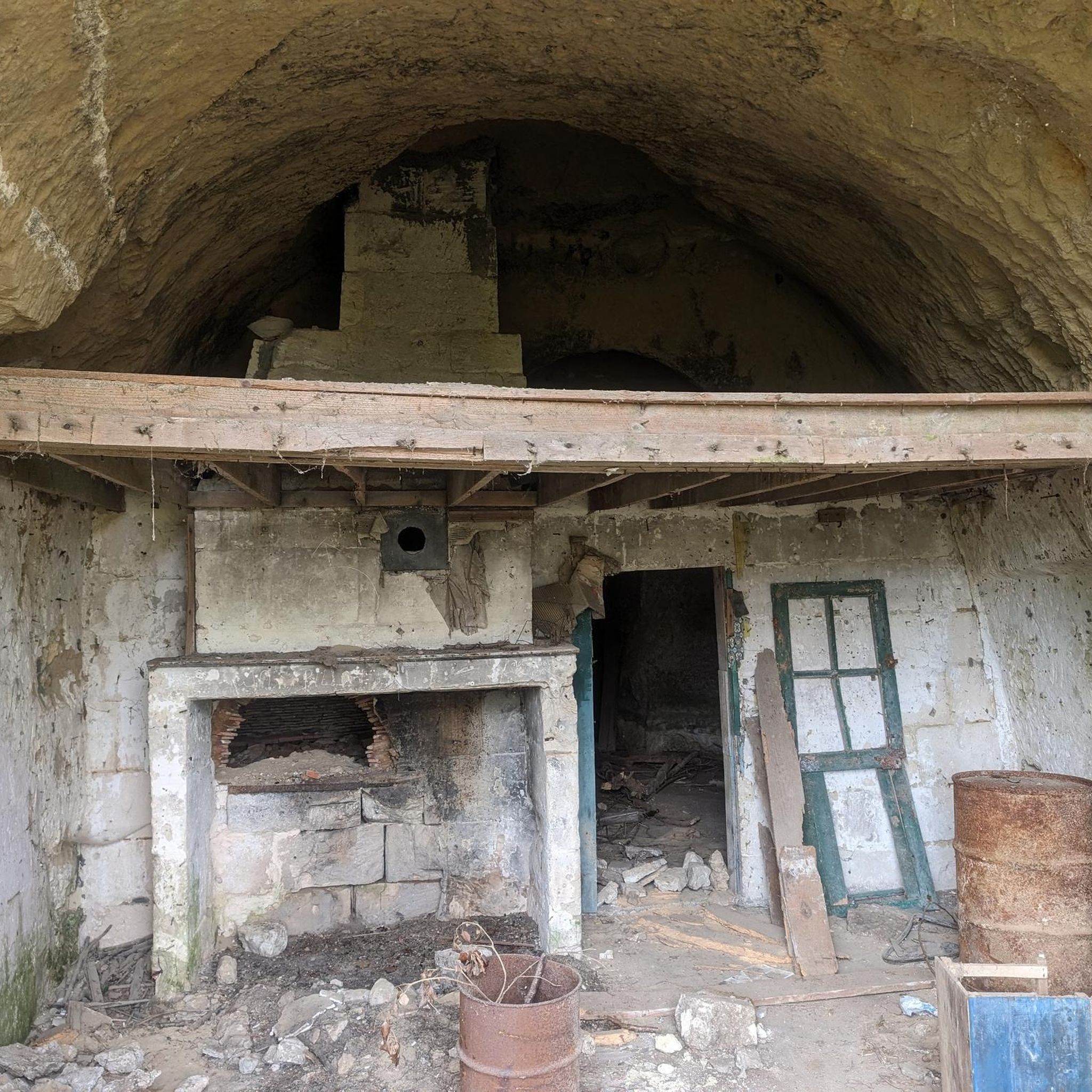
Great place to discover in the forest
0
0
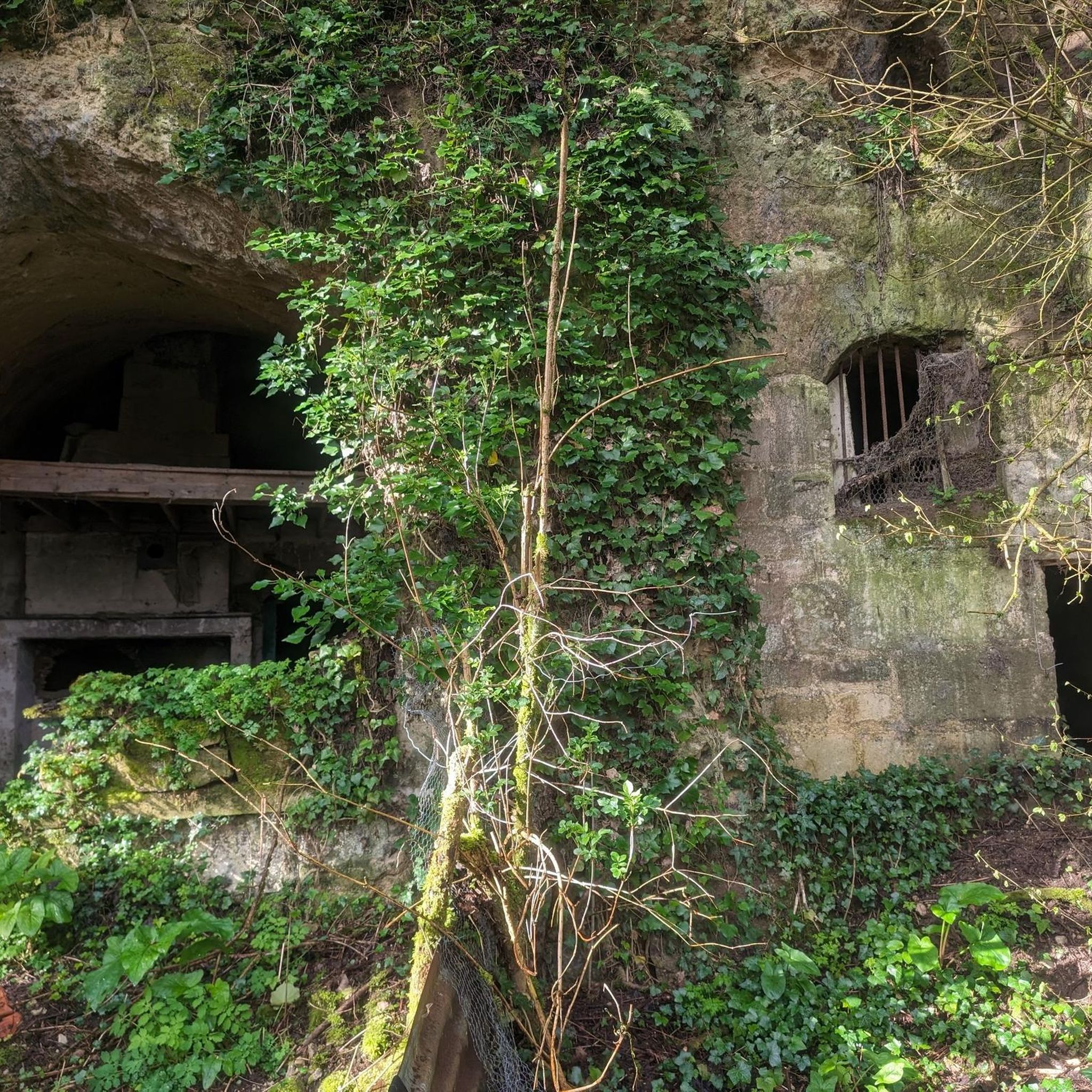
Possibility to sit on the steps for a meal or a break. Lamp recommended
0
0

Built in 1929 by the Marquis de Croix, owner of the land, this monument symbolises the suffering of all the soldiers who fought on the Confrécourt plateau during the First World War. The monument is in the shape of a broken cross, reminiscent of the many postcards showing crucifixes or Christs who miraculously survived the bombardments of the war. The monument is located near a stone marker that marks the furthest advance of the German troops during their offensives in 1918. You can also see the new Confrécourt farm, rebuilt after the war on the site where the French front lines were located.
0
0

The Monument de la Croix-Brisée is a monument in memory of the victims of the First World War. The monument is located in Nouvron-Vingré, in the Aisne department, France. Erected in 1929 by the Marquis de Croix, owner of the estate, the monument symbolizes the suffering of all the fighters of the First World War on the Confrécourt plateau. The monument has been registered as a historical monument since 1990.
1
0
The Donjon d'Ambleny is the last remnant of an ancient castle built around 1140 and located in the French commune of Ambleny in the Aisne department. It is one of the few structures with very round shapes from the 12th century. It is currently a historical monument and is open to visitors. The tower is 28 meters high and has a circumference of 45 meters. It is built in an octagonal shape and has walls 2.55 meters thick. The Donjon d'Ambleny is classified as a historic monument.
4
0
Frequently Asked Questions
What historical sites can I explore around Pasly?
Pasly and its surroundings are rich in history. You can visit the impressive Septmont Keep, a 14th-century castle that served as a residence for the bishops of Soissons. Another significant historical landmark is Saint-Jean-des-Vignes Abbey, Soissons, a former Augustinian abbey with a beautiful Gothic facade. For a unique historical experience, explore the Carrières de Confrécourt, underground quarries that served as a refuge for French soldiers during WWI, featuring their carvings and frescoes.
Are there any family-friendly attractions in the Pasly area?
Yes, the region offers attractions suitable for families. The Septmont Keep is considered family-friendly, offering a chance to explore a medieval castle with an arboretum and orchard in its park. While not explicitly listed as family-friendly, the historical context of sites like Carrières de Confrécourt can be engaging for older children interested in history, especially with guided tours.
What natural features or unique landscapes can I discover near Pasly?
Beyond historical structures, Pasly offers unique natural features. The Carrières de Confrécourt are underground quarries that combine natural formations with historical significance. Additionally, the Le fond Guesot caves in Fontenoy are part of a natural site known for rare bats and prehistoric carvings, though special permission is required for entry.
What outdoor activities can I do around Pasly?
The Pasly area is excellent for outdoor enthusiasts. You can enjoy various cycling routes, including Cycling around Pasly, with options ranging from moderate to difficult. For those who prefer off-road adventures, there are Gravel biking around Pasly routes. If running is your preference, explore the Running Trails around Pasly, which offer moderate difficulty loops.
Are there any running trails near Pasly's attractions?
Yes, there are several running trails available. You can find various moderate running loops, including those starting from Pasly itself, as part of the Running Trails around Pasly guide. These routes offer a great way to experience the local landscape while staying active.
What is the significance of Soissons Cathedral?
Soissons Cathedral is an early Gothic cathedral built from 1176, dedicated to martyrs Gervasius and Protasius. It features a striking southern transept, a light and spacious choir, and impressive stained-glass windows. Despite damage during the First World War, it remains a powerful symbol of Gothic architecture and religious history in northern France, housing works by Rubens and Philippe de Champaigne.
Can I visit the Carrières de Confrécourt, and what makes them special?
The Carrières de Confrécourt are special because they served as a refuge for French soldiers during the First World War. Visitors can see sculptures and frescoes carved by soldiers on the walls, expressing their hopes and memories. Guided tours are available on the first Sunday of each month from April to September, and booking in advance is required to explore this unique historical site.
What do visitors enjoy most about the attractions around Pasly?
Visitors particularly appreciate the rich historical context and unique experiences offered. The Septmont Keep is valued for its medieval ambiance and peaceful park. The Saint-Jean-des-Vignes Abbey, Soissons is admired for its preserved Gothic architecture. The Carrières de Confrécourt offer a moving insight into WWI history through soldier-made art. The komoot community has shared over 50 photos and given more than 40 upvotes, highlighting the visual appeal and historical depth of the region.
Are there any caves or underground sites to explore in the area?
Yes, the region features notable underground sites. The Carrières de Confrécourt are underground quarries with significant WWI history, offering guided tours. Additionally, the Le fond Guesot caves are known for rare bats and prehistoric carvings, though they require special permission from the Conservatoire des Sites Naturels de Picardie for public access.
What kind of cycling routes are available near Pasly?
Near Pasly, you'll find a variety of cycling routes catering to different preferences. The Cycling around Pasly guide includes routes of moderate to difficult grades, such as loops around the Suspension Bridge over the Aisne or towards Chateau du Fief Champêtre. For those who prefer gravel paths, the Gravel biking around Pasly guide offers challenging routes like the Coucy-le-Château-Auffrique loop.
What is the history behind Saint-Jean-des-Vignes Abbey?
Saint-Jean-des-Vignes Abbey, Soissons was founded in 1076 by Hugues le Blanc as an abbey for Augustinian canons. It grew to become one of the richest abbeys in the Middle Ages. While much of it was destroyed during the French Revolution, its impressive Gothic facade, parts of the cloister, and the refectory are still preserved. The former abbot's house now serves as an interpretation center.

Get inspired with the komoot mobile app


Explore more
Still not found the Highlight you’re looking for? See guides of the top attractions in other regions:
