Attractions and Places To See around Bagneux - Top 20
Best attractions and places to see around Bagneux include a mix of historical landmarks, cultural sites, and green spaces. This suburb located just south of Paris offers its own notable points of interest for exploration. The region provides diverse experiences, from ancient architecture to modern cultural hubs and natural parklands.
Best attractions and places to see around Bagneux
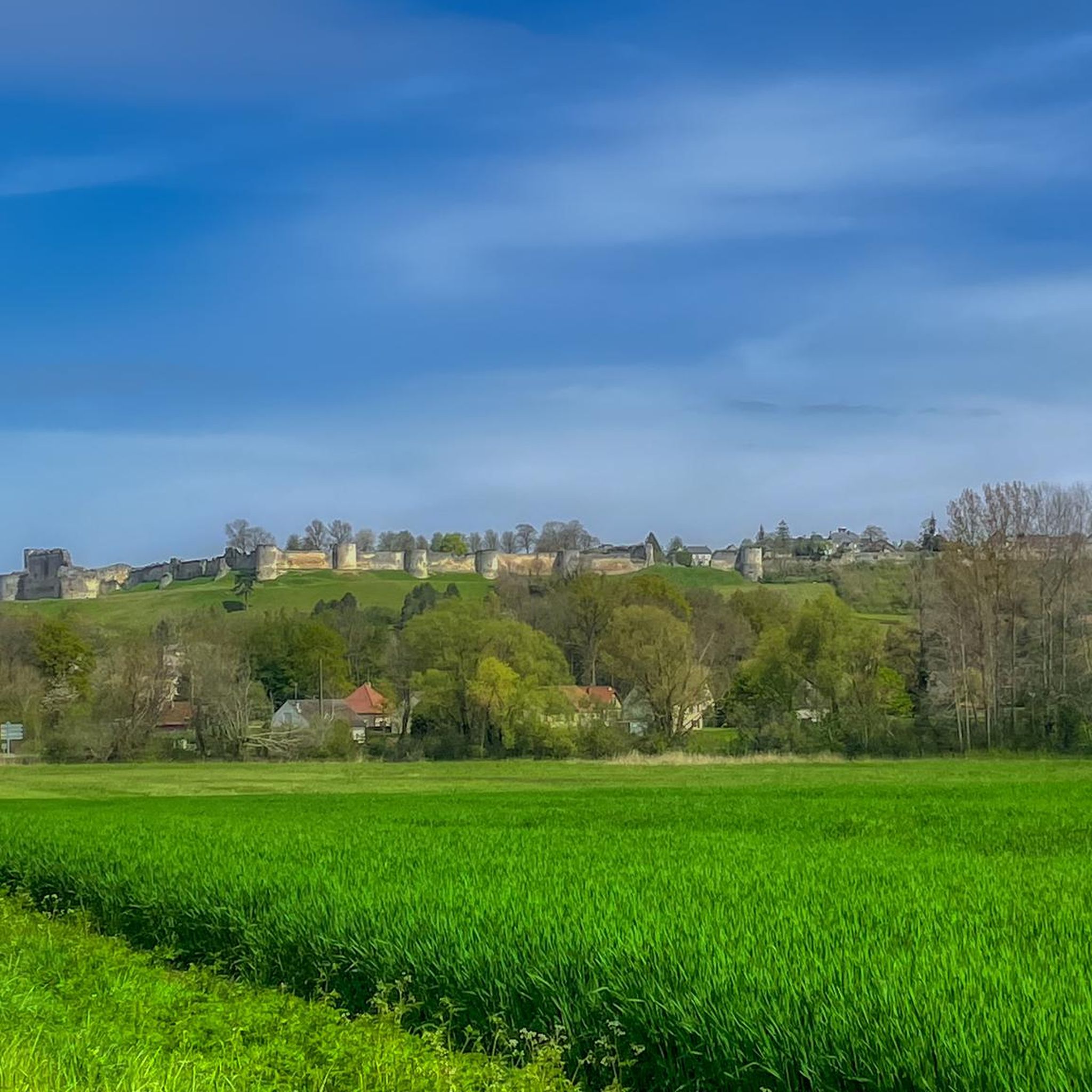
- The most popular attractions is Coucy Castle, a castle that was built in the 13th century by Enguerrand III, Lord of…
Last updated: October 10, 2026
Coucy Castle
Highlight • Castle
Translated by Google •
Tip by

Saint-Jean-des-Vignes Abbey, Soissons
Highlight • Other
Translated by Google •
Tip by

Sign up now to discover places like this
Get recommendations on the best single tracks, peaks, & plenty of other exciting outdoor places.
Laon Gate (Coucy-le-Château-Auffrique)
Highlight • Other
Translated by Google •
Tip by

Le fond Guesot
Highlight • Cave
Translated by Google •
Tip by
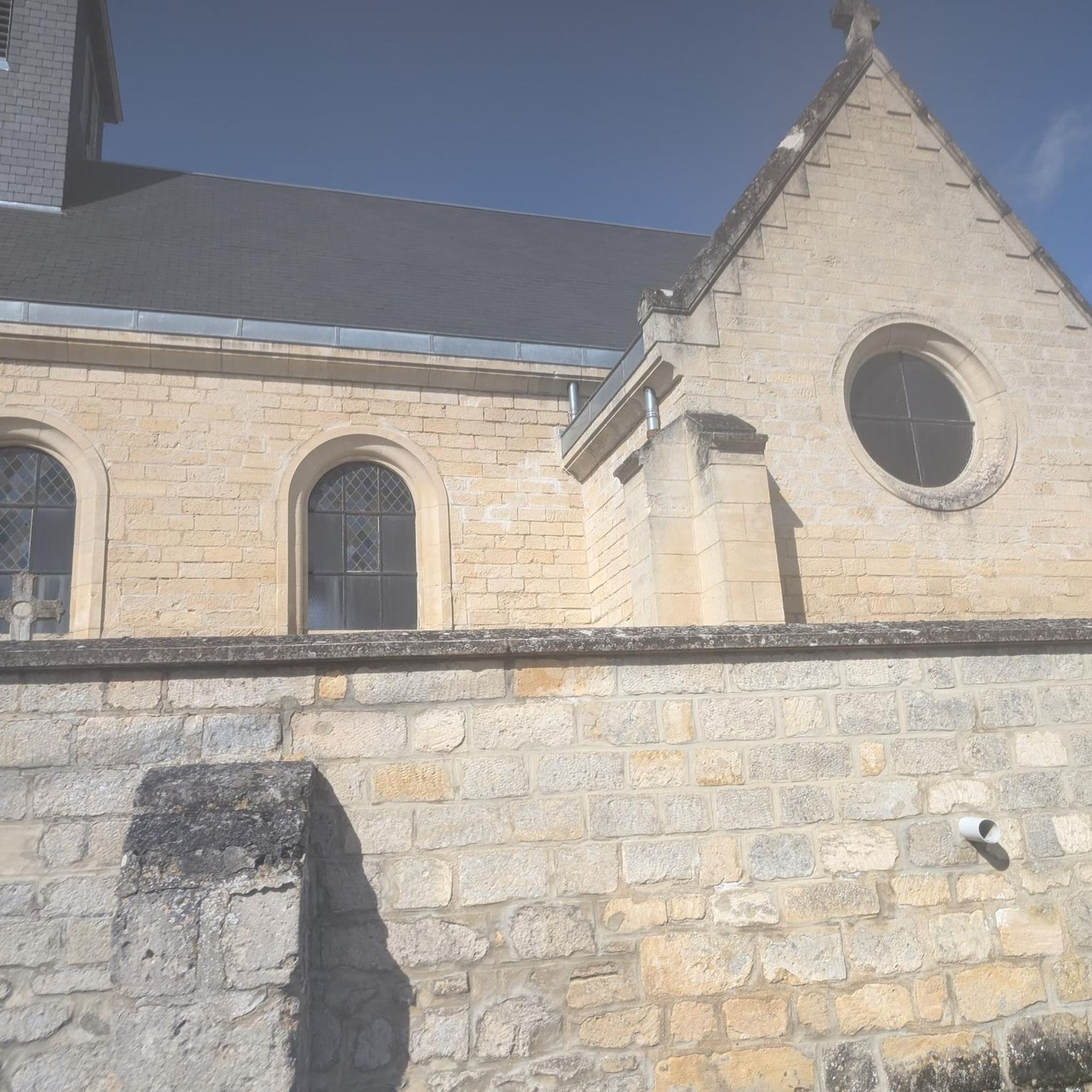
Saint-Sauveur Church of Coucy-le-Château-Auffrique
Highlight • Religious Site
Tip by
Sign up for free to discover even more attractions around Bagneux.
Already have an account?
Start today with a free account
Your next adventure awaits.




Tips from the Community

Great place to discover in the forest
0
0
Possibility to sit on the steps for a meal or a break. Lamp recommended
0
0


The Abbaye Saint-Jean-des-Vignes is a former abbey of Augustinian canons in Soissons, France. It was founded in 1076 by Hugues le Blanc, lord of the region, and was one of the richest abbeys in the Middle Ages at the time. The abbey is located on the Saint-Jean hill, southwest of the city center of Soissons and has a Gothic architecture. It is currently a historical monument and is open to visitors. It includes a beautiful facade, a refectory, a cloister and outbuildings. The former abbot's house houses the Center for the Interpretation of Architecture and Heritage.
9
0

The caves at the bottom of Guesot in Fontenoy are part of a natural site which includes the slopes of Port-Fontenoy and the Ru de Vaux valley. The caves are home to rare bats that hibernate there in winter, and also contain prehistoric carvings on the walls. The caves are not open to the public, so you will need to obtain special permission from the Conservatory of Natural Sites of Picardy before you can visit them. On the other hand, you can admire them from the outside while running.
2
0
Coucy Castle is a magnificent castle built in the 13th century by Enguerrand III, Lord of Coucy. It was one of the largest and most impressive castles in Europe, with a massive keep and four towers dominating the landscape. The castle was partially destroyed during the First World War, but its ruins still bear witness to its past glory. You can discover the castle and its history by participating in the Trail Enguerrand, a running race that takes you around the castle and its surroundings. The race is 30 km long, with 700 m of altitude difference, and it offers breathtaking views of the castle and the countryside. You can also opt for a shorter distance of 15 km, with 370 m of elevation gain. The race takes place in April and you can register online on the official website. By hiking this trail, you will not only get a good workout, but also a cultural and historical experience.
2
0
The Guesot bottom caves in Fontenoy are part of a natural site which includes the slopes of Port-Fontenoy and the Ru de Vaux valley. The caves are home to rare bats that hibernate there in winter, and also contain prehistoric carvings on the walls. The caves are not open to the public, so you will need to obtain special permission from the Conservatoire des Sites Naturels de Picardie before you can visit them.
2
0
This medieval gate, built in the 13th century, was part of the impressive fortifications of Coucy-le-Château, a town once famous for its castle and its motto: "I am neither king, nor prince, nor count, I am the lord of Coucy ". The Porte de Laon is a massive structure with two round towers and an arched passage, defended by a drawbridge, a double portcullis and a barbican. You can admire the architecture and military devices of this ancient bastion, as well as the panoramic view of the city and the surrounding countryside.
3
0
Frequently Asked Questions
What historical sites can I explore within Bagneux itself?
Within Bagneux, you can visit the beautiful Church of Saint Hermeland, a Romanesque church with parts dating back to the 12th century. The House of Richelieu, an 18th-century mansion, now serves as a center for music and dance. Don't miss the 17th-century Gnomon (Sundial), located in the library lobby, which is considered unique. Other notable sites include the Fountain Gueffier, the Clos de Brugnauts, and the Maison Massena.
Are there any cultural attractions or art centers in Bagneux?
Bagneux offers several cultural hubs. The Victor Hugo Cultural Center hosts a diverse program of performances and exhibitions. The town is also known for its vibrant Street Art scene, featuring murals like the 'Fresque Extra-Natural' and 'Fresque Lucie Aubrac'. You can also explore the Maison des Arts and Le Carré Curial, a contemporary art center.
Where can I find green spaces or parks for relaxation in Bagneux?
For green spaces, Parc François Mitterrand is the largest park in Bagneux, perfect for relaxation, exercise, and picnics with its walking paths and playgrounds. Richelieu Park is also open to the public and features very old trees and a historical sculpture.
What kind of outdoor activities are available near Bagneux?
The region around Bagneux offers various outdoor activities. You can find numerous routes for hiking, cycling, and gravel biking. These guides provide options ranging from easy to difficult, allowing you to explore the countryside and historical sites.
Are there family-friendly attractions in the Bagneux area?
Yes, several attractions are suitable for families. Parc François Mitterrand in Bagneux has playgrounds and sports facilities. Further afield, Coucy Castle is listed as family-friendly and offers a fascinating historical experience for all ages.
Can I find unique natural features or caves to visit near Bagneux?
Yes, near Bagneux, you can find Le fond Guesot, a natural site featuring caves in Fontenoy. These caves are home to rare bats and contain prehistoric carvings. While not generally open to the public, you can admire them from the outside, especially if you're exploring the area on a run.
What are some notable historical landmarks in the wider region around Bagneux?
Beyond Bagneux, the region boasts significant historical landmarks. These include Coucy Castle, a magnificent 13th-century fortress, and Saint-Jean-des-Vignes Abbey, Soissons, a former Augustinian abbey with impressive Gothic architecture. The Laon Gate (Coucy-le-Château-Auffrique), a medieval gate from the 13th century, also offers historical insights and panoramic views.
Are there any specific events or festivals held in Bagneux throughout the year?
Bagneux hosts various cultural events annually. These include the literary festival 'Free Zone' in February, the contemporary arts festival 'Urban Alliances' between April and May, and the 'Hip Hop Cirq' festival at the end of June. During mid-July to mid-August, the city celebrates with 'Copacabagneux', a month of diverse festivities.
What are the options for hiking near Bagneux?
For hiking enthusiasts, there are several trails available. You can find routes like the 'Coucy Castle – View of Coucy-la-Ville loop' or 'Les Creutes de Pasly – Soissons loop'. These trails vary in difficulty from easy to moderate and allow you to explore the scenic surroundings. More options are detailed in the Hiking around Bagneux guide.
What is the best time of year to visit Bagneux attractions?
The best time to visit Bagneux depends on your interests. Spring and summer (April to August) are ideal for enjoying the green spaces, outdoor activities, and cultural festivals like 'Urban Alliances' and 'Copacabagneux'. Autumn (September) is great for the 'Clos de Brugnauts' harvest festival. Historical sites can be visited year-round.
Are there any religious sites of historical significance in the area?
Yes, the region has several important religious sites. In Bagneux, the Church of Saint Hermeland is a significant historical landmark. Further afield, the Saint-Jean-des-Vignes Abbey, Soissons, is a former Augustinian abbey founded in 1076. Additionally, the Saint-Sauveur Church of Coucy-le-Château-Auffrique, with origins in the 12th century, is another notable religious building.
Can I take historical walking tours in Bagneux?
Yes, Bagneux offers historical walking tours. Some of these can be explored via a smartphone application, which provides detailed descriptions of monuments and old photographs of various locations, allowing for a self-guided historical journey through the town.
Are there any attractions with panoramic views in the Bagneux region?
Yes, the Laon Gate (Coucy-le-Château-Auffrique), a medieval structure, offers panoramic views of the city and the surrounding countryside from its massive towers.
Most popular routes around Bagneux

Get inspired with the komoot mobile app


Explore more
Still not found the Highlight you’re looking for? See guides of the top attractions in other regions:
